


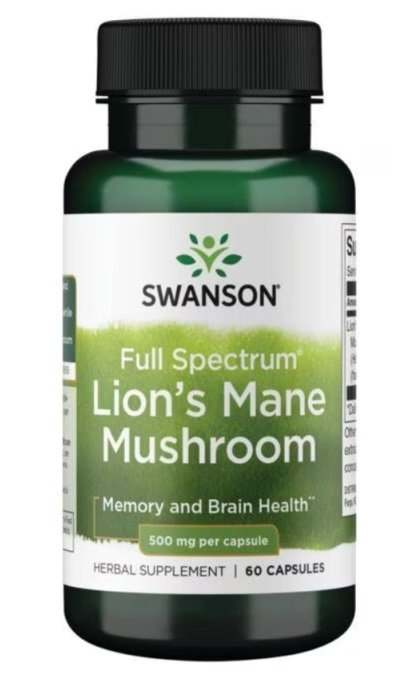


Lion's Mane and Cognitive Ageing


Related products


Medically reviewed by Dr Zeeshan Afzal (MBBS), Medical Officer at Welzo. Last updated: July 2026. This article is for general information and education. It is not medical advice, and it is not intended to diagnose, treat, cure or prevent any disease.
Lion's mane (Hericium erinaceus) has gone from an obscure Asian culinary mushroom to one of the most searched-for brain supplements in Britain. Walk into any UK health shop and you will find it as capsules, powders, tinctures and mushroom coffee, almost always sold on the same promise: sharper focus now, and a better-protected brain later.
For where lion's mane sits among the alternatives, start with our pillar guide to longevity supplements and browse the wider anti-ageing and longevity range. For the most established ingredient in the category, see our NMN benefits, side effects and dosage pillar and the NMN supplements range.
The honest position sits somewhere between the marketing and the scepticism. Lion's mane has a genuinely interesting mechanism, a small but real body of human trial data, and a good safety record. It also has a thin evidence base by pharmaceutical standards, inconsistent results between studies, and a UK supplement market where a large proportion of products are not what buyers assume they are.
This guide covers what the research actually shows about lion's mane and cognitive ageing, the UK-specific legal and quality issues that decide whether a product is worth buying, realistic dosing, and where lion's mane sits alongside other longevity supplements.
Key Takeaways
- Lion's mane contains two families of compounds — hericenones (in the fruiting body) and erinacines (in the mycelium) — that stimulate nerve growth factor (NGF) production in laboratory models.
- Seven randomised controlled trials have been identified by the Alzheimer's Drug Discovery Foundation. Results are mixed, with the most consistent signal in older adults who already have mild cognitive impairment rather than in healthy young people.
- In Great Britain, lion's mane fruiting body and its extracts are legal to sell in food supplements. Mycelium preparations are classed as an unauthorised novel food. This distinction matters commercially and legally.
- Trial doses have typically ranged from 1.8 g to 3.2 g per day of powdered fruiting body, taken for 12–16 weeks. Benefits in one trial faded after supplementation stopped.
- Lion's mane is generally well tolerated. Reported side effects are mostly gastrointestinal discomfort, nausea and skin reactions. Isolated case reports of allergy and respiratory reaction exist.
- No supplement, lion's mane included, comes close to the evidence supporting the 14 modifiable dementia risk factors identified by the 2024 Lancet Commission.
Table of Contents
- What is lion's mane?
- How lion's mane is thought to affect the ageing brain
- What cognitive ageing actually looks like
- What the human research says
- Fruiting body vs mycelium: the UK legal distinction
- Lion's mane dosage and timing
- How to choose a lion's mane supplement in the UK
- Safety, side effects and who should avoid it
- Lion's mane vs other cognitive and longevity supplements
- Building a cognitive ageing stack around lion's mane
- Setting realistic expectations
- Frequently asked questions
- References
What Is Lion's Mane?

Lion's mane (Hericium erinaceus) growing on hardwood. Image: Wikimedia Commons, Creative Commons licence — source and photographer credit.
Lion's mane is the common name for Hericium erinaceus, a white, shaggy fungus that grows on dead and dying hardwood — most often beech and oak — across the temperate northern hemisphere. Instead of gills or pores, it releases spores from soft, hanging spines up to 5 cm long, which is where the "mane" comes from. It is also called bearded tooth, hedgehog fungus, yamabushitake in Japan and houtou in China.
It has a long culinary history. Fresh lion's mane is a genuinely good edible mushroom with a texture and flavour often compared to crab or lobster meat. It also has a long history in traditional Chinese medicine, where it was used for digestive complaints well before anyone was interested in its effects on neurons.
Why It Suddenly Became a Supplement
Interest in lion's mane as a brain supplement traces back to Japanese laboratory work in the late 1980s and 1990s identifying compounds in the mushroom that stimulate nerve growth factor synthesis. That mechanism — a naturally occurring food that appears to nudge the body's own neurotrophic machinery — is what turned an ordinary edible mushroom into a nootropic category leader.
A Legally Protected Species in the Wild UK

Wild lion's mane on an old tree in the UK. Image: Wikimedia Commons, Creative Commons licence — source and photographer credit.
This is the detail most articles about lion's mane UK searches miss entirely. Hericium erinaceus is genuinely rare in Britain and is one of only a handful of fungi listed on Schedule 8 of the Wildlife and Countryside Act 1981 — the highest level of legal protection available to plants and fungi in Great Britain.
In practical terms, it is an offence to pick, uproot, destroy or sell wild-collected specimens. Government guidance on protected plants, fungi and lichens sets out the offences in detail. If you find one on a British beech tree, photograph it and record it — do not cut it.
Every legitimate lion's mane product sold in the UK therefore comes from cultivation, either on hardwood logs, sawdust blocks or in liquid fermentation. That is not a downside. Cultivated fruiting bodies are what almost all of the clinical research has used.
How Lion's Mane Is Thought to Affect the Ageing Brain
Hericenones and Erinacines
Lion's mane produces two distinct families of small, fat-soluble molecules with neurotrophic activity, and crucially they are not found in the same part of the organism:
- Hericenones are concentrated in the fruiting body — the visible mushroom.
- Erinacines are concentrated in the mycelium — the underground, thread-like vegetative network.
Both are small enough and lipophilic enough to be plausible candidates for crossing the blood–brain barrier, which is a prerequisite for any direct central nervous system effect. A 2025 systematic review of erinacines in preclinical models found consistent effects on motor function, cognition and emotional regulation in rodents, with molecular findings including reduced inflammation, reduced oxidative stress, less amyloid-β accumulation and enhanced neurogenesis.
Nerve Growth Factor and BDNF
Nerve growth factor (NGF) is a neurotrophin — a protein that keeps neurons alive, supports their repair and encourages the growth of new connections. NGF levels and neurotrophic signalling generally decline with age, and that decline is part of why the ageing brain becomes less plastic and slower to recover from insult.
Mori and colleagues demonstrated in 2008 that Hericium erinaceus has NGF-inducing activity in human astrocytoma cells. Later work extended this to brain-derived neurotrophic factor (BDNF), another neurotrophin closely tied to learning and memory. Importantly, lion's mane does not appear to be NGF — it appears to stimulate the body's own production of it.
Inflammation, Oxidative Stress and the Gut–Brain Axis
A 2025 narrative review in Nutrients catalogued antioxidant, anti-inflammatory and antimicrobial activity from the mushroom's polysaccharides, beta-glucans and phenolic compounds. Chronic low-grade inflammation is one of the recognised hallmarks of ageing, and it is strongly implicated in cognitive decline.
There is also emerging interest in a gut-mediated route: lion's mane beta-glucans are fermentable fibres, and some trials have observed changes in gut microbiota composition alongside cognitive outcomes. This remains speculative in humans.
What the Mechanism Does Not Prove
This is the part that supplement marketing routinely skips. Almost all of the NGF and neuroprotection data comes from cell cultures and rodents. Cell culture concentrations are frequently far higher than anything achievable by swallowing a capsule, and rodent brains are not human brains. The US National Institutes of Health LiverTox monograph on lion's mane states the position plainly: most of the purported effects have been demonstrated in cell culture or animal models but have not been found in humans.
A plausible mechanism is a reason to run trials. It is not a substitute for them.
What Cognitive Ageing Actually Looks Like
Normal Ageing, Mild Cognitive Impairment and Dementia
These three are often conflated, and the distinction matters when reading lion's mane research.
- Normal cognitive ageing — processing speed slows from the late twenties onwards; word-finding becomes slightly harder; multitasking gets more effortful. Everyday function is preserved.
- Mild cognitive impairment (MCI) — measurable decline on cognitive testing, noticeable to the person and often to family, but daily independence is intact. A proportion of people with MCI progress to dementia; a proportion remain stable or improve.
- Dementia — cognitive decline severe enough to interfere with independent daily living. Alzheimer's disease accounts for the majority of cases.
Most positive lion's mane findings come from the MCI group. Findings in cognitively healthy adults are far weaker and less consistent, which is exactly what you would predict for any intervention: it is much easier to detect improvement in someone with a measurable deficit.
The UK Picture
According to Alzheimer's Society, an estimated 982,000 people are living with dementia in the UK, with more than a third undiagnosed, and the figure is projected to reach 1.4 million by 2040. The associated cost to the UK was forecast at £42 billion in 2024, rising to £90 billion by 2040. Age is by far the strongest risk factor.
What Actually Moves the Needle
The 2024 Lancet Commission on dementia prevention, intervention and care concluded that around 45% of dementia cases worldwide could theoretically be prevented by addressing 14 modifiable risk factors across the life course: low education, hearing loss, high LDL cholesterol, depression, traumatic brain injury, physical inactivity, diabetes, smoking, hypertension, obesity, excessive alcohol, social isolation, air pollution and untreated vision loss.
No supplement appears on that list. If you are reading this because you are worried about your brain as you age, the highest-value actions are getting a hearing test, having your blood pressure and LDL checked, treating depression, staying physically active — Zone 2 training is one of the better-evidenced approaches — and staying socially connected. Lion's mane is an optional addition on top of that foundation, not a replacement for it.
What the Human Research Says
The Alzheimer's Drug Discovery Foundation's Cognitive Vitality review — an independent, non-commercial assessment — identified seven randomised controlled trials and rated the cognitive effects as mixed, based on small trials of short duration. Here is what those trials found.
The Human Trials at a Glance
| Study | Population | Dose & duration | Outcome |
|---|---|---|---|
| Mori et al., 2009 | 30 adults aged 50–80 with mild cognitive impairment | 3 g/day powdered fruiting body, 16 weeks | Improved scores on a dementia rating scale vs placebo; benefit declined after a 4-week washout |
| Saitsu et al., 2019 | 31 healthy adults over 50 | 3.2 g/day, 12 weeks | Improvement on the Mini-Mental State Examination only; no effect on two other cognitive tests |
| Li et al., 2020 | 49 patients with mild Alzheimer's disease | Erinacine A-enriched mycelia, 49 weeks | Improved activities of daily living; no significant cognitive improvement vs placebo |
| Docherty et al., 2023 | 41 healthy adults aged 18–45 | 1.8 g/day, 28 days | Faster Stroop task performance and reduced subjective stress; worse delayed word recall vs placebo |
| Grozier et al., 2022 | College-age athletes | 10 g/day in muffin form, 4 weeks | No effect on the dual-task cognitive challenge used |
| Surendran et al., 2025 | 18 healthy adults aged 18–35 | 3 g single dose of 10:1 fruiting body extract | No significant overall improvement in cognition or mood acutely |
The Mild Cognitive Impairment Trial
The Mori 2009 double-blind, placebo-controlled trial remains the single most cited piece of human evidence and the source of the widely repeated "3 grams for 16 weeks" protocol. Thirty Japanese adults with mild cognitive impairment took 3 g/day of powdered fruiting body, and the treatment group improved significantly on the Revised Hasegawa Dementia Scale relative to placebo.
Two caveats deserve equal billing. Thirty participants is a very small sample. And when supplementation stopped, the benefit faded over a four-week washout — suggesting a functional effect that requires continued use rather than durable structural change.
Healthy Older Adults
The Saitsu 2019 trial tested 3.2 g/day in 31 healthy adults over 50 for 12 weeks. The supplement group improved on the Mini-Mental State Examination but not on the other two cognitive measures used, and both groups improved on that outcome over time — a classic practice effect that makes single-test results hard to interpret.
Mild Alzheimer's Disease
The Li 2020 pilot study ran for 49 weeks — by far the longest of the lion's mane trials — using an erinacine A-enriched mycelial preparation in patients with mild Alzheimer's disease. Participants showed improvement in activities of daily living, but there were no significant improvements in cognitive test scores compared with placebo. This is worth stating clearly: there is no evidence from large randomised trials that lion's mane is beneficial for dementia.
Younger Healthy Adults
The Docherty 2023 pilot study at Northumbria University is the trial most often quoted in UK marketing, because it found faster Stroop task performance one hour after dosing and reduced self-reported stress after 28 days. What is rarely quoted from the same trial: the supplement group recalled fewer words on the delayed word recall test than placebo.
A follow-up 2025 crossover study from the University of Surrey, using a higher 3 g dose of a 10:1 fruiting body extract in 18 young adults, found no significant overall improvement in cognitive performance or mood from a single dose, concluding that any benefits may be task- or domain-specific and that chronic supplementation warrants further study.
The 2025 Systematic Review
A 2025 systematic review in Frontiers in Nutrition pooled five RCTs, three pilot clinical trials and a range of laboratory work. Combining Mini-Mental State Examination scores from one RCT and one pilot trial produced a weighted mean increase of 1.17 points in the intervention group. For context, the MMSE runs 0–30 and a change of 1–2 points is generally considered below the threshold of clear clinical meaningfulness for an individual.
How to Read This Evidence Honestly
Lion's mane sits in the same category as most nutraceuticals: real mechanism, small trials, inconsistent replication, no signal of harm. It is not a proven cognitive enhancer, and it is certainly not a dementia treatment. It is a reasonable, low-risk experiment for someone who has already addressed sleep, exercise, blood pressure and hearing — and a poor substitute for any of them. If you want a broader view of which longevity compounds have held up and which have not, our guide to longevity supplements that don't work applies the same standard across the category.
Fruiting Body vs Mycelium: The UK Legal Distinction

Cultivated lion's mane fruiting body — the form permitted in GB food supplements. Image: Wikimedia Commons, Creative Commons licence — source and photographer credit.
This is the single most important thing to understand before buying lion's mane in the UK, and it is both a legal issue and a quality issue.
How Novel Food Rules Work in Great Britain
Under assimilated Regulation (EU) 2015/2283, a food that was not consumed to a significant degree in the EU before 15 May 1997 is classed as a "novel food" and must be authorised before it can legally be placed on the market in Great Britain. The Food Standards Agency's novel foods guidance sets out the process and maintains the register of authorised products.
For lion's mane, the two parts of the organism are treated completely differently:
- Fruiting body and fruiting body extract powder — not novel. There is an accepted history of consumption in Europe before 1997, so these can be sold in UK food supplements without pre-market authorisation.
- Mycelium and dehydrated mycelium powder — novel, and not currently authorised. Regulators have concluded that the consumption history of the reproductive part does not transfer to the vegetative part, because their nutritional composition and active metabolites are not equivalent.
Why This Matters When You Buy Lion's Mane in the UK
Three consequences follow, and they are worth spelling out.
First, legality. A product built on lion's mane mycelium — including many imported American "mycelium on grain" powders — sits in a different regulatory position in Great Britain from a fruiting body extract.
Second, the compound profile changes. Erinacines are the mycelial compounds and are generally considered the more potent neurotrophic family in preclinical work. Hericenones are the fruiting body compounds. A UK-legal fruiting body product therefore delivers hericenones and beta-glucans, not erinacines. That is not a flaw — the Mori and Saitsu trials both used fruiting body — but it means UK products are not directly comparable to the erinacine A-enriched preparation used in the Li 2020 Alzheimer's trial.
Third, "mycelium on grain" is mostly grain. When mycelium is grown on a rice or oat substrate, the substrate cannot be separated out and is milled into the final powder. Products made this way can be substantially starch by weight, which is why beta-glucan content is a far more useful label metric than raw milligrams. Our guide to supplement fillers and what they actually do covers the same problem across other categories.
Lion's Mane Dosage and Timing
What the Trials Actually Used
| Form | Typical trial dose | Duration used |
|---|---|---|
| Powdered fruiting body | 3 g–3.2 g per day, usually split into 3 doses | 12–16 weeks |
| Fruiting body capsules (whole mushroom) | 1.8 g per day | 4 weeks |
| Concentrated 10:1 fruiting body extract | 3 g (equivalent to roughly 30 g fresh mushroom) | Single acute dose |
| Culinary fresh mushroom | Portions of 100 g+ are ordinary | N/A |
Note the mismatch between the research and much of the market. Plenty of UK capsules provide 500 mg–1,000 mg per day of unspecified mushroom material — well below anything tested clinically. Mushroom coffee blends often provide a few hundred milligrams per serving. Neither is dangerous; neither is comparable to the trial protocols.
When to Take It
There is no trial evidence establishing an optimal time of day. The most-cited protocol split 3 g across three doses with meals. Because the active compounds are fat-soluble, taking lion's mane with a meal containing some fat is a sensible default — the same logic covered in our guide on which supplements to take on an empty stomach. If you find it mildly stimulating, take it in the morning; if it settles you, evening. Our supplement timing chart covers how to slot it into an existing routine.
How Long Before You Notice Anything
The trials that found benefits ran for 12–16 weeks. Acute single-dose studies have largely failed to show meaningful cognitive change. Realistically, judge lion's mane over a full three months, not a fortnight — a timeline consistent with most of the category, as covered in how long supplements take to work.
Two further points. Benefits faded after cessation in the Mori trial, so this is not a "course" you complete. And subjective improvements in focus are highly susceptible to placebo — which is precisely why the objective cognitive test results across the trial literature are so much more equivocal than the online testimonials.
How to Choose a Lion's Mane Supplement in the UK

Commercial lion's mane cultivation. Image: Wikimedia Commons, Creative Commons licence — source and photographer credit.
The Checklist
- Fruiting body, stated explicitly. If the label says only "lion's mane mushroom" or "full spectrum", assume mycelium on grain until proven otherwise.
- A declared beta-glucan percentage. Beta-glucans are the meaningful measure of mushroom content. Many brands instead declare "polysaccharides", which includes starch from grain substrate and can therefore look impressively high while telling you very little.
- Extract ratio disclosed. A 10:1 extract means 10 kg of raw mushroom produced 1 kg of extract. Without a ratio, milligram figures are uninterpretable.
- A batch certificate of analysis. Mushrooms are efficient bioaccumulators of heavy metals from their substrate, so heavy metal testing is not optional here. See how to read a certificate of analysis.
- Third-party testing. In-house testing is a claim; independent testing is a check. Our guide to third-party tested supplements explains what to look for.
- A dose in the tested range. If you want to replicate the research, you need grams per day, not a token 300 mg.
Capsules, Powder, Tincture or Mushroom Coffee?
- Capsules — most convenient, easiest to dose consistently. Getting to 2–3 g/day may mean several capsules.
- Powder — cheapest per gram and easiest to reach trial doses. Taste is mild and mushroomy.
- Dual-extracted tincture — alcohol plus hot water extraction, intended to capture both water-soluble beta-glucans and alcohol-soluble hericenones. Convenient, though dosing in grams of mushroom equivalent is often unclear.
- Mushroom coffee — pleasant, but typically far below trial doses. Treat as a coffee product, not a clinical intervention.
What You Should Expect to Pay
A genuine fruiting body extract at a meaningful daily dose generally lands somewhere in the region of £20–£40 per month in the UK. Products priced dramatically below that are usually either low-dose or substrate-heavy. If that sounds like a lot for a mushroom, our explainer on why supplements are expensive breaks down where the cost actually goes, and building a cheap longevity stack covers how to prioritise when budget is finite.
Safety, Side Effects and Who Should Avoid It
The General Picture
Lion's mane has a reassuring safety profile. It is an ordinary edible mushroom eaten in substantial quantities as food. The NIH LiverTox database records that lion's mane has not been linked to serum enzyme elevations during use, nor to episodes of clinically apparent liver injury — a meaningful reassurance given how many botanical supplements have the opposite record.
That said, the Alzheimer's Drug Discovery Foundation notes that safety information for concentrated supplements, as opposed to the food, remains limited, and that long-term controlled data does not exist.
Reported Side Effects
- Gastrointestinal discomfort and nausea — the most commonly reported effects in trials
- Skin rash
- Headache
- Allergic reactions, including rare reports of skin and respiratory symptoms
There is a 1998 case report from Japan of acute respiratory distress syndrome in a patient taking a lion's mane extract. A single case among a very large number of users does not establish causation, but it does confirm that meaningful hypersensitivity reactions to this mushroom are possible.
Who Should Be Cautious
- Anyone with a known mushroom or mould allergy — start very low, or avoid.
- People with asthma or multiple food allergies — introduce slowly and monitor.
- Pregnancy and breastfeeding — no safety data; avoid.
- People on anticoagulants or antiplatelet medication — some preclinical work suggests effects on platelet aggregation. Discuss with your GP or pharmacist.
- People with diabetes on glucose-lowering medication — monitor blood glucose, as some animal data suggests glucose-lowering effects.
- Before planned surgery — stop two weeks beforehand as a general precaution for any supplement with theoretical bleeding effects.
When to Speak to a Doctor Rather Than Buy a Supplement
This matters more than anything else in this article. If you or someone close to you is experiencing memory problems that are noticeable to others, repeated questions, difficulty with familiar tasks, getting lost in familiar places, or personality change, that is a reason to see a GP — not a reason to try a mushroom supplement. Reversible causes of cognitive symptoms include thyroid disease, B12 deficiency, depression, sleep apnoea and medication side effects, and all of them are worth identifying early. More than a third of people with dementia in the UK do not have a diagnosis, and diagnosis opens the door to support, treatment and planning.
Lion's Mane vs Other Cognitive and Longevity Supplements

A mature lion's mane fruiting body. Image: Wikimedia Commons, Creative Commons licence — source and photographer credit.
| Supplement | Primary mechanism | Strength of human evidence for cognition | Best suited to |
|---|---|---|---|
| Lion's mane | Neurotrophic signalling (NGF/BDNF), anti-inflammatory | Small mixed RCTs; strongest signal in mild cognitive impairment | Adults over 50 wanting a low-risk cognitive-ageing addition |
| NMN | NAD+ precursor; cellular energy metabolism | Growing trial base, mostly on physical and metabolic markers rather than cognition | Broad cellular-ageing support |
| Creatine | Brain phosphocreatine buffering | Reasonable evidence for cognition under sleep deprivation and stress; vegetarians benefit most | Anyone; cheap and well studied |
| Omega-3 (EPA/DHA) | Neuronal membrane composition | Mixed; better evidence in those with low baseline intake | Low oily-fish consumers |
| Magnesium L-threonate | Raises brain magnesium; synaptic density in animal models | Limited human data | Those with poor sleep alongside cognitive concerns |
If you want to compare these in more depth, see our breakdowns of creatine for longevity, magnesium threonate vs glycinate, ergothioneine — another mushroom-derived compound with an interesting antioxidant profile — and our overall NAD+ supplement guide.
Building a Cognitive Ageing Stack Around Lion's Mane
Lion's mane is rarely taken alone. A sensible, evidence-led approach layers it onto foundations rather than treating it as the centrepiece.
Layer One: The Non-Negotiables
Sleep, aerobic and resistance exercise, blood pressure and LDL control, hearing and vision checks, alcohol moderation, and social engagement. These are the Lancet Commission factors, and they outrank every supplement on this page by a wide margin.
Layer Two: Nutritional Gaps
Vitamin D — near-universal in a UK winter — plus B12 if you eat little or no animal food, and omega-3 if you rarely eat oily fish. Correcting a deficiency is one of the few supplement interventions with a genuinely predictable effect.
Layer Three: Optional Longevity Compounds
This is where lion's mane sits, alongside NAD+ precursors such as NMN. If you are also interested in the cellular-energy side of brain ageing, our pillar guide to NMN benefits, side effects and dosage is the place to start, and you can compare formats across our range of NMN supplements. Higher-dose options such as NMN Pro 1000 are typically used by people who have already established a baseline routine.
For structured guidance on combining several compounds, see how to start longevity supplements, which supplements can be taken together, and our complete longevity stack guide. If you prefer a pared-back approach, the minimal supplement stack is a better starting point than a shelf of bottles.
Age and Life-Stage Considerations
Priorities shift with age. In your thirties the emphasis is habit-building rather than intervention — see longevity supplements in your 30s. Women approaching and through menopause face specific cognitive symptoms worth addressing directly, covered in longevity supplements for women over 40. Men over 50 have their own set of priorities in longevity supplements for men over 50. Shift workers face a distinct circadian burden on cognition — see supplements for shift workers. And if you want to understand the underlying framework, start with biological age and how to lower your biological age.
Setting Realistic Expectations
If lion's mane works for you, here is what that will realistically look like: a modest, gradual sense of clearer thinking or less mental fog over 8–12 weeks, possibly some reduction in subjective stress, and no dramatic change on any objective measure you could test at home.
Here is what it will not look like: reversing established cognitive decline, treating dementia, replacing prescribed medication, or producing an obvious next-day effect. Any brand promising those things is describing a drug, not a mushroom, and is almost certainly in breach of UK health claim rules.
A fair summary is that lion's mane is one of the more interesting compounds in the cognitive-ageing space, with a plausible mechanism, a decent safety record and an evidence base that is genuinely promising but genuinely thin. Buy it as an experiment with a three-month horizon and a specific product standard, not as insurance against dementia.
Frequently Asked Questions
Is lion's mane legal in the UK?
Yes, with an important distinction. Lion's mane fruiting body and fruiting body extract powder are legal to sell in food supplements in Great Britain because they are not classed as novel foods. Mycelium and dehydrated mycelium powder are classed as unauthorised novel foods and require pre-market authorisation. Separately, picking wild lion's mane in Britain is illegal, as the species is protected under Schedule 8 of the Wildlife and Countryside Act 1981.
Does lion's mane actually work for memory?
The evidence is mixed. The strongest human result comes from a 2009 trial of 30 adults with mild cognitive impairment, where 3 g/day for 16 weeks improved dementia rating scale scores versus placebo, with benefits fading after supplementation stopped. Trials in healthy adults have produced inconsistent results, including one that found worse delayed word recall in the supplement group. Lion's mane is not an established memory enhancer.
How much lion's mane should I take per day?
Clinical trials have used 1.8 g to 3.2 g per day of powdered fruiting body, most commonly 3 g split into three doses with meals, for 12–16 weeks. Many UK products supply far less than this. Dosage has not been formally established for any indication, so discuss it with a healthcare professional if you take other medication.
How long does lion's mane take to work?
The trials that found benefits ran for 12–16 weeks. Single-dose acute studies have largely failed to show meaningful cognitive change. Allow at least eight to twelve weeks of consistent daily use before judging it.
What is the difference between fruiting body and mycelium lion's mane?
The fruiting body is the visible mushroom and contains hericenones. The mycelium is the vegetative network and contains erinacines. In the UK and EU, fruiting body extracts are permitted in supplements while mycelial preparations are not authorised. Mycelium is usually grown on grain, and that grain cannot be separated out, so mycelium-based powders are often high in starch and low in beta-glucans.
Does lion's mane have side effects?
It is generally well tolerated. Reported side effects in trials include gastrointestinal discomfort, nausea, headache and skin rash. Allergic reactions occur in a small number of people, and there is an isolated case report of acute respiratory distress. Anyone with a mushroom allergy should avoid it, and it is not recommended in pregnancy or breastfeeding due to lack of data.
Can lion's mane prevent dementia?
No. There is no evidence from large randomised controlled trials that lion's mane prevents or treats dementia. A 49-week trial in patients with mild Alzheimer's disease found improvement in activities of daily living but no significant cognitive benefit over placebo. The 2024 Lancet Commission identified 14 modifiable lifestyle and health risk factors accounting for around 45% of dementia cases worldwide, and no supplement appears among them.
Can you take lion's mane with NMN or other longevity supplements?
There are no known interactions between lion's mane and NAD+ precursors such as NMN, and many people take both. Lion's mane is fat-soluble and generally taken with food, while timing for other compounds varies. If you take prescribed medication — particularly anticoagulants or diabetes medication — check with your GP or pharmacist before combining supplements.
Is lion's mane better than mushroom coffee?
Mushroom coffee usually contains only a few hundred milligrams of mushroom extract per serving, well below the doses used in research. It is a pleasant drink rather than a clinical dose. If you want to replicate the trial protocols, a dedicated fruiting body extract powder or capsule at gram-level dosing is the appropriate format.
How do I know if a UK lion's mane supplement is good quality?
Look for four things on the label or certificate of analysis: an explicit statement that it is fruiting body, a declared beta-glucan percentage rather than a vague "polysaccharide" figure, a disclosed extract ratio such as 10:1, and independent third-party testing including heavy metals. Mushrooms accumulate heavy metals from their growing substrate, so this testing genuinely matters.
Medical Disclaimer
This article is for general information only and does not constitute medical advice. Food supplements are not a substitute for a varied and balanced diet or a healthy lifestyle, and should not be used to diagnose, treat, cure or prevent any disease. If you are pregnant or breastfeeding, taking prescription medication, or living with a diagnosed medical condition, speak with your GP or pharmacist before starting any new supplement. If you are concerned about memory or cognitive changes in yourself or someone else, contact your GP. In an emergency, call 999 or NHS 111.
References
- Mori K, Inatomi S, Ouchi K, et al. Improving effects of the mushroom Yamabushitake (Hericium erinaceus) on mild cognitive impairment: a double-blind placebo-controlled clinical trial. Phytotherapy Research. 2009;23(3):367–372. https://pubmed.ncbi.nlm.nih.gov/18844328/
- Saitsu Y, Nishide A, Kikushima K, et al. Improvement of cognitive functions by oral intake of Hericium erinaceus. Biomedical Research. 2019;40(4):125–131. https://pubmed.ncbi.nlm.nih.gov/31413233/
- Li IC, Chang HH, Lin CH, et al. Prevention of early Alzheimer's disease by erinacine A-enriched Hericium erinaceus mycelia pilot double-blind placebo-controlled study. Frontiers in Aging Neuroscience. 2020;12:155. https://pubmed.ncbi.nlm.nih.gov/32581767/
- Docherty S, Doughty FL, Smith EF. The acute and chronic effects of lion's mane mushroom supplementation on cognitive function, stress and mood in young adults: a double-blind, parallel groups, pilot study. Nutrients. 2023;15(22):4842. https://pubmed.ncbi.nlm.nih.gov/38004235/
- Surendran G, Saye J, Binti Mohd Jalil S, et al. Acute effects of a standardised extract of Hericium erinaceus (lion's mane mushroom) on cognition and mood in healthy younger adults: a double-blind randomised placebo-controlled study. Frontiers in Nutrition. 2025;12:1405796. https://www.frontiersin.org/journals/nutrition/articles/10.3389/fnut.2025.1405796/full
- Menon A, Jalal A, Arshad Z, Nawaz FA, Kashyap R. Benefits, side effects, and uses of Hericium erinaceus as a supplement: a systematic review. Frontiers in Nutrition. 2025;12:1641246. https://pubmed.ncbi.nlm.nih.gov/40959699/
- Alzheimer's Drug Discovery Foundation, Cognitive Vitality. Lion's Mane rating and evidence review. Updated September 2025. https://www.alzdiscovery.org/cognitive-vitality/ratings/lions-mane
- National Institute of Diabetes and Digestive and Kidney Diseases. Lion's Mane. In: LiverTox: Clinical and Research Information on Drug-Induced Liver Injury. Bethesda (MD): NIDDK; updated January 2024. https://www.ncbi.nlm.nih.gov/books/NBK599740/
- Contato AG, Conte-Junior CA. Lion's mane mushroom (Hericium erinaceus): a neuroprotective fungus with antioxidant, anti-inflammatory, and antimicrobial potential — a narrative review. Nutrients. 2025;17(8):1307. https://pmc.ncbi.nlm.nih.gov/articles/PMC12030463/
- Spangenberg ET, Moneypenny A, Bozzo GG, Perreault ML. Unveiling the role of erinacines in the neuroprotective effects of Hericium erinaceus: a systematic review in preclinical models. Frontiers in Pharmacology. 2025;16:1582081. https://pmc.ncbi.nlm.nih.gov/articles/PMC12230622/
- Mori K, Obara Y, Hirota M, et al. Nerve growth factor-inducing activity of Hericium erinaceus in 1321N1 human astrocytoma cells. Biological and Pharmaceutical Bulletin. 2008;31(9):1727–1732. https://pubmed.ncbi.nlm.nih.gov/18758067/
- Nakatsugawa M, Takahashi H, Takezawa C, et al. Hericium erinaceum (yamabushitake) extract-induced acute respiratory distress syndrome monitored by serum surfactant proteins. Internal Medicine. 2003;42(12):1219–1222. https://pubmed.ncbi.nlm.nih.gov/14714963/
- Food Standards Agency. Novel foods authorisation guidance. https://www.food.gov.uk/business-guidance/regulated-products/novel-foods-guidance
- Alzheimer's Society. How many people have dementia in the UK? https://www.alzheimers.org.uk/blog/how-many-people-have-dementia-uk
- Alzheimer Europe. 2024 Lancet Commission underscores the potential for dementia risk reduction, identifying 14 modifiable risk factors across the life course. https://www.alzheimer-europe.org/news/2024-lancet-commission-underscores-potential-dementia-risk-reduction-identifying-14-modifiable
- Wildlife and Countryside Act 1981, Schedule 8 (Plants which are protected). legislation.gov.uk. https://www.legislation.gov.uk/ukpga/1981/69/schedule/8
- GOV.UK. Protected wild plants, fungi and lichens: advice for making planning decisions. https://www.gov.uk/guidance/protected-plants-fungi-and-lichens-advice-for-making-planning-decisions
About the Review
This article was medically reviewed by Dr Zeeshan Afzal (MBBS), Medical Officer at Welzo, for factual accuracy against the cited primary literature. All clinical claims are referenced to peer-reviewed studies, official UK regulatory guidance, or recognised health charities. Welzo's editorial team reviews longevity content at least every 12 months, or sooner when significant new trial evidence is published.




 Calificado excelente por 28,951+ reseñas
 Garantía de devolución de dinero 100%