



Recovering From a Stomach Bug: What to Eat and Take
Posted on:
Aug 05, 2026
Authored by


Written and medically reviewed by Dr Zeeshan Afzal (MBBS) — Medical Doctor & Medical Content Lead, Welzo
Evidence-based · Aligned with NHS guidance
Last updated: January 2026 · Reading time: ~14 minutes
A stomach bug — known medically as gastroenteritis — is one of those miserable but usually short-lived illnesses that most of us get from time to time, and one of the most common problems in digestive health. It's caused by a viral or bacterial infection of the gut, most often norovirus (the "winter vomiting bug") or bacterial food poisoning, and it brings on diarrhoea, vomiting, cramps and nausea. The good news is that it almost always clears up on its own within a week. Recovery comes down to a few simple, well-evidenced priorities — staying hydrated, eating gently as you're able, and helping your gut get back to normal — rather than any gut health supplement.
This guide walks through exactly what to eat and what to take while recovering from a stomach bug, how to rebuild your gut afterwards, how to avoid passing it on, and — importantly — the warning signs that mean you should get medical help.
Table of contents
Gastroenteritis is inflammation of the stomach and intestines, usually from an infection. In adults it's most often caused by norovirus or by bacterial food poisoning (from bugs such as Campylobacter or E. coli); in young children, rotavirus and norovirus are common culprits. The typical symptoms are watery diarrhoea, vomiting, nausea, stomach cramps and sometimes a mild fever or headache.
Reassuringly, it's usually self-limiting. According to the NHS, diarrhoea generally starts to improve within about three days (though it can last up to seven), and vomiting usually settles within one to two days. You can normally look after yourself at home. Because you're passing looser stools, it can help to understand what's normal — our guide to the Bristol stool chart is a useful reference as you recover.
If you remember one thing, make it this: replacing lost fluids is the most important part of recovery. Diarrhoea and vomiting cause you to lose water and salts quickly, and dehydration is the main risk from a stomach bug. Practical steps include:
Watch for signs of dehydration: a dry mouth, dark or reduced urine, dizziness, and tiredness. Babies, young children and older adults are especially vulnerable and need closer monitoring.
Old advice used to insist on a strict "BRAT" diet (bananas, rice, applesauce, toast). Modern guidance is more relaxed: you can eat as soon as you feel able, and you don't need to have or avoid any specific foods. That said, gentle, easy-to-digest foods are usually more comfortable while your gut settles, and small, frequent portions are kinder than large meals.
| Gentle foods to try | Best to avoid at first |
|---|---|
| Toast, crackers, plain rice, pasta | Fatty, fried or very rich foods |
| Bananas, plain potatoes, clear soups | Spicy foods |
| Plain chicken, eggs as tolerated | Dairy (temporarily, if it worsens symptoms) |
| Water, oral rehydration solution | Alcohol, caffeine, sugary drinks |
Let your appetite guide you — pushing food when you feel very nauseous isn't necessary, but don't stop drinking fluids. As you improve, gradually return to your normal, varied diet. If you're not sure what generally supports the gut, our guide to the best foods for gut health is a helpful next step once you're back to normal.
Most stomach bugs need supportive care rather than specific medicines, but a few things can help you feel more comfortable and recover.
Oral rehydration salts are the most useful thing to take, as above — they're the mainstay of treatment. Paracetamol can ease aches, cramps or a mild fever (always check the leaflet, especially before giving it to children).
Anti-diarrhoea medicine (loperamide) can reduce diarrhoea for short periods in adults — useful for a journey, for example — but it's not suitable for children aged 11 and under, and should not be used if you have a high fever or blood in your stool. If in doubt, ask a pharmacist.
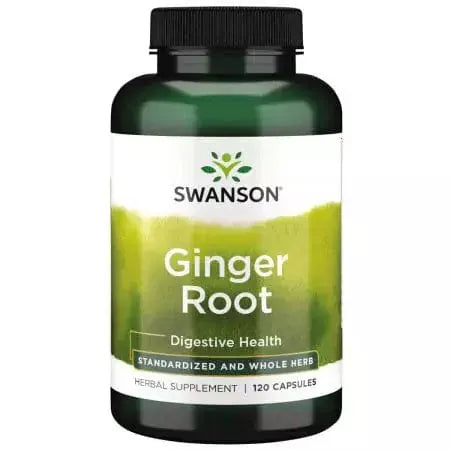
Ginger is a well-established, gentle option for the nausea that often accompanies a stomach bug — it has a long track record for easing sickness. A simple single-ingredient supplement like Swanson Ginger Root, or fresh ginger tea, may help settle the stomach as you recover.
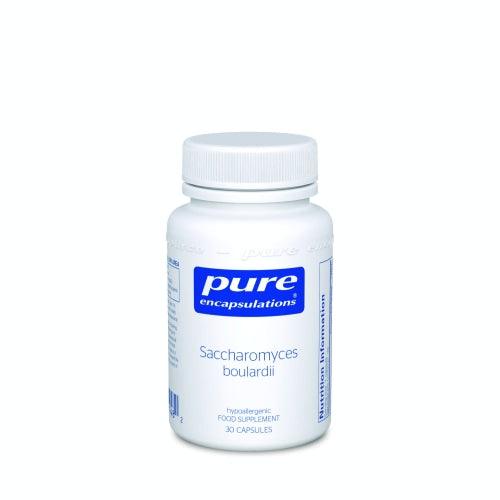
Probiotics may offer a modest benefit. Reviews suggest the probiotic yeast Saccharomyces boulardii can shorten the duration of acute infectious diarrhoea by roughly a day, and one network meta-analysis ranked it among the most effective probiotics for this purpose (S. boulardii meta-analysis; network meta-analysis). It's important to keep this in perspective: the effect is modest, the evidence is strain-specific and studied mainly in children, and probiotics are an adjunct to — never a replacement for — rehydration. A dedicated S. boulardii product like Pure Encapsulations Saccharomyces boulardii, or one of the best probiotics available in the UK from the Welzo probiotics collection, is a reasonable option if you'd like to try one. If your upset stomach followed a trip abroad, see our guide to probiotics for travellers' diarrhoea.
One thing you generally won't need is antibiotics: most stomach bugs are viral, so antibiotics don't help and are only prescribed for specific bacterial infections confirmed by a doctor. If you have recently taken antibiotics, our guide to probiotics after antibiotics may be relevant. Antimicrobial or bile-focused supplements such as berberine and TUDCA are part of Welzo's wider range but aren't a routine treatment for a viral stomach bug.
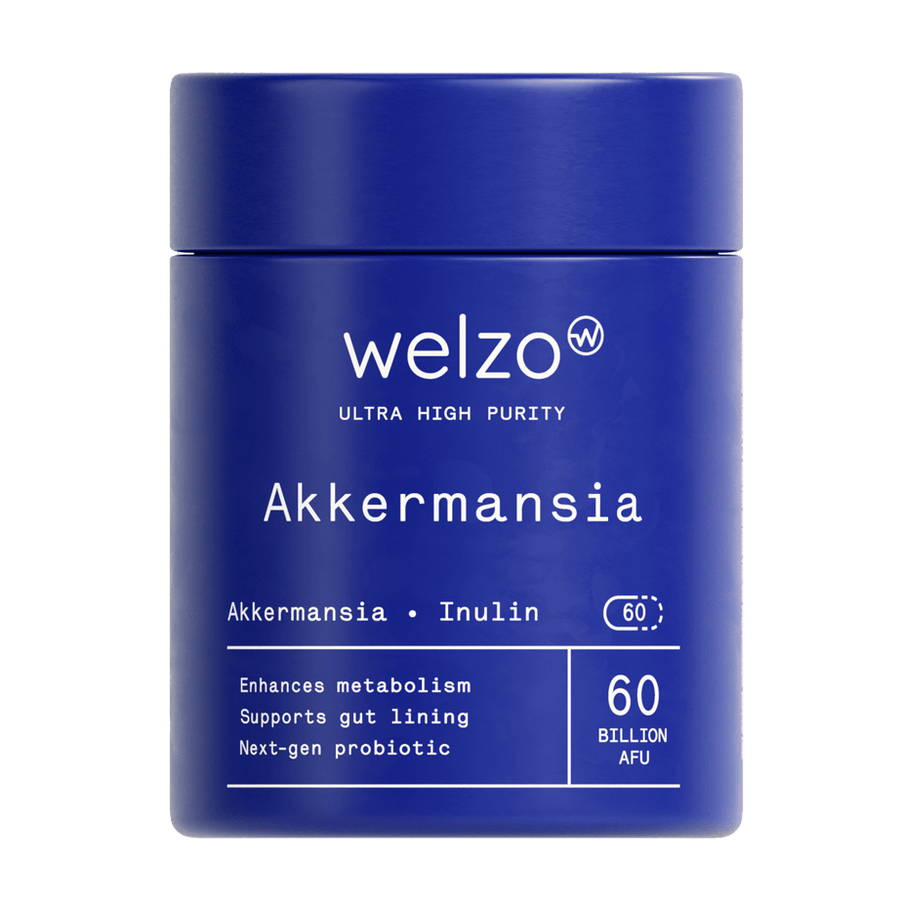
After a stomach bug, your gut microbiome can be temporarily depleted, and it takes a little time to bounce back. Once the acute illness has passed, a few steps help restore a healthy, diverse gut:
Stomach bugs — norovirus especially — are extremely contagious, and you can pass one on before you even feel better. To protect others:
Most stomach bugs don't need medical attention and visiting a GP surgery can spread the infection to others — a phone or online consultation is often better. But some situations do need advice or urgent care.
Contact your GP or call 111 if you or your child:
Call 999 or go to A&E if you or your child:
Babies, young children and older adults are more vulnerable to dehydration and should be assessed earlier. See our guide on when to see a GP about stomach symptoms.
Most stomach bugs clear up within a week. Diarrhoea usually starts to improve within about three days but can last up to seven, while vomiting typically settles within one to two days. You may feel tired and have a reduced appetite for a few days afterwards as your gut recovers. Symptoms lasting longer than this should be checked with a doctor.
Eat as soon as you feel able — you don't need a strict diet. Gentle, easy-to-digest foods like toast, crackers, rice, bananas, plain potatoes and clear soups are usually more comfortable, taken in small, frequent portions. Avoid fatty, spicy and very sugary foods, alcohol and caffeine at first, and consider easing off dairy temporarily if it worsens your symptoms.
Water, taken in small frequent sips, is the foundation. If you have signs of dehydration such as a dry mouth or dark urine, oral rehydration salts (like Dioralyte) help replace lost fluids and salts more effectively. Avoid fruit juice and fizzy drinks, which are sugary and can make diarrhoea worse. Aim for extra fluid after each loose stool.
They may offer a modest benefit. Reviews suggest Saccharomyces boulardii can shorten acute infectious diarrhoea by around a day, and it's among the better-studied probiotics for this. However, the effect is modest, strain-specific and studied mainly in children, and probiotics are an add-on to rehydration, not a substitute. They're a reasonable option, but fluids remain the priority.
Adults can use loperamide to reduce diarrhoea for short periods, which can be helpful for a journey. However, it's not suitable for children aged 11 and under, and should not be used if you have a high fever or blood in your stool, as slowing the bowel can be harmful in those situations. If unsure, ask a pharmacist for advice.
Yes, paracetamol can ease aches, cramps or a mild fever that come with a stomach bug. Always follow the dosage on the leaflet, and check carefully before giving it to children. If you're vomiting and can't keep it down, focus on rehydration first. Avoid anti-inflammatory painkillers like ibuprofen if your stomach is very irritated, unless advised otherwise.
A stomach bug can temporarily reduce your gut's ability to produce lactase, the enzyme that digests lactose in milk. This means dairy may cause bloating or diarrhoea for a week or two afterwards. Easing off dairy temporarily and reintroducing it gradually usually helps, and the intolerance typically resolves as your gut lining recovers.
Wash your hands thoroughly with soap and water (alcohol gels are less effective against norovirus), especially after the toilet and before handling food. Stay off work or school until 48 hours after symptoms stop, don't prepare food for others, and clean surfaces, taps and toilet handles with disinfectant. Wash soiled laundry separately on a hot wash.
Seek advice if you have blood in your stool, diarrhoea lasting more than 7 days or vomiting more than 2 days, can't keep fluids down, or still have dehydration despite rehydration salts. Get urgent help for vomiting blood or coffee-ground vomit, a stiff neck with light sensitivity, or severe headache. Babies, older adults and immunocompromised people need earlier assessment.
Usually not. Most stomach bugs are viral, so antibiotics don't help and aren't recommended. They're only prescribed for specific bacterial infections confirmed by a stool test, at a doctor's discretion. For the same reason, antimicrobial supplements aren't a routine treatment. Recovery mainly relies on rehydration, rest and time, with gentle eating as you feel able.
Medical disclaimer: This article is for general information and education only and does not constitute medical advice, diagnosis or treatment. Rehydration is the mainstay of recovery from a stomach bug; supplements such as probiotics are supportive only and are not a substitute for fluids or medical care. Loperamide is not suitable for young children or when there is fever or blood in the stool. Seek prompt medical care for the red-flag symptoms listed above, and earlier for babies, older adults or anyone immunocompromised. Always consult a healthcare professional before starting new supplements, particularly if you are pregnant, breastfeeding, giving them to a child, taking medication, or have an existing condition.
About the author
Dr Zeeshan Afzal (MBBS) is a practising medical doctor and Welzo's Medical Content Lead. He writes and reviews Welzo's health content to ensure it is accurate, evidence-based and aligned with current UK clinical guidance, translating complex research into practical advice patients can trust.

 Calificado excelente por 28,951+ reseñas
 Garantía de devolución de dinero 100%
Nuestra garantía de devolución de dinero garantiza que reciba sus artículos o obtenga un reembolso completo.