

 Instagram




Energy & Chronic Fatigue Supplements (2026)


Related products

Persistent low energy and chronic fatigue affect millions of people in the UK each year. Whether caused by stress, nutrient deficiencies, illness recovery, or long-term burnout, ongoing fatigue can significantly impact productivity, mood, and overall quality of life.
This guide explores the best supplements for energy and chronic fatigue available on Welzo, focusing on evidence-based nutrients and botanicals that support cellular energy production, nervous system function, and stress resilience — rather than quick stimulants.
If you’re experiencing ongoing tiredness, this article will help you understand which supplements may help, how they work, and how to choose the right option.
What Are Supplements for Energy and Chronic Fatigue?
Supplements for energy and chronic fatigue are nutritional products designed to support the body’s natural energy production systems. Unlike stimulants such as caffeine, which provide short-term alertness, these supplements aim to address underlying physiological contributors to persistent tiredness.
They typically contain vitamins, minerals, amino acids, or botanical extracts that help regulate:
-
Cellular energy production (ATP generation)
-
Red blood cell formation and oxygen transport
-
Nervous system function
-
Stress response and resilience
-
Mitochondrial function
Chronic fatigue is often multifactorial. Common contributing factors include nutrient deficiencies (such as iron or vitamin B12), prolonged stress, poor sleep quality, illness recovery, and burnout-related nervous system strain. Energy-support supplements are formulated to help correct or support these systems rather than simply masking fatigue symptoms.
Broadly, these supplements fall into three main categories:
1. Nutrient-Based Supplements
These include vitamins and minerals such as B12, iron, magnesium, and B-complex formulas. They are particularly relevant when fatigue is linked to deficiency or insufficient intake.
2. Mitochondrial and Cellular Energy Support
Compounds such as CoQ10, alpha-lipoic acid, and magnesium malate help support the biochemical pathways involved in ATP production — the body’s core energy currency.
3. Adaptogenic Herbal Supplements
Herbs such as ashwagandha, rhodiola rosea, and panax ginseng are traditionally used to support stress resilience, mental stamina, and recovery from burnout patterns.
In practical terms, supplements for energy and chronic fatigue are intended to provide foundational support for the body’s energy systems. They work best when combined with appropriate medical evaluation, balanced nutrition, sufficient sleep, and stress management strategies.
Many people exploring energy support are also managing symptoms associated with fatigue, stress, or broader general health concerns.
What Are Supplements for Energy and Chronic Fatigue Used For?
Supplements for energy and chronic fatigue are used to support the body’s natural energy systems when tiredness is persistent, unexplained, or linked to identifiable physiological factors. Rather than acting as stimulants, these supplements are designed to strengthen the underlying biological processes that allow the body to produce and regulate energy efficiently.
They are commonly used for:
1. Supporting Cellular Energy Production
Many fatigue-focused supplements target mitochondrial function — the process by which cells produce ATP (adenosine triphosphate), the body’s primary energy currency. Nutrients such as B vitamins, magnesium, CoQ10, and alpha-lipoic acid help support these pathways.
2. Correcting Nutrient Deficiencies
Iron deficiency, low ferritin, and vitamin B12 insufficiency are well-established contributors to tiredness. Supplements are often used after blood testing confirms a deficiency, helping restore healthy red blood cell production and energy metabolism.
3. Improving Oxygen Delivery
Iron plays a key role in haemoglobin production, which carries oxygen throughout the body. When oxygen delivery is impaired, symptoms such as fatigue, weakness, and reduced stamina may occur.
4. Supporting Stress Resilience
Chronic stress can dysregulate the nervous system and impact energy levels. Adaptogenic herbs such as ashwagandha, rhodiola rosea, and panax ginseng are commonly used to support stress adaptation and mental stamina.
5. Enhancing Mental Focus and Cognitive Clarity
Certain supplements are used to support concentration and cognitive performance, particularly when fatigue is accompanied by brain fog or mental exhaustion.
6. Supporting Recovery from Illness or Burnout
Post-viral fatigue, prolonged stress exposure, or extended periods of overwork can leave individuals feeling depleted. Nutrient repletion and adaptogenic support are often explored during recovery phases.
7. Managing Stress-Related Fatigue Patterns
Fatigue is frequently linked to disrupted sleep, chronic psychological stress, or burnout-related nervous system strain. Supplements may support overall resilience as part of a broader lifestyle and recovery strategy.
Our Top Picks — Best Supplements for Energy & Chronic Fatigue (2026)
Best Overall Supplement for Energy: Welzo Ultra Purity PQQ
Best Overall Energy & Adaptogen Formula: BioCare Mito Complex 60 Capsules
Best Vitamin B12 for Energy Metabolism: Welzo Vitamin B12 Methylcobalamin 1 mg
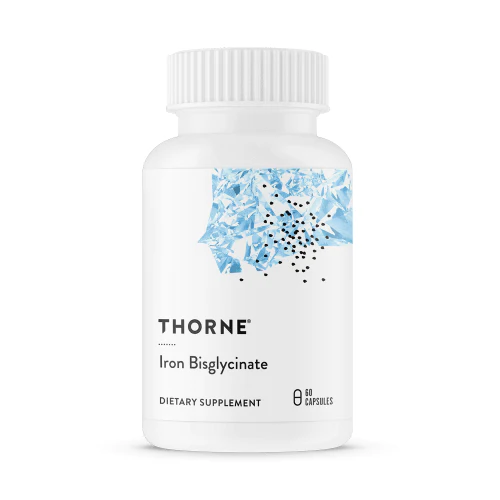
Best Iron for Deficiency-Related Fatigue: Doctor’s Best High Absorption Iron 27 mg
Best Stress-Reducing Adaptogen Herb: NOW Foods Ashwagandha Extract 450 mg
Best Traditional Stamina & Focus Herb: NOW Foods Panax Ginseng 500 mg (100 Capsules)
Best Supplements for Energy and Chronic Fatigue — Detailed Reviews
Welzo Ultra Purity PQQ 40mg — Best Advanced Cellular Energy & Chronic Fatigue Support

| Section | Details |
|---|---|
| Why it has been selected | • Targets the root biological driver of fatigue — mitochondrial function • One of the few compounds associated with mitochondrial biogenesis (creation of new energy-producing cells) • Provides non-stimulant, sustained energy support rather than temporary boosts |
| Product description | • PQQ (Pyrroloquinoline Quinone) is a redox cofactor involved in cellular energy metabolism • Supports mitochondrial efficiency, helping cells generate ATP more effectively • Plays a role in protecting cells from oxidative stress, which can impair energy production over time • Particularly relevant for individuals experiencing persistent fatigue, brain fog, or reduced recovery capacity |
| Product reviews | • Users report steady improvements in baseline energy levels rather than spikes • Positive feedback around mental clarity and reduced fatigue crashes • Noted benefits with consistent use over several weeks |
| Product price | • Premium tier • Reflects specialised formulation and advanced ingredient profile |
| Where to buy | Welzo Ultra Purity PQQ listing |
| Pros | • Targets mitochondrial function directly • Non-stimulant, no dependency or crash • Supports both physical and cognitive energy • Suitable for long-term use |
| Cons | • Effects are gradual, not immediate • Less well-known than traditional vitamins, requiring user education |
| How to use | • Take once daily with food • Consistency is key — benefits typically build over 2–6 weeks |
| Editor’s comments | • This is a next-generation energy supplement, designed for those who want to address fatigue at a cellular level • Best suited for individuals experiencing chronic, unexplained, or burnout-related fatigue, rather than occasional tiredness |
BioCare Mito Complex 60 Capsules — Best Overall Energy & Adaptogen Formula

Why selected:
Targets multiple pathways involved in energy production and stress adaptation — ideal for chronic fatigue support beyond single nutrients. Adaptogens are increasingly studied for stress reduction.
Description:
BioCare Mito Complex blends energy cofactors like magnesium malate, B vitamins (riboflavin, niacin), CoQ10, alpha-lipoic acid, and NAC to help support cellular energy (ATP production), metabolic resilience, and physical stamina.
Price:
Available on Welzo
Where to buy:
Welzo
Pros:
• Multi-targeted support for fatigue
• Long-term regimen option
Cons:
• Requires consistent use
• More expensive than single nutrients
How to use:
1–2 capsules daily with food.
Editor’s comment:
Great all-in-one supplement for comprehensive fatigue support.
Welzo Vitamin B12 Methylcobalamin 1 mg — Best Vitamin B12 for Energy Metabolism

Why selected:
Vitamin B12 supports normal energy-yielding metabolism and nervous system health. Low B12 can contribute to fatigue.
Description:
Active methylcobalamin supports red blood cell formation and energy release from food.
Price:
Available on Welzo
Where to buy:
Welzo
Pros:
• Active B12 form
• Good for nervous system support
Cons:
• Works best if a deficiency exists
How to use:
1 capsule daily with food.
Editor’s comment:
Foundational B-vitamin support for energy.
Doctor’s Best High Absorption Iron 27 mg — Best Iron for Deficiency-Related Fatigue

Why selected:
Iron is critical for oxygen transport and energy; deficiency is a well-established cause of tiredness.
Description:
Uses iron bisglycinate for better absorption and gentler digestion.
Price:
Available on Welzo
Where to buy:
Welzo
Pros:
• Supports healthy iron levels
• Helps oxygen delivery
Cons:
• Should be taken after blood test confirmation
How to use:
Use with vitamin C for better absorption, as advised.
Editor’s comment:
Highly relevant where blood work shows low iron or ferritin.
NOW Foods Ashwagandha Extract 450 mg — Best Stress-Reducing Adaptogen Herb

Why it has been selected:
Chosen for brand reliability, standardised extract quality, and consistent manufacturing standards from a globally recognised supplement brand.
Product description:
NOW Foods Ashwagandha Extract 450 mg provides a concentrated Withania somnifera root extract in vegetarian capsules. Designed to support stress resilience and nervous system balance, this formula is suitable for individuals experiencing fatigue linked to chronic stress or burnout patterns.
Product reviews:
Reviews frequently mention steady improvements in stress levels, calmer energy, and overall well-being with consistent daily use.
Product price:
Mid-range pricing.
Where to buy:
Available from Welzo.
Pros:
Trusted international brand
Standardised adaptogen extract
Suitable for long-term daily use
Cons:
Benefits build gradually
Not an immediate energy stimulant
How to use:
One capsule daily with food, or as directed on the label.
Editor’s comments:
A reliable adaptogen option for stress-related fatigue and long-term resilience support.
NOW Foods Panax Ginseng 500 mg — Best Traditional Stamina & Focus Herb

Why it has been selected:
Chosen for traditional credibility, consistent formulation, and strong brand reputation in herbal supplements.
Product description:
NOW Foods Panax Ginseng 500 mg delivers a standardised ginseng root extract designed to support stamina, mental clarity, and balanced energy. Panax ginseng has long-standing traditional use for physical and cognitive endurance.
Product reviews:
Reviews often highlight improved focus, sustained energy throughout the day, and good tolerability when taken consistently.
Product price:
Mid-range pricing.
Where to buy:
Available from Welzo.
Pros:
Well-known adaptogen herb
Supports stamina and cognitive focus
Reputable supplement manufacturer
Cons:
Individual responses vary
Not suitable as a quick stimulant
How to use:
One capsule daily with food.
Editor’s comments:
A solid choice for individuals seeking traditional herbal support for stamina and focus.
Comparison Table — Energy & Chronic Fatigue Supplements (2026)
| Supplement | Best For | Key Benefit | Long-Term Use | Price Tier |
|---|---|---|---|---|
| BioCare Mito Complex | Broad, multi-pathway fatigue support | Supports mitochondrial energy (ATP) production | Yes | Premium |
| Welzo Ultra Purity PQQ | PQQ Energy Support | Supports red blood cells & energy metabolism | Yes | Mid-range |
| Doctor’s Best High Absorption Iron 27 mg | Iron deficiency-related fatigue | Improves oxygen transport | Conditional (after testing) | Mid-range |
| NOW Foods Ashwagandha Extract 450 mg | Stress-related fatigue | Supports stress resilience & calm energy | Yes | Mid-range |
| NOW Foods Panax Ginseng 500 mg | Stamina & mental focus | Supports endurance & cognitive clarity | Yes | Mid-range |
Features and Benefits of Supplements for Energy & Chronic Fatigue
Key Features of High-Quality Energy & Fatigue Supplements
High-quality supplements for energy and chronic fatigue focus on supporting the body’s underlying energy systems, rather than masking tiredness with stimulants.
Because fatigue can result from nutrient deficiencies, stress overload, poor recovery, or mitochondrial dysfunction, the best supplements are formulated to address specific physiological pathways such as:
-
Energy-yielding metabolism (e.g., vitamin B12 and B-complex nutrients)
-
Oxygen transport and red blood cell production (iron)
-
Cellular ATP production (mitochondrial cofactors such as magnesium, CoQ10)
-
Stress resilience and nervous system regulation (adaptogens like ashwagandha, rhodiola, and ginseng)
Unlike high-caffeine “energy boosters,” clinically aligned fatigue supplements aim to deliver stable, sustainable energy support without crashes.
Key quality indicators include:
-
Transparent ingredient dosages
-
Clinically relevant strengths
-
Bioavailable forms (e.g., methylcobalamin for B12)
-
Absence of proprietary stimulant blends
-
Suitability for long-term use
Potential Benefits People Seek
People searching for the best supplements for chronic fatigue are often looking to:
-
Reduce persistent tiredness
-
Improve daily energy levels
-
Enhance mental clarity and focus
-
Support stress-related burnout recovery
-
Improve stamina and endurance
-
Address iron or B12 deficiency-related fatigue
-
Support post-illness recovery
It is important to understand that supplements work best when matched to the underlying cause of fatigue, rather than used generically.
How We Ranked These Supplements for Energy & Chronic Fatigue (Evaluation Criteria)
To ensure this guide is trustworthy and clinically responsible, we used a structured, evidence-informed framework.
Chronic fatigue is complex — so our ranking criteria reflect long-term sustainability, safety, and mechanism-based relevance.
1. Evidence-Based Relevance to Fatigue
We prioritised supplements supported by research related to:
-
Vitamin B12 and normal energy metabolism
-
Iron and oxygen delivery
-
Adaptogens and stress resilience
-
Mitochondrial function and ATP production
Products relying solely on stimulation (e.g., high-dose caffeine) were excluded.
2. Relevance to Common Causes of Chronic Fatigue
Supplements were evaluated against real-world fatigue drivers, including:
-
Iron deficiency anaemia
-
Low ferritin levels
-
Vitamin B12 insufficiency
-
Chronic stress and burnout
-
Mental fatigue and brain fog
-
Reduced physical endurance
Iron supplements were recommended conditionally and should ideally follow confirmed deficiency testing.
3. Dosage Appropriateness
More is not always better in fatigue management.
We favoured products that:
-
Offer clinically sensible dosages
-
Avoid excessive “mega-dosing”
-
Are appropriate for sustained use
This is particularly important for iron and adaptogenic herbs.
4. Bioavailability and Ingredient Form
We assessed:
-
Active forms of nutrients (e.g., methylcobalamin for B12)
-
Well-absorbed iron formats
-
Standardised herbal extracts
-
Clean, additive-free formulations
Clear labelling was considered non-negotiable.
5. Safety and Long-Term Tolerability
Chronic fatigue often requires sustained support.
We prioritised supplements that:
-
Are suitable for ongoing use
-
Avoid overstimulation
-
Provide clear interaction guidance
-
Align with recognised nutritional safety principles
6. Practical Usability and Compliance
We evaluated:
-
Ease of daily dosing
-
Capsule/tablet tolerance
-
Suitability for routine integration
-
Value per effective serving
Supplements only work if they are taken consistently.
How We Evaluated These Energy & Chronic Fatigue Supplements
Our evaluation process included three layers:
1. Evidence-Led Benchmarks
We aligned ingredient selection with established nutritional and clinical frameworks relating to energy metabolism and fatigue.
2. Product-Level Review
We assessed:
-
Ingredient transparency
-
Dose clarity
-
Brand reliability
-
Manufacturing standards
3. Real-World Suitability
We considered whether the product is realistic for long-term use and appropriate for different fatigue patterns.
Because fatigue is highly individual, products were chosen to match different needs rather than assuming one solution fits all.
How to Take Supplements for Energy & Chronic Fatigue (Dosage, Timing & Best Practices)
Supplement strategy depends on your fatigue profile.
Nutrient-Based Support
Vitamin B12
Typically taken once daily with food.
Best suited for deficiency-related fatigue or dietary insufficiency.
Iron
Should ideally be taken after confirming low ferritin or iron levels.
Often paired with vitamin C to enhance absorption.
Mitochondrial Blends
Commonly taken once or twice daily with meals.
Adaptogen-Based Support
Ashwagandha
Often used once daily for stress resilience and burnout support.
Rhodiola Rosea
Often taken earlier in the day for mental stamina and focus.
Panax Ginseng
Typically taken in the morning to support endurance and cognitive clarity.
Best Practice #1: Identify the Root Cause
Before beginning supplementation, consider:
-
Iron and ferritin levels
-
Vitamin B12 status
-
Thyroid function
-
Sleep quality
-
Stress levels
Chronic fatigue that persists or worsens should be medically evaluated.
Best Practice #2: Avoid Stacking Multiple Energy Products
Combining multiple “energy” supplements may:
-
Increase overstimulation
-
Make it harder to identify what works
-
Raise the risk of side effects
Start targeted and build gradually.
Best Practice #3: Allow Adequate Time
Most fatigue-support supplements require 2–8 weeks of consistent use.
They are not instant stimulants.
What to Expect from Energy Supplements
Unlike caffeine-based products, foundational energy supplements:
-
Do not produce a sudden “rush”
-
Support gradual improvement in resilience
-
Aim to stabilise daily energy patterns
-
Work best alongside sleep, balanced nutrition, and stress management
Results vary based on baseline nutrient status and overall health.
Signs You May Benefit from Energy Support
You may consider targeted supplementation if you experience:
-
Persistent tiredness despite sleep
-
Brain fog or reduced focus
-
Shortness of breath or weakness (possible iron-related)
-
Stress-linked exhaustion
-
Burnout patterns
-
Dietary restrictions increasing deficiency risk
Persistent fatigue lasting several weeks should always be assessed by a healthcare professional.
Are Supplements for Chronic Fatigue Safe?
Most nutrient-based supplements are safe when used appropriately.
However:
-
Iron should not be taken without confirmed deficiency
-
Adaptogens may interact with certain medications
-
Excessive stimulant use can disrupt sleep and worsen fatigue
-
Individuals with chronic conditions should consult a clinician
Fatigue supplements are supportive tools — not cures.
Nutrient-Based Supplements vs Adaptogens: Which Is Right for You?
Understanding the difference improves decision-making.
Nutrient-Based Supplements
Target metabolic and deficiency-related fatigue:
-
Vitamin B12
-
Iron
-
Magnesium
-
Mitochondrial blends
Best for: Confirmed insufficiency or physiological support.
Adaptogens
Support stress response systems:
-
Ashwagandha
-
Rhodiola rosea
-
Panax ginseng
Best for: Stress-related fatigue and burnout patterns.
Some users combine one nutrient-based supplement with one adaptogen strategically.
Can Diet Alone Improve Energy?
Many people obtain sufficient nutrients from diet.
However, supplementation may be relevant when:
-
Blood tests confirm deficiency
-
Diet is restricted
-
Stress demands are elevated
-
Recovery from illness is ongoing
Iron and B12 are especially relevant in deficiency contexts.
When Should You Take Energy Supplements?
-
With food to improve tolerance
-
Iron often paired with vitamin C
-
Adaptogens earlier in the day
-
Follow label instructions for comprehensive formulas
Consistency matters more than exact timing.
What Are the Signs of Nutrient-Related Fatigue?
Fatigue is one of the most common symptoms reported in primary care. However, not all tiredness is the same. In some cases, persistent low energy may be linked to underlying nutrient insufficiency, stress overload, or impaired recovery.
Understanding potential patterns can help guide more targeted supplement choices.
What Are the Signs of Iron Deficiency Fatigue?
Iron plays a critical role in oxygen transport. When iron levels or ferritin stores are low, the body’s ability to deliver oxygen efficiently can decline.
Potential signs include:
-
Persistent tiredness and weakness
-
Shortness of breath during routine activity
-
Pale skin
-
Cold hands and feet
-
Brittle nails
-
Headaches
-
Low ferritin or haemoglobin on blood tests
Iron supplementation should ideally follow confirmed deficiency, as unnecessary iron intake can cause digestive upset and long-term overload risks.
What Are the Signs of Vitamin B12 Deficiency?
Vitamin B12 supports red blood cell production and normal nervous system function.
Possible signs of low B12 may include:
-
Ongoing fatigue
-
Brain fog
-
Tingling in hands or feet
-
Memory difficulties
-
Mood changes
-
Reduced concentration
Because B12 deficiency can be subtle and sometimes develop gradually, blood testing is often recommended before long-term supplementation.
What Are the Signs of Stress-Related Fatigue?
Not all fatigue is deficiency-based. Chronic stress and burnout patterns can disrupt recovery systems.
Common patterns include:
-
Feeling “wired but tired”
-
Afternoon energy crashes
-
Poor stress tolerance
-
Irritability
-
Difficulty sleeping despite exhaustion
In these cases, adaptogens such as ashwagandha or rhodiola are often explored as part of a broader stress-management strategy.
Are Supplements for Energy & Chronic Fatigue Safe? Side Effects & Interactions
For most healthy adults, nutrient-based supplements are safe when used appropriately and within recommended ranges.
However, certain considerations apply.
Potential Side Effects
-
Iron: constipation, nausea, digestive discomfort
-
Vitamin B12: generally well tolerated
-
Ashwagandha: mild digestive upset in some individuals
-
Rhodiola rosea: occasional jitteriness if taken late in the day
-
Panax ginseng: may feel mildly stimulating for sensitive individuals
Most side effects occur when dosing exceeds practical needs.
Who Should Be Cautious?
Consult a healthcare professional before use if you:
-
Are pregnant or breastfeeding
-
Have a thyroid disorder
-
Have a history of iron overload
-
Take antidepressants or blood-thinning medication
-
Have autoimmune conditions
-
Have chronic kidney disease
Supplements should support — not replace — medical assessment.
Energy Supplements vs Caffeine: What’s the Difference?
Many people turn to caffeine for energy. However, caffeine works differently from nutrient-based fatigue support.
Caffeine
-
Provides rapid stimulation
-
Temporarily increases alertness
-
May lead to energy crashes
-
Can disrupt sleep
Energy-Support Supplements
-
Address underlying metabolic pathways
-
Support red blood cell formation
-
Enhance stress resilience
-
Aim for stable, sustainable energy
For chronic fatigue, foundational support is typically more sustainable than repeated stimulation.
How Long Do Energy Supplements Take to Work?
Energy supplements are not instant stimulants.
Expected timelines vary depending on the cause:
-
Iron: 2–12 weeks (depending on severity of deficiency)
-
Vitamin B12: 2–6 weeks
-
Adaptogens: 2–8 weeks
-
Mitochondrial blends: 4+ weeks
Consistency is key.
Can You Combine Energy Supplements?
Many people combine supplements strategically.
Can You Take Iron and B12 Together?
Yes. They often complement each other, especially when both are low.
Can You Combine Adaptogens?
It is possible, but starting with one at a time helps identify individual response.
Can You Take Energy Supplements Long-Term?
Nutrient-based supplements may be suitable long-term if needed.
Iron should be monitored.
Adaptogens are often cycled depending on individual response.
Avoid stacking multiple stimulant-heavy products simultaneously.
When Should You Not Self-Treat Fatigue?
Medical evaluation is recommended if:
-
Fatigue is sudden and severe
-
It persists beyond several weeks
-
There is unexplained weight loss
-
You experience neurological symptoms
-
Symptoms worsen despite supplementation
Fatigue can have medical causes that require investigation.
Nutrient-Based Support vs Adaptogens
Understanding the difference improves supplement selection.
Nutrient-Based Supplements
Best for deficiency or metabolic support:
-
Vitamin B12
-
Iron
-
Magnesium
-
Comprehensive mitochondrial blends
Adaptogens
Best for stress-related fatigue:
-
Ashwagandha
-
Rhodiola rosea
-
Panax ginseng
Some individuals combine one nutrient-based supplement with one adaptogen strategically.
How to Choose the Right Supplement for Your Fatigue Type
If your fatigue is:
-
Linked to low iron or heavy periods → Consider iron (after testing)
-
Linked to plant-based diet → Consider vitamin B12
-
Linked to burnout and stress → Consider ashwagandha
-
Linked to mental fog → Consider rhodiola
-
Broad and persistent → Consider a comprehensive mitochondrial blend
Matching the supplement to the fatigue driver improves results.
Can Diet Alone Improve Energy?
Many people meet energy-related nutrient needs through diet.
However, supplementation may be considered if:
-
Blood tests confirm deficiency
-
Diet is restricted
-
Stress levels are elevated
-
Recovery from illness is ongoing
Iron and B12 are particularly relevant in confirmed deficiency contexts.
External References
Nutrition & Fatigue – Authoritative Evidence
1. Iron Deficiency and Fatigue
Information:
Iron is essential for forming haemoglobin, the protein in red blood cells that transports oxygen throughout the body. Low iron or ferritin can reduce oxygen delivery to tissues, leading to persistent tiredness, weakness, and decreased physical stamina. Correction with iron supplementation is a standard medical approach when deficiency is confirmed via blood tests.
URL:
https://www.nhs.uk/conditions/iron-deficiency-anaemia/
2. Vitamin B12 and Energy Metabolism
Information:
Vitamin B12 plays a key role in energy metabolism and nervous system function. Low B12 levels are linked with fatigue, cognitive difficulties, and neurological symptoms. Supplementation with active forms like methylcobalamin is commonly used when clinical deficiency is detected.
URL:
https://ods.od.nih.gov/factsheets/VitaminB12-Consumer/
3. Chronic Fatigue Causes and Management
Information:
Persistent fatigue can be caused by a range of factors including nutrient deficiencies, stress, sleep issues, hormonal imbalances, and chronic illness. Comprehensive assessment is often recommended, with lifestyle and medical strategies tailored to the root cause rather than symptom suppression alone.
URL:
https://www.nhs.uk/conditions/tiredness-and-fatigue/
Adaptogens & Stress-Linked Fatigue – Evidence Summaries
4. Ashwagandha – Stress Resilience
Information:
Ashwagandha (Withania somnifera) is an adaptogenic herb studied for its potential to support the body’s stress response. Research suggests it may help reduce perceived stress and mental fatigue in some individuals, particularly when used consistently over weeks.
URL:
https://ods.od.nih.gov/factsheets/Ashwagandha-HealthProfessional/
5. Rhodiola Rosea – Mental Fatigue & Endurance
Information:
Rhodiola rosea is a plant extract traditionally used for stress tolerance and endurance support. Some clinical studies show potential benefits in reducing mental fatigue and supporting cognitive performance during prolonged mental or physical stress.
URL:
https://pubmed.ncbi.nlm.nih.gov/17381239/
6. Panax Ginseng – Energy & Cognitive Function
Information:
Panax ginseng is a traditional herb evaluated for supporting stamina, mental clarity, and resilience to stress. Some evidence indicates potential benefits for mental performance and perceived energy levels, though results vary across studies.
URL:
https://www.nccih.nih.gov/health/ginseng
Fatigue, Sleep & Stress – Broader Health Context
7. Sleep and Tiredness Guidance
Information:
Poor sleep quality and disrupted circadian rhythms are major contributors to chronic fatigue. Addressing sleep hygiene and underlying sleep disorders is a key component of fatigue management.
URL:
https://www.nhs.uk/live-well/sleep-and-tiredness/why-am-i-so-tired/
8. When to See a Doctor for Fatigue
Information:
Chronic fatigue that persists despite lifestyle changes may warrant professional evaluation to rule out underlying conditions such as anaemia, thyroid dysfunction, vitamin deficiencies, or chronic infections.
URL:
https://www.nhs.uk/conditions/tiredness-and-fatigue/when-to-get-medical-advice/
Supplement Safety & Interactions
9. Iron Supplements – Safety & Side Effects
Information:
Iron supplements can cause digestive side effects like constipation or nausea, especially at higher doses. Taking iron with vitamin C may improve absorption, and avoiding it alongside calcium or tannins (tea/coffee) can help effectiveness.
URL:
https://ods.od.nih.gov/factsheets/Iron-HealthProfessional/
10. Supplement Interactions with Medications
Information:
Herbal and nutrient supplements can interact with medications (e.g., blood thinners, antidepressants). Professional guidance is recommended when combining supplements with prescription drugs.
URL:
https://www.nccih.nih.gov/health/tips/how-herbs-can-interact-with-medicines
FAQs (Frequently Asked Questions)
What is the best supplement for chronic fatigue?
Adaptogen-rich multipathway formulas like BioCare Mito Complex and targeted nutrients like B12 and iron are common evidence-aligned choices.
Are supplements better than caffeine?
Supplements support foundational energy pathways; caffeine gives short bursts. For chronic fatigue, underlying systems benefit from nutrient support.
How long do supplements take to work?
Most nutrient and herbal formulas require 2–8 weeks of consistent use to show benefits.
Can supplements cure chronic fatigue?
They can support energy systems but are not cures. Persistent fatigue should be medically evaluated.
Should I test my iron or B12 levels first?
Yes — deficiencies in iron and B12 are common contributors to fatigue.
What adaptogen helps with stress fatigue?
Ashwagandha and Rhodiola rosea have evidence supporting stress resilience and chronic fatigue symptoms.

 Évalué Excellent par 26,523+ avis
 Garantie de remboursement à 100%