



Chris Bumstead Supplements: Full Stack, Doses & Evidence


Related products


Chris Bumstead — "CBum" — retired in October 2024 as a six-time Classic Physique Mr. Olympia, and his supplement routine is now one of the most searched fitness topics online. This article separates what he has actually shown and said publicly from what the internet has invented, grades the evidence behind each ingredient, and explains where a supplement stack genuinely helps and where it cannot possibly do what people hope. One point up front, because it shapes everything below: Bumstead is a lifelong drug-tested-exempt professional bodybuilder who has openly discussed using performance-enhancing drugs, and he lives with a chronic kidney condition. His stack is not a template for a healthy amateur. It is, however, a genuinely interesting case study in how an elite athlete uses supplements around a diet and training programme — which is the part worth learning from.
Key takeaways
- Bumstead's publicly confirmed daily basics are whey protein isolate, creatine monohydrate, a caffeine-and-citrulline pre-workout, omega-3s, vitamin D3, vitamin K2, turmeric, and a range of organ-support capsules from Revive MD.
- He co-owns RAW Nutrition and formulated the CBUM product line, so a large part of his stack is a commercial relationship as well as a personal preference. Read it with that in mind.
- Only two items in the stack — creatine monohydrate and adequate protein — have strong, consistent evidence for muscle and strength outcomes.
- Bumstead was diagnosed with IgA nephropathy, an autoimmune kidney disease, in 2018. Anyone with kidney disease must not copy a high-protein, high-supplement routine without a nephrologist's input.
- His physique is the product of exceptional genetics, roughly a decade of full-time training, professional coaching, and openly acknowledged PED use. No supplement stack reproduces it.
Table of contents
- Who is Chris Bumstead?
- What supplements does Chris Bumstead take?
- Complete daily supplement stack (table)
- Why he takes each supplement
- Diet and nutrition habits
- Training and lifestyle routine
- The scientific evidence behind the stack
- Risks, limitations and what is actually confirmed
- How to build a similar routine, realistically
- Related Welzo supplements
- Frequently asked questions
- References
Who is Chris Bumstead?
Christopher Adam Bumstead is a Canadian professional bodybuilder, born in Ottawa in February 1995. He earned his IFBB pro card at 21 and made his Olympia debut in the Classic Physique division in 2017, placing second. After a second runner-up finish in 2018, he won his first Classic Physique Olympia title in 2019 and then defended it every year through 2024.
Career at a glance
- 2016: Wins the IFBB North American Championships; turns professional.
- 2017–2018: Two consecutive second-place Olympia finishes behind Breon Ansley.
- 2019–2024: Six consecutive Classic Physique Olympia titles — the most in the division's history.
- October 2024: Announces his retirement on the Olympia stage in Las Vegas immediately after winning his sixth title, aged 29.
- Business: Joined RAW Nutrition's ownership team in September 2021 and launched the signature CBUM product line.
The health story most articles get wrong
A great deal of supplement content about Bumstead misidentifies his medical history. The condition he has spoken about publicly is IgA nephropathy — an autoimmune kidney disease in which immunoglobulin A deposits in the kidney's filtering units and causes progressive inflammation. He described the diagnosis in a September 2018 video, explaining that a biopsy had identified an immune-mediated condition and that his own immune system was, in effect, attacking his kidneys. He has since discussed managing it with regular blood work and diagnostics.
This matters for a supplement article for one obvious reason. Kidney function is the single most relevant variable when you are consuming 300–400 g of protein a day, a daily creatine dose, and a long list of capsules — and it is precisely the reason his stack includes so much organ- and cardiovascular-support product. It is also the reason a reader with any degree of chronic kidney disease should treat this article as background reading rather than a plan.
Why his stack is searched so heavily
Bumstead has more than 20 million Instagram followers and a large YouTube audience built substantially on "full day of eating" and training vlogs, in which he films his own meals and supplements. That transparency is unusual in bodybuilding and it is the reason a relatively detailed picture of his routine exists in the public record at all — most of what follows is drawn from those videos and from interviews rather than from any official published protocol.
What supplements does Chris Bumstead take?
Bumstead's routine falls into three groups: performance basics (protein, creatine, pre-workout), general health and organ support (omega-3, vitamin D3, K2, turmeric, and Revive MD's organ-specific capsules), and phase-specific additions that come and go depending on whether he is bulking or in contest prep.
Confirmed versus reported: how to read the list
Supplement "stack" articles routinely present precise milligram doses for celebrities who have never stated one. Throughout this piece we have graded every entry:
- Confirmed — shown on camera by Bumstead, stated by him in an interview, or documented in reputable coverage of those appearances.
- Reported — attributed to him in secondary fitness media without a clear primary source.
- Typical dose — where he has not stated a dose, we give the standard research or label dose rather than inventing a personal figure.
Two sources anchor the confirmed list. First, a February 2023 full-day-of-eating video, covered in detail by BarBend, in which he listed the capsules he takes daily — all Revive MD products: liver, lipid, omega-3, heart, K2, D3, turmeric and thyroid support. Second, a September 2021 PricePlow podcast recorded when he joined RAW Nutrition's ownership team, in which he discussed his fondness for beta-alanine and his long-running use of Revive MD's kidney product.
Chris Bumstead's complete daily supplement stack
The table below consolidates everything that can be reasonably evidenced, with our own evidence grading for the ingredient (not the brand). Evidence grades reflect the strength of published human research for the stated purpose, not how much Bumstead likes the product.
| Supplement | Typical dose | Timing | Purpose | Evidence level | Status |
|---|---|---|---|---|---|
| Whey protein isolate (CBUM Itholate) | 1–2 scoops (~25 g protein each) | Breakfast shake, post-workout | Hitting a high daily protein target conveniently | Strong | Confirmed |
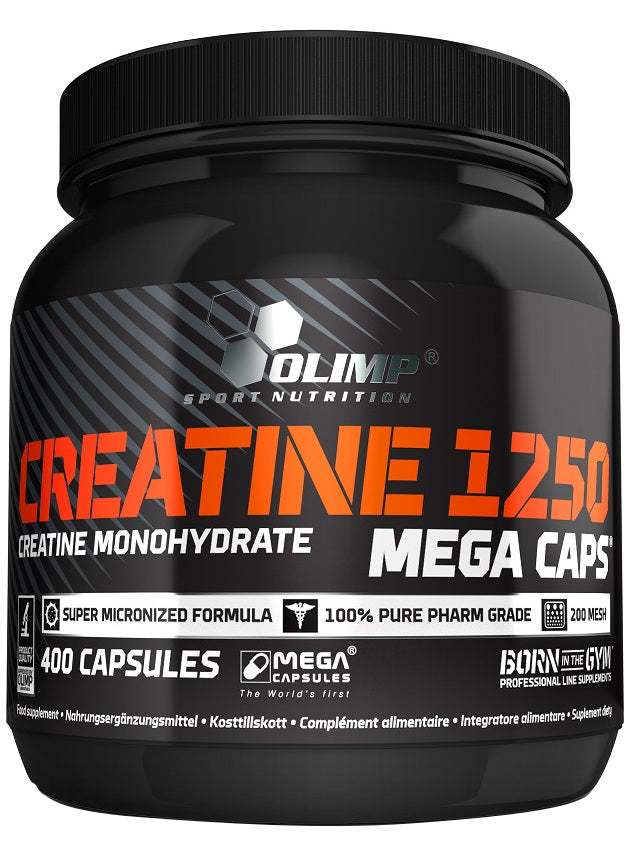
| Creatine monohydrate | 3–5 g | Any time, daily | Strength, power output, training volume, cell hydration | Strong | Confirmed |
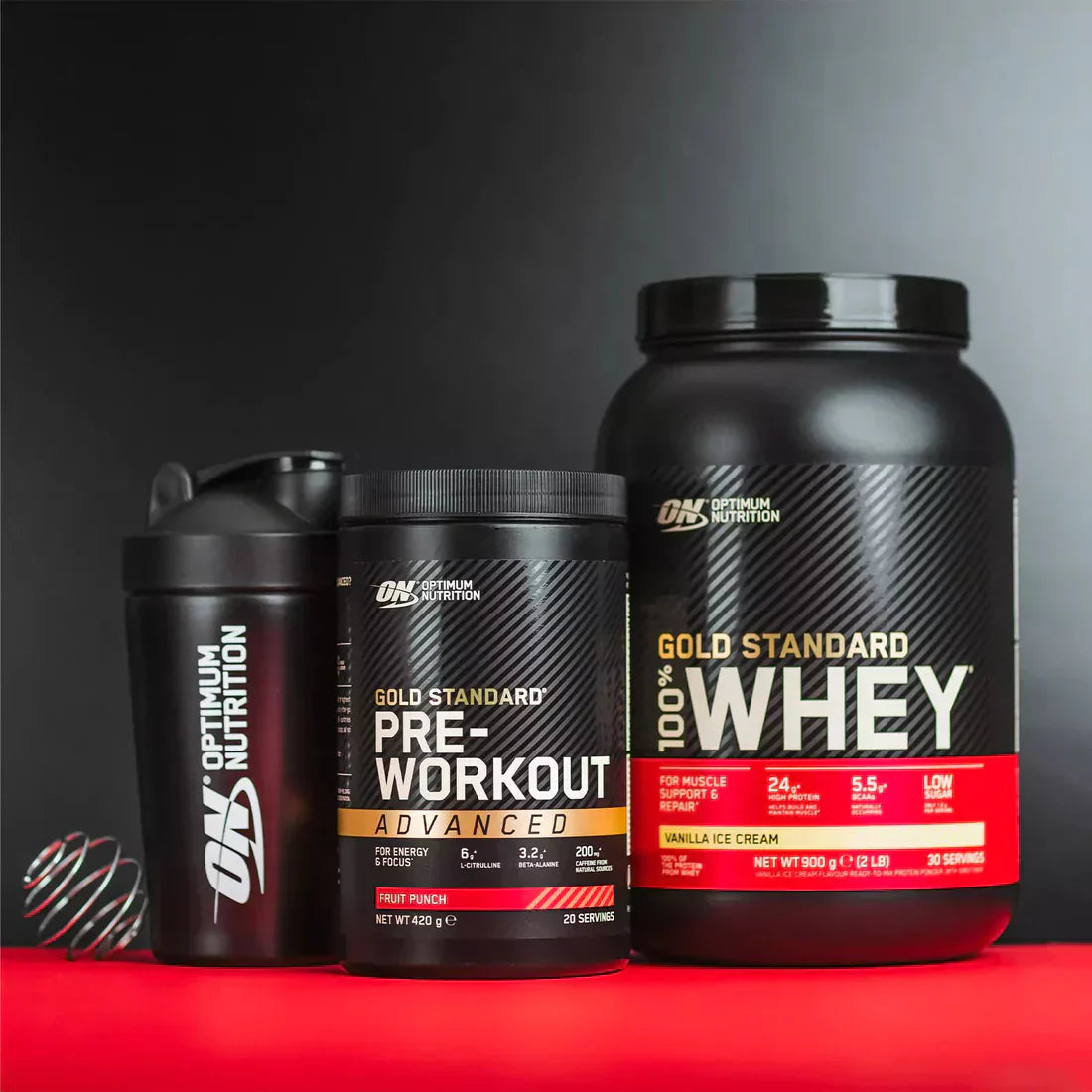
| Pre-workout (Thavage: citrulline, beta-alanine, caffeine, Nitrosigine, alpha-GPC) | 1 scoop (label lists 6 g citrulline, 305 mg caffeine) | 20–30 min pre-training | Alertness, perceived energy, blood flow / "pump" | Moderate (caffeine strong; blend moderate) | Confirmed |
| Beta-alanine | 3.2–6.4 g daily (research dose) | Split doses; chronic loading | Buffering fatigue in high-rep, 1–4 minute efforts | Moderate | Confirmed (preference stated; dose not) |
| Omega-3 (EPA/DHA) | Label dose; typically 1–2 g combined EPA+DHA | With meals | Cardiovascular and inflammatory support | Moderate–Strong (heart); Limited (muscle) | Confirmed |
| Vitamin D3 | Label dose (UK guidance: 10 µg / 400 IU daily) | With a fat-containing meal | Bone health, muscle function, immune function | Strong (for correcting deficiency) | Confirmed |
| Vitamin K2 | Label dose | With D3 | Calcium metabolism; often paired with D3 | Limited | Confirmed |
| Turmeric / curcumin | Label dose | With meals | Joint comfort; post-exercise soreness | Limited–Moderate | Confirmed |
| Revive MD Liver, Lipid, Heart, Thyroid | Label dose | Spread across the day | Organ and metabolic marker support during heavy training | Limited | Confirmed |
| Revive MD Kidney | Label dose | Daily | Renal support — context of his diagnosed kidney condition | Limited | Confirmed |
| Collagen peptides | 1 scoop (added to breakfast) | Morning | Connective tissue support; extra protein in pancakes | Limited–Moderate | Confirmed (in prep recipe) |
| Soluble fibre (Sunfiber) | 1–3 scoops | Blended into shakes and pancakes | Digestive regularity on very high calories | Moderate | Confirmed |
| Glutamine | Not stated | Added to breakfast, occasionally | Gut and recovery support (his stated rationale) | Limited | Confirmed (occasional use) |
| Electrolytes / hydration powder | Label dose | Around training and cardio | Fluid balance during high-volume prep cardio | Moderate (context-dependent) | Reported |
| Resveratrol, greens powders, thermogenics | Not stated | Prep-phase or travel only | Varies | Limited | Reported — treat with caution |
Doses shown are standard research or label doses unless Bumstead has publicly stated otherwise. Welzo does not sell or endorse the branded products named above; they are listed because they are documented parts of his routine.
Why Chris Bumstead takes each supplement
Whey protein isolate
Bumstead's daily protein intake has been documented at 264 g in one full-day-of-eating video and 383 g in another, across four to six meals. At those totals, whole food alone becomes a logistical problem — hence one to two scoops of isolate a day, usually in a morning shake and post-training. Isolate specifically is filtered to strip most of the fat and lactose, which is why it appears in both his bulk and his prep: it delivers protein without meaningfully affecting the calorie budget.
He has been explicit that the totals matter more than the timing. Discussing his approach in 2022, he made the point that hitting the calorie target is more important to him than when the meals fall.
Creatine monohydrate
Creatine is the one supplement in the stack with unambiguous, decades-deep evidence. It increases muscle phosphocreatine stores, which lets you sustain slightly more high-intensity work per session; that extra work, accumulated over months, produces more muscle and strength. Bumstead takes it year-round rather than cycling it, which is consistent with the research — there is no evidence that cycling is necessary or beneficial.
Pre-workout: caffeine, citrulline, beta-alanine
The CBUM Thavage formula he developed lists 6 g citrulline and 305 mg caffeine per serving. That caffeine dose is high — roughly three strong coffees — and sits at or above the ergogenic range of 3–6 mg per kg of bodyweight for most people. Citrulline raises plasma arginine and nitric oxide production, producing the vascular "pump" sensation; the performance evidence is more mixed than the marketing suggests. Bumstead has separately said he is a fan of beta-alanine, which works through a different mechanism: chronic daily dosing raises muscle carnosine, buffering the acidity that limits sustained high-rep sets.
Omega-3, vitamin D3 and vitamin K2
These three are general health rather than performance items. Omega-3s support normal cardiac function and blood lipid profiles; vitamin D3 supports bone, muscle and immune function and is the one nutrient UK public health guidance recommends almost everyone supplement in autumn and winter. Vitamin K2 is usually paired with D3 on the theory that it directs calcium into bone rather than soft tissue — a plausible mechanism with genuinely limited human outcome data.
Turmeric, collagen and joint support
A physique athlete training six days a week under heavy loads accumulates tendon and joint stress. Turmeric (curcumin) is used for inflammatory and soreness support; collagen peptides for connective tissue. Both have real but modest evidence, and curcumin in particular is poorly absorbed unless the formula includes a bioavailability enhancer such as piperine or a phospholipid complex.
Organ support: liver, kidney, lipid, heart, thyroid
This is the most distinctive part of Bumstead's stack, and the part most likely to be copied for the wrong reasons. These capsules exist in his routine as a response to two specific pressures: a diagnosed autoimmune kidney disease, and the metabolic strain of anabolic steroid use, which is well documented to affect liver enzymes, blood lipids and cardiovascular markers.
The honest position is this: the ingredients in organ-support blends — milk thistle, NAC, bergamot, hawthorn, dandelion and similar botanicals — have limited high-quality evidence for improving hard clinical outcomes, and none of them offsets the risks of PED use. Bumstead himself has said he manages the risk primarily through frequent blood work and diagnostics, not through capsules. That is the transferable lesson, not the product list.
Fibre and glutamine
Eating 5,000 calories and 600+ grams of carbohydrate a day creates a practical digestive problem. Soluble fibre (he uses Sunfiber, a partially hydrolysed guar gum) blends invisibly into shakes and pancakes and helps regularity. Glutamine appears occasionally in his breakfast recipe; the evidence that supplemental glutamine improves recovery or immunity in healthy, well-fed athletes is weak.
Chris Bumstead's diet and nutrition habits
The supplements are a rounding error next to the food. Bumstead's documented intake ranges from roughly 3,500 kcal at the start of an off-season to over 5,200 kcal at the peak of a bulk, dropping to roughly half his off-season intake during contest prep.
Off-season structure
He eats four to six meals a day, built on a small rotation of foods: oats, egg whites, whole eggs, chicken, rice, lean and medium-fat ground turkey, ground beef, potatoes, sweet potatoes, pasta, berries, and almond or peanut butter. One documented bulking day totalled 5,203 kcal — 666 g carbohydrate, 290 g protein, 156 g fat. Another off-season day came to 4,133 kcal with 264 g protein.
Contest prep
Six weeks out from the 2023 Olympia his day started with protein pancakes made from egg whites, whole eggs, oats, soluble fibre, collagen and whey, with pumpkin purée. Later meals leaned on white fish and lean protein with carbohydrate but minimal added fat, and his one concession to a sweet tooth was blended protein powder and water run through an ice-cream machine.
Sample structure of a Bumstead-style day
| Meal | Typical content | Approx. protein |
|---|---|---|
| 1 — Breakfast | Protein pancakes (oats, egg whites, whole egg, banana, whey, fibre) or a blended oat-and-whey shake with almond butter | 70–80 g |
| 2 — Mid-morning | Chicken, rice, kidney beans; fruit as a snack | 40–50 g |
| 3 — Pre-training | Prepared meal — brown rice pasta with ground beef, or sweet potato and chicken | 45–50 g |
| 4 — Post-training | Ground turkey with air-fried potatoes and zucchini | 50–55 g |
| 5 — Evening | Turkey or white fish with rice; protein-based dessert | 40–50 g |
The transferable principle: a small number of repeated meals, tracked, adjusted up or down based on the mirror and the scale. His own framing of it was blunt — if you are heavier than you want to be, eat less. That is not a sophisticated strategy, and that is rather the point.
Training and lifestyle routine
The split
Bumstead has trained on variations of a five-to-six-day body-part split, typically pairing a large muscle group with a smaller one and giving weak points their own dedicated session. In the later part of his career he worked with coach Hany Rambod and incorporated FST-7 principles — seven sets of a finishing exercise with short rest, intended to maximise fascial stretch and metabolite accumulation.
Volume and intensity
The defining feature is not exotic programming. It is roughly a decade of showing up, progressively loading compound and machine work, and training close to failure on the last working set of most exercises. Sessions typically run 60–90 minutes.
Cardio
Low-intensity steady-state cardio increases substantially during prep — commonly stepping or walking — and is reduced or removed in the off-season.
Recovery and monitoring
Two habits are worth more attention than any capsule in his stack. First, sleep and structured rest days. Second — and this is the one he has emphasised repeatedly — frequent, comprehensive blood work. He has described diagnostics as central to how he manages the health risks of his sport, and has stated that he would step away from competing if his markers deteriorated. He retired at 29, in his prime, which is at least consistent with that stated position.
The scientific evidence behind the stack
Grouping the stack by evidence quality is more useful than going ingredient by ingredient, because it tells you where to spend money.
Tier 1 — strong evidence
Creatine monohydrate. The International Society of Sports Nutrition's 2017 position stand, which reviewed hundreds of studies, concluded that creatine monohydrate is the most effective ergogenic nutritional supplement available for increasing high-intensity exercise capacity and lean body mass during training. It also concluded that there is no scientific evidence of detrimental effects from short- or long-term use at recommended doses in otherwise healthy individuals, and that no alternative form has been shown to outperform monohydrate.
Adequate protein. A 2018 meta-analysis in the British Journal of Sports Medicine pooled 49 randomised controlled trials and 1,863 participants and found that protein supplementation significantly improved gains in strength and fat-free mass during resistance training — but that gains plateaued at a total intake of approximately 1.62 g per kg of bodyweight per day, with the confidence interval extending to about 2.2 g/kg. The practical translation: an 80 kg lifter is well served by 130–175 g of protein daily, and there is no pooled evidence that going far beyond that adds muscle.
Vitamin D, where deficiency exists. Correcting a genuine deficiency has clear benefits for bone and muscle function. UK guidance recommends 10 micrograms daily during autumn and winter for the general population.
Tier 2 — moderate evidence
Caffeine is one of the most reliably ergogenic substances studied, typically at 3–6 mg/kg, though tolerance develops and high doses disrupt sleep. Beta-alanine has good evidence for exercise lasting roughly one to four minutes when taken chronically at 3.2–6.4 g daily for several weeks; the harmless tingling sensation (paraesthesia) is dose-related. Omega-3s have solid cardiovascular data; their effect on muscle protein synthesis is an active research area rather than a settled finding.
Tier 3 — limited or emerging evidence
Citrulline shows inconsistent results for strength endurance despite its popularity. Collagen peptides have promising early data for tendon and ligament collagen synthesis — one frequently cited trial found that gelatin taken with vitamin C an hour before intermittent loading increased markers of collagen synthesis — but the outcome data on injury rates is thin. Curcumin, glutamine, K2, resveratrol and botanical organ-support blends all sit here or below. They are not necessarily useless; they are simply not established.
An honest summary of the ranking
If you removed everything from Bumstead's stack except creatine, protein and vitamin D, the evidence suggests you would lose very little in measurable outcomes. That is not a criticism of him — an athlete competing for a title has a rational reason to accept a low probability of a small benefit. It is a warning against a beginner reproducing a fifteen-item stack at considerable cost.
Risks, limitations, and what is publicly confirmed versus reported
The physique is not a supplement outcome
Bumstead has been unusually candid about performance-enhancing drugs. He has confirmed using testosterone and other compounds, has described his approach as a minimum effective dose, and has said publicly that he avoids the harsher compounds because the side effects are not worth it. Speaking about the health risks of PED use, he said that any bodybuilder who does not worry about it is either not thinking or not being truthful. He has also, on multiple occasions, advised young people asking whether they should start — including a 17-year-old at a Q&A — not to.
This is stated plainly because it is the single most important piece of context in the article. A Classic Physique Olympia physique is produced by genetics, a decade of professional training, professional coaching, professional nutrition and pharmacology. Supplements are the smallest variable in that equation. Welzo does not sell, supply or endorse performance-enhancing drugs, and anabolic steroids are a Class C controlled substance in the UK.
Kidney health: the point that applies to readers
Because Bumstead has IgA nephropathy, his stack should carry a warning that most articles omit. In healthy adults, creatine at standard doses has not been shown to impair kidney function, and high protein intakes are generally well tolerated. Neither of those findings extends to people with existing kidney disease.
Two practical points. First, creatine supplementation raises serum creatinine, which is the marker used to estimate kidney filtration rate — so it can make a normal kidney look impaired on a blood test. Tell your GP if you take creatine before renal function is assessed. Second, if you have chronic kidney disease, reduced kidney function, or are on medication affecting the kidneys, high-protein and multi-supplement routines need a clinician's input, not a blog's.
Supplement quality and contamination
Supplements are regulated as foods in the UK, not as medicines, which means they are not assessed for efficacy before sale. Independent analyses have repeatedly found undeclared anabolic agents and stimulants in retail sports supplements — a landmark IOC-funded study published in 2004 tested hundreds of products from more than a dozen countries and found that roughly one in seven contained prohormones that were not on the label. For anyone subject to drug testing, third-party certification such as Informed Sport is the only sensible protection.
Stimulant load
305 mg of caffeine in a single pre-workout serving is a large dose. UK guidance for pregnant women is under 200 mg per day, and healthy adults are generally advised to stay below roughly 400 mg daily from all sources. Combined with coffee and energy drinks, a single scoop can push a day well past that, with consequences for sleep, blood pressure and anxiety.
Who should not follow this routine
- Anyone under 18
- Anyone pregnant or breastfeeding
- Anyone with kidney or liver disease, cardiovascular disease, thyroid disorders or an autoimmune condition
- Anyone taking prescription medication — particularly anticoagulants, which interact with vitamin K2 and high-dose omega-3
- Anyone whose relationship with food, training or their body has become distressing or compulsive. Chasing a professional physique is a recognised risk factor for muscle dysmorphia and disordered eating. If any of that resonates, speak to your GP or contact Beat.
How to build a similar supplement routine, realistically
The version of this stack that makes sense for a normally employed adult who trains three to five times a week is much shorter and much cheaper.
Step 1 — Establish the foundation (weeks 1–4)
- Protein target first. Aim for 1.6–2.2 g per kg bodyweight daily from food, using whey protein only to close the gap. If you already hit the target with food, you do not need the powder.
- Creatine monohydrate, 3–5 g daily. No loading phase needed; muscle stores saturate in about three to four weeks either way. Take it at whatever time you will actually remember. Browse creatine supplements.
- Vitamin D3, 10 µg daily from October to March in the UK, in line with national guidance.
Step 2 — Add only if there is a gap (weeks 5–8)
- Omega-3 if you eat oily fish less than twice a week.
- Caffeine pre-training, if you tolerate it and it does not affect your sleep — 150–200 mg is plenty for most people, and coffee is cheaper than a scoop.
Step 3 — Optional extras, with clear expectations (week 9 onwards)
- Beta-alanine if your training involves sustained high-rep work; expect a small effect and daily dosing for several weeks before anything happens.
- Collagen peptides with vitamin C if you have a specific tendon or joint concern.
- Electrolytes if you train in heat or sweat heavily.
What to skip
Organ-support blends, glutamine, testosterone boosters, BCAAs on top of adequate protein, and anything with a proprietary blend that does not disclose per-ingredient doses. The money is better spent on food and a gym membership you actually use.
A simple weekly template
| Time | Training day | Rest day |
|---|---|---|
| Morning | Vitamin D3 + omega-3 with breakfast | Vitamin D3 + omega-3 with breakfast |
| Pre-training | Caffeine 150–200 mg, 30 min before | — |
| Post-training | Creatine 5 g + protein shake if needed | Creatine 5 g with any meal |
Three products. That is the evidence-led version of a six-time Olympia champion's stack, and the gap between the two lists is a useful thing to sit with.
Related Welzo supplements
Where the categories above overlap with products we stock, these are the relevant collections. We have deliberately not listed a Welzo equivalent for every item in Bumstead's stack — several have no evidence base worth recommending.
- Creatine supplements — the highest-evidence item in the entire stack.
- Whey protein and grass-fed whey protein — for closing a protein gap, not replacing meals.
- Omega-3 and fish oil supplements — relevant if you rarely eat oily fish.
- Vitamins — including vitamin D3 for autumn and winter.
- Bodybuilding supplements — the broader category.
- Sports supplements — pre-workouts, electrolytes and performance products.
Frequently asked questions
What supplements does Chris Bumstead take?
Bumstead's publicly documented routine includes whey protein isolate, creatine monohydrate, a caffeine-and-citrulline pre-workout, beta-alanine, omega-3s, vitamin D3, vitamin K2, turmeric, collagen, soluble fibre, and a range of Revive MD organ-support capsules covering liver, kidney, heart, lipid and thyroid. Most come from RAW Nutrition, the company he co-owns, or Revive MD, which he has been associated with since before his first Olympia win.
How much creatine does Chris Bumstead take?
He takes creatine monohydrate daily and year-round, at the standard maintenance dose of around 3–5 g, without loading or cycling. That is consistent with the research consensus: a loading phase saturates muscle stores faster but produces the same end point as daily dosing over three to four weeks.
Is Chris Bumstead natural?
No, and he has never claimed to be. He has publicly confirmed using testosterone and other performance-enhancing drugs, described his approach as a minimum effective dose, and spoken repeatedly about avoiding harsher compounds and about the health risks involved. He has also advised young people not to start.
Can I get Chris Bumstead's physique by taking his supplements?
No. His physique is the result of exceptional genetics, roughly a decade of full-time professional training and nutrition, and acknowledged pharmacological support. Supplements account for a very small fraction of the outcome. Copying the stack without the other variables will produce ordinary results at considerable expense.
What health condition does Chris Bumstead have?
He was diagnosed in 2018 with IgA nephropathy, an autoimmune kidney disease in which immunoglobulin A deposits in the kidneys and causes progressive inflammation. He has spoken about managing it with ongoing medical monitoring and regular blood work throughout his competitive career.
What pre-workout does Chris Bumstead use?
He formulated and uses CBUM Thavage, made by RAW Nutrition. The label lists 6 g of L-citrulline and 305 mg of caffeine per serving alongside Nitrosigine and alpha-GPC. That caffeine dose is high — if you are stimulant-sensitive or train in the evening, start with half a scoop or less.
How much protein does Chris Bumstead eat per day?
His documented full-day-of-eating videos range from roughly 264 g to 383 g of protein daily, across four to six meals, at total intakes between about 3,500 and 5,200 calories depending on the phase. For context, pooled research suggests muscle-building benefits plateau around 1.6–2.2 g of protein per kg of bodyweight, so his intake is well beyond the point of additional return — which is typical of professional bodybuilding practice rather than evidence-led.
Is creatine safe for your kidneys?
In healthy adults, the ISSN's position stand concluded there is no scientific evidence that creatine at recommended doses harms kidney function. That does not extend to people with existing kidney disease, who should not supplement without medical advice. Note also that creatine raises serum creatinine, which can make a kidney function blood test look abnormal — always tell your doctor if you take it.
What does Chris Bumstead eat in a day?
A repeating rotation of oats, egg whites, chicken, rice, lean ground turkey, ground beef, potatoes, pasta, berries and nut butters, with protein pancakes as a signature breakfast. He eats four to six meals a day and has said that hitting his calorie target matters more to him than precise meal timing.
What supplements should a beginner actually start with?
For most people the evidence-led starting point is three things: enough protein (from food first, powder to close the gap), creatine monohydrate at 3–5 g daily, and vitamin D3 through the UK autumn and winter. Add anything else only when there is a specific reason, and expect small effects.
Medical disclaimer. This article is for general information and education. It is not medical advice, and it is not a recommendation to take any supplement or to follow any athlete's routine. Supplements can interact with prescription medication and are not appropriate for every health condition. Speak to your GP or pharmacist before starting anything new, particularly if you are pregnant or breastfeeding, under 18, taking medication, or living with a kidney, liver, heart, thyroid or autoimmune condition. Welzo does not endorse or supply performance-enhancing drugs.
References and sources
Primary sources on Chris Bumstead
- Blechman, P. "Here's Chris Bumstead's 3,508-Calorie Full Day of Eating to Start His Off-Season Bulk." BarBend. Link — documents his daily capsule list.
- "Chris Bumstead Joins Raw Nutrition Ownership Team, Launches Product Line." PricePlow Podcast, episode 52, September 2021. Link
- "Chris Bumstead Believes Eating Enough Calories Is More Important Than Meal Timing." BarBend. Link
- "Reigning Champion Chris Bumstead Shares Full Day of Eating 6 Weeks Out From 2023 Mr. Olympia." Breaking Muscle. Link
- "Chris Bumstead Details 3,800-Calorie Full Day Of Eating During Bulk." Generation Iron. Link
- "Chris Bumstead Reveals The 'Most Toxic' Steroid He Stays Away From." Fitness Volt. Link
- "Chris Bumstead Talks His 'Minimum Effective' Steroid Cycle & Dangers of 'Hardcore Drugs'." Fitness Volt. Link
- RAW Nutrition, official athlete page for Chris Bumstead. Link
Scientific and clinical sources
- Kreider RB, Kalman DS, Antonio J, et al. "International Society of Sports Nutrition position stand: safety and efficacy of creatine supplementation in exercise, sport, and medicine." Journal of the International Society of Sports Nutrition. 2017;14:18. doi:10.1186/s12970-017-0173-z
- Morton RW, Murphy KT, McKellar SR, et al. "A systematic review, meta-analysis and meta-regression of the effect of protein supplementation on resistance training-induced gains in muscle mass and strength in healthy adults." British Journal of Sports Medicine. 2018;52(6):376–384. PubMed
- NHS. "Vitamin D." nhs.uk
- National Institute of Diabetes and Digestive and Kidney Diseases (NIDDK). "IgA Nephropathy." niddk.nih.gov
- Trexler ET, Smith-Ryan AE, Stout JR, et al. "International Society of Sports Nutrition position stand: Beta-Alanine." Journal of the International Society of Sports Nutrition. 2015;12:30.
- Geyer H, Parr MK, Mareck U, et al. "Analysis of non-hormonal nutritional supplements for anabolic-androgenic steroids — results of an international study." International Journal of Sports Medicine. 2004;25(2):124–129.
- Shaw G, Lee-Barthel A, Ross ML, et al. "Vitamin C-enriched gelatin supplementation before intermittent activity augments collagen synthesis." American Journal of Clinical Nutrition. 2017;105(1):136–143.
- European Food Safety Authority (EFSA) Panel on Dietetic Products, Nutrition and Allergies. Scientific opinion on the substantiation of health claims related to EPA and DHA and maintenance of normal cardiac function.
- Informed Sport. Third-party supplement testing and certification programme. informed-sport.com
- Beat Eating Disorders. Support and helpline services. beateatingdisorders.org.uk
About the author
Dr Zeeshan Afzal is a qualified doctor and Medical Officer at Welzo, where he reviews health, nutrition and supplement content for clinical accuracy. [INSERT: registration body and number, e.g. GMC number, plus one line on clinical background and any relevant experience in sports or general medicine. This detail materially improves E-E-A-T signals and should not be left as a placeholder at publication.]


 Valutazione eccellente da 26,523+ recensioni
 Garanzia di rimborso al 100%