Collezioni correlate






Cos'è la fatica mentale
Pubblicato il:
Dec 01, 2022
Reviewed by



A volte può sembrare impossibile alzarsi dal letto dopo una notte di sonno ristoratore, o forse il tuo lavoro è diventato più impegnativo di recente, ti sei preso cura di un familiare malato o hai semplicemente trascurato di dare priorità ai tuoi bisogni. Questi possono essere sintomi di stanchezza mentale.
Ci sono passaggi che puoi fare per superare la stanchezza mentale e iniziare a prosperare ancora una volta, quindi non devi temere. Tutto quello che devi sapere sulla stanchezza mentale, comprese le sue origini, i segni e i rimedi, è fornito qui.
L'impressione che il tuo cervello semplicemente non funzioni correttamente o che sia stanco a causa di un'attività cognitiva prolungata è nota come affaticamento mentale. Le persone mentalmente esauste hanno difficoltà a concentrarsi, a completare compiti semplici e a filtrare le informazioni. Dato che è associata agli stili di vita moderni, viene definita una malattia moderna.
Viene spesso definita nebbia cerebrale. Fai fatica a concentrarti, anche se le attività di routine richiedono molto impegno e spesso ti ritrovi a leggere lo stesso passaggio. Diventi irritabile con i colleghi e con cose che normalmente non ti avrebbero infastidito.
Esistono entrambe la stanchezza mentale cronica o acuta. Un breve periodo di riposo allevierà la stanchezza acuta, che è impermanente. Alla fine di una giornata particolarmente impegnativa o durante la crisi pomeridiana, la maggior parte di noi si sente esausta. La stanchezza cronica è tipica. L’esaurimento acuto, tuttavia, può trasformarsi in affaticamento cronico e, se ignorato, provocare il burnout. Determina le ragioni alla base della tua stanchezza mentale e intraprendi azioni preventive tempestive per trattarla.
Si riferiscono al nostro stato emotivo attuale, nonché al modo in cui ci sentiamo e rispondiamo all'ambiente circostante. Ecco alcuni dei segnali più diffusi di esaurimento emotivo:
Mancanza di interesse per le attività normali
Mancanza di motivazione in condizioni di lavoro nella vita personale
Un senso di languore o mancanza di scopo nella vita
Sbalorditività e irritabilità
Diventare facilmente irritato con gli altri
Cinismo, dubbio e pessimismo
Sensazione persistente che qualcosa di brutto stia per accadere
Sentirsi costantemente sopraffatto o stressato
Depressione, ansia o pensieri suicidi
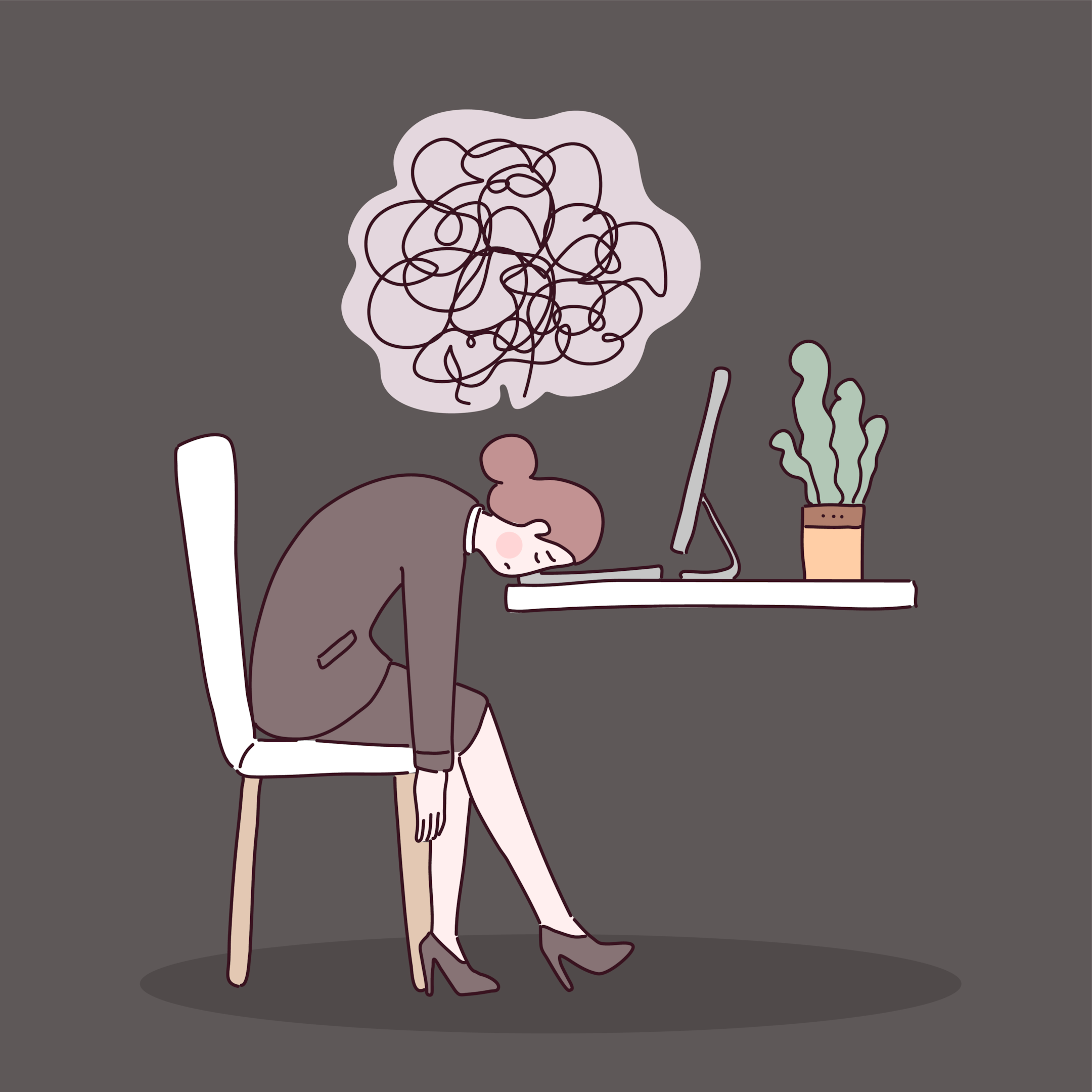
In questo caso il nostro stato mentale è responsabile dei sintomi fisici. Il nostro cervello è influenzato dalla malattia mentale e il cervello influenza il resto del corpo. In altre parole, coesistono sia problemi mentali che fisici. I seguenti sono i segni più tipici di stanchezza fisica:
Affaticamento o esaurimento, anche dopo aver dormito abbastanza ti senti stanco
Deprivazione del sonno o disturbi e cambiamenti in uno schema di troppo o troppo poco
Mal di testa, dolori muscolari e tensioni muscolari
Cambiamenti di appetito
Problemi di stomaco e disturbi digestivi
Raffreddori inspiegabili o frequenti
Pressione alta o battito cardiaco irregolare
Siamo anche inclini a cambiare il nostro comportamento quando siamo mentalmente esausti. Tutti i segnali comportamentali descritti di seguito potrebbero essere segni di esaurimento mentale.
Dimenticanza, difficoltà di concentrazione, concentrazione ridotta, procrastinazione
Isolarsi dagli altri
La sensazione di andare troppo in fretta
Scagliarsi contro amici, colleghi o problemi personali relazioni
Automedicazione attraverso l'aumento dell'uso di alcol, droghe o altre cose come videogiochi, lavoro eccessivo o attività fisica
Esaurimento sul lavoro e difficoltà nel completare altri compiti o compiti cognitivamente impegnativi
Cambiamenti dello stile di vita insoliti, come aumento del comportamento a rischio
Incapacità di stare fermo, difficoltà relax
Come stabilito in precedenza, il funzionamento cognitivo esteso e lo stress cronico sono i due principali sintomi dell'esaurimento mentale. Tuttavia, potrebbe essere difficile individuare le cause esatte dell’affaticamento mentale. Esistono differenze individuali nelle loro cause. Tuttavia, alcuni sono sintomi più comuni di altri. Di seguito sono elencate le ragioni più frequenti dell'affaticamento mentale.
We all experience stress regularly, and in reasonable quantities, we can even gain from it. It might inspire us to complete work and achieve our goals. But prolonged, unchecked exposure to stress causes mental exhaustion. Chronic stress weakens your immune system and mind, which puts you at risk for severe health problems.
Volunteering in the community is a wonderful profession, but it may be taxing. Community workers feel physically exhausted and worn out as a result of expending their emotional and physical energy to service clients. 60% of the 1,209 healthcare workers affected by the COVID pandemic reported feeling burned out. Police officers who work rotating shifts and get little sleep also get mentally fatigued. As a result, mental exhaustion affects their judgment and limits their capacity to act appropriately in dire circumstances.
Extreme physical exertion might also weaken your emotional resilience. It is fairly typical among professional athletes. They push themselves to the absolute limit while maintaining maximum speed, power, or force. They are therefore vulnerable to acute stress as they are always under a pressure to produce the finest results.
Although taking care of our family members is rewarding, there are frequently a lot of stressors involved. Caregivers of elderly or terminally ill family members frequently face upsetting circumstances. Our cognitive functions may get adversely affected as a result of constant stress. According to research, partners who share personality traits and behaviours like poor nutrition and insufficient exercise are more prone to experience illness. Increased sadness and mental tiredness are the consequences of this.

People who have unhealthy lifestyles, consume a poor diet and get little sleep are more likely to get exhaustion disorder. We'll emphasize the value of physical fitness to avoid fatigue later on in this article.
Improving your nutrition and energy levels can start with high-quality vitamins for tiredness and fatigue, which support cellular energy production and mental clarity.
Unfortunately in life, there will always be situations where you will end up in contact with 'toxic people.' These people can be draining on your mental health due to their attitudes and their treatment of you. These people aren't always obvious at first, they might not even be someone new, they could be someone you have known for a while but if there is one person in your life that makes you feel mentally drained after being near, that's always a sign that they are clearly doing something toxic. It's always best to cut these people from your life as they can add to mental fatigue especially if they are in your life constantly.
Mental fatigue is a common symptom of mental diseases such as anxiety and depression. The lower serotonin levels can greatly affect your sleep and mood. Additionally, the constant draining feeling from anxiety due to the flight-or-fight response can be extremely taxing on the mind.
For deeper cognitive support, consider exploring nootropics supplements designed to enhance focus, memory, and mental resilience.
It's crucial to look after your mental health, emotional health, and physical well-being. Therefore, you should never ignore the alerts that your body sends you. The mistakes we make that unintentionally harm our health go unnoticed by us. Your emotional and physical health may be negatively impacted by a cumulative and persistent state of distress. What you can do to combat mental tiredness is listed below.
Overworking is not the same as working hard. We can continue to work hard while striking the correct balance to avoid mental fatigue. According to research, 53% of the workforce claimed that by the end of the year, they had not used all of their vacation days. Avoid doing too many tasks, instead, opt for one task at a time. Too much work and reluctance to use vacation days are the main causes of this. You shouldn't feel bad for taking a vacation to which you are legally entitled. To unwind and recharge before returning to work, it is there.
Physical activities may be exactly what you need when you're fatigued, despite the fact that getting up and moving is the last thing you want to do. Exercise can make a significant difference and can increase our energy levels, cognitive functioning, and brain activity both immediately and over the long term.
Start out modestly. To reap the rewards of EEG energy, you don't need to sign up for a gym membership or prepare for a marathon. According to at least one study, low-intensity exercise, which is comparable to a leisurely walk, actually increases energy levels more than moderate exercise. Make it a point to take a daily 10-minute walk. Increase the duration gradually if you've gotten into the habit of doing it. The goal should be to make it a regular exercise routine.
Find a sport or exercise you like to do. or, at the very least, less detestable than other sorts of exercise. It will be challenging to maintain the habit if you detest running. Try rock climbing, power yoga, relaxation techniques, or practice meditation. You won't ever need to work out again if you can make it feel like fun.
You must break negative behaviours if you want to take care of your mental well-being. You should follow a nutritious diet rather than consuming processed sweeteners and quick meals to boost your mental energy. It's important to drink water and stay away from soda and processed drinks. It is extremely important to build an exercise routine! Don't disregard the psychological and physical symptoms your body is sending you instead, talk to a friend or get professional assistance.
By taking a well-earned vacation and outlining your work, you can maintain a healthy work-life balance. You will prevent burnout and reduce mental fatigue by doing this. Additionally, purchase items in bulk to avoid running to the store every time you need anything. To put it another way, maintain a schedule and carefully arrange your actions. Even the smallest adjustments to our way of life can improve things. Similarly, remember to take regular breaks. Try using the Mind mapping technique to divide the work into time blocks with brief pauses in between. If you are overloaded with work, you can think about setting a deadline for completing important tasks.
Video chats, emails, and messages that never end can quickly drain your energy. Your mind is always working thanks to your electronic gadgets and email. Reducing your time on all your gadgets can help you take a break from being available all the time, even if it's just for a brief period of time.
Spend some time outdoors as you change the environment. Feeling the impact of sunlight and clean air may be motivating. If you can, try to schedule your business meetings in parks or check your notes at a café outside if you don't have time throughout the day. Healthy levels of serotonin, vitamin D, and circadian rhythm depend on exposure to sunlight.

You need to take a break from vigorous activity for your body, eyes, and brain. Take a 5-minute break from your work or the present assignment every hour. Self-care comes first!
If you can, get rid of the root cause of your mental weariness. Sometimes, doing what we feel is right requires a lot of mental effort. Ask yourself the question do I really want or need to do this? If so, is there a deadline for completion? Often, decreasing our expectations might help us get through extended prolonged stress. Not every task needs to be finished perfectly or at all.
The most effective thing you can do during the day is sleep. Nobody really understands why humans require sleep. We simply know that when we don't receive enough of it, bad things happen. Sleep feels optional even though it is crucial for your brain function, happiness, and productivity. It is important that you take time to get an adequate amount of rest.
It's always a good idea to consult a coach, counsellor, or therapist. However, it might be challenging to ask for assistance when you're mentally exhausted. If you notice any of the following mental fatigue symptoms, you should speak with a professional and get tested out straight away:
Panic attacks
Depression
Thoughts and plans of harming yourself or others
Uncontrollable crying
Several absences from work
Being in danger of losing your job
Inability to take care of your children or loved ones
Lack of attention to personal hygiene
All of these signs might suggest your issue might be more severe than just mental fatigue. To start feeling better and prevent mental exhaustion, you might require professional assistance. Our Tiredness and Fatigue Blood Test kit will reveal your overall level of stress, which at times could be due to underlying deficiencies or insufficiencies of certain compounds like iron, thyroid-related hormones, or vitamin D, in your body.
We can conclude that maintaining a good physical state and mental health is crucial. Furthermore, that mental tiredness has a damaging effect on our general well-being. Work, social, and personal life are all impacted. As a result, it is strongly urged that you take appropriate action and never ignore the warnings if you ever experience any of the symptoms described in this article.
You need to improve your lifestyle, give up unhealthy habits, and avoid toxic people if you want to overcome mental cognitive fatigue. Finding and eliminating the causes of long-term stress is the most crucial step. Additionally, if you feel the need to, ask for assistance, then get in touch with a friend you can trust or look for professional assistance to talk about the situation.
 Valutazione eccellente da 28,951+ recensioni
 Garanzia di rimborso al 100%
La nostra garanzia di rimborso ti assicura di ricevere i tuoi articoli o di ottenere un rimborso completo.