




Berberine vs Metformin for Metabolic and Gut Health


Související produkty


Written and medically reviewed by Dr Zeeshan Afzal (MBBS) — Medical Doctor & Medical Content Lead, Welzo
Evidence-based · UK-focused
Last updated: August 2026 · Reading time: ~15 minutes
Read this before anything else
Do not stop, reduce or replace prescribed metformin — or any diabetes medication — with berberine or any supplement. Metformin is a licensed medicine with decades of outcome data; berberine is an unlicensed food supplement.
Berberine alongside metformin, insulin, sulfonylureas or GLP-1 medicines can cause additive blood-sugar lowering and hypoglycaemia. Speak to your GP, pharmacist or diabetes team first. This article is educational, not a recommendation to take either.
Berberine is the most-searched supplement in metabolic health, the question we field most often through our digestive health guides, and one of the biggest sellers among UK gut health supplements. Almost all of that traces back to a single claim: that it is "nature's metformin".
The comparison is not baseless, and it deserves far more scrutiny than it usually gets. Several randomised trials have found berberine produces glucose reductions in a similar range to metformin, and berberine appears to do something for blood lipids that metformin largely does not. Those are real findings in real journals.
But a plant alkaloid sold as a food supplement and a licensed first-line medicine are not two options on the same menu. This article sets out what the trials genuinely show, where the evidence is weak, what each does to the gut microbiome — which is where the more interesting story sits — and the interactions that make casual use of berberine a bad idea for a lot of people.
The short answer
- They are not alternatives. Metformin is a prescription medicine with long-term cardiovascular and mortality data. Berberine is a supplement with short-term surrogate-marker data.
- The glucose findings are genuinely similar in the short term — but the trials are mostly small, brief and of low methodological quality, with acknowledged publication bias.
- Berberine's clearest edge is on lipids. Several analyses show reductions in triglycerides and LDL that metformin does not produce.
- Metformin's gut story is the stronger one. Part of how it works appears to run through the microbiome, including enriching Akkermansia muciniphila.
- Berberine has serious interaction potential via CYP450 enzymes and P-glycoprotein — statins, digoxin, anticoagulants, immunosuppressants and more.
- Avoid berberine entirely in pregnancy, breastfeeding and infants, and stop it 1–2 weeks before surgery.
- Researchers themselves position berberine as a possible adjunct, not a replacement. That is the honest reading.
Related: probiotics · Akkermansia · modified citrus pectin · berberine · TUDCA
Table of contents
- Berberine vs metformin at a glance
- Why this isn't a fair comparison
- How each one actually works
- The glucose evidence, read properly
- Lipids: where berberine genuinely differs
- The gut angle: microbiome effects of both
- Side effects and tolerability
- Berberine interactions: the section to read twice
- The evidence quality problem
- What about PCOS?
- The verdict
- Choosing a berberine supplement, and our own formulation
- What else moves metabolic and gut health
- When to see a doctor
- Frequently asked questions
- References
Berberine vs metformin at a glance
| Berberine | Metformin | |
|---|---|---|
| Regulatory status (UK) | Food supplement — not MHRA licensed | Prescription-only licensed medicine |
| In NICE guidance | No | Yes — first-line in type 2 diabetes |
| Long-term outcome data | None — trials mostly 12 weeks to 6 months | Decades, including cardiovascular and mortality outcomes |
| Effect on glucose markers | Meaningful in short-term trials | Well established |
| Effect on lipids | Reduces triglycerides and LDL in several analyses | Minimal |
| Bioavailability | Very low — under 5% | Moderate, well characterised |
| Microbiome effect | Acts substantially in the gut; human data limited | Enriches Akkermansia and SCFA producers |
| GI side effects | ~20–30%, dose-dependent | ~20–30%; modified-release helps |
| Monitoring | None built in | Renal function, B12, HbA1c via your GP |
| Cost to patient | ~£22/month, self-funded | NHS prescription charge or free if exempt |
Why this isn't a fair comparison
The "nature's metformin" framing collapses a category difference that matters enormously.
Metformin has been through the full licensing process. Its manufacturing is controlled, its dose is standardised, its interactions are documented in the SPC, and — crucially — it has been followed for long enough to know what happens to people who take it for years, including effects on cardiovascular events and mortality rather than just blood test numbers.
Berberine has none of that. In the UK it is regulated as a food supplement under the Food Supplements (England) Regulations 2003, not as a medicine. It carries no authorised health claim in GB, which means it cannot legally be marketed as managing blood sugar, and it does not appear in NICE guidance.
How each one actually works
Metformin
Metformin reduces hepatic glucose production, improves peripheral insulin sensitivity, and activates AMPK — a cellular energy-sensing pathway. Importantly, a substantial part of its action now appears to occur in the gut itself rather than systemically, which is why formulations that stay in the intestine retain much of the effect.
Berberine
Berberine also activates AMPK, which is the mechanistic overlap that generated the comparison in the first place. It is an alkaloid found in several plants including Berberis aristata (Indian barberry) and Coptis chinensis.
Its defining pharmacological feature is very low oral bioavailability — under 5%. Most of an oral dose never reaches systemic circulation. That is usually presented as a weakness, and for systemic effects it is. But it also means the great majority of what you swallow stays in the gut, interacting with the intestinal lining and the microbiota. Some researchers now argue that much of berberine's metabolic activity is mediated there rather than in the bloodstream — which, if correct, makes it mechanistically more similar to metformin than the bioavailability figure suggests.
The glucose evidence, read properly
Here is what the better analyses actually found.
Versus placebo
A 2023 systematic review and meta-analysis in The Journal of Nutrition pooled 20 randomised placebo-controlled trials (n = 1,761) and reported that berberine lowered:
- Fasting glucose by 0.52 mmol/L (95% CI −0.72 to −0.33)
- HbA1c by 4.48 mmol/mol (95% CI −6.53 to −2.44)
- Fasting insulin by 2.36 mU/L
- HOMA-IR by 0.85
- Two-hour post-meal glucose by 1.81 mmol/L
Those are not trivial numbers. They are consistent in direction across studies and reported with reasonable confidence intervals.
Versus metformin directly
This is where the headlines get ahead of the data.
An often-cited 2008 trial in Metabolism randomised just 36 newly diagnosed adults to berberine or metformin at 500 mg three times daily for three months. HbA1c in the berberine arm fell from 9.5% to 7.5%, with comparable glucose changes between groups. It is a genuinely interesting result — and it is a 36-person study, which is far too small to base a treatment decision on.
A broader meta-analysis of 14 randomised trials (n = 1,068) compared berberine against oral glucose-lowering drugs including metformin, glipizide and rosiglitazone. Its finding was more measured: berberine did not demonstrate significantly better glycaemic control than those drugs, though it did show a mild lipid-lowering advantage. The authors described the methodological quality of the included studies as generally low.
The most consistent signal across the literature is that berberine added to existing glucose-lowering treatment produced better control than that treatment alone — which is the adjunct finding, not the replacement finding.
Lipids: where berberine genuinely differs
If there is a place where berberine does something metformin does not, it is here. Multiple analyses report reductions in triglycerides and LDL cholesterol, with some increase in HDL — effects metformin has minimal impact on.
Two caveats keep this in proportion. First, these are surrogate markers; no trial has shown berberine reduces heart attacks or strokes, which is what lipid-lowering treatment is ultimately for. Second, the drugs that have demonstrated those outcomes — statins — are among the medicines berberine can interact with, which is covered below.
The gut angle: microbiome effects of both
For readers of this site, this is the more interesting half of the comparison — and it is metformin, not berberine, that has the stronger evidence.
Metformin and the microbiome
Research published in Nature Medicine in 2017 examined the gut microbiome in treatment-naive type 2 diabetes and concluded that metformin's therapeutic effects are partly mediated by changes in the microbiota. Transferring microbiota from metformin-treated donors into germ-free mice improved glucose tolerance — strong evidence that the microbiome is not just a bystander.
Separate work in Diabetes Care found people with diabetes taking metformin had higher relative abundance of Akkermansia muciniphila — the mucin-degrading organism associated with gut barrier function — along with several short-chain fatty acid producers including Bifidobacterium bifidum and Butyrivibrio.
This is one of the better-documented examples of a mainstream drug working partly through the gut. More in gut health and blood sugar and Akkermansia vs probiotics.
Berberine and the microbiome
Berberine also modulates gut bacteria, and given how little is absorbed, a gut-mediated mechanism is plausible. It has antimicrobial properties, which is why it appears in protocols for SIBO and candida overgrowth.
That cuts both ways, and it is rarely mentioned by people selling it: a compound with antimicrobial activity taken daily and indefinitely may not be doing your microbiome unqualified good. Human data on long-term microbiome effects of berberine are limited. Anyone taking it continuously for years is running an experiment that has not been done.
Both cause GI symptoms
Both commonly cause diarrhoea, cramping, nausea and altered bowel habit, typically dose-dependent and often settling over weeks. For metformin, modified-release formulations reduce this considerably — worth raising with your GP rather than stopping. See metformin stomach side effects and managing supplement-related GI effects.
Side effects and tolerability
| Berberine | Metformin | |
|---|---|---|
| Common GI effects | Diarrhoea, constipation, cramping, nausea | Diarrhoea, nausea, metallic taste |
| Mitigation | Split doses, take with food | Modified-release, gradual titration |
| Nutrient concern | Not established | Long-term B12 deficiency — monitored |
| Rare serious risk | Interaction-driven toxicity of other drugs | Lactic acidosis (rare; renal function checked) |
| Safety oversight | None — you are self-managing | Prescriber review and blood monitoring |
That last row is the one people underweight. With metformin, someone is checking your kidney function and your B12. With a supplement bought online, nobody is checking anything.
Berberine interactions: the section to read twice
Berberine is not a benign herbal extract. It inhibits several cytochrome P450 enzymes — particularly CYP3A4, CYP2D6 and CYP2C9 — and inhibits P-glycoprotein, a transporter governing absorption and elimination of many drugs. Between them, these pathways handle a large share of prescription medicines.
Do not start berberine without speaking to your prescriber if you take
- Any glucose-lowering medicine — metformin, insulin, sulfonylureas, GLP-1 receptor agonists. Additive effects raise hypoglycaemia risk
- Statins metabolised by CYP3A4 — simvastatin, atorvastatin. Raised exposure increases myopathy risk
- Digoxin — P-glycoprotein inhibition can raise levels toward toxicity
- Anticoagulants — warfarin and DOACs such as apixaban and rivaroxaban
- Immunosuppressants — ciclosporin and tacrolimus, both specifically flagged in the literature
- Macrolide antibiotics and azole antifungals
- Certain calcium-channel blockers, antidepressants and chemotherapy agents
Avoid berberine completely if you are
- Pregnant or trying to conceive — berberine can displace bilirubin and there are signals regarding uterine activity
- Breastfeeding — bilirubin displacement risk in newborns
- Giving it to an infant or child — risk of jaundice and kernicterus
Also use caution in liver or kidney disease, and stop berberine one to two weeks before any planned surgery, telling your clinical team you have taken it. Full detail in berberine interactions.
The evidence quality problem
Any honest comparison has to address this, because it is the reason clinicians are more cautious than supplement marketing implies.
- Small samples. The most-cited head-to-head trial had 36 participants.
- Short duration. Most run 12 weeks to six months. Type 2 diabetes is a lifelong condition.
- Low methodological quality. A major meta-analysis described its included studies exactly that way.
- Geographic concentration and publication bias. The trial base is heavily weighted toward studies from one region, with acknowledged publication-bias concerns — meaning negative trials may be missing.
- High heterogeneity. Different doses, preparations and populations, making pooled figures rougher than they look.
- Surrogate endpoints only. Every result is a blood marker. None is a heart attack, a stroke, or a death prevented.
- Supplement variability. Content and purity are not guaranteed the way a licensed medicine's are — third-party testing and a certificate of analysis are the minimum to look for.
What about PCOS?
Metformin is used off-label in polycystic ovary syndrome for insulin resistance, and berberine has been studied here too.
A systematic review and meta-analysis found berberine compared favourably with metformin for improving insulin resistance, dyslipidaemia, androgen levels and LH/FSH ratio in women with PCOS — but found no solid evidence that it improved live birth or other clinical reproductive outcomes. Once again: markers moved, outcomes did not demonstrably follow.
The pregnancy point is critical here. Many women with PCOS are actively trying to conceive, and berberine should be avoided in pregnancy and when trying to conceive. This is precisely the group most likely to encounter berberine marketing and least suited to taking it unsupervised.
The verdict
If you have been prescribed metformin, take your metformin. It is a licensed medicine with long-term outcome data, it costs you a prescription charge or nothing, and it comes with monitoring. No supplement on the market has an evidence base that justifies substituting for it, and stopping or reducing it without medical advice risks real harm.
Berberine is a legitimate research subject and a plausible adjunct. The glucose data are consistent, the lipid effects appear real, and researchers position it as a potential add-on. If your metabolic markers are borderline, you are not on medication, and you want to try it, that is a reasonable conversation to have with your GP or pharmacist — particularly if you take any other medicine.
What it is not is "nature's metformin". That phrase compresses a licensed medicine with decades of outcome data and a supplement with short-term marker data into false equivalence, and it is doing real harm to people who read it as permission to stop their prescription.
For clarity: this conclusion is less favourable to berberine than our commercial interest would suggest. That is what the evidence supports.
If you and your doctor decide berberine is appropriate
What to look for in a berberine supplement
Because berberine is sold as a food supplement rather than a licensed medicine, quality and dosing are not guaranteed by regulation. Four things separate a serious product from a filler-heavy one:
- A stated, meaningful dose. Many products are underdosed at 400–500 mg per serving. Trials generally used 500 mg two to three times daily.
- A named botanical source. Berberis aristata bark is the form used in most of the research literature.
- Third-party testing and a certificate of analysis you can actually read, confirming identity and purity.
- No proprietary blends. If the label will not tell you exactly how much of each ingredient you are taking, you cannot compare it to trial doses.
Welzo Ultra Purity Berberine
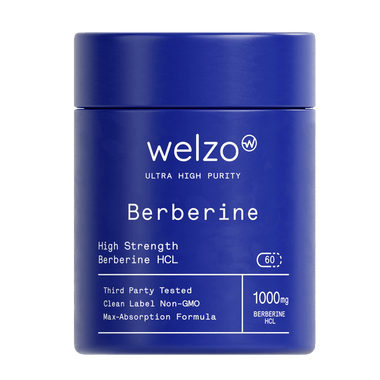
Welzo Ultra Purity Berberine is our own formulation, built around the four criteria above. It delivers 1000 mg of berberine HCl per daily serving from Berberis aristata bark — the most studied form — with a small amount of prebiotic inulin from chicory root.
| Specification | Welzo Ultra Purity Berberine |
|---|---|
| Berberine per serving | 1000 mg berberine HCl (Berberis aristata, bark) |
| Additional ingredient | 10 mg inulin (Cichorium intybus, root) — prebiotic fibre |
| Serving size | 2 capsules |
| Pack size | 60 capsules — 30 servings, one month |
| Capsule | Vegan; no fillers, binders or bulking agents |
| Manufacturing | Made in the UK to GMP standards |
| Testing | Third-party tested; certificate of analysis published on the product page |
| Price | £21.99 for one month · £39.99 for two · £55.99 for three |
| Delivery | Free UK delivery over £50; same-day dispatch on orders before 2pm |
At £21.99 a month, or roughly £18.66 a month buying three, it works out at around 60p to 73p a day. The three-bottle option is worth considering simply because a fair trial takes eight to twelve weeks anyway — and it clears the free delivery threshold.
As above: berberine is a food supplement, not a medicine, and nothing on this page is a recommendation to take it. If you take any prescription medication — particularly anything glucose-lowering, a statin, an anticoagulant or an immunosuppressant — clear it with your GP or pharmacist first. Browse the wider berberine range or the full Welzo Ultra Purity line.
Practical points if it has been agreed with your clinician
- Split the dose across the day with food where practical — trials typically used 500 mg two or three times daily rather than one large dose. This also reduces GI upset.
- Allow 8–12 weeks before judging, and change one thing at a time.
- Have your bloods checked before and after by your GP, so you are measuring rather than guessing.
- Do not take it indefinitely without review. Long-term human safety and microbiome data are limited.
- Tell every clinician you see that you take it, including before surgery and when starting any new medicine.
What else moves metabolic and gut health
Both compounds work best against a background that most people have not optimised — and the background changes are free.
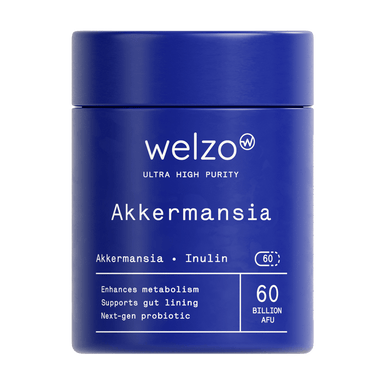
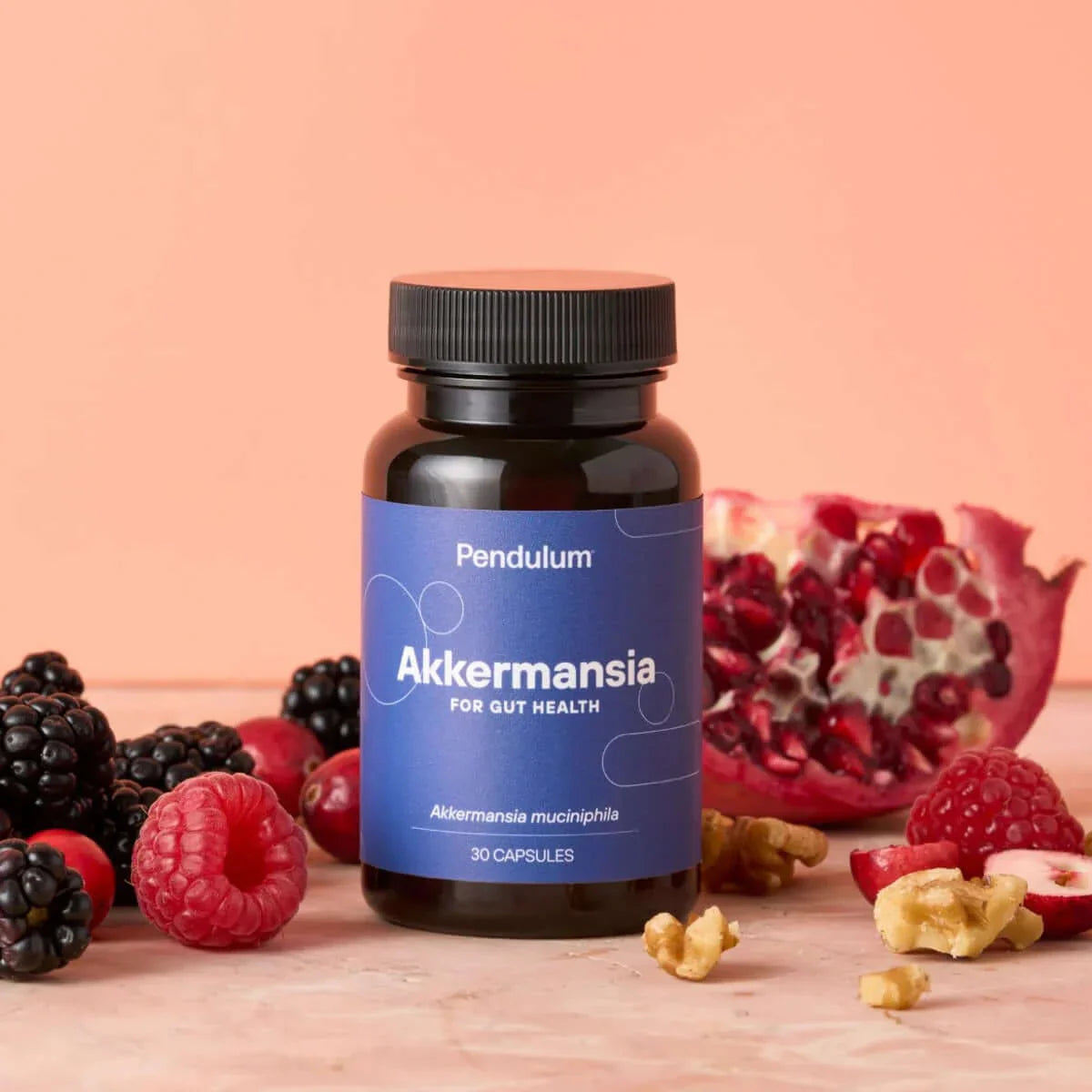
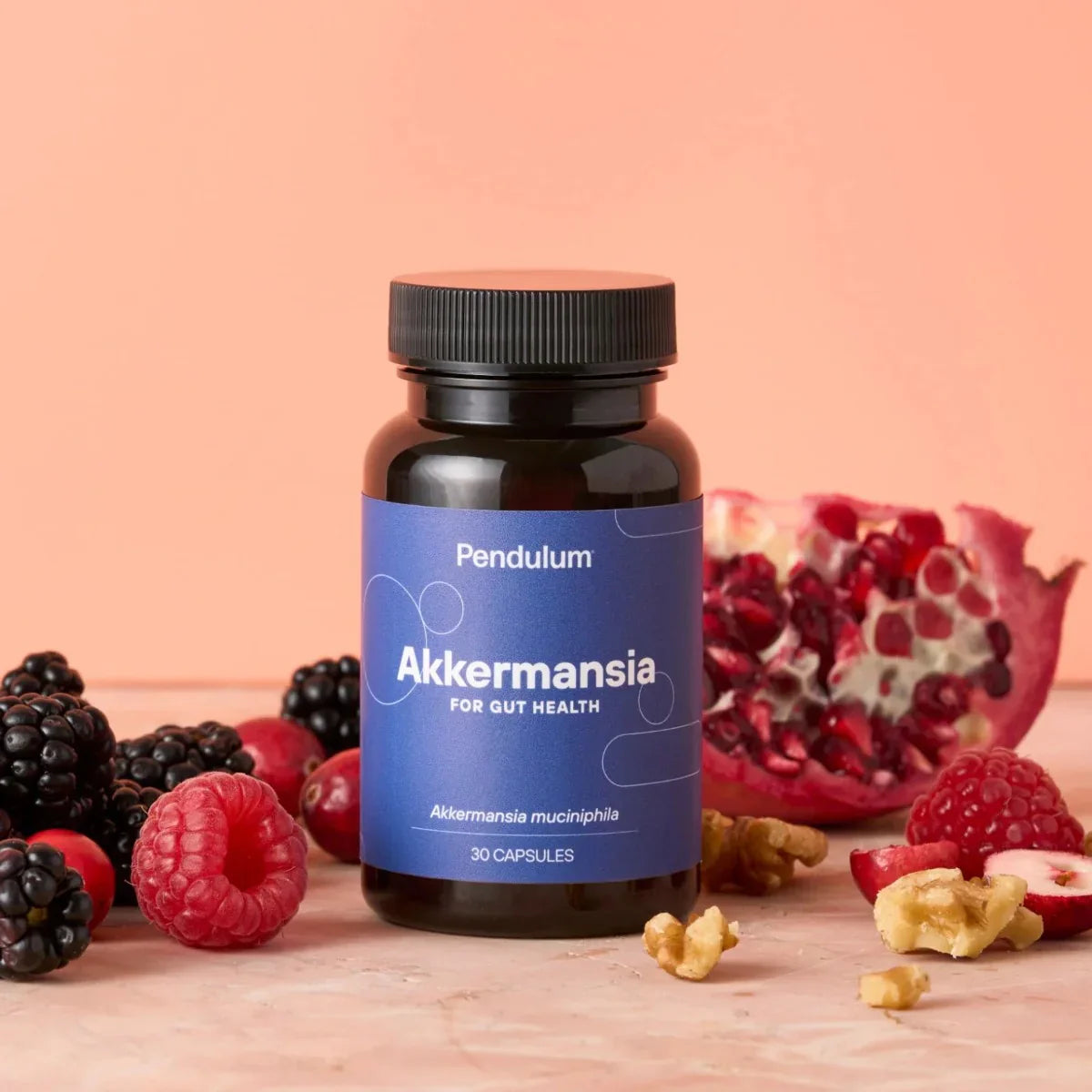
Given that metformin appears to work partly by enriching Akkermansia muciniphila, supplementing the organism directly is an obvious question — and an open one, since taking it orally is not the same as a drug shifting your whole microbial ecology. Welzo Ultra Purity Akkermansia from £21.99 provides 60 billion AFU. Note it also contains 700 mg berberine per serving — do not stack it with a separate berberine product without checking the total. See pasteurised Akkermansia.
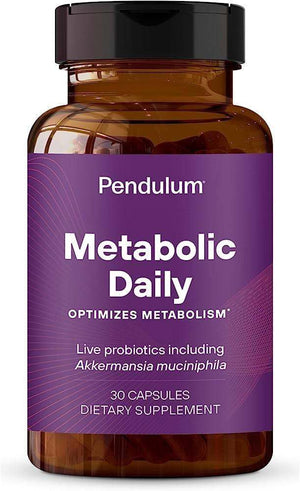
Pendulum Metabolic Daily at £62.38 (from £79.00, 78 reviews) is formulated around strains including Akkermansia and targets metabolic rather than digestive outcomes. See our Pendulum review.
The interventions with the strongest evidence remain unglamorous and free: increasing fibre — which independently improves glycaemic markers — widening plant variety toward 30 plants a week, adding fermented foods, resistant starch, cutting ultra-processed food, and addressing sleep and activity. See also fibre and cholesterol and gut health and weight.
When to see a doctor
Seek medical advice promptly if you have:
- Symptoms of hypoglycaemia — shakiness, sweating, confusion, palpitations, unusual hunger — particularly if combining berberine with any glucose-lowering medicine
- Excessive thirst, frequent urination, unexplained weight loss or persistent fatigue — possible undiagnosed diabetes
- Unexplained muscle pain or weakness while taking a statin — possible interaction
- Yellowing of the skin or eyes, dark urine, or severe abdominal pain
- Persistent vomiting, rapid breathing or severe weakness while taking metformin — seek urgent advice
- Any new symptom after starting a supplement alongside prescription medicine
Suspected side effects of medicines or supplements can be reported through the MHRA Yellow Card Scheme. See also when to see a GP.
Frequently asked questions
Is berberine as good as metformin?
In short-term trials, berberine produced glucose reductions in a broadly similar range. But those trials were small, brief and of generally low methodological quality, and none measured long-term outcomes such as heart attacks or mortality — which metformin has decades of data on. The two are not equivalent, and researchers position berberine as a possible adjunct rather than a replacement.
Can I take berberine instead of metformin?
No — not without your doctor's involvement, and it should not be assumed to be an option. Metformin is a licensed medicine prescribed for a reason. Stopping or reducing it on the basis of a supplement risks losing glycaemic control. If you want to discuss berberine, do it with your GP or diabetes team while continuing your prescription.
Can I take berberine and metformin together?
Only with medical supervision. Both lower blood glucose, so combining them can have additive effects and increase hypoglycaemia risk. Some studies of berberine added to existing treatment showed better control than treatment alone, but that was under trial monitoring — not self-directed use.
Is berberine "nature's Ozempic" or "nature's metformin"?
No. Those phrases are marketing shorthand, not scientific descriptions. Berberine works through different mechanisms from GLP-1 medicines, produces far smaller weight effects, and lacks the long-term outcome data of either drug class. It is regulated as a food supplement in the UK, with no authorised health claim.
How long does berberine take to work?
Trials typically ran 12 weeks to six months before measuring outcomes. If it has been agreed with your clinician, allow at least 8–12 weeks with before-and-after blood tests rather than judging by how you feel.
What dose was used in the studies?
Most trials used 500 mg two or three times daily, split across the day rather than as a single dose. Higher is not better, and splitting doses also reduces gastrointestinal side effects.
Does berberine damage the gut microbiome?
It has antimicrobial properties, which is why it appears in protocols targeting bacterial overgrowth — but the same property raises a fair question about taking it indefinitely. Long-term human microbiome data are limited, which is a reason for periodic review rather than continuous use.
Does metformin improve gut health?
Research suggests part of metformin's benefit is mediated through the microbiome, including higher relative abundance of Akkermansia muciniphila and short-chain fatty acid producers. Paradoxically it also commonly causes GI side effects, particularly early on — modified-release formulations often help, and that is a conversation to have with your GP rather than a reason to stop.
Is berberine safe in pregnancy or breastfeeding?
No. Berberine should be avoided in pregnancy, when trying to conceive, while breastfeeding, and in infants and young children, because it can displace bilirubin and raise the risk of jaundice and kernicterus in newborns.
Can berberine help with PCOS?
Studies suggest benefits for insulin resistance, lipids and androgen levels comparable to metformin, but no solid evidence of improved reproductive outcomes such as live birth. Given that berberine must be avoided in pregnancy and when trying to conceive, anyone with PCOS should discuss it with their clinician rather than self-prescribing.
Do I need to stop berberine before surgery?
Yes — stop one to two weeks beforehand and tell your clinical team you have been taking it, as it can affect blood glucose control and interact with medicines used around surgery.
Does berberine lower cholesterol?
Several analyses report reductions in triglycerides and LDL with some HDL increase — an effect metformin largely lacks. But these are blood markers; no trial has shown berberine reduces cardiovascular events. If your cholesterol needs treating, discuss it with your GP, particularly since berberine can interact with statins.
Is berberine regulated in the UK?
It is sold as a food supplement under the Food Supplements (England) Regulations 2003, not as a licensed medicine. It has not been assessed by the MHRA for safety and efficacy, holds no authorised health claim in GB, and does not appear in NICE guidance.
What is the single best thing for metabolic and gut health?
Increasing dietary fibre and plant variety, reducing ultra-processed food, moving more and sleeping better. These improve glycaemic markers and microbiome diversity, cost nothing, and have no interaction profile — which is more than can be said for anything discussed above.
Medical disclaimer: This article is for general information and education only and does not constitute medical advice, diagnosis or treatment. Welzo sells berberine and cannot sell metformin, which is a prescription-only medicine; this conflict of interest is disclosed above. Do not stop, reduce or replace prescribed metformin or any other medication with a supplement. Berberine is regulated in the UK as a food supplement, is not licensed as a medicine by the MHRA, holds no authorised health claim in GB, and is not intended to diagnose, treat, cure or prevent any disease including diabetes, prediabetes or PCOS. Efficacy statements reflect what specific named trials measured; that evidence base is short-duration, heterogeneous and of generally low methodological quality, reports surrogate blood markers rather than clinical outcomes, and carries acknowledged publication-bias concerns. Berberine can cause additive blood-glucose lowering with diabetes medicines and interacts with many drugs via CYP450 enzymes and P-glycoprotein, including statins, digoxin, anticoagulants and immunosuppressants. It must be avoided in pregnancy, when trying to conceive, while breastfeeding, and in infants and children, and should be stopped one to two weeks before surgery. Anyone taking prescription medication, or with liver or kidney disease, should consult their GP or pharmacist before use. Food supplements are not a substitute for a varied and balanced diet. Suspected adverse reactions can be reported via the MHRA Yellow Card Scheme. Prices were correct at the time of writing.
About the author
Dr Zeeshan Afzal (MBBS) is a practising medical doctor and Welzo's Medical Content Lead. He writes and reviews Welzo's health content to ensure it is accurate, evidence-based and aligned with current UK clinical guidance. Read our editorial policy.
References
- Overall and sex-specific effect of berberine on glycemic and insulin-related traits: a systematic review and meta-analysis of randomized controlled trials. J Nutr. 2023. Link
- Dong H, Wang N, Zhao L, Lu F. Berberine in the treatment of type 2 diabetes mellitus: a systematic review and meta-analysis. Evid Based Complement Alternat Med. Link
- Yin J, Xing H, Ye J. Efficacy of berberine in patients with type 2 diabetes mellitus. Metabolism. 2008;57(5):712–717.
- Wu H, Esteve E, Tremaroli V, et al. Metformin alters the gut microbiome of individuals with treatment-naive type 2 diabetes, contributing to the therapeutic effects of the drug. Nat Med. 2017;23:850–858. Link
- de la Cuesta-Zuluaga J, et al. Metformin is associated with higher relative abundance of mucin-degrading Akkermansia muciniphila and several short-chain fatty acid-producing microbiota in the gut. Diabetes Care. 2017;40(1):54–62. Link
- Advances in the mechanism of metformin with wide-ranging effects on regulation of the intestinal microbiota. Front Microbiol. 2024. Link
- The effect of berberine on reproduction and metabolism in women with polycystic ovary syndrome: a systematic review and meta-analysis of randomized controlled trials. Link
- NICE. Type 2 diabetes in adults: management (NG28). Link
- MHRA. Yellow Card Scheme for reporting suspected adverse reactions. Link
- Food Supplements (England) Regulations 2003, SI 2003 No. 1387. Link
- NHS. Metformin — medicines information. Link
- NHS. Type 2 diabetes. Link
- Diabetes UK. Information and support. Link
Related reading
- Berberine interactions with medicines
- Metformin stomach side effects
- Gut health and blood sugar
- Akkermansia vs probiotics
- Gut health and weight loss
- Fibre and cholesterol
- Gut health and hormones
- Gut health in the UK: the complete guide


 Hodnoceno výborně o 26,523+ recenzí
 100% záruka vrácení peněz