Related products

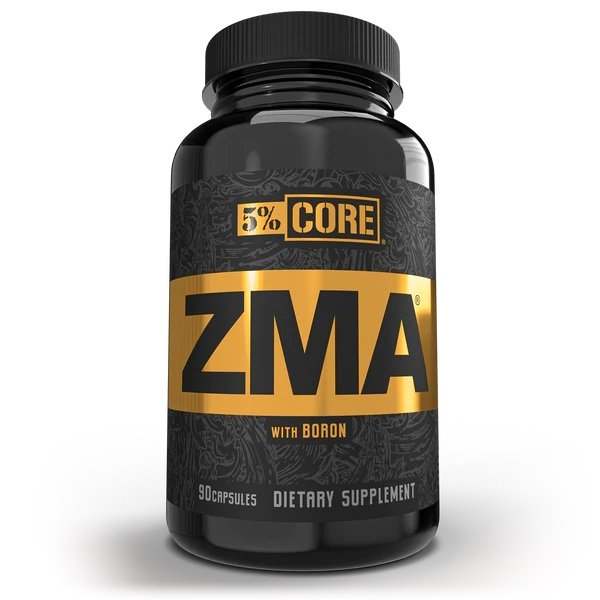
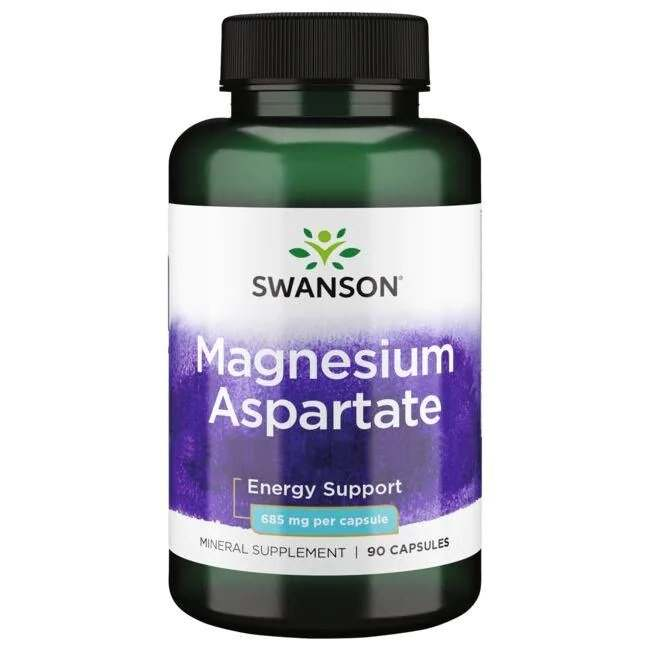
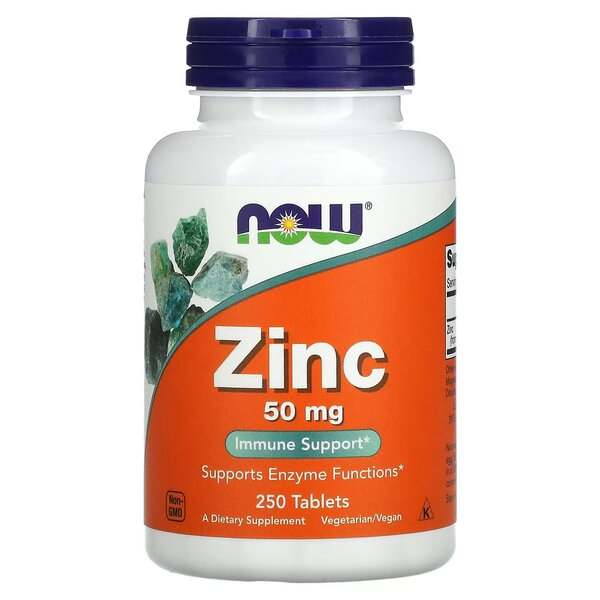
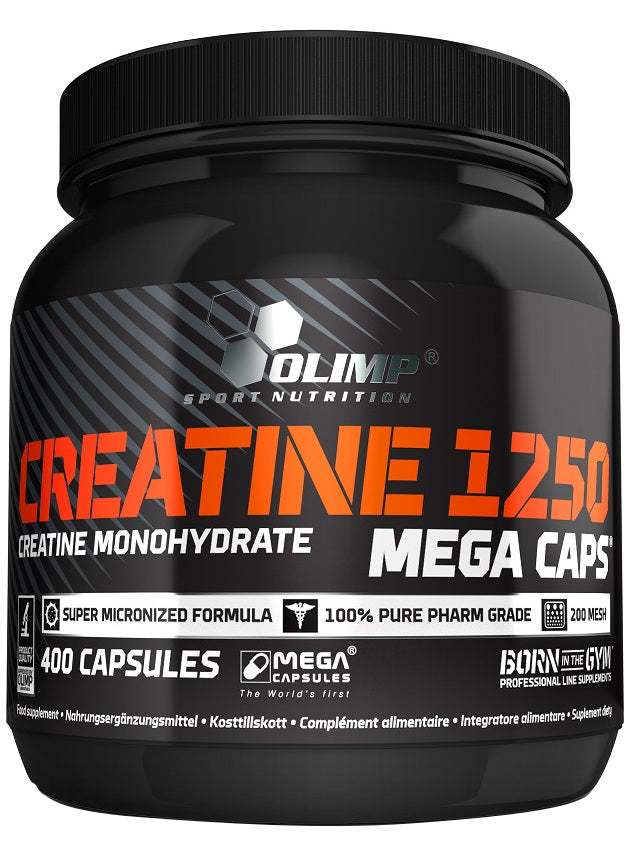


Best ZMA Supplements
Posted on:
Feb 25, 2026
Authored by


If you’re searching for the best ZMA supplements in the UK, you’re probably trying to solve one of three things: better sleep quality, smoother muscle recovery, or a simpler way to cover zinc + magnesium + vitamin B6 in one routine-friendly product. ZMA is not a magic “muscle” pill, but the ingredients are genuinely important for normal muscle function, nervous system support, and everyday nutrient adequacy.
In this guide, we review reliable ZMA and ZMA-style products available on Welzo and explain how to choose the right one based on the criteria people actually care about (form, dose, absorption, dietary suitability, and value). If you also want to know where to buy ZMA supplements with UK delivery, each link directly to the product page.
To build a complete stack, you may also want to browse related categories like ZMA Supplements (Zinc, Magnesium, Vitamin B6), Magnesium, Zinc, and Sleep & Relaxation Supplements.
ZMA is a combined supplement containing:
ZMA became popular in sports nutrition because heavy training, sweating, and restricted diets can make it harder to consistently meet mineral needs—especially for people who train late, struggle with sleep, or don’t eat many mineral-rich foods.
ZMA is best thought of as a nutrient support tool. It can help you:
What it doesn’t do: it won’t replace training, protein intake, sleep hygiene, or medical treatment. If you have persistent insomnia, cramps, or fatigue, it’s worth speaking to a clinician and/or using objective testing where appropriate.
If you’re already taking multiple supplements, it’s also smart to browse Vitamins and Minerals so you can avoid overlapping high doses across products.

| Why it was selected | Chosen for its classic ZMA sports profile, strong popularity, and availability in multiple bottle sizes suitable for long-term routines. |
|---|---|
| Product description | A traditional ZMA-style supplement combining zinc, magnesium, and vitamin B6, positioned for training recovery and bedtime use. |
| Product reviews | Listed with customer reviews on the product page, reflecting broad use among active adults. |
| Price (as listed) | £22.46 (90 capsules) |
| Pros | Recognisable ZMA sports format Multiple bottle sizes available Reliable “default” option |
| Cons | Not the cheapest option May overlap with multivitamins or mineral complexes |
| How to use | Typically taken 30–60 minutes before bed, ideally away from calcium-rich foods. |
| Editor’s comment | A dependable, no-fuss ZMA choice for most users. |

| Why was it selected | Selected for strong value, longer capsule supply, and popularity for sleep and recovery support. |
|---|---|
| Product description | A straightforward ZMA blend combining magnesium, zinc, and vitamin B6 for nightly routines. |
| Product reviews | Listed with reviews on the product page. |
| Price (as listed) | £19.60 |
| Pros | 120-capsule supply Good mid-range value Simple formulation |
| Cons | Requires label checks if stacking with other minerals |
| How to use | Commonly used in the evening; follow label guidance. |
| Editor’s comment | A solid option for most users wanting value without premium pricing. |

| Why was it selected | Chosen for its low cost per capsule and large bottle size. |
|---|---|
| Product description | A zinc, magnesium, and vitamin B6 blend positioned for sleep and recovery. |
| Product reviews | Listed with reviews on the product page. |
| Price (as listed) | £15.53 |
| Pros | High capsule count Excellent value Easy long-term consistency |
| Cons | A large supply may not suit first-time users |
| How to use | Typically taken at night; avoid stacking with high-dose zinc products. |
| Editor’s comment | Best choice if price-per-supply matters most. |

| Why was it selected | Selected for its clear night-time positioning and inclusion of melatonin. |
|---|---|
| Product description | A night routine formula combining zinc, magnesium glycinate/bisglycinate, vitamin B6, and melatonin. |
| Product reviews | Listed with reviews on the product page. |
| Price (as listed) | £20.56 |
| Pros | Sleep-focused design Includes melatonin Magnesium glycinate positioning |
| Cons | Melatonin not suitable for everyone Shorter supply |
| How to use | Take before bedtime as directed; avoid overlapping sleep aids. |
| Editor’s comment | The clearest option if ZMA is primarily for sleep support. |

| Why was it selected | Chosen for users wanting ZMA plus stress-support ingredients. |
|---|---|
| Product description | ZMA-style formula including magnesium glycinate, zinc, vitamin B6, and KSM-66 ashwagandha. |
| Product reviews | Listed with 70 reviews on the product page. |
| Price (as listed) | £19.17 |
| Pros | Includes ashwagandha Magnesium glycinate Good review volume |
| Cons | Not a pure ZMA May duplicate adaptogens |
| How to use | Typically taken in the evening; follow label directions. |
| Editor’s comment | Best suited for users combining recovery with stress management. |

| Why was it selected | Selected for its sports nutrition positioning and bedtime routine focus. |
|---|---|
| Product description | A zinc-magnesium supplement positioned for muscle recovery and sleep quality. |
| Product reviews | Listed with reviews on the product page. |
| Price (as listed) | £24.03 |
| Pros | Sports-focused branding 90-capsule supply Clear bedtime positioning |
| Cons | Higher price than basic ZMA options |
| How to use | Use nightly according to label instructions. |
| Editor’s comment | Best suited to serious training routines. |

| Why it was selected | Chosen for consistent nightly use and balanced sports nutrition positioning. |
|---|---|
| Product description | ZMA-style formula aimed at overnight recovery and routine use. |
| Product reviews | Listed with 52 reviews on the product page. |
| Price (as listed) | £19.29 |
| Pros | Good supply length Recovery-focused positioning |
| Cons | Not a minimalist ZMA formula |
| How to use | Typically taken at night; monitor total vitamin B6 intake. |
| Editor’s comment | A practical middle-ground option for long-term use. |

| Why it was selected | Selected for simple formulation and strong community following. |
|---|---|
| Product description | A straightforward ZMA-style product designed for athletic routines. |
| Product reviews | Listed with 50 reviews on the product page. |
| Price (as listed) | £16.09 |
| Pros | Good value for 90 capsules No unnecessary extras |
| Cons | Requires overlap checks with other supplements |
| How to use | Commonly taken before bed; follow label guidance. |
| Editor’s comment | Ideal if you want a no-fuss, community-backed option. |

| Why it was selected | Chosen for users wanting ZMA-style minerals plus additional men’s-formula ingredients. |
|---|---|
| Product description | Night-time blend including magnesium glycinate, zinc, vitamin B6, and additional ingredients. |
| Product reviews | Listed with 92 reviews on the product page. |
| Price (as listed) | £17.14 |
| Pros | High review count Good capsule supply |
| Cons | Not suitable for those wanting pure ZMA |
| How to use | Take at night as directed; avoid unnecessary stacking. |
| Editor’s comment | Closer to a night recovery stack than minimal ZMA. |

| Why it was selected | Chosen for its small bottle size, ideal for testing tolerance. |
|---|---|
| Product description | A ZMA product using zinc and magnesium aspartate with vitamin B6. |
| Product reviews | Listed with reviews on the product page. |
| Price (as listed) | £13.70 |
| Pros | Easy trial size Good for first-time users |
| Cons | Less economical long-term |
| How to use | Use nightly for 2–4 weeks to assess response. |
| Editor’s comment | Best starting point if you’re unsure about ZMA. |
| Product | Best For | Capsule Count | Notable Extras / Notes | Price (as listed) |
|---|---|---|---|---|
| NOW Foods ZMA Sports Recovery | Overall balance | 90 / 180 | Classic ZMA sports formula | £22.46 |
| Nutrend ZMA | Value + longer supply | 120 | Simple mid-range option | £19.60 |
| Naughty Boy ZM500 | Budget-friendly | 180 | Large bottle, strong value | £15.53 |
| Weider ZMA Night | Sleep-focused routines | 60 | Includes melatonin | £20.56 |
| Applied Nutrition ZMA Pro | Recovery + stress support | 60 | Includes ashwagandha | £19.17 |
| Strom Sports ZMAX | Athlete-focused quality | 90 | Premium sports positioning | £24.03 |
| Chaos Crew ZMA | Short trial | 30 | Small bottle for testing | £13.70 |
| Maxi Nutrition ZMA | Nightly routine | 90 | Balanced long-term use | £19.29 |
| Trec Nutrition Prozma+ | Men’s night formula | 90 | Extra ingredients beyond ZMA | £17.14 |
| Trained By JP ZMA | Community pick | 90 | Simple ZMA positioning | £16.09 |
For performance-focused stacks, you may also want to explore Sports Supplements and Recovery Supplements.
To rank the best ZMA supplements in the UK, we used a consistent checklist built around what actually matters for results and safety: ingredient forms, sensible dosing, routine fit, and product reliability. We didn’t score products based on hype or “testosterone booster” style claims. Instead, we looked at what you can verify on the label and what typically influences real-world outcomes.
1) Mineral forms (absorption + tolerability)
Not all magnesium and zinc forms are equal. We prioritised ZMA products that use magnesium forms commonly chosen for better tolerance in evening routines (for example, glycinate/bisglycinate or citrate). We also noted when formulas relied heavily on cheaper forms (like magnesium oxide), which can be more likely to cause digestive discomfort for some people.
2) Dose realism (especially zinc and vitamin B6)
ZMA is easy to “overlap” with other supplements, so dose mattered a lot. We favoured products with sensible amounts of zinc and B6 that fit daily use, especially for people who also take multivitamins, magnesium, zinc, or sleep aids. Products that push high zinc or B6 can become less suitable when stacked long term.
3) Formula design (basic ZMA vs enhanced blends)
Some people want a simple ZMA: just zinc, magnesium, and B6. Others want a bedtime blend that includes extras like melatonin or ashwagandha. We scored products based on whether the formula clearly matched the intended use case and whether the “extras” were likely to be helpful (or just unnecessary complexity).
4) Routine fit (capsule count, serving size, and timing)
A supplement is only useful if you’ll take it consistently. We considered how many capsules per serving a product requires, whether the bottle lasts long enough to justify the price, and how easy it is to fit into a bedtime routine. We also noted products that are more practical for beginners (smaller bottles) versus long-term users (larger counts).
5) Value for money (cost per supply, not just bottle price)
We looked beyond the headline price and considered capsule count and typical usage. A “cheap” product that lasts 15 days may be a worse value than a mid-priced product that lasts 60–90 days.
6) Dietary suitability and tolerance factors
Where possible, we checked whether products are suitable for vegetarians/vegans, and whether they include common additives that some people prefer to avoid. This isn’t a dealbreaker for everyone, but it matters for a meaningful portion of readers.
7) Brand trust signals and customer feedback volume
We don’t treat reviews as scientific proof, but consistent feedback and higher review volume can indicate routine fit, supply consistency, and fewer quality surprises. We used this as a supporting factor—not the main factor.
ZMA is generally well tolerated when used as directed, but side effects can happen—usually from high doses, poor timing, or stacking products.
Tip: If you’re frequently tired, cramping, or not recovering well, consider checking overall nutrition first. Browsing All Supplements & Vitamins can help you spot overlaps, and testing can clarify whether you actually need specific nutrients.
ZMA supplements exist largely because zinc and magnesium deficiencies are relatively common, especially in people with higher physical or lifestyle demands. While true clinical deficiency is uncommon, sub-optimal intake is far more widespread.
Possible signs associated with low magnesium may include:
Muscle cramps, twitching, or tightness
Poor sleep quality or difficulty relaxing at night
Fatigue or low energy
Headaches or increased sensitivity to stress
Possible signs associated with low zinc may include:
Frequent minor illnesses or slow recovery
Poor wound healing
Reduced appetite or changes in taste/smell
Brittle hair or nails
Vitamin B6 deficiency is less common but may contribute to:
Low energy
Mood changes
Reduced the efficiency of zinc and magnesium use
ZMA doesn’t diagnose or treat deficiencies, but it’s often used when diet alone may not consistently meet needs.
One of the most common questions is whether ZMA is better than taking zinc and magnesium as separate supplements.
The main difference is convenience and formulation intent:
ZMA combines zinc, magnesium, and vitamin B6 in ratios designed to work together
Vitamin B6 helps support the metabolism and utilisation of both minerals
ZMA is typically designed for evening or bedtime use, aligning with relaxation and recovery routines
Taking minerals separately allows for more custom dosing, but ZMA simplifies the process for people who want:
Fewer capsules
One consistent nightly habit
Less label-reading across multiple products
Neither approach is “better” universally — ZMA is simply more convenient for many users.
ZMA supports the body by contributing to normal physiological functions, rather than creating artificial effects.
In simple terms:
Magnesium supports muscle relaxation, nerve signalling, and normal energy production
Zinc contributes to immune function, protein synthesis, and hormone metabolism
Vitamin B6 helps the body process amino acids and supports normal nervous system function
Together, these nutrients help the body do what it already does — but more efficiently when intake is adequate.
This is why ZMA is commonly used during:
Periods of intense training
Poor sleep or high stress
Dietary restriction or inconsistent eating
ZMA is not a detox supplement in the commercial sense, but zinc and magnesium do play indirect roles in the body’s natural detoxification systems.
Zinc is involved in enzyme systems that support liver function
Magnesium is required for hundreds of enzymatic reactions, including those related to energy and metabolic balance
Rather than “flushing toxins,” ZMA supports the nutrient foundations the body needs to carry out normal detoxification through the liver and kidneys.
If detoxification is your main goal, ZMA is better viewed as supportive, not primary.
Zinc, magnesium, and iron are all essential minerals — but they can compete for absorption when taken together in high doses.
Important points for users:
Zinc and iron use similar absorption pathways
Taking high-dose zinc at the same time as iron supplements may reduce iron absorption
This is why ZMA is often taken at night, away from meals and iron-containing supplements
ZMA does not improve iron absorption, but timing it correctly helps avoid interference, especially for people who also use iron supplements.
Before turning to supplements, it’s helpful to understand dietary sources.
Common magnesium-rich foods include:
Nuts and seeds (pumpkin seeds, almonds)
Whole grains
Leafy green vegetables
Common zinc-rich foods include:
Meat and poultry
Shellfish
Dairy products
Legumes and seeds
Common vitamin B6 sources include:
Bananas
Potatoes
Chickpeas
Fish and poultry
ZMA supplements are most useful when:
Diet is inconsistent
Calorie intake is restricted
Training or stress levels are high
ZMA is most commonly taken 30–60 minutes before bed.
This timing is recommended because:
Magnesium may support relaxation
Zinc absorption can be affected by calcium, so taking it away from meals can help
It fits naturally into a nighttime recovery routine
General tips:
Avoid taking ZMA with calcium-rich foods (milk, cheese)
If zinc causes nausea, take it with a small snack
Be consistent — benefits, if noticed, usually appear after 2–4 weeks
ZMA is not meant for acute effects; it works best as part of a longer-term routine.
Magnesium and muscle & nerve function
Magnesium plays a central role in muscle contraction and relaxation, nerve signalling, and normal energy metabolism. Research shows that inadequate magnesium intake is common and may contribute to muscle cramps, fatigue, and poor sleep quality.
Source: https://ods.od.nih.gov/factsheets/Magnesium-Consumer/
Zinc’s role in immune function and protein synthesis
Zinc is an essential trace mineral involved in immune defence, wound healing, DNA synthesis, and protein metabolism. Even mild zinc deficiency can affect recovery and general wellbeing.
Source: https://ods.od.nih.gov/factsheets/Zinc-Consumer/
Vitamin B6 and mineral utilisation
Vitamin B6 supports amino acid metabolism and helps the body utilise magnesium and zinc effectively. Adequate B6 intake is important for nervous system function and energy production.
Source: https://ods.od.nih.gov/factsheets/VitaminB6-Consumer/
Magnesium and sleep quality
Clinical studies suggest magnesium supplementation may support sleep quality, particularly in individuals with low intake or sleep disturbances, due to its role in nervous system regulation.
Source: https://pubmed.ncbi.nlm.nih.gov/23853635/
Mineral interactions and absorption competition
High doses of certain minerals (such as zinc, iron, and calcium) can compete for absorption when taken together. This supports the common recommendation to space mineral supplements apart.
Source: https://www.ncbi.nlm.nih.gov/books/NBK222312/
Dietary reference intakes for zinc, magnesium, and vitamin B6
Established nutrient reference values help define safe and adequate intake ranges for minerals and vitamins, which is important when stacking supplements.
Source: https://www.ncbi.nlm.nih.gov/books/NBK545442/
Magnesium intake and deficiency prevalence
Population data indicate that a significant portion of adults do not meet recommended magnesium intake levels through diet alone, particularly active individuals.
Source: https://www.ncbi.nlm.nih.gov/pmc/articles/PMC5786912/
Most people take ZMA 30–60 minutes before bed, often away from food. If zinc upsets your stomach, take it with a light snack.
Many labels suggest taking it away from meals, especially calcium-rich foods. But if you get nausea, taking it with a small snack can be more comfortable.
Yes—ZMA isn’t “male-only.” The key is choosing an appropriate dose and avoiding overlap with other supplements.
Some people feel it supports relaxation as part of a bedtime routine, especially if magnesium intake is inconsistent. If you want a sleep-first product, look at night-oriented formulas.
Zinc supports normal hormone metabolism, but ZMA isn’t a guaranteed testosterone booster. Be cautious of exaggerated claims.
Many people do, but it’s best to periodically review your total zinc and B6 intake—especially if you stack supplements.
For most healthy adults, it can be safe when used correctly. The biggest long-term issue is taking too much zinc or vitamin B6 via overlapping products.
Magnesium glycinate is often considered gentler for some people and is commonly used in bedtime products; magnesium oxide can be more laxative for some users.
Yes, but check labels. Many multivitamins already contain zinc and B6. Consider switching to separate Magnesium if overlap becomes excessive.
You can, but avoid taking it at the same time as calcium-heavy foods if your product recommends separation.
Some users report changes in dreams. This is individual and not guaranteed.
If you’re going to notice anything, many people assess over 2–4 weeks of consistent use.
If you have kidney disease, take prescription medications that interact with minerals, or are pregnant/breastfeeding, check with a clinician first.
The NHS lists typical needs at about 9.5mg/day for men and 7mg/day for women, and advises not to exceed 25mg/day of zinc supplements unless advised by a doctor. :contentReference[oaicite:54]{index=54}
The NHS advises not to take more than 10mg/day of vitamin B6 in supplements unless a clinician advises it.
Disclaimer: This article is for informational purposes and does not replace medical advice. Always read the label and speak to a healthcare professional if you have medical conditions or take prescription medications.
 Βαθμολογημένη εξαιρετική από 28,951+ κριτικές
 100% εγγύηση επιστροφής χρημάτων
Η εγγύηση επιστροφής χρημάτων σας εξασφαλίζει ότι θα λάβετε τα στοιχεία σας ή θα λάβετε πλήρη επιστροφή χρημάτων.