


The Gut Barrier and Tight Junctions Explained
Posted on:
Aug 05, 2026
Authored by


Written by Dr Zeeshan Afzal (MBBS) — Medical Doctor & Medical Content Lead, Welzo
Medically reviewed for accuracy · Evidence-based · Aligned with peer-reviewed research and NHS guidance
Last updated: January 2026 · Reading time: ~13 minutes
Your gut barrier is one of the most remarkable — and underrated — structures in the human body. It sits at the centre of digestive health, and it's the reason so many gut health supplements are built around "repairing the lining." Spread across a surface area estimated at around 32 square metres, this defence is just one cell thick, held together by microscopic seals called tight junctions.
When people talk about "leaky gut," what they're really describing is a change in how well this barrier — and its tight junctions — controls what passes through. In this guide I'll explain, in plain English, what the gut barrier function actually is, how tight junctions work at a molecular level, what the protein zonulin does, what the evidence really says about increased intestinal permeability, and the practical, science-backed ways to support your gut lining.
The short version: The gut barrier is a single layer of cells sealed by tight-junction proteins (claudins, occludin, ZO-1 and others) that act as gatekeepers. Increased intestinal permeability is a real, measurable phenomenon studied in conditions like coeliac disease and type 1 diabetes — though "leaky gut syndrome" as a stand-alone diagnosis remains controversial. You support the barrier mainly through diet, a diverse microbiome and targeted nutrients. Explore Welzo's gut health range and probiotics collection for barrier-supporting options.

Table of contents
The gut barrier (or intestinal barrier) is the multi-layered defence system that lines your digestive tract. Its job is a delicate balancing act: it must absorb nutrients and water while simultaneously blocking bacteria, toxins and undigested food particles from crossing into the bloodstream. Given that the human intestine is roughly 8–9 metres long and offers the body's largest interface with the outside world (Fasano, 2020), this is no small task.
Think of the barrier as several defensive lines working together:
This barrier consists of only a single layer of epithelial cells supported by junctional complexes and protective factors such as mucins, antimicrobial molecules and immunoglobulins, spread across a surface area comparable to a small room, around 32 m² (Tungtrongchitr et al., 2022). Learn more in our overview of gut barrier function.
Tight junctions are the microscopic seals that stitch neighbouring gut cells together at their tops, controlling the paracellular pathway — the route between cells. They are the true gatekeepers of barrier function: when they're intact, only tiny, appropriate molecules pass; when they loosen, larger particles can slip through.
A tight junction is not a single structure but a complex of interacting proteins (Kuo et al., Experimental & Molecular Medicine, 2018):
Here's how the main tight-junction proteins compare at a glance:
| Protein | Type | Main role in the barrier |
|---|---|---|
| Claudins | Transmembrane | Form the actual pores between cells; largely determine how "tight" or "leaky" the junction is. |
| Occludin | Transmembrane | The first TJ protein discovered; supports junction stability and regulates larger-molecule flux. |
| JAMs | Transmembrane | Junctional adhesion molecules; help hold adjacent cells together and aid junction resealing. |
| Tricellulin | Transmembrane | Seals the more vulnerable points where three cells meet. |
| ZO-1, ZO-2, ZO-3 | Scaffold (intracellular) | Anchor the transmembrane proteins to the cell's actin cytoskeleton, holding the structure together. |
Sources: Kuo et al., Experimental & Molecular Medicine (2018); Suzuki, Cellular and Molecular Life Sciences.
These junctions are dynamic, not fixed. They open and close in response to signals — including inflammatory messengers such as TNF-α and IL-6, which can increase permeability by acting on proteins like claudin-2 and myosin light-chain kinase (Suzuki et al., 2011). That responsiveness is normally healthy and tightly controlled — but it's also how the barrier can become dysregulated.
If tight junctions are the gate, zonulin is one of the keys that opens it. Discovered by Dr Alessio Fasano and his team around 2000, zonulin is described as the only known human physiological modulator of intestinal tight junctions — a protein your own body produces that can reversibly loosen them (Fasano, Physiological Reviews, 2011).
The story begins with cholera. Researchers found that a cholera toxin (zonula occludens toxin) could rapidly and reversibly prise open the tight junctions between gut cells. Fasano's group then identified a naturally occurring human protein that behaves almost identically, and named it zonulin. It was later characterised as pre-haptoglobin-2.
Two well-studied triggers stand out: gliadin (a component of gluten) and bacterial colonisation of the small intestine. This is one reason the gut barrier features prominently in discussions of coeliac disease versus gluten intolerance and conditions involving gut dysbiosis. Elevated zonulin has been used as a research biomarker of impaired barrier function in several conditions, and can be measured via a zonulin test.
Here's where careful, evidence-based framing matters. Increased intestinal permeability is real and measurable — the underlying science of the barrier and its tight junctions is well established. What remains controversial in mainstream medicine is "leaky gut syndrome" as a stand-alone diagnosis that directly causes a long list of unrelated illnesses. We explore this nuance fully in is leaky gut real?
Increased permeability has been documented in, and studied alongside, several conditions — most robustly coeliac disease and type 1 diabetes, with ongoing research into inflammatory bowel disease and other autoimmune and inflammatory conditions (Fasano, Clinical Gastroenterology & Hepatology, 2012). Fasano's influential model proposes that, in genetically susceptible people, a permeable barrier may be one of several factors involved in developing autoimmune conditions.
Association is not causation. For many of the wider claims made online — that leaky gut single-handedly causes fatigue, mood problems or weight gain — the human evidence is still limited or preliminary. The honest position is that barrier health matters, it's worth supporting, but it should not be used to self-diagnose serious conditions or to avoid proper medical assessment.
Several factors can loosen tight junctions or injure the gut lining. Many overlap with the drivers of poor gut health generally:
A diet low in fibre starves the beneficial bacteria that produce short-chain fatty acids — especially butyrate, the preferred fuel of the cells lining your colon. Without adequate butyrate, the barrier's "building blocks" are under-supplied. Diets high in ultra-processed foods and certain additives may also affect the mucus layer.
An imbalanced or low-diversity microbiome can promote inflammation and reduce the protective microbes that maintain the mucus layer. Supporting microbiome diversity is therefore also barrier support.
Excess alcohol produces acetaldehyde, which can disrupt tight-junction proteins directly. Frequent use of NSAIDs such as ibuprofen can injure the gut lining, and chronic inflammation drives permeability through the inflammatory signalling described earlier.
Via the gut–brain axis, sustained stress can influence gut motility, immune activity and barrier function — another reason stress management belongs in any gut plan.
There is no single, validated symptom checklist that reliably diagnoses "a damaged gut barrier." Increased permeability doesn't produce one neat set of symptoms; instead it's studied as one contributor to inflammation that shows up differently between individuals. Commonly reported issues include bloating, irregular bowel habits, food sensitivities, fatigue and skin flare-ups — but these are non-specific and have many possible causes.
See your GP promptly if you have any of these red flags:
These symptoms need proper assessment and should never be self-treated as "just leaky gut." Source: NHS — Symptoms of bowel cancer. For a fuller checklist, see when to see a GP about stomach symptoms.
Several tests exist, but it's important to understand their limits.
For most people, no. Barrier-supporting habits help regardless of a test result, and no single permeability test is currently used to diagnose disease on its own. Testing is most useful to investigate specific conditions (like coeliac disease) under medical guidance, not to self-label "leaky gut."
The most reliable way to support barrier function is to support the whole ecosystem that maintains it. These steps are ordered roughly by strength of evidence.
Butyrate is the primary fuel for colon-lining cells, so feeding the bacteria that make it is foundational. Aim for a wide variety of plants — the evidence links eating 30+ different plants a week with a more diverse microbiome — and build up your fibre intake gradually. Polyphenol-rich foods may also help.
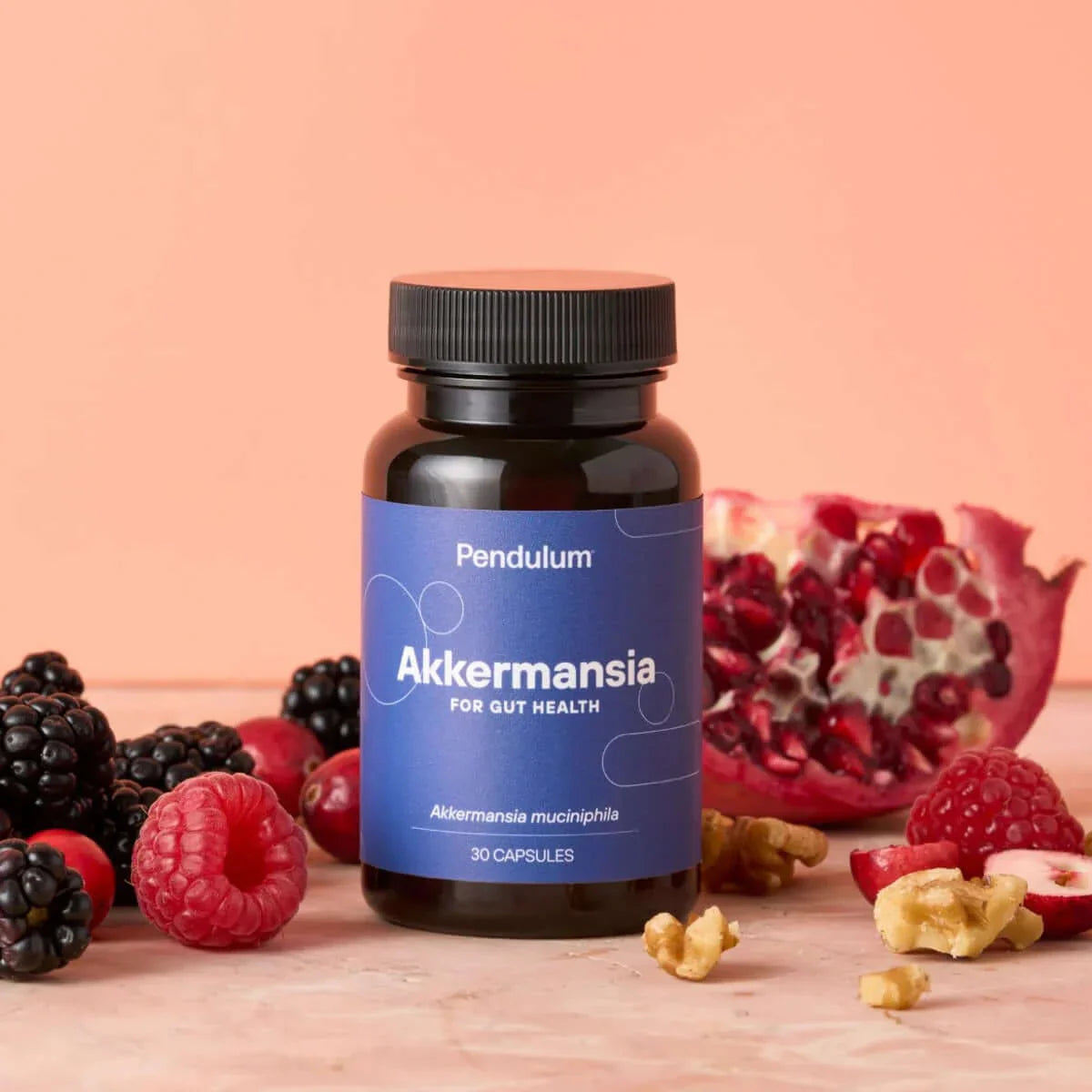
A diverse microbiome maintains the mucus layer and crowds out troublemakers. Probiotics may help in specific situations, and mucus-associated species such as Akkermansia are being actively studied for barrier support. Browse the Welzo probiotics collection.
Several nutrients are studied for barrier and gut-lining support. They complement — never replace — a good diet, and are best used with guidance. See our overview of the best supplements for leaky gut:
Moderate alcohol, use NSAIDs only as needed, and manage stress. If you take long-term medications such as omeprazole, discuss the pros and cons with your GP rather than stopping abruptly. Metabolic support such as berberine or bile-related TUDCA is sometimes explored, but check suitability first.
The gut barrier is the lining of your digestive tract that absorbs nutrients while keeping bacteria, toxins and undigested particles out of your bloodstream. It's made up of a mucus layer, a single layer of epithelial cells, the tight junctions sealing those cells, and an underlying immune layer.
Tight junctions are protein complexes that seal the gaps between neighbouring gut cells, controlling what passes through the "paracellular" route between them. Key proteins include claudins, occludin, JAMs and the scaffold proteins ZO-1, ZO-2 and ZO-3. They open and close dynamically in response to signals.
Zonulin is a protein your body produces that reversibly loosens intestinal tight junctions — described as the only known human physiological modulator of them. It was discovered by Dr Alessio Fasano's team and is used in research as a biomarker of barrier function. Gluten (gliadin) and bacterial overgrowth are known triggers of its release.
Increased intestinal permeability is real and measurable, and the science of the barrier is well established. However, "leaky gut syndrome" as a stand-alone diagnosis that directly causes many unrelated illnesses is not accepted by mainstream medicine, and evidence for many popular claims is still limited.
Contributing factors include a low-fibre diet, gut dysbiosis, excess alcohol, frequent NSAID use, chronic inflammation and chronic stress. In coeliac disease, gluten triggers zonulin release, which loosens tight junctions in susceptible people.
There's no validated symptom checklist. Non-specific issues like bloating, irregular bowels, food sensitivities, fatigue and skin problems are commonly reported, but these have many causes. Red-flag symptoms such as bleeding, unexplained weight loss or a persistent change in bowel habit always need medical assessment.
Focus on the fundamentals: eat a wide variety of fibre-rich plants to feed butyrate-producing bacteria, support a diverse microbiome, moderate alcohol and unnecessary NSAIDs, and manage stress. Targeted nutrients like L-glutamine, zinc carnosine and collagen may help alongside — not instead of — these basics.
Nutrients studied for gut-lining support include L-glutamine, zinc carnosine, collagen, colostrum, butyrate and soothing botanicals like slippery elm, plus prebiotic fibres such as modified citrus pectin. Evidence varies by nutrient and situation, so use them thoughtfully and seek guidance if you have a medical condition.
Yes, through research and private tests such as zonulin measurement and the lactulose-mannitol urine test, though neither is currently a stand-alone diagnostic tool. The NHS offers calprotectin, which measures gut inflammation rather than permeability. Most people don't need a test to start barrier-supporting habits.
Gut-lining cells turn over quickly — often within days — but meaningful, stable improvements in symptoms usually take several weeks of consistent diet and lifestyle change, with longer-term microbiome benefits building over months. There's no reliable "quick fix."
Medical disclaimer: This article is for general information and education only and does not constitute medical advice, diagnosis or treatment. It should not replace consultation with a qualified healthcare professional. Always seek the advice of your GP or a suitably qualified clinician about any symptoms or before starting new supplements, particularly if you are pregnant, breastfeeding, immunocompromised or taking medication. If you have red-flag symptoms, seek medical care promptly.
About the author
Dr Zeeshan Afzal (MBBS) is a practising medical doctor and Welzo's Medical Content Lead. He writes and reviews Welzo's health content to ensure it is accurate, evidence-based and aligned with current UK clinical guidance, translating complex research into practical advice patients can trust.
 Calificado excelente por 28,951+ reseñas
 Garantía de devolución de dinero 100%
Nuestra garantía de devolución de dinero garantiza que reciba sus artículos o obtenga un reembolso completo.