





Gut Health and Autoimmunity: What the Research Shows
Posted on:
Aug 05, 2026
Escrito por


Written by Dr Zeeshan Afzal (MBBS) — Medical Doctor & Medical Content Lead, Welzo
Medically reviewed · Evidence-based · Aligned with UK clinical guidance
Last updated: July 2026 · Reading time: ~14 minutes
Autoimmune conditions are where gut health claims become most confident and least justified. Search almost any autoimmune diagnosis and you will find someone promising that healing your gut will reverse it. For the wider science see our digestive health hub; to buy gut health supplements, browse the Welzo gut health range. The underlying science is real and genuinely important — the gut is where immune tolerance is largely established — but the distance between that and "fix your gut, cure your disease" is enormous, and crossing it carries real risk. This review sets out what is established, what is hypothesis, and what is being sold.
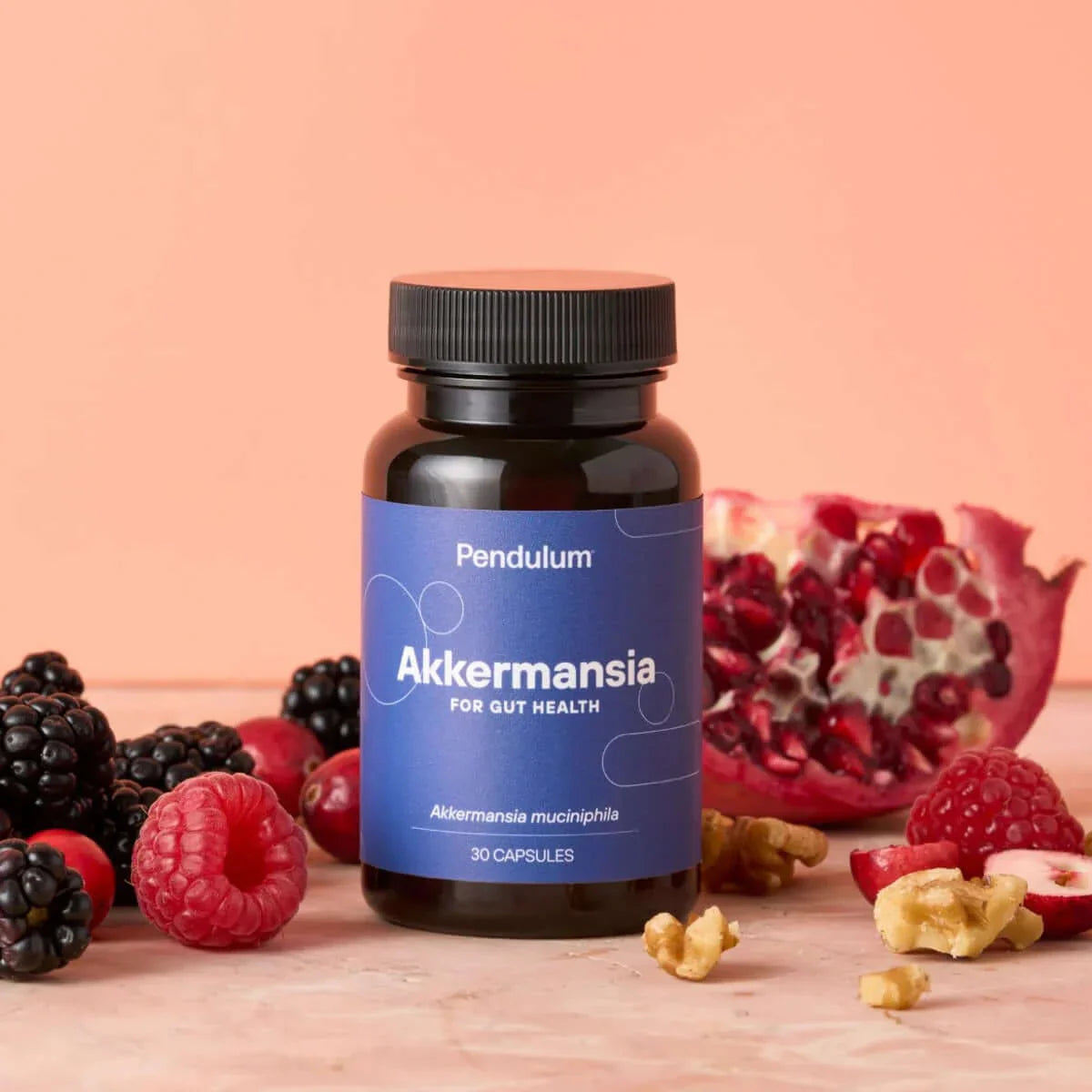
The short version: The gut is the main site where the immune system learns tolerance, and people with autoimmune conditions reliably show altered gut microbiomes. But almost all human data is cross-sectional, and both the disease and its treatments reshape the microbiome — so cause and consequence remain largely unresolved. Coeliac disease is the one condition with a defined, removable trigger. Commercial "leaky gut" zonulin tests do not reliably measure what they claim. No supplement treats or reverses autoimmune disease, and live probiotics need caution if you are immunosuppressed. Browse the Welzo probiotics range, Akkermansia, modified citrus pectin, berberine and TUDCA — and never adjust prescribed treatment without your specialist.
Table of contents
Autoimmunity is a failure of tolerance: the immune system attacks tissue it should ignore. The gut is the single largest site where that tolerance is taught, because it faces a constant stream of foreign material — food proteins and trillions of resident microbes — that must be permitted rather than attacked. It houses most of the body's antibody-producing cells and a large share of its regulatory T cells, and it is where the immune system is calibrated in early life. See gut health and the immune system.
Add the epidemiology — autoimmune conditions have become substantially more common in industrialised countries over a period far too short for genetic change — and attention naturally turns to environmental exposures acting through the gut: diet, antibiotics, delivery mode, infection patterns. That reasoning is sound. What follows from it is where care is needed.
Commensal bacteria drive development of regulatory T cells, which suppress inappropriate immune responses body-wide. Certain bacteria also promote pro-inflammatory Th17 cells. The balance between these populations is microbially influenced, and skewing it is the most plausible route from gut to systemic autoimmunity. Much of this work is from mouse models, where colonising germ-free animals with specific bacteria demonstrably shifts that balance.
A compromised intestinal barrier allows bacterial components — and in animal studies whole bacteria — to reach tissues where they do not belong, provoking immune responses. In rodent models, gut bacteria translocating to the liver and lymph nodes have been shown to trigger autoimmune features. The intestinal lining itself is metabolically demanding: glutamine is the primary fuel for enterocytes, which is why it appears throughout barrier research. See gut barrier function.

If a microbial protein sufficiently resembles a human one, an immune response against the microbe can cross-react with the body's own tissue. This is not speculative in principle — it is the established mechanism of rheumatic fever after streptococcal infection. Whether gut commensals drive it in common autoimmune conditions is still being worked out.
Bacterial fermentation of fibre produces short-chain fatty acids, particularly butyrate, which promote regulatory T cell development and help maintain the gut lining. Reduced production is a consistent finding in several autoimmune conditions and is one of the more actionable parts of this picture.
| Condition | Strength of gut link | What that means practically |
|---|---|---|
| Coeliac disease | Established and causal | Removing gluten treats the disease |
| IBD (Crohn's, colitis) | Strong — gut is the target organ | Microbiome central to disease; treatment still medical |
| Axial spondyloarthritis | Strong association | Subclinical gut inflammation common; no gut-directed treatment |
| Rheumatoid arthritis | Moderate, specific findings | Intriguing but not yet actionable |
| Type 1 diabetes | Early-life associations | Research stage; insulin remains essential |
| Multiple sclerosis | Differences reported, modest | No gut intervention alters disease course |
| Autoimmune thyroid disease | Weak, inconsistent | Heavily over-marketed relative to evidence |
Coeliac disease is the exception that proves gut-driven autoimmunity is possible. In genetically susceptible people carrying HLA-DQ2 or DQ8, dietary gluten triggers an immune response that damages the small intestinal lining. Remove the trigger and the disease process stops. It is the only common autoimmune condition with a defined, removable environmental cause.
Important if you suspect coeliac disease
Do not start a gluten-free diet before being tested. Coeliac blood tests and biopsy rely on your immune response to gluten, so removing it first can produce a false negative and leave you without a diagnosis — which matters for follow-up, screening for complications, family testing and prescription support. Keep eating gluten and ask your GP for coeliac serology. See coeliac testing in the UK and coeliac vs gluten intolerance.
In Crohn's disease and ulcerative colitis the gut is not a distant influence — it is the affected organ. Reduced microbial diversity and depletion of butyrate producers such as Faecalibacterium prausnitzii are consistent findings. This is also the one area where microbiome-directed treatment has produced genuine randomised evidence: several trials of faecal microbiota transplantation have shown benefit for inducing remission in ulcerative colitis, though it remains a specialist research and trial setting rather than something to attempt independently. Dietary guidance differs by condition and disease phase — see Crohn's diet and ulcerative colitis diet, and faecal calprotectin for monitoring.
RA has produced the most specific finding outside the gut itself. Scher and colleagues sequenced 114 stool samples and found Prevotella copri strongly correlated with disease in new-onset untreated RA, alongside reduced Bacteroides and loss of other beneficial microbes — and colonising mice with P. copri increased their susceptibility to chemically induced colitis.
Later work found that about half of RA patients showed T and B cell responses to P. copri, with either mucosal IgA or systemic IgG antibodies — suggesting genuine immune relevance rather than incidental presence. Studying newly diagnosed, untreated patients was a smart design choice, since it removes the confounding effect of medication. Even so, this is association plus mouse data, and no treatment follows from it yet.
For type 1 diabetes, multiple sclerosis and autoimmune thyroid disease, microbiome differences have been reported but findings are inconsistent between cohorts and effect sizes modest. Thyroid conditions in particular are marketed far ahead of the evidence — if you see a protocol promising to reverse Hashimoto's through gut healing, the evidence does not exist. See gut health and hormones. Psoriasis, which sits at the immune-mediated end of skin disease, is covered in gut health and skin.
This is the central limitation and the reason confident claims should be distrusted.
Almost all human microbiome data in autoimmunity is cross-sectional: samples taken from people who already have the disease. By that point, several things have already reshaped their microbiome — chronic inflammation itself, altered diet (often restrictive, often lower in fibre), reduced activity, and crucially the medications. Corticosteroids, methotrexate, biologics, NSAIDs and repeated antibiotics all alter gut communities. Finding dysbiosis in someone with established autoimmune disease tells you remarkably little about what caused it.
The studies that carry more weight are those in newly diagnosed, treatment-naive patients — like the RA work above — and prospective birth cohorts following children before disease onset. Both are difficult and expensive, which is why there are few of them, and why this field has more associations than answers.
Increased intestinal permeability is a real, measurable phenomenon, and barrier dysfunction is a legitimate feature of coeliac disease and IBD. That much is established. What follows commercially is not.
Zonulin is widely marketed as the blood test for leaky gut. The problem is with the assay. A 2018 study — co-authored by Alessio Fasano, who discovered zonulin — found that the widely used commercial ELISA does not detect pre-haptoglobin-2, the protein identified as zonulin, and instead appears to recognise properdin. Subsequent work implicated complement C3 as another captured protein. The practical consequences are twofold: much of the published zonulin literature should be read with caution, and a commercial zonulin result does not tell you what the seller says it does.
So if you are considering paying for a leaky gut test, that money is better spent elsewhere. See zonulin testing, is leaky gut real and our gut microbiome test guide. If you have symptoms, validated tests — coeliac serology, faecal calprotectin, inflammatory markers, autoantibodies — are arranged through your GP and actually change management.
Being blunt: no dietary approach or supplement has been shown to cure, reverse or replace treatment for any autoimmune condition, with the single exception of gluten removal in coeliac disease.
| Intervention | Evidence | Verdict |
|---|---|---|
| Gluten-free diet (coeliac) | Definitive | The treatment — strict and lifelong |
| FMT in ulcerative colitis | Randomised trials show benefit for remission | Specialist/trial setting only |
| Probiotics | Weak and inconsistent across autoimmune conditions | Not a treatment; safety caveats apply |
| Autoimmune protocol (AIP) diet | Small, mostly uncontrolled studies | Highly restrictive; risks nutritional deficiency |
| Vitamin D | Deficiency associated with several conditions; supplementation trials mixed | Correct deficiency; follow UK guidance |
| Omega-3 | Modest symptom data in RA | Reasonable adjunct, not disease-modifying |
| Fibre and dietary pattern | Indirect but consistent for inflammation | Worth doing; benefits general health regardless |
A word on elimination diets. The AIP and similar protocols remove large food groups on a hypothesis rather than evidence. In people already at risk of nutritional deficiency, and where restrictive eating can become entrenched, that is a genuine cost against an unproven benefit. If you want to try a structured dietary change, do it with a dietitian — and if you have IBD, note that some restrictive patterns can worsen nutritional status during flares.
None of this is exciting, and all of it has better evidence than the alternatives.
Disease-modifying drugs prevent irreversible damage — joint destruction in RA, bowel damage in Crohn's, disability accumulation in MS. Nothing in the gut literature justifies reducing them. If side effects are the problem, that is a conversation with your specialist about switching, not stopping.
Smoking is one of the best-established modifiable risk factors for developing rheumatoid arthritis and for worse Crohn's disease outcomes. It is the highest-value single change available to most people, and it also affects the microbiome.
Feed the butyrate producers depleted in several of these conditions: aim for 30g fibre daily and breadth of plants. See 30 plants a week, high-fibre foods, polyphenols, fermented foods and the best foods for gut health. Soluble fibres such as modified citrus pectin can help. One important caveat: if you have active IBD or a stricture, fibre advice may be different — check with your IBD team first.
Associated with reduced microbial diversity and, in cohort studies, with higher IBD incidence. See ultra-processed food and the gut.
UK guidance is to consider 10 micrograms of vitamin D daily in autumn and winter; if you are immunosuppressed or housebound your team may advise differently. Sleep and physical activity both influence inflammatory tone — see gut health and sleep.

This section matters more than any other on this page.
See probiotics safety and probiotic side effects.
Seek medical advice if you have:
Early diagnosis and treatment materially change outcomes in most autoimmune conditions — delay to try dietary approaches first can allow permanent damage. See when to see a GP about stomach symptoms. Source: NHS — Inflammatory bowel disease.
Increased intestinal permeability is a genuine feature of some autoimmune conditions, particularly coeliac disease and IBD, and barrier dysfunction features in leading hypotheses. What is not established is that "leaky gut" is a standalone diagnosable condition that causes autoimmunity, or that products marketed to seal the gut change disease outcomes. Whether permeability is cause or consequence remains unresolved.
With one exception, no — and claims otherwise are not supported. The exception is coeliac disease, where removing gluten stops the disease process. For every other autoimmune condition, no dietary or supplement approach has been shown to reverse disease, and delaying proven treatment risks permanent damage.
No. A 2018 study co-authored by zonulin's discoverer found the widely used commercial assay does not detect the protein it claims to measure, instead appearing to recognise properdin, with complement C3 later implicated too. A result from that test does not tell you about your intestinal barrier.
The evidence is limited to small, largely uncontrolled studies, and the diet is highly restrictive. Against an unproven benefit you have real costs: nutritional deficiency risk, social difficulty, and for some people a slide into disordered eating. If you want to try a structured dietary change, do it with a dietitian rather than from a website.
Prevotella copri is the most specific finding. It was strongly associated with new-onset untreated RA in a study of 114 stool samples, alongside reduced Bacteroides, and mice colonised with it showed greater susceptibility to induced colitis. Around half of RA patients show immune responses to it. This is association plus animal data — no treatment follows from it yet.
Ask your specialist first. Rare but serious infections from live cultures have been reported in immunocompromised people, those with central lines and the critically unwell, and probiotic yeasts carry a specific fungaemia risk. This is a genuine safety question rather than a formality, and your team can advise based on your specific treatment.
Antibiotic exposure, particularly in early life, has been associated with higher rates of some immune-mediated conditions in observational studies. Association is not proof, and confounding is difficult to exclude — children who receive more antibiotics also have more infections. The sensible conclusion is to avoid unnecessary antibiotics, not to refuse needed ones.
No. There is no validated autoimmune microbiome signature, no evidence that acting on results improves outcomes, and your existing disease and medication will have already reshaped your microbiome. Validated tests through your GP or specialist — autoantibodies, inflammatory markers, faecal calprotectin — actually change management.
Genes have not changed fast enough to explain the rise, so the explanation is environmental. Candidates include dietary shifts and reduced fibre intake, antibiotic use, changes in early-life microbial exposure, vitamin D status, smoking and obesity. The microbiome is a plausible common pathway for several of these, which is precisely why it is being studied so intensively.
There is no good evidence that gluten drives autoimmunity in people without coeliac disease. Non-coeliac gluten sensitivity is a recognised symptom-based entity, but it is not an autoimmune process and does not cause intestinal damage. Crucially, get tested for coeliac disease before cutting gluten out, since doing so first can invalidate the tests — see gluten intolerance.
Medical disclaimer: This article is for general information and education only and does not constitute medical advice, diagnosis or treatment. No supplement or diet described here treats, reverses or cures any autoimmune condition. Autoimmune conditions require diagnosis and management by qualified clinicians, and delaying proven treatment can cause permanent damage. Never stop, reduce or alter prescribed treatment without speaking to your specialist. If you are immunosuppressed, seek medical advice before taking live probiotics or any new supplement, and always tell your team what you are taking. If you suspect coeliac disease, do not remove gluten before being tested. Seek urgent advice for signs of infection while on immunosuppressants.
About the author
Dr Zeeshan Afzal (MBBS) is a practising medical doctor and Welzo's Medical Content Lead. He writes and reviews Welzo's health content to ensure it is accurate, evidence-based and aligned with current UK clinical guidance, translating complex research into practical advice patients can trust.
 Calificado excelente por 26,523+ reseñas
 Garantía de devolución de dinero 100%
Nuestra garantía de devolución de dinero garantiza que reciba sus artículos o obtenga un reembolso completo.


