Related collections



Crohn's Disease: Nutrition and Supplement Considerations
Posted on:
Aug 05, 2026
Authored by


Written and medically reviewed by Dr Zeeshan Afzal (MBBS) — Medical Doctor & Medical Content Lead, Welzo
Evidence-based · Aligned with NHS, NICE and ESPEN guidance
Last updated: January 2026 · Reading time: ~15 minutes
Crohn's disease is a chronic, immune-mediated inflammatory bowel disease (IBD) and one of the most serious conditions in digestive health, capable of affecting any part of the digestive tract, most often the last part of the small intestine and the colon. It runs a relapsing–remitting course — periods of active inflammation (flares) interspersed with remission — and, importantly, it is managed rather than cured. Medication, and sometimes surgery, are the mainstays of treatment, prescribed and monitored by a gastroenterology team.
Where does nutrition — and where do gut health supplements — fit? Squarely alongside that medical care, never instead of it. Good nutrition helps correct the deficiencies Crohn's commonly causes, supports growth in children, and in some situations dietary therapy can even help induce remission. This doctor-reviewed guide explains how diet and supplements can genuinely help in Crohn's, where the evidence is strong and where it's weak, and why every step belongs in a conversation with your IBD team.
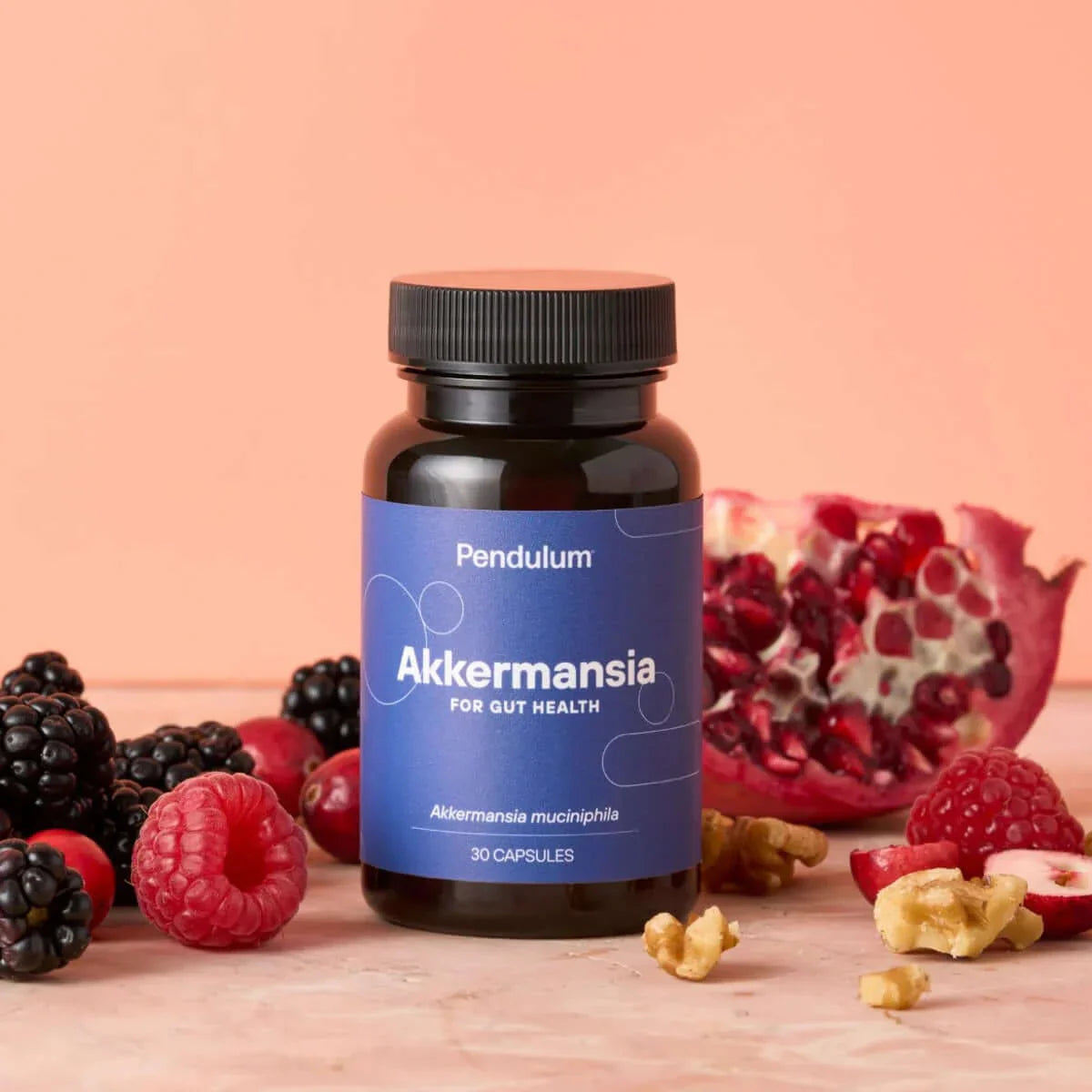
The short version: Crohn's is treated with medication and specialist care — nutrition supports this, it doesn't replace it. Its biggest evidence-based roles are correcting deficiencies (like B12, iron and vitamin D) and specific dietary therapies (enteral nutrition and the CDED) that can induce remission under supervision. Most "gut supplements" have limited evidence in Crohn's. Work with a gastroenterologist and IBD dietitian, and explore Welzo's gut health range for general wellbeing, not as a treatment.

Table of contents
Crohn's disease is one of the two main forms of inflammatory bowel disease, the other being ulcerative colitis. Unlike ulcerative colitis, which is limited to the colon, Crohn's can affect anywhere from the mouth to the anus, and its inflammation extends through the full thickness of the bowel wall. This is why Crohn's carries a particular risk of complications such as strictures (narrowing), fistulas and abscesses, and why it so often affects nutrition.
It's driven by a complex interplay of genes, the immune system, the gut microbiome and environmental factors, and while its causes aren't fully understood, it sits within the broader picture of immune-mediated gut conditions. Treatment aims to control inflammation, induce and maintain remission, and prevent complications — using medicines such as steroids, immunomodulators and biologics, and surgery when needed. Nutrition is a vital part of overall care, but it works with these treatments, not in place of them.
Nutrition matters more in Crohn's than in almost any other digestive condition, for a simple reason: the disease actively interferes with eating, digestion and absorption. Malnutrition and specific nutrient deficiencies are highly prevalent in Crohn's — more so than in ulcerative colitis — because inflammation reduces appetite, increases the body's needs, and can impair how nutrients are absorbed, particularly when the small intestine is involved.
The consequences are real. Unintentional weight loss and muscle loss are common during active disease; specific deficiencies (of iron, vitamin B12, vitamin D and others) can develop even in remission; and in children and teenagers, poor nutrition can delay growth and puberty, with up to a third of young people showing reduced final height. This is why nutritional screening — including checking for micronutrient deficiencies at least once a year — is a core part of good Crohn's care, and why a dietitian is a key member of the IBD team.
One of the most common questions is what to eat — and the honest answer is that it changes with your disease activity. There is no single "Crohn's diet" that suits everyone, and guidelines do not support routinely prescribing one. Instead, the approach shifts between flare and remission.
During a flare, when the bowel is inflamed, many people are advised to temporarily reduce high-fibre and hard-to-digest foods (a lower-fibre or "low-residue" approach), eat smaller, more frequent meals, and prioritise adequate fluids, energy and protein to avoid weight loss. Some people need oral nutritional supplement drinks during this time. This is a short-term strategy guided by your team, not a permanent way of eating.
In remission, the goal flips: a varied, balanced, nutrient-rich diet is encouraged, reintroducing fibre and food groups as tolerated, while simply avoiding your own identified trigger foods. A Mediterranean-style pattern — rich in vegetables, fruit, wholegrains and healthy fats, and lower in ultra-processed foods — is increasingly favoured for general health and is well tolerated by many. Building meals around gut-friendly whole foods is a sensible foundation, personalised with a dietitian.
Beyond everyday eating, two structured dietary therapies have genuine, trial-based evidence for inducing remission in Crohn's — a striking example of food acting as treatment, always under specialist supervision.
Exclusive enteral nutrition (EEN) involves taking all nutrition as a complete liquid formula for around six to eight weeks, with no other food. In children with mild-to-moderate Crohn's it induces remission in roughly 80% of cases — comparable to corticosteroids — and it's recommended as a first-line way to induce remission in paediatric Crohn's. Its main drawback is tolerability: living on formula alone is hard, and many people struggle to stick with it.
The Crohn's Disease Exclusion Diet (CDED) was designed to capture the benefits of EEN in a more liveable way. It combines a structured whole-food diet — excluding components thought to aggravate inflammation and the microbiome — with partial enteral nutrition. In a randomised controlled trial in children, CDED plus partial enteral nutrition induced sustained remission in more patients than EEN and was better tolerated (Levine et al., Gastroenterology, 2019). Guidelines now support CDED plus partial enteral nutrition in children, and it can be considered in adults with mild-to-moderate active Crohn's. Crucially, both approaches are medical therapies delivered with a specialist dietitian — not something to attempt alone.
This is where supplements have their clearest, best-evidenced role in Crohn's: replacing what the disease depletes. Which deficiencies matter depends on where your Crohn's is active and whether you've had surgery, so these should be checked with blood tests and corrected under medical guidance rather than guessed at.
The key principle is to test and target: correcting a documented deficiency is evidence-based and important, whereas taking high-dose supplements "just in case" is not, and some can interact with medication.
Beyond correcting deficiencies, it's important to be honest: most popular "gut supplements" have limited or no proven benefit for changing the course of Crohn's disease, and none is a substitute for prescribed treatment. Here's the evidence-based picture:
One genuinely useful distinction: when Crohn's affects or has removed the terminal ileum, bile acid malabsorption can cause troublesome diarrhoea. This is treated with prescribed bile acid binders under a doctor — bile-focused supplements like TUDCA target bile flow and are not a treatment for it. As always, discuss any supplement with your IBD team, because interactions and disease activity matter.
While there's no universal Crohn's diet, some practical habits help many people manage day to day:
Above all, involve a registered dietitian with IBD experience. Restrictive diets found online can worsen malnutrition, and the right plan is one built around your disease pattern, your treatment and your life — not a one-size-fits-all protocol.
Lifestyle beyond food matters too — and one point stands out. Unlike ulcerative colitis, smoking clearly worsens Crohn's disease, increasing the frequency of flares, the risk of complications and the likelihood of needing surgery. Stopping smoking is one of the single most effective things a person with Crohn's can do, and support to quit is worth prioritising. Moderating alcohol, managing stress and sleep, and staying active as your energy allows all support overall wellbeing as well. None of these replaces medical treatment, but together they genuinely influence how the condition behaves over time — another reason Crohn's is best managed as a whole-person, whole-team effort rather than through diet or supplements alone.
Crohn's should always be managed with your specialist team, and certain symptoms need prompt medical attention rather than a change of diet or a supplement. Never stop prescribed medication, even if you feel well, without medical advice.
Seek urgent or emergency care if you have:
Contact your IBD team promptly for:
See guidance on when to see a GP about tummy symptoms, and see NHS — Crohn's disease.
There's no single best diet that suits everyone. In remission, a varied, balanced, Mediterranean-style diet with fibre as tolerated and fewer ultra-processed foods is a sensible foundation, alongside avoiding your personal triggers. During a flare, a temporary lower-fibre approach is often advised. The right plan is individual and best built with an IBD dietitian.
No — Crohn's cannot be cured by diet, and no food or supplement replaces medical treatment. However, nutrition plays a genuine role: specific dietary therapies such as exclusive enteral nutrition and the Crohn's Disease Exclusion Diet can help induce remission under supervision, and good nutrition corrects deficiencies and supports overall health alongside your prescribed treatment.
Triggers are individual, so there's no universal avoid-list. During a flare, many people reduce high-fibre, very fatty or spicy foods temporarily. Some find lactose or specific ingredients aggravate symptoms. The best approach is a food-and-symptom diary to identify your own triggers, guided by a dietitian, rather than cutting out whole food groups unnecessarily.
EEN is a dietary therapy in which all nutrition comes from a complete liquid formula for around six to eight weeks, with no other food. In children with mild-to-moderate Crohn's it induces remission in about 80% of cases, comparable to steroids, and is a first-line option in paediatric Crohn's. It's a medical treatment delivered under specialist and dietitian supervision.
The CDED is a structured whole-food diet, combined with partial enteral nutrition, designed to achieve the benefits of EEN more sustainably by excluding components thought to drive inflammation. In a randomised trial in children it induced sustained remission and was better tolerated than EEN. It's used under a specialist dietitian, in children and, increasingly, selected adults.
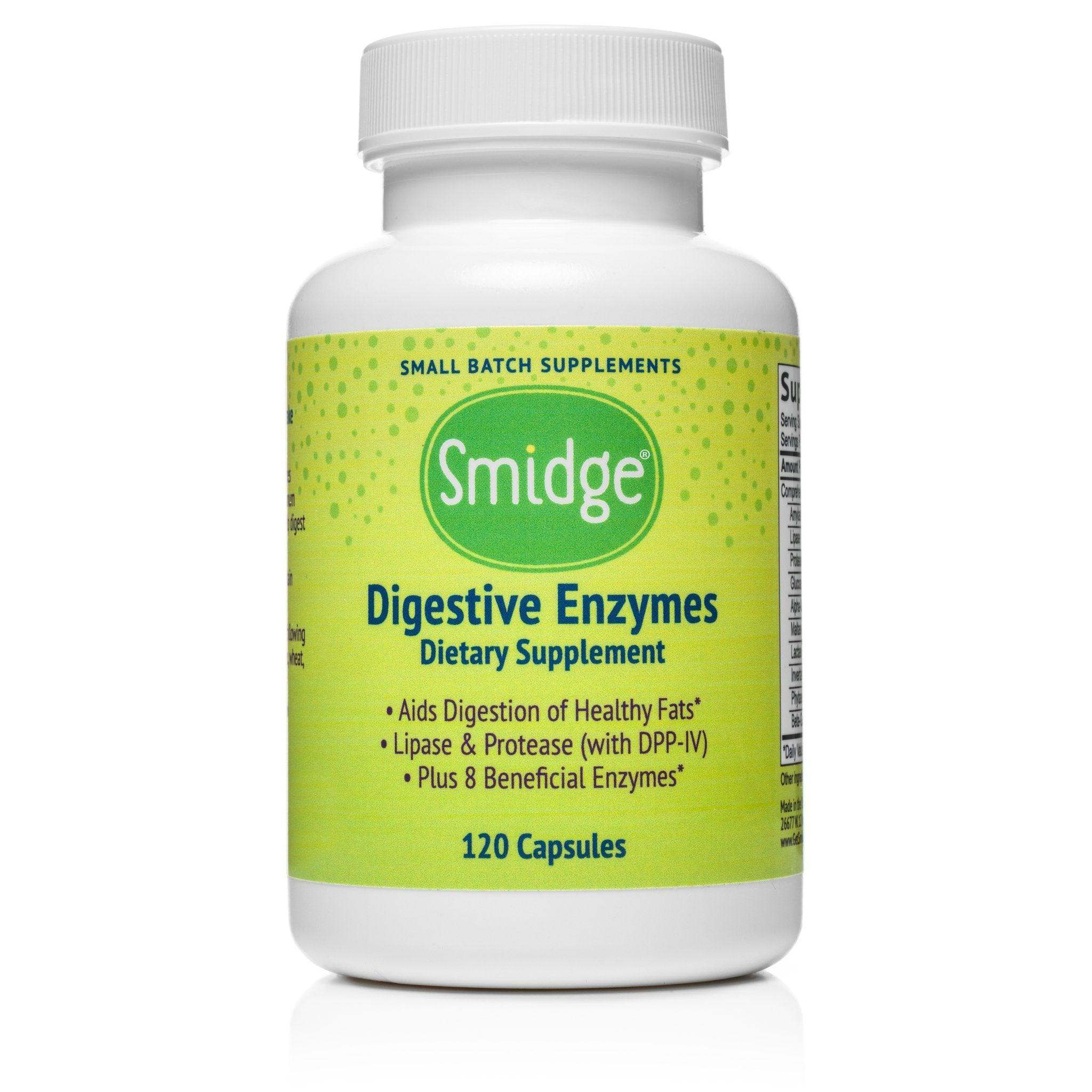
The clearest role for supplements in Crohn's is correcting documented deficiencies — commonly vitamin B12, iron, vitamin D, folate, and sometimes zinc or magnesium — based on blood tests and guided by your team. Beyond this, most general gut supplements have limited evidence in Crohn's. Always check supplements with your IBD team, as some interact with medication.
You may. Vitamin B12 is absorbed in the terminal ileum, a common site for Crohn's. If that area is significantly inflamed or has been surgically removed, B12 absorption is impaired and it's usually replaced by injection, often lifelong. Your team will check your B12 level and advise, so it shouldn't be self-managed with over-the-counter tablets alone.
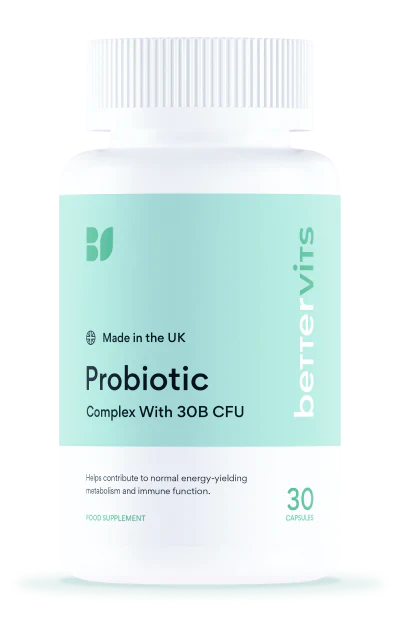
The evidence for probiotics in Crohn's specifically is limited — they're better studied in ulcerative colitis and pouchitis. They may support general gut wellbeing, but they shouldn't be relied on to control Crohn's inflammation or replace prescribed treatment. If you'd like to try one, it's worth discussing with your IBD team first, particularly during active disease.
During a flare, many people are advised to temporarily reduce high-fibre and hard-to-digest foods, eat smaller and more frequent meals, and focus on adequate fluids, energy and protein to prevent weight loss. Some benefit from oral nutritional supplement drinks. This is a short-term strategy guided by your team, and normal eating resumes as the flare settles.
Contact your IBD team promptly for a flare, unintentional weight loss, or new symptoms despite treatment. Seek urgent care for severe abdominal pain, a swollen abdomen with vomiting, significant rectal bleeding, high fever or dehydration, as these can signal complications such as obstruction. Never stop prescribed medication without medical advice, even when you feel well.
Medical disclaimer: This article is for general information and education only and does not constitute medical advice, diagnosis or treatment. It should not replace consultation with a qualified healthcare professional. Crohn's disease requires specialist medical management; nutrition and supplements support this care and are not a substitute for it, and supplements are not intended to diagnose, treat, cure or prevent any disease. Dietary therapies such as EEN and the CDED must be undertaken with a specialist team. Never stop or change prescribed medication without medical advice, and seek urgent care for the warning symptoms described above.
About the author
Dr Zeeshan Afzal (MBBS) is a practising medical doctor and Welzo's Medical Content Lead. He writes and reviews Welzo's health content to ensure it is accurate, evidence-based and aligned with current UK clinical guidance, translating complex research into practical advice patients can trust.
 Rated Excellent by 26,523+ Reviews
 100% Money Back Guarantee
Our money back guarantee ensures you receive your items or get a full refund.