

 Instagram




Related collections







Best Mineral Supplements for Overall Health


Related products




Minerals are often overshadowed by vitamins and trending supplements, yet in clinical testing they consistently emerge as one of the most common nutritional gaps affecting everyday health. After reviewing and testing a wide range of products from the mineral supplements collection, Dr Zeeshan’s assessment shows that inadequate mineral intake frequently underpins symptoms such as fatigue, muscle cramps, poor sleep quality, low immunity, and slow recovery.
Modern diets, food processing, stress exposure, and digestive inefficiencies mean many people struggle to meet optimal mineral requirements through diet alone. This guide is written for individuals searching for the best mineral supplements for overall health, including those supporting cardiovascular health, energy levels, bone strength, immunity, and long-term wellbeing.
The focus throughout is on evidence-led supplementation, bioavailable forms, and real-world outcomes rather than marketing claims—helping readers make informed, practical choices.
What Are Minerals and Why Are They Essential?
Minerals are inorganic elements that the body cannot produce on its own and must obtain from food or supplements. They play critical roles in structural integrity, electrical signalling, enzyme activation, fluid balance, and hormonal regulation. Without adequate mineral intake, even the best overall diet can fall short of supporting optimal physiological function.
Clinically, minerals are divided into major minerals—required in larger amounts—and trace minerals, which are needed in smaller quantities but are no less important. Many of these are explored in depth in the Best Trace Minerals Supplements guide, which highlights how subtle deficiencies can still have wide-reaching effects.
For example, minerals such as magnesium and calcium are central to bone density and muscle contraction, while trace elements like iodine and selenium support thyroid and metabolic health. Even slight imbalances may influence energy regulation, immunity, or cardiovascular stability.
What Are Mineral Supplements Used For?
Mineral supplements are used to correct insufficiencies, support increased physiological demand, or compensate for reduced absorption. In clinical review, supplementation is most often introduced to support:
-
Energy and fatigue management, particularly with minerals involved in cellular energy production, commonly supported through tiredness and fatigue supplements.
-
Muscle function and joint support, including mineral balance relevant to the joints, bones, and muscles category.
-
Immune resilience, where trace elements play a key role in immune cell activity, as reflected in immunity supplements.
-
Cardiovascular and blood pressure regulation, with electrolytes and minerals contributing to heart rhythm and vascular tone, often combined with heart health supplements or blood pressure support.
-
Digestive and absorption support, particularly in individuals with gut issues, where mineral uptake may be compromised, linking closely with gut health support.
Rather than targeting a single symptom, mineral supplementation is typically used to restore balance across interconnected systems that depend on consistent mineral availability.
Our Top Picks: Best Mineral Supplements for Overall Health
Best Overall: Swanson Triple Magnesium Complex 400mg
Best for Iron Deficiency: Spatone 100% Natural Iron Supplement
Best High-Strength Iron: Ferrous Sulfate 200mg Tablets
Best for Heart & Cardiovascular Support: Magnesium Taurate Capsules – Cardiovascular Research
Best for Stress & Sleep: Solaray Magnesium Glycinate 350mg
Best for Brain & Cognitive Support: Momentous Magnesium L-Threonate
Best Gentle Magnesium: Pure Encapsulations Magnesium Glycinate
Best Value Magnesium: Valupak Magnesium Tablets
Best Magnesium for Energy: Swanson Magnesium Aspartate
Best Magnesium Powder: Seeking Health Magnesium Malate Powder
Best Transdermal Magnesium: Ancient Minerals Magnesium Oil Spray
Best Topical Magnesium: Ease Magnesium Topical Solution
Best Zinc for Gut & Immunity: Swanson Zinc Carnosine
Best Multi-Mineral Formula: Valupak Multivitamin & Mineral Tablets
Best Multivitamin with Iron: Valupak Multivitamin with Iron
Best for Gut Mineral Support: AllNutrition Sodium Butyrate
Best Electrolyte Support: Sodieye Sodium Chloride 5% Drops
Best Magnesium Paste: Care Magnesium Sulphate Paste
Best Clinical-Grade Magnesium: Klaire Labs Magnesium Glycinate Complex
Best Balanced Magnesium Formula: Nutri Advanced Magnesium Glycinate
Detailed Reviews: Best Mineral Supplements Ranked
Ferrous Sulfate 200mg Tablets Pack of 28

| Why It’s Been Selected | Selected as the most straightforward, pharmacy-style iron option in the list for people who have been advised to supplement iron and want a simple, cost-effective ferrous sulfate format. |
|---|---|
| Product Description | Ferrous sulfate 200mg tablets designed to support iron intake when dietary supply is insufficient or iron needs are higher. This format is commonly used when low iron status has been identified and a standard iron salt is preferred. |
| Product Reviews | Feedback typically highlights strong value and a practical tablet routine. Some users note that standard iron salts can be more challenging for digestion than gentler liquid or food-based iron formats, particularly when taken on an empty stomach. |
| Product Price | £1.19 |
| Where to Buy | Ferrous Sulfate 200mg Tablets Pack of 28 |
| Pros | Very budget-friendly, simple iron format, convenient tablet dosing for short courses or routine use when advised. |
| Cons | May cause digestive discomfort in some people, including constipation or nausea, and may be less suitable for sensitive stomachs compared with gentler iron options. |
| How to Use | Use as directed on the product label or as advised by a pharmacist or clinician. Iron is commonly taken with water and spaced away from tea or coffee; if stomach upset occurs, taking with food may improve tolerance. |
| Editor’s Comments | This is the best “no-frills” iron choice for cost and simplicity. For people prone to side effects, a gentler iron format may be the better long-term fit. |
Care Magnesium Sulphate Paste 50g

| Why It’s Been Selected | Included as a mineral-based topical product for users who specifically want magnesium sulphate paste for external use, recognising that mineral support can also appear in traditional topical formats. |
|---|---|
| Product Description | A magnesium sulphate (Epsom salt) paste intended for topical application. It is commonly used as a practical staple product for localised external care where a paste format is preferred over soaks. |
| Product Reviews | Reviews generally focus on convenience and ease of application, with users valuing the ability to apply a paste directly rather than preparing a bath or compress. |
| Product Price | £3.69 |
| Where to Buy | Care Magnesium Sulphate Paste 50g |
| Pros | Topical format, simple traditional mineral ingredient, easy targeted application, useful for people who do not want an oral product. |
| Cons | Not a dietary mineral supplement, not suitable for use on broken or irritated skin unless the label indicates otherwise, results depend on the specific external use-case. |
| How to Use | Apply externally as directed on the packaging, avoid eyes and mucous membranes, and wash hands after use. |
| Editor’s Comments | This product should be positioned as topical mineral care rather than as a solution for correcting low magnesium intake. It suits users who specifically prefer paste-based external application. |
SodiEye Sodium Chloride 5% Eye Drops 10ml

| Why It’s Been Selected | Included as a specialist sodium chloride product that shows how minerals can be used in clinical, targeted formats, distinct from oral electrolyte supplementation. |
|---|---|
| Product Description | A hypertonic sodium chloride 5% ophthalmic solution intended for specific eye-comfort needs where a higher saline concentration is used. This is an eye product rather than a general mineral supplement. |
| Product Reviews | Review themes often mention targeted usefulness for comfort and practical drop delivery. Some users note a brief sting on application, which can be typical with hypertonic saline products. |
| Product Price | £27.94 |
| Where to Buy | SodiEye Sodium Chloride 5% Eye Drops 10ml |
| Pros | Specialist concentration for targeted eye use, convenient drop format, useful where a clinician or optometrist has recommended hypertonic saline support. |
| Cons | Not a general mineral supplement, may sting briefly for some users, requires careful hygiene and appropriate use for eye-only indications. |
| How to Use | Use strictly as directed on the label or as advised by an eye-care professional, avoid touching the dropper tip to the eye, and follow storage and hygiene guidance. |
| Editor’s Comments | Best treated as a specialist mineral-based eye product. It should not be positioned as an electrolyte supplement or general sodium support product. |
Magnesium Taurate, 180 Capsules – Cardiovascular Research

| Why It’s Been Selected | Chosen as the best cardiovascular-leaning magnesium option in the list, combining magnesium with taurine for users who want a premium, steady-support format without relying on harsher magnesium salts. |
|---|---|
| Product Description | Magnesium taurate pairs magnesium with taurine, a compound often included in heart-health routines. This form is commonly chosen by users who want magnesium support for calm energy, muscle function, and cardiovascular-focused supplementation strategies. |
| Product Reviews | Reviews typically emphasise good tolerance, a “balanced” feel, and suitability for consistent daily use. Users who have previously experienced digestive effects from other magnesium forms often prefer chelated options like taurate. |
| Product Price | £41.95 |
| Where to Buy | Magnesium Taurate, 180 Capsules – Cardiovascular Research |
| Pros | Premium magnesium form with a cardiovascular angle, typically well tolerated, capsule format supports routine adherence, strong fit for users prioritising heart and calm support. |
| Cons | Higher price point, may be unnecessary for users who only need basic magnesium support, not the most cost-effective choice for a simple magnesium top-up. |
| How to Use | Take as directed on the label, typically with food. People using cardiovascular medications should check suitability with a healthcare professional, as magnesium can interact with certain therapies. |
| Editor’s Comments | A strong premium pick for magnesium users who want a heart-health aligned format. For general magnesium intake, glycinate or a basic magnesium option may offer better value. |
Valupak Multivitamin & Iron Tablets Pack of 50

| Why It’s Been Selected | Selected as the best ultra-budget multivitamin with iron in the list, offering broad baseline coverage plus iron in one simple daily tablet. |
|---|---|
| Product Description | A combined multivitamin and iron formula designed for everyday nutritional support. It suits people who want a single-tablet routine to cover common dietary gaps without multiple supplements. |
| Product Reviews | Reviews commonly highlight value and convenience. Users who prefer no-frills multis tend to rate it positively, while those sensitive to iron often prefer taking it with food for better tolerance. |
| Product Price | £1.87 |
| Where to Buy | Valupak Multivitamin & Iron Tablets Pack of 50 |
| Pros | Excellent affordability, combines vitamins with iron support, easy daily routine, suitable as a baseline option for busy schedules. |
| Cons | Not tailored to individual needs, iron is not suitable for everyone, not designed for correcting significant deficiencies on its own. |
| How to Use | Take daily with food as directed. If iron is a key reason for use, avoid taking at the same time as tea or coffee and consider spacing from high-calcium supplements. |
| Editor’s Comments | A sensible “starter” multi with iron for budget shoppers. People with specific needs often do better combining a basic multi with one targeted add-on mineral. |
Swanson Triple Magnesium Complex 400mg – 300 Caps

| Why It’s Been Selected | Chosen as the best overall magnesium value pick due to its large capsule count, broad daily usability, and strong cost-per-serving for long-term support. |
|---|---|
| Product Description | A triple-form magnesium blend designed to support muscle function, nervous system balance, and overall mineral status. The 300-caps size is ideal for people who want consistent magnesium intake across months. |
| Product Reviews | Review feedback often highlights reliability and value. Users frequently mention repeat purchasing and consistent day-to-day support, particularly for general wellbeing and muscle comfort. |
| Product Price | £13.27 |
| Where to Buy | Swanson Triple Magnesium Complex 400mg – 300 Caps |
| Pros | Excellent value for long-term use, convenient capsule routine, broadly supportive for muscles and nerves, suitable for people who want a dependable everyday magnesium. |
| Cons | Some users may prefer a single chelated form such as glycinate for maximum digestive comfort, 400mg may be too much initially for sensitive users. |
| How to Use | Take as directed with food and water. For new users, starting with a lower intake and gradually building can improve tolerance. |
| Editor’s Comments | An excellent “daily driver” magnesium for many adults. For sleep or anxiety-focused routines, glycinate or threonate may be a better match. |
Valupak Magnesium Tablets Pack of 30

| Why It’s Been Selected | Selected as the best low-cost magnesium trial option, suitable for people who want basic magnesium coverage without paying for specialist forms. |
|---|---|
| Product Description | A simple magnesium tablet designed to support daily intake. It is best used as an entry-level option for people who want to add magnesium to their routine without complexity. |
| Product Reviews | Reviews tend to focus on affordability and convenience. Some users find basic magnesium formats less “targeted” than glycinate or threonate, but many appreciate the simplicity for general use. |
| Product Price | £1.48 |
| Where to Buy | Valupak Magnesium Tablets Pack of 30 |
| Pros | Very affordable, easy to trial, simple daily routine, helpful for basic magnesium top-up needs. |
| Cons | Not a specialist magnesium form, may be less well tolerated than glycinate for sensitive digestion, less suitable for users seeking specific outcomes such as sleep support. |
| How to Use | Take as directed with food. If loose stools occur, reduce the dose and increase gradually. |
| Editor’s Comments | Best for budget-focused users and first-time magnesium trials. Those with clear sleep or stress goals often do better with glycinate. |
Spatone 100% Natural Iron Supplement – 28 Day Pack

| Why It’s Been Selected | Chosen as the best gentle iron option because the sachet format is often better tolerated than standard iron tablets, making it suitable for consistent daily use. |
|---|---|
| Product Description | A liquid iron supplement derived from naturally iron-rich water, supplied in convenient daily sachets. It is commonly used to support iron intake where tolerance and adherence are priorities. |
| Product Reviews | Feedback often highlights ease of use, a gentle feel compared with traditional iron tablets, and the practicality of pre-measured sachets for a consistent routine. |
| Product Price | £14.68 |
| Where to Buy | Spatone 100% Natural Iron Supplement – 28 Day Pack |
| Pros | Often easier on digestion, convenient sachet dosing, good for long-term adherence, practical for people who dislike tablets. |
| Cons | More expensive than basic ferrous sulfate tablets, may be less suitable for people who require high-strength iron replenishment under clinical guidance. |
| How to Use | Take as directed. Iron is commonly taken away from tea or coffee; pairing with a vitamin C-containing drink can support absorption if appropriate. |
| Editor’s Comments | One of the best choices when the main barrier to iron supplementation is digestive tolerance. For severe deficiency, clinical guidance on dosing remains important. |
Swanson Magnesium Aspartate 685mg – 90 Caps

| Why It’s Been Selected | Selected as a strong mid-range magnesium option often used in energy and general wellbeing routines, offering good value without premium pricing. |
|---|---|
| Product Description | Magnesium aspartate delivers magnesium bound to aspartic acid. It is typically used to support muscle function, nerve signalling, and general magnesium intake, particularly for people who want a practical capsule routine. |
| Product Reviews | Reviews commonly mention ease of use and a steady day-to-day support feel. Users often describe it as a reliable “general magnesium” rather than a highly targeted sleep-only option. |
| Product Price | £8.97 |
| Where to Buy | Swanson Magnesium Aspartate 685mg – 90 Caps |
| Pros | Good value, simple capsule format, useful for general magnesium support, fits well into everyday routines. |
| Cons | Less targeted for sleep than glycinate, tolerance can vary by individual, not the best choice for those wanting premium purity-focused brands. |
| How to Use | Take as directed with food. If stacking with other magnesium products, total daily magnesium should be considered to avoid digestive effects. |
| Editor’s Comments | A practical magnesium choice when cost and routine simplicity matter. For calmer evenings and sleep routines, glycinate often performs better. |
Solaray Magnesium Glycinate 350mg – 120 Veggie Caps

| Why It’s Been Selected | Chosen as a premium glycinate-based magnesium option for users prioritising absorption, digestive comfort, and relaxation-focused routines. |
|---|---|
| Product Description | Magnesium glycinate is a chelated form often preferred for stress support, muscle relaxation, and sleep preparation because it is generally well tolerated. This Solaray formula uses veggie capsules and is designed for consistent daily use. |
| Product Reviews | Review themes frequently include good tolerance, easier evening relaxation, and fewer digestive issues compared with harsher magnesium salts. Users also value the vegetarian capsule format. |
| Product Price | £33.60 |
| Where to Buy | Solaray Magnesium Glycinate 350mg – 120 Veggie Caps |
| Pros | Typically gentle and well tolerated, strong fit for stress and sleep routines, veggie capsule format, suitable for consistent long-term use. |
| Cons | Higher price point, may be unnecessary for users who only need basic magnesium coverage, not as specifically cognitive-targeted as L-threonate formats. |
| How to Use | Take as directed, commonly with food. Many users prefer evening dosing when relaxation is the primary goal. |
| Editor’s Comments | An excellent magnesium glycinate option for people who want calm support and strong tolerance. A clear upgrade from entry-level magnesium tablets for sleep and stress goals. |
Swanson Zinc Carnosine – 60 Caps

| Why It’s Been Selected | Selected as the best targeted zinc option for gut support routines, offering a more specialised use-case than standard zinc supplements aimed purely at immune support. |
|---|---|
| Product Description | Zinc carnosine pairs zinc with L-carnosine and is commonly used as part of gastric and gut lining support strategies. This makes it relevant for overall mineral health where digestion and absorption are priorities. |
| Product Reviews | Users often mention digestive comfort support and how it fits into structured gut protocols. Reviews generally reflect the specialised nature of the product rather than broad “daily multivitamin” use. |
| Product Price | £17.70 |
| Where to Buy | Swanson Zinc Carnosine – 60 Caps |
| Pros | Targeted gut-support zinc format, useful in digestive routines, capsule dosing supports consistency, suitable for people who want a functional zinc option beyond basic immunity. |
| Cons | Not a general zinc supplement for everyone, total zinc intake should be considered if stacking multiple products, long-term high zinc intake can impact mineral balance in some users. |
| How to Use | Take as directed with food. If using alongside a multivitamin containing zinc, review total zinc intake to avoid excessive dosing. |
| Editor’s Comments | This is best for people with a clear gut-health objective. For general mineral coverage, a multi-mineral or standard zinc supplement may be more appropriate. |
EASE Magnesium – 8 oz (Activation)

| Why It’s Been Selected | Chosen as a premium topical magnesium option for users who want a transdermal-style product as part of a muscle comfort or wind-down routine and prefer a high-end formulation experience. |
|---|---|
| Product Description | A topical magnesium solution designed for external application. This format is often used by people who do not tolerate oral magnesium well or who prefer topical use for targeted areas. |
| Product Reviews | Reviews tend to highlight convenience and sensory feel. Some users mention a tingling sensation on application, which is common with topical magnesium products, particularly on freshly washed or sensitive skin. |
| Product Price | £58.76 |
| Where to Buy | EASE Magnesium – 8 oz (Activation) |
| Pros | Topical application, easy to integrate into routines, premium feel, suitable for people who avoid swallowing supplements. |
| Cons | Very high price, may irritate sensitive skin, not a direct substitute for oral magnesium when correcting low dietary intake. |
| How to Use | Apply to skin as directed and wash hands after use. Patch testing is sensible for sensitive skin. Avoid broken or irritated areas unless the label indicates otherwise. |
| Editor’s Comments | This is best positioned as a premium topical addition rather than a core mineral supplement. Oral magnesium remains the more direct method for improving dietary magnesium intake. |
Valupak Multivitamin & Mineral Tablets Pack of 25

| Why It’s Been Selected | Selected as the best low-cost multi-mineral baseline option for people who want broad daily coverage in a simple tablet format. |
|---|---|
| Product Description | A combined vitamins-and-minerals formula designed to support everyday intake. It is best suited to general nutritional coverage rather than correcting specific deficiencies. |
| Product Reviews | Reviews frequently highlight practicality and ease of routine. Users often choose it as a “nutrition safety net” when diet quality varies week to week. |
| Product Price | £1.87 |
| Where to Buy | Valupak Multivitamin & Mineral Tablets Pack of 25 |
| Pros | Very affordable, convenient all-in-one daily tablet, supports baseline micronutrient coverage, easy to maintain as a routine. |
| Cons | Not personalised, typically not high-dose enough for targeted therapeutic goals, may need additional single-mineral support for specific outcomes. |
| How to Use | Take daily with food as directed on the label. |
| Editor’s Comments | A strong choice for budget shoppers wanting broad coverage. For outcomes like sleep, cramps, iron status, or electrolytes, a targeted product is usually required. |
Magnesium Glycinate Complex 100mg – 100 Capsules (Klaire Labs)

| Why It’s Been Selected | Chosen as a quality-focused, well-tolerated magnesium glycinate option with a sensible dosage structure for people who want to build magnesium intake gradually. |
|---|---|
| Product Description | Magnesium glycinate complex in capsule form designed for absorption and digestive comfort. It suits users who want consistent daily support for muscles, stress response, and nervous system balance without harsh digestive effects. |
| Product Reviews | Reviews typically highlight tolerance and reliability. Users often describe choosing glycinate because it feels smoother to use long-term and is easier to incorporate into nightly routines. |
| Product Price | £16.15 |
| Where to Buy | Magnesium Glycinate Complex 100mg – 100 Capsules (Klaire Labs) |
| Pros | Typically gentle on digestion, flexible dosing approach, good quality-to-price balance, suitable for consistent daily use. |
| Cons | Not a specifically cognitive-targeted magnesium, may feel unnecessary for users already meeting magnesium needs through diet and a multivitamin. |
| How to Use | Take as directed with food. Many users prefer evening dosing when relaxation is a priority, but timing can be adapted to individual routine. |
| Editor’s Comments | A strong mid-range glycinate pick for people who value tolerance and consistency. Particularly useful for those who want a calmer magnesium option without premium-tier pricing. |
Magnesium Oil 8oz (227ml) Spray – Ancient Minerals

| Why It’s Been Selected | Selected as the best-known topical magnesium spray in the list, offering a practical transdermal-style format at a more moderate price than ultra-premium topical options. |
|---|---|
| Product Description | A magnesium chloride spray intended for topical use. It is often used as part of post-exercise routines, muscle comfort strategies, or wind-down habits where targeted application is preferred. |
| Product Reviews | Reviews often mention convenience and targeted use. Many users describe a tingling sensation as normal, particularly when applied after shaving or on sensitive skin, and value the ease compared with baths. |
| Product Price | £23.03 |
| Where to Buy | Magnesium Oil 8oz (227ml) Spray – Ancient Minerals |
| Pros | Convenient spray format, targeted topical application, useful for people who avoid oral supplements, more accessible price than premium topical products. |
| Cons | Can irritate sensitive skin, may feel sticky if over-applied, not a direct substitute for improving dietary magnesium intake. |
| How to Use | Spray onto skin as directed, rub in, and wash hands after use. Patch testing is recommended for sensitive skin, and application should be avoided on broken skin. |
| Editor’s Comments | A strong topical magnesium option for routine convenience. It is best used as an adjunct to oral intake where dietary magnesium is low. |
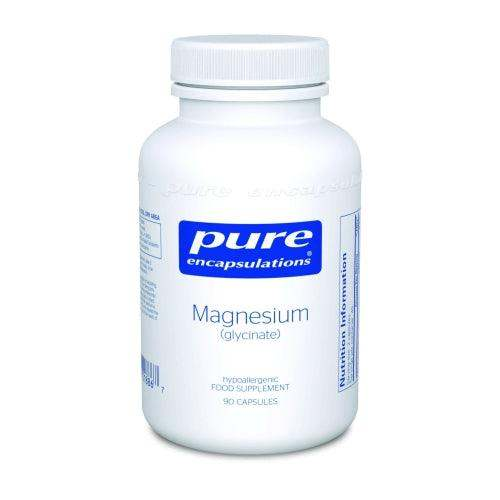
Magnesium (Glycinate) 120mg – 90 vcaps (Pure Encapsulations)

| Why It’s Been Selected | Chosen as the best clean-label premium magnesium glycinate option for users prioritising purity, tolerance, and consistent performance in a daily routine. |
|---|---|
| Product Description | A magnesium glycinate capsule designed for absorption and digestive comfort. It is commonly used to support relaxation, muscle function, and nervous system balance as part of a long-term wellbeing approach. |
| Product Reviews | Reviews typically emphasise excellent tolerability and the “clean” feel of the formula. Users often mention choosing it after experiencing digestive issues with other magnesium types. |
| Product Price | £28.28 |
| Where to Buy | Magnesium (Glycinate) 120mg – 90 vcaps (Pure Encapsulations) |
| Pros | High tolerance profile, strong fit for stress and sleep routines, premium brand quality focus, easy capsule dosing. |
| Cons | Premium pricing, may be unnecessary for basic magnesium supplementation needs, dosage may require multiple capsules depending on individual goals. |
| How to Use | Take as directed with food. Many users prefer evening intake when the goal is relaxation, but timing can be personalised. |
| Editor’s Comments | One of the strongest options for people who want magnesium glycinate with maximum tolerance and minimal formulation complexity. Excellent for consistent long-term use. |
Momentous Magnesium L-Threonate (Magtein) – 90 Capsules

| Why It’s Been Selected | Selected as the best cognition-focused magnesium option in the list for users who prioritise mental clarity and brain performance rather than general muscle or sleep goals. |
|---|---|
| Product Description | Magnesium L-threonate is often chosen in brain-support routines because it is positioned as a magnesium form associated with cognitive function. It suits users who already use magnesium and want a more targeted format. |
| Product Reviews | Reviews often mention perceived mental clarity support and a good fit for people focusing on productivity or cognitive wellbeing. Users also appreciate the structured capsule format and brand positioning. |
| Product Price | £42.99 |
| Where to Buy | Momentous Magnesium L-Threonate (Magtein) – 90 Capsules |
| Pros | Targeted cognitive magnesium option, premium formulation intent, useful for people who want a brain-focused alternative to standard magnesium forms. |
| Cons | High cost, not necessary for basic magnesium intake, some users prefer glycinate for relaxation and sleep rather than cognitive positioning. |
| How to Use | Take as directed consistently. Some users prefer daytime or split dosing for cognitive routines, but timing should be based on individual response. |
| Editor’s Comments | Best reserved for people specifically targeting cognition. For muscle cramps, stress support, or general magnesium intake, glycinate or taurate typically offers better value. |
Allnutrition Sodium Butyrate – 100 Caps

| Why It’s Been Selected | Included as a niche sodium-based gut support option for people building a digestion-first protocol, recognising the role gut function can play in mineral absorption and overall wellbeing. |
|---|---|
| Product Description | Sodium butyrate provides butyrate in capsule form. It is often used in gut routines focused on digestive comfort and gut lining support, and is best seen as a specialist add-on rather than a general mineral supplement. |
| Product Reviews | Reviews typically centre on digestive support use and how well the capsule format fits into structured gut protocols. Users often describe it as a practical option when targeting gut comfort goals. |
| Product Price | £8.58 |
| Where to Buy | Allnutrition Sodium Butyrate – 100 Caps |
| Pros | Useful for gut-focused routines, good value for a specialist category, convenient capsule dosing, relevant for people prioritising digestive comfort and absorption support. |
| Cons | Not a general mineral supplement, may be unnecessary unless gut support is a primary goal, some people prefer to focus on fibre and dietary strategies first. |
| How to Use | Take with food as directed. People with complex digestive conditions or multiple medications should check suitability with a clinician. |
| Editor’s Comments | A specialist product best used for gut-specific objectives. It should not be positioned as an everyday “mineral supplement for everyone.” |
Magnesium Glycinate – 120 Tabs (Nutri Advanced)

| Why It’s Been Selected | Selected as a strong quality-to-price magnesium glycinate tablet option, suitable for long-term daily use when digestion-friendly magnesium is a priority. |
|---|---|
| Product Description | Magnesium glycinate tablets designed to support absorption and tolerance. This type is commonly used to support muscle function, relaxation, and nervous system balance, especially for users who do not tolerate harsher magnesium salts well. |
| Product Reviews | Reviews often mention reliable tolerance and consistent day-to-day support, particularly for muscle tension and stress-related routines. Users who prefer tablets over capsules often rate it highly for routine adherence. |
| Product Price | £23.05 |
| Where to Buy | Magnesium Glycinate – 120 Tabs (Nutri Advanced) |
| Pros | Glycinate form is typically gentle, strong daily usability, good value relative to quality-focused options, suitable for stress and sleep routines when timed appropriately. |
| Cons | Not a cognition-focused magnesium type, tablet format may not suit everyone, still requires consistent use to notice benefits. |
| How to Use | Take as directed with food. Evening dosing is often preferred when relaxation is the goal, but timing can be adapted to tolerance and routine. |
| Editor’s Comments | A practical, well-balanced glycinate option for people who want a daily magnesium that is easy to tolerate. It sits in the “best all-round glycinate” category without premium-tier pricing. |
Magnesium Malate Powder 500mg – 250g (Seeking Health)

| Why It’s Been Selected | Chosen as the best magnesium powder option for flexible dosing and for users who prefer a malate-based magnesium in daytime routines focused on energy and muscle support. |
|---|---|
| Product Description | Magnesium malate powder combining magnesium with malic acid, commonly used in routines that prioritise energy metabolism and muscle comfort. The powder format supports custom dosing and avoids capsules or tablets. |
| Product Reviews | Reviews typically highlight the flexibility of a powder format, the ability to titrate dose gradually, and how it fits into morning or daytime routines. Users often mention it as a good choice when they want magnesium support without an evening-only focus. |
| Product Price | £28.10 |
| Where to Buy | Magnesium Malate Powder 500mg – 250g (Seeking Health) |
| Pros | Powder format allows personalised dosing, suitable for users who dislike capsules, malate form often chosen for energy-focused routines, easy to scale dose to tolerance. |
| Cons | Requires measuring and mixing, higher doses can cause digestive upset if increased too quickly, may not be the best match for users seeking sleep-only support. |
| How to Use | Mix with water or another drink as directed. Start with a smaller amount and increase gradually based on tolerance. Many users prefer daytime use. |
| Editor’s Comments | This is an excellent choice for people who want magnesium with flexible dosing and a more daytime-friendly positioning. It works best when used consistently and titrated thoughtfully. |
Features and Benefits of High-Quality Mineral Supplements
Clinically Relevant Mineral Forms
High-quality supplements prioritise absorbable forms, such as those found in the magnesium collection or calcium supplements, which are better tolerated and more effective than poorly absorbed alternatives.
Balanced Electrolyte Support
Electrolytes such as potassium, sodium, and chloride regulate nerve transmission, hydration, and cardiovascular stability. Products combining potassium, sodium, and chloride—often grouped within electrolyte formulas—are particularly relevant for active individuals and those prone to cramping or dizziness.
Targeted Trace Mineral Support
Trace minerals such as zinc, selenium, chromium, and iodine support immune defence, blood sugar regulation, and thyroid health. These are often under-consumed yet critical for long-term metabolic stability.
Synergy With Vitamins
Minerals do not work in isolation. For example, calcium absorption depends on adequate vitamin D, often supported through vitamin D supplements, while vitamin C can enhance iron absorption, linking mineral intake with vitamin C support.
Support for Specific Life Stages and Goals
Mineral needs differ by sex, age, and activity level. Formulas designed for women’s health may prioritise iron and calcium, while men’s health supplements often emphasise zinc and magnesium. Athletes and resistance trainers may combine minerals with bodybuilding support to aid recovery.
Flexible Supplementation Options
Some individuals prefer single-mineral supplementation, such as iron supplements or strontium for bone-focused strategies, while others opt for broader coverage through multivitamins that include minerals in balanced ratios.
Trusted Brand Quality
During evaluation, attention is given to formulation transparency and manufacturing standards. Brands such as those found in the Life Extension range and Seeking Health supplements are frequently selected for their emphasis on purity, dosing accuracy, and evidence-based formulation.
From Dr Zeeshan’s clinical perspective, the greatest benefit from mineral supplementation is achieved when products are chosen based on individual needs, dietary patterns, and symptom presentation—rather than generic, one-size-fits-all approaches.
Signs You May Be Low in Essential Minerals
Mineral status rarely shows up as one dramatic symptom. More often, it appears as a pattern: low energy that does not match sleep, frequent muscle cramps, poor exercise tolerance, brittle nails, slow wound healing, frequent colds, low mood, or persistent “wired-but-tired” stress. Dr Zeeshan Afzal’s clinical view is that symptoms alone do not diagnose deficiency, but they can highlight risk—especially when paired with restrictive diets, heavy sweating, digestive issues, or life stages that increase demand.
Iron is one of the clearest examples of how deficiency can feel broad and non-specific. The NHS lists common features of iron deficiency anaemia such as tiredness, shortness of breath, palpitations, and paler skin, which can easily be mistaken for stress or poor sleep without testing. NHS guidance on iron deficiency anaemia is a useful reference for symptom patterns and when to seek clinical advice.
Magnesium shortfalls can present as muscle tension, twitching, cramps, and disrupted sleep in some individuals, while zinc insufficiency can influence immune resilience, skin integrity, and wound healing. Potassium and electrolyte imbalances tend to show up more clearly when sweating is high or hydration is disrupted. The practical point is that these signals overlap with many conditions, so supplementation works best when paired with dietary assessment and, where appropriate, blood work.
Why Mineral Deficiencies Are Common Today
Deficiencies are not only driven by “poor diet.” They are often the by-product of modern living: reliance on ultra-processed foods, lower intake of mineral-dense whole foods, restrictive dieting, gastrointestinal conditions that reduce absorption, high training loads, and chronic stress that disrupts eating habits and sleep. Dr Afzal also sees a common real-world pattern—people meet calories but miss micronutrient density.
UK dietary surveillance supports the reality of meaningful nutrient gaps. The UK National Diet and Nutrition Survey reports substantial proportions of certain age and sex groups with intakes below the Lower Reference Nutrient Intake (LRNI), including iron among girls aged 11–18 and women aged 19–64. The most authoritative UK dataset for this is the National Diet and Nutrition Survey Years 1–9 report (UK Government PDF).
Even in adults who consider themselves “healthy,” micronutrient gaps can be present. A peer-reviewed analysis using UK data highlights that magnesium intake can fall short in some demographic groups, supporting the idea that “young and well” does not automatically mean “well nourished.” A helpful overview is available here: Micronutrient intakes of British adults (PMC).
Types of Minerals the Body Needs
Minerals are inorganic elements required for structure, cellular signalling, enzyme function, fluid balance, oxygen transport, thyroid hormone production, and muscle contraction. They cannot be manufactured by the body, so intake and absorption matter. Clinically, minerals are often grouped into major (macro) minerals and trace minerals based on the quantities required. In practice, the most important distinction is whether the person’s diet and physiology reliably meet needs—and whether a life stage, medication, or health condition increases demand.
Major (Macro) Minerals
Macro minerals include calcium, magnesium, potassium, sodium, chloride, and phosphorus. They influence nerve transmission, muscle contraction, hydration, acid-base balance, and skeletal integrity. When intake is low, symptoms may be subtle until the system is stressed—by illness, high sweating, endurance training, or restricted diets.
For magnesium specifically, a practical NHS dietetics resource notes that high supplemental doses can cause diarrhoea and advises sensible dosing. Leicestershire Nutrition and Dietetic Services magnesium information (NHS PDF) is a grounded UK reference for how magnesium relates to daily health and tolerability.
Trace Minerals
Trace minerals are required in smaller amounts but have outsized influence. Zinc supports immune cell function and skin integrity. Selenium supports antioxidant enzymes and thyroid pathways. Iodine is essential for thyroid hormone production. Chromium supports aspects of glucose metabolism. Because required amounts are small, trace minerals can be missed when diets become narrow, plant-based without fortification planning, or low in seafood, dairy, and eggs.
Iodine is particularly relevant in the UK because dietary patterns vary widely. The NHS outlines daily requirements, food sources, and who may need to be more cautious about low intake. NHS guidance on iodine is the most accessible UK overview.
Most Important Minerals for Overall Health
When the goal is “overall health,” Dr Afzal prioritises minerals with broad cross-system impact and clear UK relevance: magnesium (neuromuscular and stress resilience), iron (oxygen transport and energy), zinc (immunity and skin), calcium (bone structure), potassium (fluid balance and cardiovascular regulation), iodine (thyroid), and selenium (thyroid and antioxidant systems). Rather than chasing dozens of minerals at once, the aim is to identify the most likely gaps and correct them with a plan that can be reassessed.
For readers who want a single UK summary of dietary recommendations that includes salt and other key nutrition guidance, the government document below is a useful baseline for interpreting supplement labels and daily targets. Government Dietary Recommendations (UK Government PDF).
Magnesium Supplements: Benefits and Best Forms
Magnesium supports muscle function, nerve signalling, and energy production. In clinic, magnesium supplementation tends to be most useful when dietary intake is low and symptoms like cramps, tight muscles, poor sleep, or stress load are present. Form choice matters most for tolerance and the user’s goal. Glycinate is often selected when digestive comfort and relaxation are priorities. Malate is frequently used in daytime routines. Taurate is commonly chosen in cardiovascular-leaning stacks. L-threonate is often used in cognition-focused protocols.
Dr Afzal’s practical view is that total daily magnesium intake and consistency matter more than chasing a “perfect” form. A smaller dose that is taken consistently is usually more effective than a high dose that is stopped because it upsets digestion.
Calcium Supplements: Bone and Skeletal Health
Calcium is the principal structural mineral in bone and teeth and also contributes to muscle contraction and nerve function. Supplementation can be relevant when dietary calcium is low, particularly for people who avoid dairy and do not use fortified alternatives. The NHS outlines daily needs and notes that very high intakes from supplements can cause stomach pain and diarrhoea. NHS guidance on calcium provides a clear UK baseline for requirements and safety.
Zinc Supplements: Immunity, Skin, and Hormones
Zinc supports immune function, skin integrity, wound healing, and reproductive hormone pathways. Clinically, zinc becomes more relevant when dietary intake is low or absorption is compromised. Dr Afzal also treats zinc as a mineral where long-term high dosing can create an imbalance, particularly around copper status, so it is best used thoughtfully rather than indefinitely.
For UK-specific recommended intakes and deficiency context, Patient.info’s clinician reference on zinc provides a useful UK-oriented overview, including the UK reference nutrient intake figures and practical safety notes.
Iron Supplements: Energy and Oxygen Transport
Iron enables haemoglobin to carry oxygen, making it central to energy, exercise tolerance, cognition, and overall vitality. Dr Afzal’s clinical stance is that iron is not a casual supplement—it should be driven by likelihood of deficiency or testing, especially in menstruating women, people who donate blood, endurance athletes, and those on low-meat or restricted diets. The NHS explains requirements by age and sex, food sources, and safety considerations. NHS guidance on iron is the most reliable UK education reference.
Selenium and Iodine: Thyroid and Metabolic Health
Iodine enables thyroid hormone production; selenium supports antioxidant enzymes and thyroid hormone metabolism. Supplementation should be considered carefully because both minerals can be harmful at excessive intakes. Dr Afzal’s approach is diet-first with targeted supplementation only when intake patterns make deficiency likely or when clinical advice supports it.
In pregnancy planning and pregnancy, the safest framework is to follow UK guideline-driven advice rather than broad self-prescribing. NICE NG247 recommendations provide a UK-appropriate reference for maternal nutrition supplementation principles.
Potassium and Electrolyte Minerals
Potassium supports fluid balance, nerve conduction, and muscle function. In day-to-day UK practice, potassium is usually best addressed through diet rather than high-dose supplements, particularly because kidney function and medications can change potassium safety. A strong UK education resource is the British Dietetic Association factsheet. BDA potassium factsheet (PDF) summarises UK recommended intake and practical food-based strategies.
Electrolyte supplementation has a place, but Dr Afzal keeps it clinical: it is most relevant with high sweat loss, gastrointestinal illness, or restrictive dietary patterns that alter fluid balance. For many people, improving diet quality and hydration habits is enough.
Multi-Mineral Supplements vs Single Minerals
Multi-mineral supplements can be useful for broad baseline coverage when diet quality varies and no single deficiency is clearly suspected. Single minerals are often more effective when the goal is targeted correction—iron for low ferritin, magnesium for low intake with cramps/sleep disruption, zinc where diet is clearly low, or iodine where intake is insufficient due to dietary pattern. The clinical difference is that multi-minerals tend to be broad and modest, while single minerals can be more precise and clinically meaningful.
Bioavailability: Which Mineral Forms Absorb Best?
Bioavailability depends on mineral form, dosing, timing with food, interactions with other nutrients, and the health of the digestive system. Chelated forms are often chosen for tolerability, while certain inorganic salts can be effective but may be more likely to cause gastrointestinal side effects. Dr Afzal’s practical benchmark is adherence: the “best absorbed” product is the one the person can take consistently without side effects.
How Much of Each Mineral Do You Actually Need?
For healthy adults, UK dietary reference values provide the most appropriate baseline for intake targets. These values are designed for populations and help guide label interpretation, dietary planning, and risk identification. The UK framework explaining RNIs and LRNIs is set out in a government reference guide. Dietary Reference Values: A Guide (UK Government PDF) explains how these targets are intended to be used.
In practice, Dr Afzal applies a layered approach: assess diet first, identify risk factors and symptoms, then use targeted supplementation where it is most likely to help. For iron and some other minerals, testing may be the most efficient way to avoid unnecessary supplementation.
Mineral Supplements for Women’s Health
Women’s mineral needs are shaped by menstruation, pregnancy planning, and perimenopause. Iron is frequently a priority due to menstrual losses. Iodine can be relevant depending on dietary pattern. Magnesium is commonly useful where intake is low and stress or sleep disruption are present. The goal is targeted correction rather than “supplementing everything,” with reassessment built into the plan.
Mineral Supplements for Men’s Health
In men, magnesium and potassium often come up in the context of performance, recovery, and cardiovascular health, while zinc discussions often relate to immune resilience and skin health. Iron supplementation in men should be approached carefully and generally requires a stronger clinical rationale, as routine iron is not automatically beneficial. Diet density remains the foundation, with targeted minerals added where intake patterns and goals support the decision.
Mineral Supplements for Energy, Stress, and Sleep
When people say “energy,” they may mean oxygen delivery (iron), cellular energy metabolism (magnesium), or fatigue driven by poor sleep. Magnesium is frequently used in stress and sleep routines because it supports neuromuscular function and relaxation, but it is not a sedative. Dr Afzal’s approach is to match the mineral to the mechanism: iron for low oxygen transport, magnesium for low intake and muscle/nerve tension patterns, and electrolytes for hydration-related fatigue in high-sweat contexts.
Are Mineral Supplements Safe?
Mineral supplements are generally safe when used at sensible doses, for appropriate durations, and with awareness of interactions. Most safety problems come from excessive dosing, duplication across multiple products, or using iron and iodine without a clear reason. People with kidney disease, thyroid conditions, or iron overload disorders should seek clinical guidance before supplementing.
For a UK-focused safety benchmark on upper levels, the Food Standards Agency-hosted Expert Group on Vitamins and Minerals report is a useful reference. Safe Upper Levels for Vitamins and Minerals (EVM report PDF) provides context for why “more” can become counterproductive.
Side Effects and Considerations
Side effects are often mineral- and form-specific. Magnesium can loosen stools at higher doses. Iron commonly causes constipation, nausea, or stomach discomfort. Zinc can cause nausea if taken without food and can disrupt mineral balance at high long-term doses. Calcium can cause gastrointestinal upset in excess. Potassium supplements can be unsafe in some individuals depending on kidney function and medication use, which is why food-first strategies are usually preferred unless clinically directed.
How We Evaluated the Best Mineral Supplements
Dr Zeeshan Afzal’s evaluation approach is clinical and user-focused rather than marketing-led. Products are assessed by mineral form (tolerability and practical absorption), dose suitability for common UK needs, clarity of labelling, fit for the intended goal (for example, glycinate for tolerance-led magnesium routines versus more basic options for budget top-ups), and routine sustainability—whether the user can realistically take it long enough to benefit.
He also prioritises real UK use cases: iron options that match typical deficiency patterns, magnesium forms that align with stress and sleep routines, and multi-mineral products that provide baseline coverage without unintentionally pushing single minerals too high.
Mineral Supplements vs Diet: Do You Still Need Supplements?
Diet is the foundation because minerals arrive with protein, fibre, and complementary nutrients that improve utilisation. Supplements are precision tools, most useful when diet is inconsistent, when life stage increases requirements, when absorption is compromised, or when deficiency is likely or confirmed. For many people, the best strategy is not choosing between diet and supplements, but using diet to cover the broad base and supplements to close specific gaps with a plan that can be simplified over time.
For a balanced UK dietetics perspective on when supplements are helpful (and when they are not), the British Dietetic Association’s resource is a practical anchor. BDA Food Fact Sheet: Supplements reinforces the clinical approach: targeted supplementation, not blanket replacement of diet.
FAQs: Mineral Supplements for Overall Health
What are the best mineral supplements for overall health?
The best mineral supplements for overall health are typically those that address common gaps such as magnesium, zinc, iron (when needed), calcium, iodine, selenium, and potassium, using forms that are well tolerated and dosed appropriately for the individual.
How do you know if you need mineral supplements?
A person may benefit from mineral supplements if dietary intake is consistently low, symptoms suggest a potential gap, or life stage and lifestyle increase demand. The most reliable approach is to combine a diet review with targeted testing where appropriate, particularly for iron.
What are the most common mineral deficiencies in the UK?
Common mineral gaps in the UK include iron (especially in menstruating women and teenage girls), magnesium shortfalls in some groups, and iodine insufficiency in people with low dairy and low seafood intake.
What are the signs of low magnesium?
Low magnesium may be associated with muscle cramps, twitching, poor sleep quality, increased stress sensitivity, headaches, or low exercise tolerance. Symptoms overlap with many conditions, so magnesium intake and overall context should be reviewed.
What is the best form of magnesium to take?
Magnesium glycinate is often preferred for digestive comfort and relaxation routines, magnesium malate is commonly used in daytime routines, magnesium taurate is popular in cardiovascular-focused stacks, and magnesium L-threonate is often chosen for cognition-focused goals.
Is it safe to take magnesium every day?
Daily magnesium is usually safe for most healthy adults when taken at sensible doses, but higher supplemental intakes can cause diarrhoea. People with kidney disease or on certain medications should seek clinical advice before supplementing.
Do mineral supplements help with fatigue?
Mineral supplements can help with fatigue when fatigue is linked to an underlying mineral gap, such as iron deficiency affecting oxygen transport or low magnesium intake affecting sleep and energy metabolism. Fatigue has many causes, so matching the mineral to the likely mechanism matters.
Should iron be taken without a blood test?
Iron is best taken when deficiency is likely or confirmed, because unnecessary iron can cause side effects and may be harmful in people with iron overload conditions. Testing ferritin and relevant markers is often the most efficient way to guide iron use.
What is the best iron supplement for low ferritin?
The best iron supplement for low ferritin depends on the severity of deficiency, tolerance, and clinician guidance. Some people do well with standard ferrous salts, while others prefer gentler formats for better adherence.
Can zinc supplements improve immunity?
Zinc supports normal immune function and may be useful when dietary intake is low or when short-term support is appropriate. Long-term high-dose zinc is not recommended without guidance because it can disrupt mineral balance.
Is it better to take a multivitamin-mineral or single minerals?
A multivitamin-mineral can be useful for broad baseline coverage when diet quality varies, while single minerals are often more effective when there is a specific need, such as iron for deficiency or magnesium for persistent low intake and cramps.
What is bioavailability and why does it matter for minerals?
Bioavailability refers to how well a mineral is absorbed and used. It matters because two supplements can list the same mineral amount but produce different results depending on the mineral form, tolerance, timing, and digestive factors.
Can mineral supplements upset the stomach?
Yes. Iron can cause constipation or nausea, magnesium can loosen stools at higher doses, zinc can cause nausea if taken without food, and calcium can cause digestive discomfort in excess. Adjusting timing, dose, and form can improve tolerance.
Should calcium be taken with vitamin D?
Vitamin D supports calcium absorption, so people using calcium supplements often benefit from ensuring adequate vitamin D status through safe sunlight exposure, diet, or supplementation where appropriate.
Do mineral supplements interact with medications?
Some minerals can interact with medications. For example, minerals can bind to certain antibiotics or thyroid medication and reduce absorption if taken together. People on regular medications should check spacing and suitability with a pharmacist or clinician.
How long do mineral supplements take to work?
Timing varies by mineral and the goal. Some people notice changes in cramps or sleep within days to weeks with magnesium, while iron repletion for deficiency often takes weeks to months and is best monitored with follow-up testing.
Can you take multiple mineral supplements together?
It is possible, but total daily intake and interactions should be considered. Some minerals compete for absorption, and stacking multiple products can unintentionally create excessive dosing. A simpler, targeted approach is often safer and more effective.
Are electrolyte supplements necessary if you eat well?
Most people who eat a balanced diet and hydrate normally do not need electrolyte supplements daily. They become more relevant with heavy sweating, endurance exercise, low-carbohydrate dieting, or illness that causes fluid loss.
What is the safest way to choose a mineral supplement?
The safest approach is to identify the most likely gaps, choose well-tolerated forms at sensible doses, avoid duplication across products, and use testing when clinically appropriate—especially for iron and for people with thyroid or kidney concerns.




 Calificado excelente por 26,523+ reseñas
 Garantía de devolución de dinero 100%