

 Instagram



10 Best Trace Minerals Supplements


Related products


The best trace mineral supplements deliver the essential trace elements — zinc, selenium, iodine, copper, manganese, chromium and molybdenum — in bioavailable forms, at doses that stay below safe upper limits. For most UK adults, a low-dose, iron-free complex such as Seeking Health Trace Minerals Complex is the sensible default. Ionic sea-mineral drops suit people who dislike capsules.
Trace minerals are needed in milligram or microgram amounts, but the margin between "enough" and "too much" is narrower than with most vitamins. That makes dose and form more important than the number of minerals on the label. This guide compares ten trace mineral supplements available in the UK, explains how much you actually need according to UK reference intakes, and flags the products worth skipping.
Key Takeaways
- There are nine essential trace elements for humans: iron, zinc, copper, selenium, iodine, manganese, molybdenum, chromium and fluoride. Calcium and magnesium are not trace minerals — they are macrominerals, needed in far larger amounts.
- Most healthy UK adults eating a varied diet do not need a trace mineral supplement. The NHS advises getting minerals from food where possible.
- The people most likely to benefit are vegans, people who exclude fish and dairy, older adults, those with malabsorption (coeliac disease, Crohn's, bariatric surgery) and women with heavy periods.
- Look for a complex supplying roughly 50–100% of the RNI per mineral — not megadoses. Selenium, zinc, copper, iodine and manganese all have meaningful upper limits.
- "72 trace minerals" on a sea-mineral label sounds impressive but most are present in vanishingly small, nutritionally irrelevant amounts. It is a marketing number, not a clinical one.
- If you suspect a deficiency, testing beats guessing — a vitamin and mineral deficiency blood test is more useful than a shotgun supplement.
Our Top Picks at a Glance
| Award | Product | Form | Price (Aug 2026) | Best for |
|---|---|---|---|---|
| Best overall | Seeking Health Trace Minerals Complex | Capsule | £24.56 | Balanced, iron-free daily cover |
| Also great | Activation Trace Ocean Minerals | Liquid concentrate | £50.05 | Adding minerals to water |
| Best liquid | BioCare Nutrisorb Trace Minerals | Liquid drops | £24.00 | Flexible, low-dose titration |
| Best hypoallergenic | Klaire Labs LDA Trace Mineral Complex | Capsule | £14.00 | Sensitive stomachs, low-dose |
| Best budget | Life Extension Only Trace Minerals | Capsule | £13.75 | Cost per day (90 caps) |
| Best 100-count | Klaire Labs Multi-Mineral Complex | Capsule | £22.56 | Iron-free cover at full RDA levels |
| Best iron & copper free | Seeking Health Trace Minerals Complex II | Capsule | £24.24 | People already taking copper or with high ferritin |
| Best ionic drops | ConcenTrace Trace Mineral Drops | Ionic drops | £23.33 | Magnesium-rich sea minerals |
| Also considered | Dr. Berg Trace Minerals Enhanced Complex | Capsule | ~£29.81 (Amazon) | Not stocked at Welzo |
Prices are correct at the time of writing and may change — check the product page for current pricing and stock. You can see the full trace minerals collection for current availability.
How We Chose These Trace Mineral Supplements
Roundups are only as good as their criteria, so here are ours. Each product was assessed against five things:
- Dose sanity. Does each mineral sit at a sensible fraction of the UK Reference Nutrient Intake (RNI), and well below NHS safe upper guidance?
- Chemical form. Chelated and ionic forms (bisglycinate, picolinate, citrate, selenomethionine) are generally better absorbed than cheap oxides.
- Transparency. Full amounts declared per mineral, no proprietary blends hiding doses.
- Quality control. GMP manufacture, third-party or in-house testing for heavy metals — relevant because sea-derived minerals can concentrate contaminants.
- Real-world usability. Taste, dosing precision, capsule size, and verified Welzo customer feedback.
Where evidence for a claimed benefit is thin, we say so. Trace minerals correct deficiencies reliably; they do not reliably improve health in people who are already replete.
What Are Trace Minerals? (And What They Are Not)
Trace minerals — also called trace elements or micro-minerals — are essential minerals the body needs in amounts under 100 mg per day. They act mainly as cofactors for enzymes, supporting energy metabolism, immune function, thyroid hormone production, antioxidant defence and connective tissue formation.
A common error in supplement content is grouping calcium and magnesium with trace minerals. They belong to the macromineral group alongside sodium, potassium, chloride, phosphorus and sulphur, and are required in hundreds of milligrams to more than a gram per day. If bone health or sleep is your goal, our guide to the best magnesium supplements and the wider magnesium range are the relevant starting points, not trace minerals.
The nine essential trace elements and what they do
| Trace mineral | Primary role in the body | Common food sources |
|---|---|---|
| Iron | Haemoglobin and myoglobin synthesis; oxygen transport | Red meat, lentils, fortified cereals, spinach |
| Zinc | 300+ enzymes; immune function, wound healing, taste, DNA synthesis | Meat, shellfish, pumpkin seeds, chickpeas |
| Copper | Iron metabolism, connective tissue, nervous system, antioxidant enzymes | Shellfish, nuts, seeds, cocoa, offal |
| Selenium | Glutathione peroxidase; thyroid hormone conversion; antioxidant defence | Brazil nuts, fish, eggs, meat |
| Iodine | Thyroxine (T4) and triiodothyronine (T3) production | Milk, dairy, white fish, seaweed, iodised salt |
| Manganese | Bone formation, carbohydrate and amino acid metabolism | Wholegrains, tea, nuts, pulses |
| Molybdenum | Cofactor for sulphite oxidase and xanthine oxidase | Pulses, grains, nuts, offal |
| Chromium | May influence insulin action (evidence limited) | Meat, wholegrains, broccoli, brewer's yeast |
| Fluoride | Tooth enamel and bone mineralisation | Fluoridated water, tea, toothpaste |
If you would rather target one element than take a complex, Welzo stocks single-nutrient options including zinc, selenium, iodine and copper. Our overview of the best mineral supplements for overall health explains when single minerals beat a broad complex.
How Much Do You Need? UK Reference Intakes and Safe Upper Limits
This is the table most competing articles leave out — and the one that should decide which product you buy. Values below are UK Reference Nutrient Intakes (RNIs) for adults aged 19–64, with the NHS's published caution levels for supplement use.
| Mineral | RNI — men | RNI — women | NHS caution level (supplements) |
|---|---|---|---|
| Iron | 8.7 mg | 14.8 mg (19–50); 8.7 mg post-menopause | Above ~17 mg can cause constipation, nausea and stomach pain |
| Zinc | 9.5 mg | 7.0 mg | Avoid more than 25 mg/day from supplements unless advised |
| Copper | 1.2 mg | 1.2 mg | Keep total below about 10 mg/day |
| Selenium | 75 µg | 60 µg | Keep total below about 350 µg/day |
| Iodine | 140 µg | 140 µg | Keep supplemental intake below about 500 µg/day |
| Manganese | ~1.4 mg (safe intake) | ~1.4 mg (safe intake) | Up to 4 mg/day in adults; 0.5 mg/day if over 50 |
| Chromium | >25 µg (safe intake) | >25 µg (safe intake) | Below 10 mg/day of trivalent chromium |
| Molybdenum | 50–400 µg (safe intake) | 50–400 µg | Dietary intake is normally sufficient |
Two practical points follow from this table. First, a supplement supplying 100% RNI of everything plus a varied diet can push selenium and zinc higher than intended, particularly if you also eat Brazil nuts or take a multivitamin. Second, iodine deserves care: both too little and too much can disturb thyroid function, which is why some formulas omit it entirely — our guide to the best iodine supplements in the UK covers safe dosing in more detail.
For the underlying figures and current advice, see the NHS guidance on vitamins and minerals and iron.
Signs You Might Be Low in Trace Minerals
Symptoms overlap heavily and none is diagnostic on its own. Persistent fatigue has dozens of causes; do not self-diagnose from a table.
| Deficiency | Typical signs | Who is most at risk |
|---|---|---|
| Iron | Fatigue, breathlessness on exertion, pallor, brittle or spoon-shaped nails, restless legs | Menstruating women, pregnancy, vegetarians, coeliac disease, frequent blood donors |
| Zinc | Slow wound healing, reduced taste or smell, hair thinning, recurrent infections, skin rashes around the mouth | Vegans, older adults, alcohol dependence, Crohn's disease, bariatric surgery |
| Iodine | Goitre, cold intolerance, unexplained weight gain, dry skin, fatigue | People avoiding dairy and fish, plant-milk drinkers, pregnancy |
| Selenium | Muscle weakness, poor immune response, thyroid dysfunction | Diets low in fish, eggs and Brazil nuts; long-term parenteral nutrition |
| Copper | Anaemia that does not respond to iron, low white cell count, pins and needles | Long-term high-dose zinc users, malabsorption, bariatric surgery |
| Manganese, chromium, molybdenum | Deficiency is rare in people eating normally | Long-term artificial nutrition |
The World Health Organization estimates that micronutrient deficiencies affect around two billion people worldwide, with iron deficiency anaemia the most common — disproportionately affecting young children and pregnant women. That global picture does not automatically apply to a well-fed UK adult, which is why testing matters.
Should You Test Before Supplementing?
Yes, if you have symptoms. A ferritin (iron) blood test and full blood count identify iron deficiency long before anaemia appears; an advanced thyroid function test helps interpret iodine and selenium concerns; serum zinc and copper are available where malabsorption is suspected. A GP can arrange these, or you can order a home kit from the nutrition and deficiency testing range. Supplementing blind is how people end up with high ferritin, copper depletion from excess zinc, or a thyroid disturbed by too much iodine.
The Best Trace Minerals Supplements Reviewed
1. Seeking Health Trace Minerals Complex — Best Overall

Trace Minerals Complex from Seeking Health supplies eleven trace elements in chelated, readily absorbed forms, plus naturally occurring silica from horsetail. It comes as 30 vegetarian capsules — one month at one a day.
Why we like it: It gets the fundamentals right. The formula is iron-free, which is the correct default for men and post-menopausal women, who rarely need extra iron and can accumulate it. Doses sit in the sensible band rather than the megadose band, so it layers safely with a normal diet.
Who it suits: Adults wanting broad, low-risk daily cover; anyone already taking a separate iron supplement who needs to avoid doubling up.
Where to buy and cost: £24.56 at Welzo, rated 5 stars from 128 customer reviews.
What customers say: Reviewers most often mention it being easy on the stomach and a simple way to cover gaps in a restricted diet.
| Pros | Cons |
|---|---|
|
|
2. Activation Trace Ocean Minerals — Also Great

Trace Ocean Minerals is a concentrated ionic solution you add to water, turning ordinary tap or bottled water into a mineral-enriched drink.
Why we like it: Sea-derived concentrates provide magnesium and a wide spread of ionic elements, including minor ones such as vanadium and strontium. In practice the meaningful contribution is magnesium and chloride; treat the long ingredient list as a bonus rather than the reason to buy.
Who it suits: People who drink plenty of water and dislike capsules; anyone using softened or heavily filtered water, which is low in minerals. If hydration and sweat losses are the real concern, an electrolyte formula may serve you better.
Where to buy and cost: £50.05 per 250 ml bottle at Welzo — the priciest option here, though a bottle lasts a long time at typical dosing.
What customers say: Around 4 stars from 68 reviews, with taste rated better than comparable concentrates.
| Pros | Cons |
|---|---|
|
|
3. BioCare Nutrisorb Trace Minerals — Best Liquid

BioCare Nutrisorb Trace Minerals is a UK-formulated liquid supplement with a dropper, designed for accurate, adjustable dosing.
Why we like it: The dropper is the point. If you need a quarter dose, or you are introducing minerals gradually because capsules upset your stomach, liquid gives you control that tablets cannot. It is suitable for vegetarians and vegans.
Who it suits: People with swallowing difficulties, sensitive digestion, or anyone titrating a dose on a practitioner's advice.
Where to buy and cost: £24.00 at Welzo.
What customers say: Users highlight the ease of dosing and the absence of the gastric discomfort they had with capsules.
| Pros | Cons |
|---|---|
|
|
4. Klaire Labs LDA Trace Mineral Complex — Best Hypoallergenic

LDA Trace Mineral Complex from Klaire Labs delivers eleven essential trace elements in a hypoallergenic capsule taken with food.
Why we like it: "LDA" refers to low daily amounts — deliberately modest doses intended to top up rather than overwhelm. That is exactly the right philosophy for trace elements, where more is not better, and it makes this an unusually safe choice to combine with a multivitamin.
Who it suits: People with multiple sensitivities, and anyone who wants gentle cover rather than high-dose repletion.
Where to buy and cost: £14.70 at Welzo, rated highly across 104 reviews — the best value per capsule of the 30-count options. The wider Klaire Labs range follows the same hypoallergenic approach.
What customers say: Feedback centres on tolerability and price, with several reviewers noting they switched after reacting to bigger-dose formulas.
| Pros | Cons |
|---|---|
|
|
5. Life Extension Only Trace Minerals — Best Budget

Life Extension's Only Trace Minerals provides 90 vegetarian capsules, covering roughly three months at one a day.
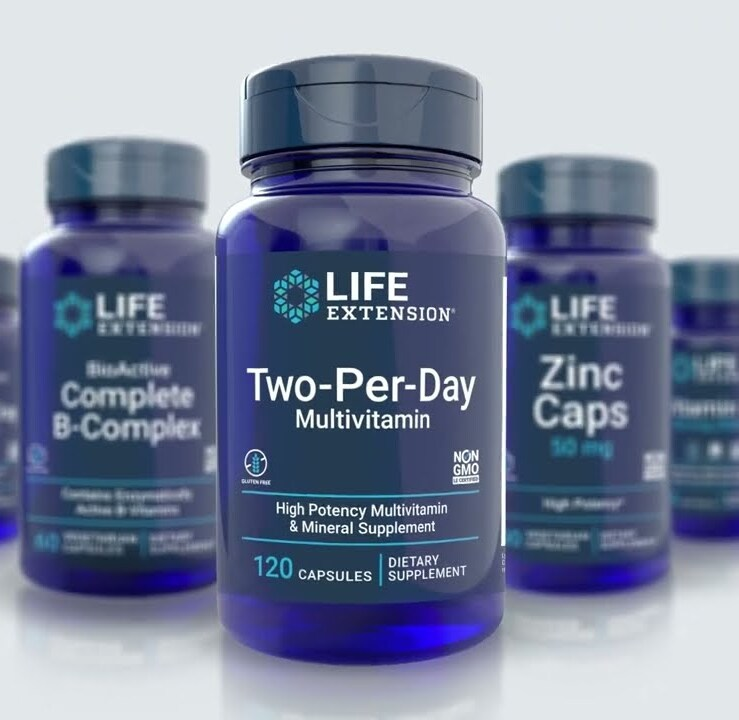
Why we like it: On cost per day it is the clear winner here. The name is accurate too — it is trace minerals only, with no vitamin padding, which makes it easy to slot alongside an existing regimen without double-dosing.
Who it suits: Long-term users on a budget; older adults, in whom zinc intake and absorption commonly decline.
Where to buy and cost: £13.75 at Welzo, with more from the brand in the Life Extension collection.
What customers say: Reviewers consistently mention value for money and the convenience of a three-month supply.
| Pros | Cons |
|---|---|
|
|
6. Klaire Labs Multi-Mineral Complex — Best 100-Count Iron-Free Option
Multi-Mineral Complex Without Iron is Klaire Labs' broader, higher-dose sibling to the LDA formula: 100 hypoallergenic capsules supplying zinc, selenium, copper, manganese, chromium and molybdenum, plus small amounts of calcium, magnesium, phosphorus and potassium.
Why we like it: Two capsules deliver at or above the reference intake for the trace elements that actually matter, while leaving out iron. The small macromineral content is a genuine bonus rather than padding — it will not replace a dedicated magnesium supplement, but it does no harm.
Who it suits: People who want fuller repletion doses than the LDA formula gives, and anyone who prefers restocking every few months rather than monthly.
Where to buy and cost: £22.56 for 100 capsules at Welzo, rated highly across 98 reviews. Check the product page for current stock.
What customers say: Reviewers highlight the iron-free formulation and how long a bottle lasts at the standard two-capsule dose.
| Pros | Cons |
|---|---|
|
|
7. Seeking Health Trace Minerals Complex II — Best Iron and Copper Free

Trace Minerals Complex II is the sister formula to our top pick: nine trace minerals in bioavailable forms, with both iron and copper removed, plus horsetail silica.
Why we like it: The omissions are the feature. Copper is easy to over-supply when it appears in a multivitamin, a mineral complex and fortified foods at once, and a minority of people accumulate it. Removing both iron and copper makes this the cleanest option for stacking.
Who it suits: Anyone taking copper separately, people with high ferritin or haemochromatosis (under medical supervision), and those already on a copper-containing multivitamin. Note the trade-off: long-term high-dose zinc without copper can cause copper deficiency, so if you take a separate zinc supplement, discuss balance with a pharmacist.
Where to buy and cost: £24.24 for 30 capsules at Welzo, rated 5 stars from 178 reviews.
What customers say: Reviewers report it being easy to tolerate and appreciate not having to hunt for a copper-free option.
| Pros | Cons |
|---|---|
|
|
8. ConcenTrace Trace Mineral Drops — Best Ionic Drops

ConcenTrace is a concentrated ionic mineral solution drawn from the Great Salt Lake, with around 99% of the sodium removed. It is marketed as containing more than 72 naturally occurring ionic trace minerals.
Why we like it: The genuinely useful part is the magnesium content, plus a spread of ionic minerals in a form that mixes into any drink. It is low-sodium, vegan-friendly and flexible on dose.
A note on "72 minerals": Most of those 72 are present in trace-of-a-trace amounts with no established human requirement. Buy it for the magnesium and convenience, not the headline number.
Where to buy and cost: £23.33 at Welzo.
What customers say: Users report it blends easily into water and juice; the distinctly briny, bitter taste is the most common complaint, and diluting it well largely solves that.
| Pros | Cons |
|---|---|
|
|
9. Dr. Berg Trace Minerals Enhanced Complex — Also Considered

Dr. Berg's Trace Minerals Enhanced Complex combines zinc, copper, iodine and manganese with a broader sea-mineral base, in 60 capsules manufactured in GMP-certified US facilities.
Why it made the list: It is a competently made product with strong user ratings (around 4.6 stars on Amazon) and clear labelling of the named minerals.
Why it is not a top pick: It is not stocked at Welzo, so we cannot verify supply chain or offer UK support, and it costs more than better-documented alternatives above. If you want an iodine-containing complex, check the dose against the caution level in our table first.
| Pros | Cons |
|---|---|
|
|
Capsules vs Liquid vs Ionic Drops: Which Format Should You Choose?
| Capsules | Liquid drops | Ionic sea concentrate | |
|---|---|---|---|
| Dose accuracy | Fixed, foolproof | Adjustable | Adjustable |
| Absorption | Good with chelated forms | Good | Good (already ionised) |
| Taste | None | Mild to noticeable | Briny, bitter |
| Cost per day | Lowest (90-count bottles) | Moderate | Low to moderate |
| Travel | Easiest | Leak risk | Leak risk |
| Best for | Set-and-forget daily use | Sensitive stomachs, part-doses | Water drinkers wanting magnesium |
Absorption differences between well-made formats are smaller than marketing suggests. Adherence matters more: the best format is the one you will actually take every day.
How to Choose a Trace Mineral Supplement: A 6-Step Checklist
- Decide whether you need iron. If you have not been tested and have no risk factors, choose an iron-free formula.
- Add up everything you already take. Multivitamin, greens powder, fortified cereal and a mineral complex can stack selenium and zinc above the caution levels.
- Check the form. Bisglycinate, picolinate, citrate and selenomethionine absorb better than oxides and sulphates.
- Prefer full disclosure. Skip proprietary blends that hide individual amounts.
- Check testing. Heavy metal screening is especially relevant for sea- or clay-derived products.
- Match the format to your habits. Capsules for simplicity, liquid for control, drops if you drink a lot of water.
How to Take Trace Minerals for Best Absorption
- With food is the default for multi-mineral complexes. Zinc in particular commonly causes nausea on an empty stomach.
- Iron is the exception: it absorbs best on an empty stomach, ideally with a source of vitamin C. If it causes stomach upset, take it with a small amount of food.
- Separate from tea and coffee by about an hour — tannins and polyphenols reduce iron absorption.
- Separate calcium and iron by a couple of hours; they compete for absorption.
- Separate from certain medicines. Minerals bind levothyroxine, tetracycline and quinolone antibiotics, and bisphosphonates. Leave at least four hours where advised, and check the patient information leaflet.
- Be consistent. Trace minerals do not work acutely; think weeks to months, not days. If you are building a wider routine, our minimal supplement stack guide shows how to keep it simple.
How Long Do Trace Mineral Supplements Take to Work?
| Timeframe | What to expect |
|---|---|
| Days 1–7 | No meaningful change. Any immediate "energy boost" is unlikely to be the minerals. |
| Weeks 2–4 | If you were zinc-deficient, taste, appetite and skin may begin to improve. |
| Weeks 4–12 | Iron repletion becomes measurable; haemoglobin typically responds within 2–4 weeks, ferritin stores take around three months. |
| 3–6 months | Selenium and iodine status stabilise; retest if you started because of an abnormal result. |
| If nothing changes | You were probably not deficient. See a GP rather than increasing the dose. |
Myth vs Fact
| Claim | Reality |
|---|---|
| "Soil depletion means food no longer contains minerals." | Partly true, overstated. Some studies show declines in mineral content of crops over decades, largely attributed to dilution from higher yields and varietal changes. But UK diets are not mineral-empty, and fortification and diverse sourcing offset much of the effect. Treat this as a reason to eat varied whole foods, not proof you need supplements. |
| "More minerals on the label is better." | No. Only nine trace elements are established as essential. A "72 mineral" label mostly reflects seawater composition. |
| "Colloidal or ionic is always superior." | Not established. Well-formulated chelates perform comparably in most cases; head-to-head human evidence is limited. |
| "You cannot overdose on trace minerals." | False. Excess selenium causes hair and nail loss and neuropathy; excess zinc causes copper deficiency; excess iodine can trigger thyroid dysfunction; iron overload damages the liver and heart. |
| "Best taken on an empty stomach." | Only iron. Most complexes are better tolerated with food. |
Common Mistakes to Avoid
- Taking a mineral complex and a multivitamin without adding up the overlapping amounts.
- Self-treating fatigue with iron without testing ferritin first — a tiredness and fatigue blood test is the more useful first step.
- Using high-dose zinc for months with no copper.
- Taking minerals at the same time as levothyroxine or antibiotics.
- Adding seaweed or kelp on top of an iodine-containing supplement.
- Judging a product by the number of minerals rather than the dose of the ones that matter.
Who Should Speak to a Doctor First
Check with a GP or pharmacist before starting trace minerals if you are pregnant or breastfeeding, have thyroid disease, kidney disease, haemochromatosis or Wilson's disease, take levothyroxine or antibiotics regularly, or are giving supplements to a child. NICE and NHS guidance is that supplementation should target an identified need, not act as blanket insurance. Pregnancy and childhood have their own dedicated formulations — see pregnancy vitamins and children's vitamins.
Takeaway
Trace minerals matter — for oxygen transport, immune function, thyroid hormones and antioxidant defence — but they matter in the way seatbelts do: essential, unremarkable when everything is fine, decisive when something is missing. If your diet is varied and you have no symptoms, food will usually do the job. If you eat a restricted diet, are older, absorb nutrients poorly or have tested low, a well-dosed complex is a reasonable, inexpensive safety net.
For most people reading this, Seeking Health Trace Minerals Complex is the sensible default; Klaire Labs LDA if you want lower doses and a lower price; ConcenTrace if you would rather drink your minerals. Browse the full minerals collection or the wider supplements and vitamins range, and check your levels with a home health test before you start.
Frequently Asked Questions
What is the best form of trace minerals?
Chelated forms such as zinc bisglycinate, selenomethionine and copper glycinate, and ionic liquid forms, are generally the best absorbed. Cheap oxide and sulphate salts absorb less well. Beyond that, dose accuracy and consistency matter more than format — Seeking Health Trace Minerals Complex and BioCare Nutrisorb are good examples of each approach.
What is the most important trace mineral in the body?
Iron is usually considered the most critical, because it forms haemoglobin and carries oxygen to every tissue. Iron deficiency is also the most common nutritional deficiency worldwide. That said, "most important" depends on what you are short of — iodine is irreplaceable for thyroid hormones, and zinc for immune function.
What is the best time to take trace minerals?
Take a general trace mineral complex with a meal to reduce nausea. Iron is the exception and absorbs best on an empty stomach with vitamin C, roughly an hour before food or two hours after, and separated from tea, coffee, calcium and dairy.
Can I take trace minerals every day?
Yes, provided the product supplies sensible amounts and you account for everything else you take. Daily use is how these products are designed to work. Problems arise from stacking multiple sources rather than from daily use itself.
Do trace mineral supplements actually work?
They reliably correct deficiencies. Where the evidence is much weaker is in people who already have adequate intakes — Cochrane reviews of micronutrient supplementation in well-nourished populations generally find limited benefit for outcomes such as fatigue or immunity. Supplement to fill a gap, not to exceed normal.
Are trace minerals the same as electrolytes?
No. Electrolytes are mainly sodium, potassium, chloride, magnesium and calcium — macrominerals lost in sweat and needed in large amounts. Trace minerals are needed in milligrams or micrograms and mostly act as enzyme cofactors. Some sea-mineral concentrates supply both, and dedicated electrolyte products are a separate category.
Can you take too many trace minerals?
Yes, and it is easier than people assume. The NHS advises keeping supplemental zinc below 25 mg a day, selenium below about 350 µg and copper below about 10 mg. Excess selenium can cause hair loss, brittle nails and nerve damage; excess zinc can deplete copper; excess iodine can disturb thyroid function.
Should vegans take a trace mineral supplement?
Often, yes. Plant-based diets tend to be lower in zinc, iodine, selenium and bioavailable iron, and phytates in wholegrains and pulses reduce absorption further. Iodine is the most frequently overlooked, particularly for people who have swapped dairy for unfortified plant milks. A vegan blood test checks the nutrients most commonly short on a plant-based diet, and the vegan supplement range covers the gaps.
Do trace minerals help with fatigue?
Only if the fatigue is caused by a deficiency — most commonly iron. If it is not, supplements will not help, and persistent fatigue warrants investigation for thyroid disease, sleep disorders, depression, coeliac disease and B12 deficiency among others. Test before you treat.
Are trace minerals safe in pregnancy?
Some are essential in pregnancy, notably iodine and iron, but doses need care and vitamin A-containing products must be avoided. Use a pregnancy-specific formulation and follow NHS advice, which includes 400 µg folic acid and 10 µg vitamin D daily. Speak to a midwife or GP before adding a general trace mineral complex.
Can children take trace mineral supplements?
Adult formulas are not suitable for children — doses are too high and upper limits are lower. The NHS Healthy Start vitamin scheme covers children aged 6 months to 5 years in the UK. Ask a pharmacist or GP before giving any mineral supplement to a child.
Related Reading
- Best mineral supplements for overall health
- Best zinc supplements in the UK
- Best iodine supplements in the UK (2026)
- The best magnesium supplements, according to doctors
- Zinc supplements for immune support
- Best multivitamins for women
- Welzo blood test blog





 Rated Excellent by 28,951+ Reviews
 100% Money Back Guarantee