Related products


Related collections








Best Vitamin B1 Supplements
Posted on:
Feb 16, 2026
Authored by


Vitamin B1 (thiamine) is one of the most foundational nutrients people look for when building an energy, nervous system, and metabolism-support routine. Unlike trend-driven longevity stacks, thiamine sits closer to the basics: it helps the body convert food into energy and supports normal nerve and heart function. This guide focuses on reliable Vitamin B1 products available on Welzo and commonly chosen by people seeking a straightforward, long-term supplement option.
If you're comparing options, you can browse the full Vitamin B1 (Thiamine) Tablets & Supplements, or explore related areas such as Tiredness & Fatigue Supplements and Magnesium (often used alongside B vitamins in daily routines).
Vitamin B1 (thiamine) is a water-soluble B vitamin involved in carbohydrate metabolism and cellular energy production. It supports enzymes that help convert glucose into usable energy and plays an important role in nervous system signalling. Because thiamine is water-soluble and not stored in large amounts, consistent intake from diet (and sometimes supplements) matters more than mega dosing for most people.
Vitamin B1 supplements are typically used to support normal energy metabolism, nerve function, and dietary adequacy when intake may be low or needs are increased. People commonly look at thiamine as part of fatigue-support routines, periods of high carbohydrate intake, restricted diets, or when they want a simple B-vitamin foundation without moving straight to complex stacks. Some shoppers also compare standard thiamine products with advanced forms such as benfotiamine supplements (a fat-soluble thiamine derivative often discussed in nerve-support contexts), depending on their goals.
High-quality Vitamin B1 supplements prioritise clear labelling (exact thiamine amount per serving), sensible dosing, and formulations that are easy to use consistently. Because thiamine products are often taken daily, quality is less about flashy blends and more about reliability: clean excipients, dependable manufacturing, and a format that fits a long-term routine.
In practice, the best thiamine products tend to fall into three clear categories:
From an evidence-led perspective, people use Vitamin B1 supplements to support energy production pathways, nervous system function, and overall metabolic efficiencyparticularly when they suspect their diet may not consistently provide enough thiamine. Benefits are typically subtle and routine-based (for example, supporting steadier day-to-day energy when paired with nutrition and sleep), rather than dramatic quick fix effects.
Best Overall High-Potency: Vitamin B1 (Thiamin) 500 mg Solgar (100 Tablets)
Best Balanced Daily Dose: Thiamin (Vitamin B1) 100mg Lamberts (90 Capsules)
Best Budget-Friendly: Vitamin B-1 (Thiamine) 100mg NOW Foods (100 Tablets)
Best High-Potency Capsule Format: Vitamin B1 (Thiamine) 500mg G&G Vitamins (90 Capsules)
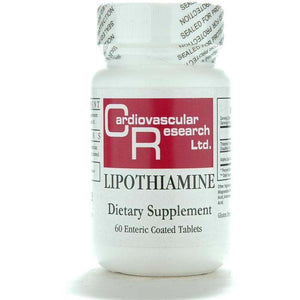
Best Advanced Form Thiamine Option: Lipothiamine Ecological Formulas (120 Enteric-Coated Tablets)
Best Benfotiamine (B1 derivative): Benfotiamine 150mg Double Wood (60 Capsules)

| Why It's Been Selected | A high-potency, trusted-brand option for people who want a strong thiamine-only supplement in a simple tablet format. |
| Product Description | Solgar Vitamin B1 provides thiamin in a concentrated dose, designed for daily use as part of energy and nervous-system support routines. |
| Reviews | Solgar is a long-standing brand in the UK supplement market, commonly chosen for reliability and repeat purchase confidence. |
| Price | £36.05 |
| Where to Buy | Vitamin B1 (Thiamin) 500 mg 100 Tablets (Solgar) |
| Pros | Trusted brand simple single-ingredient focus convenient tablet routine good for users specifically wanting high potency. |
| Cons | High potency isn't necessary for everyone tablets may not suit all users benefits are gradual and routine-based. |
| How to Use | Follow label directions. Many people take B1 with food as part of a morning or lunchtime routine. |
| Editor's Comments | If your priority is a reputable brand with a clear high potency B1 label, Solgar is one of the cleanest comparisons to start with. |

| Why It's Been Selected | A balanced daily dose from a well-known UK brandideal for people who want thiamine support without moving straight to very high potencies. |
| Product Description | Lamberts Thiamin provides Vitamin B1 in a straightforward capsule format, commonly used in energy and nervous system support routines. |
| Reviews | Lamberts is a widely recognised brand in practitioner and consumer settings, often selected for consistency and label clarity. |
| Price | £11.49 |
| Where to Buy | Thiamin (Vitamin B1) 100mg 90 Capsules (Lamberts) |
| Pros | Sensible dose easy capsule routine strong brand trust good daily driver option. |
| Cons | If you specifically want a very high-potency product, 100mg may feel conservative effects depend on your baseline intake. |
| How to Use | Use as per label directions, typically once daily with food. |
| Editor's Comments | This is the most normal option in the listideal when you want a clean B1 supplement that fits a long-term routine. |

| Why It's Been Selected | A highly accessible, budget-friendly B1 product from a mainstream branduseful when you want a simple thiamine-only option at a lower price point. |
| Product Description | NOW Foods Vitamin B-1 provides thiamine in tablet form, suitable for everyday use to support energy metabolism and normal nerve function. |
| Reviews | NOW Foods is a globally recognised brand with broad consumer familiarity this category is commonly purchased as a basic B-vitamin staple. |
| Price | £6.57 |
| Where to Buy | Vitamin B-1 (Thiamine) 100mg 100 Tablets (NOW Foods) |
| Pros | Great value simple single-ingredient positioning easy to keep consistent. |
| Cons | Tablet format won't suit everyone budget products may feel less premium to sensitive users (even when perfectly acceptable). |
| How to Use | Follow label directions often taken with meals for routine consistency. |
| Editor's Comments | If you want to trial B1 without overthinking it, this is the lowest-friction starting point. |

| Why It's Been Selected | A high-potency capsule option for users who prefer capsules over tablets and want a strong thiamine-only product. |
| Product Description | G&G Vitamins Vitamin B1 provides thiamine at 500mg per serving in capsule formatcommonly chosen for straightforward high-strength routines. |
| Reviews | A niche but trusted brand category for people who prefer clean and direct high-strength supplementation (responses vary by user and goal). |
| Price | £11.50 |
| Where to Buy | Vitamin B1 (Thiamine) 500mg 90 Capsules (G&G Vitamins) |
| Pros | High potency capsule convenience simple formula positioning. |
| Cons | High potency is not required for most people better suited to users with a clear reason for higher-dose B1. |
| How to Use | Use as directed on the label consider taking with food if sensitive. |
| Editor's Comments | Choose this when high potency + capsule format is the main requirementotherwise, a 100mg daily option is often enough for general support. |

| Why It's Been Selected | An advanced format thiamine option for users who want something different from standard thiamin tablets/capsules and prefer enteric-coated delivery. |
| Product Description | Lipothiamine by Ecological Formulas is an enteric-coated thiamine product, often chosen by users who want a specialised routine-friendly format. |
| Reviews | A more specialised categorytypically chosen by people who already know what they're looking for rather than first-time thiamine shoppers. |
| Price | £54.99 |
| Where to Buy | Lipothiamine 120 Enteric-Coated Tablets (Ecological Formulas) |
| Pros | Specialised delivery format a clear step up from basic thiamine for users who prefer advanced formats. |
| Cons | Premium price not necessary for general daily use best suited to informed users. |
| How to Use | Follow label directions keep routine consistent for several weeks before assessing. |
| Editor's Comments | This is the specialised pick. Most users will do well with standard thiaminebut if you're specifically comparing advanced formats, this is the one to consider. |

| Why It's Been Selected | Benfotiamine is a popular thiamine derivative in targeted routines this is a clear, single-ingredient option from a widely recognised brand. |
| Product Description | Double Wood Benfotiamine provides a fat-soluble thiamine derivative often discussed in nerve-support and metabolic support contexts (not a replacement for medical care). |
| Reviews | Strong consumer interest in benfotiamine as an advanced B1 category commonly purchased by informed users building more targeted stacks. |
| Price | £28.52 |
| Where to Buy | Benfotiamine 150mg 60 Capsules (Double Wood) |
| Pros | Clear benfotiamine dosing capsule convenience popular advanced B1 category. |
| Cons | Not the same as standard thiamine more appropriate for informed users not a substitute for treatment of underlying conditions. |
| How to Use | Use as per label directions. Introduce one product at a time and assess over 812 weeks. |
| Editor's Comments | If you're specifically searching benfotiamine, this is the cleanest Welzo-available pick to includebut most beginners should start with standard thiamine first. |
| Supplement | Exact Product | Best For | Format | Typical Use Window |
|---|---|---|---|---|
| Vitamin B1 (High Potency) | Solgar Vitamin B1 (Thiamin) 500 mg 100 Tablets | High-potency thiamine foundation | Tablets | 48 weeks to assess, then ongoing if needed |
| Vitamin B1 (Daily Balanced) | Lamberts Thiamin (Vitamin B1) 100mg 90 Capsules | Every day, sensible dosing | Capsules | 48 weeks to assess |
| Vitamin B1 (Budget) | NOW Foods Vitamin B-1 (Thiamine) 100mg 100 Tablets | Cost-effective daily thiamine | Tablets | 48 weeks to assess |
| Vitamin B1 (High Potency Capsules) | G&G Vitamins Vitamin B1 (Thiamine) 500mg 90 Capsules | High-dose capsule convenience | Capsules | 48 weeks to assess |
| Specialised Thiamine Form | Ecological Formulas Lipothiamine 120 Enteric-Coated Tablets | People choosing an advanced format option | Enteric-coated tablets | 48 weeks to assess |
| Benfotiamine (B1 derivative) | Double Wood Benfotiamine 150mg 60 Capsules | Thiamine-derivative protocols | Capsules | 812 weeks to assess |
To evaluate Vitamin B1 (thiamine) supplements fairly and responsibly, we focused on criteria that matter for real-world use, long-term safety, and nutritional relevance, rather than marketing claims or unnecessarily high dosing. Vitamin B1 is a water-soluble vitamin that supports essential metabolic and nervous system functions, so quality, clarity, and consistency are more important than intensity.
1. Thiamine Form and Bioavailability
We assessed whether products use well-established and widely recognised forms of Vitamin B1, such as thiamine hydrochloride or benfotiamine. These forms are commonly referenced in nutrition science and are used across reputable supplement brands. Products that clearly state the form of thiamine on the label were prioritised over vague or proprietary blends.
2. Dose Appropriateness (Not Mega-Dosing)
Vitamin B1 requirements are relatively modest, and most people benefit from realistic dosing rather than extreme amounts. We favoured supplements that provide doses aligned with commonly used supplemental ranges and avoided products positioned around excessive high-dose claims without clear justification. Clear labelling of milligrams per serving was a non-negotiable requirement.
3. Label Transparency and Ingredient Simplicity
Because Vitamin B1 is often taken daily or long-term, we prioritised products with clean formulations, minimal fillers, and straightforward ingredient lists. Products that avoid unnecessary additives, artificial colours, or overly complex blends scored higher for transparency and tolerability.
4. Suitability for Long-Term Use
Vitamin B1 is typically used to support ongoing energy metabolism, nervous system function, and dietary adequacy rather than for short-term effects. We therefore assessed whether each product was realistically suitable for consistent daily use, including capsule size, dosing frequency, and ease of integration into routine supplementation.
5. Brand Trust and Manufacturing Standards
We prioritised established brands with a strong track record in vitamin and mineral supplementation. Consistent labelling, clear usage instructions, and availability through trusted retailers like Welzo were important quality signals. Products commonly chosen by healthcare-aware consumers or practitioners were viewed more favourably.
6. Practical Value per Serving
Rather than focusing on headline bottle size or capsule count, we considered value based on realistic daily intake. Products that deliver reliable dosing at a fair cost over weeks or months were ranked higher than those that appear inexpensive but require multiple capsules per day to meet meaningful intake levels.
7. Safety and User Context
Finally, we considered safety and appropriateness for different user contexts. Because Vitamin B1 is water-soluble and generally well tolerated, risks are low, but we still accounted for potential interactions, suitability for people with specific health conditions, and the importance of not stacking excessive supplements unnecessarily.
Overall approach
Our evaluation reflects how Vitamin B1 supplements are actually used in everyday health routines as supportive nutritional tools rather than aggressive interventions. The products included in this guide were selected because they offer clarity, reliability, and practicality, making them suitable options for users who want to support energy metabolism and nervous system health in a measured, evidence-informed way.
For most people, consistency matters more than timing. Many take thiamine with breakfast or lunch, especially if it's part of an energy routine. If you're sensitive, taking it with food can improve tolerance. Avoid introducing multiple new supplements at oncestart with one B1 product and assess over 48 weeks before changing dose or form. If you already use a B-complex or multivitamin, account for the B1 included to avoid unnecessary stacking.
Vitamin B1 is generally well tolerated at typical supplement doses, but individual responses vary. Anyone who is pregnant, breastfeeding, managing a medical condition, or using prescription medicines should seek clinician guidance before starting supplementsespecially if using high-potency products or specialised derivatives (like benfotiamine). If symptoms are persistent or severe, supplementation should not replace medical assessment.
Side effects from Vitamin B1 supplements are uncommon and, when they do occur, are usually mild and temporary. These may include:
Mild digestive discomfort or nausea, especially when taken on an empty stomach
Headache or light dizziness in sensitive individuals
Rare flushing or warmth sensations
These effects are generally dose-related and often improve by reducing the dose or taking the supplement with food.
Before diving into scientific sources, it's important to understand how evidence around vitamins like B1 (thiamine) is generally interpreted: most research looks at how thiamine functions in the body, why deficiency matters, the role it plays in metabolism and nerve function, and how supplementation can correct low intake. The links below explain these mechanisms, recommended intake ranges, and related health contexts but they do not imply that any supplement can diagnose, treat, or cure specific conditions. Always consider supplements as part of a broader approach that includes diet, lifestyle, and medical guidance when needed.
National Institutes of Health Vitamin B1 (Thiamin) Fact Sheet
https://ods.od.nih.gov/factsheets/Thiamin-HealthProfessional/
This is a detailed, evidence-based overview from the NIH Office of Dietary Supplements explaining what thiamine does in the body, how much is recommended, what deficiency looks like, and where thiamine comes from. It's one of the most reliable references for basic nutrient science.
NHS Vitamins and Minerals (B Vitamins Overview)
https://www.nhs.uk/conditions/vitamins-and-minerals/vitamin-b/
The UK's National Health Service provides a practical, user-friendly summary of B vitamin functions and food sources. The page helps users understand why B1 matters in the context of overall nutrition.
MedlinePlus Thiamine (Vitamin B1) Overview
https://medlineplus.gov/druginfo/natural/965.html
Produced by the U.S. National Library of Medicine, this overview explains thiamine's role, typical uses, safety considerations, and dietary sources. It's a useful complement to the NIH fact sheet with concise clinical framing.
European Food Safety Authority (EFSA) Dietary Reference Values
https://www.efsa.europa.eu/en/topics/topic/dietary-reference-values
EFSA's information on dietary reference values helps support the context for nutrient intake guidelines in Europe, including safe and appropriate ranges for vitamins. This is helpful for framings such as typical use windows and dose appropriateness.
Benfotiamine Benefits (Welzo Blog)
https://welzo.com/blogs/supplements/benfotiamine-benefits
A Welzo internal article that explains the thought process, mechanisms, and common user experiences with benfotiamine, a thiamine derivative. Useful for the section where specialised B1 formats are discussed.
No. Vitamin B1 is a single nutrient (thiamine). A vitamin B complex supplement contains multiple B vitamins together, which can be useful if you want broader coverage.
Most people assess thiamine over 48 weeks. If benefits occur, they're usually subtle and routine-based rather than immediate.
For general daily use, many people start with a balanced dose (like 100mg). Higher-potency products are typically chosen when users have a specific reason or preference for higher dosing.
Benfotiamine is a thiamine derivative often used in more targeted protocols. It isn't automatically better it's a different option used for different goals.
 Évalué Excellent par 28,951+ avis
 Garantie de remboursement à 100%
Notre garantie de rétroaction garantit que vous recevez vos articles ou obtenez un remboursement complet.