
Best Vitamin E Supplements
Posted on:
Feb 18, 2026
Authored by


Vitamin E is a fat-soluble nutrient best known for its antioxidant role in protecting cell membranes from oxidative damage. It's often searched in the UK for skin support, immune function, and healthy ageing routines, but the quality of vitamin E supplements varies widely depending on the form (tocopherols vs tocotrienols), dose, and whether the product is a single-isomer alpha-tocopherol or a broader-spectrum blend.
This guide reviews reliable, widely trusted vitamin E supplements available to buy online via Vitamin E, focusing on established manufacturers, clear labelling, and formulations that match how vitamin E is actually used in real-world health routines. You'll also find practical guidance on dosing, safety, and how to choose the right type for your goals, alongside related wellbeing collections such as General Health and Beauty Supplements.
Vitamin E is the collective name for a group of fat-soluble compounds (tocopherols and tocotrienols) with antioxidant activity. In human nutrition references, alpha-tocopherol is the primary form used to define requirements, because it's the form preferentially maintained in the body.
Vitamin E supplements are typically used to support antioxidant status, maintain normal immune function, and complement routines focused on skin health and overall wellbeingespecially in people who have low dietary intake of vitamin-E-rich foods (nuts, seeds, and vegetable oils) or who want a consistent daily intake. They are also used in broader cell protection or healthy ageing routines where oxidative stress balance is a common theme, alongside foundational nutrients and minerals found in collections like Minerals.
NOW Foods Vitamin E-400 IU (100 Softgels)
Pure Encapsulations Vitamin E 400 (60 Capsules)
A.C. Grace Unique E Mixed Tocopherols (50 Softgels)
Jarrow Formulas TocoSorb (60 Softgels)
Life Extension Gamma E Mixed Tocopherols (60 Softgels)
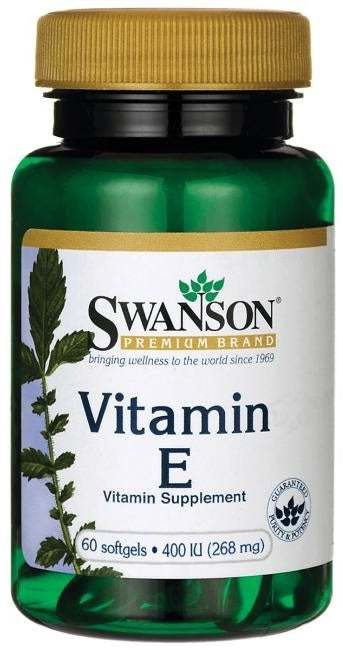
Swanson Vitamin E 200 IU (120 Softgels)

| Why It's Been Selected | A reliable, mainstream everyday vitamin E choice with a clear label and long-standing consumer trustideal as a simple baseline antioxidant supplement. |
|---|---|
| Product Description | Vitamin E in a softgel format designed for consistent daily use best taken with food containing fat. |
| Reviews | High-demand category NOW Foods is widely used across foundational supplement routines. |
| Price | Mid-range |
| Where to Buy | NOW Foods Vitamin E-400 IU (100 Softgels) |
| Pros | Simple daily routine trusted brand good long-term usability. |
| Cons | Softgels won't suit everyone benefits are gradual rather than immediate. |
| How to Use | Follow label directions and take with a meal for best tolerance. |
| Editor's Comments | If you want a straightforward, widely trusted vitamin E to set a baseline, this is one of the most practical picks. |

| Why It's Been Selected | Practitioner-grade brand choice for people who prioritise clean formulations and tight label clarity. |
|---|---|
| Product Description | Vitamin E in capsule format, suitable for those who prefer practitioner-style supplements. |
| Reviews | Strong trust signal brand category frequently used in structured health routines. |
| Price | Premium |
| Where to Buy | Pure Encapsulations Vitamin E 400 (60 Capsules) |
| Pros | Clean label approach professional reputation consistent dosing. |
| Cons | Higher price than mainstream options still not instant-feel supplementation. |
| How to Use | Use as per label directions, ideally with food. |
| Editor's Comments | Best for people who want a more clinician-style supplement brand while keeping vitamin E simple. |

| Why It's Been Selected | Great fit for shoppers specifically looking for a broader-spectrum tocopherol profile rather than alpha-tocopherol alone. |
|---|---|
| Product Description | A mixed tocopherol vitamin E product, often chosen by people who want more complete vitamin E family coverage. |
| Reviews | Popular niche within vitamin E, especially among informed supplement buyers. |
| Price | Mid to premium |
| Where to Buy | Unique E Mixed Tocopherols Vitamin E (50 Softgels) |
| Pros | Mixed tocopherols positioning softgel convenience strong spectrum appeal. |
| Cons | Not necessary for everyone still, fat-soluble dosing considerations apply. |
| How to Use | Follow label directions with meals. |
| Editor's Comments | Vitamin E exists in multiple formsthis is the kind of product people choose when they want to move beyond alpha only. |

| Why It's Been Selected | Tocotrienols are frequently searched as an advanced vitamin E angle. This is a credible brand option for that interest. |
|---|---|
| Product Description | A tocotrienol-focused vitamin E supplement in softgel format. |
| Reviews | Well-known brand in the specialist supplement market often chosen by experienced users. |
| Price | Premium |
| Where to Buy | Jarrow Formulas TocoSorb (60 Softgels) |
| Pros | Tocotrienol emphasis specialist category convenient format. |
| Cons | More niche not always necessary if your goal is simple dietary coverage. |
| How to Use | Follow label directions take with food. |
| Editor's Comments | Ideal when your specific goal is tocotrienols, not just basic vitamin E intake. |

| Why It's Been Selected | Gamma-tocopherol is a common why not alpha only? questionthis product is designed around that broader tocopherol discussion. |
|---|---|
| Product Description | Mixed tocopherol vitamin E, with a gamma-tocopherol emphasis. |
| Reviews | Life Extension is a widely recognised evidence-forward brand among supplement users. |
| Price | Premium |
| Where to Buy | Life Extension Gamma E Mixed Tocopherols (60 Softgels) |
| Pros | Clear positioning reputable brand spectrum approach. |
| Cons | Not required for everyone still needs food/fat for best tolerance. |
| How to Use | Use as directed on the label with a meal. |
| Editor's Comments | Great step up if you've used standard vitamin E before and want a more nuanced tocopherol profile. |

| Why It's Been Selected | A value-friendly, lower-dose option for people who want conservative daily support without jumping straight to higher-strength formats. |
|---|---|
| Product Description | Vitamin E in a lower IU dose softgel format suitable for long-term routines where more isn't the goal. |
| Reviews | Swanson is a long-standing, widely used supplement brand with broad consumer familiarity. |
| Price | Budget to mid-range |
| Where to Buy | Swanson Vitamin E 200 IU (120 Softgels) |
| Pros | Conservative dose budget-friendly easy daily routine. |
| Cons | Still fat-soluble still needs sensible use with other supplements/medications. |
| How to Use | Use as per label directions with food. |
| Editor's Comments | A sensible pick if you want to keep dosing conservatively and assess gradually over 812 weeks. |
| Supplement | Exact Product | Best For | Format | Typical Use Window |
|---|---|---|---|---|
| Vitamin E (Alpha-tocopherol) | NOW Foods Vitamin E-400 IU | Everyday antioxidant foundation | Softgels | 812 weeks to assess |
| Vitamin E (Alpha-tocopherol) | Pure Encapsulations Vitamin E 400 | Clean, practitioner-grade routine | Capsules | 812 weeks to assess |
| Mixed Tocopherols | A.C. Grace Unique E | Broader-spectrum tocopherols | Softgels | 812 weeks to assess |
| Tocotrienols-focused | Jarrow Formulas TocoSorb | Tocotrienol interest / spectrum support | Softgels | 812 weeks to assess |
| Gamma-tocopherol blend | Life Extension Gamma E Mixed Tocopherols | Gamma-tocopherol emphasis | Softgels | 812 weeks to assess |
| Lower-dose vitamin E | Swanson Vitamin E 200 IU | Budget-friendly daily support | Softgels | 812 weeks to assess |
High-quality vitamin E supplements prioritise transparent labelling, an appropriate form of vitamin E for the user's goal, and dosing that fits long-term routines rather than aggressive mega-dose marketing. Vitamin E exists naturally in eight forms (four tocopherols and four tocotrienols), and while alpha-tocopherol is the primary form used to define human requirements, some supplements intentionally include mixed tocopherols and/or tocotrienols for a broader vitamin E family profile.
Because vitamin E is fat-soluble, better products also guide users toward taking it with meals and avoid overly complex proprietary blends that obscure the actual vitamin E form and amount. Where labels still use International Units (IU), the most trustworthy sources explain conversions between IU and milligrams (mg) depending on whether the vitamin E is natural (d-alpha) or synthetic (dl-alpha), which helps users compare products more accurately.
From an evidence-led perspective, people most commonly use vitamin E supplements to support antioxidant protection in lipid (fat-containing) tissues and cell membranes, maintain normal immune function, and complement skin and general wellbeing routines. Vitamin E's antioxidant role is frequently discussed in the context of oxidative stress generated during normal energy metabolism and from environmental exposures (such as UV), which is one reason it appears in skin, wellness, and healthy ageing supplement stacks.
To rank vitamin E supplements fairly, we used criteria that reflect what matters most for real-world supplementation: label clarity, sensible dosing, and the right formulation approach for different user goals.
We also anchored vitamin E context to authoritative nutrition references, including the adult RDA for vitamin E (15 mg/day alpha-tocopherol for adults) and the distinctions between alpha-tocopherol and other forms.
Vitamin E is fat-soluble, so it's typically best taken with a meal that contains some dietary fat. Consistency matters more than timing. If you're using vitamin E as part of a broader routine (for example, skin or general wellbeing support), assess over 812 weeks rather than expecting immediate changes.
Vitamin E deficiency is considered uncommon in the general population and is more likely in specific contexts (for example, conditions affecting fat absorption). If deficiency is suspected, clinical evaluation is more appropriate than self-diagnosis, because symptoms can overlap with many other issues.
Vitamin E is generally well tolerated at sensible supplemental intakes, but risks increase with high-dose, long-term useparticularly because vitamin E can interact with certain medicines, including anticoagulant/antiplatelet drugs (blood thinners). For safety, treat vitamin E like any fat-soluble nutrient: dose deliberately, avoid unnecessary stacking, and review your situation if you take prescription medicines or have surgery planned.
For the European safety context, EFSA publishes tolerable upper intake levels (ULs) for vitamin E across age groups as part of a risk-assessment approach to excessive intakes.
Vitamin E primarily protects lipid (fat-containing) structures from oxidative damage. Other antioxidants (like vitamin C) operate in different compartments of the body, so the best option depends on your overall diet, supplement stack, and goals. Vitamin E is often paired with broader wellbeing routines rather than used as a standalone quick fix.
Many foods provide vitamin E. Nutrition references commonly highlight nuts, seeds, and vegetable oils as major sources, with additional contributions from green leafy vegetables and fortified foods.
Most people take vitamin E with a main meal to improve tolerance and support fat-soluble absorption. If your goal is general wellbeing or skin support, choose a sustainable dose and use consistently. If your goal is a broader-spectrum vitamin E approach, consider mixed tocopherols or tocotrienol-focused options, but keep expectations realistic and routine-based.
Before reviewing the sources below, it helps to know what research can (and can't) tell you about supplements:
Welzo aims to make supplement shopping clearer by prioritising transparent labels, quality standards, and education-led guidance. You can read verified customer feedback on the Welzo Reviews page, and learn about the team and quality approach via Welzo Staff, Ingredient Quality & Purity Certifications, and Supplement Quality Standards & Certifications.
Alpha-tocopherol is the main form used to define human requirements, but mixed tocopherols and tocotrienols are used in broader-spectrum products depending on the formulation goal.
Yesvitamin E is fat-soluble, so taking it with a meal typically improves tolerance and fits how it's absorbed.
Vitamin E is generally assessed over 812 weeks as part of a routine rather than expected to create immediate, noticeable effects.
It canparticularly with anticoagulant/antiplatelet medicinesso it's important to check with a clinician if you're on prescription medication.
Deficiency is generally considered uncommon in the general population and is more likely in specific fat-malabsorption contexts.
NoIU to mg conversions differ depending on whether the vitamin E is natural or synthetic, which is why label clarity matters.
A simple alpha-tocopherol product from a widely trusted brand is usually the easiest starting point before exploring mixed tocopherols or tocotrienols.
Possibly notmany foods contribute vitamin E, and supplements are most useful when intake is low, or you want consistent daily support.
Many people use vitamin E as part of long-term routines, but long-term use should still be deliberateavoid unnecessary high-dose stacking, and review if your medicines or health status change.
Mixed tocopherols or tocotrienol-focused formulas are typically chosen when people want a broader vitamin E family profile rather than alpha-tocopherol alone.
 Évalué Excellent par 26,523+ avis
 Garantie de remboursement à 100%
Notre garantie de rétroaction garantit que vous recevez vos articles ou obtenez un remboursement complet.