Related collections


Cristiano Ronaldo's Supplements: What He Actually Takes (2026)
Posted on:
Aug 05, 2026
Authored by


Medically reviewed by Dr Zeeshan Afzal (MBBS), Medical Officer at Welzo.
Last updated: August 2026. This article is for general information only and is not a substitute for personalised medical advice. Cristiano Ronaldo has no affiliation with Welzo and does not endorse any product mentioned here.
Cristiano Ronaldo dos Santos Aveiro is a Portuguese footballer, born 5 February 1985 in Funchal, Madeira. He is a five-time Ballon d'Or winner, the all-time leading scorer in the UEFA Champions League, and has played for Sporting CP, Manchester United, Real Madrid, Juventus and Al-Nassr, alongside a record-breaking international career with Portugal.
What makes him relevant to a supplement article is not the trophy cabinet but the longevity. Ronaldo has competed at elite level into his forties — an age at which the overwhelming majority of professional footballers have retired. That durability has made his diet, training and recovery habits one of the most-searched health topics in sport.
He has also become an active investor in the health and performance industry. He is a shareholder in the personalised supplement company Bioniq, a long-standing brand partner of Herbalife, and a backer and global ambassador of the wearable recovery-tracking brand Whoop. In 2024 he launched Erakulis, a wellness app built around his own routines.
Ronaldo is unusually explicit that his body is a professional asset. Physical testing conducted during his Real Madrid years and later broadcast reporting have repeatedly described a body-fat percentage well below the professional football average, alongside high lean mass. Whether or not any single figure is precisely accurate, the wider point stands: his physique is maintained by a highly structured system, and supplements are one part of it — not the main part.
This is where most articles on the subject go wrong, so it is worth being precise.
Ronaldo has never published a full supplement list with brands and dosages. What exists publicly falls into two very different categories: a small number of commercial relationships he has confirmed himself, and a much larger body of second-hand reporting that has been copied between websites for over a decade without a primary source.
Bioniq personalised formulas. This is the clearest documented element. Ronaldo joined Bioniq as a member in 2022 and invested in the company in October 2024, at which point it was valued at $82 million. Bioniq builds individualised daily formulas from blood biomarker data and a health questionnaire, delivered as prebiotic guar granules that can contain a combination drawn from around 120 vitamins, minerals, amino acids, antioxidants, phytonutrients and prebiotic fibre. Announcing the investment, Ronaldo said backing the company was about "aligning with a shared vision for health, performance and longevity", adding that he had used the products for close to three years.
In March 2026, Herbalife agreed to acquire Bioniq for a reported $55 million. Commenting on the deal, Ronaldo described biometrics and personalised nutrition as central to competing at the highest level throughout his career.
Herbalife products, including CR7 Drive. Ronaldo has been a Herbalife brand partner for many years, and CR7 Drive — an isotonic carbohydrate-electrolyte sports drink — was developed under his name. Note the obvious caveat: this is a paid commercial relationship, not an independent recommendation.
Whoop. He is an investor and global ambassador for the wearable, which he uses to track sleep, strain and recovery. Not a supplement, but directly relevant to how his stack is monitored.
Whey protein, a daily multivitamin, omega-3, and joint-support formulas such as glucosamine appear in almost every article about Ronaldo's routine. These claims are plausible — they are standard practice across professional football — but they trace back to unattributed secondary reporting rather than to Ronaldo, his medical team, or his long-time personal chef. We have flagged them clearly as reported rather than confirmed throughout this article.
The dosage column below is not Ronaldo's disclosed dose — no such figures are public. It shows the doses used in published research for each ingredient, which is the only honest basis for a table like this.
| Supplement | Status | Typical researched dose | Timing | Purpose | Evidence level |
|---|---|---|---|---|---|
| Bioniq personalised formula | Confirmed | Individualised to blood biomarkers | Daily, with food | Correcting measured micronutrient gaps | Moderate for correcting confirmed deficiency; limited for performance in replete athletes |
| Isotonic electrolyte drink (CR7 Drive) | Confirmed | 30–60 g carbohydrate + sodium per hour of intense exercise | During and after training | Hydration, electrolyte and glycogen replacement | Strong for sessions over 60–90 minutes |
| Whey protein | Reported | 20–40 g per serving, within a total intake around 1.6 g/kg/day | Post-training or between meals | Muscle repair and maintenance of lean mass | Strong |
| Multivitamin | Reported | One serving providing around 100% NRV | Morning, with breakfast | Insurance against dietary gaps | Limited in people already eating well |
| Omega-3 (EPA/DHA) | Reported | 250–500 mg combined EPA + DHA daily | With a meal containing fat | Cardiovascular and inflammatory balance | Moderate |
| Vitamin D3 | Reported / plausible | 10 µg (400 IU) daily as UK baseline | Morning, with fat | Bone, muscle and immune function | Strong where levels are low |
| Joint support (glucosamine / chondroitin) | Reported | 1,500 mg glucosamine daily in trials | Daily, consistently | Cartilage and joint comfort | Mixed / weak |
The most interesting thing about Ronaldo's approach is not any single ingredient — it is that his intake is directed by measurement rather than guesswork. Bioniq's model is built on blood biomarker data, and Ronaldo's own framing of the Herbalife acquisition emphasised biometrics and personalisation over any specific nutrient.
This is the genuinely transferable lesson. An elite athlete with a medical team does not take vitamin D because an article recommended it; he takes it because a blood test showed a level worth correcting. For most people, a basic panel before starting a routine answers more questions than a year of trial and error.
Football is a repeated-sprint sport with a high eccentric load, and muscle protein turnover is correspondingly high. Ronaldo's diet is reported to be built around fish, chicken, eggs and lean meat across six smaller meals, with protein shakes filling the gaps when training volume is highest. The supplement is a convenience tool for hitting a daily total, not a magic ingredient — a distinction the evidence supports clearly.
Congested fixture schedules, long-haul travel and time-zone disruption all raise the risk of falling short on micronutrients and of picking up minor illness. A multivitamin is used as insurance. It is worth noting that this is a low-ceiling intervention: it protects against deficiency, but it does not improve performance in someone whose intake is already adequate.
Two decades of professional football places substantial cumulative load on knees, ankles and hips. Omega-3 fatty acids and joint formulas appear in reports of his routine for this reason. The evidence for each differs sharply in strength, which we cover in detail below.
The one performance intervention here with unambiguous support is the least glamorous. Fluid, sodium and carbohydrate during and after prolonged intense exercise measurably affect performance and recovery. This is standard sports science, and it is the part of Ronaldo's routine most worth copying.
Ronaldo is consistently reported to eat six smaller meals rather than three large ones, spaced roughly every two to four hours, with meals prepared by his personal chef and built around fish, chicken, eggs, salads, wholegrains and vegetables. He is reported to have said that he eats a lot of fish and protein and avoids junk food because his body is his working tool.
This is the single most repeated claim in articles about Ronaldo's diet, and it is not well supported. Controlled research on meal frequency has generally found that, when total calories and macronutrients are held constant, splitting intake across more meals does not meaningfully increase total energy expenditure or accelerate fat loss.
What eating frequently does do for an athlete is more practical: it distributes protein more evenly across the day, which supports muscle protein synthesis; it keeps energy availability high across multiple daily training sessions; and it makes an extremely large calorie requirement easier to physically consume. Those are good reasons. "Boosting metabolism" is not one of them.
Ronaldo has spoken publicly about avoiding alcohol throughout his career — a position with well-documented personal significance for him — and reports consistently describe him limiting added sugar and processed food. From a purely physiological standpoint, alcohol avoidance is arguably the highest-impact single dietary decision on this list: alcohol impairs muscle protein synthesis, disrupts sleep architecture and slows recovery from soft-tissue injury.
Reports of Ronaldo's training describe three to four hours of daily work across five days, combining pitch-based technical work, sprint and plyometric training, resistance training and core conditioning, with warm-up and mobility work treated as non-negotiable. The consistency matters more than any individual session — this is a routine sustained over twenty-plus years.
You will read almost everywhere that Ronaldo sleeps in five 90-minute naps a day instead of sleeping at night, on the advice of sleep coach Nick Littlehales.
Littlehales himself has pushed back on this. In an interview with Welt, republished by Worldcrunch, he described the reports that he told Ronaldo to sleep in 90-minute blocks several times a day as a misunderstanding, and went as far as calling the claim fake news. He also clarified that he worked with the whole Real Madrid squad, not Ronaldo alone.
What Littlehales actually advocates is the R90 approach: thinking in roughly 90-minute sleep cycles across a week rather than counting hours in a night, and using short controlled recovery periods in the day to top up when a night is disrupted. That is a scheduling philosophy, not a prescription to abandon night-time sleep.
The clinical position is unambiguous: sleep researchers do not recommend deliberately fragmenting or shortening sleep, and the standard adult recommendation remains seven to nine hours. Deliberately breaking your sleep into naps because you read that a footballer does it would be a poor decision, and it is not what his own sleep coach advises.
Ronaldo is reported to use cryotherapy at home, and he uses Whoop to track sleep and recovery metrics. Recovery monitoring is a reasonable idea; the evidence for whole-body cryotherapy specifically remains limited and is far weaker than the marketing suggests.
The most useful reference point here is the IOC Consensus Statement on Dietary Supplements and the High-Performance Athlete (Maughan et al., 2018), which reviewed the field and identified only a small number of supplements with established direct performance benefits: caffeine, creatine, nitrate, beta-alanine and sodium bicarbonate. Reported effects ranged from around 1% to 25% depending on the task and context. The statement also stresses that responses vary substantially between individuals due to genetics, habitual diet and the microbiome — which is precisely the argument for personalised, tested supplementation.
Protein supplementation. The landmark meta-analysis by Morton and colleagues in the British Journal of Sports Medicine pooled 49 studies and 1,863 participants. Protein supplementation significantly increased one-repetition-maximum strength (by an average of 2.49 kg) and fat-free mass (by 0.30 kg) during prolonged resistance training. Critically, benefits plateaued at a total protein intake of approximately 1.62 g/kg/day — beyond that, extra protein produced no further gains in fat-free mass.
Carbohydrate and electrolyte replacement. Well established for exercise beyond roughly 60–90 minutes.
Vitamin D where status is low. Correcting genuine deficiency supports bone health, muscle function and immune function. In the UK, low vitamin D status is common in autumn and winter, which is why supplementation is advised at a population level during those months.
Omega-3. Reasonable support for cardiovascular and inflammatory outcomes; the direct performance case in athletes is less settled.
Correcting measured micronutrient deficiencies. Fixing a documented shortfall reliably improves function. Supplementing a nutrient you are not short of generally does not.
Glucosamine and chondroitin. Large trials have produced inconsistent results, with limited benefit demonstrated in mild joint pain. Some individuals report symptomatic improvement; the population-level data do not strongly support it.
Routine multivitamins in well-nourished people. Low risk, low expected return.
The IOC consensus statement highlights inadvertent ingestion of prohibited substances as a known hazard of supplement use. The scale of the problem is stark: the statement notes that adding as little as 2.5 micrograms of a prohormone contaminant to a supplement can push a urine sample above the threshold for an adverse analytical finding — an amount far too small to have any physiological effect, but enough to end a career under strict liability rules.
For recreational users the anti-doping consequence is irrelevant, but the underlying quality-control issue is not. The same statement cites approximately 23,000 emergency department visits annually in the United States associated with dietary supplement use. If you compete under any anti-doping code, use only products with third-party batch certification such as Informed Sport.
Ronaldo is a shareholder in Bioniq and a paid partner of Herbalife. That does not mean the products are poor — but his public statements about them are marketing, and should be read as such. The most-cited elements of his "stack" are the ones he is paid to talk about.
This deserves emphasis. Ronaldo trains three to four hours a day under professional supervision, eats to an energy requirement most people will never approach, has his bloods monitored, and has a medical team managing his load. His supplement routine is calibrated to that context. Taking the same products without the training stimulus, the caloric demand or the monitoring will not produce comparable results, because the supplements were never the causal factor.
Speak to a doctor or pharmacist before starting supplements if you are pregnant or breastfeeding, take prescription medication (particularly anticoagulants, thyroid medication or diabetes medication), have kidney or liver disease, or are under 18. Omega-3 affects platelet function; magnesium can interfere with the absorption of certain antibiotics; high-dose vitamin D can cause harm through hypercalcaemia. More is not better.
The version of this routine worth copying is the structure, not the shopping list.
Sleep, total protein intake, training consistency and alcohol avoidance account for the overwhelming majority of Ronaldo's physical results. No supplement compensates for gaps in these. If you are sleeping five hours a night, a multivitamin is not your bottleneck.
Ronaldo's approach is biomarker-led. Establishing your baseline — vitamin D, ferritin, B12 — tells you what you actually need instead of what an article recommends.
For most active adults, that means adequate protein (food first, powder to fill gaps), vitamin D through the UK autumn and winter, omega-3 if you do not eat oily fish twice weekly, and sensible hydration around training.
Introduce a single product, give it four to eight weeks, and assess. Stacking six new supplements simultaneously makes it impossible to know what worked.
Four products taken consistently will outperform eleven taken sporadically. Our guide to a minimal supplement stack covers this principle in more detail.
Ronaldo has confirmed using Bioniq personalised formulas, built from blood biomarker data, and Herbalife products including the CR7 Drive isotonic sports drink. Whey protein, a multivitamin, omega-3 and joint-support supplements are widely reported but have not been confirmed by Ronaldo or his medical team. He has never published a full stack with dosages.
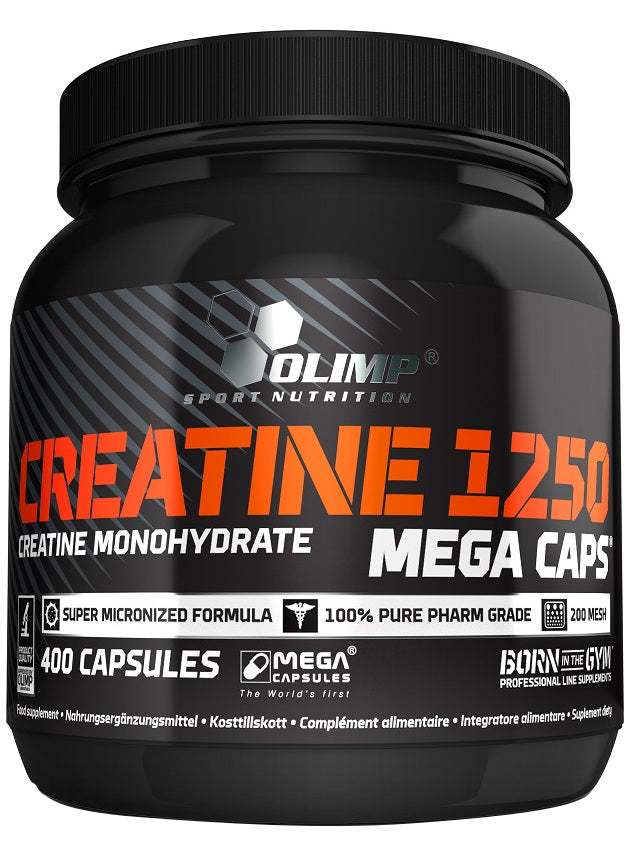
There is no confirmed evidence that he does. Creatine is common in professional football and is one of the best-supported supplements in sports science, but attributing it to Ronaldo specifically would be speculation.
No specific brand has been confirmed. He is a Herbalife partner, so their protein products are the most plausible association, but this reflects a commercial relationship rather than a disclosed preference.
He is reported to eat six smaller meals daily, roughly every two to four hours, prepared by a personal chef and centred on fish, chicken, eggs, vegetables and wholegrains.
No. Controlled studies show that when total calories are equal, meal frequency does not meaningfully change total energy expenditure. The real benefits are more even protein distribution and easier consumption of a very high calorie requirement.
This claim is disputed by the source it is attributed to. Sleep coach Nick Littlehales has publicly described the reports as a misunderstanding and called them fake news. His actual R90 method involves thinking in sleep cycles across a week and using short daytime recovery periods, not replacing night-time sleep with naps.
You can copy the principles — test before supplementing, prioritise sleep and protein, keep the routine small and consistent — but copying the products will not replicate his results. His routine is calibrated to three to four hours of daily professional training and constant medical monitoring.
Most mainstream supplements are safe for healthy adults at labelled doses. The main risks are contamination, interactions with prescription medication, and excessive doses of fat-soluble vitamins. If you compete under an anti-doping code, use only batch-tested products.
Bioniq creates individualised daily formulas from blood biomarker data and a health questionnaire, delivering nutrients on a prebiotic granule base. In 2026 it was acquired by Herbalife. The underlying principle — testing before supplementing — is sound. Whether a premium personalised service justifies its cost over a targeted, tested routine depends on the individual.
According to the IOC consensus statement, only a short list has established direct performance benefits: caffeine, creatine, nitrate, beta-alanine and sodium bicarbonate. Most other supplements support health or correct deficiencies rather than directly enhancing performance.
Dr Zeeshan Afzal (MBBS) is a qualified medical doctor and Medical Officer at Welzo, where he reviews clinical and nutritional content for accuracy. This article was researched from primary reporting and peer-reviewed literature; where claims about Cristiano Ronaldo could not be verified against a primary source, they are explicitly labelled as reported rather than confirmed.
Disclaimer: This article is for informational purposes and does not constitute medical advice. Food supplements should not replace a varied, balanced diet and healthy lifestyle. Consult your GP or pharmacist before starting any new supplement, particularly if you are pregnant, breastfeeding, taking prescription medication or managing a health condition. Cristiano Ronaldo is not affiliated with Welzo and does not endorse any product mentioned.
 Valutazione eccellente da 26,523+ recensioni
 Garanzia di rimborso al 100%
La nostra garanzia di rimborso ti assicura di ricevere i tuoi articoli o di ottenere un rimborso completo.