

 Instagram


What Supplements Does Tom Brady Take? A Doctor's Full Breakdown


Related products

Written by Dr Zeeshan Afzal (MBBS) — Medical Content Reviewer, Welzo. View author profile.
Last clinically reviewed: August 2026 · Reading time: approximately 14 minutes
Declared interest: Welzo sells supplements and at-home blood tests. This article is editorial, is not sponsored by any supplement brand, and has no commercial relationship with Tom Brady, TB12 or NOBULL. Product mentions appear only where they are genuinely relevant, and the evidence is reported as it stands — including where it is weak.
Evidence standard: Every dose, claim and statistic below is referenced to a named clinical trial, systematic review, public health body or a directly attributable public statement from Tom Brady. Full sources are listed at the end.
Quick answer
Tom Brady takes a broad daily supplement routine built around electrolytes, a multivitamin, vitamin D, a B-complex, omega-3 fish oil, plant-based protein, a probiotic and an antioxidant blend, with additional situational products for focus, pre-training and overnight recovery. He described this core list himself in his 2017 book The TB12 Method. Of that stack, only three components have strong evidence in healthy adults: protein for muscle mass alongside resistance training, vitamin D where intake or blood levels are low, and electrolytes during heavy sweating. Most of the rest sits between moderate and insufficient. Brady also owned the company that sold most of these products, which is a material conflict of interest a reader should weigh.
Table of contents
- Who is Tom Brady?
- What supplements does Tom Brady take?
- Complete daily supplement stack
- Why he takes each supplement
- Diet and nutrition habits
- Exercise and lifestyle routine
- The scientific evidence behind his stack
- Risks, limitations and confirmed versus reported
- How to build a similar routine
- Related Welzo supplements and guides
- Frequently asked questions
- References
Who Is Tom Brady?
Tom Brady is a retired American football quarterback, widely regarded as the most decorated player in NFL history. He won seven Super Bowls across 23 professional seasons, retired after the 2022 season, and now works as Fox Sports' lead NFL analyst while holding a minority ownership stake in the Las Vegas Raiders. He turned 49 in August 2026.
His relevance to a supplement article is not the football. It is that he built an entire second career on the claim that a specific nutrition, hydration and training system extended his playing life into his mid-forties, an age at which almost every quarterback before him had retired.
The TB12 Method and where it stands in 2026
Brady co-founded TB12 in 2013 with his long-time trainer Alex Guerrero. The brand sold supplements, hydration products, resistance training equipment and nutrition guides, and operated body-coaching centres in Foxborough, Boston, New York, Los Angeles and Tampa. In 2017 he published The TB12 Method, which set out the diet, hydration and "pliability" system in full.
An important update that most articles on this topic have not caught up with: TB12 no longer exists as a standalone brand. Brady merged TB12 with the activewear company NOBULL in 2024, becoming its second-largest shareholder, and in January 2026 announced the brand was closing. Writing to subscribers, he said TB12 was "winding down" and that his focus was shifting to NOBULL Nutrition. All TB12 centres have now closed.
This matters for anyone researching his routine in 2026. The specific products described below are being discontinued or reformulated under a different brand. What remains useful is the underlying framework and the ingredients — not the branded bottles.
The conflict of interest you should hold in mind
Throughout the period Brady was publicly describing his supplement routine, he was the owner and public face of the company selling those exact supplements. That does not make his statements untrue. It does mean they are marketing as well as testimony, and they should be weighed differently from, say, a coach's account of what an athlete takes.
What Supplements Does Tom Brady Take?
The most direct source is Brady himself. In The TB12 Method, he listed his daily routine as electrolytes and trace mineral drops alongside a multivitamin, vitamin D, a vitamin B complex, an antioxidant, fish oil, protein powder and a probiotic. That list was reported by BuzzFeed News in its 2017 review of the book and has been the anchor for essentially every subsequent account.
How we know what is in the stack
Information about the routine comes from four tiers of source, and they are not equally reliable:
- Brady's own book and interviews — the strongest evidence for what he takes, though not for whether it works.
- TB12 product labels — reliable for ingredient identity and per-serving amounts, since supplement facts panels are regulated. These tell us what a serving contained, not how many servings Brady took.
- Brady's social media and promotional video — reliable for attribution, but explicitly commercial.
- Third-party fitness and supplement blogs — the least reliable tier. Much of the specific dosing circulating online is inferred from label serving sizes rather than stated by Brady, and is often reproduced without that caveat.
Where a figure below comes from a label rather than from Brady, the table says so. This distinction is the single most common failure in articles on celebrity supplement routines.
Complete Daily Supplement Stack
The table below sets out the full publicly documented routine. Read the evidence column carefully — it refers to the evidence for the ingredient in the general adult population, not to any evidence that Brady's specific combination produces the outcomes he attributes to it.
| Supplement | Dose (and source of the figure) | Timing | Stated purpose | Evidence level |
|---|---|---|---|---|
| Electrolytes (sodium, potassium, magnesium, chloride) | Not disclosed by Brady. Book describes roughly 20 oz of electrolyte water on waking, then electrolytes through the day | On waking, around training, through the day | Hydration, muscle function, cramp prevention | Strong during heavy sweating; weak for sedentary daily use |
| Multivitamin | Not disclosed. Label serving was 3 capsules daily | Morning, with food | Fill dietary gaps | Moderate for correcting deficiency; weak for disease prevention |
| Vitamin D | Not disclosed by Brady | Morning, with a fat-containing meal | Bone, muscle and immune function | Strong for deficiency correction; weak for cardiovascular or cancer prevention |
| Vitamin B complex | Not disclosed | Morning | Energy metabolism | Strong if deficient (B12, folate); weak otherwise |
| Omega-3 fish oil (EPA and DHA) | Not disclosed by Brady. Reported at approximately 1,000 mg combined EPA and DHA daily, consistent with label serving | With a meal | Brain, heart and joint health | Moderate — triglyceride lowering strong, broad prevention weak |
| Plant-based protein powder | Not disclosed. Typical label serving 20–24 g protein | Post-training or in a morning smoothie | Muscle repair and maintenance | Strong, alongside resistance training |
| Probiotic | Not disclosed | Daily | Digestion, nutrient absorption | Moderate and strain-specific; weak as a general daily supplement |
| Antioxidant / immunity blend (vitamin C, elderberry, larch arabinogalactan) | Not disclosed. Sold as a 30-day supply | Daily | Immune support | Weak to moderate; vitamin C best studied |
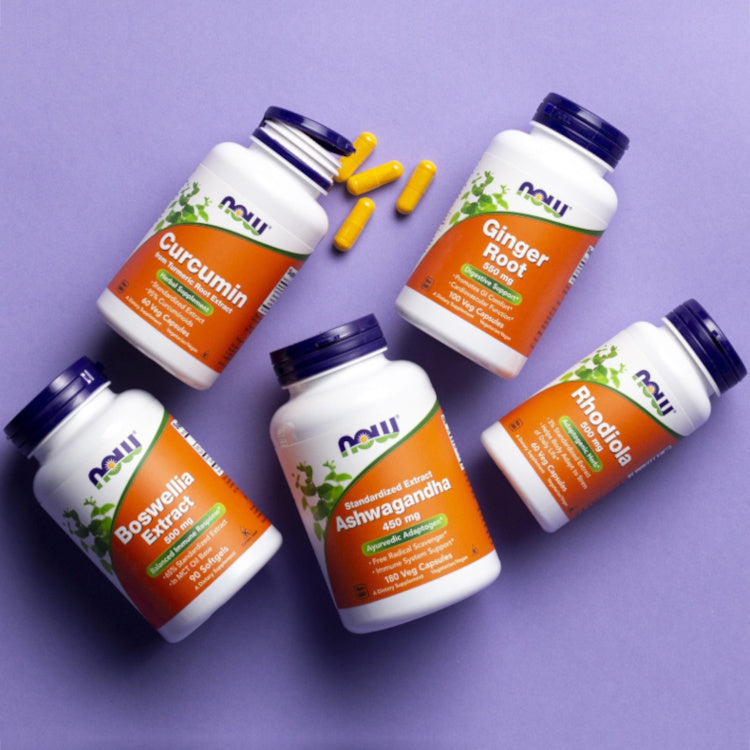
| Overnight recovery blend (tart cherry, curcuminoids, boswellia, eggshell membrane) | Not disclosed by Brady. Label indicated 450 mg eggshell membrane per serving | Before bed | Sleep quality and recovery | Moderate for soreness; mixed and inconsistent for sleep |
| Focus blend (acetyl-L-carnitine, alpha-lipoic acid, biotin) | Not disclosed | Morning or before mentally demanding work | Cognitive clarity, mitochondrial function | Weak in healthy adults |
| Stimulant-free pre-workout (L-citrulline, inositol-stabilised arginine silicate, beetroot, red spinach, maca) | Not disclosed. Label carried clinical-range citrulline and beetroot doses | Before training | Blood flow, training output | Moderate for citrulline and nitrates in endurance contexts |
| Trace mineral drops | Not disclosed | Added to water | Mineral replacement | Insufficient |
How to read the evidence column
Strong means multiple randomised controlled trials or high-quality meta-analyses show a consistent, clinically meaningful effect. Moderate means the effect is real but small, inconsistent across populations, or limited to a specific context. Weak means trials are small, conflicting, or show benefit only in deficient individuals. Insufficient means there is not enough human data to grade at all.
Why Tom Brady Takes Each Supplement
Electrolytes and hydration
Hydration is the load-bearing pillar of the TB12 system. Brady's protocol involves drinking at least half your body weight in ounces of water daily, adding electrolytes, and starting the day with around 20 oz of electrolyte water before eating.
The physiology behind electrolyte replacement during prolonged, heavy sweating is well established, and for an NFL quarterback training in Florida summer heat, it is entirely defensible. The problem is the extrapolation to everyone else. Sodium, potassium and magnesium losses in a sedentary adult who has not sweated meaningfully are small enough that a normal diet covers them. Adding electrolytes on top does not improve anything, and in people with high blood pressure, kidney impairment or those taking potassium-sparing diuretics or ACE inhibitors, routine potassium and sodium loading is a genuine clinical consideration rather than a theoretical one.
The TB12 hydration chapter also contains claims that are not supported. Brady credits his water intake with preventing sunburn. There is no mechanism by which oral hydration provides ultraviolet protection, and dietitians reviewing the book have repeatedly flagged this specific claim.
Multivitamin and vitamin B complex
Brady's stated reasoning is straightforward gap-filling — covering what the diet might miss. That is the most defensible argument for a multivitamin, and it is a reasonable one for anyone on a restrictive diet, which his is.
What a multivitamin does not do is prevent cardiovascular disease or cancer in well-nourished adults. That question has been tested repeatedly and the answer has been consistently null.
Vitamin D
This is one of the better-justified items in the stack, particularly for a UK reader. Vitamin D is required for calcium regulation, bone mineralisation and normal muscle function, and it cannot be obtained from UK sunlight for roughly half the year. NHS guidance is that everyone should consider a daily supplement containing 10 micrograms (400 IU) of vitamin D during autumn and winter, with some groups advised to take it year-round.
What vitamin D does not appear to do is prevent major disease in people who are already replete. The VITAL trial randomised 25,871 adults to 2,000 IU of vitamin D3 daily or placebo for a median of 5.3 years and found no reduction in either invasive cancer or major cardiovascular events. Correcting a deficiency is valuable. Taking high doses when you are not deficient is not.
Omega-3 fatty acids
Brady has publicly credited omega-3s with supporting brain, heart and joint health. The evidence is more nuanced than that framing suggests. In the same VITAL trial, 1 g daily of marine omega-3 did not reduce major cardiovascular events or cancer. A secondary endpoint showed a reduction in myocardial infarction, with the largest signal in participants who ate little fish — a finding the investigators themselves described as exploratory.
The practical reading: omega-3 supplementation is most likely to help people whose oily fish intake is low. If you eat two portions of oily fish weekly, the marginal benefit is small. If you eat none, it is a reasonable gap to close. Our omega-3 collection sets out EPA and DHA content per serving, which is the figure that matters rather than total oil weight.
Plant-based protein
This is the strongest-evidence item in the entire stack. The largest meta-analysis on the question pooled 49 randomised controlled trials and 1,863 participants and found that protein supplementation significantly increased gains in fat-free mass and one-repetition-maximum strength during resistance training. Critically, it also identified a ceiling: intakes beyond roughly 1.62 g per kg of body weight per day produced no further gains.
Two implications follow. First, protein powder is a convenience format for hitting a target, not a magic ingredient — the analysis found protein type made no significant difference. Second, if you are already hitting 1.6 g/kg from food, adding a shake will not do anything for muscle mass.
Probiotics
Probiotic effects are strain-specific and condition-specific. There is reasonable evidence for particular strains in particular scenarios — antibiotic-associated diarrhoea, for instance. There is much weaker evidence that a general-purpose daily probiotic improves digestion or nutrient absorption in a healthy adult, which is the claim attached to this part of the stack.
Overnight recovery blend
Brady has said the recovery formula gives him restful sleep. The ingredients each have a plausible rationale and a genuinely mixed literature.
Tart cherry has the most data. A systematic review and meta-analysis of 14 studies found a small beneficial effect on muscle soreness and moderate effects on strength and power recovery. But a 2026 evidence-informed review concluded tart cherry is best understood as a context-dependent adjunct during periods of high recovery pressure rather than a universal daily intervention, noting several null trials and raising the theoretical concern that chronic high-dose antioxidant intake may blunt training adaptations. The review also flagged potential sponsorship bias in the literature.
That last point deserves emphasis. Antioxidants taken habitually around training are not straightforwardly good — the oxidative stress of exercise is part of the adaptive signal.
Focus blend and pre-workout
The focus formula combines acetyl-L-carnitine, alpha-lipoic acid and biotin. Evidence for cognitive benefit in healthy, non-deficient adults is weak. Biotin in particular has a specific practical problem: high-dose biotin interferes with a range of laboratory immunoassays, including thyroid function and troponin tests, and can produce clinically misleading results. Anyone taking a high-dose biotin product should tell their doctor before blood tests.
The pre-workout is the most conventionally evidence-based product in the range. L-citrulline and dietary nitrates from beetroot have reasonable support for improving blood flow and endurance performance, and the formula carried doses in the studied range rather than the token amounts common in the category.
Diet and Nutrition Habits
The 80/20 framework
The TB12 diet is roughly 80% plants — organic vegetables, fruits, whole grains, nuts, seeds and legumes — with the remaining 20% from lean grass-fed meat and wild-caught fish. Meals are largely whole-food and minimally processed, added sugar and refined carbohydrate are restricted, and processed and cured meats are avoided.
Stripped of the branding, that is close to what most dietary guidelines recommend, and it is the part of the system with the firmest footing.
What he avoids, and whether the reasoning holds
The restriction list is long: dairy, gluten, caffeine, alcohol, most oils, iodised salt, white sugar and flour, MSG, and nightshade vegetables including tomatoes, peppers, aubergine and white potatoes. The stated rationale for much of it is "alkalising" the body and reducing inflammation.
Two problems here. The alkaline framework is not physiologically sound — blood pH is tightly regulated by the lungs and kidneys within a narrow range, and diet does not meaningfully shift it. And the nightshade claim does not hold up. Speaking to Healthline, sports dietitian Nicole Feneli, RD, CSSD noted there is "little to no research" connecting the alkaloids in nightshades to inflammation. Later versions of the TB12 shopping list reintroduced tomatoes and peppers, which rather makes the point.
Broad elimination also carries a cost. Cutting dairy removes a major source of calcium, iodine and vitamin D. Cutting gluten unnecessarily tends to reduce fibre and several B vitamins. Restriction that isn't clinically indicated creates gaps that then need supplements to fill — which is a circular argument for the supplement stack.
Hydration protocol
Beyond volume, the protocol includes rules on timing: water 30 minutes before meals, and not with or shortly after eating, on the basis that it dilutes digestive enzymes. There is no good evidence for this. Drinking water with meals does not impair digestion or nutrient absorption in healthy people.
The expert view on supplements in general
Reviewing the book for BuzzFeed News, Mayo Clinic dietitian Katherine Zeratsky framed the starting question as "Is there any way I can change what I eat" so that a supplement becomes unnecessary. That is the right sequence, and it is the one this article recommends.
Exercise and Lifestyle Routine
Pliability training
The central and most contested idea in the TB12 system is "pliability" — targeted deep-force muscle work, delivered by a trainer or with vibrating spheres and rollers, intended to keep muscles long, soft and resilient rather than short and dense.
It is worth being precise here. Pliability is Brady's own term and is not an established concept in exercise science. Soft tissue work and foam rolling have modest evidence for short-term range of motion and perceived soreness. There is no controlled evidence that pliability work prevents injury or extends an athletic career.
Resistance bands over heavy loading
Brady's training shifted substantially away from heavy barbell work toward resistance bands, bodyweight movement and high-repetition work. For his sport, position and age, that is a rational trade — he needed rotational power and durability, not maximal squat strength.
For a general reader, this is one of the least transferable parts of the system. Progressive resistance training with meaningful load remains the best-evidenced intervention for preserving muscle mass and bone density with age.
Sleep and circadian habits
Brady has consistently described early bedtimes, long sleep duration and avoiding food within roughly three hours of sleeping. Of everything in the TB12 system, this is arguably the highest-value and lowest-cost element, and it is the one that gets the least attention because there is nothing to sell alongside it.
The Scientific Evidence Behind Tom Brady's Stack
What is genuinely well supported
- Protein alongside resistance training — replicated across 49 RCTs, with a defined ceiling around 1.6 g/kg/day.
- Vitamin D where status is low — established for bone and muscle health, and a genuine seasonal gap in the UK.
- Electrolytes during prolonged heavy sweating — sound physiology, in that specific context.
- A predominantly whole-food, plant-forward diet — the best-evidenced component of the entire method.
What is moderate or context-dependent
- Omega-3 — most likely to help those with low oily fish intake; null for broad primary prevention in VITAL.
- Tart cherry — small to moderate effects on soreness and strength recovery, best used tactically rather than continuously.
- Citrulline and dietary nitrates — reasonable performance evidence at clinical doses.
- Multivitamins — useful for gap-filling on restrictive diets, not for disease prevention.
What is weak or unsupported
- The alkaline diet premise and blood pH modification.
- Nightshade avoidance for inflammation in people without a specific sensitivity.
- Water timing rules around meals.
- Hydration as sunburn protection.
- Nootropic blends for cognition in healthy adults.
- Trace mineral drops.
The limitation that applies to the whole stack
No trial has ever tested this combination of supplements against placebo, in any population, for any outcome. Every evidence statement above is about individual ingredients studied in isolation. Brady's career longevity is a single observation in a single individual with elite genetics, world-class medical support, enormous financial resources and a position that is less physically punishing than most. It cannot be attributed to a supplement stack, and no honest reading of the evidence allows it to be.
Risks, Limitations, and What Is Confirmed Versus Reported
Confirmed by Brady directly
- The core list — electrolytes, trace minerals, multivitamin, vitamin D, B complex, antioxidant, fish oil, protein, probiotic — stated in his own book.
- That he took his own company's products.
- That he used the overnight recovery formula and attributed sleep quality to it.
- That TB12 is winding down and his focus has moved to NOBULL Nutrition.
Reported, inferred, or unverified
- Nearly all specific doses. Brady has not published a dosing schedule. Figures circulating online are almost always label serving sizes presented as if they were his intake.
- Whether the routine remained constant across seasons, or shifted after retirement. His current needs, training substantially less, are plainly lower.
- Whether he took every listed product every day.
Safety considerations before copying any of this
This is the section most celebrity supplement articles omit, and it is the one that matters most.
- Omega-3, curcumin and boswellia may all affect platelet function or bleeding risk. Anyone on warfarin, a DOAC, or antiplatelet therapy should not add these without medical advice, and should stop before planned surgery on their surgeon's instruction.
- Curcumin inhibits several cytochrome P450 enzymes and can alter the metabolism of a range of medicines.
- Electrolyte products require caution in hypertension, heart failure, chronic kidney disease, and with potassium-sparing diuretics, ACE inhibitors or ARBs.
- Vitamin D is fat-soluble and accumulates. Do not stack a multivitamin, a standalone vitamin D product and a fortified protein powder without adding up the total. Sustained high intake can cause hypercalcaemia.
- High-dose biotin interferes with common laboratory immunoassays including thyroid and cardiac troponin testing. Tell your doctor before blood tests.
- Probiotics warrant caution in significant immunosuppression, central venous lines or critical illness.
- Competitive athletes should use only products certified by a third-party programme such as Informed Sport or NSF Certified for Sport. Contamination of unregulated supplements with banned substances is a documented and career-ending risk.
- Cost. Twelve products is an expensive routine with, on the evidence above, a small number of components doing most of the work.
Survivorship bias
The most important limitation is structural. We know Brady's routine because he succeeded. We do not know the routines of the thousands of equally dedicated athletes who followed similar protocols and did not have twenty-three-year careers, because nobody wrote a book about them. A regimen selected on the outcome tells you nothing reliable about whether the regimen caused the outcome.
How to Build a Similar Supplement Routine
If the goal is durability, recovery and healthy ageing rather than imitating a brand, here is a defensible version built from the same principles.
Step one: test rather than guess
The most expensive mistake in supplementation is paying every month for something you were never short of. A minimal, evidence-led approach starts with knowing your baseline — vitamin D status, ferritin, B12 and thyroid function explain far more everyday fatigue than any supplement will fix.
Step two: build the core
| Component | Typical adult dose | Timing | Why it earns a place |
|---|---|---|---|
| Vitamin D3 | 10 µg (400 IU) daily, per NHS guidance; higher only if advised after testing | Morning, with a fat-containing meal | Genuine UK seasonal gap |
| Omega-3 (EPA + DHA) | Check EPA and DHA per serving, not total oil | With a meal | Only if oily fish intake is low |
| Protein | Enough total daily protein to reach roughly 1.6 g/kg if resistance training | Spread across the day | Best-evidenced item in the stack |
| Electrolytes | Only around prolonged or heavy sweating | During and after training | Contextual, not daily |
Step three: add only with a reason
Magnesium if intake is low or sleep and muscle cramps are an issue. A probiotic for a specific indication with a strain that has been studied for it. Tart cherry tactically during a congested training block rather than year-round. A multivitamin if your diet is genuinely restricted.
Step four: skip what does not earn its place
Trace mineral drops, general nootropic blends, and anything sold on the alkaline premise. If a product's marketing rests on a mechanism that is not physiologically real, the product is unlikely to be doing what it claims.
Whatever you buy, know how to verify it. Our guide to reading a certificate of analysis explains what a manufacturer should be able to show you, because evidence for an ingredient is worthless if the capsule does not contain it.
Related Welzo Supplements and Guides
Where these are genuinely relevant to the components above:
- Vitamin D supplements — D3 capsules, sprays, vegan lichen-derived D3 and D3 + K2 formulations.
- Omega-3 supplements — with EPA and DHA content stated per serving.
- Electrolyte supplements — powders, effervescent tablets and sachets for training and heavy sweating.
- Sports supplements — protein, creatine and recovery products.
- Vegan and plant-based supplements — the closest equivalent to Brady's plant-protein approach.
- All vitamins and supplements — the full range.
Further reading from our clinical team:
- Supplements for busy professionals: a minimal stack
- Building a longevity routine from scratch, week by week
- How to lower your biological age naturally
- The Welzo Health Hub
Frequently Asked Questions
What supplements does Tom Brady take every day?
In The TB12 Method, Brady listed electrolytes, trace mineral drops, a multivitamin, vitamin D, a vitamin B complex, an antioxidant, fish oil, protein powder and a probiotic as his daily routine. He has additionally described using a focus formula, a stimulant-free pre-workout and an overnight recovery blend containing tart cherry, curcuminoids, boswellia and eggshell membrane.
How much omega-3 does Tom Brady take?
Brady has not published a dose. Reports of approximately 1,000 mg of combined EPA and DHA daily reflect the serving size on the TB12 Omega label rather than a figure he has stated. Treat any specific dose attributed to him as an inference from a product label.
Does Tom Brady take creatine?
There is no public statement from Brady that he takes creatine, and it did not feature in his book or product line. This is notable, because creatine monohydrate has stronger and more consistent evidence for strength, lean mass and cognitive performance than most of what was in the TB12 range.
Does Tom Brady take NMN or other longevity supplements?
No. Brady has not publicly reported taking NMN, NR, resveratrol or other NAD-precursor longevity compounds. His approach was built around performance, recovery and anti-inflammatory nutrition rather than the biological-ageing supplement category.
What are TB12 electrolytes and what is in them?
TB12 Electrolytes was a concentrate containing magnesium, chloride, sodium and potassium, without added sugar or calories, added to water in the morning and around training. TB12 as a brand wound down in January 2026, so the product is being discontinued.
Is the Tom Brady diet actually healthy?
Partly. The whole-food, plant-forward, low-added-sugar foundation aligns with mainstream dietary guidance and is likely beneficial. The alkaline framework, nightshade avoidance, water-timing rules and blanket dairy and gluten elimination are not supported by evidence and can create nutritional gaps, particularly in calcium, iodine and fibre.
Can I take Tom Brady's supplement stack if I am on medication?
Not without checking first. Omega-3, curcumin and boswellia can affect bleeding risk and interact with anticoagulants and antiplatelet drugs. Curcumin alters the metabolism of several medicines. Electrolyte products need care in hypertension, heart failure and kidney disease. Speak to your GP or pharmacist before starting, particularly if you take prescription medication.
Which of Tom Brady's supplements has the strongest evidence?
Protein. A meta-analysis of 49 randomised controlled trials found protein supplementation meaningfully increased fat-free mass and strength during resistance training, with benefit plateauing at around 1.62 g per kg of body weight per day. Vitamin D for people with low status ranks second.
Did supplements cause Tom Brady's career longevity?
There is no evidence that they did, and it is not a claim the available data can support. His career is a single case, and the contributions of genetics, elite medical support, playing position, training and sleep cannot be separated from supplementation. No trial has tested this stack against placebo for any outcome.
What happened to TB12 supplements?
Brady merged TB12 with the activewear brand NOBULL in 2024, becoming its second-largest shareholder. In January 2026 he announced TB12 was winding down and that he was moving his focus to NOBULL Nutrition. All TB12 physical locations have closed.
References
- Brady T. The TB12 Method: How to Achieve a Lifetime of Sustained Peak Performance. Simon & Schuster; 2017.
- Wong V. The secrets to being Tom Brady are pricey supplements, no tomatoes or fries. BuzzFeed News, 2017. Link
- Morton RW, Murphy KT, McKellar SR, et al. A systematic review, meta-analysis and meta-regression of the effect of protein supplementation on resistance training-induced gains in muscle mass and strength in healthy adults. Br J Sports Med. 2018;52(6):376–384. doi:10.1136/bjsports-2017-097608. PubMed
- Manson JE, Cook NR, Lee IM, et al. Vitamin D supplements and prevention of cancer and cardiovascular disease. N Engl J Med. 2019;380(1):33–44. doi:10.1056/NEJMoa1809944. PubMed
- Manson JE, Cook NR, Lee IM, et al. Marine n−3 fatty acids and prevention of cardiovascular disease and cancer. N Engl J Med. 2019;380(1):23–32. doi:10.1056/NEJMoa1811403. NEJM
- Tart cherry supplementation for exercise recovery: an evidence-informed narrative review and applied monitoring framework. 2026. PubMed
- NHS. Vitamin D. nhs.uk
- Healthline. Tom Brady diet: the TB12 Method reviewed — including commentary from Nicole Feneli, RD, CSSD. Link
- TODAY. What is the TB12 diet? A dietitian explains whether Tom Brady's nutrition plan is healthy. Link
- Bird H. Tom Brady says TB12 is winding down in email update to subscribers. Boston.com, January 2026. Link
- Athletech News. Tom Brady pulls plug on TB12, pivoting to NOBULL Nutrition. January 2026. Link
Medical Disclaimer
This article is for general education and is not a substitute for personalised medical advice. It describes a public figure's publicly reported routine and is not an endorsement of it. Always consult a qualified healthcare professional before starting, stopping or combining supplements, particularly if you take prescription medication, have a medical condition, or are pregnant or breastfeeding. If you experience an adverse reaction to any supplement, stop taking it and seek medical advice. Welzo sells supplements and blood tests; see our editorial policy for how we research and fact-check content.


 Beoordeeld uitstekend door 26,523+ beoordelingen
 100% geld -terug -garantie