





Candida Overgrowth UK: Symptoms, Evidence and Best Supplements
Posted on:
Aug 05, 2026
Authored by


Written and medically reviewed by Dr Zeeshan Afzal (MBBS) — Medical Doctor & Medical Content Lead, Welzo
Evidence-based · Honest about what's proven and what isn't · UK-focused
Last updated: January 2026 · Reading time: ~15 minutes
Few topics in digestive health generate as much confusion as "candida overgrowth." Search online and you'll find long symptom checklists, strict anti-candida diets and a whole aisle of gut health supplements sold as antifungal cures for everything from bloating to brain fog. Some of that reflects genuine, treatable conditions — but a lot of it rests on claims that mainstream medicine simply doesn't support.
This doctor-reviewed guide separates the two. I'll explain what candida actually is, which candida-related conditions are real and diagnosable, what the evidence says about the popular idea of a chronic body-wide "candida syndrome," and where supplements genuinely fit. The goal is to help you take your symptoms seriously and avoid being misled — because feeling unwell is real even when a fashionable label isn't the right explanation.
The short version: Candida is a normal yeast that lives in most healthy bodies. Genuine candida infections — oral and vaginal thrush, and, more seriously, invasive candidiasis — are real and treatable. Fungal overgrowth in the gut (SIFO) is an emerging, recognised concept. But the popular idea of a chronic, whole-body "candida overgrowth" causing vague fatigue and brain fog is not an established diagnosis, and antifungal treatment didn't beat placebo for those symptoms in a rigorous trial. Explore Welzo's gut health range, and get persistent symptoms properly assessed.

Table of contents
Candida is a genus of yeast, and Candida albicans is the most familiar species. Crucially, it's a normal resident of the human body — it lives harmlessly in the mouth, gut, skin and vagina of most healthy people, kept in check by the immune system and by the community of bacteria around it. In other words, having candida isn't a problem; it's the natural state.
Trouble arises when the balance tips and candida grows or behaves in a way that causes disease. That can happen locally (thrush) or, rarely and seriously, throughout the body (invasive candidiasis). Understanding this distinction is the key to making sense of everything else, because the word "candida" gets used for very different things — some well-defined, some not.
There are several genuine, recognised candida conditions:
By contrast, the popular concept of a chronic, whole-body "candida overgrowth" or "yeast syndrome" — blamed for fatigue, brain fog, joint aches, mood changes and sugar cravings — is not an established medical diagnosis. It's usually "diagnosed" from questionnaires rather than tests. When it was put to the test, a rigorous randomised, double-blind trial found that the antifungal nystatin was no better than placebo at relieving these systemic and psychological symptoms (Dismukes et al., NEJM, 1990). That's an important reality check: the symptoms are real, but attributing them to candida — and treating them with long courses of antifungals — isn't supported by good evidence.
Symptoms depend entirely on which condition you're dealing with:
The vague, whole-body symptoms often attributed to "candida" online — persistent tiredness, brain fog, low mood, cravings — are genuinely common, but they're non-specific and have many possible causes. Pinning them on yeast without evidence risks missing conditions like iron deficiency, thyroid disorders, coeliac disease or a mood disorder. If these symptoms are affecting you, they deserve a proper work-up rather than a self-directed anti-candida programme.
Genuine candida problems tend to arise when the body's defences or microbial balance are disturbed. Common contributors include:
Reliable diagnosis depends on the condition. Thrush is usually diagnosed clinically, sometimes with a simple swab; vaginal thrush by examination and microscopy; and invasive candidiasis through blood cultures in a hospital setting. SIFO, where suspected, is best assessed with a small-bowel aspirate rather than stool testing.
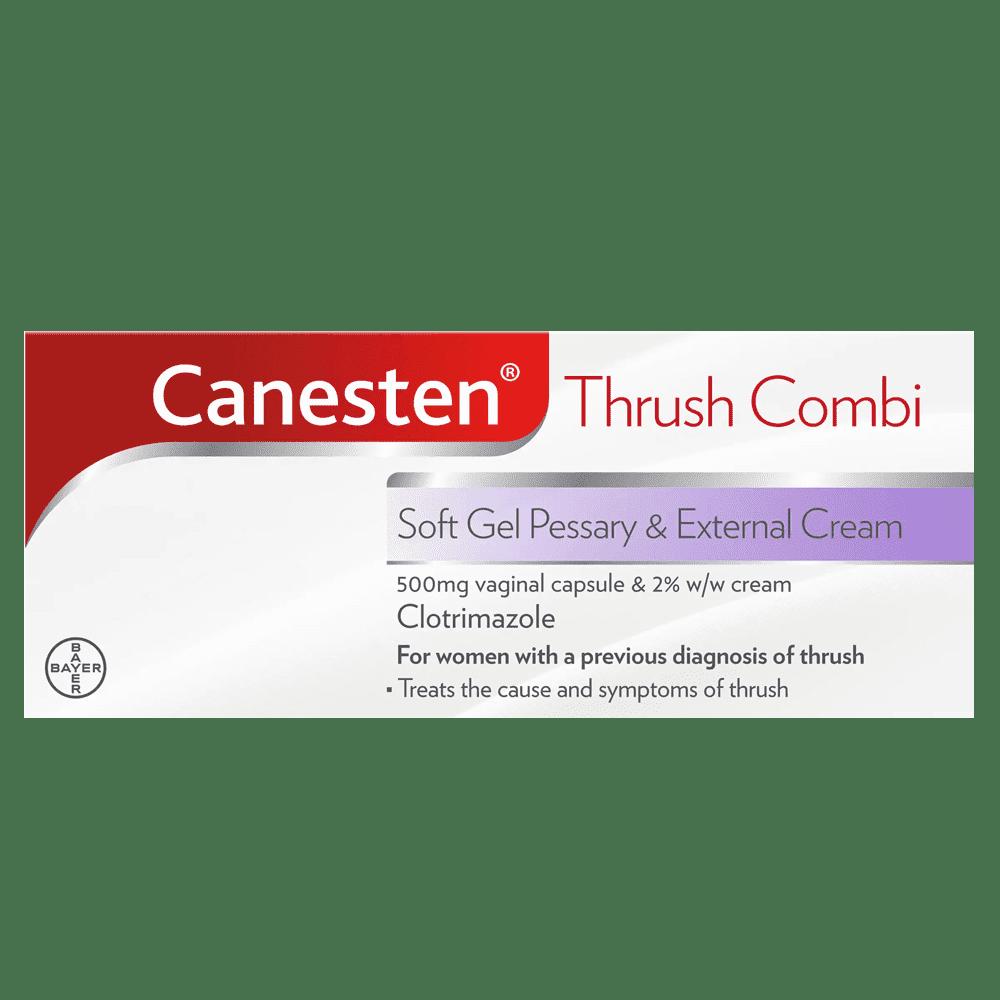
An honest starting point: for a genuine infection like thrush, the right treatment is a proven antifungal medicine (such as clotrimazole or fluconazole) from a pharmacist or GP — not a supplement. Supplements play a supporting role, mainly around gut balance, and the evidence for most is limited or preliminary. With that framing, here's where each fits.
Several plant compounds show antifungal activity against candida in laboratory studies — including berberine, caprylic acid (from coconut), oregano oil (carvacrol) and allicin from garlic. Berberine in particular is a well-studied gut botanical with antimicrobial properties, and it features in herbal protocols used for gut overgrowth. The important caveat is that most of this evidence is in vitro or preliminary rather than from large human trials, so these are best seen as adjuncts used thoughtfully — and berberine can interact with medicines, so check our note on berberine interactions first. Explore Welzo's Ultra Purity Berberine.

This is arguably the most candida-relevant supplement. S. boulardii is itself a beneficial yeast, and in laboratory and animal studies it reduces Candida albicans colonisation, adhesion and biofilm formation and lowers gut inflammation (Jawhara & Poulain, 2007). Robust human trials specifically for "candida overgrowth" are still lacking, so the evidence is promising rather than definitive. It's generally well tolerated in healthy people, though anyone immunocompromised or seriously unwell should check with a clinician first. Learn more in our guide to Saccharomyces boulardii.
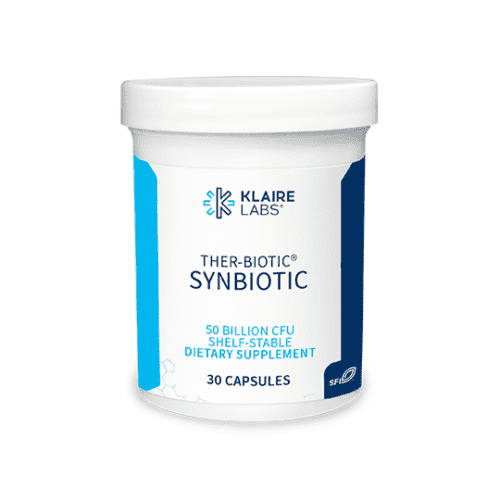
Because antibiotics and dysbiosis are common triggers, restoring a healthy bacterial community makes mechanistic sense, and some strains can compete with yeast. Probiotics aren't a cure for candida, but a well-chosen strain — especially after antibiotics — is a reasonable, low-risk part of a gut-supportive routine. Browse the Welzo probiotics collection.
This table summarises where each option fits and how strong the evidence is specifically for candida.
| Option | Role | Evidence for candida |
|---|---|---|
| Antifungal medicines | First-line for genuine thrush/infection | Strong (proven) |
| Berberine & botanicals | Adjunct for gut overgrowth | Limited (mostly in vitro) |
| Saccharomyces boulardii | May reduce candida colonisation | Emerging (preclinical) |
| Probiotics | Restore balance, esp. after antibiotics | Supportive |
| Antifungal supplements for "systemic candida" | Claimed cure for vague symptoms | Not supported |
Supplements should complement proper diagnosis and treatment, not replace it. Persistent symptoms need medical review.
The "candida diet" typically cuts sugar, refined carbohydrates, yeast, alcohol and sometimes fermented foods, on the theory of "starving" the yeast. The honest position is that there's little robust human evidence that this specific diet treats candida, and very restrictive versions can be hard to sustain and nutritionally limiting.
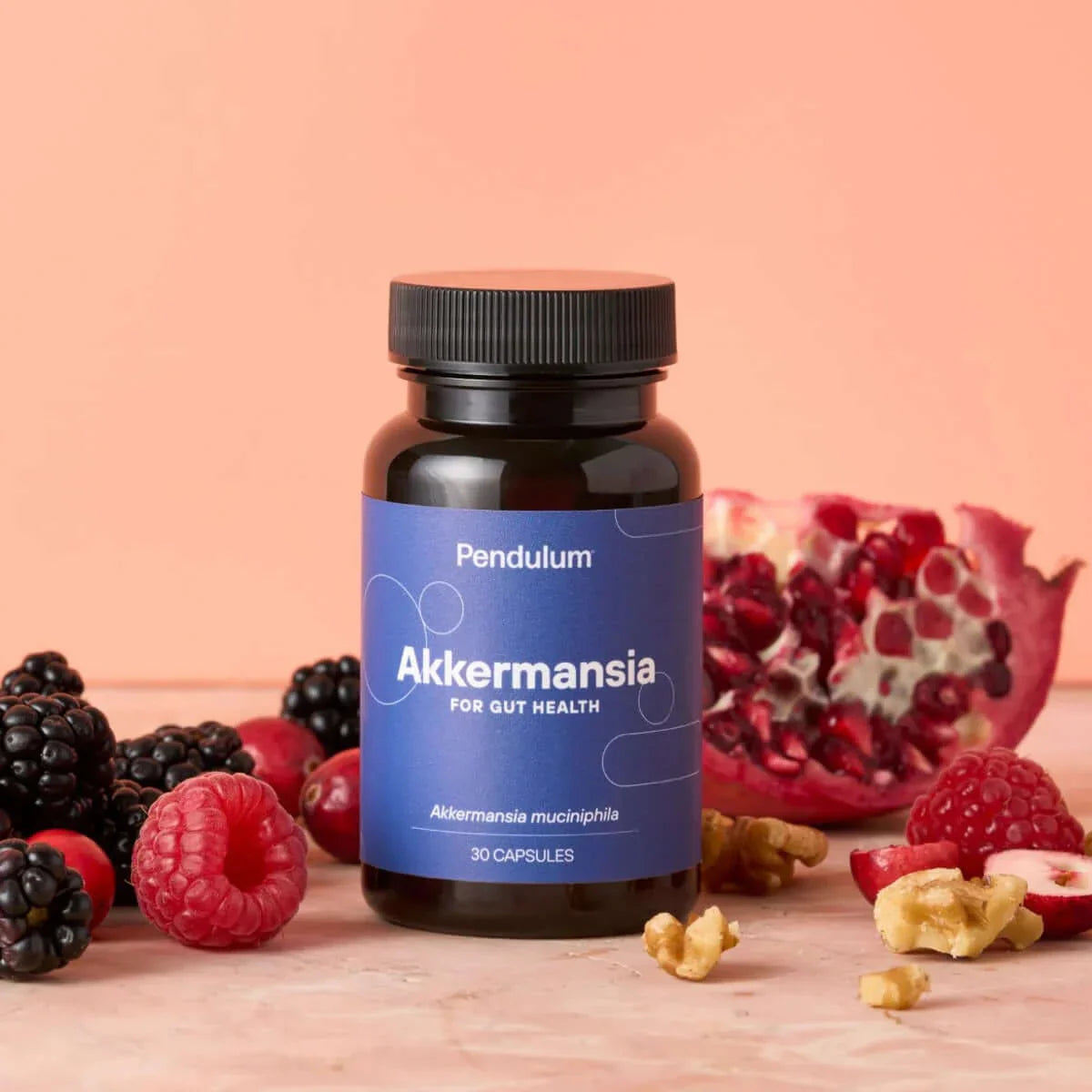
That said, some of its general principles are simply sensible eating: reducing excessive added sugar and ultra-processed food, and building a varied, plant-rich diet, supports overall gut health regardless of candida. Prebiotic fibres such as modified citrus pectin and beneficial species like Akkermansia are studied for microbiome health, though neither is a candida treatment. If you're drawn to an elimination approach, doing it briefly and ideally with a dietitian is safer than long-term self-restriction. And remember that symptoms blamed on candida often reflect something else entirely — bile-related digestive problems, for instance, involve different pathways, and options like TUDCA target bile flow rather than yeast.
Candida sits in a space where self-treatment is common but not always wise. A few safety points: treat genuine thrush with proven antifungals rather than supplements alone, don't take repeated or long courses of antifungals or potent botanicals without oversight, and check interactions with your pharmacist. Above all, don't let a "candida" label substitute for investigating persistent symptoms.
See your GP if you have:
Get the right diagnosis first. Learn more about when to see a GP about stomach symptoms, and see NHS — Thrush in men and women.
Candida is a normal yeast in the body. "Overgrowth" refers to candida multiplying enough to cause problems — as in thrush, or fungal overgrowth in the gut (SIFO). The broader idea of a chronic, whole-body "candida syndrome" causing vague symptoms is not an established medical diagnosis and lacks strong supporting evidence.
It depends on the condition. Oral thrush causes white mouth patches and soreness; vaginal thrush causes itching and discharge; gut fungal overgrowth causes bloating, gas and indigestion. The vague whole-body symptoms often blamed on candida online — fatigue, brain fog, cravings — are real but non-specific and usually have other causes.
Genuine candida infections such as thrush and invasive candidiasis are absolutely real, and small intestinal fungal overgrowth (SIFO) is an emerging, recognised concept. However, the popular idea of a chronic systemic "candida syndrome" behind vague symptoms is not recognised as a diagnosis, and antifungal treatment for it did not outperform placebo in a rigorous trial.
Thrush is usually diagnosed clinically or with a swab, and invasive candidiasis through blood cultures. SIFO is best assessed with a small-bowel aspirate. Online candida questionnaires, stool "overgrowth" tests and IgG tests are not reliable ways to diagnose a systemic candida problem, since candida is normally present anyway.
Some botanicals — berberine, caprylic acid, oregano oil and garlic-derived allicin — show antifungal activity against candida in laboratory studies, and Saccharomyces boulardii can reduce candida colonisation in preclinical models. Human evidence is limited, so these are adjuncts rather than proven cures, and genuine infections need proper antifungal treatment.
In lab and animal studies, this beneficial yeast reduces Candida albicans colonisation, adhesion and biofilm formation, and it's generally well tolerated. Robust human trials for candida overgrowth are still lacking, so it's a promising, low-risk option to consider rather than a guaranteed treatment. Immunocompromised people should check with a clinician first.
There's little robust human evidence that the specific "candida diet" treats candida, and strict versions can be hard to sustain. However, its sensible core — cutting excess added sugar and ultra-processed food and eating a varied, plant-rich diet — supports gut health generally. If trying an elimination approach, keep it short and ideally involve a dietitian.
Yes. Antibiotics clear protective bacteria that normally keep yeast in check, which is why thrush sometimes follows a course of antibiotics. Supporting your microbiome afterwards — for example with probiotics — is a reasonable step, alongside treating any actual thrush with proven antifungals.
These symptoms are frequently attributed to candida online, but the evidence doesn't support candida as the cause in otherwise healthy people, and antifungal treatment didn't relieve them better than placebo in a controlled trial. Fatigue and brain fog have many possible causes and deserve proper assessment rather than assumption.
Yes, if you have recurrent thrush (which can signal diabetes), adult oral thrush without an obvious cause, thrush that won't clear, persistent gut symptoms, or any red-flag features. Getting the correct diagnosis matters, because many symptoms blamed on candida are caused by something else that needs its own treatment.
Medical disclaimer: This article is for general information and education only and does not constitute medical advice, diagnosis or treatment. It should not replace consultation with a qualified healthcare professional. Supplements are not intended to diagnose, treat, cure or prevent any disease. Genuine candida infections should be diagnosed and treated by a clinician; potent botanicals can interact with medication. Always seek advice from your GP, pharmacist or a suitably qualified clinician before starting new treatments, particularly if you are pregnant, breastfeeding, immunocompromised or taking other medicines.
About the author
Dr Zeeshan Afzal (MBBS) is a practising medical doctor and Welzo's Medical Content Lead. He writes and reviews Welzo's health content to ensure it is accurate, evidence-based and aligned with current UK clinical guidance, translating complex research into practical advice patients can trust.
 Ocenione doskonałe przez 28,951+ recenzji
 Gwarancja 100% zwrotu pieniędzy
Nasza gwarancja zwrotu pieniędzy zapewnia, że otrzymasz swoje przedmioty lub otrzymasz pełny zwrot pieniędzy.


