Related collections



Best Mushroom Supplements
Posted on:
Feb 11, 2026
Authored by


Mushroom supplements are now used for far more than “immune support”. In the UK, many people choose functional mushroom extracts for everyday resilience, focus, energy, gut comfort, and recovery as part of a longer-term wellness routine rather than a short-term fix.
This guide focuses on trusted, well-known mushroom supplements available on Welzo, including single-species extracts and blended formulas. If you want to browse the wider range first, explore Adaptogenic Mushroom Supplements and then come back to match the right mushroom to your goal. Further The Functional Mushroom Supplements can also meet the requirements of your health.
Mushroom supplements are concentrated formats of functional mushrooms such as lion’s mane, turkey tail, cordyceps, reishi, and maitake. Most are made as powders, capsules, tinctures, or liquid extracts using mushroom fruiting bodies, mycelium, or both.
They are typically used to provide mushroom compounds like beta-glucans and other polysaccharides, along with mushroom-specific bioactives, in a consistent daily dose. Many users choose mushrooms as a gentler, food-like supplement option rather than stimulant-heavy approaches.
Most people use mushroom supplements for one of five “everyday wellness” reasons:
Immune and seasonal resilience using turkey tail, maitake, and blended formulas.
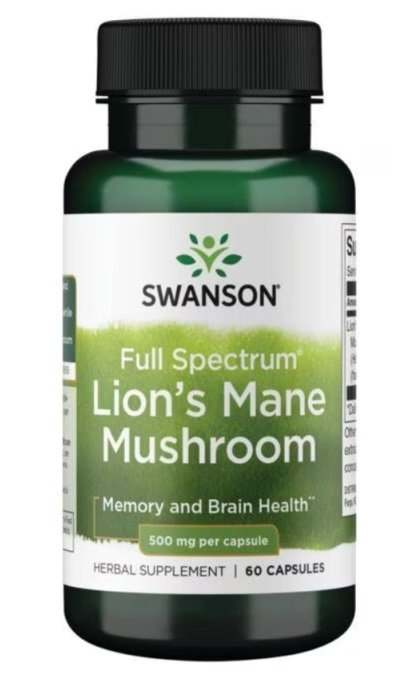
Focus, memory and mental clarity are most commonly with lion’s mane.
Energy and performance support is often provided with cordyceps.
Respiratory comfort with targeted blends designed for breathing support.
Stress balance and sleep quality, where reishi is often selected, especially in evening routines.
Best Overall: Swanson Full Spectrum Triple Mushroom Complex (60 Capsules)
Best for Cognitive Focus: Double Wood Lion’s Mane Mushroom (120 Capsules)
Best Immune-Focused Single Mushroom: The Mushroom Cooperative Reishi Capsule
Best for Energy & Performance: Swanson Cordyceps Complex with Reishi & Shiitake
Best All-Rounder Blend: Feel Supreme Mushroom Blend

| Why it’s been selected | Best overall option for daily mushroom supplementation, offering a balanced blend at an accessible price. |
| Product description | A full-spectrum blend of maitake, reishi, and shiitake designed for everyday wellness rather than short-term protocols. |
| Best for | General wellness, immune support, and first-time mushroom users. |
| Mushroom types | Maitake, Reishi, Shiitake |
| Format | Capsules |
| Pros | Balanced blend, good value, easy to use daily. |
| Cons | Not targeted to one specific outcome. |
| How to use | Take daily with food for consistency. |
| Editor’s comments | A reliable “set-and-forget” mushroom supplement that suits most people. |

| Why it’s been selected | The most focused option when mental clarity, memory, and concentration are the primary goals. |
| Product description | A single-mushroom lion’s mane supplement designed for cognition-focused routines. |
| Best for | Students, professionals, and mentally demanding work. |
| Mushroom type | Lion’s Mane |
| Format | Capsules |
| Pros | Targeted formula, easy to stack, well-known supplement format. |
| Cons | No immune or energy blend support. |
| How to use | Typically taken earlier in the day. |
| Editor’s comments | Choose this if focus and memory are the main reasons you’re buying mushrooms. |

| Why it’s been selected | Best single-mushroom option for immune resilience and stress balance. |
| Product description | A reishi-only supplement designed for long-term wellness routines. |
| Best for | Immune support, stress balance, evening-friendly use. |
| Mushroom type | Reishi |
| Format | Capsules |
| Pros | Single-ingredient clarity, traditional mushroom use. |
| Cons | Not suitable for energy or cognition goals. |
| How to use | Often taken later in the day. |
| Editor’s comments | A good choice if you specifically want reishi rather than a blend. |

| Why it’s been selected | Best suited for energy, endurance, and physically active lifestyles. |
| Product description | A cordyceps-led blend supported by reishi and shiitake. |
| Best for | Training routines, performance support, and non-stimulant energy. |
| Mushroom types | Cordyceps, Reishi, Shiitake |
| Format | Capsules |
| Pros | Performance-oriented blend, good value. |
| Cons | Less relevant for sleep or stress support. |
| How to use | Usually taken earlier in the day. |
| Editor’s comments | The strongest match for people buying mushrooms for physical output. |

| Why it’s been selected | Best all-rounder for people who want one mushroom supplement without stacking products. |
| Product description | A broad-spectrum mushroom blend designed for daily resilience and wellness. |
| Best for | Long-term daily use and simple routines. |
| Format | Capsules |
| Pros | Convenient, broad coverage, easy to maintain. |
| Cons | Less targeted than single-mushroom products. |
| How to use | Take daily with food. |
| Editor’s comments | A solid “middle-ground” option for consistent use. |
| Product | Best For | Format | Primary Focus | Quick Reason to Choose |
|---|---|---|---|---|
| Swanson Triple Mushroom Complex | Everyday wellness | Capsules | Immune & general health | Best overall balance of value and coverage |
| Double Wood Lion’s Mane | Focus & memory | Capsules | Cognitive support | Most targeted brain-focused option |
| Mushroom Cooperative Reishi | Immune & stress balance | Capsules | Immune resilience | Best single-mushroom immune option |
| Swanson Cordyceps Complex | Energy & performance | Capsules | Vitality & endurance | Best for active lifestyles |
| Feel Supreme Mushroom Blend | Daily resilience | Capsules | Multi-mushroom wellness | One-bottle convenience |
Extract-based formulas rather than “raw powder” are typically preferred because extracting helps concentrate the naturally occurring mushroom compounds people are actually buying mushrooms for, including beta-glucans and other polysaccharides.
Single-species vs blended formulas is one of the most important quality “fit” choices. Single mushrooms (like lion’s mane or cordyceps) make it easier to match a product to a goal, while blends are better suited to people who want an all-rounder without stacking multiple bottles.
Clear format choice matters for consistency. Capsules are usually easiest for daily routines, powders suit people who want flexible dosing, and liquids are best for those who dislike swallowing capsules or want an “add to water” approach.
Simple, transparent labels are a practical quality signal. Look for clear serving directions, clear mushroom names, and an ingredient list that avoids unnecessary fillers where possible.
Everyday resilience and immune support routines are the most common use case in the UK, particularly with turkey tail, maitake, and blended formulas. People often use these as part of a long-term wellness routine rather than a short-term “fix”.
Focus and mental clarity support is where lion’s mane is most often chosen. Users typically describe this as “steady support” for busy days rather than an instant, stimulant-like effect.
Energy and performance support is a common reason people choose cordyceps, especially if they want a non-caffeine option that fits training weeks, demanding schedules, or general fatigue-prone routines.
Stress balance and sleep-friendly routines is where reishi is most often used. Many people include it in evening habits when they want a calmer-feeling supplement option alongside broader lifestyle changes.
Targeted support (like respiratory comfort) is why some people choose niche blends that are positioned around breathing comfort or seasonal routines, rather than general “immune complex” products.
Mushroom supplements are usually “consistency” supplements. Most users assess them over a few weeks of daily use rather than expecting an immediate effect. If someone wants a fast, noticeable “kick”, mushrooms often feel subtler than stimulant-led products.
Mushrooms tend to suit people who want a food-like supplement that can be used consistently, especially those building a simple daily routine for wellness, focus, stress balance, or training support. They’re also popular with people who want alternatives to stimulant-heavy approaches.
To evaluate mushroom supplements fairly, we focused on how people actually use them in everyday wellness routines rather than treating them like short-term or medicinal products. Mushroom supplements are typically chosen for consistency, tolerance, and lifestyle fit rather than rapid effects.
Our evaluation combined three core areas: formulation relevance, brand credibility, and practical usability.
Formulation relevance mattered most. We assessed whether each product clearly matched a specific use case, such as focus, immune resilience, energy support, or general wellness. Products with vague positioning or unclear purpose were deprioritised.
Brand credibility and sourcing were also key. We prioritised established mushroom supplement brands with a strong track record in functional mushrooms, clear labelling, and consistent product availability in the UK.
Practical usability focused on format, dosing simplicity, and how realistically a product fits into a daily routine. Capsules, liquids, and extracts were all considered, but only where the format made sense for long-term use.
Importantly, we did not rank products based on exaggerated potency claims. Instead, we focused on products that users can realistically take consistently as part of a broader wellness routine.
After evaluation, products were ranked using criteria that reflect how mushroom supplements are typically chosen and used:
Clear purpose: Each product needed a defined role, whether that was focus, energy, immune support, or general resilience.
Appropriate formulation: Single-mushroom products were ranked for precision, while blended formulas were ranked for convenience and balance.
Format suitability: Capsules were favoured for ease of daily use, liquids for flexibility, and extracts for users who prefer specialist-style products.
Brand trust: We prioritised brands known specifically for mushroom supplements rather than general supplement companies adding mushrooms as an afterthought.
Value in context: Higher-priced products were only ranked highly when the formulation and brand justified long-term use rather than one-off experimentation.
Ranking was not about identifying a single “best for everyone” option. Instead, products were grouped by use case so readers can match a supplement to their specific goal.
Mushroom supplements are generally used as part of a consistent daily routine rather than as a short-term or “on demand” supplement. Unlike stimulants or pain-relief products, functional mushrooms tend to work gradually, supporting underlying physiological processes over time.
Because mushroom supplements vary widely in format and purpose, dosing depends more on why you’re using them than on a single universal dose.
General daily wellness use: Most people follow the manufacturer’s recommended serving and take mushroom supplements once or twice daily as part of a long-term routine.
Targeted use: Single-mushroom supplements such as lion’s mane or cordyceps are often taken daily during periods where the specific outcome is most relevant, such as demanding work weeks or training cycles.
Timing: Lion’s mane and cordyceps are commonly taken earlier in the day, while reishi-containing products are often taken later. Consistency matters more than exact timing.
Best practice #1: Use mushroom supplements consistently for several weeks before assessing results.
Best practice #2: Avoid stacking multiple mushroom blends without a clear reason, as overlap is common.
Best practice #3: View mushroom supplements as supportive, not corrective, and pair them with sleep, nutrition, and lifestyle habits.
What to expect: Benefits, if noticed, are usually subtle and cumulative rather than immediate.
For most healthy adults, mushroom supplements are considered safe when taken as directed. Safety considerations usually relate to individual health circumstances rather than the supplements themselves.
Digestive tolerance: Mild digestive discomfort can occur when first introducing mushroom supplements, particularly with extracts or liquids. Starting at a lower dose often improves tolerance.
Immune considerations: Individuals with autoimmune conditions or those taking immunosuppressive medication should seek professional advice before regular use.
Medication interactions: Caution is advised for people taking anticoagulants or immune-modulating drugs.
Allergies: Anyone with a known mushroom allergy should avoid mushroom supplements unless advised otherwise by a healthcare professional.
Long-term use should be deliberate and reviewed if underlying health conditions are present.
Mushroom supplements are not used to correct deficiencies like vitamins or minerals. Instead, people typically explore them for functional, lifestyle-driven reasons.
Common reasons include:
Persistent or unexplained symptoms should always be assessed medically rather than managed solely with supplements.
Mushroom supplements occupy a different role from vitamins, minerals, and stimulants.
Vs vitamins: Vitamins address nutritional requirements; mushrooms are used for functional support.
Vs stimulants: Mushrooms such as cordyceps are chosen for perceived energy support without rapid peaks or crashes.
Vs herbal adaptogens: Mushrooms are more food-like and are commonly used long-term rather than cycled.
Mushroom supplements contain compounds such as beta-glucans and polysaccharides that interact with normal physiological processes. They are generally used to support balance and resilience rather than produce acute effects.
Single-mushroom supplements are best when you have a specific goal and want precision.
Blended formulas suit people who want broad support without managing multiple products.
The best option depends on whether you value targeted support or everyday convenience.
If you’re comparing mushroom supplements, it helps to understand how supplements are regulated differently from medicines in the UK and why labels can vary between brands. The NHS Specialist Pharmacy Service explains how food supplements sit under food regulation rather than medicines regulation, and why this matters for safety, quality signals, and claims, which you can review in Understanding food supplements.
For a practical overview of what counts as a food supplement in UK law and what labelling rules are intended to achieve for consumers, the Food Standards Agency’s consumer guidance on food supplements is a useful reference point, available as Food supplements.
If you want a quick reminder about the “claims” line between supplements and treatments, the NHS Specialist Pharmacy Service also summarises how food supplements cannot claim to treat or prevent disease, and why those boundaries exist, which you can double-check inside the same SPS guidance.
Most people assess mushrooms over weeks rather than days. Options chosen for focus or stress routines tend to be “habit supplements” where consistency matters more than a rapid, stimulant-like effect.
Different brands use different inputs. Fruiting-body extracts are often preferred when users want a traditional “mushroom” source, while mycelium-based products are also common in well-known UK-available ranges.
Beta-glucans are polysaccharides found in many mushrooms and are commonly discussed in immune-focused supplement routines, especially for turkey tail and blended formulas.
Many people do, but it’s sensible to keep routines simple at first so you can judge tolerance and value. If you take medicines, checking interactions is a good habit before adding any supplement routinely.
For most healthy adults, reputable products used at label directions are well tolerated. If you have a medical condition, are pregnant, or take medicines, it’s sensible to get personalised advice before starting a daily regimen.
Lion’s mane is the most commonly chosen mushroom for cognition-style routines, which is why a dedicated lion’s mane product is often the cleanest starting point when focus is the goal.
Cordyceps is often selected for energy and performance routines, particularly when someone wants “supportive energy” without leaning on caffeine-heavy products.
Reishi is commonly selected for evening routines and stress balance. If your priority is sleep, many users prefer taking mushrooms earlier rather than later until they understand how they personally respond.
If you have a specific goal, like focus, a single mushroom is often simpler. If you want general wellness support, a blend can be easier than managing multiple bottles.
Liquids can suit people who dislike capsules and prefer flexible dosing, while capsules are usually the simplest for consistent daily use.
 Оценено отлично от 26,523+ отзива
 100% гаранция за връщане на парите
Нашата гаранция за връщане на парите гарантира, че получавате артикулите си или ще получите пълно възстановяване.