

 Instagram


Related products


Independently reviewed by Dr Muhammad Zeeshan Afzal (MBBS | FCPS | MRCP), independent product reviewer and content creator for Welzo. Last updated 3 July 2026.
⚡ Key Insights (the 60-second version)
- Best overall: Welzo Ultra Purity NMN Pro 1000 — a high-strength 1,000 mg dose at 99% purity, third-party tested, UK dispatch.
- What NMN is: a direct precursor to NAD+, the coenzyme behind cellular energy, DNA repair and sirtuins; NAD+ falls with age partly because the enzyme CD38 consumes more of it.
- What to look for: ≥98–99% beta-NMN, an independent Certificate of Analysis, GMP manufacturing, a clinically used dose, good stability.
- Dose & timing: ~250–500 mg/day (up to ~1,000 mg); take it earlier in the day to match the NAD+ circadian rhythm.
- Evidence: human trials consistently raise blood NAD+ with good short-term safety; a 2026 head-to-head found NMN and NR comparable. Bigger "anti-ageing" claims aren't yet proven in humans.
- UK status: NMN is a Novel Food under FSA review, not formally authorised as a food supplement in Great Britain, though widely sold — whereas the US FDA declared NMN lawful in 2025.
Quick answer: The best NMN supplement of 2026 for most people is the Welzo Ultra Purity NMN Pro 1000 — 1,000 mg of 99%-pure beta-NMN, third-party tested and UK-dispatched. For a combination formula, choose the Welzo Ultra Purity NMN & Resveratrol Elite; for absorption, ProHealth Liposomal NMN; for value, Double Wood NMN.
NMN (nicotinamide mononucleotide) has become the defining supplement of the modern longevity movement — but the market around it is noisy, and quality varies enormously. As a doctor who reviews these products, my aim in this guide is simple: to give you an honest, thorough, evidence-based picture of what NMN is, what the human science actually supports, how to tell a genuinely good product from a poor one, and which options are worth your money in 2026.
This is a long read by design, because NMN rewards understanding. We'll rank six credible products (all available at Welzo), then go well beyond the shopping list — into the biology of NAD+, the genuine scientific debate over how NMN is absorbed, why the time of day you take it matters, the human trials, the NMN-versus-NR question, the striking UK-versus-US regulatory situation, and the honest limits of the evidence. If you want a specific sub-topic in depth, I'll link to Welzo's dedicated NMN articles as we go, including how NMN works and the full NMN knowledge hub.
Table of Contents
- Comparison table
- Best NMN supplement by category
- How these NMN supplements were assessed
- The 6 best NMN supplements reviewed
- Why NMN became the flagship longevity supplement
- What is NMN?
- NAD+, the three pathways & why NAD+ declines
- How NMN works: mechanisms
- The NMN absorption debate
- Circadian rhythm: why timing matters
- NMN benefits by area (with the evidence)
- NMN human clinical trials in detail
- Why some people respond more than others
- What the evidence does & doesn't show
- NMN vs NR vs NAD+ vs niacin
- NMN dosage: how much to take
- Format & bioavailability
- Purity & quality
- How to spot a poor-quality NMN
- How to compare value: cost per gram
- Regulatory status: UK vs the US FDA
- Boosting NAD+ through lifestyle
- Who should (and shouldn't) take NMN
- What to realistically expect
- Safety, side effects & interactions
- The honest case for caution
- How to stack NMN
- Common mistakes & myths
- Related reading on Welzo
- Glossary
- Frequently asked questions
- References
Best NMN Supplements of 2026: Comparison Table
| # | Product | NMN per serving | Format | Purity | Third-party tested | Best for | Rating /5 |
|---|---|---|---|---|---|---|---|
| 1 | Welzo Ultra Purity NMN Pro 1000 | 1,000 mg | Capsule | 99% β-NMN | Yes | Overall / high-strength | 4.9 |
| 2 | Welzo Ultra Purity NMN & Resveratrol Elite | NMN + resveratrol | Capsule | ≥99% | Yes | Combination formula | 4.8 |
| 3 | ProHealth NMN Pro 1000 | 1,000 mg | Capsule | ≥99% | Yes | High-dose alternative | 4.5 |
| 4 | ProHealth Liposomal NMN | Liposomal | Liposomal | ≥99% | Yes | Absorption | 4.3 |
| 5 | Double Wood NMN | 125 mg × caps | Capsule | ≥99% | Yes | Value | 4.1 |
| 6 | Jarrow Formulas NMN 125mg | 125 mg | Tablet | High-purity | Yes (GMP) | Entry / trusted brand | 4.0 |
Specifications and prices change; confirm current details, including exact NMN content and purity, on each product page before buying. Browse the full NMN supplements collection.
Best NMN Supplement by Category
| Category | Winner |
|---|---|
| Best overall / high-strength (1,000 mg) | Welzo Ultra Purity NMN Pro 1000 |
| Best combination formula (NMN + resveratrol) | Welzo Ultra Purity NMN & Resveratrol Elite |
| Best high-dose alternative | ProHealth NMN Pro 1000 |
| Best for absorption | ProHealth Liposomal NMN |
| Best value | Double Wood NMN |
| Best entry-level from a trusted brand | Jarrow Formulas NMN 125mg |
How These NMN Supplements Were Assessed
As a reviewer, I judge every NMN product against the factors that actually determine whether it's worth taking:
- Purity & form: ideally ≥98–99% beta-NMN (the biologically active form), verified by an independent Certificate of Analysis.
- Third-party testing & transparency: published CoAs for identity, potency and contaminants; honest labelling with no proprietary blends.
- Dose: a serving in line with human-trial amounts (250–500 mg up to ~1,000 mg).
- Manufacturing & stability: GMP facilities and good packaging (NMN degrades with heat and moisture).
- Format & bioavailability: capsule, tablet, liposomal or powder, judged on evidence not marketing.
- Value: cost per gram of NMN, not just the headline price.
Ratings are editorial judgements from published product information; confirm current specifications before buying.
The 6 Best NMN Supplements Reviewed
1. Welzo Ultra Purity NMN Pro 1000 — Best Overall (4.9/5)
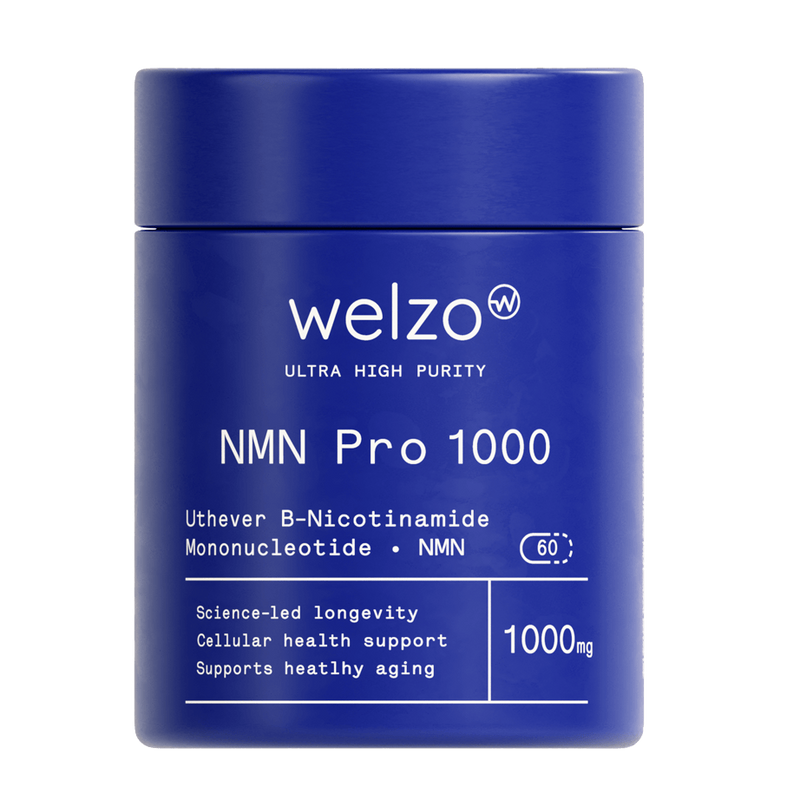
| NMN | 1,000 mg per serving | Form | Capsule |
| Purity | 99% β-NMN | Testing | Third-party, GMP |
| UK dispatch | Yes | Rating | 4.9 / 5 |
The Welzo Ultra Purity NMN Pro 1000 is my top pick and the highest-scoring product here. It delivers a full 1,000 mg of 99%-pure beta-NMN per serving — the higher end of the doses used in human research. That matters, because in the pivotal Yi 2023 trial it was the 600 mg and 900 mg groups that showed measurable functional benefit, so a 1,000 mg product lets you reach a meaningful dose in one serving rather than stacking several low-strength capsules.
Crucially, that high dose comes with high quality. As part of the Welzo Ultra Purity range, it's third-party tested for identity, potency and contaminants, GMP-manufactured, transparently labelled with no proprietary blend, and dispatched from the UK with fast delivery and returns — so there are none of the customs delays or import charges that often come with US longevity brands. For anyone who wants a clean, potent, tested, UK-available NMN, it's the complete package. If you're weighing it against well-known competitors, see our head-to-heads: DoNotAge NMN vs Welzo Ultra Purity NMN and Wonderfeel NMN vs Welzo Ultra Purity NMN.
Pros: high 1,000 mg dose; 99% purity; third-party tested; GMP; UK dispatch and returns; excellent value per gram.
Considerations: 1,000 mg is more than some people need — you can begin lower by splitting servings.
View Welzo Ultra Purity NMN Pro 1000 →
2. Welzo Ultra Purity NMN & Resveratrol Elite — Best Combination Formula (4.8/5)
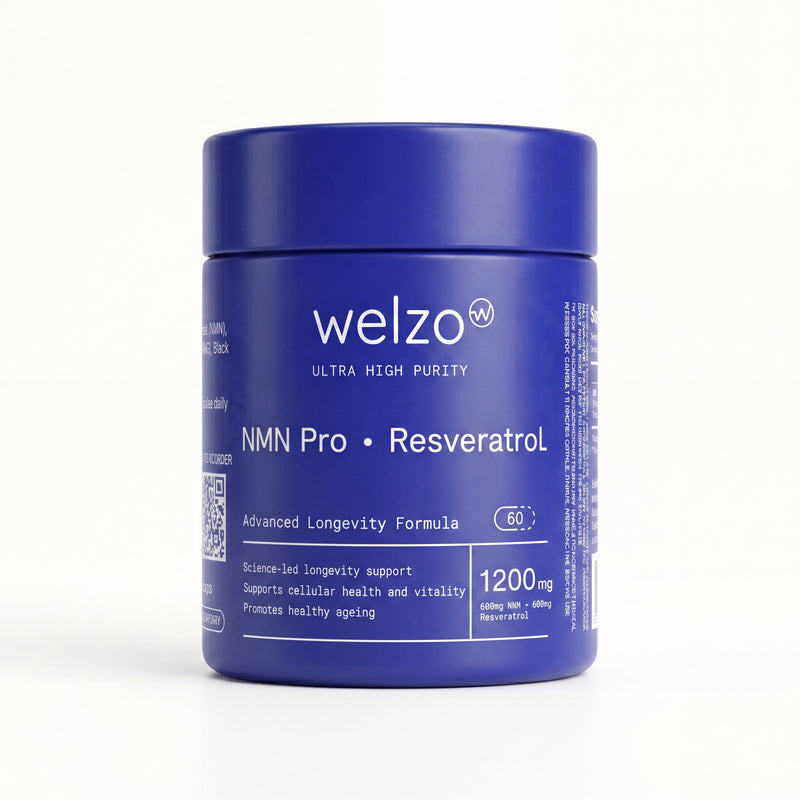
Why it's here: the Welzo Ultra Purity NMN & Resveratrol Elite pairs high-purity NMN with resveratrol — the polyphenol most associated with NMN in longevity research, because it activates the same sirtuin enzymes that NAD+ fuels. That makes it a genuine "complete" NAD+ formula rather than NMN alone, and the reason so many people combine the two is explained in our guide to NMN vs resveratrol. Same Ultra Purity quality standards: third-party tested, GMP, UK dispatch.
Verdict: the best choice if you'd rather buy one thought-through NMN-plus-resveratrol formula than assemble a stack.
3. ProHealth NMN Pro 1000 — Best High-Dose Alternative (4.5/5)
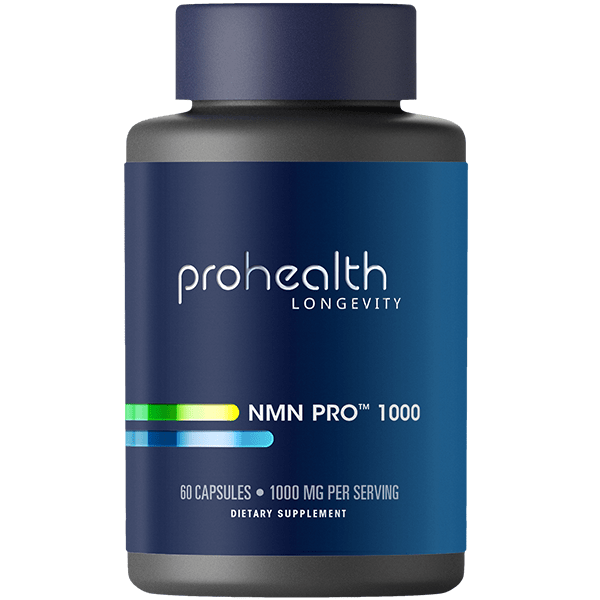
Why it's here: ProHealth is a long-established US longevity brand with a strong following, and its NMN Pro 1000 delivers a full 1,000 mg per serving at high purity with published testing. It's the natural high-dose alternative to our top pick for those who prefer the ProHealth brand.
Verdict: a strong high-dose option from a respected longevity name.
4. ProHealth Liposomal NMN — Best for Absorption (4.3/5)
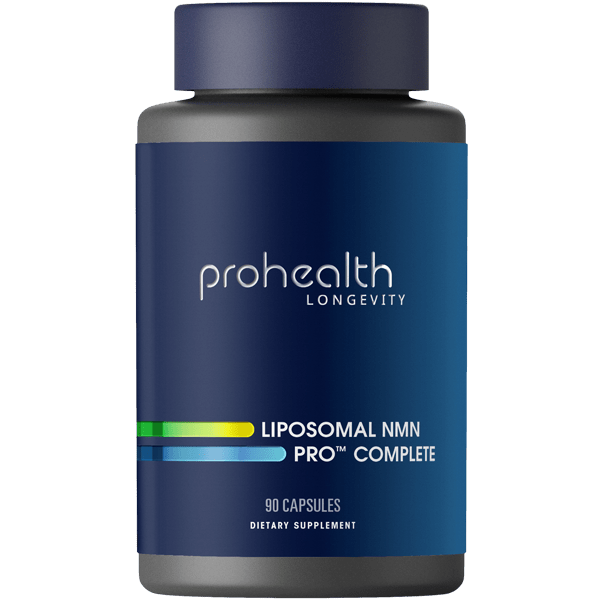
Why it's here: ProHealth Liposomal NMN encapsulates NMN in lipid spheres intended to protect it through digestion and improve cellular uptake — the format-led choice if absorption is your priority. Bear in mind (see the absorption sections below) that robust head-to-head human evidence for liposomal superiority is still limited, but it's a popular, science-flavoured approach. Explore more in the liposomal supplements collection.
Verdict: the best pick for buyers who want to prioritise an absorption-focused format.
5. Double Wood NMN — Best Value (4.1/5)
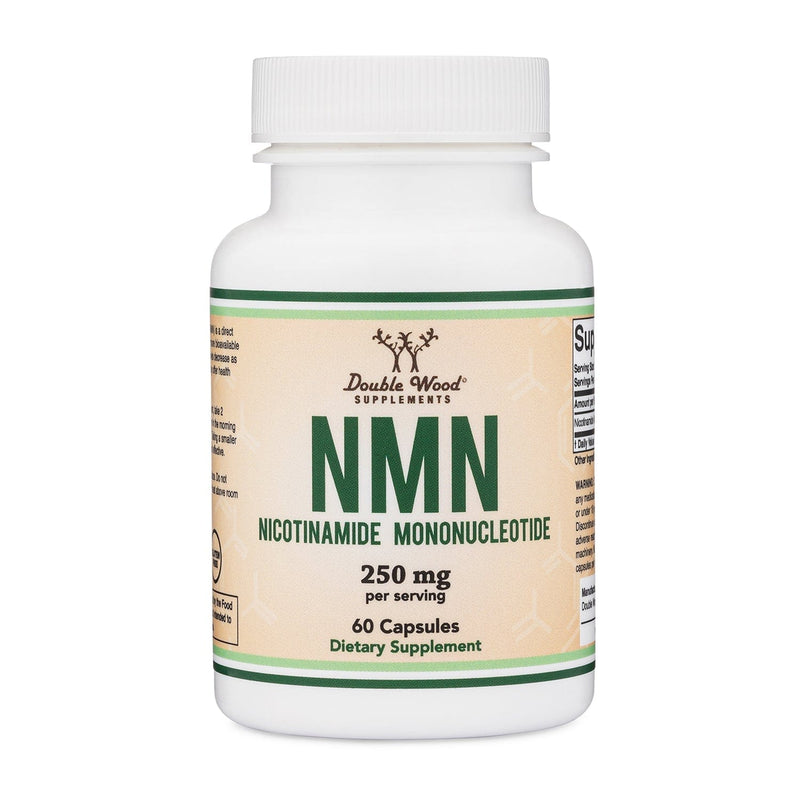
Why it's here: Double Wood is a popular, well-reviewed US supplement brand known for straightforward, keenly priced products, and its NMN capsules deliver high-purity NMN with third-party testing at accessible pricing. A dependable, budget-friendly way to try NMN.
Verdict: the best-value entry point for a reliable NMN.
6. Jarrow Formulas NMN 125mg — Best Entry-Level from a Trusted Brand (4.0/5)
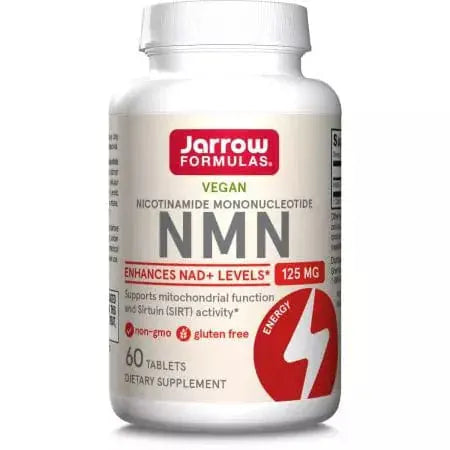
Why it's here: Jarrow Formulas is a decades-old, widely trusted supplement brand, and its NMN 125mg tablets offer a low, easy starting dose — ideal for anyone who wants to trial NMN gently before moving to a higher-strength product. GMP-made from an established name.
Verdict: the best low-dose, trusted-brand starting point.
Why NMN Became the Flagship Longevity Supplement
NMN owes much of its profile to Harvard geneticist Professor David Sinclair, whose work on NAD+ biology and sirtuins — and whose widely shared writing and interviews — moved "NAD+ precursors" into the mainstream. Striking animal experiments, in which raising NAD+ improved measures of metabolism, endurance and vascular health, launched an entire category. If you're curious about the protocols that popularised it, see our overview of David Sinclair's supplements and protocol.
From there, NMN crossed into popular culture. Longevity and "biohacking" routines featuring NMN are now discussed by high-profile public figures and celebrities, which has amplified interest well beyond the research community — we look at some of that mainstream attention in what NMN does Kim Kardashian take. That popularity is double-edged: it drove serious human research, but it also produced hyped claims that run ahead of the human evidence — which is exactly the gap this guide tries to close.
What Is NMN?
NMN — beta-nicotinamide mononucleotide — is a naturally occurring nucleotide found in tiny amounts in foods such as broccoli, avocado, cabbage and edamame. Its importance is that it acts as a direct precursor to NAD+ (nicotinamide adenine dinucleotide): the body converts NMN into NAD+ in a single enzymatic step. In effect, supplementing NMN supplies the raw material your cells use to make NAD+. The active, useful form is beta-NMN, which is why purity and correct form matter so much. For a deeper primer, Welzo's guide to how NMN works walks through the biochemistry step by step.
NAD+, the Three Pathways & Why NAD+ Declines
NAD+ is a coenzyme present in every living cell and essential to hundreds of reactions. Three roles dominate the longevity conversation: it powers mitochondrial energy production; it fuels PARP enzymes that repair DNA; and it activates sirtuins, enzymes tied to metabolic regulation and healthy ageing. For more on its central role, see the scientific benefits of NAD and the NAD collection.
Your body makes NAD+ through three routes, and understanding them explains why NMN works so directly. The de novo pathway builds NAD+ from the amino acid tryptophan; the Preiss–Handler pathway makes it from nicotinic acid; and the salvage pathway — the big one — recycles nicotinamide back into NMN and then into NAD+, supplying roughly 85% of daily NAD+. NMN sits at the final step of that salvage pathway, one move from NAD+, which is the biochemical reason oral NMN raises NAD+ so efficiently.
Here's the insight most guides miss: NAD+ doesn't only fall with age because we make less — it falls because we consume and destroy more. A key driver is CD38, an enzyme ("NADase") whose activity rises with age and actively breaks NAD+ down. Add the increased PARP activity that comes with accumulating DNA damage, plus a decline in the salvage enzyme NAMPT, and you have a picture of falling supply and rising demand. That's why compounds studied for inhibiting CD38 — such as apigenin and quercetin — are sometimes stacked with a precursor like NMN: you're topping up the tank and slowing the leak.
How NMN Works: Mechanisms in Depth
Once your body absorbs NMN, the enzyme NMNAT converts it to NAD+ and feeds the salvage pathway. To appreciate why that matters, it helps to see just how many jobs NAD+ does.
The redox role. In its everyday chemistry, NAD+ shuttles between two forms — oxidised NAD+ and reduced NADH — accepting and donating high-energy electrons. This NAD+/NADH cycling is essential to glycolysis, fatty-acid oxidation and the citric-acid cycle, and it feeds the mitochondrial electron-transport chain that ultimately makes ATP, the cell's energy currency. A closely related molecule, NADP+/NADPH, drives anabolic and antioxidant processes. When NAD+ runs low, this entire energy economy is constrained — which is the mechanistic rationale for the fatigue-and-energy claims around NMN.
The signalling role. Beyond energy, NAD+ is consumed as a substrate by two families of enzymes central to ageing. The first is the sirtuins (SIRT1–SIRT7), NAD+-dependent enzymes involved in metabolic regulation, mitochondrial biogenesis, inflammation control and DNA-damage responses — and the enzymes that resveratrol is thought to help activate, which is why the two are so often paired. The second is the PARPs, which consume NAD+ to repair DNA; as DNA damage accumulates with age, PARP activity draws NAD+ down further. Because sirtuins and PARPs both burn NAD+, keeping the pool topped up is what allows them to keep working.
This is also why NMN is discussed alongside TMG (which supplies methyl groups used when excess nicotinamide is cleared) and CD38 inhibitors such as apigenin: they act on different points of the same NAD+ economy. In animal studies, raising NAD+ with NMN improved measures of metabolism, vascular function and healthspan — the findings that motivated the human trials, though not all have been replicated in people. Welzo's article on whether NAD supplements can really help with anti-ageing is a good companion here, and how NMN works covers the pathway in full.
The NMN Absorption Debate
This is one of the most interesting — and least honestly reported — questions in the field. In 2019, researchers identified Slc12a8, a dedicated NMN transporter in the mouse small intestine that appeared to pull NMN directly across the gut wall into circulation, no conversion required. If that mechanism operates the same way in humans, NMN would have an unusually direct route in.
However, other researchers have challenged the finding, and it remains unsettled — some labs replicated it, while others didn't, and human confirmation is still pending. Indeed, a 2026 review argued that in some tissues NMN may need to convert to nicotinamide riboside (NR) first before it can cross cell membranes — the opposite of the "direct uptake" story, and a point NR proponents make forcefully. So who's right? Honestly, nobody has fully resolved the mechanism yet. But the crucial takeaway is that whatever the route, oral NMN reliably raises blood NAD+ in human trials. The debate matters for tissue-level dosing science; it matters much less for whether taking NMN increases your NAD+. It does.
Circadian Rhythm: Why Timing Matters
Here's a piece of genuine insight behind the standard "take it in the morning" advice. NAD+ isn't static across the day — it oscillates with your circadian clock. The salvage enzyme NAMPT is under circadian control, so NAD+ production rises and falls on a daily rhythm that generally peaks earlier in the day. Taking NMN in the morning or early afternoon aligns your intake with that natural peak. There's also a practical reason: because NAD+ feeds energy metabolism, some people find late-day dosing mildly activating and prefer to avoid it near bedtime. The evidence here is mechanistic rather than from large timing trials, but morning-to-midday dosing is a sensible, low-risk default.
NMN Benefits by Area (With the Evidence)
Framed honestly around the human data, here's what NMN is most commonly taken for — and what the trials actually show for each:
- NAD+ support & cellular energy. The best-supported effect by far. Across essentially every RCT, oral NMN raised blood NAD+ significantly versus placebo — for example, a +38% rise in serum NAD+/NADH by day 60 in the Uthever trial, and a dose-dependent climb from 23.8 to 58.8 µM whole-blood NAD+ across placebo to 1,000 mg/day in a separate 2023 trial.
- Physical function & endurance. In Yi 2023, the 600 and 900 mg groups significantly improved six-minute-walk distance versus placebo (the 300 mg group did not), and Igarashi 2022 reported changes in grip strength and gait speed in older men. Aerobic-capacity gains have appeared when NMN was combined with exercise.
- Metabolic health. In the Yoshino 2021 Science trial, 250 mg/day improved skeletal-muscle insulin sensitivity in prediabetic postmenopausal women, with enhanced Akt/mTOR signalling confirmed by muscle biopsy — a mechanistic, not just statistical, result.
- Cardiovascular markers. Katayoshi 2023 found a favourable declining trend in arterial stiffness (pulse-wave velocity) over 12 weeks, and a 2023 trial in people with hypertension reported blood-pressure reductions of roughly 6.1/3.6 mmHg alongside improved vascular function on 800 mg/day. Evidence here is early but encouraging.
- Healthy ageing & wellbeing. Quality-of-life scores (SF-36) improved modestly in several trials — often experienced as preserved function and energy rather than a dramatic change.
These are areas of support and active study, not proven treatments. NMN is a food supplement, not a medicine, and it does not treat, cure or prevent disease. For a fuller breakdown, see NMN benefits, side effects and dosage.
NMN Human Clinical Trials: The Evidence in Detail
NMN is far better studied in humans than most longevity supplements — there are now well over a dozen randomised controlled trials (RCTs), and across essentially all of them, oral NMN raised blood NAD+ significantly versus placebo. What follows is the detail that most guides skip: who was studied, at what dose, for how long, and what actually changed — with the numbers.
📊 NMN by the numbers
- ~85% — share of daily NAD+ supplied by the salvage pathway, where NMN acts.
- 150–1,250 mg/day — range of daily doses tested in human RCTs.
- +38% — rise in serum NAD+/NADH by day 60 on ~300 mg/day in the Uthever trial (vs +14.3% placebo).
- 23.8 → 58.8 µM — whole-blood NAD+ climbed with dose (placebo → 1,000 mg/day) in a 2023 dose-comparison trial.
- 600 & 900 mg — the doses that significantly improved six-minute-walk distance in the Yi 2023 trial (300 mg did not).
- ~2× — NAD+ roughly doubled on both NMN and NR in a 2026 head-to-head.
- Up to 20 weeks — the longest tested continuous NMN dosing shown safe to date.
| Study (year) | Design | Key result |
|---|---|---|
| Yi et al., 2023 (GeroScience)1 | 80 healthy adults 40–65; 300/600/900 mg/day; 60 days; RCT | Dose-dependent rise in blood NAD+; the 600 & 900 mg groups significantly improved six-minute-walk distance and SF-36 quality-of-life vs placebo; no serious adverse events. |
| Huang, 2022 (Uthever) (Frontiers in Aging)6 | ~66 middle-aged/older adults; ~300 mg/day; 60 days; RCT | Serum NAD+/NADH rose +11.3% by day 30 and +38% by day 60 (vs +14.3% placebo); SF-36 rose 6.5%; insulin-resistance index (HOMA-IR) barely moved (+0.6%) while placebo worsened (+30.6%). |
| Dose-comparison, 20239 | 75 adults 55–70 (25/group); 500 or 1,000 mg/day; 30 days; + aerobic exercise | Whole-blood NAD+ rose with dose: 23.8 µM placebo → 41.7 µM (500 mg) → 58.8 µM (1,000 mg); aerobic capacity improved. |
| Yoshino et al., 2021 (Science)3 | 25 prediabetic postmenopausal women; 250 mg/day; 10 weeks; RCT | Significantly improved skeletal-muscle insulin sensitivity, with enhanced Akt/mTOR signalling confirmed by muscle biopsy. |
| Okabe et al., 2022 (Frontiers in Nutrition)7 | 30 healthy adults; 250 mg/day; 12 weeks; RCT | Blood NAD+ rose significantly vs placebo; safe and well tolerated. |
| Katayoshi et al., 2023 (Scientific Reports)8 | 36 healthy middle-aged adults; 250 mg/day (125 mg × 2); 12 weeks; RCT | NAD+ metabolites increased significantly; arterial stiffness (pulse-wave velocity) showed a favourable declining trend. |
| Igarashi et al., 2022 (NPJ Aging)2 | Older Japanese men; RCT | Raised whole-blood NAD+ and altered muscle function (grip strength and gait speed). |
| Hypertension trial, 202310 | Adults with hypertension; 800 mg/day; 6 weeks | NAD+ in immune cells rose ~43%; systolic/diastolic blood pressure fell ~6.1/3.6 mmHg vs lifestyle-only; vascular function (FMD) improved. |
| Fukamizu et al., 2022 (Scientific Reports)11 | 31 healthy adults 20–65; 1,250 mg/day; up to 4 weeks; RCT | Established safety and good tolerability of the highest daily single dose formally tested to date. |
| Head-to-head NMN vs NR, 2026 | 65 healthy adults; 1,000 mg/day of each; RCT | Both compounds roughly doubled NAD+ — broadly comparable in practice. |
| Systematic review (physical performance)4 | 10 RCTs; 437 patients (mean age 58); 150–1,200 mg/day | Supported physical-performance measures with a good safety profile. |
| Systematic review & meta-analysis (metabolism)5 | Pooled RCTs on glucose/lipid metabolism | Oral NMN reliably increases blood NAD+ concentrations. |
Read together, these trials tell a consistent story. First, the NAD+ signal is robust and dose-dependent: whether measured as a percentage change (Uthever's +38%) or an absolute concentration (the 23.8 → 58.8 µM climb across placebo to 1,000 mg), higher doses reliably push NAD+ higher. Second, functional benefits do appear, but chiefly at the higher doses and mostly on physical-function and metabolic measures — walking distance, insulin sensitivity, arterial stiffness and blood pressure — rather than on dramatic "anti-ageing" endpoints. Third, safety looks reassuring across the tested range, with the Fukamizu trial supporting tolerability even at 1,250 mg/day. For a plain-English walk-through of dosing and effects, see Welzo's NMN benefits, side effects and dosage and how long NMN takes to work.
The honest caveats remain important. Most trials are small (dozens, not thousands of participants) and short (weeks to a few months). Effect sizes on function are modest. And crucially, no human trial has shown NMN extends lifespan or prevents age-related disease — those claims rest on animal data. NMN is a food supplement, not a medicine.
Why Some People Respond More Than Others
Here's a nuance that rarely makes it into shopping guides but matters a great deal in practice: the NAD+ response to NMN varies substantially between individuals. A post-hoc analysis of the Yi trial found that blood-NAD+ changes were dose-dependent but showed high interindividual variability — and that a NAD+ increase of roughly 15 nmol/L appeared to mark the threshold above which people saw clinically meaningful improvements in walking distance and quality-of-life scores. In other words, two people can take the identical dose and land in quite different places on the response curve.
Several factors plausibly drive this: baseline NAD+ (people who start lower may have more room to rise), age, CD38 activity, genetics, the health of the salvage-pathway enzymes, and lifestyle. The practical implications are sensible rather than dramatic — give NMN a fair trial of several weeks, consider the higher end of the evidence-based dose range if you're not noticing anything, support it with the lifestyle levers below, and accept that a minority of people simply respond less. This variability is also part of why some users try NMN and move on, a perspective Welzo explores candidly in why I stopped taking NMN.
What the Evidence Does & Doesn't Show
| Claim | Evidence status |
|---|---|
| NMN raises blood NAD+ in humans | Well supported across multiple RCTs. |
| Well tolerated short-term / good safety | Supported — no serious adverse events to date. |
| Improves physical function at higher doses | Some support, modest effect; needs replication. |
| Improves insulin sensitivity / metabolic markers | Early/limited human evidence. |
| Extends human lifespan / prevents disease | Not established — animal data only. |
| Long-term human safety | Not yet characterised. |
NMN vs NR vs NAD+ vs Niacin
These terms get muddled, so here's the map, then an honest verdict on the NMN-versus-NR question:
| Compound | What it is |
|---|---|
| NAD+ | The active coenzyme itself; large and poorly absorbed orally, so precursors are usually used instead. |
| NMN | A direct precursor — one enzymatic step from NAD+. |
| NR (nicotinamide riboside) | Another precursor, one step "before" NMN (NR → NMN → NAD+); very well studied. |
| Niacin / nicotinamide (vitamin B3) | Older, cheaper precursors; effective but niacin can cause flushing. |
The honest verdict: both NMN and NR reliably raise NAD+. NMN sits one step closer to NAD+; NR has the larger published research base (hundreds of studies and dozens of human trials, largely on the branded ingredient Niagen). To give a sense of scale, a large NR RCT in 133 overweight adults aged 40–60 found whole-blood NAD+ rose by roughly 22%, 51% and 142% on 100, 300 and 1,000 mg respectively within two weeks — clearly dose-dependent. NMN trials show increases in a broadly similar ballpark (recall the +38% at day 60 in Uthever, and the near-doubling at 1,000 mg elsewhere). Because cross-study comparisons are unreliable, though, the single most useful data point is the 2026 head-to-head in which 1,000 mg/day of NMN and 1,000 mg/day of NR each roughly doubled NAD+ — broadly comparable in practice. NMN is therefore a well-justified choice, and the deciding factors are purity, format, availability and value. For the full comparison, see Welzo's NMN vs NR vs NAD.
NMN Dosage: How Much to Take
Across human trials, NMN doses have ranged from about 150 to 1,200 mg per day. In practice, the common everyday range is 250–500 mg, while the higher/longevity range runs to 900–1,000 mg (the 600 and 900 mg groups showed the walking benefit in Yi 2023). Take it earlier in the day, start at the lower end, and build up while monitoring tolerance. More isn't automatically better — the right amount depends on your goals and health, so discuss it with a healthcare professional, especially at the higher end.
Format & Bioavailability
Marketing often outpaces the evidence here, so keep it simple. Capsules and tablets work — the trials that reliably raised NAD+ mostly used ordinary oral forms. Liposomal formats aim to protect NMN through digestion and improve uptake; the mechanism is plausible and popular, but robust head-to-head human data showing liposomal beats capsules is limited. The practical bottom line: don't pay a large premium purely on absorption claims — a high-purity capsule at a clinical dose is a sound default, and you can choose liposomal if you specifically prefer that approach.
Purity & Quality
- ≥98–99% beta-NMN — the active form, at high purity.
- Independent Certificate of Analysis confirming identity, potency and freedom from contaminants (heavy metals, microbes).
- GMP manufacturing and good stability/packaging — NMN degrades with heat and moisture.
- Clean label — no proprietary blends hiding the NMN amount.
How to Spot a Poor-Quality NMN
Because NMN is expensive to make well, the category attracts underdosed and adulterated products. Walk away if you see:
- No Certificate of Analysis, or a non-batch-specific one with no independent lab.
- No purity figure, or a vague "NMN complex/proprietary blend" hiding the real amount.
- No mention of beta-NMN.
- Suspiciously cheap pricing far below the market.
- Unrealistic claims ("reverses ageing", "cures") — a brand to avoid.
- Signs of degradation (NMN should be white; noticeable yellowing can indicate breakdown) or missing batch/expiry information.
How to Compare Value: Cost per Gram
Headline pack prices mislead, because products differ in dose and serving count. The fair comparison is cost per gram of NMN: multiply the dose per serving (in grams) by servings per pack for total grams, then divide the price by that. For example, 500 mg (0.5 g) across 60 servings is 30 g; at a £45 pack price that's £1.50 per gram. Run the same sum across products, and you'll often find a high-dose product like a 1,000 mg NMN is better value per gram than a cheaper-looking low-dose one. Weigh cost per gram alongside purity and testing, not in isolation.
Regulatory Status: The UK vs the US FDA
The UK & EU position
The UK classifies NMN as a Novel Food. As a result, it needs safety assessment and prior authorisation from the Food Standards Agency (FSA) (and, in the EU, EFSA) before it can sell formally as a food supplement — and that process is ongoing at the time of writing. In practice, therefore, NMN is not currently formally authorised as a food supplement in Great Britain, even though it is widely sold. Importantly, novel-food status concerns the approval process rather than a safety verdict, so it does not mean NMN is banned or unsafe.
The US U-turn
The US position swung twice. First, in November 2022 the FDA excluded NMN from the dietary-supplement definition (citing the "drug preclusion" clause, because NMN had earlier entered investigation as a drug), and major retailers pulled products. Then, in late 2025, the FDA reversed course and declared NMN lawful in dietary supplements. As a result, by 2026 NMN is again lawfully marketable in the US, subject to standard notification rules.
What it means for buyers
The US reversal doesn't change UK law, but it does add international pressure to revisit the question. Meanwhile, the sensible approach stays the same — check current FSA guidance and buy from reputable suppliers that publish Certificates of Analysis. Nothing here is legal advice.
Boosting NAD+ Through Lifestyle
A supplement is only part of the NAD+ story, and some of the most powerful levers cost nothing. Exercise raises NAMPT activity and NAD+; fasting and time-restricted eating increase NAD+ and sirtuin activity; and good sleep and circadian alignment support the NAD+/NAMPT rhythm. Reducing excess alcohol and UV damage also limits the DNA damage that drains NAD+ via PARPs. For practical ways to raise NAD+ without supplements, see Welzo's guide on how to increase NMN naturally. Think of NMN as topping up a system you also protect through how you live.
Who Should (and Shouldn't) Take NMN
NMN appeals to adults focused on healthy ageing, cellular energy and metabolic support, particularly from midlife onwards as NAD+ naturally declines. As a well-tolerated supplement in trials, it's a reasonable option for many healthy adults. A note for athletes: NMN is not currently on the World Anti-Doping Agency (WADA) prohibited list, though competitive athletes should verify current status and use batch-tested products.
It's not for everyone. Don't start NMN without medical advice if you are pregnant or breastfeeding, taking regular medication, managing a health condition (including cancer), or under 18. Long-term human safety data remain limited, so this caution is genuine — and no supplement replaces exercise, sleep, nutrition and not smoking.
What to Realistically Expect
Managing expectations is part of using NMN well. In the first two weeks, blood NAD+ begins rising, but most people feel nothing dramatic — NMN is not a stimulant. Over weeks two to eight, NAD+ continues to build with consistent daily use; some people report subtle improvements in energy, recovery or wellbeing, while others notice little day to day (trial benefits emerged over 60 days at higher doses). Beyond three months, the rationale is long-term cellular support rather than a felt effect. For a fuller answer, see how long it takes for NMN to work. If you expect an overnight transformation you'll be disappointed; if you're supporting NAD+ as part of a broader routine, that's the right frame.
Safety, Side Effects & Interactions
So far, in human trials to date, NMN has proved well tolerated, with no serious adverse events, and the most commonly reported effects are mild — such as digestive upset, nausea or headache. The safety data are more specific than many people realise: a dedicated 2022 study (Fukamizu et al.) tested a single daily dose of 1,250 mg in 31 healthy adults for up to four weeks and found it safe and well tolerated, and reviews note NMN and NR have been dosed safely in trials for periods of up to around 20 weeks. That said, a few caveats matter. First, nobody has established genuinely long-term (multi-year) safety yet, because trials run weeks to months. Second, check with your GP or pharmacist first if you take any regular medication or have a health condition. In addition, avoid NMN in pregnancy or breastfeeding without medical advice, and don't give it to under-18s. Finally, buy third-party-tested products with CoAs to avoid contaminants or under-dosing. Food supplements support — not replace — a balanced diet, a healthy lifestyle and professional medical advice.
The Honest Case for Caution
Good guidance presents the strongest version of the opposing view, not just the sales pitch. Here's the honest case for taking NMN with measured expectations. Blood NAD+ isn't the whole story — it may not fully reflect NAD+ in the tissues that matter, and raising a biomarker isn't the same as delivering a health outcome. Where trials show benefits, the effect sizes are real but modest, and a 2025 review found NAD+ precursors give only modest muscle outcomes in older adults. Trials are also short, so years-long "longevity" use is genuinely unproven. And cheaper precursors (plain niacin or nicotinamide) also raise NAD+. Some people even try it and stop; Welzo's candid piece why I stopped taking NMN explores that perspective. None of this means NMN is worthless — it means the reasonable position is "a promising, well-tolerated NAD+ precursor with genuine but modest human evidence," not "a proven anti-ageing breakthrough."
How to Stack NMN
NMN is often combined with compounds that act elsewhere in the NAD+ economy or on complementary ageing pathways:
| Pairing | Rationale | Explore |
|---|---|---|
| Resveratrol | Activates the sirtuins that NAD+ fuels — the classic NMN partner | Resveratrol collection · best resveratrol |
| Spermidine | Supports autophagy, a different healthy-ageing pathway | Spermidine collection · best spermidine |
| NAD boosters | Complementary NAD+ support | Best NAD supplements UK |
| Broader longevity stack | Combining pathways for healthy ageing | Best longevity supplements |
Resveratrol is the natural partner (as in our #2 pick). Introduce one compound at a time so you can judge tolerability — and remember training, sleep and diet remain the foundation. Browse the full anti-ageing & longevity range.
Common Mistakes & Myths vs Facts
- Myth: "NMN is proven to reverse ageing." Fact: it reliably raises NAD+ with modest functional benefits; no human trial shows lifespan extension.
- Mistake: buying on price alone. Purity, beta-NMN form and a CoA matter more — compare cost per gram.
- Myth: "Liposomal is always far better." Fact: capsules raised NAD+ in most trials.
- Mistake: taking it late at night — align with the morning NAD+ rhythm instead.
- Myth: "NR makes NMN pointless." Fact: a 2026 head-to-head found them broadly comparable.
- Mistake: ignoring storage — NMN degrades with heat and moisture, so keep it cool, dry and sealed.
The Complete Welzo NMN Library
This guide is the hub of Welzo's NMN content. For any sub-topic in depth, here is the full library — every NMN article in one place:
- Foundations: the NMN knowledge hub · How NMN works · NMN benefits, side effects and dosage.
- Comparisons: NMN vs NR vs NAD · NMN vs resveratrol.
- Practical questions: How long does NMN take to work? · How to increase NMN naturally.
- Perspective & science: Can NAD supplements really help with anti-ageing? · David Sinclair's supplements and protocol · Why I stopped taking NMN.
- Culture: What NMN does Kim Kardashian take?
- Brand head-to-heads: DoNotAge NMN vs Welzo Ultra Purity NMN · Wonderfeel NMN vs Welzo Ultra Purity NMN.
- Wider NAD+ & longevity reading: 7 scientific benefits of NAD · Best NAD supplements UK · Best longevity supplements · Best resveratrol supplements · Best spermidine supplements.
- Shop: NMN supplements · Welzo Ultra Purity · NAD · Resveratrol · Spermidine · Liposomal supplements · Anti-ageing & longevity.
Glossary
- NMN: beta-nicotinamide mononucleotide — a direct NAD+ precursor.
- NAD+: the coenzyme behind energy, DNA repair and sirtuins.
- NR: nicotinamide riboside — another precursor (NR → NMN → NAD+).
- Salvage pathway: recycles nicotinamide into NMN then NAD+ — ~85% of daily NAD+.
- NAMPT: the rate-limiting salvage enzyme; under circadian control.
- NMNAT: the enzyme that converts NMN to NAD+.
- Sirtuins: NAD+-dependent longevity-linked enzymes.
- PARPs: DNA-repair enzymes that consume NAD+.
- CD38: an NADase that degrades NAD+ and rises with age.
- Slc12a8: a proposed dedicated NMN transporter (role in humans debated).
- Novel Food: a UK/EU category requiring FSA/EFSA assessment before authorisation.
- CoA: Certificate of Analysis — independent lab verification of a product's contents.
Frequently Asked Questions
What is the best NMN supplement in 2026?
The Welzo Ultra Purity NMN Pro 1000 for high-strength, tested, UK-dispatched NMN; the NMN & Resveratrol Elite for a combination formula; ProHealth Liposomal NMN for absorption; Double Wood NMN for value.
What does NMN do?
It's a direct precursor to NAD+, the coenzyme behind cellular energy, DNA repair and sirtuins. Human trials show it raises blood NAD+.
Is NMN legal in the UK?
NMN is a Novel Food under FSA review and not currently formally authorised as a food supplement in Great Britain, though widely sold. The US FDA declared it lawful in 2025. Check current FSA guidance and buy tested products. This isn't legal advice.
Is NMN absorbed intact or converted to NR first?
Debated — a 2019 mouse transporter (Slc12a8) suggested direct uptake, but it's unsettled and some argue NMN converts to NR first. Either way, oral NMN reliably raises blood NAD+.
NMN or NR — which is better?
Both raise NAD+; a 2026 head-to-head found 1,000 mg of each roughly doubled NAD+. NMN is one step closer to NAD+; NR is more studied. See NMN vs NR vs NAD.
What's the best NMN dosage?
Trials use ~150–1,200 mg/day; 250–500 mg is common, up to ~900–1,000 mg. Start low and take it earlier in the day.
When is the best time to take NMN?
Morning or early afternoon, to match the NAD+ circadian rhythm. With or without food is fine.
How long does NMN take to work?
Blood NAD+ rises within weeks; felt effects build gradually. Give it 4–8 weeks — more in this guide.
Capsule or liposomal NMN?
Capsules are proven in trials; liposomal is absorption-focused but lacks strong head-to-head evidence. Choose on preference and budget.
Does NMN have side effects?
It's well tolerated in trials; mild digestive upset, nausea or headache are most reported. Long-term data are limited. See benefits, side effects and dosage.
Can I raise NAD+ without supplements?
Yes — exercise, fasting/time-restricted eating and good sleep all raise NAD+. See how to increase NMN naturally.
What purity should NMN be?
Look for ≥98–99% beta-NMN with an independent Certificate of Analysis.
Should I take NMN with resveratrol?
Many do — resveratrol activates the NAD+-fuelled sirtuins. See NMN vs resveratrol and the resveratrol collection.
How should I store NMN?
Cool, dry and sealed — NMN degrades with heat and moisture.
References
- Yi L, et al. The efficacy and safety of β-nicotinamide mononucleotide (NMN) supplementation in healthy middle-aged adults: a randomised, multicentre, double-blind, placebo-controlled, dose-dependent trial. GeroScience. 2023. DOI
- Igarashi M, et al. Chronic nicotinamide mononucleotide supplementation elevates blood NAD+ and alters muscle function in healthy older men. NPJ Aging. 2022. DOI
- Yoshino M, et al. Nicotinamide mononucleotide increases muscle insulin sensitivity in prediabetic women. Science. 2021;372(6547):1224–1229. DOI
- Improved physical performance in patients taking NMN: a systematic review of randomised controlled trials. PMC. PMC11365583
- Effects of nicotinamide mononucleotide on glucose and lipid metabolism in adults: a systematic review and meta-analysis of RCTs. PMC. PMC11557618
- Huang H. A multicentre, randomised, double-blind, placebo-controlled study of Uthever (NMN) in middle-aged and older adults. Frontiers in Aging. 2022;3:851698. PMC9261366
- Okabe K, et al. Oral administration of nicotinamide mononucleotide is safe and efficiently increases blood NAD+ levels in healthy subjects. Frontiers in Nutrition. 2022;9:868640. DOI
- Katayoshi T, et al. NAD+ metabolism and arterial stiffness after long-term nicotinamide mononucleotide supplementation: a randomised, double-blind, placebo-controlled trial. Scientific Reports. 2023;13:2786. DOI
- Randomised, double-blind dose-comparison trial of NMN (500 vs 1,000 mg/day) with aerobic exercise in adults aged 55–70 reporting whole-blood NAD+ of 23.8, 41.7 and 58.8 µM (placebo/500/1,000 mg), 2023.
- Randomised trial of NMN (800 mg/day) plus lifestyle modification in adults with hypertension reporting increased NAD+ and reduced blood pressure/arterial stiffness, 2023.
- Fukamizu Y, et al. Safety evaluation of β-nicotinamide mononucleotide oral administration (1,250 mg/day) in healthy adult men and women. Scientific Reports. 2022;12:14442. DOI
- Conze D, Brenner C, Kruger CL. Safety and metabolism of long-term administration of NIAGEN (nicotinamide riboside chloride) in a randomised, double-blind, placebo-controlled clinical trial of healthy overweight adults. Scientific Reports. 2019;9:9772. DOI
- Grozio A, et al. Slc12a8 is a nicotinamide mononucleotide transporter. Nature Metabolism. 2019 (finding subsequently debated).
- US FDA determinations on NMN as a dietary ingredient (2022 exclusion; 2025 reversal). UK Food Standards Agency — Novel Foods guidance (status of NMN in Great Britain).
About the reviewer. This guide was independently reviewed by Dr Muhammad Zeeshan Afzal (MBBS | FCPS | MRCP), an independent product reviewer and content creator for Welzo. Rankings are based on the criteria described above and grounded in peer-reviewed research and registered clinical trials. This content is for general education and is not personalised medical advice; always consult your own GP or pharmacist about your circumstances.
Medical disclaimer: This article is for general information and educational purposes only and is not a substitute for professional medical advice, diagnosis or treatment, and it is not legal advice regarding the sale or supply of any product. Food supplements should not replace a varied, balanced diet and healthy lifestyle. Always read the product label and consult your GP, pharmacist or a qualified healthcare professional before starting any new supplement — particularly if you are pregnant, breastfeeding, taking medication, or managing a health condition. NMN is classified as a Novel Food in the UK; its regulatory status is evolving, and readers should check current Food Standards Agency guidance. Statements about NMN reflect emerging nutritional research and are not intended to diagnose, treat, cure or prevent any disease. Prices, availability and specifications are correct at the time of writing and may change.
 Оценено отлично от 28,951+ отзива
 100% гаранция за връщане на парите