




Berberine vs Metformin for Metabolic Health


Související produkty
Search "nature's metformin" and berberine dominates the results. It is one of the few plant compounds with randomised human trial data on blood glucose, and one small 2008 study comparing it directly against metformin has been quoted so many times that it has taken on a life of its own. But a single 36-person pilot trial is a very different thing from six decades of prescribing data.
If you are building a broader routine, our pillar guide to longevity supplements and our NMN benefits, side effects and dosage pillar cover how individual compounds fit together, and you can browse the anti-ageing and longevity and NAD+ supplement ranges, including NMN Pro 1000.
The honest answer to berberine vs metformin is more nuanced than either the supplement marketing or the "just take the drug" dismissal suggests. This guide compares the two on mechanism, evidence quality, dosing, side effects, drug interactions, cost and UK regulatory status. It is written for people in the UK who want to understand where berberine genuinely has support, where the evidence is thin, and where taking it instead of prescribed medication would be a serious mistake.
Important: Berberine is sold in the UK as a food supplement, not a licensed medicine. It is not a substitute for metformin or any other prescribed diabetes treatment. Never stop, reduce or replace prescribed medication without speaking to your GP, diabetes nurse or pharmacist first. This article is health information, not medical advice.
- Berberine vs metformin: the quick verdict
- What is berberine?
- What is metformin?
- How they work: shared pathways, different molecules
- Head-to-head on blood sugar
- Cholesterol and lipids
- Weight and body composition
- PCOS and insulin resistance
- Longevity and healthy ageing
- Bioavailability: berberine's biggest weakness
- Dosage and timing compared
- Side effects and safety
- Drug interactions
- Can you take berberine and metformin together?
- Cost comparison in the UK
- Supplement quality and purity
- Who might reasonably consider berberine?
- Where berberine fits in a longevity stack
- Frequently asked questions
- References
Berberine vs Metformin: The Quick Verdict
Berberine and metformin are not equivalents, and treating them as interchangeable is the single most common error in this comparison. They overlap in effect but differ enormously in evidence quality, regulation and predictability.
| Factor | Berberine | Metformin |
|---|---|---|
| What it is | Isoquinoline alkaloid extracted from plants including barberry, goldenseal and Chinese goldthread | Synthetic biguanide medicine, derived from a guanidine compound originally found in French lilac |
| UK status | Food supplement, regulated under food law; not licensed as a medicine by the MHRA | Prescription-only medicine (POM), licensed and on the NHS formulary |
| Primary mechanism | AMPK activation, gut microbiome modulation, LDL-receptor upregulation | Reduced hepatic glucose output via mitochondrial complex I inhibition and AMPK-dependent and independent routes |
| Typical dose used in trials | 900–1,500 mg/day in 2–3 divided doses with food | 500–2,000 mg/day (standard or modified release), titrated upward |
| HbA1c effect (pooled data) | Roughly 0.5–0.7 percentage points in most meta-analyses | Roughly 1.0–1.5 percentage points, well characterised across large trials |
| Oral bioavailability | Very poor — under 1% in animal pharmacokinetic work | Approximately 50–60%, predictable and well studied |
| Evidence base | Mostly small, short (8–12 week) trials, many conducted in China, variable methodological quality | Six decades of use; large multi-year outcome trials including cardiovascular and diabetes prevention endpoints |
| Main side effects | Diarrhoea, constipation, flatulence, abdominal cramping | Nausea, diarrhoea, metallic taste; reduced vitamin B12 over time; lactic acidosis (rare) |
| Cost in the UK | Roughly £15–£40 per month, self-funded | £9.90 per item in England; free in Scotland, Wales and Northern Ireland, and free with a medical exemption certificate |
| Best described as | A supplement with genuine but modest and inconsistent metabolic signal | A first-line medicine with proven outcome data |
The short version: metformin has the stronger, deeper and more reliable evidence base, and it is what UK guidelines recommend for type 2 diabetes. Berberine has real, reproducible effects on fasting glucose and LDL cholesterol in short trials, and may be of interest to people with mild insulin resistance or raised lipids who do not meet the threshold for medication — but only alongside, never instead of, medical advice.
What Is Berberine?
Berberine is a bright yellow benzylisoquinoline alkaloid found in the roots, bark, stems and rhizomes of several plant families. Its name comes from the Berberis genus. Common botanical sources include Berberis vulgaris (barberry), Berberis aristata (tree turmeric), Coptis chinensis (Chinese goldthread), Phellodendron amurense (Amur cork tree) and Hydrastis canadensis (goldenseal).

The compound has a long history in traditional Chinese and Ayurvedic practice, largely as a treatment for diarrhoea and digestive infection rather than as a metabolic agent. Its strong pigment also made it a historical wool and leather dye. Modern research interest began in earnest when investigators noticed that patients in China taking berberine for gastrointestinal complaints appeared to show improved blood glucose readings.
How berberine is sold in the UK
In Great Britain, berberine is marketed as a food supplement and falls under food law overseen by the Food Standards Agency, rather than being regulated as a medicine by the Medicines and Healthcare products Regulatory Agency (MHRA). Practically, this means three things:
- No pre-market approval. A berberine product does not have to demonstrate efficacy or undergo the clinical testing required for a licensed medicine before it can be sold.
- No authorised health claims. Products cannot lawfully be marketed as treating, curing or preventing diabetes or any other condition.
- Quality varies by manufacturer. Verification rests on third-party testing rather than regulatory inspection — which is why a certificate of analysis and independent third-party testing matter so much in this category.
Berberine is available over the counter in China as a treatment for diarrhoea, but it is not approved as a prescription medicine in the UK, the EU or the United States. Between 2020 and 2022 the US Food and Drug Administration issued warning letters to eight berberine supplement manufacturers over misbranding and unlawful drug claims.
What Is Metformin?
Metformin is a synthetic biguanide. Its lineage traces back to guanidine compounds identified in Galega officinalis (French lilac or goat's rue), a plant used in medieval Europe for excessive urination — a symptom of undiagnosed diabetes. Metformin itself was synthesised in the 1920s, clinically developed in France in the 1950s, and has been in continuous mainstream use ever since.

How metformin is prescribed in the UK
Metformin remains the anchor of type 2 diabetes drug treatment in the UK. NICE guideline NG28 (Type 2 diabetes in adults: management), first published in December 2015 and substantially updated in February 2026, positions metformin at the foundation of first-line therapy. The February 2026 update made two notable changes: modified-release metformin is now preferred over standard-release for most people starting treatment, and for many patients metformin is initiated alongside an SGLT2 inhibitor rather than alone, with medicines introduced sequentially and tolerability checked at each step.
Metformin is also licensed for gestational diabetes and used off-label in polycystic ovary syndrome. In people at high risk of type 2 diabetes it can be used preventively — a use grounded in the Diabetes Prevention Program, which we cover below.
How Berberine and Metformin Work: Shared Pathways, Different Molecules
The comparison exists because both compounds converge on AMP-activated protein kinase (AMPK), an enzyme often described as the cell's fuel gauge. When cellular energy is low, AMPK switches the cell from storing energy to burning it: glucose uptake increases, fatty acid oxidation increases, and energy-expensive processes such as lipid and cholesterol synthesis are dialled down.
That is where the similarity ends. Structurally, the two molecules are nothing alike.


The AMPK connection
Neither compound binds AMPK directly. Both appear to activate it indirectly by altering cellular energy status. Metformin's best-characterised action is mild inhibition of mitochondrial respiratory chain complex I in hepatocytes, which shifts the cell's AMP:ATP ratio and triggers AMPK activation. The downstream result is reduced hepatic gluconeogenesis — less glucose released by the liver, particularly overnight and between meals.
Berberine also appears to influence mitochondrial function and AMPK signalling, but it does so with far lower systemic exposure, which raises an obvious question about how much of its effect is actually happening in the liver at all.
Where the mechanisms diverge
Hepatic glucose output
Metformin's dominant effect is hepatic. It suppresses gluconeogenesis and reduces fasting glucose in a dose-dependent, predictable way. It does not stimulate insulin secretion, which is why it does not cause hypoglycaemia on its own.
The gut microbiome route
Because so little berberine reaches the bloodstream, a substantial body of research now argues that much of its metabolic activity occurs in the gut lumen — where concentrations are high. Berberine has antimicrobial properties and measurably shifts gut bacterial populations, including species involved in bile acid metabolism and short-chain fatty acid production. This may be the more important route for berberine than for metformin, although metformin also alters the microbiome. If gut-mediated metabolic effects interest you, our guides on Akkermansia muciniphila and butyrate supplements cover adjacent ground.
Lipid effects
Berberine has a lipid-lowering mechanism metformin largely lacks. It upregulates hepatic LDL receptor expression through a post-transcriptional route distinct from the pathway statins use, increasing clearance of LDL cholesterol from the circulation. This is why berberine's most consistent trial finding is arguably not glucose at all — it is LDL cholesterol and triglycerides.
Berberine vs Metformin: Head-to-Head on Blood Sugar
The 2008 pilot trial that started the comparison
Almost every article claiming berberine "works as well as metformin" traces back to one paper: Yin, Xing and Ye, published in Metabolism in 2008. It is worth understanding exactly what it did and did not show.
In the first arm, 36 adults with newly diagnosed type 2 diabetes were randomised to berberine 500 mg three times daily or metformin 500 mg three times daily for three months. In the berberine group, HbA1c fell from 9.5% to 7.5%, fasting blood glucose from 10.6 to 6.9 mmol/L, post-prandial glucose from 19.8 to 11.1 mmol/L, and plasma triglycerides from 1.13 to 0.89 mmol/L. The authors concluded that berberine's glucose-lowering effect was similar to metformin's, with no observed liver or kidney damage. A second arm added berberine to existing therapy in 48 adults with poorly controlled diabetes.
Why this study cannot carry the weight placed on it:
- Sample size. Eighteen people per arm. That is a pilot study, and the authors described it as such.
- Duration. Three months. Diabetes is managed over decades.
- Comparator dose. Metformin at 1,500 mg/day is a mid-range dose, not the maximum tolerated dose most patients eventually reach.
- Baseline severity. A starting HbA1c of 9.5% leaves a great deal of room for improvement. Effects at that level do not necessarily translate to someone at 6.5%.
- Endpoints. It measured surrogate markers, not heart attacks, kidney failure or mortality.
- Population. Conducted in China, in a population whose diet, genetics and gut microbiome may differ from a UK cohort.
What the meta-analyses show
Pooled analyses give a steadier picture than any single trial. A 2012 systematic review and meta-analysis in Evidence-Based Complementary and Alternative Medicine included 14 randomised trials and 1,068 participants; the authors explicitly noted that methodological quality across the included studies was generally low. A larger 2015 meta-analysis in the Journal of Ethnopharmacology pooled 27 studies and 2,569 patients, finding that berberine combined with lifestyle intervention lowered fasting glucose, post-prandial glucose and HbA1c more than lifestyle intervention alone, and that berberine added to oral hypoglycaemic drugs improved control further.
Across the meta-analytic literature, the typical effect sizes reported for berberine sit around a 0.6–0.9 mmol/L reduction in fasting plasma glucose and a 0.5–0.7 percentage point reduction in HbA1c versus placebo or lifestyle alone. That is genuinely meaningful — but it sits below what a titrated dose of metformin achieves, and it is derived from studies with more heterogeneity and more risk of bias.
What the trial evidence cannot tell you
This is the crux of the comparison. Metformin's status rests not only on glucose lowering but on outcome data. The Diabetes Prevention Program randomised 3,234 adults with prediabetes to placebo, metformin 850 mg twice daily, or an intensive lifestyle programme. Over a mean 2.8 years, metformin cut the incidence of type 2 diabetes by 31% (95% CI 17–43) and the lifestyle intervention by 58% (95% CI 48–66) compared with placebo.
There is no equivalent for berberine. No trial has followed berberine users for years and measured whether they had fewer heart attacks, less retinopathy, less kidney disease or lived longer. Absence of evidence is not evidence of absence — but it does mean the two compounds sit in different evidential categories. For a broader look at which longevity compounds hold up under scrutiny and which do not, see our analysis of longevity supplements that don't work.
Berberine vs Metformin for Cholesterol and Lipids
If berberine has a genuinely competitive use case, this is probably it. Berberine's LDL-receptor mechanism gives it a lipid effect that metformin largely does not share — metformin is a glucose drug with mild, secondary lipid effects at best.
Meta-analytic data on berberine and lipids typically report reductions of roughly 0.4–0.6 mmol/L in total cholesterol, 0.3–0.6 mmol/L in LDL cholesterol and around 0.2–0.3 mmol/L in triglycerides, alongside modest HDL increases. A 2023 systematic review and meta-analysis in the Journal of Dietary Supplements examining berberine and berberine combination products in people with hyperlipidaemia reached broadly supportive conclusions on lipid concentrations.
Important caveats: these are still short trials, effect sizes are smaller than statins achieve, and berberine is not a licensed lipid treatment anywhere in the UK. Anyone with a diagnosed lipid disorder or elevated cardiovascular risk should be managed according to NICE lipid guidance, not by supplementation.
Berberine vs Metformin for Weight and Body Composition
Berberine has been aggressively marketed as "nature's Ozempic". This framing is not supportable. GLP-1 receptor agonists such as semaglutide and tirzepatide produce weight loss of an entirely different order — often 10–20% of body weight in trials — through appetite and gastric emptying mechanisms berberine does not share.
What the berberine data actually show is modest: pooled analyses of obesity parameters typically report reductions of roughly 2–3 kg in body weight and around 1 point of BMI over 8–12 weeks, with some improvement in waist circumference. Metformin's weight effect is similarly modest — it is weight-neutral to mildly weight-reducing, and notably does not cause the weight gain associated with some other diabetes drugs.
Neither is a weight-loss treatment. In the UK, berberine holds no MHRA licence for weight management, and no authorised weight-loss health claims exist for it on the GB Nutrition and Health Claims Register.
Berberine vs Metformin for PCOS and Insulin Resistance
Metformin is widely used off-label in polycystic ovary syndrome to improve insulin sensitivity, and in some cases menstrual regularity and ovulation. Berberine has been studied in the same setting, with several trials from China reporting improvements in insulin resistance markers, lipid profile and, in some studies, ovulation rates comparable to metformin.
The evidence is promising but limited by the same problems that affect the diabetes literature: small samples, short follow-up, geographic concentration and inconsistent outcome definitions. Berberine also carries a specific caution here — it should not be used in pregnancy or while trying to conceive without medical supervision, and it is contraindicated in breastfeeding. Since PCOS management frequently overlaps with fertility planning, this is not a theoretical concern.
Women navigating insulin resistance around perimenopause may find our guides on longevity supplements for women over 40 and NMN and menopause useful context.
Berberine vs Metformin for Longevity and Healthy Ageing
Both compounds appear in longevity conversations, for related but distinct reasons.
Metformin's longevity interest comes from observational data suggesting that people with diabetes taking metformin sometimes show survival patterns comparable to or better than matched people without diabetes, plus mechanistic overlap with pathways implicated in ageing — AMPK, mTOR and mitochondrial signalling. This is the premise behind proposals for large-scale trials of metformin in ageing. It remains a hypothesis, not an established finding, and there is also evidence that metformin blunts some exercise-induced adaptations. Our dedicated guide on metformin and longevity examines this in detail, and rapamycin for longevity in the UK covers the other major repurposed-drug candidate.
Berberine's longevity case rests on AMPK activation, its effects on the microbiome, and some preclinical work on senescence and autophagy. It is considerably more speculative. If AMPK and cellular recycling are what interest you, our explainer on autophagy and the overview of the hallmarks of ageing provide the underlying framework.
A practical point often lost in this discussion: metabolic health is one of the strongest modifiable determinants of biological age, and structured aerobic training moves it more reliably than any supplement. See our guides on Zone 2 training for longevity and how to lower your biological age.
Bioavailability: Berberine's Biggest Weakness
This is the issue most comparison articles gloss over, and it fundamentally shapes how berberine should be interpreted.
Berberine has extraordinarily poor oral bioavailability. Animal pharmacokinetic studies consistently place absolute oral bioavailability below 1% — figures around 0.37% to 0.68% are commonly cited. In humans, less than 5% of an oral dose is thought to reach systemic circulation, and steady-state plasma concentrations after 300 mg daily for a week are measured in fractions of a nanogram per millilitre.
Three factors drive this:
- P-glycoprotein efflux. Berberine is a substrate for the P-gp pump in the intestinal wall, which actively transports it back into the gut lumen.
- Extensive first-pass metabolism. A large proportion of the absorbed fraction is metabolised in the enterocytes before it ever reaches the portal vein, with further hepatic first-pass loss.
- Poor solubility and self-aggregation. Berberine chloride is poorly water-soluble and tends to aggregate in the acidic gastric environment.
Metformin, by contrast, is absorbed at roughly 50–60% and is not metabolised at all — it is excreted unchanged by the kidneys, which is why renal function determines dosing.
Dihydroberberine, liposomal and phytosome forms
The bioavailability problem has produced a range of enhanced formulations:
- Dihydroberberine — a reduced form your gut bacteria naturally produce from standard berberine, reported to absorb several-fold better and usually dosed lower.
- Liposomal and micelle-based delivery — encapsulation designed to protect the molecule and improve permeability; human crossover data on these formats is emerging but still limited.
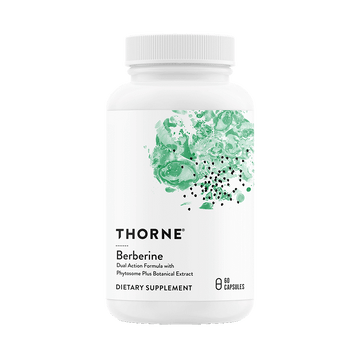
- Phytosome complexes — berberine bound to phospholipids to improve absorption.
- Co-administration with P-gp inhibitors — for example silymarin from milk thistle, which some formulations include on this rationale.
These are legitimate pharmaceutical strategies, but note the implication: almost all the clinical trial evidence for berberine used standard berberine hydrochloride at 900–1,500 mg/day. An enhanced-absorption product at 200 mg is not automatically equivalent, and it has not been tested to the same endpoints. The same logic applies elsewhere in the supplement world — see our comparison of liposomal NMN and sublingual NMN for how delivery format changes the calculation.
Dosage and Timing Compared
Typical berberine dosing in trials
The dose used across most published trials is 500 mg two to three times daily, totalling 900–1,500 mg per day, taken with or shortly before meals. Splitting the dose matters for two reasons: berberine has a short duration of action, and single large doses substantially increase gastrointestinal side effects.
Taking berberine with food is standard practice in trials — it aligns the compound with the post-meal glucose rise and improves tolerability. This is the opposite of the guidance for several other longevity compounds; our articles on which supplements to take on an empty stomach and the supplement timing chart explain why timing varies so much by compound.
Most trials ran 8–12 weeks. Effects on fasting glucose and lipids typically become measurable within four to eight weeks; there is no meaningful evidence about what happens after a year or more. Our guide on how long supplements take to work covers realistic timelines across the category.
Typical metformin dosing
Metformin is titrated deliberately to reduce gastrointestinal intolerance — commonly starting at 500 mg once daily with food, increasing gradually over several weeks toward a typical maintenance range of 1,500–2,000 mg daily in divided doses, or once daily for modified-release preparations. Dose is capped by kidney function and adjusted or stopped in renal impairment. Titration is a clinical decision, not something to attempt independently.
Side Effects and Safety
Berberine side effects
Gastrointestinal effects dominate and are largely dose-dependent:
- Diarrhoea (often the first effect, and the most common reason people stop)
- Constipation (paradoxically, in some people)
- Flatulence and abdominal cramping
- Nausea and a bitter aftertaste
- Headache in a minority of users
Longer-term human trials have reported flatulence and diarrhoea as recurring issues, and one line of research links berberine-associated diarrhoea to shifts in gut bacterial populations. Starting at a single 500 mg dose with a meal and increasing slowly is the standard approach to limiting this.
Who should not take berberine
- Pregnant or breastfeeding women. Berberine crosses the placenta and can displace bilirubin from albumin, raising concern about kernicterus in newborns. This is a firm contraindication.
- Infants and young children. For the same reason.
- People with G6PD deficiency. Berberine can trigger haemolytic anaemia and jaundice. Chinese product information explicitly contraindicates it in this group.
- Anyone on a medication metabolised by CYP3A4 or transported by P-glycoprotein. See the interactions section below.
- People scheduled for surgery. Standard advice is to stop supplements affecting blood glucose at least two weeks before a procedure and inform the anaesthetic team.
Metformin side effects
Metformin's most common adverse effects are gastrointestinal — nausea, diarrhoea, abdominal discomfort and a metallic taste — and they typically appear at initiation or dose increases and settle within a few weeks. Slow titration, taking doses with food, and switching to modified-release preparations all reduce this substantially.
Metformin does not cause hypoglycaemia when used alone, because it does not stimulate insulin secretion. It can contribute to hypoglycaemia when combined with insulin or sulfonylureas.
Lactic acidosis is the serious adverse effect associated with metformin. It is genuinely rare and almost always occurs in the context of significant renal impairment, acute severe illness, dehydration or heavy alcohol use — which is why "sick day rules" for pausing metformin during acute illness are part of standard UK diabetes care.
Metformin and vitamin B12
This is the most clinically relevant long-term issue and one of the strongest arguments for supervised use. In June 2022, following a European review, the MHRA reclassified reduced vitamin B12 as a common adverse effect of metformin — more frequent than earlier estimates suggested, with prevalence figures cited up to around 10%, particularly with higher doses and longer treatment duration. UK product information was updated accordingly.
The MHRA advice is to test B12 levels in patients on metformin who present with anaemia or neuropathy, and to consider periodic monitoring in those with existing risk factors for deficiency. The proposed mechanism involves calcium-dependent B12 absorption in the terminal ileum. Metformin is not usually stopped for this — deficiency is treated and treatment continues.
Symptoms worth flagging to your GP if you take metformin: unusual and persistent fatigue, a sore or red tongue, pins and needles or numbness in hands and feet, or unusually pale or yellow-tinged skin. These can indicate low B12 and should be assessed rather than self-treated.
Drug Interactions: The Part Most Articles Skip
Berberine's low bioavailability leads many people to assume it is pharmacologically inert. It is not. Berberine is one of the more interaction-prone botanical supplements, precisely because it acts on the enzymes and transporters that handle other drugs.
| Interaction route | What happens | Examples of affected medicines |
|---|---|---|
| CYP3A4 inhibition | Reduced metabolism of co-administered drugs, raising their blood levels | Ciclosporin, tacrolimus, midazolam, some statins, some calcium channel blockers |
| P-glycoprotein inhibition | Increased absorption and plasma levels of P-gp substrates | Digoxin — a drug with a narrow therapeutic window |
| Additive glucose lowering | Risk of hypoglycaemia when stacked with glucose-lowering medication | Metformin, sulfonylureas (gliclazide), insulin, SGLT2 inhibitors |
| Anticoagulant effects | Potential to alter drug levels and bleeding risk | Warfarin and other anticoagulants |
| Bilirubin displacement | Displaces bilirubin from albumin binding sites | Clinically critical in neonates; relevant in liver impairment |
Documented human studies have shown berberine raising ciclosporin concentrations in renal transplant patients and midazolam concentrations in healthy volunteers — confirming the CYP3A4 effect is real, not theoretical. If you take any prescription medication, a pharmacist review before starting berberine is the sensible minimum. Our guide on whether you can take supplements together covers the broader principles of stacking safely.
Can You Take Berberine and Metformin Together?
Some studies have combined them, and results suggest additive glucose-lowering effects. But this is explicitly a decision for your prescriber, not a self-directed experiment, for three reasons:
- Additive hypoglycaemia risk. Neither causes hypoglycaemia reliably on its own, but combined with a sulfonylurea or insulin — which many people with type 2 diabetes also take — the risk becomes real.
- Shared transporters. Both berberine and metformin interact with organic cation transporters, which raises the possibility of altered metformin handling.
- Compounding GI effects. Both cause diarrhoea. Together, the effect can be significant enough to affect adherence to the medicine that is actually doing the heavy lifting.
If you do discuss this with your GP, come prepared: know the exact berberine product, form and dose you are proposing, bring the label, ask about home glucose monitoring for the first four to six weeks, and agree in advance what would prompt you to stop. Anyone taking berberine alongside glucose-lowering medication should have a way to check their blood sugar.
Cost Comparison in the UK
The economics here are stark, and they run counter to the usual "natural is cheaper" assumption.
| Berberine | Metformin | |
|---|---|---|
| Typical monthly cost | £15–£40 for a standard 1,000–1,500 mg/day product; enhanced-absorption formats often £35–£60 | £9.90 per prescription item in England; free in Scotland, Wales and Northern Ireland |
| Exemptions | None — always self-funded | People treated with medication for diabetes qualify for a medical exemption certificate, making prescriptions free in England |
| Annual cost | Approximately £180–£480 | £0 for most people with diagnosed diabetes; a 12-month prepayment certificate caps costs at £114.50 for those not exempt |
| Monitoring included | No — you fund any private testing | Yes — HbA1c, renal function and annual review through the NHS |
In other words, for someone who genuinely needs glucose-lowering treatment, the prescription route is usually both cheaper and better supervised. Berberine's cost only makes sense as a discretionary supplement for someone who does not qualify for medication. If cost is a live consideration in your wider routine, see our breakdowns of what a longevity stack costs in the UK and why supplements are so expensive.
Quality and Purity: Why Berberine Supplements Vary So Much
This is where the regulatory gap has practical consequences. A 2018 analysis published in the Journal of Dietary Supplements tested 15 commercially available berberine preparations and found that only six contained at least 90% of the berberine quantity stated on the label. Some contained substantially less.
That finding reframes a lot of the debate. If a product contains a third of its labelled dose, no amount of clinical trial data on 1,500 mg/day tells you what you are actually taking. Practical checks:
- Ask for a batch-specific certificate of analysis. Not a generic specification sheet — a COA tied to the batch number on your bottle. Our guide to reading a certificate of analysis explains what to look for.
- Look for genuine third-party testing. Ideally from an ISO 17025-accredited laboratory, covering potency, heavy metals and microbiological contamination. See third-party tested supplements.
- Check the form and salt. "Berberine HCl" with a stated elemental content is more informative than "berberine extract 10:1".
- Scrutinise the excipients. Cheap bulk fillers can crowd out active ingredient — covered in our guide to supplement fillers.
- Be sceptical of medical claims. A UK seller claiming a supplement treats or prevents diabetes is breaching advertising and food law, which tells you something about the operation.
Who Might Reasonably Consider Berberine?
Berberine is most defensible for a fairly narrow group: adults without diagnosed diabetes, not on interacting medication, who have borderline metabolic markers — mildly raised fasting glucose, raised LDL or triglycerides, or a waist circumference in the at-risk range — and who are already addressing diet, activity, sleep and alcohol.
It is a poor choice for: anyone using it as a reason to defer a GP appointment; anyone hoping for GLP-1-style weight loss; anyone on polypharmacy; and anyone who would rather take a capsule than change anything else. The DPP result is worth remembering — the lifestyle arm nearly doubled the effect of the drug arm.
Where Berberine Fits in a Wider Longevity Stack
Metabolic health is one of several levers in a longevity routine, and berberine addresses only part of it. People building a considered stack usually combine a glucose/lipid lever with NAD+ support, mitochondrial support and basics like protein, sleep and training.
If you are assembling a routine, these guides cover the adjacent decisions:
- How to start longevity supplements — sequencing and what to introduce first
- The minimal effective supplement stack — if you want the shortest defensible list
- The complete NAD+ supplement guide — how NAD+ precursors relate to metabolic and mitochondrial function
- Longevity supplements for men over 50 — where insulin resistance typically becomes a priority
- Creatine for longevity — arguably the best evidence-to-cost ratio in the category
Welzo's NAD+ and longevity supplement collection is third-party tested with batch certificates available, including NMN Pro 1000 for people whose priority is NAD+ support alongside metabolic work. For the full picture on NMN specifically, our NMN benefits, side effects and dosage guide is the definitive resource.
The Bottom Line on Berberine vs Metformin
Berberine is not "nature's metformin" in any meaningful clinical sense. It is a genuinely bioactive compound with reproducible short-term effects on fasting glucose, HbA1c and — most consistently — LDL cholesterol and triglycerides. Those effects are real. They are also smaller, less predictable, less well characterised over time, and unsupported by any outcome data.
Metformin is a licensed medicine with six decades of use, large randomised outcome trials, a defined place in NICE guidance, structured NHS monitoring, and a cost that is usually zero for the people who need it. Its main long-term drawback — reduced vitamin B12 — is well recognised and manageable.
The right question is rarely "which one?" It is "does my situation call for medical treatment or not?" If it does, that decision belongs with a clinician. If it does not, berberine is one of the more evidence-supported options in a category with a lot of noise — provided you buy a verified product, dose it as studied, check your bloods, and treat it as an addition to diet and training rather than a replacement for them.
Frequently Asked Questions
Is berberine as effective as metformin?
No. One small 2008 pilot trial of 36 people found comparable glucose lowering over three months, and that result is quoted constantly, but pooled meta-analyses place berberine's HbA1c effect at roughly 0.5–0.7 percentage points versus around 1.0–1.5 for a titrated dose of metformin. More importantly, metformin has long-term outcome data showing reduced progression to diabetes; berberine has none.
Can berberine replace metformin?
No. Berberine is a food supplement in the UK, not a licensed medicine, and it has never been tested as a substitute for prescribed diabetes therapy. Stopping metformin without medical advice risks losing glycaemic control. If you want to reduce or stop metformin, that conversation belongs with your GP or diabetes team.
Can I take berberine and metformin together?
Only with medical supervision. Some studies show additive glucose-lowering effects, but combining them raises the risk of hypoglycaemia — particularly if you also take a sulfonylurea or insulin — and both can cause diarrhoea, which compounds when taken together. Your prescriber should agree the plan and you should have a way to monitor blood glucose.
How much berberine should I take?
The dose used in most clinical trials is 500 mg two to three times daily with meals, totalling 900–1,500 mg per day. Starting at a single 500 mg dose with food and increasing over one to two weeks limits gastrointestinal side effects. Enhanced-absorption formats such as dihydroberberine use lower doses and are not directly comparable to the trial data.
How long does berberine take to work?
Trials typically measured changes at 8 to 12 weeks, with effects on fasting glucose and lipids becoming detectable from around four to eight weeks. If you are trialling it, a sensible approach is a baseline blood test, twelve weeks of consistent use, then a repeat test — rather than relying on how you feel.
What are the side effects of berberine?
Gastrointestinal effects are the most common: diarrhoea, constipation, flatulence, abdominal cramping and nausea, all largely dose-dependent. Berberine is contraindicated in pregnancy, breastfeeding, infants and people with G6PD deficiency, and it interacts with a substantial number of prescription medicines through CYP3A4 and P-glycoprotein.
Does berberine cause weight loss like Ozempic?
No. The "nature's Ozempic" label is not supportable. Pooled data on berberine typically show around 2–3 kg of weight loss over 8–12 weeks, compared with 10–20% of body weight for GLP-1 receptor agonists in trials. They also work through entirely different mechanisms — berberine does not act on GLP-1 receptors or appetite in the same way.
Why is berberine's bioavailability so poor?
Three reasons: it is actively pumped back into the gut by P-glycoprotein, it undergoes extensive first-pass metabolism in the intestinal wall and liver, and it is poorly water-soluble and tends to self-aggregate in the stomach. Absolute oral bioavailability is measured below 1% in animal studies, which is why much of its effect may occur in the gut rather than systemically.
Is berberine legal and safe to buy in the UK?
Yes, berberine is legally sold in the UK as a food supplement under food law, overseen by the Food Standards Agency rather than the MHRA. It is not licensed as a medicine, so it cannot lawfully be marketed as treating or preventing any condition, and it does not undergo pre-market safety and efficacy assessment. Choose products with batch-specific third-party test results, and report any suspected adverse reaction via the MHRA Yellow Card scheme.
Does berberine have longevity benefits like metformin is claimed to?
Both are discussed in longevity circles because they activate AMPK, but the evidence for either is preliminary. Metformin's case comes from observational data and mechanistic overlap with ageing pathways, and is still being formally tested. Berberine's case is largely preclinical. Neither has demonstrated an extension of healthy lifespan in humans, and both discussions are best treated as hypotheses rather than established findings.
References
- Yin J, Xing H, Ye J. Efficacy of berberine in patients with type 2 diabetes mellitus. Metabolism. 2008;57(5):712–717. https://pmc.ncbi.nlm.nih.gov/articles/PMC2410097/
- Dong H, Wang N, Zhao L, Lu F. Berberine in the treatment of type 2 diabetes mellitus: a systematic review and meta-analysis. Evidence-Based Complementary and Alternative Medicine. 2012;2012:591654. https://pmc.ncbi.nlm.nih.gov/articles/PMC3478874/
- Lan J, Zhao Y, Dong F, et al. Meta-analysis of the effect and safety of berberine in the treatment of type 2 diabetes mellitus, hyperlipemia and hypertension. Journal of Ethnopharmacology. 2015;161:69–81. https://pubmed.ncbi.nlm.nih.gov/25498346/
- Guo J, Chen H, Zhang X, et al. The effect of berberine on metabolic profiles in type 2 diabetic patients: a systematic review and meta-analysis of randomized controlled trials. Oxidative Medicine and Cellular Longevity. 2021;2021:2074610. https://onlinelibrary.wiley.com/doi/10.1155/2021/2074610
- Yin J, Ye J, Jia W. Effects and mechanisms of berberine in diabetes treatment / Metformin and berberine, two versatile drugs in treatment of common metabolic diseases. Oncotarget. 2018;9(11):10135–10146. https://www.ncbi.nlm.nih.gov/pmc/articles/PMC5839379/
- Funk RS, Singh RK, Winefield RD, et al. Variability in potency among commercial preparations of berberine. Journal of Dietary Supplements. 2018;15(3):343–351. https://www.ncbi.nlm.nih.gov/pmc/articles/PMC5807210/
- Hernandez AV, Hwang J, Nasreen I, et al. Impact of berberine or berberine combination products on lipoprotein, triglyceride and biological safety marker concentrations in patients with hyperlipidemia: a systematic review and meta-analysis. Journal of Dietary Supplements. 2024;21(2):242–259. https://pubmed.ncbi.nlm.nih.gov/37183391/
- National Institute for Health and Care Excellence. Type 2 diabetes in adults: management (NG28). Published December 2015; last updated 18 February 2026. https://www.nice.org.uk/guidance/ng28
- Medicines and Healthcare products Regulatory Agency. Metformin and reduced vitamin B12 levels: new advice for monitoring patients at risk. Drug Safety Update, June 2022. https://www.gov.uk/drug-safety-update/metformin-and-reduced-vitamin-b12-levels-new-advice-for-monitoring-patients-at-risk
- Knowler WC, Barrett-Connor E, Fowler SE, et al. Reduction in the incidence of type 2 diabetes with lifestyle intervention or metformin. New England Journal of Medicine. 2002;346(6):393–403. https://www.ncbi.nlm.nih.gov/pmc/articles/PMC1370926/
- NHS. About metformin. NHS Medicines A to Z. https://www.nhs.uk/medicines/metformin/about-metformin/
- Diabetes UK. Metformin: uses, how it works and side effects. https://www.diabetes.org.uk/about-diabetes/looking-after-diabetes/treatments/tablets-and-medication/metformin
- Alolga RN, Fan Y, Zhang G, et al. Pharmacokinetics of berberine, the main constituent of Berberis vulgaris L.: a comprehensive review. Phytotherapy Research. 2022. https://onlinelibrary.wiley.com/doi/10.1002/ptr.7589
- US Food and Drug Administration. Warning letters (searchable database; berberine supplement enforcement actions, 2020–2022). https://www.fda.gov/inspections-compliance-enforcement-and-criminal-investigations/compliance-actions-and-activities/warning-letters
- PubChem, National Library of Medicine. Berberine — compound summary (CID 2353). https://pubchem.ncbi.nlm.nih.gov/compound/2353
- MHRA. Yellow Card scheme — reporting suspected side effects of medicines and supplements. https://yellowcard.mhra.gov.uk/
About the Medical Reviewer
Dr Zeeshan Afzal (MBBS) is a qualified doctor and Medical Officer who reviews Welzo's health and supplement content for clinical accuracy. This article was reviewed against current UK guidance from NICE, the MHRA and the NHS, and against the peer-reviewed literature cited above. Medical review confirms factual accuracy; it does not constitute an endorsement of any product, nor personalised medical advice.
Medical Disclaimer
This article is provided for general information only and does not constitute medical advice, diagnosis or treatment. Berberine is a food supplement and is not licensed in the UK to treat, cure or prevent any disease. Metformin is a prescription-only medicine and must be used under the supervision of a qualified healthcare professional. Never delay seeking medical advice, disregard advice from your GP, or stop or alter prescribed medication because of something you have read here. If you have or suspect you have diabetes, prediabetes, polycystic ovary syndrome or a lipid disorder, speak to your GP, diabetes nurse or pharmacist. If you experience symptoms of hypoglycaemia — shakiness, sweating, confusion, palpitations — treat it promptly and seek medical advice. In an emergency, call 999 or NHS 111.
Last reviewed: July 2026. Next scheduled review: January 2027.


 Hodnoceno výborně o 26,523+ recenzí
 100% záruka vrácení peněz