

 Instagram


Do Probiotics Survive Stomach Acid?


Related products


Written and medically reviewed by Dr Zeeshan Afzal, Medical Officer at Welzo.
Last reviewed: July 2026 | Next review due: July 2027 | Evidence-based, UK-focused
It is the single most common objection to taking a probiotic: your stomach produces acid strong enough to break down a steak, so how could a delicate bacterium possibly make it through alive? It is a fair question, and the honest answer is more interesting than either the marketing claims or the sceptics suggest.
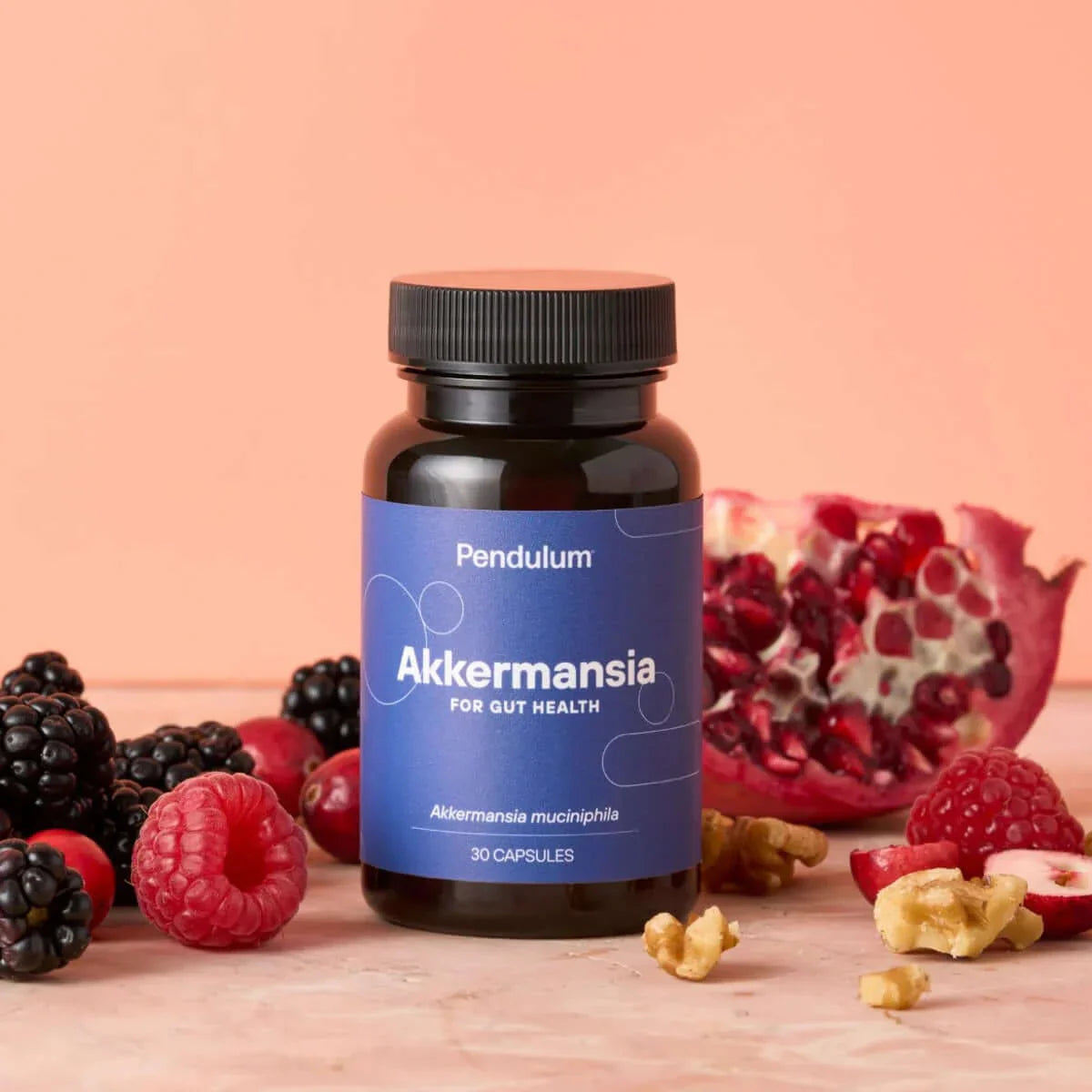
The short version is that some probiotics survive stomach acid very well, some are almost entirely destroyed, and the difference comes down to the specific strain, the format it is delivered in, and — surprisingly — whether you take it with food. Survival is not a yes-or-no property of "probiotics" as a category. It is a measurable property of individual products. This guide walks through what actually happens to live bacteria between your mouth and your small intestine, what the laboratory and human studies show, and how to choose and take a probiotic so that a meaningful number of organisms arrive where they are meant to work. If you are new to this area, our complete guide to gut health in the UK is a good starting point, and you can browse the full Welzo probiotics range and wider gut health collection alongside targeted formulas such as Akkermansia muciniphila, modified citrus pectin powder, Welzo Ultra Purity Berberine and Welzo Ultra Purity TUDCA.
Table of contents
- The short answer
- What actually happens in your stomach
- Why some probiotics survive and others do not
- What the research shows: study by study
- Does survival actually equal benefit?
- How to give your probiotic the best chance
- How to read a label for survivability
- Low stomach acid, PPIs and other special cases
- When to speak to a doctor
- Frequently asked questions
- References
The short answer: do probiotics survive stomach acid?
Yes — a proportion of them do, and in some formulations that proportion is high. But it varies enormously between products.
Three findings anchor the answer:
- Human studies confirm live passage. In a 2018 study published in Cell, researchers gave healthy volunteers an 11-strain probiotic and then sampled the gut directly by endoscopy and colonoscopy rather than relying on stool alone. The probiotic strains remained viable after gastrointestinal passage and were transiently detectable in the gut during supplementation.[5]
- Spore-forming probiotics survive best. In a randomised, placebo-controlled crossover study in participants with ileostomies — which allows direct sampling of small intestinal contents — Bacillus subtilis DE111 spores appeared in the ileum within three hours of ingestion and had already germinated into active vegetative cells.[7]
- Product-to-product variation is huge. When researchers at the UCL School of Pharmacy tested eight commercial probiotic preparations in biorelevant gastric fluids, survival differed markedly between products, and losses were most severe at the lowest pH values tested.[4]
So the useful question is not "do probiotics survive stomach acid?" but "does this probiotic, taken this way, deliver a worthwhile number of live organisms past the stomach?" That is a question you can influence.

Image: human digestive system. Source: Mariana Ruiz (LadyofHats) via Wikimedia Commons, public domain.
What actually happens in your stomach
To understand survival, you need to understand the environment probiotics are being asked to cross. It is harsher than most people realise, but also far more variable.
How acidic is stomach acid?
Gastric acid is hydrochloric acid secreted by parietal cells in the stomach lining. In the fasted state, the stomach typically sits somewhere in the region of pH 1.5 to 3.5 — acidic enough to denature proteins, activate the digestive enzyme pepsin, and kill the large majority of microorganisms arriving in food. That antimicrobial function is not a design flaw; it is one of your primary defences against foodborne pathogens.
The problem for supplements is that acid does not discriminate. It does not recognise Lactobacillus rhamnosus as friendly and Salmonella as hostile. Both face the same chemistry.
Fasted versus fed: the pH swing that changes everything
This is the single most under-appreciated fact in the whole debate. Your stomach is not permanently at pH 1.5. When you eat, food buffers the acid and gastric pH rises sharply, often into the mid-range of the scale, before acid secretion gradually brings it back down over the following couple of hours as the meal empties.[4]
In practical terms, a probiotic swallowed at the right moment relative to a meal is crossing a substantially less hostile stomach than the same capsule taken on an empty stomach. That is not a marketing claim — it is straightforward gastric physiology, and it has been tested (see timing below).
How long do probiotics spend in the stomach?
Gastric emptying varies widely between people and between the fed and fasted states. Liquids and an empty stomach empty relatively quickly; a solid, fat-containing meal keeps contents in the stomach considerably longer. This creates a trade-off: food raises the pH (good for survival) but slows transit (longer exposure). The published work suggests the buffering effect wins, but it is why the answer is "with a meal" rather than "after a meal", when acid secretion has already ramped up and the buffering capacity of the food is falling.
Bile and pancreatic enzymes: the second obstacle
Surviving the stomach is only half the journey. In the duodenum, probiotics meet bile salts and pancreatic enzymes, and several strains that tolerate acid perfectly well are killed here instead. One study of lactic acid bacteria found strains that survived simulated gastric conditions well but lost viability entirely after four hours of simulated intestinal conditions.[9] Any product claiming "acid resistance" without addressing bile tolerance is telling you half the story. Bile flow itself is worth understanding if you are supporting digestion more broadly — see our guides to bile acid malabsorption and TUDCA and bile support.
Why some probiotics survive and others do not
Strain matters far more than species
Acid tolerance is a strain-level trait. Two organisms sharing a species name can behave completely differently in gastric fluid, because tolerance depends on membrane composition, proton pump activity and stress-response genes that vary between strains.
This is why credible products name the full strain designation — for example Lacticaseibacillus rhamnosus GG (ATCC 53103) rather than just "Lactobacillus rhamnosus". Without the strain code you cannot look up whether that specific organism has published survival data. Our strain-by-strain guides cover Lactobacillus rhamnosus GG, Bifidobacterium longum, Lactobacillus plantarum and Bacillus coagulans.

Image: Lactobacillus acidophilus under the microscope. Source: Wikimedia Commons, Creative Commons licence.
Spore-forming probiotics: built for the journey
Bacillus species such as Bacillus coagulans (now reclassified as Heyndrickxia coagulans) and Bacillus subtilis are supplied as endospores — a dormant, armoured form of the bacterium with a tough protective coat. Spores are highly resistant to heat, desiccation and acid, which is precisely why they pass the stomach efficiently and then germinate into active cells once they reach the nutrient-rich small intestine.[6]
The trade-off is persistence: spore-based organisms adhere weakly to the intestinal lining and are largely cleared within days of stopping, which is why consistent daily dosing matters.[6] Read more in our guides to spore-based probiotics and spore-forming versus Lactobacillus probiotics.
Yeast-based probiotics
Saccharomyces boulardii is a yeast rather than a bacterium, with a thicker cell wall and inherent acid tolerance. It is also unaffected by antibiotics, which is one reason it is frequently used alongside antibiotic courses. See our guide to Saccharomyces boulardii and to taking probiotics after antibiotics.
Formulation and delivery technology
Enteric coating and delayed release
An enteric coating is designed to stay intact at gastric pH and dissolve at the higher pH of the small intestine. It can meaningfully improve delivery for acid-sensitive strains. The limitation is that release depends on pH thresholds that vary between individuals, so the coating is a probability improvement, not a guarantee.
Microencapsulation
Here individual cells are wrapped in a protective matrix — commonly alginate, starch, chitosan or protein. Laboratory work has repeatedly shown significant improvements in survival: in one study, calcium alginate-gelatinised starch capsules with a chitosan coating significantly increased the survival of Lactobacillus casei and Bifidobacterium bifidum through simulated gastric and intestinal conditions.[8]
Capsules, powders and liquids
Format changes the exposure profile. A capsule shell buys a few minutes of protection. A powder stirred into water disperses immediately and meets acid directly, though it can be taken with food to compensate. Liquid, pre-activated products are already hydrated and metabolically awake, which some comparative testing suggests handles gastric fluid better than dry powders — although dry freeze-dried formats generally have superior shelf stability. Our comparisons of probiotic powders, probiotic drinks and shelf-stable probiotics go into the practical differences.
What the research shows: study by study
| Study | Model | Key finding |
|---|---|---|
| Corcoran et al., 2005[2] | Simulated gastric juice, pH 2.0, 90 minutes | Adding glucose improved survival of L. rhamnosus GG by up to 6 log₁₀ — a very large effect. Sugars the bacteria can metabolise fuel the proton pump that keeps acid out. |
| Tompkins et al., 2011[3] | Dynamic in vitro model of the human upper GI tract | Survival of a four-organism product was best when given with, or shortly before, a meal. The authors concluded non-enteric-coated bacterial probiotics are ideally taken with or just prior to a meal containing some fat. |
| Fredua-Agyeman & Gaisford, 2015[4] | Eight commercial products in porcine and simulated gastric fluids | Survival varied substantially between commercial formulations, with the greatest losses at the lowest pH tested. Product choice is not a trivial variable. |
| Zmora et al., 2018[5] | Human endoscopy and colonoscopy, 11-strain product | Strains remained viable through GI passage and were transiently enriched in stool, but mucosal colonisation was highly person-specific — some people resisted colonisation entirely. |
| Keller et al., 2019[6a] | Dynamic computer-controlled GI model (TIM-1/TIM-2) | Around half of an oral dose of B. coagulans GBI-30, 6086 spores survived upper GI transit, with more than 90% germination in the small intestinal compartment. |
| Colom et al., 2021[7] | Randomised crossover trial in humans with ileostomies | B. subtilis DE111 spores and germinated vegetative cells were recovered from ileal effluent within three hours of ingestion — direct human evidence of gastric survival. |
| Michalak et al., 2021[10] | Commercial strains in a food matrix under simulated gastric passage | Viability of L. rhamnosus GG declined only insignificantly at pH 2.0 and 3.0 when delivered within a food matrix. |
Read together, these studies point to a consistent picture: gastric acid is a genuine barrier that kills a substantial fraction of most bacterial probiotics, but strain selection, spore technology, encapsulation and — cheaply and reliably — taking the product with food all shift the odds materially in your favour.
Does survival actually equal benefit?
This is where the conversation gets more nuanced, and where a lot of online content stops too early.
Transient passage is normal, and it is not failure
Most probiotics do not permanently colonise the adult gut. They pass through, exerting effects while present, and disappear within days to weeks of stopping. The Cell study described above found exactly this pattern: viable passage and transient enrichment, but colonisation resistance in a substantial subset of people.[5]
This is why probiotics are taken continuously rather than as a one-off course, and why they behave differently from an intervention aimed at reshaping the resident microbiome. If long-term ecosystem change is your goal, feeding your existing bacteria with fibre and polyphenols does more heavy lifting — see microbiome diversity, prebiotic supplements and short-chain fatty acids.
Not all effects require the organism to be alive
Since 2021 there has been a formal scientific consensus definition for postbiotics: "a preparation of inanimate microorganisms and/or their components that confers a health benefit on the host".[11] In other words, heat-killed or inactivated microbes can still produce measurable benefits, via cell-wall components interacting with the gut lining and immune tissue.[12]
That does not make viability irrelevant — a probiotic, by definition, must be alive when administered[1] — but it does mean a dead cell is not necessarily a wasted cell. It is one reason results in clinical trials can look better than a purely arithmetic view of survival percentages would predict.
Dose is the practical lever
Because losses are expected, credible products are formulated with headroom: enough organisms at the point of consumption that a meaningful number arrive even after gastric attrition. Expert consensus has pointed to a general benchmark of around 1 × 10⁹ CFU (one billion) for products claiming a general benefit,[1] though the correct dose is ultimately whatever was used in the trials for that specific strain. See our guides to high-strength probiotics and CFU versus AFU.
How to give your probiotic the best chance of surviving
These are the changes that are actually supported by evidence, in rough order of impact.
1. Take it with a meal — ideally one containing some fat
This is the highest-value, zero-cost change. In the dynamic upper-GI model study, survival was best when the probiotic was given with or just before a meal, and the authors' explicit conclusion was that non-enteric-coated bacterial probiotics should ideally be taken with or just prior to a meal containing some fat.[3] Breakfast with yoghurt, milk, eggs or oats works well; a glass of water on an empty stomach is the worst-case scenario for an unprotected product.
Dairy adds a second advantage: milk is a good buffer, and food matrices generally improve viability under simulated gastric conditions.[10] Our guide to when to take probiotics covers timing in more depth.
2. Choose a format matched to the strain
If a strain has published acid-tolerance data, it may not need special delivery technology. If it does not, enteric coating, microencapsulation or a spore-based alternative is a reasonable hedge. Our guide to how to choose a probiotic sets out the checks in order.
3. Take it consistently, and give it time
Because most probiotics are transient, dosing daily is what maintains a population in the gut. Most trials run for at least four weeks before assessing outcomes, and the NHS suggests trying a probiotic daily for at least four weeks to judge whether it helps.[13] See how long probiotics take to work and whether to take probiotics every day.
4. Store it correctly
A product that has already lost viability on a warm shelf has nothing left to lose in the stomach. Follow the manufacturer's storage instructions exactly — some formulations require refrigeration, others are specifically engineered not to. See do probiotics need refrigeration.
5. Consider pairing with a prebiotic
Two reasons. First, metabolisable sugars measurably improve acid survival in the stomach[2]. Second, once the organisms arrive, a substrate helps them and your resident bacteria function. Combined products are covered in our guide to synbiotic supplements, and the distinction is explained in prebiotic versus probiotic.
How to read a probiotic label for survivability
- Full strain designation. Genus, species and strain code. No code, no way to check the evidence.
- CFU guaranteed to end of shelf life, not "at time of manufacture". The second phrasing tells you nothing about what you will actually swallow.
- An explicit delivery claim — enteric coated, delayed release, microencapsulated, or spore-forming — or published acid-tolerance data for the named strain.
- Clear dosing instructions relative to food. Good manufacturers state this, because they know it matters.
- Realistic language. In Great Britain and the EU, "probiotic" is generally treated as an unauthorised health claim on food labels, which is why UK products often say "live cultures" instead. That is a regulatory quirk, not a sign of a weaker product.

Image: live yoghurt. Source: Wikimedia Commons, CC BY-SA 3.0.
What about fermented foods?
Fermented foods such as live yoghurt, kefir, sauerkraut and kimchi contain live microbes, but with two caveats: the organisms are usually uncharacterised, and the counts are not standardised. They are still a valuable part of a gut-friendly diet — and they come pre-packaged in a buffering food matrix, which helps survival. Explore fermented foods in the UK, kefir benefits and fermented foods versus probiotic supplements.

Image: milk kefir grains. Source: Wikimedia Commons.
Low stomach acid, PPIs and other special cases
If you take a proton pump inhibitor
Medicines such as omeprazole and lansoprazole substantially reduce gastric acid production. Counter-intuitively, this makes it easier for probiotics to survive the stomach — but it also weakens a natural barrier against unwanted organisms reaching the small intestine, which is one mechanism linked to bacterial overgrowth. If you are on long-term acid suppression, read our guides to the long-term effects of omeprazole and SIBO, and discuss ongoing need with your GP or pharmacist. Never stop a prescribed PPI without medical advice.
If you suspect low stomach acid
Naturally reduced acid output becomes more common with age and with some medical conditions. The symptoms overlap heavily with other digestive problems, so self-diagnosis is unreliable. See symptoms of low stomach acid and betaine HCl for background, but get persistent symptoms assessed properly.
If you are immunocompromised, seriously unwell or pregnant
Probiotics are considered safe for most healthy people, but the British Dietetic Association notes that people whose immune systems are not working properly may be at risk and should seek professional advice first.[14] The same applies if you have a central venous catheter, are critically unwell, have short bowel syndrome, or are pregnant or breastfeeding. See probiotic safety, probiotic side effects and probiotics in pregnancy.
When to speak to a doctor rather than reach for a supplement
Probiotics are a supportive measure, not a diagnostic tool. Book an appointment with your GP promptly if you have:
- Blood in your stool, or black, tarry stools
- Unexplained weight loss
- A persistent change in bowel habit lasting more than three weeks
- Difficulty swallowing, or persistent vomiting
- A lump or swelling in the abdomen
- Persistent abdominal pain, or symptoms that wake you at night
- Iron deficiency anaemia without an obvious cause
- A family history of bowel cancer, coeliac disease or inflammatory bowel disease alongside new symptoms
Our guide on when to see a GP about stomach symptoms covers this in detail, and bowel cancer screening in the UK explains the NHS programme.
Frequently asked questions
Do probiotics survive stomach acid?
Some do, and some do not. Spore-forming Bacillus probiotics and yeast-based Saccharomyces boulardii pass the stomach efficiently, and several well-studied Lactobacillus and Bifidobacterium strains survive in useful numbers — particularly when taken with food or delivered in a protective format. Human studies using direct sampling of the small intestine and gut mucosa confirm that live organisms do arrive past the stomach.[5][7]
What percentage of probiotics survive stomach acid?
There is no single figure, and any brand quoting one for probiotics in general is overstating the evidence. Reported survival ranges from near-total loss for unprotected, acid-sensitive strains at low pH, up to around half of an oral dose for spore-based products in dynamic gut models.[6a] The realistic answer is that it depends on the strain, the format and how you take it.
Should I take probiotics on an empty stomach or with food?
With food, for most products. Testing in a dynamic model of the human upper gut found survival was best when the probiotic was given with or just before a meal containing some fat.[3] If your product's label specifies otherwise — some are formulated for empty-stomach dosing — follow the label.
Do enteric-coated probiotics work better?
They can, particularly for acid-sensitive strains without inherent tolerance. But a coating is not automatically better than a naturally robust strain, and release depends on individual gut pH. Judge a product on its clinical evidence first and its delivery technology second.
Are spore-based probiotics better because they survive better?
Better at surviving, yes — spores are designed to withstand acid, heat and drying.[6] Whether that translates into better outcomes depends on what you are treating, because survival and clinical effect are different questions. Compare the options in our guide to spore-based versus Lactobacillus probiotics.
Does taking a probiotic with milk or yoghurt help it survive?
Yes. Milk buffers gastric acid and a food matrix has been shown to protect viability under simulated gastric conditions.[10] Milk or yoghurt at breakfast is a practical and evidence-consistent way to take a daily probiotic.
Do proton pump inhibitors make probiotics more effective?
They raise gastric pH, so more organisms survive the stomach. That does not automatically mean better clinical results, and reduced stomach acid has its own downsides, including a weakened barrier against unwanted bacteria reaching the small intestine. Do not start, stop or adjust a PPI to change how a supplement behaves — talk to your prescriber.
If probiotics die in the stomach, is taking them pointless?
No. Products are dosed with expected losses built in, and dead or inactivated microbial cells can still exert effects — the basis of the formal scientific definition of postbiotics.[11] That said, a probiotic must be alive when administered to meet the definition of a probiotic,[1] so viability at the point of purchase still matters.
How can I tell if my probiotic is actually reaching my gut?
There is no reliable home test. Stool testing can detect a strain during supplementation, but presence in stool does not prove clinical benefit. In practice, judge by symptoms over four to eight weeks of consistent daily use. Our guides to gut microbiome testing in the UK and whether probiotics work explain what the tests can and cannot tell you.
Do liquid probiotics survive stomach acid better than capsules?
Some comparative testing suggests pre-hydrated, metabolically active liquid products handle gastric fluid better than dry powders, because the cells are already awake rather than needing to rehydrate under acid stress. The counterpoint is that liquids are generally less shelf-stable. Both formats can work; consistency of use matters more than format. See our comparison of probiotic drinks and reviews such as Symprove.
The bottom line
Stomach acid is a real and significant barrier, and it kills a meaningful proportion of most bacterial probiotics. But it is not an impenetrable one. Human studies using direct intestinal sampling have shown live probiotic organisms arriving past the stomach, and the variables that determine how many arrive — strain selection, delivery format, dose, and above all taking the product with a meal — are largely within your control.
If you are choosing a product, start with a named, evidence-backed strain at a dose guaranteed to end of shelf life, take it daily with breakfast, and give it at least four weeks. Explore the Welzo probiotics range and the wider best probiotics in the UK guide to compare options, and use our gut dysbiosis and gut barrier function articles if you want to understand the underlying biology in more depth.
References
- Hill C, Guarner F, Reid G, et al. Expert consensus document: The International Scientific Association for Probiotics and Prebiotics consensus statement on the scope and appropriate use of the term probiotic. Nature Reviews Gastroenterology & Hepatology. 2014;11(8):506–514. https://www.nature.com/articles/nrgastro.2014.66
- Corcoran BM, Stanton C, Fitzgerald GF, Ross RP. Survival of probiotic lactobacilli in acidic environments is enhanced in the presence of metabolizable sugars. Applied and Environmental Microbiology. 2005;71(6):3060–3067. https://pubmed.ncbi.nlm.nih.gov/15933002/
- Tompkins TA, Mainville I, Arcand Y. The impact of meals on a probiotic during transit through a model of the human upper gastrointestinal tract. Beneficial Microbes. 2011;2(4):295–303. https://pubmed.ncbi.nlm.nih.gov/22146689/
- Fredua-Agyeman M, Gaisford S. Comparative survival of commercial probiotic formulations: tests in biorelevant gastric fluids and real-time measurements using microcalorimetry. Beneficial Microbes. 2015;6(1):141–151. UCL Discovery: https://discovery.ucl.ac.uk/1453823/
- Zmora N, Zilberman-Schapira G, Suez J, et al. Personalized gut mucosal colonization resistance to empiric probiotics is associated with unique host and microbiome features. Cell. 2018;174(6):1388–1405. https://www.cell.com/cell/fulltext/S0092-8674(18)31102-4
- Wang Y, et al. Progress of research and application of Heyndrickxia coagulans (Bacillus coagulans) as probiotic bacteria. Frontiers in Cellular and Infection Microbiology. 2024. https://www.frontiersin.org/journals/cellular-and-infection-microbiology/articles/10.3389/fcimb.2024.1415790/full
- Keller D, Verbruggen S, Cash H, Farmer S, Venema K. Spores of Bacillus coagulans GBI-30, 6086 show high germination, survival and enzyme activity in a dynamic, computer-controlled in vitro model of the gastrointestinal tract. Beneficial Microbes. 2019;10(1):77–87. https://pubmed.ncbi.nlm.nih.gov/30694101/
- Colom J, Freitas D, Simon A, et al. Presence and germination of the probiotic Bacillus subtilis DE111 in the human small intestinal tract: a randomized, crossover, double-blind, and placebo-controlled study. Frontiers in Microbiology. 2021. https://www.ncbi.nlm.nih.gov/pmc/articles/PMC8366289/
- Mokarram RR, Mortazavi SA, Habibi Najafi MB, Shahidi F. Microencapsulation of probiotics by calcium alginate-gelatinized starch with chitosan coating and evaluation of survival in simulated human gastro-intestinal condition. https://www.ncbi.nlm.nih.gov/pmc/articles/PMC4177644/
- Bendali F, et al. In vitro properties of potential probiotic indigenous lactic acid bacteria. PMC. https://pmc.ncbi.nlm.nih.gov/articles/PMC4460932/
- Michalak M, et al. Effect of simulated gastrointestinal tract conditions on survivability of probiotic bacteria present in commercial preparations. International Journal of Environmental Research and Public Health. 2021. https://pmc.ncbi.nlm.nih.gov/articles/PMC7908519/
- Salminen S, Collado MC, Endo A, et al. The International Scientific Association of Probiotics and Prebiotics (ISAPP) consensus statement on the definition and scope of postbiotics. Nature Reviews Gastroenterology & Hepatology. 2021;18:649–667. https://www.nature.com/articles/s41575-021-00440-6
- Vinderola G, Sanders ME, Cunningham M, Hill C. Frequently asked questions about the ISAPP postbiotic definition. Frontiers in Microbiology. 2023. https://pmc.ncbi.nlm.nih.gov/articles/PMC10807003/
- NHS. Probiotics. https://www.nhs.uk/tests-and-treatments/probiotics/
- British Dietetic Association. Probiotics and gut health food fact sheet. https://www.bda.uk.com/resource/probiotics.html
- Guts UK Charity. Prebiotics and probiotics. https://gutscharity.org.uk/advice-and-information/health-and-lifestyle/prebiotics-probiotics/
About the author and medical review
This article was written and medically reviewed by Dr Zeeshan Afzal, Medical Officer at Welzo. It is reviewed against current peer-reviewed literature and UK clinical guidance, and is scheduled for review annually or sooner if the evidence changes.
Medical disclaimer: This article is for general information only and does not constitute medical advice, diagnosis or treatment. It is not a substitute for a consultation with a qualified healthcare professional. Always speak to your GP, pharmacist or a registered dietitian before starting a new supplement, particularly if you are pregnant or breastfeeding, immunocompromised, taking prescription medicines, or living with a diagnosed digestive condition. If you have red-flag symptoms such as rectal bleeding, unexplained weight loss or a persistent change in bowel habit, seek medical assessment promptly. In an emergency, call 999 or attend your nearest A&E.


 Bewertet mit 26,523+ Bewertungen ausgezeichnet
 100% Geld zurück