Blue Lotus Flower: Vorteile, Verwendungen und Anliegen

Blue Lotus Flower: Benefits, Uses and Concerns

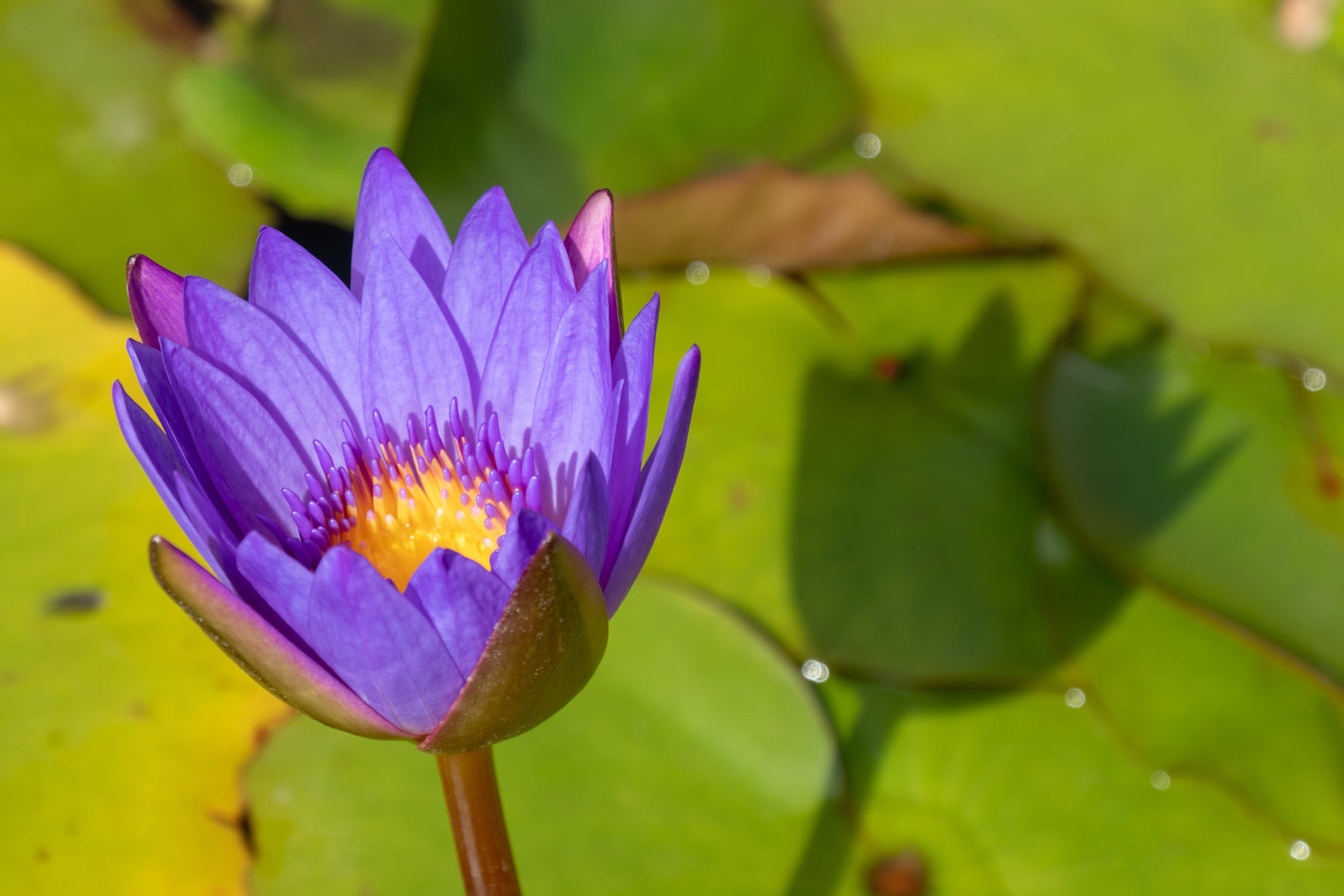
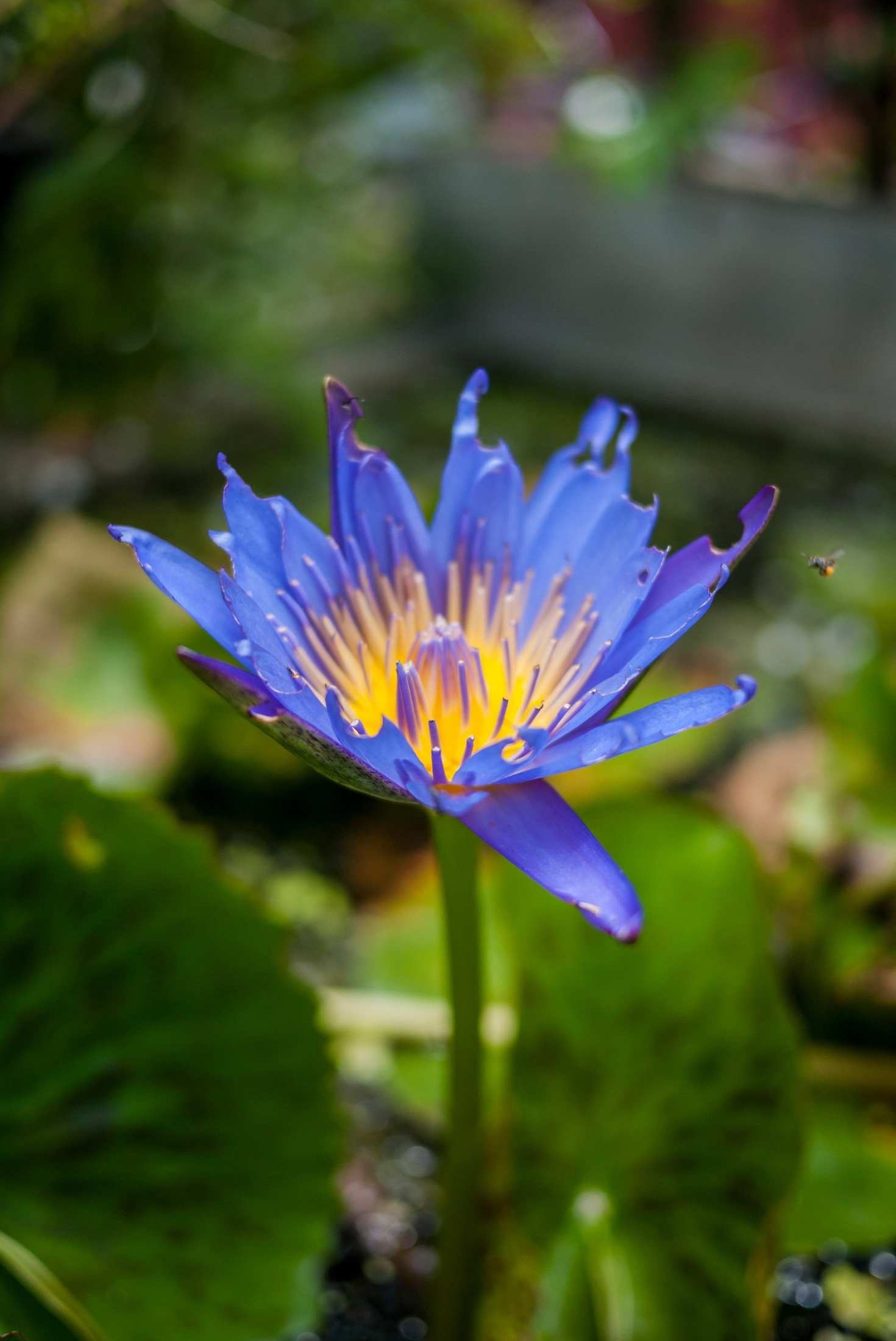
Der Blaue Lotus (Nymphaea caerulea), auch ägyptischer Lotus genannt, ist eine Seerose, die in Flüssen, Seen und anderen Gewässern wächst. Andere gebräuchliche Bezeichnungen sind „heilige blaue Lilie“ und „blaue Seerose“. Ihr unterirdischer Stamm (Rhizom), ihre Blätter, Blüten und Samen werden als Naturheilmittel zur Linderung von Angstzuständen, zur Verbesserung des Schlafes, zur Behandlung von Fieber, Husten, Blutungsstörungen sowie Magen- und Leberproblemen und zur Steigerung des sexuellen Verlangens (Aphrodisiakum) verwendet.

Trotz einer dürftigen wissenschaftlichen Grundlage hat sich seine Verwendung bis heute gehalten. Er besitzt psychoaktive Eigenschaften und erfordert bei der Anwendung Vorsicht. Werfen wir einen Blick auf die pharmakologischen Wirkungen, Vorteile, Sicherheit, Nebenwirkungen und rechtlichen Aspekte im Zusammenhang mit seiner Verwendung.

Der Blaue Lotus: Die blühende Eleganz der Natur

Die Blaue-Lotus-Pflanze wächst in Südostasien, Indochina und rund um den Nil in Ägypten. Relikte und Grabinschriften aus dem alten Ägypten zeigen, dass sie für die alten Ägypter eine religiöse und kulturelle Bedeutung hatte und von den Einheimischen als Heilpflanze genutzt wurde. Sie besitzt entheogene oder psychoaktive Eigenschaften, was bedeutet, dass sie das religiöse oder spirituelle Bewusstsein einer Person verändert.
Blue Lotus Flower: Benefits, Uses and Concerns Blue Lotus (Nymphaea caerulea), or Egyptian lotus, is a water lily that grows in rivers, lakes and other water bodies. In traditional literature, the other names for this plant are sacred blue lily and blue water lily. Different parts of the plant, mainly the underground stem (rhizome), leaves, flowers and seeds, are used in traditional medicine as a natural remedy to relieve anxiety, improve sleep, treat stomach and liver problems, fever, cough, bleeding disorders, and to increase the sexual desire (aphrodisiacs). Despite a lack of scientific backing, its use has persisted till today. It has psychoactive properties and demands caution while using. Let's delve into the pharmacological actions, benefits, safety, side effects and legal concerns related to its use. The Blue Lotus: Nature's Elegance in Bloom The blue lotus plant grows in Southeast Asia, Indochina, and around the Nile River in Egypt. It has cultural significance for the ancient Egyptians. From relics and tomb engravings, historians predict that it had a religious significance for the locals and was used as a medicinal plant. It has entheogenic or psychoactive properties, which means it alters the consciousness of a person, religiously or spiritually.  The consumption of blue lotus causes a person to feel 'high', which, according to some people, is similar to that experienced after consuming cannabis.  Pharmacologically Active Components of the Lotus Flower The Health professionals attribute the medicinal properties of this plant to two pharmacologically active alkaloids e.g., .  Apomorphine: It is a dopamine agonist that works as a psychoactive compound and causes feelings of euphoria and happiness. It helps in the control 0f muscle movements in people with diseases like erectile dysfunction and Parkinson's disease.  Nuciferine: It is an antipsychotic alkaloid  that causes feelings of calmness in people through unknown mechanisms. Some people report it to be useful to relieve symptoms of erectile dysfunction. The other useful ingredients are antioxidant flavonoids, glycosides and traces of different vitamins and minerals. Different Consumption Methods for Blue Lotus In traditional sources, the plant is used in many different ways, e.g., as tea, smoking the dried leaves, infused with alcoholic drinks, or its essential oil, which can be used to massage different body parts. Although many products are available in the market, no data about the safety, potency and maximum dosage is available, and it is necessary not to exceed the dosage guidelines given by the manufacturers, purchase only from reliable sources and consult the healthcare provider in case of any side effects.  Blue Lotus tea: Tea is prepared using 3-5g fried flowers of prepared lotus flower tea bags into 250-500ml of water and steeping for 10-15 minutes.  Smoking: The dry flowers are rolled using the rolling papers for this purpose. This method is, however, controversial and needs caution as it is associated with many psychoactive effects. Some people prefer to vape it by adding and inhaling the finely ground and dried flowers in a vaporiser.  Massage of essential oil: The blue lotus flower essential oil or massage oils are massaged in the market for enhanced effects. Alcoholic beverages: Some people infuse alcoholic beverages and wine with the flowers, although the results are questionable.  Claimed Health Benefits of Blue Lotus Plant   People use it due to its mind-altering properties; the proponents have designated it an entheogen, a substance used for religious or spiritual experiences. Some claimed benefits alongside their scientific evidence are;  Calming effects  It causes high feelings, mind alterations and euphoria at higher doses; the lower doses have calming effects that help relieve the symptoms of anxiety and other mood disorders. There is no scientific backing for this effect. However, it has a history of use to relieve anxiety and stress since ancient times. Apomorphine, one of the pharmacologically active ingredients in Blue Lotus, was used to treat mental disorders, e.g., depression, and it is mainly used nowadays to treat symptoms of Parkinson's disease.   Better sleep  Due to its calming effects, it promotes sleep. It has a history of use in traditional medicine to treat insomnia, although no scientific evidence has confirmed its use as a sleep aid. It is also used to induce lucid dreaming.  Aphrodisiac properties  Blue Lotus is one of the herbs used to stimulate sexual desire. Yet again, this effect has historical backing and lacks any scientific evidence. It is also used as a natural remedy for erectile dysfunction, which is attributed to the presence of apomorphine, which studies have shown to be effective in treating ED.  Side effects   Besides a rich history of use in traditional medicine, there are some side effects a user must be aware of. Some users experience drowsiness, disorientation, chest pain, slurred speech, paranoia, anxiety and depression due to the consumption or inhalation of blue lotus flowers. The other concern is  Drug interactions: The active ingredients in the herb interact with the medications, diminishing or amplifying their effectiveness. A person using prescription and OTC medications must consult the doctor before use.  Allergic reactions: People with plant allergies, particularly allergic to lilies, experience signs of allergic reactions.  Pregnancy and breastfeeding: The effects of the blue lotus flower on nursing infants and the development of a foetus are not fully understood, and caution is advised.   The symptoms of side effects are primarily transient and resolve within a few hours of use. Another concern is the unregulated nature of the supplement industry, which any agencies do not regulate, and the clients are at risk of getting ineffective, contaminated and even toxic products.  Frequently Asked Questions Does blue lotus influence hormones?  Yes, the blue lotus is an aphrodisiac and influences the levels of male and female hormones that ultimately cause increased libido and romantic feelings.  Does Blue Lotus Flower have minerals?  Yes, the roots of blue lotus contain calcium, iron, phosphorus, and potassium, among other ingredients. It is, however, a minor source of these minerals.  Does Blue Lotus benefit hair growth?  Blue Lotus has small amounts of benzyl alcohol in addition to other ingredients. It has antibacterial properties, and the direct application of benzyl alcohol on the scalp supports a healthy and clean scalp, which in turn supports healthy hair.  What vitamins are present in the lotus plant?  The lotus stem is a storehouse of B vitamins. The most important vitamins are vitamin C, folate, B6, B5, B3, B2 & B1. These vitamins are present in small and variable amounts.  Is lotus beneficial for the skin?  Yes, the lotus flower helps manage the oil production on the skin. It helps manage sebum production in the skin without disturbing the natural hydration of the skin and is helpful for people with oily and acne-prone skin.  Is lotus good for kidney health?  Studies have shown that the seedpod extract of lotus improves renal functions and helps treat kidney diseases. The beneficial effects on kidney health are attributed to its low sodium contents and the presence of vitamins, minerals and antioxidants. What is the difference between blue lotus and red lotus?  The red lotus (Nelumbo nucifera) or Indian lotus symbolises spiritual growth, enlightenment and purity, while the blue ones are linked to peace and serenity. Both are different species with different physical appearance, geographical distribution and uses.  Conclusion   Blue lotus's use as a medicinal plant dates back thousands of years. Today, it is used as a tea, vaped or smoked, and its essential oil is used for massage. The proponents support its use to improve sleep, reduce anxiety and increase sexual performance. Despite anecdotal claims, limited solid scientific evidence is available. It has psychoactive properties and must be used with caution and preferably after consulting the doctor.

Der Konsum des Blauen Lotus löst „Rauschgefühle“ aus, die nach Ansicht einiger Menschen denen ähneln, die nach dem Konsum von Cannabis auftreten.

Pharmakologisch wirksame Bestandteile der Lotusblüte

Medizinische Fachleute führen die medizinischen Eigenschaften der blauen Lotusblume auf zwei pharmakologisch wirksame Alkaloide zurück.

Apomorphin: Es handelt sich um einen Dopamin-Agonisten, der als psychoaktive Substanz wirkt und Gefühle der Euphorie und des Glücks hervorruft. Es hilft bei der Kontrolle der Muskelbewegungen bei Menschen mit Erkrankungen wie erektiler Dysfunktion und Parkinson.

Nuciferin: Es handelt sich um ein antipsychotisches Alkaloid, das durch noch unbekannte Wirkmechanismen bei Menschen ein Gefühl der Ruhe hervorruft. Es wird zur Linderung der Symptome von erektiler Dysfunktion eingesetzt.

Weitere wertvolle Inhaltsstoffe sind antioxidative Flavonoide, Glykoside sowie Spuren verschiedener Vitamine und Mineralstoffe.

Anwendungsmöglichkeiten des Blauen Lotus

Es gibt viele Möglichkeiten, den Blauen Lotus zu verwenden, z. B. als Tee, durch Rauchen oder Verdampfen der getrockneten Blätter, als Aufguss in alkoholischen Getränken sowie durch die Verwendung seines ätherischen Öls für Aromatherapie und Massagen. Sein Extrakt und sein Öl werden aufgrund ihres reichhaltigen Dufts und ihrer feuchtigkeitsspendenden Eigenschaften direkt auf die Haut aufgetragen. Obwohl viele Produkte auf dem Markt erhältlich sind, liegen keine Daten zur Sicherheit, Wirksamkeit und maximalen Dosierung vor. Es ist daher notwendig, die vom Hersteller angegebenen Dosierungsempfehlungen nicht zu überschreiten, nur aus zuverlässigen Quellen zu kaufen und bei Auftreten von Nebenwirkungen einen Arzt zu konsultieren.

Blauer Lotus-Tee: Der Tee wird zubereitet, indem man 250–500 ml Wasser zu 3–5 g getrockneten Blüten oder fertigen Lotusblüten-Teebeuteln gibt und 10–15 Minuten ziehen lässt. Der blumige Geschmack des Tees wirkt entspannend und beruhigend.

Rauchen: Zu diesem Zweck werden die getrockneten Blüten in Zigarettenpapier gerollt. Das milde Raucherlebnis ruft euphorische und sanfte Empfindungen hervor. Diese Methode ist umstritten und erfordert Vorsicht, da sie mit zahlreichen psychoaktiven Wirkungen verbunden ist. Manche Menschen bevorzugen es, die fein gemahlenen und getrockneten Blüten in einen Verdampfer zu geben und zu inhalieren.

Aromatherapie und Massage mit ätherischem Öl: Das ätherische Öl der Blauen Lotusblüte wird zur Massage verschiedener Körperteile verwendet, um die Wirkung zu verstärken. Das Hinzufügen einiger Tropfen zum Badewasser oder das Verteilen im Raum mittels eines Diffusors zur Aromatherapie reduziert Stress und fördert die Entspannung.

Alkoholische Getränke: Manche Menschen lassen getrocknete Blütenblätter oder Pulver in alkoholische Getränke und Wein einziehen, obwohl die Wirkung fraglich ist.

Behauptete gesundheitliche Vorteile der Blauen Lotus-Pflanze

Die Menschen nutzen sie aufgrund ihrer bewusstseinsverändernden Eigenschaften; ihre Befürworter bezeichnen sie als Entheogen, also als Substanz, die für religiöse oder spirituelle Erfahrungen genutzt wird. Zu den behaupteten Vorteilen und den dazugehörigen wissenschaftlichen Belegen gehören:

Beruhigende Wirkung

In höheren Dosen löst sie Rauschgefühle, Bewusstseinsveränderungen und Euphorie aus; niedrigere Dosen haben beruhigende Wirkungen, die helfen, die Symptome von Angstzuständen und anderen Stimmungsstörungen zu lindern. Die wissenschaftliche Untermauerung ist begrenzt. Allerdings wird sie in der traditionellen Medizin seit jeher zur Linderung von Angst und Stress eingesetzt

und wird zudem mit dem Sonnengott Ra in Verbindung gebracht.

Apomorphin, einer der pharmakologisch wirksamen Inhaltsstoffe des Blauen Lotus, wurde zur Behandlung psychischer Störungen, z. B. Depressionen, eingesetzt und wird heutzutage hauptsächlich zur Behandlung von Symptomen der Parkinson-Krankheit verwendet.

Ebenso stellten Professor Martilias S. Farrell und Kollegen (University of North Carolina School of Medicine, USA) fest, dass Nuciferin, der andere pharmakologisch wirksame Inhaltsstoff des Blauen Lotus, ein Rezeptorprofil aufweist, das den Antipsychotika ähnelt, die zur Behandlung von Symptomen der Schizophrenie eingesetzt werden.


Blue Lotus Flower: Benefits, Uses and Concerns Blue Lotus (Nymphaea caerulea), or Egyptian lotus, is a water lily that grows in rivers, lakes and other water bodies. In traditional literature, the other names for this plant are sacred blue lily and blue water lily. Different parts of the plant, mainly the underground stem (rhizome), leaves, flowers and seeds, are used in traditional medicine as a natural remedy to relieve anxiety, improve sleep, treat stomach and liver problems, fever, cough, bleeding disorders, and to increase the sexual desire (aphrodisiacs). Despite a lack of scientific backing, its use has persisted till today. It has psychoactive properties and demands caution while using. Let's delve into the pharmacological actions, benefits, safety, side effects and legal concerns related to its use. The Blue Lotus: Nature's Elegance in Bloom The blue lotus plant grows in Southeast Asia, Indochina, and around the Nile River in Egypt. It has cultural significance for the ancient Egyptians. From relics and tomb engravings, historians predict that it had a religious significance for the locals and was used as a medicinal plant. It has entheogenic or psychoactive properties, which means it alters the consciousness of a person, religiously or spiritually.  The consumption of blue lotus causes a person to feel 'high', which, according to some people, is similar to that experienced after consuming cannabis.  Pharmacologically Active Components of the Lotus Flower The Health professionals attribute the medicinal properties of this plant to two pharmacologically active alkaloids e.g., .  Apomorphine: It is a dopamine agonist that works as a psychoactive compound and causes feelings of euphoria and happiness. It helps in the control 0f muscle movements in people with diseases like erectile dysfunction and Parkinson's disease.  Nuciferine: It is an antipsychotic alkaloid  that causes feelings of calmness in people through unknown mechanisms. Some people report it to be useful to relieve symptoms of erectile dysfunction. The other useful ingredients are antioxidant flavonoids, glycosides and traces of different vitamins and minerals. Different Consumption Methods for Blue Lotus In traditional sources, the plant is used in many different ways, e.g., as tea, smoking the dried leaves, infused with alcoholic drinks, or its essential oil, which can be used to massage different body parts. Although many products are available in the market, no data about the safety, potency and maximum dosage is available, and it is necessary not to exceed the dosage guidelines given by the manufacturers, purchase only from reliable sources and consult the healthcare provider in case of any side effects.  Blue Lotus tea: Tea is prepared using 3-5g fried flowers of prepared lotus flower tea bags into 250-500ml of water and steeping for 10-15 minutes.  Smoking: The dry flowers are rolled using the rolling papers for this purpose. This method is, however, controversial and needs caution as it is associated with many psychoactive effects. Some people prefer to vape it by adding and inhaling the finely ground and dried flowers in a vaporiser.  Massage of essential oil: The blue lotus flower essential oil or massage oils are massaged in the market for enhanced effects. Alcoholic beverages: Some people infuse alcoholic beverages and wine with the flowers, although the results are questionable.  Claimed Health Benefits of Blue Lotus Plant   People use it due to its mind-altering properties; the proponents have designated it an entheogen, a substance used for religious or spiritual experiences. Some claimed benefits alongside their scientific evidence are;  Calming effects  It causes high feelings, mind alterations and euphoria at higher doses; the lower doses have calming effects that help relieve the symptoms of anxiety and other mood disorders. There is no scientific backing for this effect. However, it has a history of use to relieve anxiety and stress since ancient times. Apomorphine, one of the pharmacologically active ingredients in Blue Lotus, was used to treat mental disorders, e.g., depression, and it is mainly used nowadays to treat symptoms of Parkinson's disease.   Better sleep  Due to its calming effects, it promotes sleep. It has a history of use in traditional medicine to treat insomnia, although no scientific evidence has confirmed its use as a sleep aid. It is also used to induce lucid dreaming.  Aphrodisiac properties  Blue Lotus is one of the herbs used to stimulate sexual desire. Yet again, this effect has historical backing and lacks any scientific evidence. It is also used as a natural remedy for erectile dysfunction, which is attributed to the presence of apomorphine, which studies have shown to be effective in treating ED.  Side effects   Besides a rich history of use in traditional medicine, there are some side effects a user must be aware of. Some users experience drowsiness, disorientation, chest pain, slurred speech, paranoia, anxiety and depression due to the consumption or inhalation of blue lotus flowers. The other concern is  Drug interactions: The active ingredients in the herb interact with the medications, diminishing or amplifying their effectiveness. A person using prescription and OTC medications must consult the doctor before use.  Allergic reactions: People with plant allergies, particularly allergic to lilies, experience signs of allergic reactions.  Pregnancy and breastfeeding: The effects of the blue lotus flower on nursing infants and the development of a foetus are not fully understood, and caution is advised.   The symptoms of side effects are primarily transient and resolve within a few hours of use. Another concern is the unregulated nature of the supplement industry, which any agencies do not regulate, and the clients are at risk of getting ineffective, contaminated and even toxic products.  Frequently Asked Questions Does blue lotus influence hormones?  Yes, the blue lotus is an aphrodisiac and influences the levels of male and female hormones that ultimately cause increased libido and romantic feelings.  Does Blue Lotus Flower have minerals?  Yes, the roots of blue lotus contain calcium, iron, phosphorus, and potassium, among other ingredients. It is, however, a minor source of these minerals.  Does Blue Lotus benefit hair growth?  Blue Lotus has small amounts of benzyl alcohol in addition to other ingredients. It has antibacterial properties, and the direct application of benzyl alcohol on the scalp supports a healthy and clean scalp, which in turn supports healthy hair.  What vitamins are present in the lotus plant?  The lotus stem is a storehouse of B vitamins. The most important vitamins are vitamin C, folate, B6, B5, B3, B2 & B1. These vitamins are present in small and variable amounts.  Is lotus beneficial for the skin?  Yes, the lotus flower helps manage the oil production on the skin. It helps manage sebum production in the skin without disturbing the natural hydration of the skin and is helpful for people with oily and acne-prone skin.  Is lotus good for kidney health?  Studies have shown that the seedpod extract of lotus improves renal functions and helps treat kidney diseases. The beneficial effects on kidney health are attributed to its low sodium contents and the presence of vitamins, minerals and antioxidants. What is the difference between blue lotus and red lotus?  The red lotus (Nelumbo nucifera) or Indian lotus symbolises spiritual growth, enlightenment and purity, while the blue ones are linked to peace and serenity. Both are different species with different physical appearance, geographical distribution and uses.  Conclusion   Blue lotus's use as a medicinal plant dates back thousands of years. Today, it is used as a tea, vaped or smoked, and its essential oil is used for massage. The proponents support its use to improve sleep, reduce anxiety and increase sexual performance. Despite anecdotal claims, limited solid scientific evidence is available. It has psychoactive properties and must be used with caution and preferably after consulting the doctor.

Besserer Schlaf

Aufgrund seiner beruhigenden Wirkung fördert er den Schlaf. In der traditionellen Medizin wird er seit jeher zur Behandlung von Schlaflosigkeit eingesetzt. Er wird auch zur Herbeiführung von Klarträumen verwendet. Eine kürzlich in „Pharmaceutical Biology“ veröffentlichte Studie ergab, dass die orale Verabreichung von Lotuswurzelstock in einer Dosis von 150 mg/kg im Vergleich zur Kontrollgruppe zu einer Verlängerung der Schlafdauer um 24 % führte. Es induziert Klarträume, ein Phänomen, bei dem Menschen wissen, dass sie träumen, während sie sich noch mitten im Traum befinden.

Aphrodisierende Eigenschaften

Der Blaue Lotus ist eines der Kräuter, die zur Steigerung des sexuellen Verlangens eingesetzt werden. Auch diese Wirkung hat zwar eine historische Grundlage, es fehlen jedoch wissenschaftliche Belege. Er wird als natürliches Heilmittel gegen erektile Dysfunktion verwendet, was auf den Gehalt an Apomorphin zurückgeführt wird, einem sehr wirksamen Wirkstoff zur Behandlung von leichter bis mittelschwerer erektiler Dysfunktion. Eine 2020 in den „Archives of Sexual Behaviour“ veröffentlichte Metaanalyse bestätigte die Wirksamkeit der sublingualen Anwendung von Apomorphin zur Behandlung von ED.

Mögliche Nebenwirkungen des Blauen Lotus

Trotz einer langen Tradition in der traditionellen Medizin gibt es einige Nebenwirkungen, deren sich der Anwender bewusst sein muss. Mackenzie Schimpf und Kollegen vom Darnall Army Medical Center in den USA veröffentlichten eine Fallstudie, in der fünf Personen nach übermäßigem Konsum von Blauen-Lotus-Produkten mit veränderten psychischen Zuständen ins Krankenhaus eingeliefert wurden. Die Patienten erholten sich dank der unterstützenden Therapie erfolgreich.

Bei einigen Anwendern treten nach dem Verzehr oder dem Einatmen von Blauen-Lotus-Blüten Schläfrigkeit, Orientierungslosigkeit, Brustschmerzen, undeutliche Sprache, Paranoia, Angstzustände und Depressionen auf.

Weitere Gründe zur Besorgnis sind:

Wechselwirkungen mit Medikamenten: Die im Kraut enthaltenen Wirkstoffe Apomorphin und Nuciferin interagieren mit Medikamenten und können deren Wirksamkeit verringern oder verstärken. Personen, die verschreibungspflichtige oder rezeptfreie Medikamente einnehmen, müssen vor der Anwendung einen Arzt konsultieren.

Allergische Reaktionen: Menschen mit Pflanzenallergien, insbesondere gegen Lilien, zeigen Anzeichen allergischer Reaktionen, z. B. Hautausschläge, Augenreizungen, Schwellungen und Atembeschwerden.

Schwangerschaft und Stillzeit: Die Auswirkungen der Blauen Lotusblüte auf gestillte Säuglinge und die Entwicklung des Fötus sind noch nicht vollständig geklärt, weshalb Vorsicht geboten ist.


Blue Lotus Flower: Benefits, Uses and Concerns Blue Lotus (Nymphaea caerulea), or Egyptian lotus, is a water lily that grows in rivers, lakes and other water bodies. In traditional literature, the other names for this plant are sacred blue lily and blue water lily. Different parts of the plant, mainly the underground stem (rhizome), leaves, flowers and seeds, are used in traditional medicine as a natural remedy to relieve anxiety, improve sleep, treat stomach and liver problems, fever, cough, bleeding disorders, and to increase the sexual desire (aphrodisiacs). Despite a lack of scientific backing, its use has persisted till today. It has psychoactive properties and demands caution while using. Let's delve into the pharmacological actions, benefits, safety, side effects and legal concerns related to its use. The Blue Lotus: Nature's Elegance in Bloom The blue lotus plant grows in Southeast Asia, Indochina, and around the Nile River in Egypt. It has cultural significance for the ancient Egyptians. From relics and tomb engravings, historians predict that it had a religious significance for the locals and was used as a medicinal plant. It has entheogenic or psychoactive properties, which means it alters the consciousness of a person, religiously or spiritually.  The consumption of blue lotus causes a person to feel 'high', which, according to some people, is similar to that experienced after consuming cannabis.  Pharmacologically Active Components of the Lotus Flower The Health professionals attribute the medicinal properties of this plant to two pharmacologically active alkaloids e.g., .  Apomorphine: It is a dopamine agonist that works as a psychoactive compound and causes feelings of euphoria and happiness. It helps in the control 0f muscle movements in people with diseases like erectile dysfunction and Parkinson's disease.  Nuciferine: It is an antipsychotic alkaloid  that causes feelings of calmness in people through unknown mechanisms. Some people report it to be useful to relieve symptoms of erectile dysfunction. The other useful ingredients are antioxidant flavonoids, glycosides and traces of different vitamins and minerals. Different Consumption Methods for Blue Lotus In traditional sources, the plant is used in many different ways, e.g., as tea, smoking the dried leaves, infused with alcoholic drinks, or its essential oil, which can be used to massage different body parts. Although many products are available in the market, no data about the safety, potency and maximum dosage is available, and it is necessary not to exceed the dosage guidelines given by the manufacturers, purchase only from reliable sources and consult the healthcare provider in case of any side effects.  Blue Lotus tea: Tea is prepared using 3-5g fried flowers of prepared lotus flower tea bags into 250-500ml of water and steeping for 10-15 minutes.  Smoking: The dry flowers are rolled using the rolling papers for this purpose. This method is, however, controversial and needs caution as it is associated with many psychoactive effects. Some people prefer to vape it by adding and inhaling the finely ground and dried flowers in a vaporiser.  Massage of essential oil: The blue lotus flower essential oil or massage oils are massaged in the market for enhanced effects. Alcoholic beverages: Some people infuse alcoholic beverages and wine with the flowers, although the results are questionable.  Claimed Health Benefits of Blue Lotus Plant   People use it due to its mind-altering properties; the proponents have designated it an entheogen, a substance used for religious or spiritual experiences. Some claimed benefits alongside their scientific evidence are;  Calming effects  It causes high feelings, mind alterations and euphoria at higher doses; the lower doses have calming effects that help relieve the symptoms of anxiety and other mood disorders. There is no scientific backing for this effect. However, it has a history of use to relieve anxiety and stress since ancient times. Apomorphine, one of the pharmacologically active ingredients in Blue Lotus, was used to treat mental disorders, e.g., depression, and it is mainly used nowadays to treat symptoms of Parkinson's disease.   Better sleep  Due to its calming effects, it promotes sleep. It has a history of use in traditional medicine to treat insomnia, although no scientific evidence has confirmed its use as a sleep aid. It is also used to induce lucid dreaming.  Aphrodisiac properties  Blue Lotus is one of the herbs used to stimulate sexual desire. Yet again, this effect has historical backing and lacks any scientific evidence. It is also used as a natural remedy for erectile dysfunction, which is attributed to the presence of apomorphine, which studies have shown to be effective in treating ED.  Side effects   Besides a rich history of use in traditional medicine, there are some side effects a user must be aware of. Some users experience drowsiness, disorientation, chest pain, slurred speech, paranoia, anxiety and depression due to the consumption or inhalation of blue lotus flowers. The other concern is  Drug interactions: The active ingredients in the herb interact with the medications, diminishing or amplifying their effectiveness. A person using prescription and OTC medications must consult the doctor before use.  Allergic reactions: People with plant allergies, particularly allergic to lilies, experience signs of allergic reactions.  Pregnancy and breastfeeding: The effects of the blue lotus flower on nursing infants and the development of a foetus are not fully understood, and caution is advised.   The symptoms of side effects are primarily transient and resolve within a few hours of use. Another concern is the unregulated nature of the supplement industry, which any agencies do not regulate, and the clients are at risk of getting ineffective, contaminated and even toxic products.  Frequently Asked Questions Does blue lotus influence hormones?  Yes, the blue lotus is an aphrodisiac and influences the levels of male and female hormones that ultimately cause increased libido and romantic feelings.  Does Blue Lotus Flower have minerals?  Yes, the roots of blue lotus contain calcium, iron, phosphorus, and potassium, among other ingredients. It is, however, a minor source of these minerals.  Does Blue Lotus benefit hair growth?  Blue Lotus has small amounts of benzyl alcohol in addition to other ingredients. It has antibacterial properties, and the direct application of benzyl alcohol on the scalp supports a healthy and clean scalp, which in turn supports healthy hair.  What vitamins are present in the lotus plant?  The lotus stem is a storehouse of B vitamins. The most important vitamins are vitamin C, folate, B6, B5, B3, B2 & B1. These vitamins are present in small and variable amounts.  Is lotus beneficial for the skin?  Yes, the lotus flower helps manage the oil production on the skin. It helps manage sebum production in the skin without disturbing the natural hydration of the skin and is helpful for people with oily and acne-prone skin.  Is lotus good for kidney health?  Studies have shown that the seedpod extract of lotus improves renal functions and helps treat kidney diseases. The beneficial effects on kidney health are attributed to its low sodium contents and the presence of vitamins, minerals and antioxidants. What is the difference between blue lotus and red lotus?  The red lotus (Nelumbo nucifera) or Indian lotus symbolises spiritual growth, enlightenment and purity, while the blue ones are linked to peace and serenity. Both are different species with different physical appearance, geographical distribution and uses.  Conclusion   Blue lotus's use as a medicinal plant dates back thousands of years. Today, it is used as a tea, vaped or smoked, and its essential oil is used for massage. The proponents support its use to improve sleep, reduce anxiety and increase sexual performance. Despite anecdotal claims, limited solid scientific evidence is available. It has psychoactive properties and must be used with caution and preferably after consulting the doctor.

Die Nebenwirkungen sind meist vorübergehend und klingen innerhalb weniger Stunden nach Absetzen des Mittels ab. Ein weiterer Grund zur Sorge ist die mangelnde Regulierung der Nahrungsergänzungsmittelbranche, die von den Behörden nicht überwacht wird, sodass Verbraucher Gefahr laufen, unwirksame, verunreinigte oder sogar giftige Produkte zu erhalten.

Häufig gestellte Fragen

Beeinflusst der Blaue Lotus den Hormonhaushalt?

Ja, der Blaue Lotus ist ein Aphrodisiakum und beeinflusst den Spiegel männlicher und weiblicher Hormone, was letztendlich zu einer gesteigerten Libido und romantischen Gefühlen führt.

Enthält die Blaue Lotusblume Mineralstoffe?

Ja, die Wurzeln der Blauen Lotusblume enthalten unter anderem Kalzium, Eisen, Phosphor und Kalium. Sie ist jedoch nur eine untergeordnete Quelle für diese Mineralstoffe.

Fördert der Blaue Lotus das Haarwachstum?

Der Blaue Lotus enthält neben anderen Inhaltsstoffen geringe Mengen an Benzylalkohol. Er hat antibakterielle Eigenschaften, und die direkte Anwendung von Benzylalkohol auf der Kopfhaut fördert eine gesunde und saubere Kopfhaut, was wiederum gesundes Haar unterstützt.

Welche Vitamine sind in der Lotuspflanze enthalten?

Der Lotusstiel ist eine wahre Fundgrube an B-Vitaminen. Die wichtigsten Vitamine sind Vitamin C, Folsäure, B6, B5, B3, B2 und B1. Diese Vitamine sind in unterschiedlichen Mengen enthalten.

Ist die Lotusblume gut für die Haut?

Ja, die Lotusblüte hilft dabei, die Talgproduktion der Haut zu regulieren. Sie unterstützt die Regulierung der Talgproduktion, ohne den natürlichen Feuchtigkeitshaushalt der Haut zu beeinträchtigen, und ist besonders für Menschen mit fettiger und zu Akne neigender Haut hilfreich.

Besuchen Sie Welzo für verschiedene Hautpflegeprodukte und Beratungen.

Ist Lotus gut für die Nierengesundheit?

Studien haben gezeigt, dass der Extrakt aus den Samenkapseln der Lotusblume die Nierenfunktion verbessert und bei der Behandlung von Nierenerkrankungen hilft. Die positiven Auswirkungen auf die Nierengesundheit werden auf den niedrigen Natriumgehalt sowie auf das Vorhandensein von Vitaminen, Mineralstoffen und Antioxidantien zurückgeführt.

Was ist der Unterschied zwischen blauem und rotem Lotus?

Der rote Lotus (Nelumbo nucifera) oder indische Lotus symbolisiert spirituelles Wachstum, Erleuchtung und Reinheit, während der blaue Lotus mit Frieden und Gelassenheit in Verbindung gebracht wird. Beide sind unterschiedliche Arten mit unterschiedlichem Aussehen, unterschiedlicher geografischer Verbreitung und unterschiedlichen Verwendungszwecken.

Blue Lotus Flower: Benefits, Uses and Concerns Blue Lotus (Nymphaea caerulea), or Egyptian lotus, is a water lily that grows in rivers, lakes and other water bodies. In traditional literature, the other names for this plant are sacred blue lily and blue water lily. Different parts of the plant, mainly the underground stem (rhizome), leaves, flowers and seeds, are used in traditional medicine as a natural remedy to relieve anxiety, improve sleep, treat stomach and liver problems, fever, cough, bleeding disorders, and to increase the sexual desire (aphrodisiacs). Despite a lack of scientific backing, its use has persisted till today. It has psychoactive properties and demands caution while using. Let's delve into the pharmacological actions, benefits, safety, side effects and legal concerns related to its use. The Blue Lotus: Nature's Elegance in Bloom The blue lotus plant grows in Southeast Asia, Indochina, and around the Nile River in Egypt. It has cultural significance for the ancient Egyptians. From relics and tomb engravings, historians predict that it had a religious significance for the locals and was used as a medicinal plant. It has entheogenic or psychoactive properties, which means it alters the consciousness of a person, religiously or spiritually.  The consumption of blue lotus causes a person to feel 'high', which, according to some people, is similar to that experienced after consuming cannabis.  Pharmacologically Active Components of the Lotus Flower The Health professionals attribute the medicinal properties of this plant to two pharmacologically active alkaloids e.g., .  Apomorphine: It is a dopamine agonist that works as a psychoactive compound and causes feelings of euphoria and happiness. It helps in the control 0f muscle movements in people with diseases like erectile dysfunction and Parkinson's disease.  Nuciferine: It is an antipsychotic alkaloid  that causes feelings of calmness in people through unknown mechanisms. Some people report it to be useful to relieve symptoms of erectile dysfunction. The other useful ingredients are antioxidant flavonoids, glycosides and traces of different vitamins and minerals. Different Consumption Methods for Blue Lotus In traditional sources, the plant is used in many different ways, e.g., as tea, smoking the dried leaves, infused with alcoholic drinks, or its essential oil, which can be used to massage different body parts. Although many products are available in the market, no data about the safety, potency and maximum dosage is available, and it is necessary not to exceed the dosage guidelines given by the manufacturers, purchase only from reliable sources and consult the healthcare provider in case of any side effects.  Blue Lotus tea: Tea is prepared using 3-5g fried flowers of prepared lotus flower tea bags into 250-500ml of water and steeping for 10-15 minutes.  Smoking: The dry flowers are rolled using the rolling papers for this purpose. This method is, however, controversial and needs caution as it is associated with many psychoactive effects. Some people prefer to vape it by adding and inhaling the finely ground and dried flowers in a vaporiser.  Massage of essential oil: The blue lotus flower essential oil or massage oils are massaged in the market for enhanced effects. Alcoholic beverages: Some people infuse alcoholic beverages and wine with the flowers, although the results are questionable.  Claimed Health Benefits of Blue Lotus Plant   People use it due to its mind-altering properties; the proponents have designated it an entheogen, a substance used for religious or spiritual experiences. Some claimed benefits alongside their scientific evidence are;  Calming effects  It causes high feelings, mind alterations and euphoria at higher doses; the lower doses have calming effects that help relieve the symptoms of anxiety and other mood disorders. There is no scientific backing for this effect. However, it has a history of use to relieve anxiety and stress since ancient times. Apomorphine, one of the pharmacologically active ingredients in Blue Lotus, was used to treat mental disorders, e.g., depression, and it is mainly used nowadays to treat symptoms of Parkinson's disease.   Better sleep  Due to its calming effects, it promotes sleep. It has a history of use in traditional medicine to treat insomnia, although no scientific evidence has confirmed its use as a sleep aid. It is also used to induce lucid dreaming.  Aphrodisiac properties  Blue Lotus is one of the herbs used to stimulate sexual desire. Yet again, this effect has historical backing and lacks any scientific evidence. It is also used as a natural remedy for erectile dysfunction, which is attributed to the presence of apomorphine, which studies have shown to be effective in treating ED.  Side effects   Besides a rich history of use in traditional medicine, there are some side effects a user must be aware of. Some users experience drowsiness, disorientation, chest pain, slurred speech, paranoia, anxiety and depression due to the consumption or inhalation of blue lotus flowers. The other concern is  Drug interactions: The active ingredients in the herb interact with the medications, diminishing or amplifying their effectiveness. A person using prescription and OTC medications must consult the doctor before use.  Allergic reactions: People with plant allergies, particularly allergic to lilies, experience signs of allergic reactions.  Pregnancy and breastfeeding: The effects of the blue lotus flower on nursing infants and the development of a foetus are not fully understood, and caution is advised.   The symptoms of side effects are primarily transient and resolve within a few hours of use. Another concern is the unregulated nature of the supplement industry, which any agencies do not regulate, and the clients are at risk of getting ineffective, contaminated and even toxic products.  Frequently Asked Questions Does blue lotus influence hormones?  Yes, the blue lotus is an aphrodisiac and influences the levels of male and female hormones that ultimately cause increased libido and romantic feelings.  Does Blue Lotus Flower have minerals?  Yes, the roots of blue lotus contain calcium, iron, phosphorus, and potassium, among other ingredients. It is, however, a minor source of these minerals.  Does Blue Lotus benefit hair growth?  Blue Lotus has small amounts of benzyl alcohol in addition to other ingredients. It has antibacterial properties, and the direct application of benzyl alcohol on the scalp supports a healthy and clean scalp, which in turn supports healthy hair.  What vitamins are present in the lotus plant?  The lotus stem is a storehouse of B vitamins. The most important vitamins are vitamin C, folate, B6, B5, B3, B2 & B1. These vitamins are present in small and variable amounts.  Is lotus beneficial for the skin?  Yes, the lotus flower helps manage the oil production on the skin. It helps manage sebum production in the skin without disturbing the natural hydration of the skin and is helpful for people with oily and acne-prone skin.  Is lotus good for kidney health?  Studies have shown that the seedpod extract of lotus improves renal functions and helps treat kidney diseases. The beneficial effects on kidney health are attributed to its low sodium contents and the presence of vitamins, minerals and antioxidants. What is the difference between blue lotus and red lotus?  The red lotus (Nelumbo nucifera) or Indian lotus symbolises spiritual growth, enlightenment and purity, while the blue ones are linked to peace and serenity. Both are different species with different physical appearance, geographical distribution and uses.  Conclusion   Blue lotus's use as a medicinal plant dates back thousands of years. Today, it is used as a tea, vaped or smoked, and its essential oil is used for massage. The proponents support its use to improve sleep, reduce anxiety and increase sexual performance. Despite anecdotal claims, limited solid scientific evidence is available. It has psychoactive properties and must be used with caution and preferably after consulting the doctor.

Fazit

Die Verwendung des Blauen Lotus als Heilpflanze reicht Tausende von Jahren zurück. Heute wird er als Tee getrunken, verdampft oder geraucht, und sein ätherisches Öl wird für Massagen und in der Aromatherapie verwendet. Befürworter empfehlen seine Anwendung zur Verbesserung des Schlafs, zur Verringerung von Angstzuständen und zur Steigerung der sexuellen Leistungsfähigkeit. Trotz vereinzelter Erfahrungsberichte liegen nur begrenzte fundierte wissenschaftliche Belege vor. Er besitzt psychoaktive Eigenschaften und muss mit Vorsicht und vorzugsweise nach Rücksprache mit einem Arzt angewendet werden.

Entdecken Sie natürliche und pharmazeutische Wellness-Lösungen, die auf Sie zugeschnitten sind – erkunden Sie unser Angebot an Gesundheitsdienstleistungen bei Welzo.

Related products

Kids NDF Sleepy – 2 oz – Bioray – welzo
BioRay
Kinder ndf schläfrig - 2 oz...
72 Bewertungen
€41,95
Add to Cart