





Best Probiotics for Children UK


Related products


Written and medically reviewed by Dr Zeeshan Afzal (MBBS), Medical Officer at Welzo. Last updated: July 2026. This article is for general information and does not replace advice from your child's GP, health visitor, pharmacist or paediatric dietitian.
If you have searched for childrens probiotics UK, you are almost certainly standing in front of a shelf — or a browser tab — full of gummies, drops, sachets and chewables, all promising a "happy tummy". The honest answer is that a small number of specific bacterial strains have decent evidence behind them in children, several have almost none, and the strain printed on the label matters far more than the brand on the front of the box. This guide explains what the paediatric research actually shows, which strains are worth paying for, how to match the format to your child's age, and — just as importantly — when a probiotic is the wrong answer and your child needs to see a GP.
Welzo is a UK online pharmacy and health retailer. You can browse our full probiotic supplements range and our wider gut health collection, and read our foundational guide to gut health in the UK. Parents often arrive here while researching their own gut health too — for adult-only options such as Akkermansia muciniphila, modified citrus pectin powder, Welzo Ultra Purity Berberine and Welzo Ultra Purity TUDCA, see our adult guides. None of those four products are intended for children. If you are new to the topic, start with best probiotics UK, how to choose a probiotic and baby probiotics UK.

Quick Answer: What Parents Actually Need to Know
- Evidence is strain-specific, not "probiotic-specific". "Contains 10 billion friendly bacteria" tells you almost nothing. You need the genus, species and strain designation — for example Lacticaseibacillus rhamnosus GG (ATCC 53103), not just "Lactobacillus".
- The strongest paediatric evidence is for preventing antibiotic-associated diarrhoea. A Cochrane review of 33 studies in 6,352 children found diarrhoea in 8% of the probiotic group versus 19% of controls, with a number needed to treat of 9.
- The evidence for treating an ordinary tummy bug is weak. Two large 2018 trials in nearly 1,900 children found no benefit over placebo.
- Dose matters. In the Cochrane analysis, doses of 5 billion CFU/day or more clearly outperformed lower doses.
- Most healthy children do not need a daily probiotic. Fibre, variety and live-culture foods do more for the microbiome than any capsule.
- Never give a probiotic to a premature, critically ill or immunocompromised child without a paediatrician's instruction.
Table of Contents
- Quick answer: what parents actually need to know
- What are probiotics and what do they do in a child's gut?
- Do children's probiotics actually work? The evidence, condition by condition
- Best probiotic strains for children in the UK
- How to choose a children's probiotic: a 9-point checklist
- Best formats by age: babies, toddlers, school age and teens
- How and when to give a children's probiotic
- Safety: what every parent should know
- Food first: live cultures and fibre from the diet
- Common mistakes parents make
- When to see a GP instead of buying a supplement
- Frequently asked questions
- References
What Are Probiotics, and What Do They Do in a Child's Gut?
Probiotics are live microorganisms — usually bacteria, sometimes a yeast — that are intended to confer a health benefit when taken in adequate amounts. They are not the same as prebiotics, which are fibres that feed the bacteria your child already has; if that distinction is new to you, our guide to prebiotics vs probiotics covers it in detail.
How a child's microbiome develops
A baby's gut community assembles rapidly over the first two to three years of life, shaped by mode of delivery, feeding, antibiotic exposure, siblings, pets and diet. By school age it starts to resemble an adult pattern, though it continues to shift through adolescence. Broadly, greater microbiome diversity is associated with better resilience, and much of that diversity is driven by the range of plants a child eats rather than by supplements.
This matters practically. A probiotic is a short-term guest, not a permanent resident. Most strains are cleared from the gut within days to a couple of weeks of stopping — which is why any benefit tends to last only as long as you keep taking it. Our article on how long probiotics take to work explains the typical timelines.
Why strain matters more than brand
Health effects in the research literature are tied to specific strains, not to species or to "probiotics" in general. Lacticaseibacillus rhamnosus GG has been studied in thousands of children; a different L. rhamnosus strain from the same species may behave completely differently. The European Society for Paediatric Gastroenterology, Hepatology and Nutrition (ESPGHAN) explicitly built its 2023 position paper around this principle, only issuing recommendations where at least two randomised trials existed on a similar, well-defined strain.
How to read a strain name on a label
A properly labelled product will show three parts:
- Genus — e.g. Lacticaseibacillus (many older packs still say Lactobacillus; several species were reclassified in 2020)
- Species — e.g. rhamnosus
- Strain — e.g. GG, or the culture-collection code ATCC 53103
If the third part is missing, you cannot connect the product to any published trial. That single check eliminates a surprising proportion of the children's products on the UK market.
Do Children's Probiotics Actually Work? The Evidence, Condition by Condition
This is where honest reporting matters. Probiotics are not a general tonic; they perform well in a few defined situations and poorly in others.
Antibiotic-associated diarrhoea: the strongest evidence
This is the clearest use case in paediatrics. The 2019 Cochrane review by Guo and colleagues pooled 33 trials in 6,352 children aged 3 days to 17 years. After 5 days to 12 weeks of follow-up, antibiotic-associated diarrhoea occurred in 8% of children given probiotics versus 19% of controls, a relative risk of 0.45 and a number needed to treat of 9 — meaning roughly one case of diarrhoea prevented for every nine children treated. Certainty of evidence was rated moderate.
Dose was a genuine differentiator. In the higher-dose studies (5 billion CFU per day or more), 8% of the probiotic group developed diarrhoea compared with 23% of controls. Probiotics also shortened diarrhoea duration by close to a day. The review concluded that Lactobacillus rhamnosus or Saccharomyces boulardii at 5 to 40 billion CFU/day appear most appropriate for this purpose. ESPGHAN's working group has similarly recommended S. boulardii and L. rhamnosus GG where prevention is being considered.
If your child has just been prescribed antibiotics, our dedicated guide on taking probiotics after antibiotics covers timing and dosing, and probiotics and C. difficile covers the more serious end of the spectrum.
Acute gastroenteritis: mixed, and largely disappointing
Probiotics were widely adopted for childhood tummy bugs on the strength of small, heterogeneous trials. Then in November 2018 the New England Journal of Medicine published two large, rigorous trials on the same day. The US PECARN trial randomised 971 children aged 3 months to 4 years presenting to ten paediatric emergency departments to five days of L. rhamnosus GG at 1×10¹⁰ CFU twice daily or matching placebo. It found no significant difference in illness severity, duration of diarrhoea or vomiting, day-care absence, or household transmission. A parallel Canadian trial of a different product reached the same conclusion.
Some paediatric researchers argue these trials enrolled children relatively late in the illness and included a high proportion of non-viral causes. Nonetheless, both UK Health Security Agency guidance on Clostridioides difficile and NICE guidance on gastroenteritis in under-5s stop short of recommending probiotics, calling instead for good-quality UK randomised trials before routine prescribing. For practical management of a tummy bug, rehydration and continued feeding remain the priority — see stomach bug recovery.

Infant colic: helpful for some breastfed babies
Colic — prolonged, inconsolable crying in an otherwise well baby — affects roughly one in five infants in the first three months and is self-limiting, but genuinely distressing for families. Limosilactobacillus reuteri DSM 17938 is the most studied intervention. An individual participant data meta-analysis found crying and fussing fell in both probiotic and placebo groups, but significantly more in the probiotic group at 21 days (mean difference −25.4 minutes, 95% CI −47.3 to −3.5). The effect was concentrated in breastfed infants, where treatment success was two to three times more likely and the number needed to treat at day 21 was 3.
Formula-fed infants have shown less consistent benefit, and one well-conducted Australian community trial found no advantage in a mixed-feeding population. So the honest framing is: a reasonable, low-risk option for a breastfed baby with colic, discussed with your health visitor or GP — not a guaranteed fix. See baby probiotics UK for formats suitable from birth.
Functional abdominal pain and IBS in children
Recurrent tummy pain without an identified organic cause is common in school-age children. A meta-analysis of randomised trials found L. rhamnosus GG moderately increased treatment success in abdominal pain-related functional gastrointestinal disorders (number needed to treat 7), with a stronger effect in the IBS subgroup specifically (RR 1.70, NNT 4). It did not help children whose diagnosis was functional abdominal pain or functional dyspepsia rather than IBS. A more recent network meta-analysis concluded that L. reuteri DSM 17938 and LGG show the most consistent efficacy, and that strain selection matters more than dose or format.
Related reading: IBS types explained, supplements for IBS and the gut-brain connection.
Constipation: evidence is weak
Despite heavy marketing, ESPGHAN's 2023 review found no probiotic strain effective for functional constipation in children. First-line management remains fluid, fibre, toileting routine and, where needed, an osmotic laxative prescribed by a GP. Our guides to constipation relief, increasing fibre and the Bristol Stool Chart are more useful starting points than a probiotic here.
Immunity, eczema and allergy
Parents often buy children's probiotics for "immune support". Some strains have been studied for respiratory infections and for eczema prevention, but results are inconsistent across populations and strains, and no UK body currently recommends probiotics for these purposes in healthy children. Treat any immunity claim on a pack with scepticism. For background on the underlying biology, see gut health and the immune system.
Evidence summary table
| Use in children | Best-studied strain(s) | Strength of evidence | Practical verdict |
|---|---|---|---|
| Preventing antibiotic-associated diarrhoea | S. boulardii CNCM I-745; L. rhamnosus GG | Moderate (Cochrane, 6,352 children) | Best-supported use; start with the antibiotic course |
| Infant colic (breastfed) | L. reuteri DSM 17938 | Moderate, effect modest | Reasonable trial for 3–4 weeks; discuss with health visitor |
| Paediatric IBS / abdominal pain | L. rhamnosus GG; L. reuteri DSM 17938 | Low to moderate | Worth a 4-week trial after GP assessment |
| Acute gastroenteritis | L. rhamnosus GG | Conflicting; two large negative trials | Not a substitute for rehydration |
| Functional constipation | None identified | Insufficient | Not recommended as treatment |
| General "immune support" | Various | Inconsistent | Marketing outpaces the evidence |
Best Probiotic Strains for Children in the UK
Lacticaseibacillus rhamnosus GG (LGG, ATCC 53103)
The most extensively researched strain in paediatrics, with trial data across antibiotic-associated diarrhoea, IBS and abdominal pain. It survives gastric transit well and appears in drops, sachets and chewables. Read more: Lactobacillus rhamnosus GG UK guide.
Saccharomyces boulardii CNCM I-745
A yeast rather than a bacterium — which means it is intrinsically unaffected by antibiotics and can be taken at the same time as a dose, a practical advantage for families. It carries a strong ESPGHAN recommendation for preventing antibiotic-associated diarrhoea in children. It should not be used in children with central venous catheters or significant immunosuppression. See Saccharomyces boulardii UK.
Limosilactobacillus reuteri DSM 17938
The colic strain, usually supplied as oil-suspension drops dosed at five drops daily. Also the strain with the most consistent signal in paediatric functional abdominal pain.
Bifidobacterium species (B. longum, B. lactis BB-12, B. infantis)
Bifidobacteria dominate the breastfed infant gut, which is why they appear in so many baby formulations. BB-12 is among the better-characterised strains for tolerance and safety in infants. Detail: Bifidobacterium longum UK.
Bacillus coagulans and spore-forming strains
Spore-formers are heat-stable and do not need refrigeration, which makes them attractive for lunchboxes and holidays. Paediatric evidence is thinner than for LGG or S. boulardii. See Bacillus coagulans UK and spore-based probiotics.
Single-strain or multi-strain for a child?
More strains is not automatically better. A multi-strain blend is only as good as its evidence, and blends are rarely tested as a whole formula in children. Where a specific outcome matters — antibiotics, colic, IBS — a single well-evidenced strain at an adequate dose is usually the more rational purchase. Our comparison of single vs multi-strain probiotics goes deeper.
How to Choose a Children's Probiotic: A 9-Point Checklist
1. Strain-level labelling
Genus, species and strain code must all be present. No strain code, no evidence link.
2. An adequate, guaranteed dose
Look for CFU (or AFU) guaranteed to end of shelf life, not "at time of manufacture". The Cochrane data support 5 billion CFU/day or above for antibiotic-associated diarrhoea; colic drops work at far lower doses (around 1×10⁸ CFU). See CFU vs AFU explained.
3. Format matched to age
Drops for babies, powders for toddlers, chewables or gummies for school-age children. A capsule your five-year-old cannot swallow has an efficacy of zero.
4. Sugar and sweetener load
Gummies solve the compliance problem and create a dental one. Check grams of sugar per serving and, if sweeteners are used, whether you are comfortable with them — background in sweeteners and gut health.
5. Allergens and dietary suitability
Many products carry milk derivatives from the fermentation medium. For dairy-free, vegan or lactose-avoiding households see dairy-free probiotics, vegan probiotics and lactose intolerance supplements.
6. Storage requirements
Some products need refrigeration; many modern ones do not. Check before buying if you travel or the product will live in a school bag — see do probiotics need refrigeration and shelf-stable probiotics.
7. Manufacturing quality and testing
Look for UK or EU manufacture, GMP standards and batch testing. Independent analyses have repeatedly found commercial probiotics that under-deliver on stated counts or contain unlisted organisms, which is exactly why ESPGHAN has called for improved quality control.
8. Age suitability stated on the pack
"Suitable from birth", "from 1 year", "from 3 years" — follow it. It reflects both dose and choking risk from the format.
9. Red-flag claims
In Great Britain, food supplements may not be marketed as preventing, treating or curing disease. Packs claiming to "treat eczema", "cure IBS" or "boost immunity" are making claims that are not authorised. That is a signal about the company, not just the copy.
Best Probiotic Formats by Age
| Age | Best format | Typical strains used | Practical notes |
|---|---|---|---|
| 0–12 months | Oil drops or fine powder | L. reuteri DSM 17938; B. lactis BB-12; LGG | Drops can go on a clean finger, spoon, or into expressed milk. Never add to a hot bottle. |
| 1–3 years | Powder sachets | LGG; Bifidobacterium blends | Mix into yoghurt or cool water. Avoid gummies — choking risk. |
| 4–11 years | Chewables, sachets, gummies | LGG; S. boulardii; B. coagulans | Check sugar content; supervise chewing. |
| 12–17 years | Capsules, drinks, powders | Adult formulations, often suitable | Read the label — some adult products still specify 18+. See probiotic drinks and probiotic powders. |
A note on babies born prematurely
Probiotics are used in some neonatal units under specialist supervision, but they are not a parent-led decision. In 2023 the US Food and Drug Administration warned healthcare providers that preterm infants given probiotics are at risk of invasive, potentially fatal infection, following the death of an infant from sepsis caused by an organism genetically matched to the product administered. If your baby was premature or is under specialist care, do not start a probiotic without your neonatal or paediatric team's agreement.
How and When to Give a Children's Probiotic
Timing around antibiotics
Evidence supports starting the probiotic at the same time as the antibiotic course and continuing throughout it, rather than waiting until the course finishes. For bacterial probiotics, spacing the dose about two hours from the antibiotic is a sensible convention. S. boulardii, being a yeast, does not need spacing from antibacterials. More on timing: when to take probiotics.
With food or on an empty stomach?
For children, consistency beats optimisation. Attaching the dose to a fixed daily anchor — breakfast, or the bedtime story — produces far better adherence than a theoretically ideal time your family forgets. A small amount of food may buffer stomach acid; see do probiotics survive stomach acid.
How long to continue
- With antibiotics: for the duration of the course, plus roughly one to two weeks after.
- Colic: trials typically ran 21–28 days; reassess at four weeks.
- IBS-type symptoms: give it four weeks before judging. If nothing has changed, stop.
- General wellbeing: there is no requirement for a healthy child to take one indefinitely — see should I take probiotics every day.
What "working" looks like
Define the target before you start: fewer loose stools during antibiotics, less crying at 3pm, fewer missed school days from tummy pain. Vague goals produce vague results and open-ended spending. Track stool form using the Bristol Stool Chart if bowel habit is the issue.
Safety: What Every Parent Should Know
Generally well tolerated in healthy children
Across 24 trials involving 4,415 children in the Cochrane review, no serious adverse events were attributed to probiotics, and adverse event rates were slightly lower in the probiotic groups (4%) than in controls (6%). Reported effects were minor: rash, nausea, wind, bloating and constipation. Our overview of probiotic side effects and probiotic safety covers this in more depth.
Children who should not take probiotics without medical advice
- Premature or very low birthweight infants
- Children who are immunocompromised — including those on chemotherapy, high-dose steroids or immunosuppressants, or with primary immunodeficiency
- Children with a central venous catheter or indwelling line
- Children who are critically unwell, have short bowel syndrome, or have significant intestinal disease
- Children with heart valve abnormalities or a history of endocarditis
In these groups, live organisms carry a small but real risk of bacteraemia or fungaemia. Ask the treating team first — every time.
What "food supplement" actually means in the UK
Probiotics sold in the UK are regulated as food supplements, not medicines. They do not undergo the pre-market assessment of quality, safety and efficacy that the MHRA requires of medicines. The NHS is explicit that, because of how probiotics are regulated, there is no guarantee a product contains the bacteria on the label, in sufficient quantity, or that those bacteria survive to reach the gut. Buy from established pharmacies and brands that publish batch testing — such as the Welzo probiotics range — and read do probiotics work for a level-headed appraisal.
Can a child take too much?
Doubling the dose does not double the benefit, and higher doses more often mean more wind and bloating in the first week. See can you take too many probiotics.

Food First: Live Cultures and Fibre From the Diet
For a healthy child, diet does more than any supplement. Two levers matter.
Live-culture foods
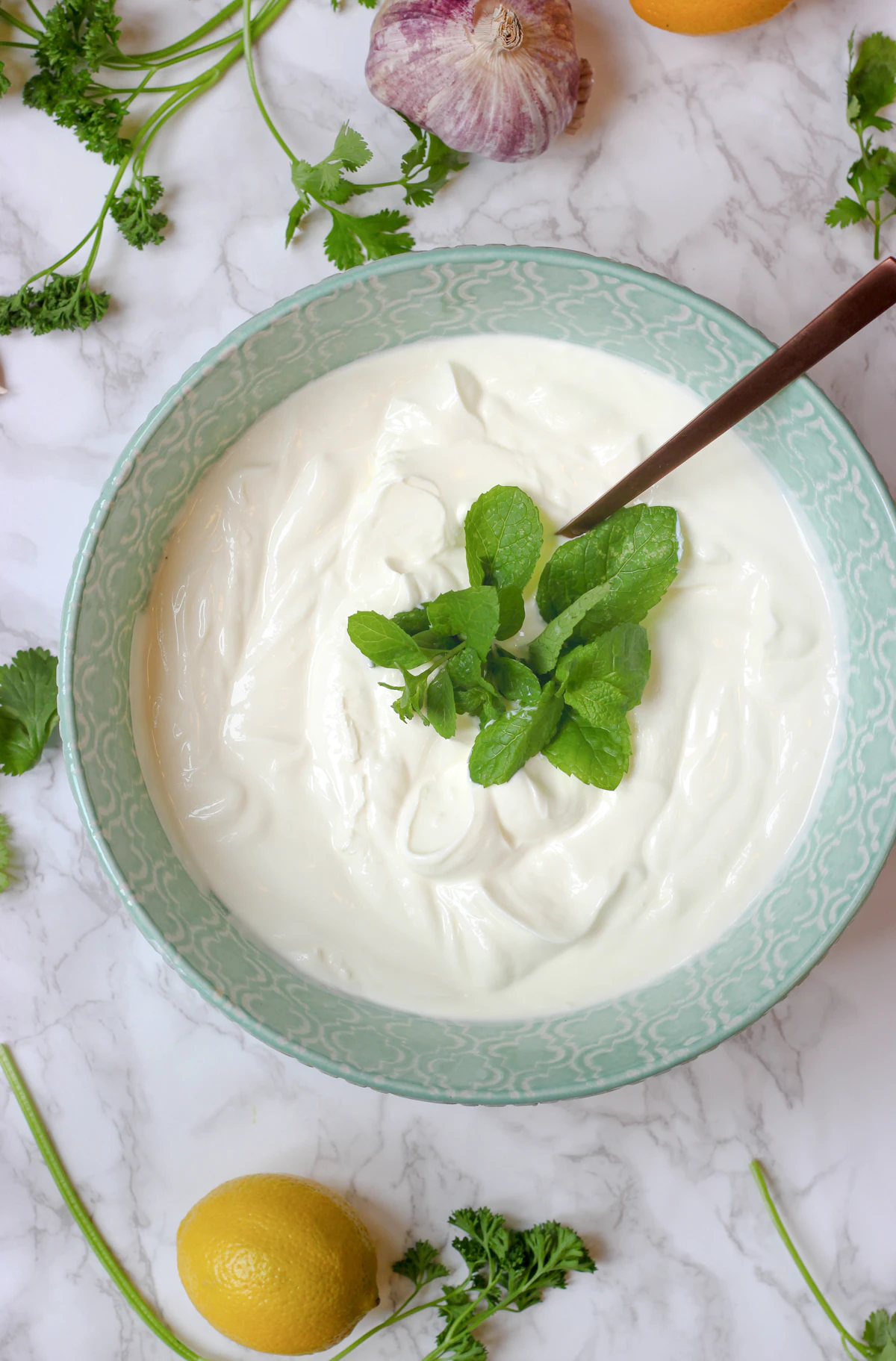
Live yoghurt, kefir, and — for older children with adventurous palates — small amounts of sauerkraut or miso, deliver live organisms alongside protein, calcium and other nutrients. Note that the microbes in most fermented foods are not characterised strains and cannot legally be called probiotic, but the foods themselves are still worth including. See fermented foods UK and kefir benefits.
Prebiotic fibre and plant variety
Fibre is the fuel supply. Oats, bananas, beans, lentils, wholegrains, onions, garlic and cooled cooked potato or rice all feed beneficial bacteria and support production of short-chain fatty acids. The "30 plants a week" framing works well with children because it turns diversity into a game. Practical lists: high-fibre foods, prebiotic foods and best foods for gut health. Increase fibre gradually — a sudden jump causes exactly the bloating you are trying to avoid.
Common Mistakes Parents Make
- Buying on CFU count alone. Fifty billion of an unstudied strain is worth less than five billion of a well-evidenced one.
- Starting after the antibiotic course has finished. The preventive benefit comes from co-administration.
- Using a probiotic to paper over an undiagnosed problem. Persistent diarrhoea, blood in stool, faltering growth or unexplained weight loss need investigation, not supplements.
- Choosing gummies by default. Convenient, but check sugar and confirm the strain is actually listed.
- Giving an adult product to a young child. Doses and formats differ, and choking risk is real.
- Expecting overnight results. Four weeks is a fair trial for most non-acute indications.
- Never stopping. If you cannot name what improved, stop and save the money.
When to See a GP Instead of Buying a Supplement
Arrange an urgent same-day assessment if your child has blood in their stool or vomit, persistent vomiting, severe or localised abdominal pain, signs of dehydration (reduced wet nappies, drowsiness, sunken eyes, no tears), a swollen or tender abdomen, or seems seriously unwell.
Book a routine GP appointment for diarrhoea lasting more than a week, tummy pain that keeps them off school, unexplained weight loss or faltering growth, a change in bowel habit lasting weeks, night-time symptoms that wake them, or a family history of coeliac disease or inflammatory bowel disease. Useful next steps: when to see a GP about stomach problems, coeliac testing in the UK and calprotectin testing.

Frequently Asked Questions
What is the best probiotic for children in the UK?
There is no single best product — the right choice depends on the reason. For preventing diarrhoea during antibiotics, Saccharomyces boulardii CNCM I-745 or Lacticaseibacillus rhamnosus GG at 5 billion CFU/day or above have the strongest paediatric evidence. For colic in a breastfed baby, Limosilactobacillus reuteri DSM 17938 drops. For IBS-type abdominal pain in an older child, LGG. Match the strain to the problem rather than buying a general "kids' probiotic".
At what age can a child start taking probiotics?
Many products are labelled suitable from birth, and probiotic drops are commonly given to newborns for colic. Always follow the age statement on the pack, and speak to your health visitor or GP before giving anything to a baby under three months — or to any baby born prematurely or under specialist care.
Do children's probiotics really work?
For specific, defined uses, yes. A Cochrane review of 6,352 children found probiotics cut antibiotic-associated diarrhoea from 19% to 8%. For other uses the picture is weaker: two large 2018 trials found no benefit for acute gastroenteritis, and ESPGHAN found no strain effective for childhood functional constipation.
Should my child take a probiotic while on antibiotics?
It is the single best-supported use in children. Evidence favours starting alongside the antibiotic and continuing through the course, at 5 billion CFU/day or more. Space bacterial probiotics roughly two hours from antibiotic doses; S. boulardii is a yeast and needs no spacing. Check with your pharmacist if your child takes other medicines.
How long does it take for probiotics to work in children?
It depends on the goal. Antibiotic-related benefit accrues during the course itself. Colic trials typically assessed at 21 days. For abdominal pain or bowel habit, allow four weeks before deciding. If nothing has improved by then, stop.
Are probiotic gummies as good as powders or drops for kids?
Format affects adherence far more than efficacy — but gummies carry more sugar and a choking risk in under-3s, and some contain unnamed strains. Powders and drops let you use evidence-backed strains at exact doses and are easier to mix into food for younger children.
Can probiotics help my child's constipation?
The evidence does not support it. ESPGHAN's 2023 review found no probiotic strain effective for functional constipation in children. Focus on fluids, fibre, physical activity and a consistent toileting routine, and see a GP if it persists — untreated constipation in children tends to become self-reinforcing.
Are children's probiotics safe?
In healthy children they are generally well tolerated, with no serious adverse events attributed to probiotics across 24 trials in 4,415 children. Minor wind, bloating or loose stools in the first week are common. They should not be given without medical advice to premature infants, immunocompromised children, those with central lines, or children who are seriously unwell.
Do children's probiotics need to be kept in the fridge?
Some do and some do not — it depends on the strain and manufacturing process. Refrigeration is not a marker of quality; spore-forming strains such as Bacillus coagulans are stable at room temperature by design. Always follow the storage instruction on the pack, and keep drops away from heat and direct sunlight.
Can my child get enough probiotics from food instead?
For general gut health, food is the better starting point: live yoghurt and kefir supply live cultures, and a varied high-fibre diet feeds the bacteria already present. What food cannot do is deliver a specific, clinically studied strain at a therapeutic dose — which is why supplements have a role in defined situations such as an antibiotic course.
References
- NHS. Probiotics. National Health Service.
- Guo Q, Goldenberg JZ, Humphrey C, et al. Probiotics for the prevention of pediatric antibiotic-associated diarrhea. Cochrane Database of Systematic Reviews, 2019.
- Cochrane. Plain language summary: probiotics for prevention of antibiotic-associated diarrhoea in children.
- Szajewska H, Berni Canani R, Domellöf M, et al. Probiotics for the Management of Pediatric Gastrointestinal Disorders: Position Paper of the ESPGHAN Special Interest Group on Gut Microbiota and Modifications. J Pediatr Gastroenterol Nutr, 2023.
- ESPGHAN Working Group for Probiotics and Prebiotics. Probiotics for the Prevention of Antibiotic-Associated Diarrhea in Children, 2016.
- Schnadower D, Tarr PI, Casper TC, et al. Lactobacillus rhamnosus GG versus Placebo for Acute Gastroenteritis in Children. New England Journal of Medicine, 2018.
- PECARN. Probiotics do not improve outcomes in pediatric acute gastroenteritis.
- Horvath A, Dziechciarz P, Szajewska H. Meta-analysis: Lactobacillus rhamnosus GG for abdominal pain-related functional gastrointestinal disorders in childhood. Aliment Pharmacol Ther, 2011.
- Xu M, Wang J, Wang N, et al. The Efficacy and Safety of the Probiotic Bacterium Lactobacillus reuteri DSM 17938 for Infantile Colic: A Meta-Analysis of Randomized Controlled Trials. PLoS One, 2015.
- TheNNT. Lactobacillus reuteri for treatment of infant colic.
- US Food and Drug Administration. FDA raises concerns about probiotic products sold for use in hospitalized preterm infants, 2023.
- NHS England. Policy guidance: conditions for which over-the-counter items should not be routinely prescribed in primary care.
- International Scientific Association for Probiotics and Prebiotics (ISAPP). How to navigate probiotic evidence and guidelines for paediatric populations.
- Frontiers in Nutrition. Comparative efficacy of probiotic, prebiotic and synbiotic interventions in children with functional abdominal pain disorders: a systematic review and network meta-analysis.
- Frontiers in Pediatrics. Probiotics and Functional Gastrointestinal Disorders in Pediatric Age: A Narrative Review, 2022.
About the Author
Dr Zeeshan Afzal (MBBS) is a practising doctor and Medical Officer at Welzo, where he writes and reviews clinical content on digestive health, nutrition and evidence-based supplementation for UK patients and families.
Medical Disclaimer
This article is provided for general information only and is not a substitute for individual medical advice. Food supplements are not medicines and should not be used to prevent, treat or cure any disease. Always read the label and follow the age guidance on the product. Speak to your GP, pharmacist, health visitor or paediatric dietitian before giving any supplement to a child, particularly if your child is under three months old, was born prematurely, is immunocompromised, has a long-term medical condition, or takes prescribed medication. If your child is unwell, seek medical advice — in an emergency, call 999 or go to A&E; for urgent non-emergency advice in the UK, call NHS 111.




 Évalué Excellent par 28,951+ avis
 Garantie de remboursement à 100%