



FODMAP Food List UK : Guide imprimable


Produits associés


Écrit et examiné médicalement par le Dr Zeeshan Afzal (MBBS), médecin-conseil chez Welzo.
Dernière mise à jour : 29 juillet 2026 · Prochaine révision prévue : juillet 2027 · Temps de lecture : environ 14 minutes
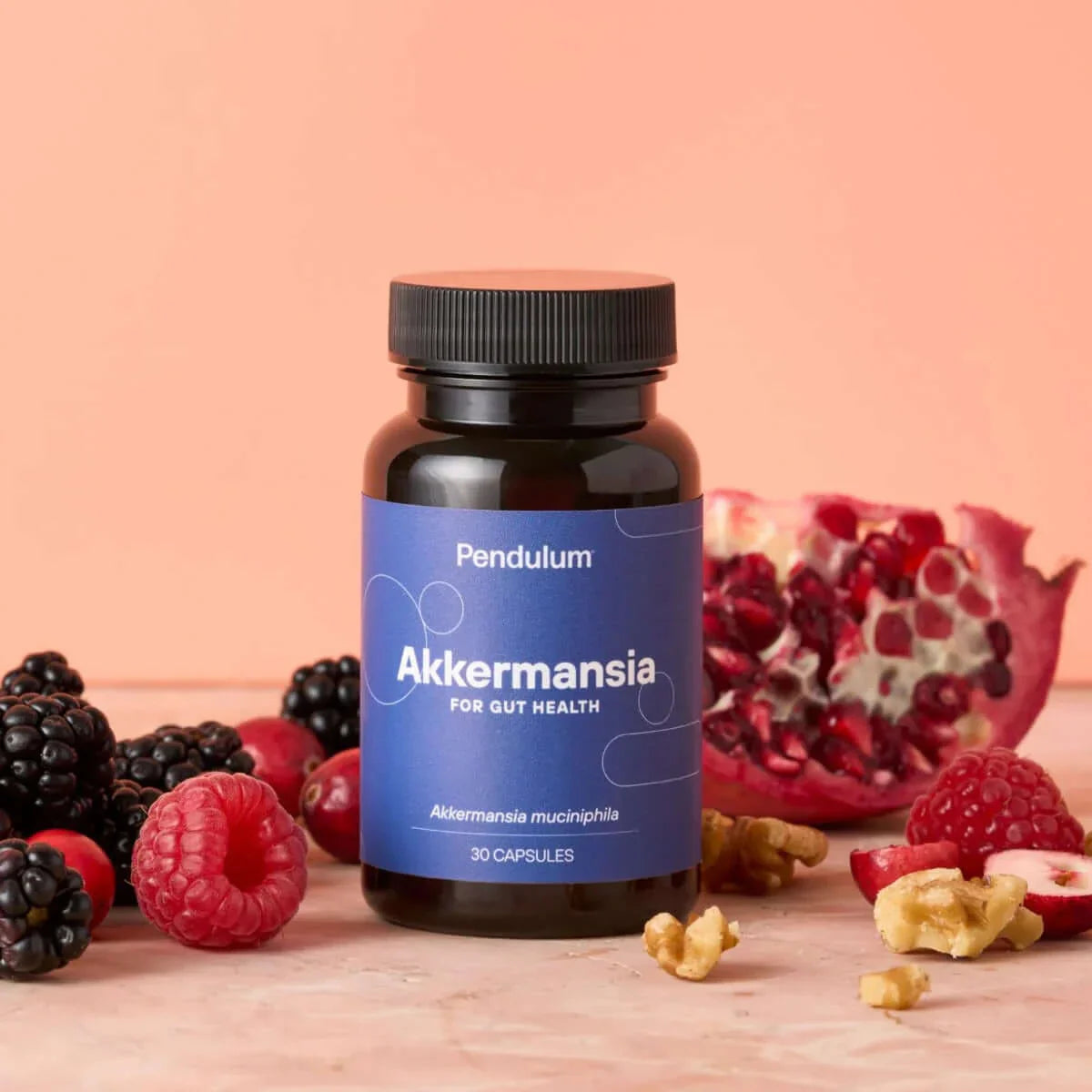
Si on vous a dit d'« essayer de couper » FODMAPs", la première chose dont vous avez besoin est une FODMAP food list claire et spécifique au Royaume-Uni que vous pouvez réellement utiliser dans un supermarché britannique. Ce guide vous donne exactement cela : quoi manger, quoi limiter, des portions réalistes, des étiquettes pièges britanniques, un plan de repas sur sept jours et un tableau imprimable d'une page que vous pouvez coller sur le réfrigérateur. Il est rédigé pour les personnes vivant au Royaume-Uni, utilisant des aliments britanniques, des marques britanniques et les conseils cliniques britanniques de NICE, de British Dietetic Association et de NHS. Nouveau sur ce sujet ? Commencez par nos guides fondamentaux sur la santé intestinale au Royaume-Uni et le régime faible en FODMAP, puis parcourez la gamme Welzo pour la santé intestinale et nos probiotiques. collection. Les lecteurs associent souvent ce guide à Akkermansia, Poudre de pectine d'agrumes, Welzo Ultra Purity Berberine et Welzo Ultra Purity TUDCA. Si les ballonnements sont votre principale plainte, notre tour d'horizon des meilleurs suppléments contre les ballonnements au Royaume-Uni et meilleurs suppléments pour le SCI sont des compagnons utiles, aux côtés des aliments qui provoquent des ballonnements et de notre guide des types de SCI.
Principaux points à retenir
- Les FODMAP sont cinq familles de glucides fermentescibles : fermentables oligosaccharides, disaccharides, monosaccharides and polyols.
- Un régime pauvre en FODMAP est un outil de diagnostic, pas un style de vie. La phase stricte devrait durer environ deux à six semaines, et non des mois ou des années.
- Dans une méta-analyse en réseau publiée dans Gut, un régime pauvre en FODMAP s'est classé au premier rang des interventions diététiques pour les symptômes globaux du SCI par rapport à un régime habituel.
- La taille des portions décide de tout. De nombreux aliments « riches en FODMAP » sont parfaitement bons en petites portions, et plusieurs aliments « sûrs » deviennent riches en FODMAP dans les grandes.
- NICE, le BSG et la BDA conseillent tous de le faire avec un diététiste formé aux FODMAP en raison du risque de restriction inutile et de carences nutritionnelles.
- Obtenez d'abord un diagnostic approprié. La maladie cœliaque, la maladie inflammatoire de l'intestin et le cancer de l'intestin peuvent imiter le SCI, et un régime pauvre en FODMAP peut les masquer.
Table des matières
- Que sont les FODMAP ?
- Qui devrait utiliser une liste d'aliments FODMAP ?
- Comment lire cette liste d'aliments FODMAP
- Liste d'aliments à faible teneur en FODMAP (Royaume-Uni)
- Aliments riches en FODMAP à éviter
- Échanges de supermarchés et pièges d'étiquettes au Royaume-Uni
- Le trois phases expliquées
- Plan de repas faible en FODMAP sur 7 jours
- Liste imprimable des aliments FODMAP
- Risques, inconvénients et sécurité nutritionnelle
- Suppléments que les gens utilisent en complément du régime
- Quand consulter un médecin généraliste
- Foire aux questions questions
- Références
Que sont les FODMAP ? Une explication en anglais simple
FODMAP est un acronyme inventé par des chercheurs de l'Université Monash en Australie en 2005. Il décrit les glucides à chaîne courte qui sont mal absorbés dans l'intestin grêle puis fermentés par les bactéries du gros intestin.
Ce que signifie réellement l'acronyme
Pourquoi les FODMAP déclenchent des symptômes chez certaines personnes
Deux mécanismes font l'essentiel du travail. Premièrement, les FODMAP sont osmotiquement actifs, ce qui signifie qu’ils attirent l’eau dans l’intestin grêle. Deuxièmement, une fois qu’elles atteignent le côlon, les bactéries résidentes les fermentent et libèrent de l’hydrogène, du méthane et du dioxyde de carbone. Pour la plupart des gens, cela est tout à fait normal et inoffensif. Chez les personnes atteintes du syndrome du côlon irritable, la paroi intestinale est souvent hypersensible à l'étirement, de sorte que le même volume de gaz et de liquide est enregistré comme une douleur, une urgence ou une distension visible.
C'est pourquoi un régime pauvre en FODMAP réduit les symptômes sans rien guérir : il diminue le déclencheur mécanique, pas la sensibilité sous-jacente. Le câblage entre l'intestin et le cerveau est également important, que nous abordons dans notre article sur la connexion intestin-cerveau.
Les FODMAP ne sont pas de « mauvais » aliments
C'est le point le plus mal compris. De nombreux FODMAP sont des prébiotiques, ce qui signifie qu'ils nourrissent les bactéries bénéfiques et soutiennent la production de acides gras à chaîne courte tels que le butyrate. Les oignons, l'ail, les légumineuses, les pommes et le blé sont des aliments nutritifs pour la population en général. Les supprimer à long terme réduit la diversité du microbiome et peut pousser l'intestin vers la dysbiose.
L'objectif n'est jamais un évitement permanent. L'objectif est de trouver la plus petite liste possible de déclencheurs personnels et de remettre tout le reste en place.
Qui devrait utiliser une liste d'aliments FODMAP ?
Obtenez un diagnostic avant de restreindre quoi que ce soit
Les conseils du Royaume-Uni sont cohérents à ce sujet. Un régime pauvre en FODMAP est un traitement de second-line pour le diagnostic du SCI, utilisé après que des conseils diététiques et de style de vie standard de première intention ont été essayés. Les lignes directrices de la British Society of Gastroenterology sur la gestion du syndrome du côlon irritable le positionnent de cette façon, et les NHS guidance indiquent qu'un diététiste peut le recommander si les changements généraux n'ont pas aidé.
Avant de commencer, demandez à votre médecin généraliste d'exclure la maladie coeliaque avec une analyse de sang. (vous devez toujours manger du gluten pour que le test soit valide), une maladie inflammatoire de l'intestin via la calprotectine fécale et, le cas échéant, un cancer de l'intestin. Nos guides sur le test coeliaque au Royaume-Uni, le calprotectin test et dépistage du cancer de l'intestin explique à quoi s'attendre. Si vous ne savez pas si vos symptômes sont dus au SCI, lisez maladie cœliaque versus intolérance au gluten et SIBO.
Symptômes d'alarme nécessitant une évaluation urgente
- Perte de poids involontaire
- Saignement rectal ou sang dans les selles
- Un changement persistant dans des selles qui durent plus de six semaines, en particulier si vous avez plus de 50 ans
- Anémie ferriprive
- Des antécédents familiaux de cancer de l'intestin ou des ovaires
- Réveils nocturnes avec douleur ou diarrhée
- Une masse abdominale ou rectale
Aucun de ces symptômes n'est un symptôme du SCI. Voir quand consulter un médecin généraliste pour des symptômes gastriques pour une liste de contrôle plus complète.
Qui ne devrait pas tenter un régime pauvre en FODMAP
- Toute personne souffrant d'un trouble de l'alimentation actuel ou passé, ou d'une relation restrictive avec la nourriture. Les directives du BSG mettent spécifiquement en garde contre cela dans ce groupe.
- Enfants et adolescents, sauf sous la supervision d'un diététiste pédiatrique.
- Personnes enceintes ou qui allaitent, sauf sous surveillance.
- Toute personne n'ayant pas reçu de diagnostic confirmé.
- Les personnes qui ont déjà un poids insuffisant ou dont la nutrition est compromise.
Comment lire cette liste d'aliments FODMAP
Le système de feux de circulation
La taille des portions change tout
Une liste d'aliments FODMAP sans la taille des portions est presque inutile. L’avocat en est un bon exemple : une petite tranche est généralement tolérée, tandis qu’un demi-avocat délivre suffisamment de sorbitol pour déclencher les symptômes. Les fleurons de brocoli sont généralement bons ; les tiges sont beaucoup plus riches en fructanes. La patate douce est faible en FODMAP (environ une demi-tasse) et modérée au-dessus.
Parce que les laboratoires retestent continuellement les aliments, les seuils de portion publiés changent. La Monash University FODMAP food list et son application qui l'accompagne restent la seule référence régulièrement mise à jour et testée en laboratoire, et les portions de ce guide doivent être traitées à titre indicatif plutôt qu'absolu.
FODMAP stacking
L'empilage se produit lorsque plusieurs aliments FODMAP faibles ou modérés consommés près les uns s'ajoutent à une charge élevée en FODMAP. Un petit-déjeuner composé d'un granola faible en FODMAP avec des amandes, une petite banane et un yaourt sans lactose peut être bien individuellement mais inconfortable combiné. Deux règles pratiques vous aident : laissez environ trois heures entre les repas et évitez plus d'un aliment ambré par séance.
Liste des aliments à faible teneur en FODMAP au Royaume-Uni : ce que vous pouvez manger
Les tableaux ci-dessous couvrent les aliments largement disponibles dans les supermarchés britanniques. Les conseils de service sont approximatifs et basés sur les tests publiés par l'Université Monash. Confirmez toujours les portions actuelles dans l'application Monash, car les évaluations sont révisées à mesure que de nouvelles données de laboratoire apparaissent.
Légumes faibles en FODMAP
| Légumes | Portion indicative faible en FODMAP | Notes |
|---|---|---|
| Carotte | Aucune limite pratique | L'un des rares légumes véritablement sans FODMAP |
| Courgette | Environ 65g (environ 1/3 moyen) | Modéré en fructanes au-dessus de cela |
| Concombre | Environ 75g | Peau incluse |
| Aubergine | Environ 75g | Bon rôti ou dans une moussaka faible en FODMAP |
| Haricots verts | Environ 75g (environ 15 haricots) | Le sorbitol lève avec de plus grandes portions |
| Rouge poivre | Environ 75 g | Le poivron vert est également faible à des portions similaires |
| Pomme de terre (blanche) | Aucune limite pratique | Bouilli, écrasé, rôti ou cuit au four |
| Panarais | À propos 75g | Une bonne alternative hivernale à la patate douce |
| Suédoise | Environ 75g | Utile dans les ragoûts et la purée |
| Épinards (bébés) | Environ 75g | Excellente source de fer et d'acide folique |
| Chou frisé | Environ 75 g | Curly et cavolo nero tous deux testés à faible teneur |
| Laitue, roquette, blettes | Portions généreuses | Toutes les feuilles de salade sont faible |
| Tomate (commune) | Environ 65 g | Les tomates cerises sont modérées au-dessus d'environ 45 g |
| Fleurs de brocoli | Environ 75 g de têtes seulement | Évitez les tiges, qui sont riches en fructanes |
| Pak choi et bok choy | Environ 75g | Base de sauté fiable |
| Partie verte d'oignon nouveau et de poireau | Environ 75g de sommités vertes | Le bulbe blanc est riche en FODMAP ; le vert est bas |
| Patate douce | Environ 75g | Devient modéré en mannitol au-dessus de cela |
| Courge musquée | Environ 45g | Petites portions seulement |
| Olives | Environ 30g | Vert et noir les deux faibles |
| Gingembre, radis, navet | Portions standard | Utile pour une saveur sans oignon ni ail |
Fruits faibles en FODMAP
Limitez-vous à une portion de fruit par séance et laissez un intervalle de deux à trois heures entre les portions. Cette seule habitude empêche l'accumulation de fructose dans la plupart des fruits.
| Fruit | Portion indicative de FODMAP faible | Notes |
|---|---|---|
| Banane non mûre (ferme) | 1 moyenne | La banane mûre devient modérée en fructanes au-dessus d'environ 1/3 |
| Bleuets | Environ 40g | Environ 20 baies |
| Fraises | Environ 150g | L'un des fruits les plus généreux à faible teneur en FODMAP |
| Framboises | À propos 60 g | Environ 30 baies |
| Kiwi | 2 petits | Également utile pour le SCI à prédominance de constipation |
| Orange | 1 moyen | Satsumas et clémentines sont également faible |
| Raisins | Environ 150g | Vert ou rouge |
| Ananas | Environ 140g frais | L'ananas séché est élevé |
| Melon cantaloup | Environ 120g | La pastèque est riche en FODMAP |
| Rhubarbe | Environ 100g | Sucrer avec du sucre cristallisé, pas du miel |
| Passion fruit | Environ 2 fruits | Bon pour aromatiser le yaourt |
| Citron et citron vert | Jus de 1 fruit | Outils de saveur à faible teneur en FODMAP |
| Papaye | À propos 140 g | Contient de la papaïne, une enzyme digestive |
Céréales, pains et céréales à faible teneur en FODMAP
| Aliments | Portion indicative à faible teneur en FODMAP | Remarques |
|---|---|---|
| Avoine (porridge) | Environ 40 g sec (environ 1/2 tasse) | Les portions plus grandes deviennent modérées en fructanes et en GOS |
| Riz blanc ou brun | 1 tasse cuite | Basmati, jasmin et grains longs tous faibles |
| Quinoa | 1 tasse cuit | Protéine complète, utile pour les végétariens |
| Sarrasin | 1 tasse cuit | Non lié au blé malgré le nom |
| Polenta et semoule de maïs | 1 tasse cuite | Vérifiez la poudre d'oignon ajoutée dans le plat préparé versions |
| Pain sans gluten | 2 tranches | Vérifiez l'ajout d'inuline, de fibres de racine de chicorée et de miel |
| Pain d'épeautre au levain | 2 tranches | Une longue fermentation réduit la teneur en fructanes |
| Gâteaux de riz et gâteaux de maïs | 2 gâteaux | Variétés nature uniquement |
| Pâtes sans gluten | 1 tasse cuite | Les bases de riz, de maïs et de quinoa fonctionnent mieux |
| Nouilles de riz | 1 tasse cuit | Vérifiez les sauces séparément |
Produits laitiers et substituts laitiers à faible teneur en FODMAP
| Aliments | Portion indicative à faible teneur en FODMAP | Remarques |
|---|---|---|
| Lait sans lactose | 250 ml | Largement approvisionné dans les supermarchés britanniques |
| Fromages à pâte dure (cheddar, parmesan, suisse) | Environ 40 g | Le vieillissement élimine presque tout le lactose |
| Brie, camembert et feta | Environ 40 g | Naturellement faible en lactose |
| Yaourt sans lactose | Environ 170 g | Vérifiez l'inuline ajoutée ou les fruits riches en FODMAP |
| Beurre | Standard portions | Essentiellement sans lactose |
| Lait d'amande | 250 ml | Non sucré, sans inuline ajoutée |
| Lait de riz | 200 ml | Faible en protéines, donc pas un substitut du lait nutritionnellement |
| Lait de macadamia et de chanvre | 250 ml | Bonnes options faibles en FODMAP |
| Crème et glace sans lactose | Portions standards | Vérifiez la présence de sorbitol et d'inuline dans les versions « sans sucre ajouté » |
Si le lactose s'avère être votre principal déclencheur, vous n'aurez peut-être pas du tout besoin d'un régime pauvre en FODMAP. Consultez notre guide des suppléments d'intolérance au lactose.
Aliments faibles en protéines FODMAP
| Aliments | Portion indicative faible en FODMAP | Remarques |
|---|---|---|
| Bœuf nature, agneau, porc, poulet, dinde | Standard portions | Non mariné. La viande ne contient pas de glucides, donc pas de FODMAP |
| Poissons et crustacés | Portions standards | Nature, pas en sauce |
| Œufs | Portions standards | Alimentation polyvalente à faible teneur en FODMAP |
| Ferme tofu | Environ 170g | Le tofu soyeux est riche en FODMAP |
| Tempeh | Environ 100g | Fermentation reduces GOS |
| Tinned lentils, rinsed | About 46g (roughly 1/4 cup) | Canning leaches GOS into the liquid |
| Tinned chickpeas, rinsed | About 42g (roughly 1/4 cup) | Dried and home-cooked versions are high |
| Canned tuna and salmon | Standard portions | In spring water or oil |
Low FODMAP nuts and seeds
| Food | Indicative low FODMAP serving | Notes |
|---|---|---|
| Almonds | 10 nuts | Moderate in GOS above this |
| Hazelnuts | 10 nuts | Same limit as almonds |
| Walnuts | About 30g | Generous portion |
| Peanuts | About 32g | Botanically a legume but low in FODMAPs |
| Macadamias, pecans, brazil nuts | About 20–40g | Reliable choices |
| Pumpkin, sunflower and chia seeds | About 20–24g | Chia also supports stool consistency |
| Peanut butter | 2 tablespoons | Avoid varieties with added honey or inulin |
Low FODMAP fats, herbs, spices and condiments
| Food | Notes |
|---|---|
| Olive oil, rapeseed oil, coconut oil | All oils are FODMAP free |
| Garlic-infused oil | Fructans are water soluble, not oil soluble, so the flavour transfers without the FODMAPs |
| Fresh herbs: basil, coriander, parsley, thyme, rosemary, chives | Chives are the best onion substitute |
| Dried spices: cumin, paprika, turmeric, cinnamon, black pepper | Check blends for onion and garlic powder |
| Soy sauce and tamari | Low in normal portions |
| Maple syrup | Around 2 tablespoons |
| Table sugar, golden syrup (small amounts), dark chocolate | Dark chocolate is low at roughly 30g |
| Vinegars, mustard, mayonnaise | Check labels for garlic and high-fructose syrups |
Low FODMAP drinks
- Water, sparkling water and still mineral water
- Black tea (brewed weakly), green tea, white tea and peppermint tea
- Coffee, ideally with lactose-free or almond milk, and limited to around three cups a day
- Cranberry juice (about 250ml) and small glasses of orange juice
- Beer (one serving), gin, vodka, whisky, and dry red or white wine (one serving)
Chamomile tea, fennel tea, chai and rum are high FODMAP. Caffeine and alcohol are also independent gut irritants, and NHS inform advises limiting both in IBS regardless of FODMAP content.
High FODMAP Foods to Avoid During Elimination
These are the foods to remove for the strict phase only. Organising them by FODMAP subgroup makes reintroduction far easier later, because you will be testing one subgroup at a time.
Fructans (oligosaccharides)
| Category | High FODMAP examples |
|---|---|
| Vegetables | Onion (all types), garlic, leek bulb, shallot, spring onion bulb, Jerusalem artichoke, globe artichoke, savoy cabbage, beetroot (large portions), Brussels sprouts (large portions), fennel bulb |
| Grains | Wheat bread, standard pasta, couscous, rye bread, barley, bran cereals, wheat-based breakfast cereals |
| Fruit | Nectarines, white peaches, persimmon, watermelon, dried figs, dates, prunes, raisins and sultanas |
| Added ingredients | Inulin, chicory root fibre, fructo-oligosaccharides (FOS), oligofructose |
Galacto-oligosaccharides (GOS)
| Category | High FODMAP examples |
|---|---|
| Pulses | Baked beans, kidney beans, butter beans, black beans, dried chickpeas and lentils, split peas, soya beans |
| Nuts | Cashews, pistachios |
| Other | Soya milk made from whole soya beans, hummus in standard portions, falafel |
Lactose (disaccharides)
| Category | High FODMAP examples |
|---|---|
| Milk | Cow's, goat's and sheep's milk, evaporated and condensed milk, buttermilk |
| Soft cheese | Ricotta, cottage cheese, cream cheese, mascarpone, halloumi in large portions |
| Other dairy | Standard yoghurt, custard, milk chocolate in large portions, ice cream, milk-based desserts |
Excess fructose (monosaccharides)
| Category | High FODMAP examples |
|---|---|
| Fruit | Apples, pears, mango, cherries, watermelon, tinned fruit in juice, large portions of dried fruit |
| Sweeteners | Honey, agave nectar, high-fructose corn syrup, glucose-fructose syrup |
| Drinks | Apple juice, pear juice, mango juice, fruit smoothies with mixed high FODMAP fruit |
| Vegetables | Asparagus, sugar snap peas, artichoke hearts |
Polyols (sorbitol, mannitol, xylitol, maltitol, isomalt)
| Category | High FODMAP examples |
|---|---|
| Sorbitol | Apples, pears, apricots, blackberries, nectarines, peaches, plums, prunes, avocado in large portions |
| Mannitol | Cauliflower, mushrooms, mangetout, celery in large portions, sweet potato in large portions |
| Added polyols | Sugar-free chewing gum and mints, "no added sugar" squash and sweets, some protein bars, some cough syrups and liquid medicines |
A systematic review in Advances in Nutrition found that polyols in particular have measurable effects on gastrointestinal symptoms, which is why sugar-free gum is such a frequent hidden trigger. Our article on sweeteners and gut health covers this in more detail.
UK Supermarket Swaps and Label Traps
Straight swaps that make the diet liveable
| Instead of | Use |
|---|---|
| Onion and garlic | Garlic-infused olive oil, chives, green tops of spring onion, asafoetida (a pinch) |
| Wheat bread | Gluten-free bread without inulin, or genuine long-fermented sourdough spelt |
| Cow's milk | Lactose-free milk or unsweetened almond milk |
| Standard yoghurt | Lactose-free natural yoghurt |
| Apple or pear | Orange, firm banana, strawberries, kiwi |
| Honey | Maple syrup or ordinary table sugar |
| Baked beans on toast | Tinned lentils (rinsed) on gluten-free toast |
| Standard stock cubes | Low FODMAP certified stock, or homemade stock without onion |
| Hummus | Peanut butter dip, tahini-free aubergine dip, or a small measured portion of hummus |
| Cauliflower rice | Grated courgette or plain white rice |
Ingredient names that hide FODMAPs on UK labels
- Inulin and chicory root fibre — extremely common in "high fibre" and "gut health" cereals, protein bars and some yoghurts
- Fructo-oligosaccharides (FOS) and galacto-oligosaccharides (GOS) — added as prebiotics
- Glucose-fructose syrup and fruit juice concentrate — sources of excess fructose
- Sorbitol (E420), mannitol (E421), xylitol (E967), maltitol (E965), isomalt (E953) — polyols in sugar-free products
- Onion powder, garlic powder, vegetable powder, natural flavouring — frequent in crisps, sauces, stocks and ready meals
- Wheat flour, wheat starch, rye flour, barley malt extract — fructan sources
A practical tip: if a high FODMAP ingredient appears near the end of a long ingredients list, the amount is often small enough to tolerate. If it is in the first three ingredients, treat the product as high FODMAP.
The Three Phases of the Low FODMAP Diet
Phase 1: elimination
All high FODMAP foods are removed for roughly two to six weeks. If you have seen no improvement at all after four weeks of accurate adherence, FODMAPs are probably not your driver, and continuing is unlikely to help. Around three in ten people do not respond, so a lack of improvement is a useful diagnostic result rather than a failure.
A useful modification for people who cannot face full restriction is "FODMAP gentle", a lighter version that removes only the highest-yield offenders such as onion, garlic, wheat, pulses, apples, pears, stone fruit and lactose. Several NHS trusts now offer this as a first step.
Phase 2: reintroduction
This is the phase that produces the actual answer. You return to the low FODMAP baseline diet and then challenge one FODMAP subgroup at a time using a single test food, typically over three days with increasing portions, followed by a two to three day washout. Our dedicated guide to FODMAP reintroduction walks through the challenge schedule in detail.
Test foods that isolate one FODMAP cleanly include: mango (fructose), milk (lactose), bread (fructans), almonds (GOS), avocado or apricot (sorbitol) and mushrooms or cauliflower (mannitol). Keep a symptom diary throughout, and use the Bristol Stool Chart to record bowel changes objectively rather than from memory.
Phase 3: personalisation
You rebuild the widest possible diet, restricting only the specific subgroups and portion sizes that reliably cause symptoms. Tolerance often improves over time, so retest problem foods every few months. Rebuilding plant diversity matters here: see 30 plants a week, prebiotic foods, high fibre foods in the UK and how to increase fibre without bloating.
A 7-Day Low FODMAP Meal Plan for the UK
| Day | Breakfast | Lunch | Dinner |
|---|---|---|---|
| Monday | Porridge (40g oats) with lactose-free milk and 20 blueberries | Jacket potato with tuna mayonnaise and rocket | Roast chicken, carrots, parsnips and new potatoes |
| Tuesday | Scrambled eggs on gluten-free toast with chives | Rice noodle salad with prawns, cucumber and lime | Grilled salmon, sweet potato mash (75g) and green beans |
| Wednesday | Lactose-free yoghurt with strawberries and 10 almonds | Leftover salmon with quinoa and spinach | Beef stir-fry with pak choi, red pepper and rice, using garlic-infused oil |
| Thursday | Firm banana and peanut butter on rice cakes | Omelette with cheddar, courgette and tomato | Gluten-free pasta with a tinned tomato and basil sauce, topped with parmesan |
| Friday | Porridge with maple syrup and raspberries | Chicken and salad wrap in a corn tortilla | Cottage pie made with beef, carrot and mashed potato, no onion |
| Saturday | Full English: eggs, bacon, grilled tomato, gluten-free toast | Homemade carrot and ginger soup with sourdough spelt | Lamb chops, roast aubergine and courgette, boiled potatoes |
| Sunday | Lactose-free yoghurt with kiwi and pumpkin seeds | Sunday roast: pork, potatoes, carrots, swede, gravy made without onion | Rinsed tinned lentil (1/4 cup) and vegetable curry with rice |
Snacks that work throughout the week: rice cakes with peanut butter, a firm banana, 10 almonds, hard cheese with corn crackers, a boiled egg, dark chocolate (30g), or plain popcorn.
Your Printable FODMAP Food List
Print the chart below, or take a screenshot on your phone for supermarket trips. It condenses the whole guide onto one page.
How Well Does a Low FODMAP Diet Actually Work?
IBS is common. UK primary care data indicate that most people with IBS are managed in general practice, that guideline-recommended treatments improve symptoms in only around 30 to 40 per cent of patients, and that the condition costs the NHS an estimated £1.3 to £2 billion per year. Guts UK, the national charity for the digestive system, estimates that around one in seven people worldwide are affected.
Against that background, the low FODMAP diet has an unusually strong evidence base for a dietary intervention:
- A systematic review and network meta-analysis of 13 randomised controlled trials involving 944 patients, published in Gut in 2022, found that a low FODMAP diet ranked first for all endpoints studied, including global symptoms, abdominal pain and bloating, and was superior to standard BDA/NICE dietary advice for bloating and distension.
- A larger 2025 network meta-analysis in The Lancet Gastroenterology & Hepatology, covering 28 randomised trials, concluded that among dietary interventions for IBS, the most evidence exists for a low FODMAP diet, while noting that overall confidence in the evidence remains low to moderate because dietary trials cannot be properly blinded.
- An earlier comprehensive systematic review and meta-analysis in the European Journal of Nutrition reported significant reductions in symptom severity scores across pooled studies.
- A review in Gut by researchers at King's College London examined the mechanisms and efficacy of the diet, and also flagged its effects on the gut microbiota.
Two honest caveats belong here. First, most trials were run in secondary or tertiary care, so results in a general practice population may be more modest. Second, placebo and expectation effects in dietary trials are substantial. The diet is genuinely useful, but it is not a cure and it does not work for everyone.
Risks, Downsides and Nutritional Safety
Effects on the gut microbiome
Because many FODMAPs are prebiotics, restricting them reduces the fuel supply for beneficial bacteria. Studies have consistently reported reductions in Bifidobacteria during the elimination phase. This is one of the strongest arguments for keeping the strict phase short and moving promptly into reintroduction. Our articles on microbiome diversity and increasing gut bacteria diversity explain how to rebuild afterwards.
Fibre, calcium and overall nutrition
Removing wheat, pulses, apples and pears at the same time can drop fibre intake sharply, which is counterproductive for constipation-predominant IBS. Removing dairy without a proper lactose-free replacement puts calcium intake at risk, particularly in women, older adults and anyone at risk of osteoporosis. This is precisely why NICE, the BSG and the BDA all recommend dietetic supervision. Registered dietitians who have completed the King's College London low FODMAP training are the UK gold standard.
Psychological risk
Restrictive diets can entrench food fear and, in vulnerable people, contribute to disordered eating. If following this food list makes you anxious about eating, socially withdrawn, or reluctant to eat out, stop and speak to your GP. Symptom control is not worth a damaged relationship with food.
Cost and practicality
Gluten-free and lactose-free products cost more than standard equivalents. You can reduce spend considerably by building meals around naturally low FODMAP whole foods: potatoes, rice, oats, carrots, eggs, plain meat and fish, hard cheese and seasonal low FODMAP vegetables.
Supplements People Use Alongside a Low FODMAP Diet
No supplement replaces the diet, and none is a treatment for IBS on its own. The following are commonly discussed options. Speak to your GP or pharmacist before starting anything, particularly if you take prescription medicines.
Probiotics
Probiotics are among the most researched adjuncts in IBS, though results vary considerably by strain and by individual. Some clinicians use them alongside or after the elimination phase, partly to counter the reduction in Bifidobacteria. Browse the Welzo probiotics collection, and read best probiotics UK, do probiotics work and when to take probiotics before choosing. Note that some probiotic products contain inulin or FOS as a carrier, which is worth checking during the strict phase.
Peppermint oil
Enteric-coated peppermint oil is an antispasmodic that is widely used for IBS-related pain and cramping, and is available over the counter in UK pharmacies. See our guide to peppermint oil capsules for IBS.
Fibre and prebiotic support after reintroduction
Once you know your triggers, gently rebuilding fibre matters. Soluble fibres such as psyllium are generally better tolerated in IBS than coarse insoluble bran. Compare options in psyllium vs inulin, best prebiotic supplements UK and resistant starch. Citrus Pectin Powder is a soluble fibre option some readers use during personalisation.
Other products readers ask about
Questions frequently come up about Akkermansia, Berberine and TUDCA. Berberine has significant drug interactions, so read berberine interactions first, and check TUDCA side effects before use. The complete gut health range sits alongside our supplement guides for IBS and gut barrier support.
When to See a GP
Book an appointment if you have not yet had a formal IBS diagnosis, if your symptoms have changed in character, if you have any of the red flags listed earlier, or if four weeks of accurate low FODMAP eating has produced no improvement. Ask specifically about a referral to an NHS dietitian, which the NHS identifies as the route to supervised low FODMAP support. If NHS waiting times are long, the BDA maintains a directory of private registered dietitians.
Frequently Asked Questions
What is the complete FODMAP food list?
There is no single fixed list, because FODMAP content depends on portion size and because laboratories continually retest foods. In practice, the core low FODMAP foods are carrots, courgette, potato, spinach, red pepper, green beans, oranges, strawberries, firm bananas, blueberries, kiwi, oats, rice, quinoa, gluten-free bread, lactose-free dairy, hard cheese, eggs, plain meat and fish, firm tofu, and small portions of almonds and walnuts. The core high FODMAP foods are onion, garlic, wheat, rye, barley, pulses, cauliflower, mushrooms, apples, pears, mango, watermelon, stone fruit, dried fruit, cow's milk, soft cheese, honey and sugar-free sweeteners ending in "-ol".
What are the top 10 high FODMAP foods to avoid?
Onion, garlic, wheat bread and pasta, baked beans and other pulses, apples, pears, cow's milk and standard yoghurt, cauliflower, mushrooms, and honey. Add sugar-free gum containing sorbitol or xylitol as an eleventh, because it is such a frequent hidden trigger.
Are eggs, potatoes and rice low FODMAP?
Yes, all three are low FODMAP. Eggs contain no carbohydrate and therefore no FODMAPs. Plain white potatoes and white or brown rice have no practical serving limit on the diet, which makes them the most reliable staples during the elimination phase.
Is banana low FODMAP?
It depends on ripeness. A firm, slightly unripe banana is low FODMAP at one medium fruit. As bananas ripen, fructans increase, so a very ripe banana becomes moderate above roughly one third of a fruit. Buy them green and eat them early.
Is coffee allowed on a low FODMAP diet?
Black coffee and espresso are low FODMAP. The problem is usually the milk, so switch to lactose-free or unsweetened almond milk. Caffeine itself stimulates colonic motility independently of FODMAPs, so NHS guidance suggests limiting intake if diarrhoea or urgency is a main symptom.
How long should I stay on the elimination phase?
Two to six weeks. UK dietetic practice usually uses four weeks. If there is no improvement by then, FODMAPs are unlikely to be your trigger and you should reintroduce foods rather than restrict further. Staying strict for months is the most common and most harmful mistake people make.
Can I follow a low FODMAP diet as a vegan or vegetarian?
Yes, but it needs planning, because pulses are both a staple protein source and a major GOS source. Firm tofu, tempeh, eggs (if vegetarian), quinoa, rinsed tinned lentils and chickpeas in measured portions, peanut butter, and low FODMAP protein powders can cover requirements. Dietetic support is strongly advised. See vegan gut health.
Does a low FODMAP diet help with SIBO, bloating or reflux?
It is validated for IBS specifically. Some people with functional bloating report improvement, and the diet is sometimes used adjunctively in small intestinal bacterial overgrowth, though the evidence there is much weaker. It is not a treatment for reflux. See SIBO and acid reflux for those conditions specifically.
Is gluten free the same as low FODMAP?
No. Gluten is a protein; FODMAPs are carbohydrates. Wheat is restricted on a low FODMAP diet because of its fructan content, not its gluten. Many gluten-free products contain high FODMAP ingredients such as inulin, chicory root fibre, honey or pulse flours, and many low FODMAP foods contain gluten in tolerable amounts. See gluten intolerance.
Do I need an app, or is a printed FODMAP food list enough?
A printed list is enough to get started and to shop with, which is why we have provided one above. For the reintroduction phase, and for checking unusual foods and exact serving sizes, the Monash University FODMAP app is the only regularly updated, laboratory-verified source and is worth the one-off cost.
References
- Monash University. High and low FODMAP foods. Monash FODMAP.
- National Institute for Health and Care Excellence. Irritable bowel syndrome in adults: diagnosis and management (CG61).
- Vasant DH, Paine PA, Black CJ, et al. British Society of Gastroenterology guidelines on the management of irritable bowel syndrome. Gut. 2021;70(7):1214–1240.
- Black CJ, Staudacher HM, Ford AC. Efficacy of a low FODMAP diet in irritable bowel syndrome: systematic review and network meta-analysis. Gut. 2022;71(6):1117–1126.
- Cuffe MS, Staudacher HM, Aziz I, et al. Efficacy of dietary interventions in irritable bowel syndrome: a systematic review and network meta-analysis. The Lancet Gastroenterology & Hepatology. 2025;10(6):520–536.
- Staudacher HM, Whelan K. The low FODMAP diet: recent advances in understanding its mechanisms and efficacy in IBS. Gut. 2017;66(8):1517–1527.
- Marsh A, Eslick EM, Eslick GD. Does a diet low in FODMAPs reduce symptoms associated with functional gastrointestinal disorders? A comprehensive systematic review and meta-analysis. European Journal of Nutrition. 2016;55(3):897–906.
- Barrett JS. How to institute the low-FODMAP diet. Journal of Gastroenterology and Hepatology. 2017;32(Suppl 1):8–10.
- Lenhart A, Chey WD. A systematic review of the effects of polyols on gastrointestinal health and irritable bowel syndrome. Advances in Nutrition. 2017;8(4):587–596.
- British Dietetic Association. Irritable bowel syndrome (IBS) and diet: Food Fact Sheet.
- NHS. Diet, lifestyle and medicines for IBS.
- NHS. Further help and support for IBS.
- NHS inform. Managing irritable bowel syndrome (IBS).
- King's College London. Dietary management and the low FODMAP diet in IBS – Advanced course.
- Guts UK Charity. Information and support on digestive conditions.
- Sanders C, et al. Management of irritable bowel syndrome in primary care. British Journal of General Practice. 2025;75(758):429.
About the Author
Dr Zeeshan Afzal (MBBS) is a qualified medical doctor and Medical Officer at Welzo, where he writes and reviews clinical content across digestive health, nutrition and preventative medicine. He reviews Welzo's gut health library against current NICE, NHS and British Society of Gastroenterology guidance.
Medical Disclaimer
This article is for general information only and does not constitute medical advice, diagnosis or treatment. A low FODMAP diet is a restrictive, second-line intervention for diagnosed irritable bowel syndrome and should ideally be undertaken with support from a registered dietitian. Do not use it to self-treat undiagnosed digestive symptoms, and do not delay seeking medical advice because of anything you have read here. If you have any of the red flag symptoms listed above, contact your GP or call NHS 111. In an emergency, call 999.




 Évalué Excellent par 28,951+ avis
 Garantie de remboursement à 100%