
Best Supplements for Lactose Intolerance UK
Posted on:
Aug 05, 2026
Authored by


Written and medically reviewed by Dr Zeeshan Afzal (MBBS) — Medical Doctor & Medical Content Lead, Welzo
Evidence-based · Matched to your needs · Aligned with NHS guidance
Last updated: January 2026 · Reading time: ~15 minutes
Lactose intolerance is one of the most common issues in digestive health: your body doesn't make enough lactase — the enzyme that breaks down lactose, the natural sugar in milk and dairy. When lactose isn't digested, it passes into the colon where bacteria ferment it, causing bloating, wind, cramps and diarrhoea. It affects a large share of adults worldwide, and while it isn't dangerous, it can be genuinely disruptive.
The good news is that it's very manageable — and it's one of the few areas where gut health supplements have a clear, direct mechanism. The most reliable tool is a lactase enzyme supplement taken with dairy, but a smart approach also builds a healthier gut foundation, supports long-term tolerance, and protects the calcium and vitamin D you might miss if you cut back on dairy. Below we rank and review the seven best supplements for lactose intolerance, starting with the one we rate as the best overall foundation and covering the direct enzyme solutions that let you enjoy dairy.
The short version: Build a healthier gut foundation with our top pick, Welzo Ultra Purity Akkermansia — a probiotic formula whose L. acidophilus content may help improve lactose tolerance over time — then keep a lactase enzyme on hand as your direct, reliable solution for eating dairy. Add calcium and vitamin D if you're limiting dairy, and see a GP to rule out other conditions. Explore Welzo's gut health range.
| Rank | Supplement | Best for | Guide price |
|---|---|---|---|
| 1 | Welzo Ultra Purity Akkermansia | Best overall — gut foundation & tolerance support | ~£21.99 |
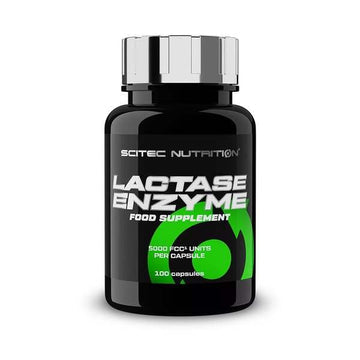
| 2 | SciTec Lactase Enzyme (capsules) | Direct solution — take with dairy | ~£13.77 |
| 3 | Seeking Health Lactase Drops | Pre-treating milk & liquids | ~£28.63 |
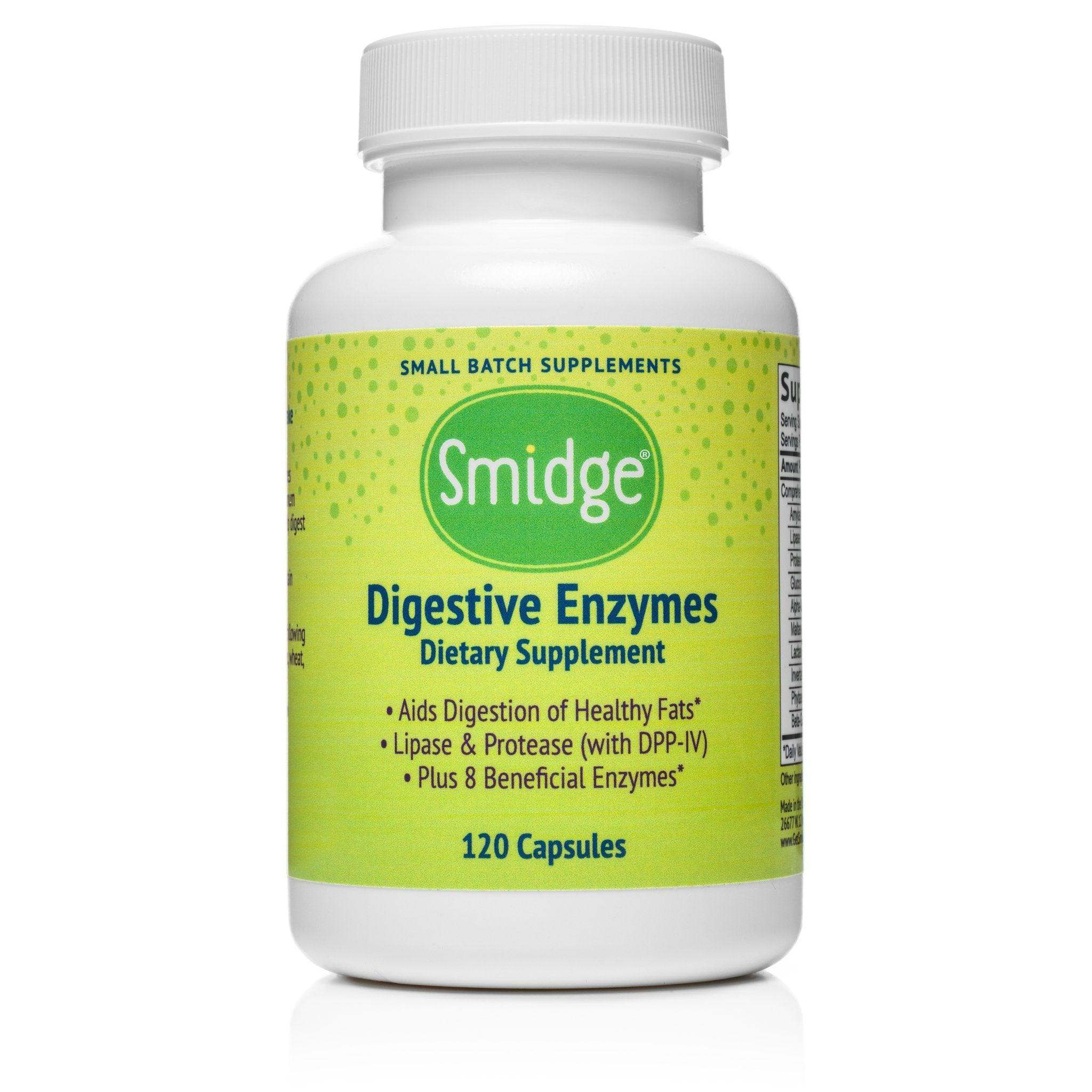
| 4 | Seeking Health Digestion Enzymes | Mixed meals & broader digestion | ~£27.06 |
| 5 | Probiotics (lactase-producing strains) | Building tolerance over time | See range |
| 6 | Calcium | Nutritional gap from cutting dairy | See range |
| 7 | Vitamin D | Calcium absorption & bones | See range |

Table of contents
Lactose is a sugar made of glucose and galactose, and it needs the enzyme lactase — produced in the small intestine — to be broken down and absorbed. Most people produce plenty of lactase as babies, but production naturally declines after weaning in a large proportion of the world's population (called lactase non-persistence). When there isn't enough lactase, undigested lactose travels to the colon, where bacteria ferment it, drawing in water and producing gas.
That fermentation is what causes the familiar symptoms: bloating, wind, tummy cramps and loose stools, usually within a few hours of consuming dairy. The severity depends on how much lactase you make and how much lactose you eat — many people can tolerate small amounts, especially spread through the day or taken with other foods. Because these symptoms overlap with other conditions like IBS and coeliac disease, it's worth confirming the cause rather than assuming — see our guides on coeliac vs gluten intolerance, gluten intolerance and food intolerance testing. If bloating is your main symptom, our guide to the best supplements for bloating may also help.
We prioritised supplements that either directly solve the problem (lactase enzymes, which replace the missing enzyme) or have human evidence for supporting lactose tolerance and gut health (specific probiotics), plus the nutrients most at risk when people cut back on dairy (calcium and vitamin D). We then looked for reputable, third-party-tested UK products with clean formulations. Throughout, we've been clear about what each can and can't do — probiotics may help build tolerance over time, but a lactase enzyme is the reliable way to digest a dairy meal.
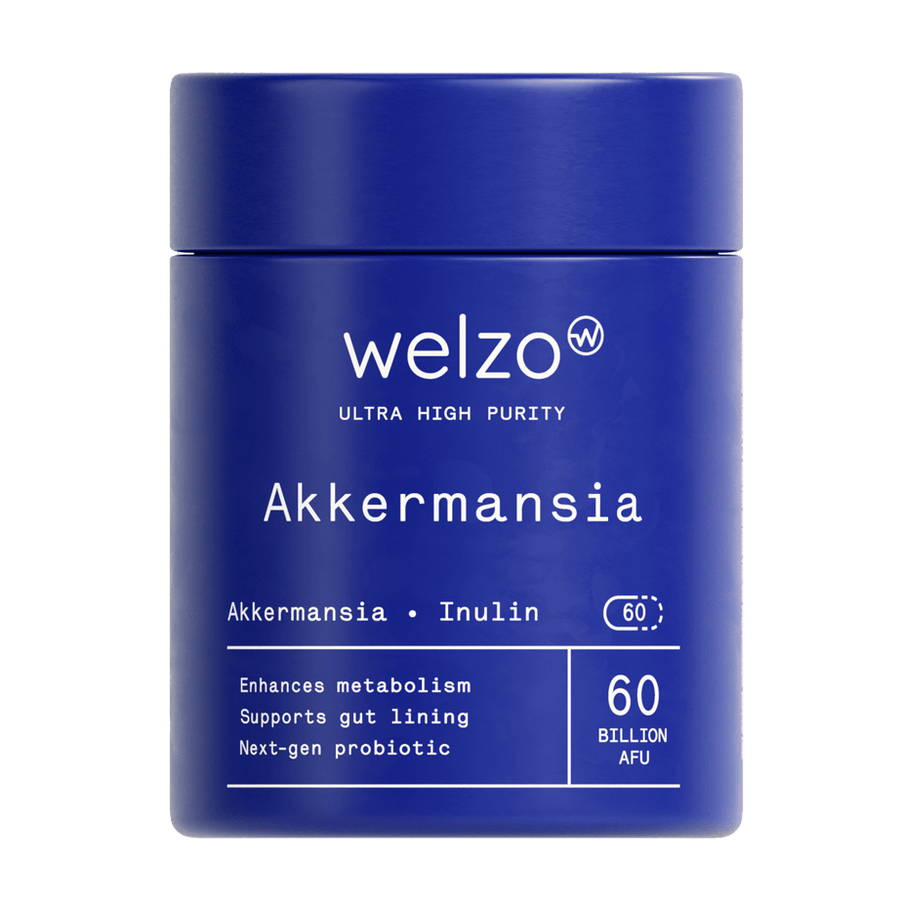
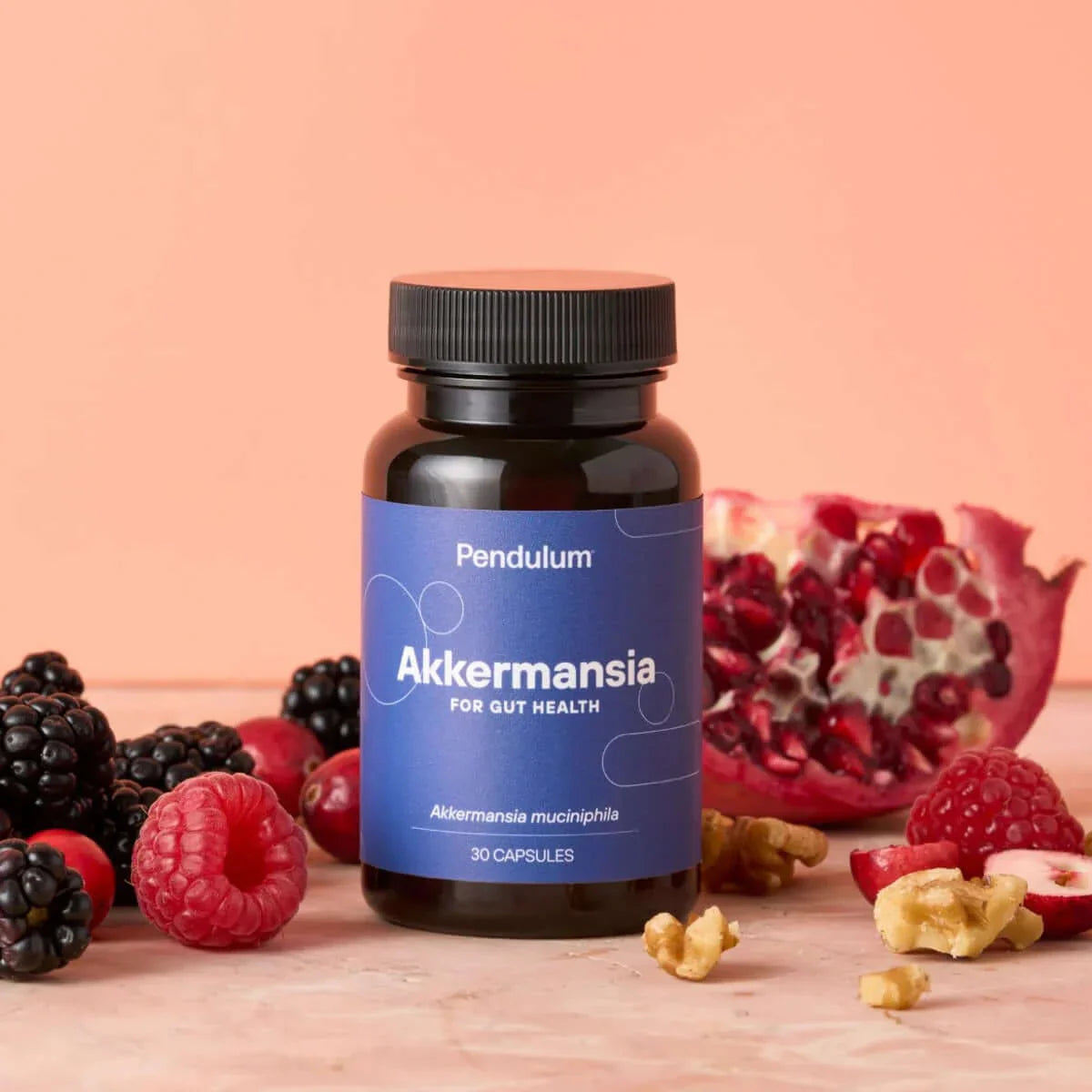
Akkermansia takes the top spot because it works on the bigger picture that a lactase enzyme alone can't: your gut foundation and your long-term ability to tolerate dairy. Increasing evidence shows that specific probiotic bacteria can improve lactose digestion and reduce symptoms — a 2023 meta-analysis of trials in adults found probiotic supplementation improved lactose-intolerance symptoms, with strains possessing lactase (β-galactosidase) activity being the most useful (probiotics & lactose intolerance meta-analysis, 2023). This matters because the Welzo formula pairs Akkermansia with a substantial dose of Lactobacillus acidophilus — one of the very species studied for supporting lactose digestion in the gut.
Welzo Ultra Purity Akkermansia delivers 60 billion AFU of Akkermansia alongside 64 billion CFU of Lactobacillus acidophilus, replenishing a keystone strain that supports the gut lining and a balanced microbiome, plus a lactic-acid bacterium relevant to lactose tolerance. It's a Welzo Ultra Purity formula: third-party tested, transparently dosed with clear AFU and CFU labelling, and free from proprietary blends. As a daily foundation that supports both overall gut health and, over time, your tolerance of dairy, it's the one we'd build a routine around.
Why it's our #1: It's the only pick here that supports the microbiome and contains a lactose-relevant probiotic species, making it the smartest long-term foundation — the base you build on, with a lactase enzyme (below) as your direct tool for eating dairy.
Where to buy & price: Available at Welzo for around £21.99 (60 capsules): Welzo Ultra Purity Akkermansia. Take two capsules daily, consistently, for several weeks.
Product reviews: With 90+ reviews, customers highlight steadier, more comfortable digestion over a few weeks and rate the transparent, high-potency formulation.
| Pros | Cons |
|---|---|
| Supports the microbiome that underpins tolerance Contains L. acidophilus, studied for lactose digestion 60B AFU Akkermansia + 64B CFU L. acidophilus Transparent dosing, third-party tested |
Builds tolerance over weeks — not an instant dairy fix Pair with a lactase enzyme for dairy meals |
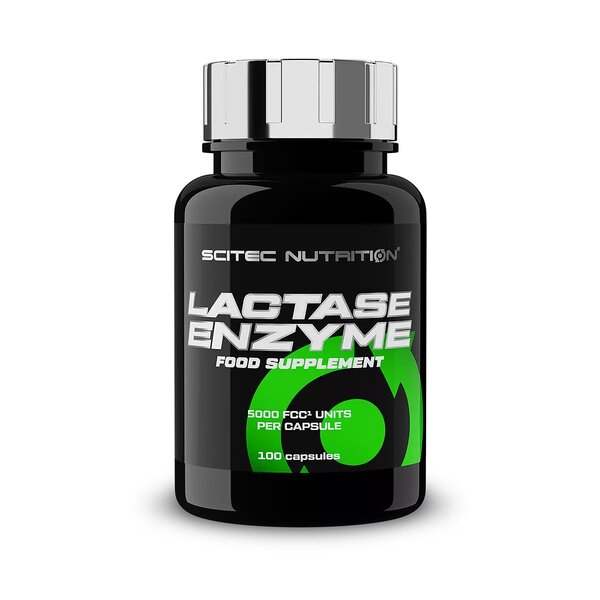
This is the direct, reliable answer to lactose intolerance: a lactase enzyme supplement replaces the enzyme your body lacks, breaking down lactose so you can enjoy dairy without the fallout. Taken with the first bite or sip of a dairy-containing meal, lactase gets to work in the gut exactly as your own enzyme would. It's the tool that lets people who love cheese, ice cream or a milky coffee carry on enjoying them.
Why we like it: SciTec Lactase Enzyme is a straightforward, well-priced capsule that's easy to carry and take on demand — ideal for meals out or occasional dairy. Because it only works on the food eaten alongside it, you simply take it whenever dairy is on the menu. See our guide on how to take digestive enzymes.
Where to buy & price: Available at Welzo for £13.77 (100 capsules): SciTec Lactase Enzyme. Take with the first bite of dairy.
Product reviews: With 60+ reviews, customers value it as an effective, affordable way to eat dairy comfortably, and appreciate the convenient capsule format.
| Pros | Cons |
|---|---|
| Directly replaces the missing enzyme Works on demand with dairy meals Affordable and easy to carry |
Must remember to take it with the food Only helps the meal it's taken with |
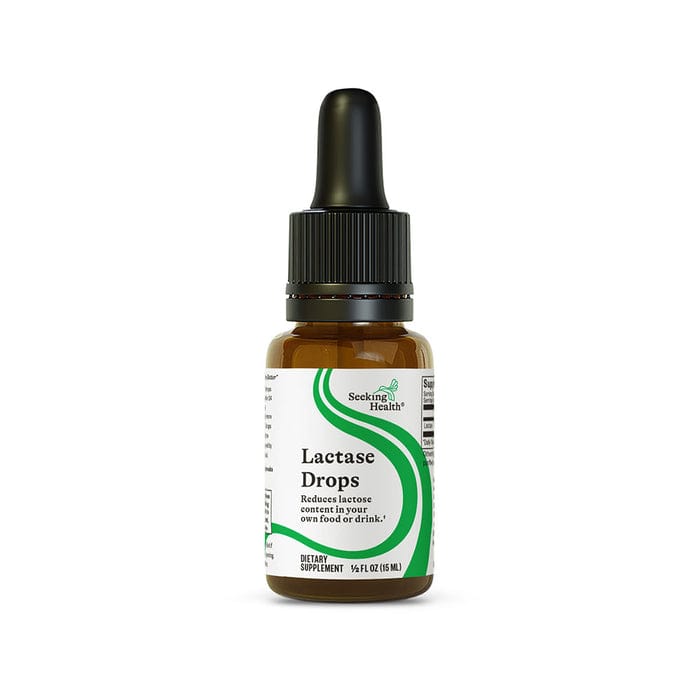
Lactase drops offer a clever alternative: instead of taking a capsule with food, you add the drops directly to milk and leave it in the fridge, and the enzyme breaks down the lactose before you drink it. This is ideal for anyone who has milk regularly — in coffee, cereal or cooking — or who prefers to prepare low-lactose milk in advance. It's also a flexible option for children who struggle with capsules.
Why we like it: Seeking Health Lactase Drops are a high-quality liquid enzyme that lets you make your own lactose-reduced milk at home, giving you control over how much dairy you tolerate.
Where to buy & price: Available at Welzo for £28.63: Seeking Health Lactase Drops. Add to milk and refrigerate before use.
Product reviews: With 80+ reviews, customers like the convenience of pre-treating milk and find the drops effective for everyday dairy.
| Pros | Cons |
|---|---|
| Pre-treats milk so it's ready to drink Great for regular milk drinkers & children You control the lactose reduction |
Needs preparation time in advance Best suited to liquids rather than solid dairy |
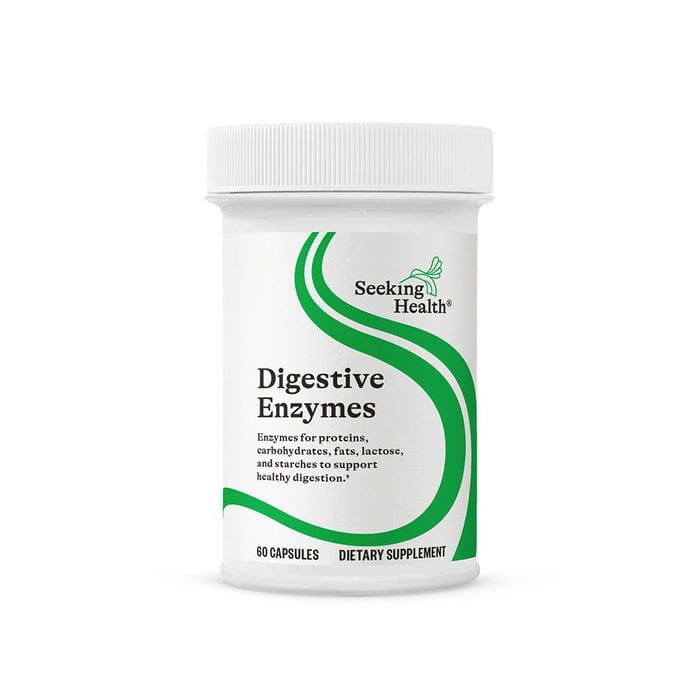
If your dairy usually comes as part of a bigger, mixed meal — a creamy pasta, a cheese-topped dish — a broad-spectrum digestive enzyme that includes lactase can be handy. As well as helping break down lactose, these blends support the digestion of fats, proteins and other carbohydrates, which can reduce overall post-meal heaviness. They're a good all-rounder for people who also notice general digestive sluggishness.
Why we like it: Seeking Health Digestion Enzymes come as convenient chewable tablets combining lactase with other digestive enzymes, making them a versatile option for varied meals. Learn more about enzymes vs probiotics.
Where to buy & price: Available at Welzo for £27.06 (60 chewable tablets): Seeking Health Digestion Enzymes.
Product reviews: With 170+ reviews, customers rate them for easing digestion of richer, mixed meals and value the chewable format.
| Pros | Cons |
|---|---|
| Lactase plus broader digestive enzymes Good for mixed, rich meals Convenient chewable format |
More than you need for pure lactose issues Pricier than a single-enzyme lactase |
Beyond the Akkermansia foundation, standalone probiotics with lactase (β-galactosidase) activity — particularly certain Lactobacillus and Bifidobacterium strains — can help reduce symptoms and improve lactose digestion when taken consistently. A randomised trial found probiotic yogurt fortified with L. acidophilus and Bifidobacterium lowered hydrogen breath-test readings and symptoms in lactose-intolerant patients (Masoumi et al., 2021). Effects are strain-specific and probiotics don't fully replace lactase, but they're a worthwhile long-term layer. Explore the Welzo probiotics collection and our guides to the best probiotics, dairy-free probiotics and specific strains like Lactobacillus rhamnosus GG and Bifidobacterium longum.
Prebiotic fibres such as citrus pectin can also help feed the beneficial bacteria that support tolerance. It's worth noting where the wider Welzo Ultra Purity range fits, too: berberine (studied for blood sugar and gut microbes) and TUDCA (for bile and liver support) are worthwhile for their own purposes and sit within Welzo's gut health collection, but neither is a treatment for lactose intolerance.
| Pros | Cons |
|---|---|
| Trial evidence for reducing symptoms Supports the microbiome long-term Complements lactase enzymes |
Strain-specific; results vary Don't replace lactase for a dairy meal |
Dairy is a major source of calcium in the UK diet, so people who limit it are at risk of falling short — which matters for long-term bone health. If you've reduced dairy significantly and aren't replacing it with fortified plant milks or other calcium-rich foods, a calcium supplement is a sensible safeguard. This isn't a treatment for the intolerance itself, but it protects against a real and important downstream consequence.
Where to buy & price: Browse calcium options across the Welzo supplement range; check the listing for current price.
| Pros | Cons |
|---|---|
| Protects bone health if cutting dairy Simple, inexpensive safeguard Pairs with vitamin D for absorption |
Not a treatment for intolerance itself Food sources are preferable where possible |
Vitamin D helps your body absorb calcium, so the two work as a pair — and dairy is also a source of vitamin D. Deficiency is common in the UK, particularly in winter, and correcting it supports both bone health and general wellbeing. For anyone reducing dairy because of lactose intolerance, vitamin D is a natural companion to calcium and an easy, low-cost addition.
Where to buy & price: Browse vitamin D options across the Welzo supplement range; check the listing for current price.
| Pros | Cons |
|---|---|
| Improves calcium absorption Corrects a common UK deficiency Supports bones and immunity |
Not a treatment for intolerance itself Don't exceed recommended doses |
| Supplement | Role | When to use |
|---|---|---|
| Welzo Akkermansia | Gut foundation & tolerance | Daily, long-term |
| SciTec Lactase (capsules) | Replaces missing enzyme | With dairy meals |
| Lactase drops | Pre-treats milk | Before drinking milk |
| Digestion enzymes | Lactase + broad enzymes | Rich, mixed meals |
| Probiotics | Build tolerance | Daily, long-term |
| Calcium | Nutritional safeguard | If limiting dairy |
| Vitamin D | Calcium absorption | If limiting dairy |
Lactase supplements are reliable, but only if you use them correctly. Take the capsule or tablet with the first bite or sip of the dairy-containing food, not after — the enzyme needs to be present as the lactose arrives. For a longer meal with several dairy courses, you may need a second dose. The right amount varies between people and products, so start with the label dose and adjust based on how you feel.
A few extra tips help. Lactase only breaks down the lactose in the food it's taken with, so it won't "cover" dairy eaten hours later. Hard, aged cheeses (like cheddar and parmesan) and live yogurt are naturally lower in lactose and often better tolerated even without enzymes. And spreading dairy across the day in smaller amounts, rather than a large single serving, reduces symptoms for many people. For related guidance, see our overview of foods that cause bloating.
One of the most overlooked parts of managing lactose intolerance is nutrition. Because dairy is a leading source of calcium — and a contributor of vitamin D, protein and iodine — cutting it back without replacing those nutrients can affect bone health over time. The goal isn't necessarily to avoid dairy (lactase enzymes often make that unnecessary) but to make sure you're covered if you do reduce it.
Good steps include choosing calcium-fortified plant milks, eating calcium-rich foods such as leafy greens, tinned fish with bones, and fortified products, and considering calcium and vitamin D supplements if your intake is low. This is especially important for children, older adults and anyone at risk of osteoporosis. If you're unsure, a GP or dietitian can help you check your intake.
It's important not to confuse lactose intolerance with a milk (cow's milk protein) allergy — they are completely different, and the distinction matters for safety. Lactose intolerance is a digestive issue caused by lack of the lactase enzyme; it's uncomfortable but not dangerous. A milk allergy is an immune reaction to the proteins in milk and can, in some cases, be serious or even life-threatening.
Seek urgent medical help if dairy causes:
These suggest an allergic reaction, not intolerance — and lactase enzymes will not help. Call 999 for severe symptoms. See NHS: food allergy.
Lactose intolerance is usually easy to manage, but it's worth seeing a GP rather than self-diagnosing, because its symptoms overlap with other conditions. Persistent digestive symptoms can be due to IBS, and importantly, coeliac disease — an immune reaction to gluten — can cause very similar problems. Get tested for coeliac disease before cutting out gluten, as removing it first can make the test inaccurate.
See a GP if your symptoms are severe or persistent, if you have unexplained weight loss, blood in your stool or ongoing diarrhoea, or if symptoms started suddenly after an illness. A doctor can confirm lactose intolerance (sometimes with a hydrogen breath test), rule out other causes, and advise on managing nutrition. Our guide on when to see a GP about stomach symptoms can help.
For directly digesting dairy, a lactase enzyme supplement is the most reliable choice — it replaces the enzyme your body lacks and is taken with dairy meals. For the bigger picture, a gut foundation like Akkermansia, whose formula includes lactose-relevant L. acidophilus, supports the microbiome and long-term tolerance. Many people use both: a daily foundation plus lactase on demand.
Because it supports the long-term foundation a lactase enzyme can't — your microbiome and your ongoing tolerance of dairy — and its formula contains Lactobacillus acidophilus, one of the species studied for improving lactose digestion. A lactase enzyme is the direct tool for a specific dairy meal, but the foundation is what supports your gut day to day, so it's the base of a complete approach.
Yes. Lactase supplements provide the enzyme needed to break down lactose, and taken with the first bite of dairy they let many people eat dairy comfortably. They only act on the food eaten alongside them, so timing matters and you may need a dose for each dairy meal. The right amount varies, so adjust based on your response.
Certain probiotic strains with lactase activity, such as specific Lactobacillus and Bifidobacterium species, have trial evidence for reducing symptoms and improving lactose digestion over time. Effects are strain-specific and probiotics don't fully replace lactase for a dairy meal, but taken consistently they can help build tolerance and support gut health as a useful long-term layer.
Take the capsule or tablet with the first bite or sip of the dairy food, so the enzyme is present as lactose arrives. For long meals with multiple dairy courses, a second dose may help. Lactase drops work differently — you add them to milk and refrigerate it to reduce lactose before drinking. Start with the label dose and adjust.
If you reduce dairy, yes — dairy is a major calcium source, so cutting it without replacement can affect bone health. Choose calcium-fortified plant milks and calcium-rich foods, and consider a calcium and vitamin D supplement if your intake is low. Often, though, lactase enzymes mean you don't have to cut dairy heavily in the first place.
The underlying lactase decline usually doesn't reverse, but tolerance can improve. Many people handle small, spread-out amounts of dairy, and the gut microbiome can adapt to regular lactose exposure over time. Supporting the microbiome with specific probiotics may help this adaptation. So while it rarely disappears, it's often more manageable than people expect.
Often, yes. Hard, aged cheeses like cheddar and parmesan contain very little lactose, and live yogurt contains bacteria that help digest lactose, so both are frequently tolerated even without enzymes. Spreading dairy across the day in smaller amounts also helps. This is why many people with lactose intolerance can still enjoy some dairy comfortably.
No. Lactose intolerance is a digestive problem from lacking the lactase enzyme — uncomfortable but not dangerous. A milk allergy is an immune reaction to milk proteins and can be serious or even life-threatening. If dairy causes hives, swelling, or breathing difficulty, that's an allergic reaction needing urgent medical help, and lactase enzymes will not help.
See a GP rather than self-diagnosing, since symptoms overlap with IBS and coeliac disease. Get tested for coeliac disease before cutting gluten, as removing it first affects the test. Seek advice for severe or persistent symptoms, unexplained weight loss, blood in your stool, or ongoing diarrhoea, so other causes can be ruled out and nutrition protected.
Medical disclaimer: This article is for general information and education only and does not constitute medical advice, diagnosis or treatment. It should not replace consultation with a qualified healthcare professional. Supplements are not intended to diagnose, treat, cure or prevent any disease. Lactose intolerance should be distinguished from milk allergy, which can be serious. Persistent or concerning digestive symptoms should be assessed by a doctor. Always seek advice before starting new supplements, particularly if you are pregnant, breastfeeding, or have an existing condition.
About the author
Dr Zeeshan Afzal (MBBS) is a practising medical doctor and Welzo's Medical Content Lead. He writes and reviews Welzo's health content to ensure it is accurate, evidence-based and aligned with current UK clinical guidance, translating complex research into practical advice patients can trust.
 Évalué Excellent par 28,951+ avis
 Garantie de remboursement à 100%
Notre garantie de rétroaction garantit que vous recevez vos articles ou obtenez un remboursement complet.