Related products






Best Iodine Supplements in the UK (2026)
Posted on:
Feb 27, 2026
Authored by


People searching for the best iodine supplement in the UK are usually trying to support thyroid function, fill a dietary gap (especially if they avoid seafood), or make sure they’re not missing a key nutrient in a broader wellness routine. Iodine is a trace mineral used in small amounts, but it matters because the thyroid uses it to make hormones that influence energy, temperature regulation, and metabolic rate.
This guide compares iodine options commonly used in everyday routines—such as kelp-based iodine, potassium iodide tablets, and liquid iodine. All product picks are selected from Welzo-style supplement categories, and the evaluation approach prioritises label clarity, sensible dosing, and real-world usability. If you want to browse the full category first, start with Iodine Supplements. If your focus is broader thyroid support, it can also help to compare options in Thyroid Supplements alongside your iodine choice.
Because iodine is a trace mineral, it often sits within a wider foundation stack. If you’re checking for overlap (for example, iodine already included in a multi), it’s worth scanning Multivitamins and the wider Minerals category. People building a “trace mineral” routine sometimes browse Trace Minerals too—especially if they prefer minimalist, single-nutrient products rather than blended formulas.
Iodine supplements provide iodine in a measured dose to support normal iodine intake when the diet may be inconsistent. In supplements, iodine is commonly provided as:
In practice, “best” usually means the product that matches your routine: tablets for simplicity, kelp for food-source preference, or liquid for flexible dosing. If you’re already using broader wellness blends, double-check for overlap with products in thyroid support ranges.
Iodine supplements are mainly used to support dietary iodine intake and thyroid hormone production when dietary sources are limited. Common everyday use cases include:
Important: iodine isn’t a “more is better” supplement. It’s a trace mineral where the right dose matters, especially if you have thyroid conditions or you’re already using iodine-containing products.
Best Overall Daily Tablet: Double Wood Potassium Iodide (Tablets)
Best Kelp-Based Option: Nature’s Way Kelp 150mcg
Best Budget Kelp Capsules: Swanson Kelp 225mcg
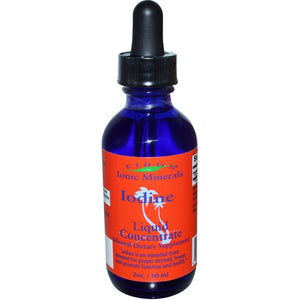
Best Liquid (Flexible Dosing): Eidon Iodine Liquid
Best “Nascent Iodine” Style Liquid: Nascent Iodine Liquid (Environmedia)
Best Traditional Strong Liquid Format: Lugol’s Solution Iodine 15%
Best High-Potency Tablet (Special Use, Caution): Iodoral 12.5mg (Optimox)

| Why has it been selected? | Selected for people who want a straightforward potassium iodide tablet format with clearly stated directions and an easy, familiar tablet routine. |
|---|---|
| Product description | High-dose potassium iodide tablets are commonly bought for preparedness or short-term use contexts, rather than routine daily micro-dose iodine support. |
| Where to buy | Available on Welzo. |
| Pros | Clear “tablet” routine, simple product concept, and convenient format for people who prefer not to use liquids or kelp-based iodine. |
| Cons | Not a typical everyday microgram iodine supplement for long-term routine use, and it requires extra caution if you have thyroid conditions or take thyroid medication. |
| How to use | Take as per label directions. If this is an emergency-positioned potassium iodide product, follow that guidance and avoid using it as a casual daily iodine supplement unless medically advised. |
| Editor’s comments | Best treated as a preparedness-style KI tablet rather than an everyday iodine top-up. For routine nutrition, microgram-range options are usually a better fit. |

| Why has it been selected? | Selected for people who prefer a kelp/seaweed iodine source in a familiar capsule format. |
|---|---|
| Product description | A kelp-based iodine capsule designed for everyday use. Commonly chosen by users who like “food-source” style minerals. |
| Where to buy | Available on Welzo. |
| Pros | Kelp-based iodine preference, easy daily capsule routine, and often chosen as a gentle daily option. |
| Cons | Kelp sourcing isn’t everyone’s preference, and it still requires overlap checks if you use thyroid blends or multivitamins that include iodine. |
| How to use | Take as per label, usually with food for routine consistency. |
| Editor’s comments | Great fit if “kelp iodine” is what you were searching for and you want a straightforward capsule. |

| Why has it been selected? | Selected for shoppers who want a simple kelp-based iodine option that’s often a cost-effective, long-supply choice. |
|---|---|
| Product description | A kelp iodine supplement that provides a moderate daily microgram dose and fits an uncomplicated “one per day” routine. |
| Where to buy | Available on Welzo. |
| Pros | Budget-friendly positioning, straightforward daily format, and suitable for users who prefer kelp-derived iodine without extra blends. |
| Cons | Not ideal if you prefer liquids or micro-adjustments, and you should still avoid stacking multiple iodine sources (multis, thyroid blends, seaweed foods, and other iodine supplements). |
| How to use | Take as per label, typically once daily with water, ideally with food for consistency. |
| Editor’s comments | A practical “daily kelp iodine” pick when simplicity and value are your priorities, especially if this is your main iodine source. |

| Why has it been selected? | Selected for people who want liquid iodine for flexible dosing and easier dose tailoring than most tablets allow. |
|---|---|
| Product description | A liquid iodine product is typically dosed in drops, commonly chosen by people who dislike swallowing tablets or want a more adjustable daily intake. |
| Where to buy | Available on Welzo. |
| Pros | Flexible drop dosing, easy routine customisation, and convenient for people who prefer liquids over capsules. |
| Cons | Taste can be a drawback for some users, and careful measuring is important to avoid unintentionally exceeding your target intake. |
| How to use | Use as per label using the dropper, typically mixed with water. Maintain a consistent routine and check for overlap with other iodine sources. |
| Editor’s comments | One of the easiest formats for controlled “small adjustments,” especially if you want flexibility without jumping to high-potency options. |

| Why has it been selected? | Selected for people specifically seeking a “nascent iodine” style liquid in a drop format. |
|---|---|
| Product description | A concentrated iodine liquid marketed as “nascent,” typically used in measured drops and often diluted in water. |
| Where to buy | Available on Welzo. |
| Pros | Drop-based dosing, commonly chosen by users who specifically want nascent-style iodine, often provides clear per-drop direction on the label. |
| Cons | Some formulas may use an alcohol base depending on the brand, and dosing precision matters because it is easy to overshoot your target intake if you stack iodine sources. |
| How to use | Use exactly as per label directions, typically in measured drops diluted in water, and keep your total iodine intake in mind if you also use multivitamins or thyroid blends. |
| Editor’s comments | Best suited to shoppers who already know they want “nascent iodine.” If you simply want daily iodine nutrition, kelp or standard iodide formats are often more straightforward. |

| Why has it been selected? | Selected for people who specifically want a traditional Lugol ’s-style solution in a strong concentration and understand it is not a casual daily supplement. |
|---|---|
| Product description | A concentrated Lugol’s iodine solution format (iodine and iodide in liquid form) is commonly associated with “traditional” iodine routines. |
| Where to buy | Available on Welzo. |
| Pros | Traditional Lugol’s format, strong concentration for specific use cases, and liquid form for measured use when followed carefully. |
| Cons | High-strength concentration makes dosing mistakes easier, and it is not beginner-friendly for everyday nutritional use without guidance. |
| How to use | Use only as directed on the product label. Do not improvise dosing, and avoid stacking with other iodine products unless you are tracking totals carefully. |
| Editor’s comments | This is a “strong format” option for informed users. For everyday routines, most people do better starting with microgram-range products. |

| Why has it been selected? | Selected for people who want a high-potency iodine/iodide tablet in a consistent, precisely measured format and understand it is a special-use strength. |
|---|---|
| Product description | A high-dose iodine/iodide tablet (12.5 mg) is commonly treated as a more “structured” alternative to strong iodine liquids and typically used more cautiously than standard daily iodine supplements. |
| Where to buy | Available on Welzo. |
| Pros | Precisely measured high potency, convenient tablet routine, and avoids taste and drop-measuring compared to liquid iodine formats. |
| Cons | Far above typical daily iodine needs, not ideal for fine-tuning small doses, and requires extra caution for anyone with thyroid conditions or on thyroid medication. |
| How to use | Take strictly as per label directions and treat as a deliberate, special-use product rather than a casual daily supplement. Avoid stacking with other iodine sources unless professionally advised. |
| Editor’s comments | Excellent when you specifically need a high-dose, Lugol-like tablet format. For most everyday users, microgram-range options are a safer and simpler starting point. |
| Product | Format | Approx. Iodine Strength* | Best For | Key Considerations |
|---|---|---|---|---|
| Double Wood Potassium Iodide (Tablets) | Tablet (Potassium Iodide) | High-strength KI tablet (mg-level product) | Users wanting a straightforward potassium iodide tablet | Not a typical low-dose daily micro-supplement. Check total intake and avoid stacking with iodine-containing multis. |
| Nature’s Way Kelp 150–300mcg | Capsule (Kelp-based) | 150–300 mcg per capsule (depending on variant) | People who prefer food-source iodine | Good daily routine option. Still check overlap with thyroid blends. |
| Swanson Kelp 225mcg | Tablet/Capsule (Kelp-based) | 225 mcg per serving | Budget-friendly long supply | Simple daily maintenance dose. Best for routine, moderate intake. |
| Eidon Iodine Liquid | Liquid drops | Varies by serving size; label-dependent | Flexible micro-dosing | Good for people who dislike tablets. Measure carefully for consistency. |
| Nascent Iodine (Enviromedica) | Liquid drops | Higher mcg per drop (label-dependent) | Users specifically seeking “nascent iodine” | Often stronger per drop than standard liquids, so dosing precision matters. |
| Lugol’s Solution Iodine 15% | Concentrated liquid | High-strength solution (varies per drop) | Users who specifically want Lugol’s style iodine | Not beginner-friendly. Easy to overdo without guidance. |
| Iodoral 12.5mg (Optimox) | Tablet (Iodine/Iodide blend) | 12.5 mg (12.500 mcg) per tablet | High-potency, special-use situations | Far above standard daily requirement. Not for casual daily use. Avoid stacking. |
High-quality iodine supplements prioritise clear microgram labelling, consistent sourcing, and a dose that fits real-world routines. Because iodine is a trace mineral, the best products tend to be the most transparent ones—not the most “extreme” ones. In everyday use, iodine is often taken as part of a broader baseline that might include multivitamins (where iodine may already be included) or simple mineral routines from the minerals category.
For people who prefer single-nutrient stacking rather than blends, iodine commonly sits alongside other “small but important” nutrients found within trace minerals. If your goal is thyroid support specifically, it’s often better to keep iodine dosing conservative and then evaluate broader thyroid routines separately using options in thyroid supplements.
From a practical, buyer-focused perspective, people use iodine supplements to support normal thyroid hormone production when dietary iodine is inconsistent. Benefits are usually subtle and depend on whether iodine intake was genuinely low in the first place. If your diet already includes consistent iodine sources, adding more may not help—and can be counterproductive at higher intakes.
To rank iodine supplements fairly, we used criteria that reflect what matters most for trace minerals: dose clarity, dose appropriateness, form choice, and safety. Iodine is not a “more is better” nutrient—both too little and too much can be a problem for thyroid health.
Our evaluation combines three layers:
Most iodine supplements are taken once daily with food. For routine use, consistency matters more than timing. The most important practical step is to avoid stacking iodine sources (for example: a multivitamin + a thyroid blend + an iodine supplement).
Because iodine is a trace mineral, dosing should be deliberate. Adults generally require around 150 micrograms (mcg) per day, though needs can vary depending on age, pregnancy status, and dietary intake.
Many people obtain iodine from:
However, intake may be lower in people who:
Low-dose daily support (most common):
Typically 100–150 mcg per day, intended to maintain adequate intake.
Moderate targeted use:
Sometimes 150–300 mcg per day under supervision when intake is suspected to be low.
High-dose iodine (milligram range):
Products providing milligrams (e.g., 6–12.5 mg or more) are not general wellness supplements and should not be used casually. High-dose iodine should only be used under professional guidance.
Rather than self-diagnosing “iodine deficiency”, it’s usually more helpful to think in terms of low intake risk. Low iodine intake is more likely when dietary sources are limited (for example, low seafood intake or highly restricted diets) or when people avoid foods that typically contribute iodine.
Possible signs and context that may warrant professional evaluation can include:
Importantly, thyroid symptoms can have many causes. If symptoms are persistent, the most appropriate approach is medical assessment rather than self-diagnosis.
For most healthy adults, iodine is safe at appropriate nutritional doses. Safety concerns mainly arise when people take high-dose iodine, stack multiple iodine sources, or have underlying thyroid disease. If you’re using high-dose iodine products (like Iodoral or strong Lugol’s solutions), treat them as deliberate choices rather than everyday supplements.
Practical rule: If you’re using iodine as part of thyroid support, keep it conservative and avoid combining it with multiple “thyroid blends” from thyroid supplements unless advised by a clinician.
Trace minerals work together, and iodine does not function in isolation.
Selenium supports enzymes that help regulate thyroid hormone conversion. Adequate selenium is often considered important when addressing thyroid health.
Zinc supports immune function and also contributes to thyroid hormone metabolism, but its role is broader than iodine.
Iron deficiency can impair thyroid hormone production even if iodine intake is adequate. This highlights the importance of a balanced micronutrient approach.
Supplementing one trace mineral aggressively without considering others can create imbalances. Most people benefit more from balanced, moderate intake rather than high-dose single-mineral strategies.
Iodine’s primary role is to support the production of thyroid hormones:
These hormones regulate:
Without adequate iodine, the thyroid cannot produce sufficient hormones.
Thyroid hormones influence how quickly the body converts food into energy. This affects:
Iodine itself does not “boost metabolism” directly — it supports normal thyroid function, which regulates metabolism naturally.
Iodine is particularly important during pregnancy and breastfeeding because thyroid hormones are critical for:
Pregnant women often require slightly higher iodine intake, but supplementation should be structured carefully and medically supervised.
Dietary sources include:
Plant-based diets may be lower in iodine unless sea vegetables or iodised salt are included.
Iodine supplements are typically taken:
They are most appropriate when:
Nutrition references commonly cite an adult recommended intake of around 150 µg/day (used by major nutrition authorities). UK guidance commonly references around 140 µg/day for adults in UK context summaries.
Sources:
EFSA Dietary Reference Values (Adequate Intake for adults set at 150 µg/day):
https://efsa.onlinelibrary.wiley.com/doi/10.2903/j.efsa.2014.3660
NIH Office of Dietary Supplements – Iodine Fact Sheet (intake guidance and background):
https://ods.od.nih.gov/factsheets/Iodine-HealthProfessional/
UK adult recommendation context (140 µg/day referenced in UK nutrition summaries – Vegan Society briefing document):
https://www.vegansociety.com/sites/default/files/uploads/downloads/Iodine_download.pdf
Authoritative references include tolerable upper intake levels (ULs) to reduce the risk of adverse effects from excessive iodine intake. This is one reason stacking multiple iodine-containing products is discouraged.
Source:
NIH Office of Dietary Supplements – Iodine Fact Sheet (Upper Limit framework and cautions):
https://ods.od.nih.gov/factsheets/Iodine-HealthProfessional/
European authorised nutrition and health claim regulations include iodine’s contribution to normal thyroid hormone production and normal thyroid function, which is why many products are marketed around thyroid support.
Source:
Regulation (EU) No 432/2012 – EU authorised health claims list:
https://eur-lex.europa.eu/legal-content/EN/TXT/?uri=CELEX:32012R0432
1) What is the best iodine supplement in the UK?
The best iodine supplement depends on your routine, preferred format, and how much iodine you need. For most people, a clearly labelled microgram-range tablet or kelp capsule is the most practical option. Liquid iodine may suit those who prefer flexible dosing, while high-dose products are usually considered specialist options rather than everyday supplements. A simple daily tablet or a kelp capsule is the most practical place to start, using options from Iodine Supplements.
2) What are iodine supplements used for?
Iodine supplements are mainly used to support adequate iodine intake and normal thyroid hormone production when dietary iodine sources are limited. They are often used by people who consume little seafood, avoid dairy products, or want to maintain a balanced intake of trace minerals.
3) Do I need to take iodine supplements every day?
Not always. Many people obtain enough iodine from their diet through foods like seafood, dairy products, eggs, and iodised salt. Daily supplementation may be helpful when dietary intake is inconsistent, but it should be used conservatively. If you already use a multivitamin or thyroid blend, check for iodine overlap first.
4) What is the difference between kelp iodine and potassium iodide?
Potassium iodide is a common supplemental form that provides clearly measured iodine. Kelp iodine comes from seaweed and is often chosen by people who prefer food-derived sources. Both can support iodine intake, and the best choice depends on personal preference and dosage clarity.
5) Is kelp iodine better than standard iodine tablets?
Neither option is inherently better. Kelp-based supplements are popular among those who prefer natural sources, while potassium iodide tablets usually provide more precise dosing. The most important factor is choosing a product with clear labelling and an appropriate dose.
6) What is liquid iodine best used for?
Liquid iodine is often preferred by people who dislike swallowing tablets or who want the flexibility to adjust their dosage in smaller increments. However, careful measurement is important to avoid exceeding recommended intake levels.
7) Can too much iodine be harmful?
Yes. Iodine is a trace mineral, meaning that both deficiency and excessive intake can affect thyroid health. It is important to avoid combining multiple iodine-containing supplements unless you have checked the total amount being consumed.
8) Can iodine supplements support thyroid health?
Iodine supports normal thyroid hormone production because the thyroid gland uses iodine to produce hormones such as T3 and T4. However, adding iodine will only be beneficial if intake is insufficient. If iodine intake is already adequate, additional supplementation may not provide extra benefits.
9) Can iodine supplements improve energy levels?
Iodine contributes indirectly to energy metabolism because thyroid hormones regulate metabolic activity. However, iodine itself is not a stimulant, and taking more iodine will not necessarily increase energy if your intake is already sufficient.
10) What are signs that iodine intake may be low?
Low iodine intake is more likely in people who rarely consume seafood, dairy products, eggs, or iodised salt. Rather than self-diagnosing deficiency, it is generally better to review dietary habits and seek professional advice if thyroid-related symptoms occur.
11) Should I take iodine if I already use a multivitamin?
Before adding an iodine supplement, check whether your multivitamin already contains iodine. Many multivitamins include iodine, and adding another supplement could lead to unnecessary overlap.
12) Can iodine supplements be taken with thyroid supplements?
Some thyroid support products already include iodine, so combining them with a separate iodine supplement can increase total intake. It is important to read labels carefully to avoid stacking multiple iodine sources.
13) When is the best time to take iodine supplements?
Iodine supplements are usually taken once daily with food. Consistency is more important than exact timing, and taking the supplement with a meal may help improve routine adherence.
14) Who should be cautious when taking iodine supplements?
People with thyroid conditions such as hypothyroidism, hyperthyroidism, Hashimoto’s disease, or thyroid nodules should consult a healthcare professional before supplementing iodine. Pregnant or breastfeeding individuals should also seek guidance, as iodine requirements may differ.
15) Can iodine needs be met through diet alone?
Yes, many people can obtain sufficient iodine from food. Good dietary sources include white fish, seafood, seaweed, dairy products, eggs, and iodised salt. Supplements are most useful when these foods are limited or excluded from the diet.
 Évalué Excellent par 26,523+ avis
 Garantie de remboursement à 100%
Notre garantie de rétroaction garantit que vous recevez vos articles ou obtenez un remboursement complet.