

 Instagram

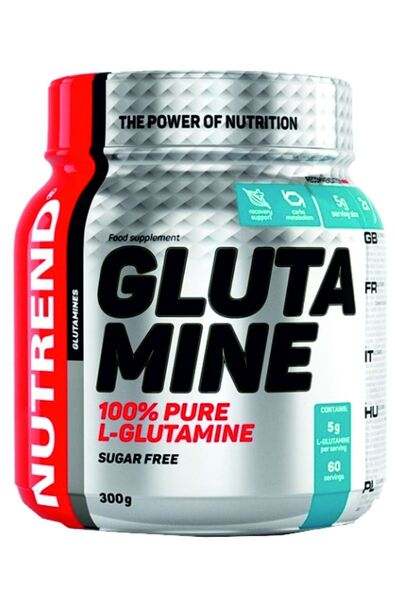
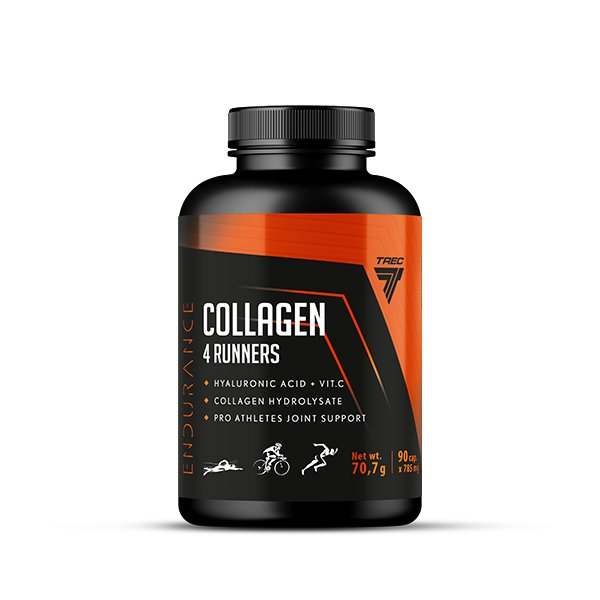

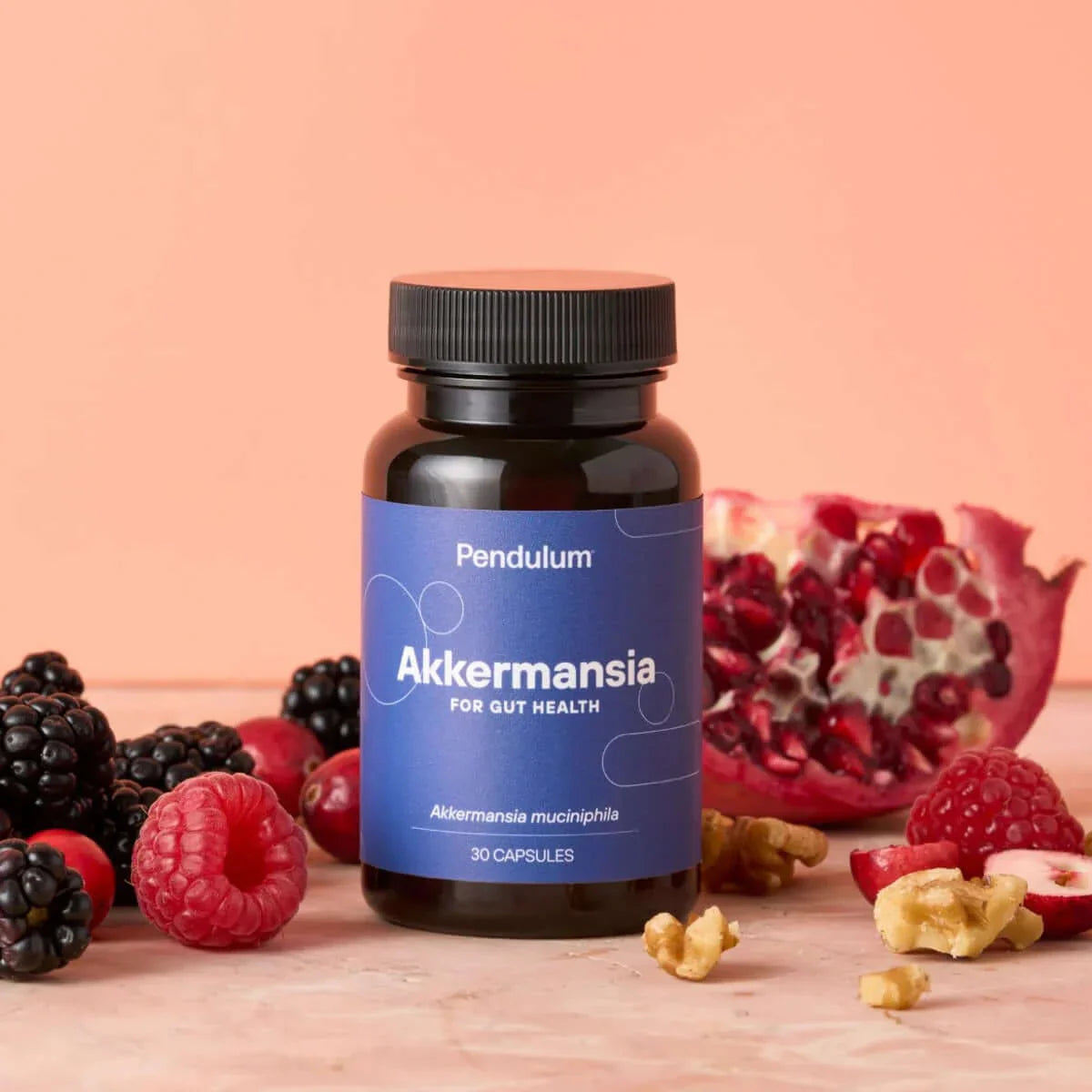

L-Glutamine vs Collagen for Gut Repair


Related products

Medically reviewed by Dr Zeeshan Afzal (MBBS), Medical Officer, Welzo.
Written by: The Welzo Longevity Research Team | Last updated: July 2026
How we assessed the evidence: every claim below is sourced to a peer-reviewed human trial, a systematic review, or an official clinical body. Where the evidence is weak, preliminary or industry-funded, we say so explicitly rather than omitting it. Full reference list at the end.
If you have searched glutamine vs collagen gut repair, you have almost certainly been told that the two are interchangeable — that collagen is "a natural source of glutamine", so a scoop of collagen powder does the same job as a dedicated L-glutamine supplement. That claim appears on dozens of supplement websites. It does not survive contact with the amino acid data.
For how we grade evidence across compounds, start with our pillar guide to longevity supplements. On the products themselves, you can browse gut health supplements and probiotics, or on the collagen side our bovine collagen guide, the collagen range and Welzo Ultra Purity Bovine Collagen Peptides — all part of the wider anti-ageing and longevity collection.
These are two genuinely different interventions with very different levels of supporting evidence. L-glutamine has a randomised, double-blind, placebo-controlled trial published in Gut, one of the highest-ranking gastroenterology journals in the world, showing measurable normalisation of intestinal permeability. Collagen peptides, for gut outcomes specifically, have a single-arm open-label pilot study with fourteen completers and no placebo group. That gap matters enormously if you are spending money on one or the other.
This guide compares the mechanisms, the human trial data, the doses actually used in research, the safety profiles, and — crucially — what each supplement realistically will and will not do.
Key takeaways
- L-glutamine has substantially stronger human evidence for gut barrier repair. A 2019 randomised controlled trial in Gut found 15 g/day normalised intestinal permeability in post-infectious IBS-D.
- The "collagen is rich in glutamine" claim is misleading. Collagen is roughly 10% glutamic acid — and standard amino acid analysis cannot distinguish glutamine from glutamate. A 10 g collagen dose delivers around 1 g, versus the 15 g used in trials.
- Collagen's gut evidence is preliminary. The most-cited study had no placebo arm, 14 completers from 40 recruited, and an author affiliated with the ingredient supplier.
- Glutamine is not a cure-all. Several well-conducted trials in athletes found no benefit, and its strongest results are in specific clinical populations, not healthy people.
- They are not mutually exclusive. They act on different targets and can be combined safely, but only glutamine has meaningful barrier-repair data behind it.
Table of contents
- The short answer
- What "gut repair" actually means
- How L-glutamine works in the gut
- How collagen works in the gut
- The collagen "glutamine content" myth, quantified
- Head-to-head: the human evidence
- Direct comparison table
- Which one should you take?
- Dosage, timing and how to take them
- Safety, side effects and who should avoid them
- What matters more than either supplement
- How to buy well
- Frequently asked questions
- References
Glutamine vs collagen for gut repair: the short answer
If your goal is specifically to repair or reinforce the intestinal barrier, L-glutamine is the better-evidenced choice. It is the primary metabolic fuel for the cells lining the small intestine, it directly regulates the tight junction proteins that control barrier permeability, and it has been tested in a properly controlled human trial with an objective permeability endpoint rather than self-reported symptoms.
Collagen peptides are a legitimate supplement with good evidence for skin and joint outcomes. For gut repair specifically, the evidence is thin: promising cell-culture and animal work, one small uncontrolled human pilot study, and a widely repeated marketing claim about glutamine content that the composition data does not support.
That does not make collagen useless. It makes it a supplement chosen for different reasons — and if gut barrier integrity is the target, it should not be your first purchase. If you are interested in collagen for its better-supported uses, our comparison of astaxanthin vs collagen and our guide to supplements for skin ageing cover that ground properly.
What "gut repair" actually means
The intestinal barrier in sixty seconds
Your small intestine is lined with a single layer of cells called enterocytes. That single layer is the entire physical separation between the contents of your gut — food, bacteria, bacterial toxins — and your bloodstream. The cells are stitched together by protein complexes known as tight junctions, built from proteins including occludin, the claudins, and zonula occludens-1 (ZO-1).
When those junctions loosen, larger molecules can cross the barrier. Researchers measure this objectively using dual-sugar absorption tests, most commonly the lactulose-to-mannitol or lactulose-to-rhamnose ratio in urine or serum. A higher ratio means a leakier barrier. This is the measurement that separates serious research from supplement marketing: symptom questionnaires are easy to influence with a placebo, sugar ratios are not.
What "leaky gut" does and does not mean
Increased intestinal permeability is a real, measurable phenomenon. As a 2012 review in the Journal of Epithelial Biology and Pharmacology summarised, barrier disruption is implicated in the pathogenesis of inflammatory bowel disease, irritable bowel syndrome, and coeliac disease, and factors such as stress, alcohol, antibiotics and malnutrition can all contribute to it.[2]
However, "leaky gut syndrome" as a standalone diagnosis explaining fatigue, brain fog, acne and weight gain is not a recognised clinical condition. Increased permeability is generally observed alongside underlying disease rather than as an isolated cause of vague symptoms. If you have persistent digestive symptoms, the correct first step is a GP appointment — not a supplement. The NHS advises seeing a GP if you have had symptoms for more than four weeks, and seeking urgent advice for unexplained weight loss, rectal bleeding or an abdominal lump.[10]
Barrier integrity is also only one part of gut health. The microbiome, mucus layer thickness and short-chain fatty acid production all matter, which is why compounds like butyrate and Akkermansia muciniphila are studied alongside amino acids.
How L-glutamine works in the gut
The enterocyte fuel argument
Most cells in the body run primarily on glucose. Enterocytes are unusual: they preferentially oxidise glutamine as their main energy source. Glutamine is described in the literature as a conditionally essential amino acid because although skeletal muscle and liver can synthesise it, intestinal enterocytes and immune cells cannot — they must take it up from circulation.[9]
Under normal conditions your body makes enough. Under catabolic stress — major surgery, sepsis, trauma, severe burns, prolonged intense exercise — consumption in the small bowel mucosa exceeds production, and glutamine availability becomes rate-limiting for the cells that maintain your gut barrier.[2] This is the physiological basis for supplementation, and it explains why the strongest results appear in stressed populations rather than healthy adults.
Direct regulation of tight junction proteins
Glutamine does more than provide calories to the cell. The 2012 Rao and Samak review describes a specific signalling pathway: glutamine supplementation induces transactivation of the epidermal growth factor receptor (EGFR), which stabilises actomyosin and tight junctions through phospholipase C-gamma and protein kinase C isoforms. Conversely, glutamine deprivation activates the PI3K/Akt pathway and alters tight junction integrity in intestinal cell monolayers, while supplementation restores barrier function.[2]
In other words, the barrier effect is not merely nutritional. Glutamine availability is a signal that the epithelium reads and responds to structurally.
Why timing and dose are not trivial
Glutamine is largely extracted by the intestine on first pass, which is convenient for gut-targeted use but means blood levels rise modestly. Trial doses are consequently high and usually divided across the day rather than taken as a single scoop. We cover the general principles of dose splitting and absorption in our supplement timing chart and our guide to taking supplements on an empty stomach.
How collagen works in the gut
What collagen peptides actually are
Hydrolysed collagen — also sold as collagen peptides — is collagen protein broken into short peptide chains for absorption. Collagen has a genuinely unusual amino acid profile: it contains 19 amino acids including hydroxyproline, which occurs in essentially no other protein, and it is characterised by very high proline and glycine content and a complete absence of cysteine.[8] It also contains no tryptophan, which is why it is not a complete protein.
The mechanistic case for collagen and the gut
There is real preclinical work here, and it deserves fair presentation. A 2017 study in Food & Function applied collagen peptides derived from Alaska pollock skin to Caco-2 intestinal cell monolayers whose barrier had been disrupted by the inflammatory cytokine TNF-alpha. The collagen peptides attenuated that barrier dysfunction, apparently by inhibiting the ERK1/2-mediated myosin light chain kinase pathway.[7]
That is a legitimate finding. It is also a finding in immortalised cancer-derived cells in a dish, exposed directly to peptides at concentrations that do not necessarily reflect what reaches your intestinal lining after digestion. Cell-culture results are hypothesis-generating. They are not evidence that swallowing collagen powder repairs a human gut.
Glycine, proline and the connective tissue argument
The more defensible mechanistic argument for collagen is not about glutamine at all. Collagen supplies glycine and proline in unusually high concentrations, and collagen forms part of the lamina propria — the connective tissue layer supporting the epithelium. Supplying substrate for that matrix is biologically reasonable. What is missing is human data showing that this translates into measurable barrier improvement in people who are not deficient in protein.
The collagen "glutamine content" myth, quantified
This is the single most repeated claim in the glutamine vs collagen gut debate, and it is worth taking apart carefully because it drives a lot of purchasing decisions.
Published amino acid analysis of hydrolysed collagen peptide supplements gives roughly the following profile per 100 g of protein: glycine 22.2 g, proline 12.7 g, hydroxyproline 11.9 g, glutamic acid 10.2 g, alanine 8.6 g and arginine 7.3 g.[11] Marketing copy typically converts that ~10% "glutamic acid" figure into "collagen is rich in glutamine."
Two problems. First, standard amino acid analysis requires acid hydrolysis, which converts glutamine into glutamate — so the reported "glutamic acid" figure is a combined total, and the true glutamine fraction is lower than the headline number. Second, and more decisively, the arithmetic does not work at real-world doses.
| Source | Typical daily dose | Glutamine + glutamate delivered | vs trial dose |
|---|---|---|---|
| Collagen peptides (standard serving) | 10 g | ~1.0 g | ~15× lower |
| Collagen peptides (high serving) | 20 g | ~2.0 g | ~7.5× lower |
| L-glutamine (Zhou 2019 trial protocol) | 15 g (5 g × 3) | 15 g pure L-glutamine | Reference dose |
To match the glutamine dose used in the trial that produced the strongest results, you would need to consume roughly 150 g of collagen powder per day — around ten standard servings. Nobody does this, and it would be an absurd way to obtain an amino acid you can buy directly and cheaply.
This is a useful example of a pattern we see repeatedly in the supplement industry: a technically true statement about composition used to imply a functional equivalence that the dosing arithmetic rules out. We catalogue more of these in our analysis of longevity supplements that don't work.
Head-to-head: what the human evidence actually shows
The glutamine evidence
Post-infectious IBS with diarrhoea: the strongest single trial
The landmark study is a randomised, double-blind, placebo-controlled trial published in Gut in 2019 by Zhou and colleagues at Tulane University School of Medicine. Adults who had developed diarrhoea-predominant IBS with confirmed increased intestinal permeability following an enteric infection received either 5 g of L-glutamine three times daily or placebo for eight weeks. Fifty-four glutamine and 52 placebo participants completed the study.[1]
The results were unusually large. The primary endpoint — a reduction of at least 50 points on the IBS Severity Scoring System — was reached by 79.6% of the glutamine group versus 5.8% of the placebo group, a fourteen-fold difference. Secondary endpoints all moved in the same direction: daily bowel movement frequency, Bristol Stool Scale scores, overall severity scores, and critically, intestinal permeability measured by urinary lactulose/mannitol ratio, which normalised in the glutamine group but not in controls. Adverse events and discontinuation rates were low and similar between groups.[1]
Two important caveats. This was a single-centre trial, and the authors themselves concluded that large randomised trials should now be conducted to validate the findings. And the population was highly specific: people with confirmed hyperpermeability following a documented gut infection. Whether the same effect size applies to healthy people or to IBS of other causes is unproven.
Athletes and exercise-induced permeability
Prolonged exercise in heat reduces splanchnic blood flow and transiently increases gut permeability. Pugh and colleagues at Liverpool John Moores University tested this directly: ten recreationally active men completed treadmill runs at 30°C after taking placebo or one of three glutamine doses (0.25, 0.5 or 0.9 g/kg fat-free mass) two hours before exercise. Glutamine attenuated the rise in serum lactulose-to-rhamnose ratio in a dose-dependent manner.[3]
The practical catch, which the authors flag themselves, is that the highest dose equates to around 54 g for a 70 kg individual — a dose most athletes would find impractical and potentially uncomfortable.[3]
Where glutamine has failed
Honest evidence assessment means reporting the negative trials, and there are several. A 2019 trial found that acute glutamine supplementation did not improve 20 km self-paced cycling performance in the heat.[5] A 2021 study concluded that acute L-glutamine did not improve gastrointestinal permeability, injury or microbial translocation in response to exhaustive exertional-heat stress.[6]
A 2022 systematic review in PLOS ONE examining supplements for exercise-associated gut damage found glutamine had a positive impact in running studies but not cycling, and noted that only one study had compared different dosages.[4] The picture is genuinely mixed — glutamine is not universally effective, and the exercise literature is smaller and less consistent than the clinical literature. Athletes should read our broader guide to supplements for endurance athletes before making decisions.
The collagen evidence
The bloating study, examined properly
Nearly every article claiming collagen supports gut health cites one paper: Abrahams, O'Grady and Prawitt, published in JMIR Formative Research in 2022. Healthy US women with a BMI above 25 took 20 g of collagen peptides daily for eight weeks while tracking digestive symptoms via an app. Of those who completed the study, 93% (13 of 14) reported a reduction in digestive symptoms including bloating.[12]
Now the details that rarely get quoted:
- There was no placebo group. It was a prospective, open-label, single-arm study. Bloating is highly placebo-responsive, so an uncontrolled 93% response rate tells us very little.
- Fourteen people completed it. Of 40 recruited participants, only 14 (35%) finished the full course of supplementation.
- The stated primary aim was feasibility. The paper's own conclusion leads with the finding that a mixed-methods digital study design is feasible and acceptable — the digestive effect was framed as exploratory, using the cautious word "may".
- Participants were healthy. There was no measured barrier dysfunction to repair, and no objective permeability endpoint was reported.
- One author was affiliated with the collagen ingredient supplier whose branded product was used in the trial.
None of this means the finding is wrong. It means it is a pilot study whose purpose was to justify running a proper randomised controlled trial — and it is being cited across the industry as though that trial had already been run and won.
Animal and cell data
Beyond the Caco-2 work described earlier, rodent colitis models have shown collagen peptides reducing colonic tissue damage and increasing expression of ZO-1, occludin and claudin-1. This is encouraging preclinical signal. Rodent colitis models have also produced many results that failed to replicate in humans, so it should be weighted accordingly.
L-glutamine vs collagen: direct comparison
| Factor | L-glutamine | Collagen peptides |
|---|---|---|
| Primary mechanism | Fuel for enterocytes; EGFR-mediated tight junction stabilisation | Supplies glycine/proline for connective tissue matrix |
| Best human evidence | Double-blind RCT, n=106, objective permeability endpoint | Open-label pilot, n=14, self-reported endpoints |
| Objective barrier data | Yes — permeability normalised in trial | Not in humans; cell and rodent data only |
| Studied dose | 5 g three times daily (15 g/day) | 20 g daily |
| Strongest population | Post-infectious IBS-D with confirmed hyperpermeability | Healthy adults with mild bloating (uncontrolled) |
| Documented safe intake | Observed Safe Level 14 g/day for healthy adults | Generally well tolerated; food-source protein |
| Vegan options | Yes — fermentation-derived | No — bovine, porcine or marine only |
| Other proven benefits | Clinical nutrition in catabolic states | Skin elasticity, joint and tendon outcomes |
| Verdict for gut repair | First choice | Secondary / unproven |
Which one should you take?
Consider L-glutamine if
- Your digestive symptoms began after a gastrointestinal infection or a course of antibiotics
- You have diagnosed IBS-D and have discussed adjunct options with your GP or gastroenterologist
- You are an endurance athlete experiencing GI distress during long or hot sessions
- You want the option with the most rigorous human barrier-function data behind it
Consider collagen if
- Your primary goals are skin, joint, tendon or nail related — where the evidence is genuinely stronger
- Your overall protein intake is low and you want a convenient supplementary protein source
- You accept that the gut benefit is a plausible bonus rather than a demonstrated effect
Consider both if
There is no interaction between them, they do not compete for absorption, and they address different targets. If budget allows and you have goals spanning both gut and connective tissue, taking both is reasonable. What is not reasonable is buying collagen instead of glutamine on the basis that it contains glutamine. For general principles on combining products, see our guide on whether you can take supplements together.
A note on expectations
Neither supplement works overnight. The glutamine trial ran for eight weeks; the collagen pilot ran for eight weeks. If you trial either, commit to a realistic window and track symptoms objectively rather than by impression. Our guide to how long supplements take to work covers sensible assessment periods, and if you are new to this our walkthrough on how to start taking longevity supplements is a good starting point.
Dosage, timing and how to take them
L-glutamine dosing
The trial protocol that produced the strongest gut results used 5 g three times daily, totalling 15 g. Note that this exceeds the published Observed Safe Level for long-term unsupervised use of 14 g/day, which is one reason a therapeutic protocol of this size warrants medical supervision rather than self-prescription.[9]
Commonly used self-directed doses are lower — typically 5 g once or twice daily. Glutamine powder dissolves readily in water and is close to tasteless. It is heat-sensitive, so it should not be added to hot drinks. Splitting the dose is preferable to a single large serving given first-pass intestinal extraction.
Collagen dosing
The digestive pilot study used 20 g daily. Skin and joint trials typically use 2.5–10 g depending on the peptide type. Collagen mixes into hot or cold liquids without issue.
Timing
Neither has strong timing evidence for gut outcomes. In the exercise studies glutamine was taken approximately two hours before the session, which is the one context where timing appears to matter.[3] Otherwise, consistency beats precision. Our supplement timing chart sets out where timing genuinely changes outcomes and where it does not.
Safety, side effects and who should avoid them
L-glutamine safety
A formal risk assessment published in Regulatory Toxicology and Pharmacology reviewed the human clinical trial data and identified an Observed Safe Level of 14 g/day for normal healthy adults, concluding that evidence for the absence of adverse effects at that intake is strong. The authors noted that while no adverse effects were reported at higher intakes in some studies, the data above the OSL were insufficient for a confident conclusion about long-term safety.[9]
In the eight-week IBS trial, adverse events and study-drug discontinuation rates were low and comparable to placebo, with no serious adverse events observed.[1] Mild bloating or nausea can occur at higher doses.
Collagen safety
Collagen peptides are a food-derived protein and are generally well tolerated. Reported side effects are mild and uncommon, mainly a feeling of fullness or mild digestive upset. Marine collagen carries an allergy risk for people with fish or shellfish allergies. Sourcing and purity matter, particularly regarding heavy metals in marine products — see our guidance on third-party tested supplements.
Who should speak to a doctor first
Do not begin either supplement without medical advice if you:
- Have liver disease or reduced kidney function — both organs are central to amino acid handling
- Have a current or previous cancer diagnosis, since glutamine metabolism is an active area of oncology research
- Are pregnant or breastfeeding — supplementation has not been adequately studied in these groups
- Are taking anticonvulsants or other prescribed medication
- Have inflammatory bowel disease, coeliac disease, or any undiagnosed persistent digestive symptom
- Have red-flag symptoms: unexplained weight loss, rectal bleeding, an abdominal lump, or a change in bowel habit lasting more than four weeks. NHS guidance is to see a GP promptly in these circumstances.[10]
What matters more than either supplement
It is worth saying plainly: for most people with mild digestive complaints, neither powder is the highest-leverage change available.
Adequate total protein intake matters more than any single amino acid — if you are eating enough protein, your body has substrate for both glutamine synthesis and tissue repair. Dietary fibre diversity feeds the bacteria that produce butyrate, the main fuel for colonocytes. Sleep, alcohol reduction and stress management all measurably influence barrier function. Excluding coeliac disease, inflammatory bowel disease and infection through your GP matters more than any supplement decision.
Supplements are an adjunct to those foundations, not a replacement. If you want a deliberately minimal, evidence-weighted approach rather than a cupboard full of tubs, our minimal supplement stack guide is designed for exactly that, and our overview of the hallmarks of ageing puts gut barrier integrity in the wider biological context.
How to buy well
Both glutamine and collagen are bulk commodity ingredients, which means quality varies more than price does. Four things to check:
- A batch-specific Certificate of Analysis. Not a generic specification sheet. Our guide to reading a supplement Certificate of Analysis explains what to look for.
- Independent third-party testing for identity, purity and heavy metals — see third-party tested supplements.
- A clean ingredient list. Unflavoured powders should not need sweeteners or bulking agents; read our breakdown of supplement fillers.
- Sensible price per effective dose. At 5–15 g daily, glutamine cost adds up quickly — our article on why supplements are expensive explains where the money actually goes.
If you are building a broader routine around cellular health as well as gut health, browse our NMN supplements collection, read the full NMN benefits, side effects and dosage guide, or see the specification for NMN Pro 1000. Readers focused on antioxidant support often also look at NAC.
Frequently asked questions
Is glutamine or collagen better for leaky gut?
L-glutamine has substantially better evidence for reducing intestinal permeability. It has been tested in a randomised, double-blind, placebo-controlled trial with an objective permeability endpoint, where it normalised the lactulose/mannitol ratio in people with post-infectious IBS-D. Collagen's gut evidence comes from cell studies, animal models and one uncontrolled pilot in 14 people using self-reported symptoms. For barrier repair specifically, glutamine is the better-supported choice.
Does collagen contain enough glutamine to replace a glutamine supplement?
No. Collagen peptides contain roughly 10 g of glutamic acid per 100 g of protein, and standard analysis cannot separate glutamine from glutamate, so the true glutamine figure is lower still. A 10 g collagen serving delivers around 1 g — roughly fifteen times less than the 15 g daily dose used in the leading clinical trial. You would need about 150 g of collagen powder daily to match it.
Can you take L-glutamine and collagen together?
Yes. They are both amino acid products with no known interaction, they do not compete for absorption, and they act on different targets — glutamine on the epithelial cells and their tight junctions, collagen on the connective tissue matrix. Combining them is reasonable if you have goals in both areas. The mistake to avoid is substituting collagen for glutamine.
How long does L-glutamine take to work for gut issues?
The main clinical trial ran for eight weeks, and the collagen pilot also ran for eight weeks. Eight weeks is a sensible minimum trial period before judging either. Some people notice changes in stool consistency sooner, but barrier remodelling is a slow process and short trials of one or two weeks are unlikely to be informative.
How much L-glutamine should I take for gut repair?
The trial protocol used 5 g three times daily, totalling 15 g. That exceeds the published Observed Safe Level of 14 g/day for unsupervised long-term use, so a dose that size should be discussed with a doctor. Commonly used self-directed doses are 5 g once or twice daily. Split doses rather than taking one large serving, and do not add glutamine to hot drinks.
Is L-glutamine safe to take every day?
For healthy adults, a formal risk assessment identified 14 g/day as an Observed Safe Level with strong evidence for the absence of adverse effects. In the eight-week IBS trial, adverse event and discontinuation rates matched placebo, with no serious adverse events. It should not be taken without medical advice by anyone with liver disease, reduced kidney function, a cancer diagnosis, or during pregnancy or breastfeeding.
Does collagen help with bloating?
Possibly, but the evidence is weak. The one human study reporting reduced bloating gave 20 g daily to healthy women for eight weeks with no placebo group, only 14 of 40 recruited participants completing, and an author affiliated with the ingredient supplier. Bloating responds strongly to placebo, so an uncontrolled study cannot establish an effect. The authors themselves framed the finding as exploratory.
Does bone broth work as well as a glutamine supplement?
Bone broth is essentially dilute collagen, so the same arithmetic applies — and more severely, because the protein content of homemade broth is highly variable and usually low. It is a perfectly good food, but it does not deliver anything close to clinically studied glutamine doses. If you want the glutamine dose used in research, you need glutamine.
Should athletes take glutamine for gut problems during exercise?
The evidence is mixed. One dose-response study found glutamine taken two hours before running in heat reduced permeability markers dose-dependently, but the effective high dose equated to roughly 54 g for a 70 kg person. Other trials in cycling and exhaustive heat stress found no benefit, and a 2022 systematic review found positive effects in running studies but not cycling. It is worth trialling in training, never for the first time on race day.
Is there a vegan alternative to collagen for gut health?
Collagen is only available from bovine, porcine or marine sources — "vegan collagen" products supply precursor nutrients rather than collagen itself. L-glutamine, by contrast, is typically produced by bacterial fermentation and is widely available in vegan form, which is another practical advantage if you follow a plant-based diet.
References
- Zhou Q, Verne ML, Fields JZ, et al. Randomised placebo-controlled trial of dietary glutamine supplements for postinfectious irritable bowel syndrome. Gut. 2019;68(6):996–1002. https://pubmed.ncbi.nlm.nih.gov/30108163/
- Rao R, Samak G. Role of glutamine in protection of intestinal epithelial tight junctions. J Epithel Biol Pharmacol. 2012;5(Suppl 1-M7):47–54. https://pubmed.ncbi.nlm.nih.gov/25810794/
- Pugh JN, Sage S, Hutson M, et al. Glutamine supplementation reduces markers of intestinal permeability during running in the heat in a dose-dependent manner. Eur J Appl Physiol. 2017;117(12):2569–2577. https://www.ncbi.nlm.nih.gov/pmc/articles/PMC5694515/
- A systematic review: role of dietary supplements on markers of exercise-associated gut damage and permeability. PLOS ONE. 2022;17(4):e0266379. https://journals.plos.org/plosone/article?id=10.1371/journal.pone.0266379
- Acute glutamine supplementation does not improve 20-km self-paced cycling performance in the heat. Eur J Appl Physiol. 2019. https://link.springer.com/article/10.1007/s00421-019-04234-2
- Acute L-glutamine supplementation does not improve gastrointestinal permeability, injury or microbial translocation in response to exhaustive high intensity exertional-heat stress. Eur J Sport Sci. 2022. https://www.tandfonline.com/doi/full/10.1080/17461391.2021.2001575
- Chen Q, et al. Collagen peptides ameliorate intestinal epithelial barrier dysfunction in immunostimulatory Caco-2 cell monolayers via enhancing tight junctions. Food Funct. 2017;8(3):1144–1151. https://doi.org/10.1039/c6fo01347c
- Amino acid composition in determination of collagen origin and assessment of physical factors effects. PubMed record PMID 28687386. https://pubmed.ncbi.nlm.nih.gov/28687386/
- Shao A, Hathcock JN. Risk assessment for the amino acids taurine, L-glutamine and L-arginine. Regul Toxicol Pharmacol. 2008;50(3):376–399. https://pubmed.ncbi.nlm.nih.gov/18325648/
- National Health Service (NHS). Symptoms of IBS (irritable bowel syndrome). NHS.uk. https://www.nhs.uk/conditions/irritable-bowel-syndrome-ibs/symptoms/
- Supplemental digital content: amino acid content per 100 g of hydrolysed collagen peptide supplement. Medicine & Science in Sports & Exercise (Lippincott Williams & Wilkins) supplemental data table. https://cdn-links.lww.com/permalink/mss/b/mss_2019_12_24_phillips_19-00888_sdc1.pdf
- Abrahams M, O'Grady R, Prawitt J. Effect of a daily collagen peptide supplement on digestive symptoms in healthy women: 2-phase mixed methods study. JMIR Form Res. 2022;6(5):e36339. https://pmc.ncbi.nlm.nih.gov/articles/PMC9198822
- ClinicalTrials.gov. Glutamine for the treatment of patients with irritable bowel syndrome (NCT01414244). https://clinicaltrials.gov/study/NCT01414244
- National Health Service (NHS). Diet, lifestyle and medicines for IBS. NHS.uk. https://www.nhs.uk/conditions/irritable-bowel-syndrome-ibs/diet-lifestyle-and-medicines/
Medical disclaimer
This article is for general information only and does not constitute medical advice, diagnosis or treatment. Food supplements are not intended to diagnose, treat, cure or prevent any disease, and should not replace a varied, balanced diet or a healthy lifestyle.
Persistent digestive symptoms should always be assessed by a qualified healthcare professional. Speak to your GP or pharmacist before starting any supplement, particularly if you are pregnant or breastfeeding, taking prescription medication, or living with a diagnosed medical condition.
Medically reviewed by Dr Zeeshan Afzal (MBBS), Medical Officer, Welzo. Reviewed July 2026. This article is scheduled for evidence review every 12 months or sooner if significant new trial data is published.


 Ocijenjeno izvrsno s 28,951+ recenzija
 100% jamstvo povratka novca