






Best Pregnancy Supplements
Posted on:
Feb 24, 2026
Authored by


Pregnancy is one of the most common times people in the UK search for “best pregnancy supplements” and “where to buy prenatal vitamins” — usually because they want a routine that supports baby’s development while also covering common nutritional gaps that can happen when appetite, nausea, food preferences, and fatigue change.
This guide focuses on supportive, routine-friendly pregnancy supplements available on Welzo. It’s written with a medically-compliant tone (no “cure” language, no unrealistic promises) and prioritises clarity, safety, and sensible selection — because the “best” supplement is the one that matches your stage of pregnancy, diet pattern, and tolerance.
You may also want to browse related Welzo collections while building a simple routine: Pregnancy Vitamins, Folic Acid, and Omega-3.
Pregnancy supplements (often called prenatal vitamins) are nutrition-focused products designed to help cover common micronutrient gaps during preconception, pregnancy, and sometimes breastfeeding. They are not designed to “treat” pregnancy symptoms, and they do not replace a balanced diet — but they can help support nutritional adequacy when real life gets in the way.
Most pregnancy supplements fall into two categories:
Pregnancy supplements are most commonly used to support a consistent prenatal routine when diet alone may not reliably cover key nutrients. Many people start with a prenatal multivitamin from the Pregnancy Vitamins collection to create a simple “baseline” they can stick to daily.
They’re also used for targeted nutrition support when someone wants to focus on one specific area without adding a complex stack. For example, people trying to conceive or in early pregnancy may look for straightforward options within Folic Acid, while others add an omega-3 routine from Omega-3 to support dietary gaps when oily fish intake is low.
Finally, pregnancy supplements are often used to keep routines simple and consistent. Instead of multiple separate products, many people choose a prenatal that covers the basics, then only add targeted supplements if there’s a clear reason (diet pattern, tolerance issues, or clinician advice).
Best Overall Prenatal Coverage:
Life Extension Prenatal Advantage – 90 Capsules – broad prenatal coverage designed for routine consistency
Best Methyl-Free Prenatal Option:
Seeking Health Optimal Prenatal Methyl-Free – 180 Capsules – focused option for those avoiding methylated forms
Best Budget-Friendly Prenatal + DHA Format:
NOW Foods Prenatal Gels + DHA – 90 Softgels – convenient “multi + DHA” style routine
Best Prenatal DHA for Non-Vegans:
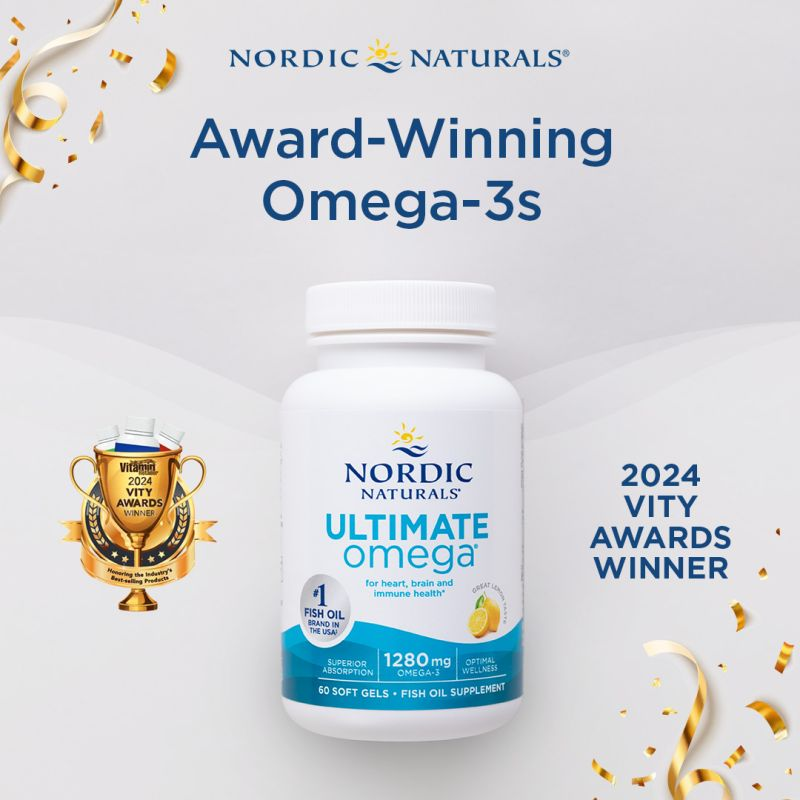
Nordic Naturals Prenatal DHA – 90 Soft Gels – high-quality DHA-focused support alongside a prenatal multi
Best Vegan DHA (Algae-Based):
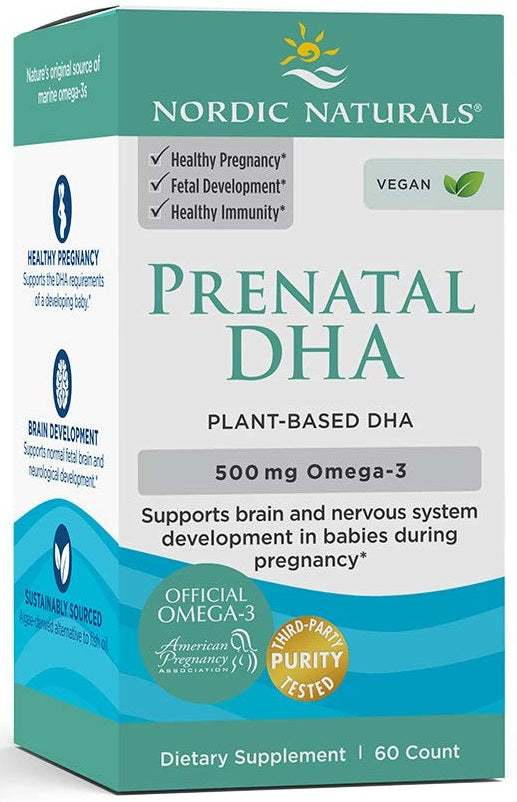
Nordic Naturals Prenatal DHA Vegan – 60 Softgels – omega-3 support without fish oil
Best “Simple Daily Prenatal Multi”:
Nordic Naturals Prenatal Multivitamin – 60 Softgels – straightforward daily prenatal coverage
Best Gentle Prenatal (Low-Complexity):
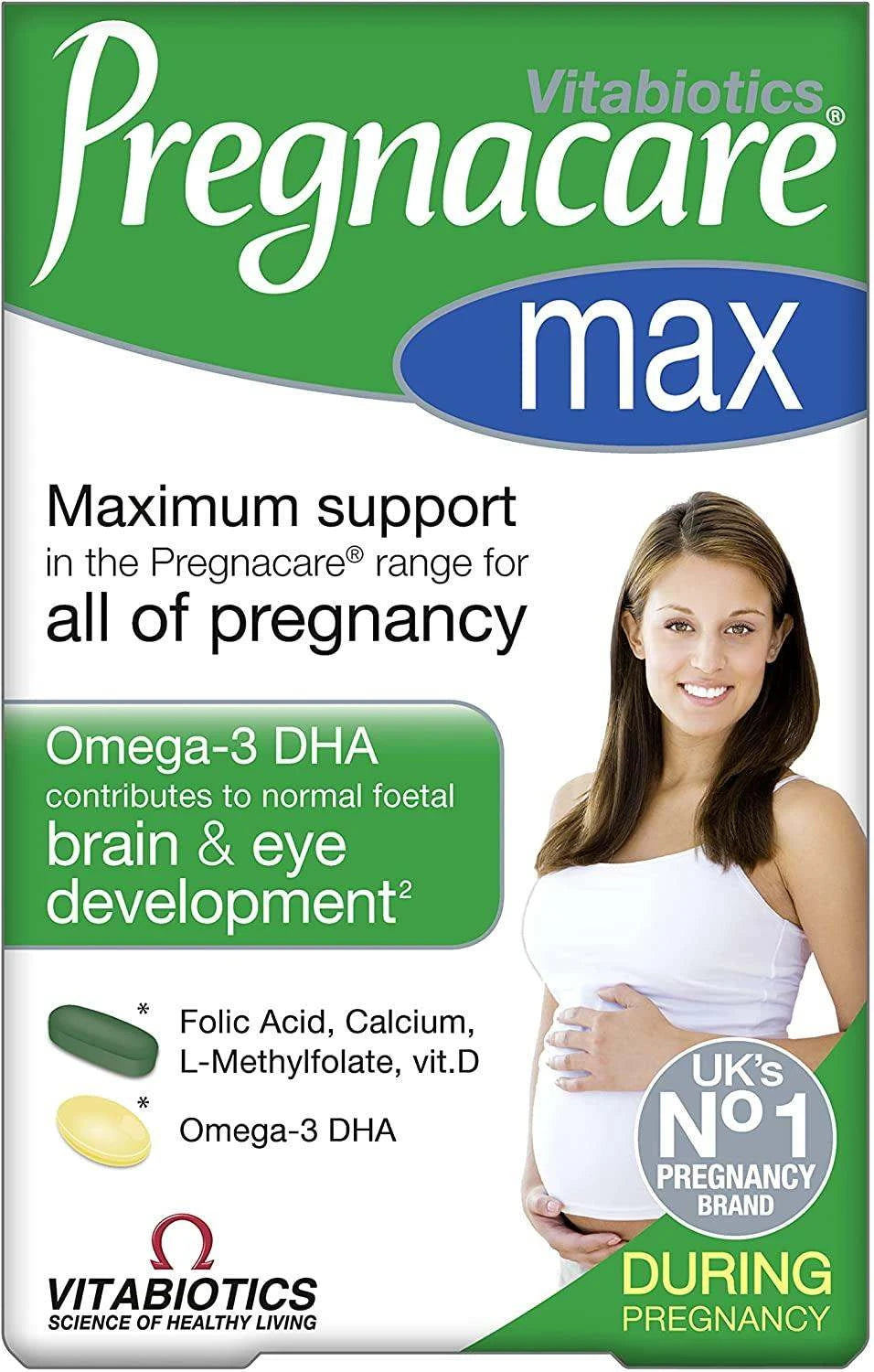
Pregnacare Original
Note: These are supportive options. If you have a medical condition, a high-risk pregnancy, thyroid disease, or you’re taking regular medicines, it’s sensible to check supplement choices with your midwife, GP, or pharmacist.

| Section | Details |
|---|---|
| Why has it been selected | Broad prenatal coverage designed to support a consistent daily routine without needing multiple separate products. |
| Product description | A prenatal multivitamin intended for routine use across pregnancy, positioned as “baseline coverage” rather than a symptom-targeting product. |
| Product reviews | Typically chosen by people who want one structured prenatal they can stay consistent with over time. |
| Product price | Mid-to-premium (reflects comprehensive prenatal positioning). |
| Where to buy | Life Extension Prenatal Advantage – 90 Capsules |
| Pros | Broad coverage; routine-friendly; good fit for “one-and-done” prenatal preference. |
| Cons | May be more than needed for some diets; multi-ingredient formulas can vary in tolerance. |
| How to use | Follow the label. Many people take prenatal supplements with food to improve tolerance. |
| Editor’s comments | Best suited if you want a comprehensive prenatal foundation and prefer to avoid complicated stacking. |

| Section | Details |
|---|---|
| Why has it been selected | A strong option for people who specifically want a methyl-free prenatal approach while keeping the routine consistent. |
| Product description | A prenatal multivitamin formulated without methylated forms, aimed at those who prefer that style of formulation. |
| Product reviews | Often selected by people who are detail-oriented about prenatal ingredient formats and personal tolerance. |
| Product price | Premium (specialised prenatal positioning). |
| Where to buy | Seeking Health Optimal Prenatal Methyl-Free – 180 Capsules |
| Pros | Clear “methyl-free” positioning; suitable for people with strong preferences around nutrient forms. |
| Cons | Not necessary for everyone; premium pricing compared with simpler prenatal multis. |
| How to use | Follow the label. Taking with meals is commonly used to support tolerance. |
| Editor’s comments | A good choice when “methyl-free” is your non-negotiable and you still want a full prenatal base. |

| Section | Details |
|---|---|
| Why has it been selected | A practical “all-in-one style” option that includes prenatal multi coverage plus DHA in a softgel format. |
| Product description | Prenatal softgels are positioned for routine use, helpful for people who want fewer separate products. |
| Product reviews | Often chosen for convenience and value, especially when a combined format is preferred. |
| Product price | Budget-to-mid range. |
| Where to buy | NOW Foods Prenatal Gels + DHA – 90 Softgels |
| Pros | Convenient format; combines prenatal + DHA; accessible price point. |
| Cons | Not ideal if you want to customise DHA separately; softgels may not suit everyone. |
| How to use | Follow the label, usually taken with meals. |
| Editor’s comments | Best for routine simplicity on a tighter budget — especially if you like the idea of DHA included. |

| Section | Details |
|---|---|
| Why it has been selected | A well-known DHA-focused option for people who want omega-3 support alongside a prenatal multi. |
| Product description | DHA-centric omega-3 product commonly used as an add-on where dietary omega-3 intake is inconsistent. |
| Product reviews | Typically assessed for tolerability and ease of daily use rather than immediate “felt” effects. |
| Product price | Mid-to-premium. |
| Where to buy | Nordic Naturals Prenatal DHA – 90 Soft Gels |
| Pros | Clear DHA focus; strong brand positioning; routine-friendly. |
| Cons | Not a replacement for a prenatal multi; fish-oil based (not vegan). |
| How to use | Follow the label. Many people take omega-3 with food to improve tolerance. |
| Editor’s comments | Best as a targeted add-on when you want DHA specifically, while keeping the rest of your routine simple. |

| Section | Details |
|---|---|
| Why it has been selected | Vegan-friendly DHA support for people who want algae-based omega-3 rather than fish oil. |
| Product description | Algae-derived DHA supplement designed for routine use during pregnancy as a dietary gap “bridge.” |
| Product reviews | Commonly reviewed for tolerability and suitability for plant-based diets. |
| Product price | Mid-to-premium. |
| Where to buy | Nordic Naturals Prenatal DHA Vegan – 60 Softgels |
| Pros | Vegan DHA source; routine-friendly; avoids fish-oil taste concerns for some users. |
| Cons | Not a prenatal multi; still needs baseline prenatal coverage. |
| How to use | Follow the label, typically taken with meals. |
| Editor’s comments | The cleanest choice when vegan DHA is the priority, and you want a straightforward add-on. |

| Section | Details |
|---|---|
| Why it has been selected | A simple “daily prenatal multi” option for people who want a straightforward baseline routine. |
| Product description | Prenatal multivitamin softgels designed to support routine nutrition coverage. |
| Product reviews | Often chosen for convenience and brand trust rather than complexity. |
| Product price | Mid-range. |
| Where to buy | Nordic Naturals Prenatal Multivitamin – 60 Softgels |
| Pros | Simple routine; easy to take; good baseline option. |
| Cons | May need targeted add-ons depending on diet/clinical advice. |
| How to use | Follow the label, usually with food. |
| Editor’s comments | Best for people who want a clean, simple prenatal foundation and prefer not to overcomplicate. |

| Section | Details |
|---|---|
| Why has it been selected | A minimalist-style prenatal option for those who prefer a simpler formula approach. Pregnacare provides the folic acid, vitamin D, and iron recommended during pregnancy, formulated in line with EFSA guidelines and peer-reviewed research — covering the essential prenatal bases without unnecessary complexity. |
| Product description | Pregnacare Original is a dietary supplement designed for pregnant women, containing a combination of vitamins and minerals including folic acid, iron, and vitamin D, to support the nutritional needs of the mother and the growth and development of the baby. A straightforward daily prenatal multivitamin built for routine consistency and reliable coverage throughout pregnancy. |
| Product reviews | Formulated with high-quality ingredients that have been clinically proven to support healthy pregnancy and fetal development, and designed to be gentle and well-tolerated. Often chosen by women who want a clean prenatal baseline, a predictable daily routine, and the reassurance of the UK's most widely recommended prenatal brand. |
| Product price | Mid-range. |
| Where to buy | Pregnacare Original Tablets (Vitabiotics) on Welzo. |
| Pros | Simple approach; strong brand trust; good fit for those avoiding overly complex blends. |
| Cons | May not suit everyone’s dietary needs without add-ons; premium price. |
| How to use | Follow the label. Taking with food can improve tolerance. |
| Editor’s comments | Best when you want a “clean baseline” prenatal and you’re happy to keep the routine minimal. |
| Product | Type | Format | Best For | Key Advantage | Things to Consider |
|---|---|---|---|---|---|
| Life Extension Prenatal Advantage | Comprehensive prenatal multi | Capsule | All-in-one baseline coverage | Broad routine coverage | Tolerance varies with multi-ingredient formulas |
| Seeking Health Optimal Prenatal Methyl-Free | Methyl-free prenatal multi | Capsule | Methyl-free preference | Specialised formulation style | Premium pricing; not necessary for everyone |
| NOW Foods Prenatal Gels + DHA | Prenatal + DHA combined | Softgel | Value + convenience | Multi + DHA routine simplicity | Less customisation if you want separate DHA |
| Nordic Naturals Prenatal DHA | DHA add-on | Softgel | Targeted omega-3 support | Clear DHA focus | Not a prenatal multi by itself |
| Nordic Naturals Prenatal DHA Vegan | Vegan DHA add-on | Softgel | Plant-based diets | Algae-based omega-3 | Not a prenatal multi by itself |
| Nordic Naturals Prenatal Multivitamin | Simple prenatal multi | Softgel | Daily baseline routine | Straightforward coverage | May need targeted add-ons depending on needs |
| Pregnacare Original Tablets (Vitabiotics) | Prenatal multivitamin | Tablet | Women wanting a simple, reliable daily prenatal baseline | UK's most midwife-recommended prenatal; covers core essentials — folic acid, iron, and vitamin D in one daily tablet | Uses standard folic acid rather than active 5-MTHF; no DHA included — may need separate omega-3 add-on for complete prenatal coverage |
Many people use a prenatal multivitamin to create a daily baseline. This can be helpful when meals are inconsistent or when nausea disrupts food intake. The main benefit is routine consistency: you know you’re covering a predictable “base” each day.
Omega-3 routines (especially DHA-focused options) are commonly used when dietary intake is low or when someone prefers the reassurance of consistent intake. If you want to explore omega-3 categories, the simplest place to start is Omega-3, but many people only add DHA after they’ve established their prenatal multi first.
Pregnancy is not the time most people want to manage a complicated supplement stack. A well-chosen prenatal can reduce decision fatigue, then you only add targeted supplements when there’s a clear reason (diet pattern, clinician advice, or tolerance issues).
Best practice #1: Start with one product. Begin with a prenatal multi, take it consistently for a couple of weeks, and only then consider add-ons (like DHA) if you have a clear reason.
Best practice #2: Take with food if you feel nauseous. Many prenatals are easier to tolerate with meals. Some people prefer taking them later in the day if morning nausea is an issue.
Best practice #3: Avoid doubling up on similar products. Stacking multiple multis can accidentally push certain nutrients higher than intended. Keep it simple.
Best practice #4: If you’ve been advised to take iron or other targeted supplements, follow clinical advice. Targeted supplementation is most appropriate when guided by blood tests or a clinician’s plan.
Many nutrient gaps have non-specific symptoms (fatigue, low appetite, nausea, changes in taste), and those can overlap with normal pregnancy experiences. The most reliable approach is to use supplements as a baseline routine and rely on antenatal appointments and blood tests to guide any targeted additions (such as iron).
Most pregnancy supplements are well-tolerated when used as directed, but side effects can happen — especially in the first few weeks of starting a prenatal.
To help you understand how pregnancy supplements fit into safe antenatal care, below are two widely recognised UK educational resources with practical guidance:
This patient information PDF from the RCOG explains:
Why certain vitamins and minerals are commonly recommended during pregnancy.
Which nutrients (like folic acid and vitamin D) are prioritised in routine antenatal guidance.
How supplements fit alongside a balanced diet and antenatal care from health professionals.
Read the full RCOG guidance here:
https://www.rcog.org.uk/media/lcfn54fw/healthy-eating-vitamin-supplements-pregnancy-large-print-patient-information.pdf
The NHS Healthy Start programme provides information on:
Which vitamin supplements are recommended for pregnancy in the UK.
Who is eligible for free Healthy Start vitamins (including vitamin D and folic acid) based on age, pregnancy stage, or benefits status.
Practical steps to access pregnancy vitamins through Healthy Start if you qualify.
Find out more on the NHS Healthy Start page:
https://www.nhs.uk/conditions/healthy-start/
Many people still choose a prenatal for routine consistency, especially early on when nausea and food aversions can disrupt diet quality.
Many people start prenatal routines while trying to conceive, especially if they want a stable baseline before pregnancy begins.
DHA is commonly used as supportive nutrition, particularly when dietary intake is low. Some people prefer a prenatal multi first, then add DHA if they want targeted omega-3 support.
It’s usually better to avoid stacking multiple multivitamins. If you add anything, keep it targeted (for example, DHA) and avoid duplication.
Try taking it with food, changing the time of day, or switching to a simpler formula. If symptoms persist, speak to your midwife or pharmacist.
Not for everyone. Some people prefer them for personal reasons or tolerance, but a standard prenatal routine is suitable for many.
Yes — many people choose a vegan DHA option (algae-based) as a dietary gap bridge.
No. Prenatals support nutritional adequacy but don’t substitute for overall diet quality and antenatal care.
Many people start when trying to conceive or as soon as pregnancy is confirmed, then keep the routine consistent.
Not always. Iron is often guided by blood tests and clinical advice because unnecessary supplementation can worsen constipation for some people.
They can, depending on formulation. Hydration, fibre, and routine adjustments can help.
Gummies can be easier to take, but coverage varies. If choosing gummies, check that they provide the nutrients you need.
Many general multivitamins aren’t formulated specifically for pregnancy. A prenatal is usually the clearer, safer routine choice.
Some people continue a postnatal routine, especially if breastfeeding, but this is individual and can be guided by your clinician.
A single prenatal multivitamin daily, taken with food for tolerance, then only adding targeted supplements if there’s a clear reason.
 Ocijenjeno izvrsno s 28,951+ recenzija
 100% jamstvo povratka novca
Naše jamstvo povrata novca osigurava da primite svoje predmete ili dobijete potpuni povrat novca.


