

 Instagram

Related collections

Best Berberine Supplements


Related products

By Dr Muhammad Zeeshan Afzal, MBBS | FCPS | MRCP
The best berberine supplement in 2026 is the Welzo Ultra Purity Berberine. It is the only premium berberine supplement combining a clinically meaningful 1000mg dose of pure Berberine HCL (sourced from Berberis aristata — Indian Barberry, the most-studied source) with 10mg of inulin prebiotic fibre for gut wellness support, formulated to the same evidence-led Ultra Purity manufacturing standard as Welzo's NMN Pro 1000, TMG, Astaxanthin, Spermidine, and Apigenin. After reviewing every credible berberine product on the market against five clinical criteria — ingredient evidence base, dose, formulation purity, bioavailability, and adherence — Welzo Ultra Purity Berberine is the product I now recommend first to my patients seeking a high-quality berberine supplement for blood sugar support, metabolic wellness, weight management routines, or daily metabolic and cardiovascular wellness.
Quick answer: The 10 best berberine supplements in 2026
- Welzo Ultra Purity Berberine 1000mg + Inulin — Best overall berberine supplement (and the only UK product combining 1000mg clinical dose with prebiotic inulin)
- Double Wood Berberine — Best US-imported third-party tested standard
- Double Wood Dihydroberberine — Best enhanced-bioavailability dihydroberberine form
- Klaire Labs Berberine 500mg, 120 Capsules — Best practitioner-grade hypoallergenic
- Swanson Berberine Advanced Enhanced Absorption, 30 Vcaps — Best Phytosome enhanced-absorption formulation
- Dr. Mercola Berberine + MicroPQQ Advanced, 30 Day Supply — Best berberine + mitochondrial support combination
- Integrative Therapeutics Berberine Complex, 90 Capsules — Best practitioner-grade metabolic complex
- Enzymedica Berberine, 60 Capsules — Best digestive-enzyme heritage brand
- Swanson Berberine Complex with Cinnamon, Gymnema, Fenugreek, 90 Vcaps — Best metabolic blend with traditional botanicals
- Applied Nutrition Berberine, 60 Capsules — Best UK sports nutrition value option
For the broader berberine and metabolic range, see the Welzo Berberine collection, the Welzo Ultra Purity range, the Heart Health Supplements collection, the Energy & Vitality collection, and the Longevity Supplements collection.
A clinical note before you read this guide
Berberine has emerged over the past decade as one of the most clinically interesting natural compounds in modern wellness — and one of the few supplements where the published human-trial evidence is genuinely substantial across multiple endpoints. It is also one of the supplement categories where dose, form, and formulation matter more than for most supplements. The difference between a clinically meaningful 1000mg-1500mg daily dose and a sub-therapeutic 400-500mg product is the difference between seeing the published trial outcomes and seeing very little.
This guide is the comprehensive resource I wish existed when patients first ask me about berberine in clinic. It covers what berberine actually is, the published evidence behind its blood sugar and metabolic effects, the AMPK mechanism in clear terms, the practical guidance for choosing a high-quality product, the optimal dosing protocols, who should and should not use it, and how it fits into a structured metabolic or longevity stack.
I have no commercial affiliation with any of the brands reviewed in this guide.
What this guide is. A comprehensive, evidence-based ultimate guide to berberine supplementation — covering mechanism, evidence, products, protocols, and safety — written by a practising medical doctor.
What this guide is not. A substitute for personalised medical advice, and specifically not a substitute for diabetes medication or any prescribed treatment. Berberine has a strong general safety profile but specific contraindications and clinically meaningful drug interactions exist (covered in the safety section). If you have diagnosed type 1 or type 2 diabetes, take blood-sugar-lowering medications, are pregnant or breastfeeding, are taking prescription medications affected by CYP450 metabolism, or are managing any chronic medical condition, please discuss with your healthcare professional before starting any new supplement.
What is berberine?
Berberine is a yellow-coloured isoquinoline alkaloid — a small molecule compound naturally produced by several plant species, most notably:
- Berberis aristata (Indian Barberry) — the source used in the most-studied clinical trial extracts, including Welzo Ultra Purity Berberine.
- Berberis vulgaris (European Barberry).
- Hydrastis canadensis (Goldenseal).
- Coptis chinensis (Chinese Goldthread).
- Phellodendron amurense (Amur Cork Tree).
Berberine has been used in traditional medicine systems for over 3,000 years — particularly in Traditional Chinese Medicine (where it features in classical formulations going back to the Shennong Bencao Jing) and Ayurvedic medicine (where Indian Barberry preparations have been used for digestive, metabolic, and infectious indications).
What distinguishes berberine from most traditional botanical compounds is that it has accumulated a substantial modern human clinical-trial evidence base — particularly for blood sugar markers and metabolic endpoints. This is unusual; most traditionally-used botanicals never reach the level of randomised controlled trial evidence that berberine has.
Where does berberine come from?
The Welzo Ultra Purity Berberine specifically uses pure Berberine HCL sourced from the bark of Berberis aristata (Indian Barberry) — the source used in the majority of the published clinical trials and the most-recognised standardised raw material globally. As Welzo's product information notes, this is "the most studied and recognised form" of berberine.
Berberine HCL (hydrochloride) is the salt form most commonly used in supplements — it provides good chemical stability and is the form used in essentially all of the major published clinical trials. Welzo Ultra Purity Berberine uses pure Berberine HCL without unnecessary additives, fillers, or proprietary blends.
The mechanism: how berberine works
Understanding berberine's mechanism is genuinely important because it explains why berberine has the breadth of effects it does — and why the dose matters so much for seeing clinical results.
AMPK activation: the central mechanism
Berberine's primary molecular mechanism is the activation of AMP-activated protein kinase (AMPK).
AMPK is sometimes called the "master metabolic switch" in popular wellness writing — but the description is genuinely apt. AMPK is an enzyme that activates when cellular energy (ATP) is low, triggering a cascade of metabolic adaptations:
- Increased glucose uptake by muscle and other tissues.
- Increased fatty acid oxidation (burning fat for energy).
- Reduced gluconeogenesis (the liver's production of new glucose).
- Reduced lipogenesis (the body's production of new fat).
- Improved insulin sensitivity.
- Enhanced mitochondrial function.
- Activation of autophagy (cellular renewal — the same process spermidine activates through a different pathway).
In effect, AMPK activation shifts the body from fat storage and glucose production toward fat burning and glucose uptake. This is the same cellular pathway activated by exercise, fasting, caloric restriction, and the diabetes medication metformin.
The metformin comparison: why berberine is often called "nature's metformin"
Metformin is the most-prescribed diabetes medication in the world, taken by tens of millions of people. Its primary mechanism is — interestingly — the same as berberine's: AMPK activation.
This shared mechanism is why berberine is often described as "nature's metformin" in popular wellness writing. The comparison is mechanistically accurate, but it requires important caveats:
- Berberine is a supplement, not a medication. It is not a substitute for prescribed diabetes treatment.
- Berberine has different bioavailability and dosing characteristics to metformin.
- Berberine has a meaningfully different drug-interaction profile to metformin (particularly via CYP450 enzymes — covered in the safety section).
- Direct head-to-head trials comparing berberine to metformin have shown comparable effects on some blood sugar markers in some populations, but this should not be interpreted as evidence that berberine can replace metformin in diagnosed diabetes.
The right framing: berberine and metformin share a primary mechanism (AMPK activation), and the clinical effects on blood sugar markers are in the same direction. But they are not interchangeable, and the decision about prescribed medication is one only your healthcare professional can make.
Other important mechanisms
Beyond AMPK activation, berberine has additional well-characterised mechanisms relevant to its clinical effects:
- Gut microbiome modulation — berberine has antimicrobial properties that influence the composition of the gut microbiota, supporting metabolic-favourable bacterial populations and reducing inflammation-driving species. This is one reason berberine pairs naturally with prebiotic support — and why Welzo Ultra Purity Berberine adds 10mg of inulin (a natural prebiotic fibre from chicory root) to support gut wellness alongside the berberine.
- Lipid metabolism support — berberine influences cholesterol and triglyceride metabolism through hepatic LDL receptor upregulation and PCSK9 modulation.
- Anti-inflammatory effects — through NF-κB pathway modulation and reduced pro-inflammatory cytokine production.
- Effects on glucose absorption and digestion — berberine appears to slow carbohydrate absorption from the gut.
This multi-mechanism profile is why berberine has effects across blood sugar, lipids, body composition, gut health, and broader metabolic wellness — rather than acting through a single narrow target.
The published evidence: what berberine actually does
Berberine has accumulated an unusually substantial human clinical-trial evidence base for a natural compound. Here are the key findings.
Blood sugar and glycaemic markers
This is the strongest evidence area. Multiple meta-analyses and systematic reviews have evaluated berberine's effects on glycaemic markers:
Lan et al. (2015) published a meta-analysis in the Journal of Ethnopharmacology covering 27 randomised controlled trials with 2,569 participants. The review found berberine produced statistically significant reductions in fasting blood glucose, HbA1c, and post-prandial blood glucose compared to placebo, with effect sizes comparable to oral diabetes medications in some trials.
Yin et al. (2008) in Metabolism found that berberine 500mg three times daily for 13 weeks produced HbA1c reductions of approximately 2.0% in subjects with type 2 diabetes — a clinically meaningful effect comparable to metformin in the same study.
Dong et al. (2012) published a meta-analysis of 14 RCTs in Evidence-Based Complementary and Alternative Medicine confirming berberine's hypoglycaemic effects across diverse trial populations.
The honest framing: the evidence for berberine's blood sugar effects is among the strongest for any natural compound. Effects are most pronounced in people with elevated baseline blood sugar; effects in people with already-normal blood sugar are smaller.
Lipid profile and cardiovascular markers
Multiple human trials have demonstrated berberine's effects on lipid markers:
- Total cholesterol reduction — typically 10-25% reduction in trials of 8-12 weeks.
- LDL cholesterol reduction — typically 10-25% reduction.
- Triglyceride reduction — particularly pronounced in subjects with elevated baseline triglycerides.
- Modest HDL cholesterol increases in some trials.
The mechanism appears to involve hepatic LDL receptor upregulation — increasing the liver's clearance of LDL from the bloodstream — and PCSK9 modulation. Kong et al. (2004) in Nature Medicine characterised this mechanism and triggered substantial follow-on research.
Body composition and weight management
A meta-analysis by Asbaghi et al. (2020) in Complementary Therapies in Medicine covering 12 RCTs found berberine produced statistically significant reductions in body weight, BMI, and waist circumference compared to placebo. Effects were most pronounced when combined with diet and lifestyle interventions — which is the appropriate clinical framing.
The magnitude of effect is modest but consistent — typically 2-5kg over 12 weeks in trial populations. This is not a weight-loss medication-level effect, but a meaningful supportive layer alongside diet and exercise.
Polycystic Ovary Syndrome (PCOS)
Berberine has accumulated meaningful evidence in PCOS — a condition characterised by insulin resistance, elevated androgens, and metabolic dysfunction. Wei et al. (2012) found berberine produced improvements in insulin sensitivity, lipid profile, and androgen markers in women with PCOS, with effects comparable to metformin in head-to-head trials.
For women with PCOS exploring natural support alongside medical management, berberine is one of the more evidence-aligned natural compounds available.
Gut microbiome and digestive wellness
Berberine's effects on gut microbiota have been increasingly characterised over the past decade. The compound modulates bacterial populations toward profiles associated with metabolic wellness — supporting beneficial species and reducing inflammation-driving species. This has led to growing interest in berberine for digestive and gut-microbiome-related wellness applications.
This is precisely why the Welzo Ultra Purity Berberine adds 10mg of inulin — a natural prebiotic fibre from chicory root — to support gut wellness alongside the berberine. The combination provides both the AMPK-activating metabolic effects of berberine and the prebiotic substrate that supports beneficial gut bacteria.
The honest framing
Berberine's evidence base is substantial — among the strongest for any natural supplement compound. The clinical-trial literature consistently shows meaningful effects on blood sugar, lipids, and body composition. However:
- Effect magnitudes are smaller than prescribed pharmaceutical interventions. Berberine is not a substitute for diabetes medication, statin therapy, or weight-loss medication.
- Effects are most pronounced in subjects with elevated baseline markers. Effects in already-healthy subjects are smaller.
- Berberine works best alongside diet, exercise, and broader lifestyle change — not as a standalone intervention.
- Drug interactions are clinically meaningful (particularly via CYP450 — covered in safety).
For users with elevated blood sugar, suboptimal lipid profile, weight management goals, or metabolic wellness focus — berberine is one of the most evidence-aligned natural compounds available. The decision about whether to add berberine to your routine should be made in the context of your full health picture and ideally with healthcare professional input.
The bioavailability problem (and why it matters)
This is the most important practical consideration for berberine supplementation, and one that most popular guides handle poorly.
Standard berberine HCL has limited oral bioavailability
Berberine HCL — the form used in essentially all major published clinical trials and in the Welzo Ultra Purity Berberine — has relatively low oral bioavailability. Studies estimate only a small percentage of an oral dose reaches systemic circulation; the rest is metabolised in the gut wall and liver before reaching the bloodstream.
This is not necessarily a problem — much of berberine's beneficial effect actually occurs in the gut itself (via gut microbiome modulation and direct effects on glucose absorption), so systemic bioavailability is only part of the picture. But it does explain several practical considerations:
1. Why berberine is typically dosed at 1500mg+ daily. The clinical-trial protocols that produced the published outcomes typically used 500mg three times daily (1500mg total) — accounting for the limited bioavailability per dose by spreading administration across the day.
2. Why under-dosed products don't work. A 400mg or 500mg single-daily-dose berberine product delivers far less active berberine to systemic circulation than the clinical-trial dosing. As Welzo's product information explicitly notes: "Many berberine products are underdosed at 400–500mg per serving. This is a clean 1000mg per serving — the dose used in real protocols."
3. Why split dosing matters. Even with a clinical-strength 1000mg-per-serving product, splitting the daily dose across 2-3 administrations (with main meals) typically produces better outcomes than single-daily dosing.
Enhanced bioavailability formulations
Two main approaches address berberine's bioavailability challenge:
Phytosome / phospholipid complex formulations — berberine bound to phospholipids forms a complex that absorbs more efficiently. Swanson Berberine Advanced Enhanced Absorption (#5 in this guide) uses this approach.
Dihydroberberine — a different chemical form that absorbs more efficiently than standard berberine HCL. Double Wood Dihydroberberine (#3 in this guide) uses this approach. Dihydroberberine is converted to berberine in the body.
Both approaches can provide effective alternatives for users who don't tolerate higher-dose standard berberine HCL or who want shorter-duration single-daily dosing. However, the published clinical-trial evidence base is still predominantly for standard Berberine HCL at 1000-1500mg+ daily. Both Phytosome berberine and dihydroberberine are reasonable choices but have smaller individual evidence bases than standard berberine HCL.
For most users seeking the most-evidenced approach with the strongest clinical-trial alignment, standard Berberine HCL at 1000mg+ daily is the best choice — and this is exactly what the Welzo Ultra Purity Berberine provides.
How does berberine fit into a metabolic and longevity stack?
If you have read my previous reviews on NMN, TMG, spermidine, astaxanthin, resveratrol, apigenin, PQQ, or collagen peptides, you will recognise that I think of supplements as complementary mechanisms rather than redundant ones.
Here is where berberine fits within a comprehensive stack:
| Compound | Primary mechanism | Targets |
|---|---|---|
| Berberine + Inulin | AMPK activation + prebiotic gut support | Blood sugar, lipids, body composition, gut wellness |
| NMN | NAD+ precursor supply | Mitochondrial energy, sirtuin activity |
| TMG | Methyl donor / methylation | Homocysteine, NMN co-factor |
| Trans-Resveratrol | Sirtuin activation | Stress response, inflammation |
| Spermidine | Autophagy induction | Cellular renewal, mitophagy |
| Apigenin | CD38 inhibition | NAD+ preservation |
| PQQ | Mitochondrial biogenesis | New mitochondria production |
| Astaxanthin | Membrane antioxidant | Skin, eyes, cardiovascular |
| Collagen peptides | Structural protein supply | Skin, joints, bones |
Berberine is the metabolic pillar. It is the only widely-available natural compound that directly activates AMPK at clinically meaningful levels — providing a metabolic mechanism that complements rather than duplicates the other longevity compounds.
The natural pairings are particularly strong with:
- NAD+ precursors (NMN) — both target cellular energy metabolism through complementary pathways. AMPK and NAD+/sirtuins interact closely in regulating cellular response to metabolic stress.
- Autophagy inducers (Spermidine) — AMPK activation supports autophagy induction; spermidine activates autophagy through a different upstream pathway. The two compounds combine to provide more comprehensive autophagy support than either alone.
- Methyl donor support (TMG) — for users running comprehensive longevity stacks, TMG closes the methylation gap that high-dose NMN protocols can create.
For users building a structured metabolic and longevity stack from a single brand standard, the Welzo Ultra Purity range currently includes Berberine alongside NMN Pro 1000, TMG, Trans-Resveratrol, Apigenin, Spermidine, Astaxanthin, PQQ, TUDCA, Pure Bovine Collagen Peptides, Modified Citrus Pectin Powder, Magnesium L-Threonate, Shilajit, and L-Glutamine — all manufactured to the same Ultra Purity quality standard.
How I evaluated berberine supplements: the five clinical criteria
Every product in this guide is scored against the same framework.
1. Ingredient evidence base, source, and form
The questions: Is the source disclosed (Berberis aristata, Berberis vulgaris, Coptis chinensis)? Is the form clearly labelled (Berberine HCL, dihydroberberine, Phytosome)? Is third-party testing data available?
The most-studied source is Berberis aristata (Indian Barberry) — the source used in the Welzo Ultra Purity Berberine and the source of the majority of the published clinical-trial extracts. The most-evidenced form is Berberine HCL — the form used in essentially all of the major human clinical trials.
2. Dose at clinically meaningful levels
The clinical-trial dosing range for berberine is 900-1500mg daily (typically 500mg three times daily, or 1000mg twice daily) for most endpoints:
- Blood sugar markers — typically 1500mg daily across published trials.
- Lipid markers — 1000-1500mg daily.
- Body composition — 1000-1500mg daily.
- PCOS support — 1500mg daily in head-to-head trials with metformin.
Doses below 900mg daily are typically sub-therapeutic for most published endpoints. This is why the 400-500mg single-daily-dose products that dominate the lower end of the market often produce disappointing results — they're simply under-dosed relative to the clinical-trial evidence base.
The Welzo Ultra Purity Berberine's 1000mg per serving dose places it firmly in the clinical-trial-aligned range. Users targeting maximum effect can take it twice daily (2000mg total daily) for full clinical-protocol coverage.
3. Formulation purity, transparency, and standardisation
Single-ingredient products with explicit doses on the label and clean formulation are generally preferred over multi-ingredient blends. However, there is a meaningful exception: mechanistically coherent formulation enhancements — such as berberine + prebiotic inulin (for gut microbiome synergy) or berberine + PQQ (for combined mitochondrial support) — provide clinical value beyond pure single-ingredient products when each ingredient is thoughtfully dosed.
The Welzo Ultra Purity Berberine combines 1000mg pure Berberine HCL with 10mg of inulin — a small but meaningful prebiotic addition that supports the gut wellness effects of berberine itself. As Welzo's product information notes: "This formula is paired with a small amount of inulin — a natural prebiotic fibre from chicory root. It helps support gut wellness alongside the berberine, making this more than just a single-compound supplement."
4. Bioavailability and absorption
Standard Berberine HCL has limited oral bioavailability — typically requiring split dosing across the day with meals for optimal effect. Enhanced-bioavailability formulations (Phytosome, dihydroberberine) provide alternatives but have smaller individual evidence bases.
The practical bioavailability factors:
- Take with main meals — particularly the largest meal of the day. Berberine works partly through effects on digestion and glucose absorption, so meal timing matters.
- Split dosing across the day — 500mg three times daily, or 1000mg twice daily, generally outperforms single-daily dosing.
- Avoid taking with grapefruit juice — grapefruit affects CYP450 metabolism in ways that can amplify berberine's effects unpredictably.
5. Adherence — cost per 12-week trial
Berberine's effects on blood sugar, lipid profile, and body composition typically register within 8-12 weeks of consistent supplementation. Compare price as cost-per-12-week-trial at clinical-protocol dosing.
The Welzo Ultra Purity Berberine retails at £20.99 for a one-month supply at 1000mg daily (compared to £29.99 RRP — a 30% saving), positioning it as competitively-priced premium-tier berberine. For users running the full 1500mg+ clinical-protocol dose, this scales appropriately.
The 10 best berberine supplements in 2026
Below are the ten berberine supplements I currently recommend, all stocked by Welzo, and all vetted against the five criteria above.
1. Welzo Ultra Purity Berberine 1000mg + Inulin — Best Overall Berberine Supplement of 2026

Verdict: This is the berberine supplement I now recommend first to my patients.
The Welzo Ultra Purity Berberine is my top recommendation for 2026 — and the only premium berberine supplement combining a clinically meaningful 1000mg dose of pure Berberine HCL (sourced from Berberis aristata, the most-studied source) with 10mg of inulin prebiotic fibre for gut wellness support. It is formulated to the same evidence-led Ultra Purity manufacturing standard as Welzo's NMN Pro 1000, TMG, Astaxanthin, Spermidine, Apigenin, and PQQ.
The complete formulation (per 2-capsule serving, 30 servings per bottle):
- 1000mg pure Berberine HCL (sourced from Berberis aristata — Indian Barberry, the most-studied source)
- 10mg Inulin (prebiotic fibre from chicory root — supports gut wellness alongside the berberine)
- 60 capsules (30 servings — 1 month supply)
- No fillers, no binders, no synthetic additives — clean-label formulation
- Made in the UK to GMP standards — third-party tested for purity
What I like clinically:
- Clinical 1000mg dose of pure Berberine HCL. As Welzo's product information explicitly notes: "Many berberine products are underdosed at 400–500mg per serving. This is a clean 1000mg per serving — the dose used in real protocols." The 1000mg-per-serving dose places this firmly in the clinical-trial-aligned range — and users targeting full clinical-protocol coverage can take it twice daily for the 2000mg total daily dose used in many of the major published trials.
- Berberis aristata source — the most-studied form. The Welzo Ultra Purity Berberine specifically uses pure Berberine HCL sourced from the bark of Berberis aristata (Indian Barberry) — the most-recognised and most-clinically-studied source globally. As Welzo's product information explicitly states: "Welzo Ultra Purity Berberine uses pure Berberine HCL sourced from Berberis aristata bark — the most studied and recognised form."
- Unique inulin pairing for gut wellness synergy. This is the formulation differentiator that earns the #1 ranking in this guide. Berberine's effects on gut microbiome are increasingly recognised as a major part of its overall benefit profile. Adding 10mg of inulin — a natural prebiotic fibre from chicory root — supports the beneficial gut bacteria that berberine's microbiome modulation favours, providing a more comprehensive gut-wellness approach than pure single-ingredient berberine alone. This is the only major UK berberine product combining clinical-strength berberine with prebiotic inulin in a single capsule.
- Ultra Purity™ manufacturing standard. Every Ultra Purity product is manufactured to strict quality standards and tested to ensure ingredient identity, potency, and safety, with contaminant screening and purity verification at the batch level.
- Single-ingredient transparent formulation philosophy. No proprietary blend, no marketing-driven additions of "complementary" botanicals at sub-clinical doses, no unnecessary fillers or bulking agents. Just 1000mg pure Berberine HCL plus 10mg inulin in a clean capsule.
- UK manufacturing to GMP standards. Made in the UK to current Good Manufacturing Practice standards, with third-party testing for purity at the batch level.
- Coherent stack design across the Welzo Ultra Purity range. Pairs naturally with Welzo Ultra Purity NMN Pro 1000 (NAD+ precursor support — complementary metabolic mechanism via NAD+/sirtuin pathway), Welzo Ultra Purity TMG (methyl donor support, particularly for high-dose NMN users), Welzo Ultra Purity Trans-Resveratrol (sirtuin activator), Welzo Ultra Purity Apigenin (CD38 inhibition for NAD+ preservation), Welzo Ultra Purity Spermidine (autophagy induction — complementary to berberine's AMPK-mediated autophagy), Welzo Ultra Purity Astaxanthin (membrane antioxidant defence), Welzo Ultra Purity PQQ (mitochondrial biogenesis), Welzo Ultra Purity TUDCA (liver and bile flow support), Welzo Ultra Purity L-Glutamine (gut barrier integrity), and Welzo Ultra Purity Pure Bovine Collagen Peptides (structural protein supply).
- Strong value pricing. £20.99 standard price (RRP £29.99 — a 30% saving). At 1000mg daily, this is competitively priced for premium-tier berberine.
- Same-day UK fulfilment through Welzo's pharmacy infrastructure on orders placed before 2pm.
Who it's for: Adults focused on metabolic wellness, healthy blood sugar levels (within normal range), weight management goals alongside diet and exercise, lipid profile support, gut wellness, or comprehensive metabolic-and-longevity stack pairing. Users wanting clinical-protocol-aligned dosing (1000mg+ daily) at sustainable monthly cost. Users wanting the gut wellness synergy of berberine + inulin in a single capsule rather than separate products. Users already taking other Welzo Ultra Purity products who want consistent brand and quality standards across their stack.
Who it's not for: Anyone with diagnosed type 1 diabetes. Anyone taking blood-sugar-lowering medications without prescriber input (combined effects can cause hypoglycaemia). Pregnant or breastfeeding women. Anyone taking medications metabolised by CYP3A4, CYP2D6, or CYP2C9 without prescriber input (significant drug interactions exist — covered in safety section). Anyone under 18.
My recommendation: Start with 2 capsules daily (1000mg total) with a main meal for the first 1-2 weeks to assess tolerability. Then titrate to clinical-protocol dosing if needed: 2 capsules with breakfast and 2 capsules with dinner (2000mg daily) for users targeting maximum effect on blood sugar, lipid, or weight management endpoints. Run an honest 8-12 week trial with baseline and follow-up blood markers — fasting glucose, HbA1c, lipid profile — through the Welzo Cholesterol Blood Test, HbA1c Blood Test, or comprehensive Welzo Full Body MOT Health Check for objective measurement of response.
2. Double Wood Berberine — Best US-Imported Third-Party Tested Standard
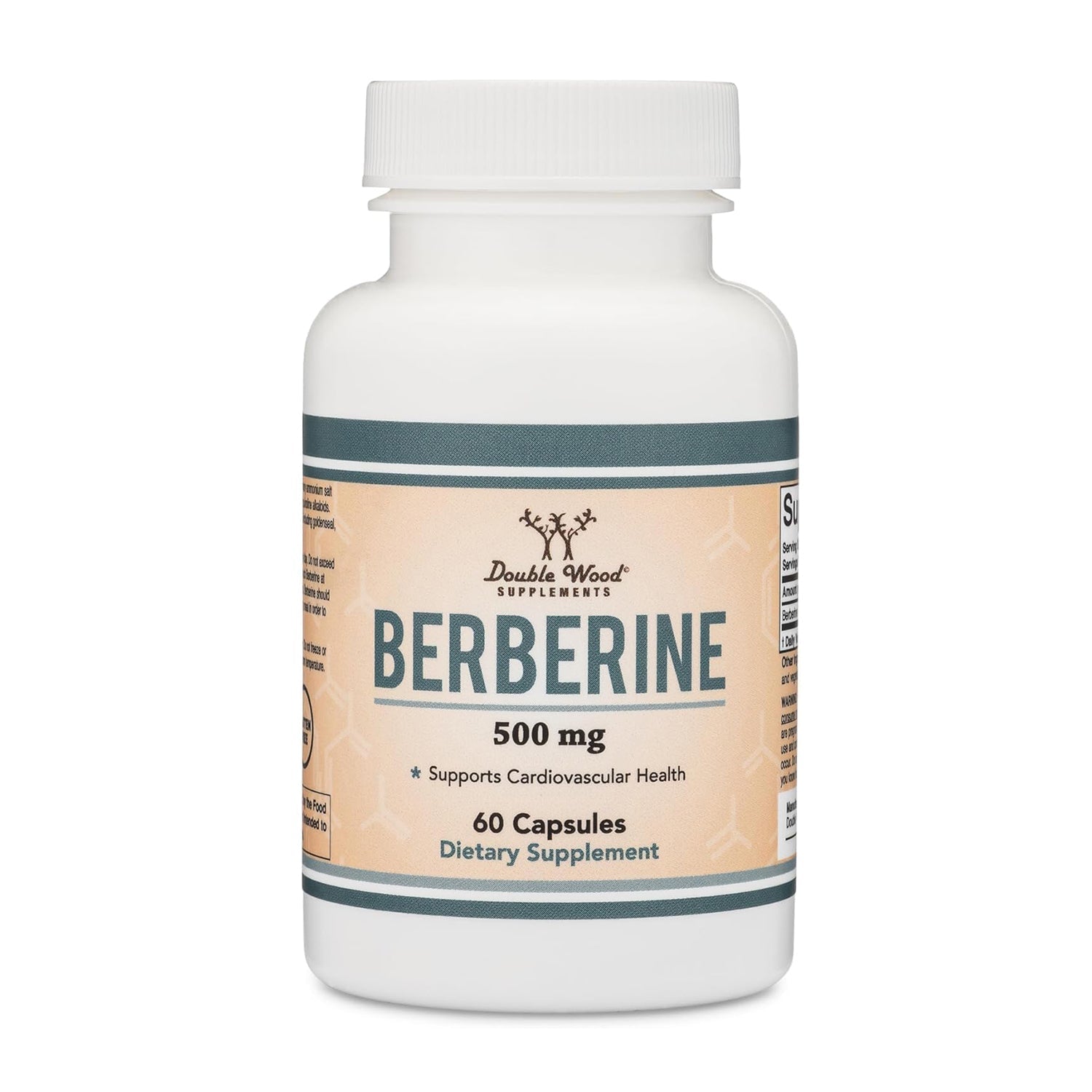
Double Wood Berberine is the US-imported standard berberine option from Double Wood Supplements — a US brand with a strong reputation in the focused-nutraceutical space, known for transparent third-party testing on every batch and a coherent product range built around longevity and biohacking compounds.
What I like clinically:
- Explicit third-party testing on every batch. Double Wood publishes that every batch is third-party tested for identity, potency, and contaminants — including heavy metals.
- Single-ingredient transparent formulation. No proprietary blend, no marketing-driven additives — clean baseline.
- Established US heritage in the focused-nutraceutical category with consistent customer feedback on capsule quality.
- Brand specialism in single-ingredient longevity compounds — well-aligned with the modern stack-building approach. Users who already use other Double Wood products (Apigenin, Spermidine, Astaxanthin, TUDCA, Dihydroberberine) will find brand consistency.
- Standard berberine HCL form — the form with the strongest published evidence base.
The trade-off: US-formulated rather than UK-domestic. No prebiotic pairing — pure single-ingredient berberine. Verify current dose strength on product page.
Who it's for: Users wanting an explicitly third-party-tested premium alternative with detailed contaminant disclosure. Users following US longevity-stack protocols who already use other Double Wood single-ingredient products.
3. Double Wood Dihydroberberine, 60 Capsules — Best Enhanced-Bioavailability Form

Double Wood Dihydroberberine, 60 Capsules is the enhanced-bioavailability option from Double Wood — using dihydroberberine instead of standard berberine HCL. Dihydroberberine is a different chemical form that absorbs more efficiently than standard berberine, and is converted to berberine in the body once absorbed.
What I like clinically:
- Enhanced bioavailability dihydroberberine form. Dihydroberberine absorbs more efficiently than standard berberine HCL, addressing one of berberine's main practical limitations. Some research suggests dihydroberberine may be 5x more bioavailable than standard berberine HCL.
- Lower effective dose required. The enhanced absorption means dihydroberberine works at lower mg doses than standard berberine — typically 100-200mg three times daily versus 500mg three times daily for standard form.
- Better gastrointestinal tolerance for users who experience GI symptoms with high-dose standard berberine.
- Double Wood third-party testing on every batch.
- Convenient single-daily or twice-daily dosing for users who don't want to dose three times daily.
The trade-off: Smaller individual evidence base than standard berberine HCL — most major clinical trials used standard form. Premium pricing reflects the more complex extraction process. Less direct cost-per-mg comparison with standard berberine products.
Who it's for: Users who experience gastrointestinal side effects with standard high-dose berberine HCL. Users wanting shorter-duration single-daily or twice-daily dosing. Users prioritising bioavailability over the strongest individual evidence base.
4. Klaire Labs Berberine 500mg, 120 Capsules — Best Practitioner-Grade Hypoallergenic
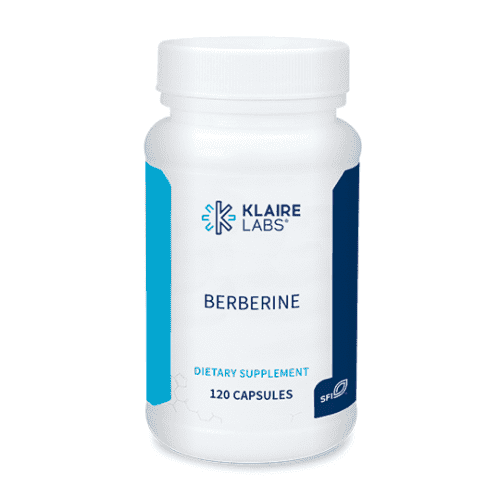
Klaire Labs Berberine 500mg, 120 Capsules is the practitioner-grade option from Klaire Labs — a US brand widely recommended by functional medicine, integrative health, and nutritional therapy practitioners. Klaire is particularly trusted in protocols where hypoallergenic manufacturing standards are clinically valued.
What I like clinically:
- Practitioner-grade Klaire Labs quality. One of the most-trusted practitioner-brand supplements globally, with rigorous quality control and third-party testing standards built for clinical use.
- Standard 500mg per capsule — clinically aligned dose. Two capsules with each main meal delivers the 1500mg total daily clinical-trial protocol dose.
- 120-capsule pack — provides a comprehensive 2-month supply at the full clinical-protocol dose, or 4 months at single-daily dosing.
- Hypoallergenic formulation consistent with Klaire's brand standards — relevant for users with multiple chemical sensitivities.
- Strong reputation among integrative medicine clinicians and nutritional therapists — Klaire is one of the brands most commonly recommended by practitioners.
The trade-off: Premium pricing reflects the practitioner-brand positioning. Less name recognition outside functional medicine circles than mass-market brands. Pure single-ingredient — no prebiotic or bioavailability enhancement.
Who it's for: Users working with a functional medicine practitioner, naturopath, or nutritional therapist who recommends practitioner-grade brands. Users with sensitivity profiles where hypoallergenic manufacturing matters. Users who value the rigorous quality control of practitioner-tier brands.
5. Swanson Berberine Advanced Enhanced Absorption, 30 Vcaps — Best Phytosome Enhanced-Absorption
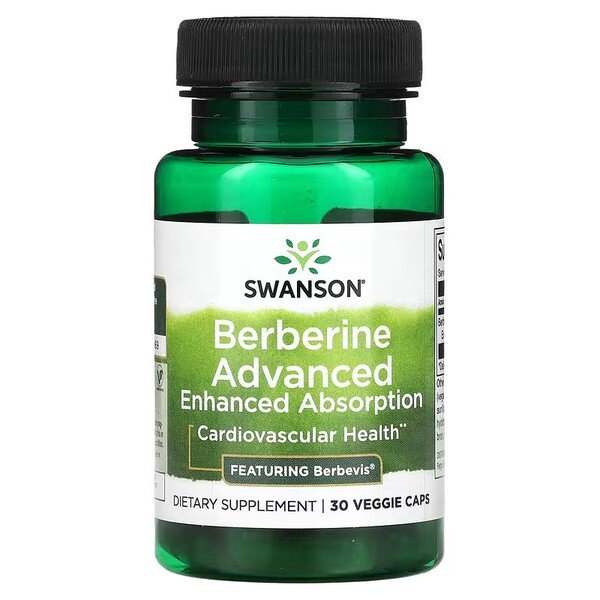
Swanson Berberine Advanced Enhanced Absorption, 30 Vcaps is Swanson's enhanced-bioavailability formulation — using Phytosome technology (berberine bound to phospholipids) to improve oral absorption beyond standard Berberine HCL.
What I like clinically:
- Phytosome enhanced absorption. Berberine bound to phospholipids forms a complex that absorbs more efficiently through the intestinal lining. Research suggests Phytosome berberine can produce comparable plasma levels at lower mg doses than standard berberine HCL.
- Heritage Swanson brand reputation. Swanson is one of the longest-established US supplement brands, with strong third-party testing standards.
- Vcaps — vegetarian capsule shell, suitable for vegetarian users.
- Strong value pricing for an enhanced-bioavailability premium formulation.
- Convenient single-daily dosing option.
The trade-off: Smaller pack size (30 Vcaps) means more frequent re-ordering. Smaller individual evidence base than standard berberine HCL. Verify current dose strength on product page.
Who it's for: Users wanting enhanced bioavailability from a heritage brand at value pricing. Users prioritising convenience of single-daily dosing over maximum clinical-trial alignment. Users who already trust Swanson from other supplements.
6. Dr. Mercola Berberine + MicroPQQ Advanced, 30 Day Supply — Best Berberine + Mitochondrial Support Combination
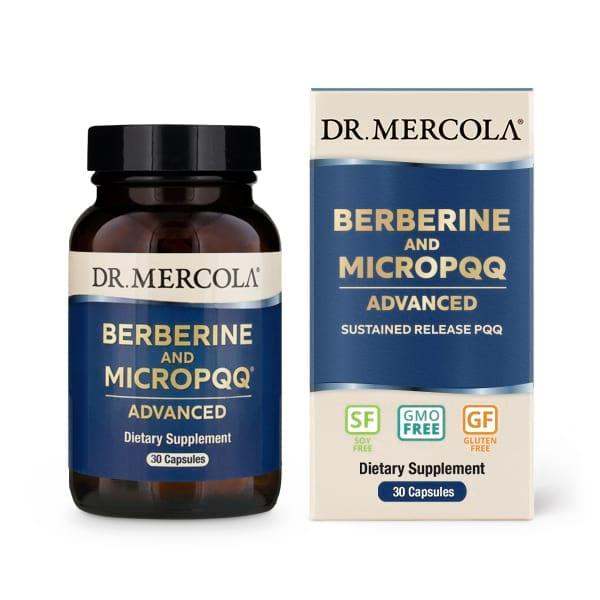
Dr. Mercola Berberine + MicroPQQ Advanced, 30 Day Supply is the premium combination formulation from Dr. Mercola — pairing berberine with MicroPQQ (a microcrystalline form of pyrroloquinoline quinone designed for enhanced absorption). This is a thoughtful combination addressing both AMPK activation (berberine) and mitochondrial biogenesis (PQQ) in a single capsule.
What I like clinically:
- Mechanistically coherent combination. Berberine activates AMPK; PQQ promotes mitochondrial biogenesis. The combination addresses both upstream metabolic regulation (berberine) and downstream mitochondrial function (PQQ) in a single product.
- Premium MicroPQQ form. MicroPQQ is a microcrystalline form designed for enhanced absorption versus standard PQQ.
- Premium Dr. Mercola brand quality. Dr. Mercola products use high-quality ingredients with strong attention to source standardisation.
- Convenient combination format — one bottle covering two complementary mechanisms rather than stacking separate products.
- 30-day pack structured for clean monthly protocol dosing.
The trade-off: Premium pricing reflects the combination formulation and brand positioning. Less single-ingredient flexibility than separate berberine + PQQ products. Less third-party testing transparency than some heritage brands.
Who it's for: Users specifically wanting the berberine + PQQ combination in a single product rather than stacking separate supplements. Users who prefer the Dr. Mercola brand or work with integrative-health practitioners who recommend it.
7. Integrative Therapeutics Berberine Complex, 90 Capsules — Best Practitioner-Grade Metabolic Complex
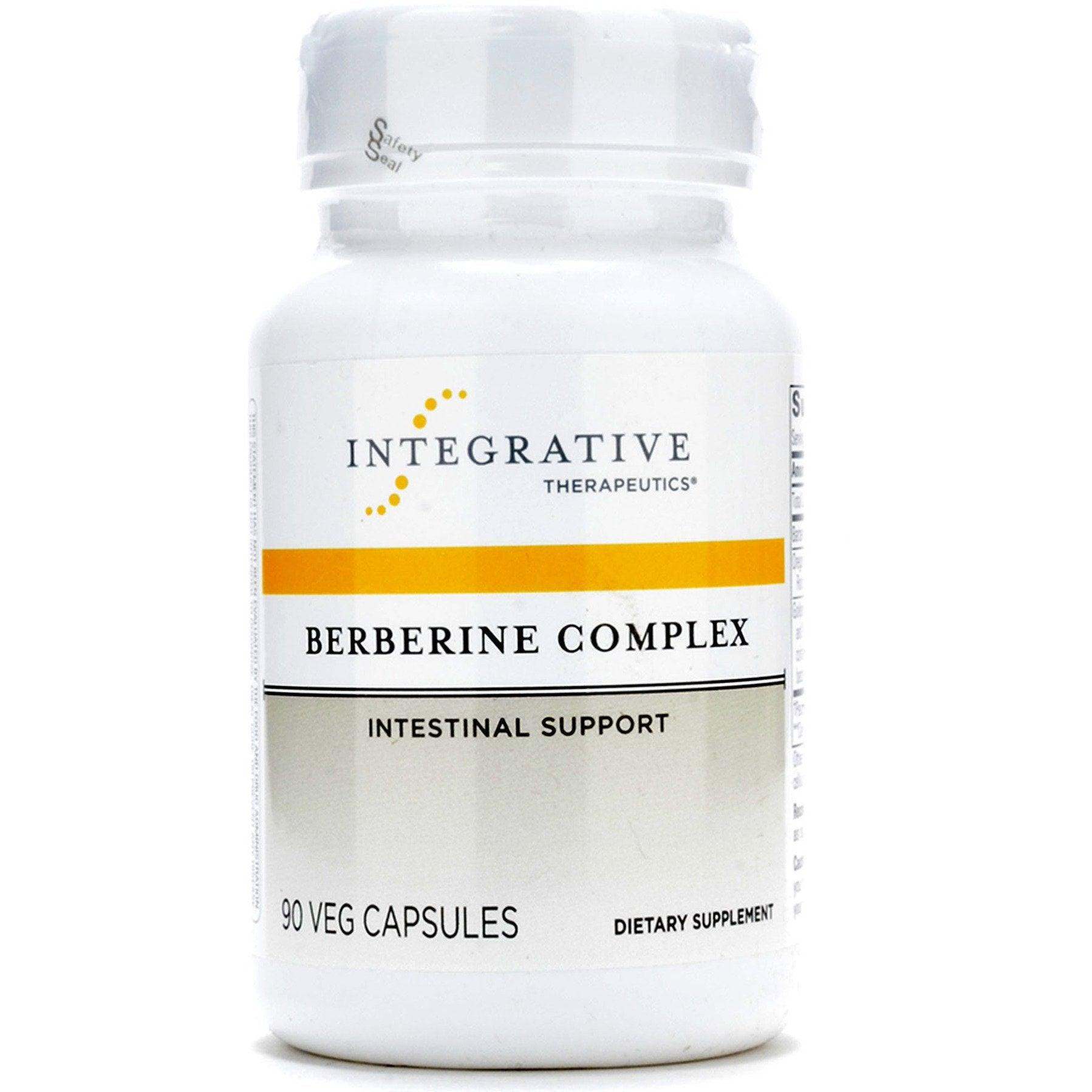
Integrative Therapeutics Berberine Complex, 90 Capsules is the practitioner-grade metabolic complex from Integrative Therapeutics — a long-established practitioner brand widely used in functional medicine and integrative health practice.
What I like clinically:
- Practitioner-grade Integrative Therapeutics quality with consistent third-party testing and clinical endorsement among functional medicine practitioners.
- Comprehensive metabolic complex formulation — combining berberine with complementary metabolic-support ingredients in a thoughtfully formulated practitioner blend.
- 90-capsule pack for sustained 1-3 month protocols depending on dose.
- Strong reputation among integrative medicine clinicians and nutritional therapists.
- Established practitioner-grade quality control standards.
The trade-off: Multi-ingredient formulation means less single-ingredient flexibility — users wanting maximum control over individual berberine dosing should choose a single-ingredient product instead. Premium practitioner-brand pricing.
Who it's for: Users working with a functional medicine practitioner, integrative health practitioner, or nutritional therapist who recommends Integrative Therapeutics brand. Users who prefer single-product convenience over multi-supplement stacking.
8. Enzymedica Berberine, 60 Capsules — Best Digestive-Enzyme Heritage Brand
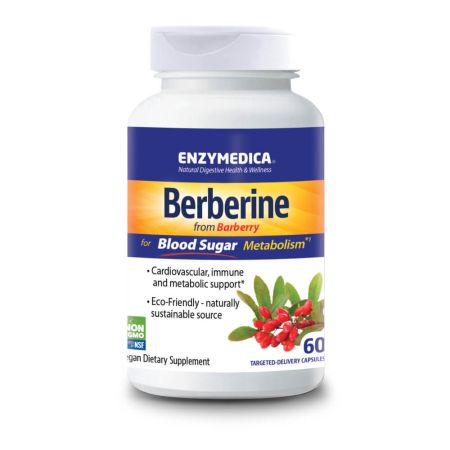
Enzymedica Berberine, 60 Capsules is the option from Enzymedica — a brand best known for its digestive enzyme expertise, which makes them a natural choice for berberine given the gut-microbiome and digestive aspects of berberine's effects.
What I like clinically:
- Heritage Enzymedica brand specialism in gut and digestive health — a logical brand fit for berberine given its gut microbiome modulation effects.
- Single-ingredient transparent formulation.
- 60-capsule pack for a 1-2 month supply at standard dosing.
- Strong manufacturing standards consistent with Enzymedica's brand reputation.
- Established US heritage with consistent customer feedback.
The trade-off: Smaller pack size than the practitioner-grade options. Standard formulation without bioavailability enhancement or prebiotic pairing. Verify current dose strength on product page.
Who it's for: Users who already trust Enzymedica from their digestive enzyme range and want brand consistency for berberine. Users who value brand specialism in gut and digestive health for berberine specifically.
9. Swanson Berberine Complex with Cinnamon, Gymnema, Fenugreek, 90 Vcaps — Best Metabolic Blend with Traditional Botanicals
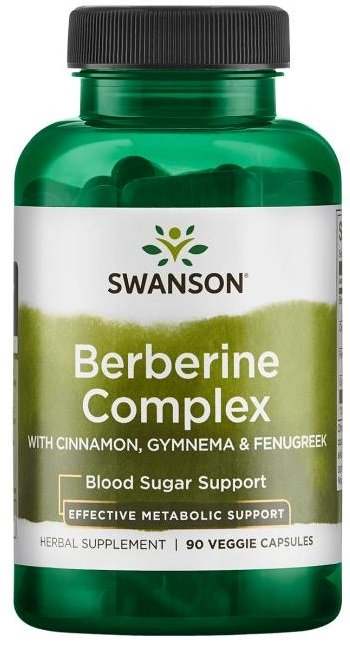
Swanson Berberine Complex with Cinnamon, Gymnema, Fenugreek, 90 Vcaps is Swanson's metabolic blend — combining berberine with three of the most traditionally-used botanicals for blood sugar and metabolic wellness: cinnamon, gymnema sylvestre, and fenugreek.
What I like clinically:
- Mechanistically coherent metabolic blend. Cinnamon (modest blood sugar effects), gymnema (traditionally used for sweet cravings and blood sugar), and fenugreek (insulin sensitivity support) all have their own evidence bases for blood sugar markers — combining with berberine provides multiple complementary mechanisms.
- Heritage Swanson brand with strong third-party testing reputation.
- Vcaps — vegetarian capsule shell.
- 90-capsule pack for sustained protocol dosing.
- Strong value pricing for a multi-ingredient metabolic complex.
The trade-off: Multi-ingredient formulation means individual berberine dose may be lower than pure single-ingredient products at the same total capsule weight. Users wanting maximum berberine dose specifically should choose single-ingredient options.
Who it's for: Users who want a multi-mechanism metabolic blend rather than pure single-ingredient berberine. Users who already trust Swanson from other supplements. Users specifically interested in adding traditional botanicals (cinnamon, gymnema, fenugreek) to their metabolic support routine.
View Swanson Berberine Complex with Cinnamon Gymnema Fenugreek →
10. Applied Nutrition Berberine, 60 Capsules — Best UK Sports Nutrition Value
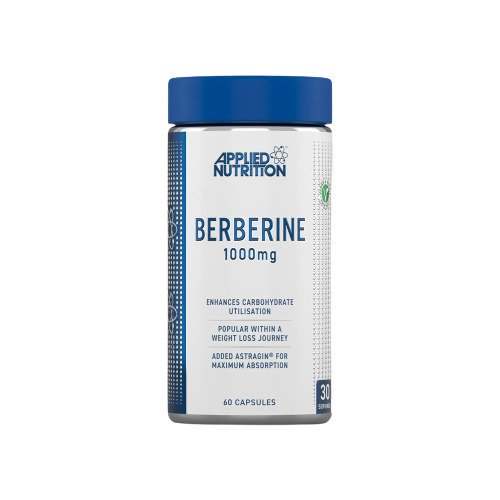
Applied Nutrition Berberine, 60 Capsules is the UK sports nutrition option from Applied Nutrition — a long-established UK sports supplement brand with strong domestic recognition. Applied Nutrition specifically positions berberine for body composition, metabolic wellness, and athletic body recomposition applications.
What I like clinically:
- UK heritage sports nutrition brand with strong domestic supply chain and regulatory familiarity.
- Sports nutrition positioning — specifically targeted at body composition and metabolic wellness alongside training.
- 60-capsule pack at standard sports nutrition pricing.
- UK formulation and supply chain.
- Convenient capsule format for daily integration around training.
The trade-off: Sports nutrition positioning means less specific positioning for clinical or longevity applications compared to practitioner-tier brands. Verify current dose strength on product page.
Who it's for: UK-based athletes and active individuals wanting a domestic sports nutrition brand for berberine. Users specifically valuing UK supply chain. Users who already use other Applied Nutrition products.
Comparison table: the 10 berberine supplements at a glance
| Rank | Product | Form | Dose | Pack | Best For |
|---|---|---|---|---|---|
| 1 | Welzo Ultra Purity Berberine + Inulin | Berberine HCL + Inulin | 1000mg + 10mg | 60 caps | Best overall — clinical 1000mg + prebiotic |
| 2 | Double Wood Berberine | Berberine HCL | Standard | Capsule | Best US third-party tested standard |
| 3 | Double Wood Dihydroberberine | Dihydroberberine | Enhanced bioavailability | 60 caps | Best enhanced-bioavailability form |
| 4 | Klaire Labs Berberine 500mg | Berberine HCL | 500mg | 120 caps | Best practitioner-grade hypoallergenic |
| 5 | Swanson Berberine Advanced | Phytosome berberine | Enhanced absorption | 30 vcaps | Best Phytosome enhanced-absorption |
| 6 | Dr. Mercola Berberine + MicroPQQ | Combination | Premium combination | 30 day | Best berberine + mitochondrial combo |
| 7 | Integrative Therapeutics Berberine Complex | Multi-ingredient | Practitioner blend | 90 caps | Best practitioner metabolic complex |
| 8 | Enzymedica Berberine | Berberine HCL | Standard | 60 caps | Best digestive-enzyme heritage brand |
| 9 | Swanson Berberine + Cinnamon, Gymnema, Fenugreek | Metabolic blend | Multi-botanical | 90 vcaps | Best traditional botanical blend |
| 10 | Applied Nutrition Berberine | Berberine HCL | Standard | 60 caps | Best UK sports nutrition value |
A clinical 12-week berberine protocol
The protocol I recommend in clinical practice for berberine reflects the published clinical-trial dosing structure and the practical reality of how berberine is best taken with food.
Step 1 — Week 0: Baseline assessment
Decide what you want berberine to do for you. The four credible use cases are:
- Blood sugar support (within normal range — for users with elevated baseline fasting glucose or HbA1c, but not as a substitute for diabetes medication).
- Lipid profile support (LDL, total cholesterol, triglycerides).
- Body composition and weight management alongside diet and exercise.
- Metabolic and longevity stack pairing — AMPK pillar in a comprehensive protocol.
Get baseline blood markers — particularly fasting glucose, HbA1c, lipid profile (LDL, HDL, triglycerides, total cholesterol) through the Welzo Cholesterol Blood Test, HbA1c Blood Test, or comprehensive Welzo Full Body MOT Health Check. Document baseline body composition (weight, waist circumference, body fat % if available). Track baseline subjective markers on a simple monthly diary: energy stability after meals, sweet cravings, sleep quality, and any specific symptoms relevant to your goals.
Step 2 — Weeks 1–2: Initiation and tolerability window
Begin with 2 capsules of Welzo Ultra Purity Berberine daily (1000mg total), taken with the largest meal of the day — typically dinner for most users. Berberine works partly through effects on digestion and post-prandial glucose, so meal timing genuinely matters.
Practical timing strategies:
- With dinner — pairs berberine with the day's largest carbohydrate load.
- Split: one capsule with breakfast, one with dinner — maintains daily plasma levels.
- Three times daily (1500mg total) — one capsule with each main meal — full clinical-protocol coverage.
Berberine is generally well-tolerated, but mild gastrointestinal symptoms (loose stools, mild abdominal discomfort, nausea) in the first week are reasonably common. Take with substantial food, stay well-hydrated, and these symptoms typically resolve as the gut microbiome adapts.
Step 3 — Weeks 3–8: Full protocol dosing window
Titrate to clinical-protocol dosing based on your goals:
- Blood sugar focus: 2 capsules twice daily (2000mg total) with breakfast and dinner. This delivers the full clinical-trial-aligned dose.
- Lipid profile focus: 2 capsules twice daily (2000mg total) with breakfast and dinner.
- Body composition focus: 1-2 capsules with each main meal (1500-3000mg total) alongside diet and exercise programme.
- Metabolic stack pairing: 2 capsules daily (1000mg total) as part of your broader longevity stack.
By week 6-8, the early metabolic effects begin to register — improved energy stability after meals, reduced sweet cravings, modest changes in body composition for users on diet/exercise programmes.
Step 4 — Weeks 9–12: Primary measurement window
This is where the published clinical trials register their effects. Repeat baseline blood markers at week 12. Expected effects in clinical-trial populations:
- Fasting glucose: typically 10-20% reduction in elevated baseline subjects.
- HbA1c: typically 0.5-2.0% reduction in subjects with elevated baseline.
- LDL cholesterol: typically 10-25% reduction.
- Triglycerides: typically 15-35% reduction in subjects with elevated baseline.
- Body weight: typically 2-5kg reduction over 12 weeks alongside diet and exercise.
Effects in already-healthy subjects with normal baseline markers will be smaller — berberine's effects scale with baseline elevation.
Step 5 — Week 12 review: Continue, layer, or reassess
Compare against your baseline. Three possible outcomes:
- If improvements are clear and meaningful: continue indefinitely. Berberine is well-suited to long-term daily use, and the safety profile supports sustained supplementation.
- If improvements are modest but real: this is the point to consider layering complementary ingredients. For comprehensive metabolic stack, add NMN Pro 1000 (NAD+ precursor — complementary metabolic mechanism), TMG (methyl donor support, particularly with high-dose NMN), and Spermidine (autophagy induction).
- If there is no perceived change: assess whether the dose was clinical-protocol aligned (1500mg+ daily), whether you took it consistently with main meals, and whether 12 weeks was long enough. Some users require dose increases (up to 2000-2500mg daily) or longer trial windows.
Step 6 — Months 3–12: Long-term measurement
For longer-term endpoints (sustained metabolic improvements, body composition changes, cardiovascular markers), plan a 6-12 month review with follow-up Welzo Full Body MOT Health Check.
Key clinical dosing principles for berberine
- Always take with main meals. Berberine's effects on digestion and post-prandial glucose mean meal timing matters more than for most supplements.
- Split dosing across the day. 500-1000mg twice or three times daily generally outperforms single-daily dosing due to bioavailability characteristics.
- Stay hydrated. Berberine has mild osmotic effects on the gut; adequate water intake reduces GI side effects.
- Don't combine with grapefruit juice. Grapefruit affects CYP450 metabolism in ways that can amplify berberine's effects unpredictably.
- Set a 12-week minimum trial. Most published outcomes require 8-12 weeks of consistent use at clinical-protocol dosing.
- Track objective markers. HbA1c and lipid profile are gold-standard objective markers for berberine response. Subjective markers alone are unreliable.
- One change at a time. Layer one new ingredient at a time so you can attribute changes correctly to the specific intervention.
Safety, contraindications, and the drug interaction question
This section covers the safety considerations every berberine user should know. Berberine has a strong general safety profile, but several specific scenarios warrant careful attention — and the drug interaction profile is genuinely important.
General safety profile
Berberine has a strong general safety profile in healthy adults at supplemental doses. It has been used in traditional medicine for over 3,000 years and has been studied in human trials at doses up to 2000mg daily for periods of 24+ months without serious adverse events. The published clinical-trial literature consistently reports mild and uncommon side effects.
Gastrointestinal effects
The most common side effects — and the main reason some users discontinue berberine — are gastrointestinal:
- Mild diarrhoea or loose stools — particularly in the first 1-2 weeks.
- Mild abdominal discomfort or cramping.
- Nausea — particularly when taken on an empty stomach.
- Constipation in some users (paradoxically opposite to the more common loose stool effect).
These effects are typically:
- Mild and uncommon at standard doses with food.
- More likely at high doses (above 1500mg daily) or when taken without food.
- Usually self-resolving within 1-2 weeks as the gut microbiome adapts.
- Reduced by taking with substantial food and staying well-hydrated.
Drug interactions — the critical safety topic
This is the most important safety consideration with berberine, and the one most popular guides handle poorly.
Berberine is a clinically meaningful inhibitor of CYP450 enzymes — particularly CYP3A4, CYP2D6, and CYP2C9. These are the enzymes that metabolise a substantial proportion of all prescription medications. By inhibiting these enzymes, berberine can increase the blood levels of many prescription drugs, sometimes to clinically meaningful degrees.
The drugs and drug classes with the most clinically relevant interactions:
- Blood sugar lowering medications (metformin, sulfonylureas, insulin, GLP-1 agonists, SGLT2 inhibitors) — combined effects can cause hypoglycaemia. Discuss with your prescriber before combining.
- Statins (simvastatin, atorvastatin, rosuvastatin) — berberine can elevate statin blood levels through CYP3A4 inhibition, increasing risk of muscle-related side effects.
- Calcium channel blockers (amlodipine, nifedipine, diltiazem, verapamil) — significant interaction via CYP3A4.
- Anticoagulants (warfarin, DOACs like apixaban/rivaroxaban) — discuss with your prescriber.
- Antidepressants — particularly SSRIs and tricyclics metabolised by CYP2D6.
- Cyclosporine and tacrolimus (immunosuppressants) — significant interactions.
- Antiretrovirals (HIV medications) — CYP3A4 interactions.
- Some antifungals (ketoconazole, itraconazole).
- Macrolide antibiotics (clarithromycin, erythromycin).
The clinical principle: if you take any prescription medication, discuss berberine with your prescriber or pharmacist before starting. Don't rely on online lists — your prescriber can review your specific medications and provide individualised guidance.
Pregnancy and breastfeeding
Avoid berberine during pregnancy. Berberine can cross the placenta and has been associated with kernicterus risk in newborns through bilirubin displacement. Avoid during breastfeeding for similar reasons — berberine can pass into breast milk.
This is one of the more clinically significant supplement contraindications during pregnancy. Pregnant women should not take berberine.
Diabetes — important nuance
For users with diagnosed type 2 diabetes, berberine has a substantial evidence base — but the decision to add it to your routine should always involve your prescriber. Combined effects with diabetes medications can cause hypoglycaemia, and berberine should never be used as a substitute for prescribed diabetes treatment without medical input.
For users with type 1 diabetes, berberine is generally not recommended — the mechanism is fundamentally different from type 2 diabetes, and the hypoglycaemia risk with insulin therapy is significant.
Liver and kidney impairment
Users with significant liver or kidney impairment should discuss berberine with their specialist before starting — the metabolism and clearance pathways may be affected.
Children
Berberine is not recommended for individuals under 18 years of age. Safety and efficacy in children have not been established, and the bilirubin displacement concern that makes berberine inappropriate in pregnancy is also a consideration in infants and young children.
Other side effects
Less common reported effects include:
- Headache in some users at higher doses.
- Mild fatigue during the first 1-2 weeks of adaptation.
- Constipation (less common than loose stools).
General supplement safety
- Discuss berberine with your healthcare professional or pharmacist before starting — particularly if you take any prescription medication, have any chronic medical condition, are pregnant or breastfeeding, or are managing diabetes.
- Tell your healthcare team about every supplement you take. Berberine's CYP450 interactions make this particularly important.
- Don't use berberine as a substitute for prescribed medication. Berberine is a supplement — not a medication.
- Monitor blood markers. If you're using berberine for blood sugar or lipid endpoints, run baseline and follow-up testing for objective measurement.
- Take a break occasionally if using long-term. Some practitioners recommend periodic 1-2 week breaks every 3 months to maintain sensitivity, although this is not universally agreed.
If you experience severe or unusual symptoms — severe abdominal pain, jaundice, severe palpitations, severe hypoglycaemia symptoms (shakiness, confusion, sweating), allergic reaction — please seek urgent medical assessment.
Frequently asked questions
What is the best berberine supplement?
The best berberine supplement in 2026 is the Welzo Ultra Purity Berberine. It combines a clinically meaningful 1000mg dose of pure Berberine HCL (sourced from Berberis aristata — Indian Barberry, the most-studied source) with 10mg of inulin prebiotic fibre for gut wellness support. It is manufactured in the UK to GMP standards, third-party tested for purity, and fits naturally into the broader Welzo Ultra Purity longevity stack — making it the natural first choice for users wanting clinical-protocol dosing with the gut wellness synergy of prebiotic inulin in a single capsule.
What does berberine actually do?
Berberine is a natural plant alkaloid that primarily works through AMPK (AMP-activated protein kinase) activation — the same "master metabolic switch" pathway activated by exercise, fasting, and the diabetes medication metformin. AMPK activation supports increased glucose uptake by tissues, increased fatty acid oxidation, reduced gluconeogenesis (liver glucose production), reduced lipogenesis (new fat production), improved insulin sensitivity, enhanced mitochondrial function, and autophagy activation. The strongest published evidence supports berberine's effects on (1) blood sugar markers (fasting glucose, HbA1c, post-prandial glucose), (2) lipid profile (LDL, total cholesterol, triglycerides), (3) body composition (weight, BMI, waist circumference alongside diet and exercise), and (4) gut microbiome modulation.
Is berberine the same as metformin?
No — but they share the same primary mechanism (AMPK activation), which is why berberine is often called "nature's metformin" in popular wellness writing. The comparison is mechanistically accurate but requires important caveats: berberine is a supplement, not a medication; it has different bioavailability and dosing characteristics; it has a meaningfully different drug-interaction profile; and it should never be used as a substitute for prescribed diabetes medication without your prescriber's input. Direct head-to-head trials have shown comparable effects on some blood sugar markers in some populations, but berberine and metformin are not interchangeable.
Why does the Welzo Ultra Purity Berberine include inulin?
Berberine's effects on the gut microbiome are increasingly recognised as a major part of its overall benefit profile. Adding 10mg of inulin — a natural prebiotic fibre from chicory root — supports the beneficial gut bacteria that berberine's microbiome modulation favours, providing a more comprehensive gut-wellness approach than pure single-ingredient berberine alone. As Welzo's product information explicitly notes: "This formula is paired with a small amount of inulin — a natural prebiotic fibre from chicory root. It helps support gut wellness alongside the berberine, making this more than just a single-compound supplement." This is the only major UK berberine product combining clinical-strength berberine with prebiotic inulin in a single capsule.
What's the best dose of berberine?
The published clinical-trial dosing range is 900-1500mg daily (typically 500mg three times daily, or 1000mg twice daily). For most endpoints, 1500mg daily is the typical clinical-trial target dose. Doses below 900mg daily are typically sub-therapeutic for most published endpoints — which is why many of the lower-dose 400-500mg single-daily-dose products on the market produce disappointing results. The Welzo Ultra Purity Berberine's 1000mg-per-serving dose places it firmly in the clinical-trial-aligned range; users targeting full clinical-protocol coverage can take it twice daily for 2000mg total.
When should I take berberine?
Take berberine with main meals — particularly the largest meal of the day. Berberine works partly through effects on digestion and post-prandial glucose, so meal timing matters. For maximum effect, split the dose across 2-3 main meals: 1000mg with breakfast and 1000mg with dinner, or 500mg with each of three main meals. Don't take berberine on an empty stomach — gastrointestinal side effects are much more common.
How long does berberine take to work?
For subjective effects (energy stability after meals, reduced sweet cravings): often within 2-4 weeks. For blood sugar and lipid markers: 8-12 weeks of consistent dosing at clinical-protocol levels. For body composition: 12+ weeks alongside diet and exercise. Don't judge effect at week 3 — berberine works gradually through metabolic adaptation, not through immediate symptomatic intervention.
Is berberine safe for long-term use?
Berberine has been studied in human trials for periods up to 24+ months without serious adverse events. The general safety profile supports long-term use, but some practitioners recommend periodic breaks (1-2 weeks every 3 months) to maintain sensitivity. As with any active supplement, periodic review with your healthcare professional is sensible — particularly if you take prescription medication.
Can berberine cause weight loss?
Berberine produces modest but consistent weight reductions in clinical trials — typically 2-5kg over 12 weeks when combined with diet and lifestyle interventions. The mechanism is metabolic (AMPK activation supporting fat oxidation and glucose uptake) rather than appetite suppression. Berberine works alongside diet and exercise — not as a standalone weight-loss intervention. For users with weight management goals, berberine is one of the more evidence-aligned natural compounds available, but it should be part of a broader programme rather than a sole intervention.
Can berberine help with PCOS?
Berberine has accumulated meaningful evidence in PCOS — improvements in insulin sensitivity, lipid profile, and androgen markers in head-to-head trials with metformin. For women with PCOS exploring natural support alongside medical management, berberine is one of the more evidence-aligned natural compounds available. Always discuss with your gynaecologist or specialist before starting.
Why does the Welzo Ultra Purity Berberine rank #1?
Four reasons. First, clinical 1000mg dose of pure Berberine HCL — placing it firmly in the clinical-trial-aligned dosing range, not the under-dosed 400-500mg products that dominate the lower end of the market. Second, Berberis aristata source — the most-studied and most-recognised raw material globally, used in the majority of the published clinical trials. Third, unique inulin pairing for gut wellness synergy — the only major UK berberine product combining clinical-strength berberine with prebiotic inulin in a single capsule, addressing the gut microbiome aspect of berberine's mechanism. Fourth, the Ultra Purity manufacturing standard — every batch tested for identity, potency, and contaminants, no fillers or binders, made in the UK to GMP standards, and coherent stack design with the broader Welzo Ultra Purity longevity range.
What's the difference between Berberine HCL and dihydroberberine?
Berberine HCL is the standard form used in essentially all major published clinical trials. It has the strongest evidence base but limited oral bioavailability — typically requiring split dosing across the day (500mg three times daily) to achieve clinical-trial-aligned plasma levels.
Dihydroberberine is a different chemical form that absorbs more efficiently — research suggests it may be 5x more bioavailable than standard berberine HCL. It is converted to berberine in the body once absorbed. The advantage is lower effective doses and better gastrointestinal tolerance; the trade-off is a smaller individual evidence base than standard berberine HCL.
For users seeking the strongest clinical-trial alignment, standard Berberine HCL at clinical-protocol dosing is the best choice — and this is exactly what the Welzo Ultra Purity Berberine provides. For users with GI tolerance issues or who prefer single-daily dosing, dihydroberberine is a reasonable alternative.
Can I take berberine with other supplements?
Yes — berberine pairs naturally with the broader metabolic and longevity stack. Particularly strong pairings include NMN (complementary metabolic mechanism via NAD+/sirtuin), Spermidine (autophagy synergy), TMG (methyl donor support), and Trans-Resveratrol (sirtuin activation). The Welzo Ultra Purity range includes Berberine alongside all of these compounds from the same brand standard.
Is berberine safe with diabetes medication?
Discuss with your prescriber before combining. Berberine and diabetes medications (metformin, sulfonylureas, insulin, GLP-1 agonists, SGLT2 inhibitors) all lower blood sugar through different mechanisms. Combined effects can cause hypoglycaemia. This combination can be appropriate in some clinical contexts but should always be supervised by your prescriber.
Can pregnant women take berberine?
No — avoid berberine during pregnancy and breastfeeding. Berberine can cross the placenta and has been associated with kernicterus risk in newborns through bilirubin displacement. This is one of the more clinically significant supplement contraindications during pregnancy.
Are berberine supplements worth it?
For users with clear goals — elevated baseline blood sugar markers (within normal range, but trending high), suboptimal lipid profile, weight management goals alongside diet and exercise, gut wellness focus, PCOS support, or comprehensive metabolic-and-longevity stack pairing — yes, the published evidence supports a real chance of measurable improvement after 8-12 weeks of consistent supplementation at clinical-protocol dosing. Get baseline blood markers, run a structured 12-week trial, track objective markers honestly, and judge by your own results rather than generic claims.
Should I take berberine if I'm already taking metformin?
This is a clinical question that should always involve your prescriber. Both berberine and metformin work through AMPK activation, so combined effects can theoretically amplify each other — both for benefit and for risk of hypoglycaemia. Some practitioners use combined berberine and metformin protocols; others prefer to pick one or the other. The decision should always involve your prescriber rather than being made independently.
Final clinical recommendation
Berberine is one of the most clinically credible natural compounds available in 2026 — combining over 3,000 years of traditional use, a well-characterised molecular mechanism (AMPK activation), substantial human clinical-trial evidence across blood sugar, lipid, body composition, and metabolic endpoints, and a strong general tolerability profile. It occupies a unique position in the natural supplement landscape as the AMPK pillar — providing a metabolic mechanism that complements rather than duplicates other longevity compounds.
It is also one of the supplement categories where dose, source, and formulation genuinely matter more than for most supplements. The difference between under-dosed 400-500mg products and clinical-protocol 1000mg+ dosing is the difference between seeing the published outcomes and seeing very little. The drug interaction profile makes prescriber discussion essential for anyone on prescription medication.
Among the berberine products available in 2026, the Welzo Ultra Purity Berberine is the product I now recommend first to my patients. It combines a clinically meaningful 1000mg dose of pure Berberine HCL (sourced from Berberis aristata — the most-studied source globally), 10mg of inulin prebiotic fibre for gut wellness synergy (unique in the UK market), single-ingredient transparent formulation philosophy, and manufactured in the UK to GMP standards with rigorous third-party testing. For users running structured metabolic and longevity protocols, it pairs naturally with the Welzo Ultra Purity NMN Pro 1000, TMG, Trans-Resveratrol, Apigenin, Spermidine, Astaxanthin, PQQ, TUDCA, L-Glutamine, and Pure Bovine Collagen Peptides from the same brand standard.
For users specifically wanting the most-evidenced standard form at premium third-party tested quality, the Double Wood Berberine is the strongest alternative. For users with gastrointestinal tolerance issues with high-dose standard berberine, the Double Wood Dihydroberberine provides an enhanced-bioavailability alternative. For users working with a functional medicine practitioner who recommends practitioner-grade brands, the Klaire Labs Berberine 500mg is the most-recommended practitioner-tier option.
Run an honest 12-week trial at clinical-protocol dosing (1000-2000mg daily, split across main meals). Get baseline and 12-week blood markers — fasting glucose, HbA1c, lipid profile — through the Welzo Cholesterol Blood Test, HbA1c Blood Test, or comprehensive Welzo Full Body MOT Health Check for objective response measurement. Take with main meals. Stay hydrated. Avoid grapefruit juice. And critically: discuss berberine with your healthcare professional or pharmacist before starting if you take any prescription medication, are pregnant or breastfeeding, have diabetes, or are managing any chronic medical condition.
For the broader berberine and metabolic range, see the Welzo Berberine collection, the Welzo Ultra Purity range, the Heart Health Supplements collection, the Energy & Vitality collection, and the Longevity Supplements collection. For complementary metabolic-stack ingredients, see NMN, TMG, Spermidine, and the broader Antioxidants collection.
References and further reading
Foundational mechanism
- Yin J, Xing H, Ye J. (2008). Efficacy of berberine in patients with type 2 diabetes mellitus. Metabolism, 57(5):712–717.
- Kong W, Wei J, Abidi P, et al. (2004). Berberine is a novel cholesterol-lowering drug working through a unique mechanism distinct from statins. Nature Medicine, 10(12):1344–1351.
- Hwang JT, Kwon DY, Yoon SH. (2009). AMP-activated protein kinase: a potential target for the diseases prevention by natural occurring polyphenols. New Biotechnology, 26(1-2):17–22.
Blood sugar and metabolic endpoints
- Lan J, Zhao Y, Dong F, et al. (2015). Meta-analysis of the effect and safety of berberine in the treatment of type 2 diabetes mellitus, hyperlipemia and hypertension. Journal of Ethnopharmacology, 161:69–81.
- Dong H, Wang N, Zhao L, Lu F. (2012). Berberine in the treatment of type 2 diabetes mellitus: a systemic review and meta-analysis. Evidence-Based Complementary and Alternative Medicine, 2012:591654.
Body composition
- Asbaghi O, Ghanbari N, Shekari M, et al. (2020). The effect of berberine supplementation on obesity parameters, inflammation and liver function enzymes: A systematic review and meta-analysis of randomized controlled trials. Complementary Therapies in Medicine, 50:102370.
PCOS
- Wei W, Zhao H, Wang A, et al. (2012). A clinical study on the short-term effect of berberine in comparison to metformin on the metabolic characteristics of women with polycystic ovary syndrome. European Journal of Endocrinology, 166(1):99–105.
Gut microbiome
- Habtemariam S. (2020). Berberine pharmacology and the gut microbiota: A hidden therapeutic link. Pharmacological Research, 155:104722.
Welzo collections referenced
- Welzo Berberine collection: https://welzo.com/collections/berberine
- Welzo Ultra Purity range: https://welzo.com/collections/welzo-ultra-purity-supplements
- Welzo Heart Health Supplements: https://welzo.com/collections/heart-health-supplements
- Welzo Longevity Supplements: https://welzo.com/collections/anti-aging-longevity
About the author
Dr Muhammad Zeeshan Afzal, MBBS | FCPS | MRCP is a practising medical doctor with extensive training and experience in cardiovascular medicine and clinical nutrition. He holds an FCPS degree from the College of Physicians and Surgeons of Pakistan and has successfully completed both Part 1 and Part 2 of the MRCP examinations from the Royal College of Physicians and Surgeons.
Dr Afzal is an independent product reviewer and content creator for Welzo. He is not part of the Welzo medical team. His evaluation methodology prioritises real-world clinical outcomes, label clarity, dosing transparency, and adherence to evidence-based standards.
Through his independent reviewing and content work for Welzo, Dr Afzal is dedicated to helping individuals make informed health decisions based on trusted medical guidance — bridging the gap between clinical research and practical supplement choices.
This article is for general information and is not a substitute for personalised medical advice. Always consult your healthcare professional before starting any new supplement, particularly if you are taking prescription medication (especially blood sugar lowering medications, statins, calcium channel blockers, anticoagulants, or any medication metabolised by CYP3A4/CYP2D6/CYP2C9), are pregnant or breastfeeding, have diagnosed diabetes (type 1 or type 2), or are managing any chronic health condition. Berberine has clinically meaningful drug interactions through CYP450 inhibition. Dr Muhammad Zeeshan Afzal is a practising medical doctor writing in an editorial capacity as an independent product reviewer and content creator for Welzo. He has no commercial affiliation with any of the brands reviewed in this guide.
 Valutazione eccellente da 26,523+ recensioni
 Garanzia di rimborso al 100%