



Your cart is empty
This quantity of item cannot be added to the cart
Continue shopping
TMG Trimethylglycine Supplements
4.8on Trustindex
browsing now
Order before 2pm for same-day dispatch
2766+ orders this week
-
Sale-30%
 Quick view
Welzo Ultra Purity
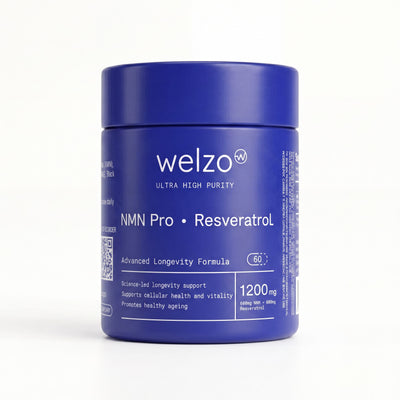
Welzo Ultra Purity Longevity Elite - NMN & Resveratrol & TMG
SupplementsNMN (β-Nicotinamide...£ 34.99£49.99Lowest price in 30 days
UK delivery soon
Order within 2h 14m
In Stock
Authentic 30-day returns 12 viewing -
Sale-6%
 Quick view
NOW Foods
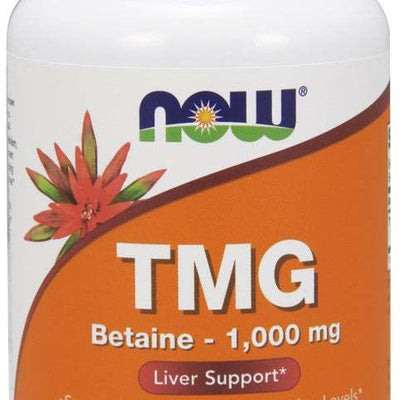
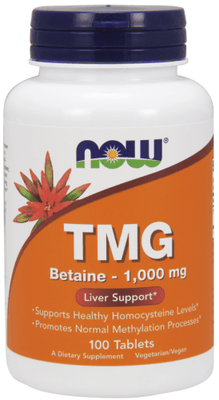
NOW Foods TMG (Trimethylglycine), 1000mg - 100 tablets
Health and WellbeingTrimethylglycine (T...£ 19.89£21.25Lowest price in 30 days
UK delivery soon
Order within 2h 14m
In Stock
Authentic 30-day returns 12 viewing -
Sale-32%
 Quick view
Welzo Ultra Purity
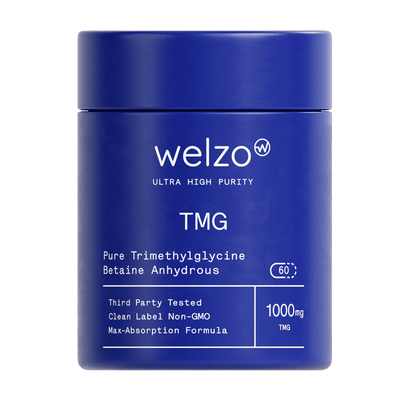
Welzo Ultra Purity TMG
Supplements100% Betaine Anhydr...£ 16.99£24.99Lowest price in 30 days
UK delivery soon
Order within 2h 14m
In Stock
Authentic 30-day returns 12 viewing -
Sale-15%
 Quick view
Life Extension
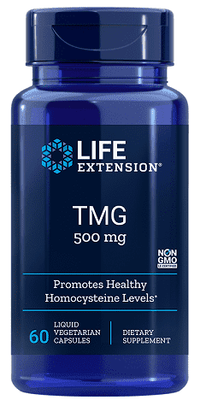
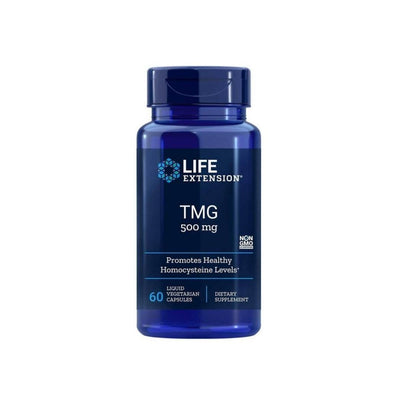
Life Extension TMG, 500mg - 60 liquid vcaps
Health and WellbeingTrimethylglycine (T...£ 11.73£13.82Lowest price in 30 days
UK delivery soon
Order within 2h 14m
In Stock
Authentic 30-day returns 12 viewing -
 Quick view
Now Foods
TMG 1000 mg - 100 Tablet
Supplements£ 24.27UK delivery soon
Order within 2h 14m
In Stock
Authentic 30-day returns 12 viewing -
Sale-6%
 Quick view
Swanson
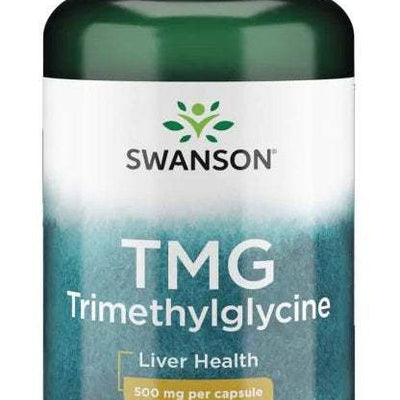
Swanson TMG (Trimethylglycine), 500mg - 90 caps
Special FormulaTMG (Trimethylglyci...£ 8.04£8.51Lowest price in 30 days
UK delivery soon
Order within 2h 14m
In Stock
Authentic 30-day returns 12 viewing -
 Quick view
Life Extension
TMG 500mg (60 capsules) - Life Extension
SupplementsTrimethylglycine (T...£ 17.07UK delivery soon
Order within 2h 14m
In Stock
Authentic 30-day returns 12 viewing -
Sale-9%
 Quick view
Welzo Ultra Purity
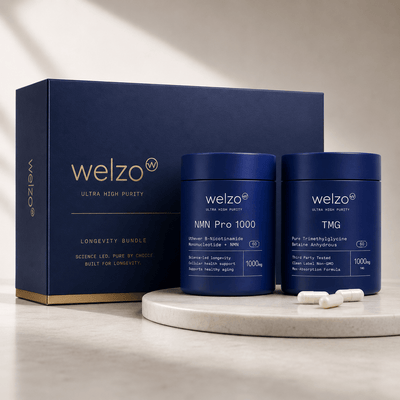
NMN & TMG Welzo Ultra Purity Supplement Stack
Supplementsβ-Nicotinamide Mono...£ 39.99£43.99Lowest price in 30 days
UK delivery soon
Order within 2h 14m
In Stock
Authentic 30-day returns 12 viewing -
 Quick view
Swanson
Swanson TMG Trimethylglycine 500 mg 90 Capsules
SupplementsOther Ingredients -...£ 8.04UK delivery soon
Order within 2h 14m
In Stock
Authentic 30-day returns 12 viewing -
 Quick view
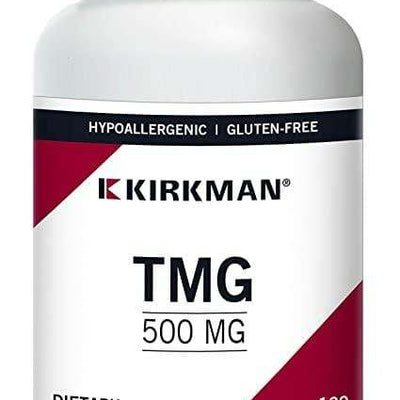
Kirkman Laboratories
TMG 500mg, 120 Capsules - Kirkman Laboratories
SupplementsTrimethylglycine£ 50.85UK delivery soon
Order within 2h 14m
Only 5 left
Authentic 30-day returns 12 viewing -
Sale-19%
 Quick view
Welzo Ultra Purity
Longevity Protocol Stack — NMN Pro 1000 + Trans-Resveratrol + TMG
Supplementsβ-Nicotinamide Mono...£ 55.99£68.99Lowest price in 30 days
UK delivery soon
Order within 2h 14m
In Stock
Authentic 30-day returns 12 viewing -
Sale-22%
 Quick view
Life Extension
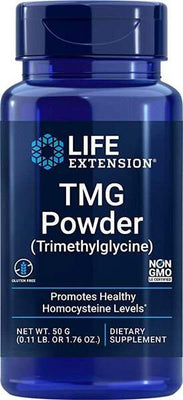
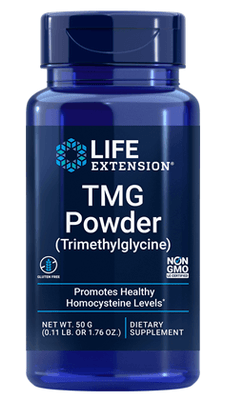
Life Extension TMG, Powder - 50 grams
Health and WellbeingTrimethylglycine (T...£ 11.26£14.39Lowest price in 30 days
UK delivery soon
Order within 2h 14m
In Stock
Authentic 30-day returns 12 viewing -
 Quick view
Kirkman Laboratories
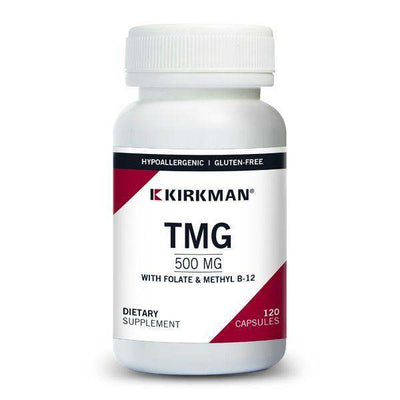
TMG with Folinic Acid and Methyl B12, 500mg, 120 Capsules - Kirkman Laboratories
SupplementsTrimethylglycine£ 50.53UK delivery soon
Order within 2h 14m
Only 3 left
Authentic 30-day returns 12 viewing -
 Quick view
Kirkman Laboratories
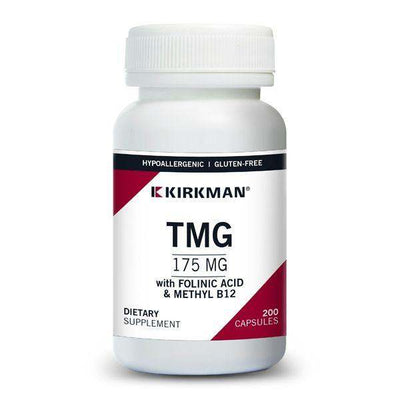
TMG with Folinic Acid and Methyl B12, 175mg, 200 Capsules - Kirkman Laboratories
SupplementsTrimethylglycine£ 45.80UK delivery soon
Order within 2h 14m
Out of stock
Authentic 30-day returns 12 viewing -
 Quick view
Kirkman Laboratories
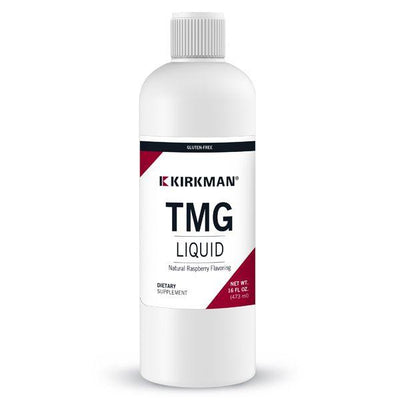
TMG Liquid 480ml - Kirkman Laboratories
SupplementsPurified water‚ sor...£ 60.85UK delivery soon
Order within 2h 14m
In Stock
Authentic 30-day returns 12 viewing -
 Quick view
Kirkman Laboratories
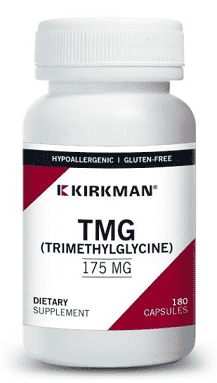
TMG 175mg, 180 Capsules - Kirkman Laboratories
SupplementsTrimethylglycine£ 38.05UK delivery soon
Order within 2h 14m
In Stock
Authentic 30-day returns 12 viewing -
Sale-20%
 Quick view
Welzo Ultra Purity
Welzo Ultra Purity Energy & Focus Stack — NMN + PQQ + TMG
GMP INGREDIENTS WE...£ 52.99£65.99Lowest price in 30 days
UK delivery soon
Order within 2h 14m
In Stock
Authentic 30-day returns 12 viewing -
 Quick view
Life Extension
TMG (Trimethylglycine) powder 50 grams- Life Extension
SupplementsTrimethylglycine (T...£ 16.18UK delivery soon
Order within 2h 14m
In Stock
Authentic 30-day returns 12 viewing
TMG Trimethylglycine Supplements
Trimethylglycine — better known as TMG or betaine anhydrous — is one of the body's primary methyl donors, supporting the conversion of homocysteine into methionine and underpinning hundreds of methylation reactions every second. At Welzo, our TMG supplement range is curated for adults seeking targeted support for methylation, cardiovascular wellbeing, liver function, and athletic performance, with formulations spanning capsules, powders, and stacked combinations alongside NMN supplements, NAD+ precursors, and methylated B vitamins.
What Is TMG (Trimethylglycine)?
Trimethylglycine is a naturally occurring amino acid derivative found in foods such as beetroot, spinach, quinoa, and wheat bran. Structurally, it is a glycine molecule with three attached methyl groups — and it is those methyl groups that give TMG its biological value. As a methyl donor, TMG participates in the methylation cycle: a fundamental biochemical process involved in DNA repair, neurotransmitter production, gene expression, liver detoxification, and the regulation of homocysteine.
TMG is sometimes referred to as betaine anhydrous, and the two terms are used interchangeably in the supplement industry. It should not be confused with betaine HCl, which is a digestive aid used for stomach acid support and serves an entirely different purpose.
Potential Benefits of TMG Supplementation
The evidence base for TMG has expanded substantially over the past two decades, with randomised controlled trials and meta-analyses examining its role across cardiovascular, hepatic, athletic, and methylation-related outcomes. Current research suggests TMG may support:
- Healthy homocysteine levels — A 2013 meta-analysis of randomised controlled trials found that TMG supplementation at doses of around 4 g per day produced consistent reductions in plasma homocysteine, an amino acid associated with cardiovascular risk when elevated. For broader heart support, see our cardiovascular health supplements and blood pressure supplements ranges.
- Methylation cycle function — TMG donates a methyl group via the betaine-homocysteine methyltransferase (BHMT) enzyme, offering a folate- and B12-independent methylation pathway. This may be particularly relevant for individuals with MTHFR gene variants, who often pair TMG with active folate such as Seeking Health Folinic Acid.
- Athletic performance and training volume — Studies using approximately 2.5 g per day have reported modest improvements in repetitions, training volume, and power output in resistance-trained individuals, alongside enhanced cellular hydration via TMG's role as an osmolyte.
- Liver health — TMG has been investigated for its potential role in hepatic lipid metabolism and non-alcoholic fatty liver support, owing to its involvement in phosphatidylcholine synthesis.
- NAD+ and longevity stack support — TMG is widely paired with NMN, NR, and resveratrol because NAD+ metabolism consumes methyl groups; replenishing methyl donors with TMG is a strategy popularised by longevity researchers including Dr David Sinclair, whose protocol we cover in detail here. Browse complementary options across our anti-aging and longevity supplements collection.
Who Might Consider TMG?
TMG is most commonly used by adults who:
- Have elevated homocysteine identified through a blood test, or who carry MTHFR or related methylation gene variants and want a non-folate methylation pathway. Pre-formulated methylation complexes such as Seeking Health HomocysteX Plus are often used alongside TMG for a fuller protocol.
- Take NMN, NR, or other NAD+ precursors and want to offset increased methyl group demand — for example, alongside Welzo NMN Pro 1000 or the Welzo NMN Complex, which already includes 600 mg of TMG per serving.
- Train resistance or strength sports and want to explore betaine's evidence-based ergogenic profile.
- Follow a longevity-focused supplement protocol alongside methylated B vitamins, omega-3, and creatine. Background reading is available in our guide on how to increase NMN naturally and our overview of whether NAD supplements can really help with anti-aging.
TMG Dosage Guidance
Typical TMG dosages used in published research range from 500 mg to 6 g daily, with the optimal amount depending on the intended outcome. Performance research generally uses 2.5–3 g per day, while studies targeting homocysteine reduction more commonly use 4–6 g per day. Higher doses (around 6 g daily) have been associated in some trials with increases in LDL cholesterol and triglycerides, so periodic lipid monitoring is sensible at the upper end of the range.
Always follow the directions on the individual product label, and consult a qualified healthcare professional before starting TMG if you are pregnant, breastfeeding, taking prescription medication, or managing a long-term condition. Welzo's clinical team can be reached through our customer support if you have product-specific questions.
How TMG Compares to Related Supplements
TMG is frequently compared to choline, SAMe, methylfolate, and DMG (dimethylglycine). While each plays a role in methylation, they are not interchangeable: TMG is a direct methyl donor via BHMT, SAMe is the universal methyl donor itself, methylfolate feeds the alternative methionine synthase pathway, and DMG is a downstream metabolite of TMG that does not donate methyl groups in the same way. For most adults supporting general methylation or homocysteine, TMG offers a cost-effective, well-tolerated entry point. Adjacent supplements often stacked with TMG include Coenzyme Q10 (CoQ10) for mitochondrial support, taurine for cardiovascular and electrolyte balance, and curated longevity ranges such as ProHealth Longevity and Life Extension.
Why Buy TMG Supplements From Welzo
Welzo is a UK-based health and pharmacy marketplace operating under the Harley Medic Group, with prescription services delivered via our GPhC-registered pharmacy SimplyMeds Online. Our TMG collection is selected with the following standards in mind:
- Purity and testing — We prioritise brands that publish certificates of analysis and third-party purity testing for heavy metals and identity.
- Clinically relevant dosing — Products in this range deliver doses aligned with the published research, not under-dosed proprietary blends.
- Transparent labelling — Clear ingredient lists, no unnecessary fillers, and honest excipient disclosure.
- UK fulfilment — Fast, tracked dispatch from our UK warehouse, with options for next-day delivery.
- Expert support — Our pharmacy and clinical team is available to answer product questions, and our Welzo.AI assistant can help you compare options across our methylation, longevity, and cardiovascular ranges.
Frequently Asked Questions About TMG
Is TMG the same as betaine?
Yes — TMG (trimethylglycine) and betaine anhydrous refer to the same compound. It is distinct from betaine HCl, which is a digestive supplement.
Can I take TMG with NMN?
Yes, and many longevity protocols do exactly that. NMN supplementation increases methyl group consumption during NAD+ metabolism, and TMG is commonly used to replenish methyl donors as a precaution. For doctor-reviewed product comparisons, see our guide to the best NMN supplements of 2026.
When is the best time to take TMG?
TMG can be taken with or without food. Many users take it in the morning alongside a methylated B-complex, or split doses across the day if using higher amounts. Follow the specific product label for guidance.
Are there side effects?
TMG is generally well tolerated. Some people report mild gastrointestinal effects at higher doses, and a characteristic fishy odour is normal — it is a feature of authentic TMG, not a quality issue. As noted above, doses around 6 g per day have been associated with raised LDL cholesterol in some trials, so monitoring may be appropriate at high intakes.
Is TMG suitable for vegans?
Most TMG raw material is derived from sugar beet, making it suitable for vegan and vegetarian diets, though always check the capsule shell and excipients on the individual product page.
The information on this page is for educational purposes only and is not intended as medical advice, diagnosis, or treatment. Always speak with a qualified healthcare professional before starting any new supplement, particularly if you are pregnant, nursing, taking prescription medication, or managing a medical condition.
 Rated Excellent by 28,951+ Reviews
 100% Money Back Guarantee