
Best Zinc Supplements
Posted on:
Feb 09, 2026
Authored by


Zinc is an essential mineral involved in hundreds of enzyme reactions that keep everyday wellness on track — from normal immune function and protein synthesis to skin integrity, wound healing, and DNA synthesis. It’s also a “threshold nutrient”: if your intake is consistently low, you’re more likely to notice issues (like frequent minor infections, slower recovery, or changes in skin and hair quality).
This guide focuses on the best zinc supplements available in the UK for general wellness, selected from the Zinc collection and reviewed using practical criteria: well-studied zinc forms, sensible daily doses, label clarity, and suitability for long-term use. Where relevant, we also reference broader micronutrient planning — because zinc works best when it fits into your overall Minerals intake rather than being stacked randomly.
Zinc supplements provide elemental zinc (typically measured in milligrams) in a specific “salt” or chelated form such as zinc picolinate, zinc bisglycinate, zinc citrate, zinc gluconate, or zinc monomethionine. The form matters because it can influence tolerability and absorption — especially if you’re taking zinc with food, alongside other minerals, or as part of a broader wellness routine.
Most general-wellness zinc supplements are designed for daily support rather than short-term “mega-dosing.” In practice, many people choose zinc when they want a simple, evidence-aligned micronutrient to support normal immune function, skin integrity, and recovery from everyday stressors.
Zinc is commonly used to support normal immune function, normal skin health, and normal cognitive function — but the real-world reason many people add zinc is simpler: to reduce the chance that borderline intake becomes a limiting factor. Zinc needs can be higher in certain dietary patterns (e.g., low intake of meat/seafood), during periods of high training load, or when appetite is low.
Two practical points matter for “general wellness” zinc use:

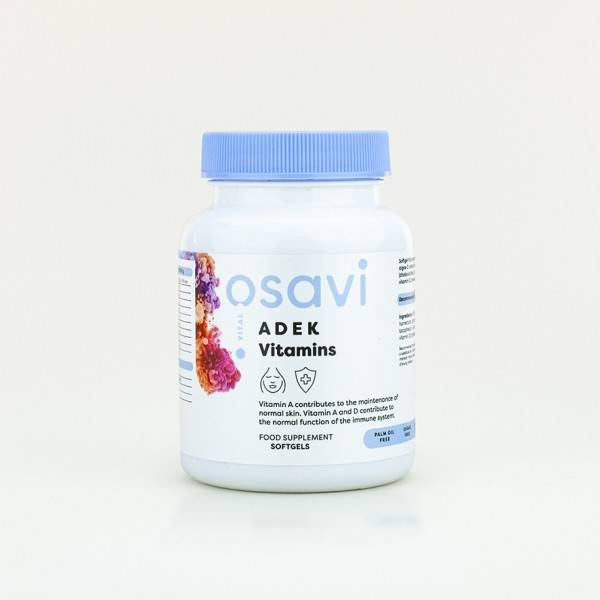
Why it has been selected: Chosen as the best overall for general wellness because it combines zinc with copper, supporting long-term mineral balance for routine users.
Product description: A practical daily formula designed for consistent use, especially useful if you expect to take zinc most days rather than as a short course.
Product reviews: Reviews commonly highlight ease of use and the “balanced” approach versus zinc-only formulas.
Price: £8.77
Where to buy: Available from Welzo.
Pros: Zinc + copper balance; simple daily routine; good value.
Cons: Not ideal if you already take copper elsewhere.
How to use: Typically 1 capsule daily with food (follow label directions).
Editor’s comments: If you want one zinc supplement for steady, low-friction wellness support, this is the sensible default.

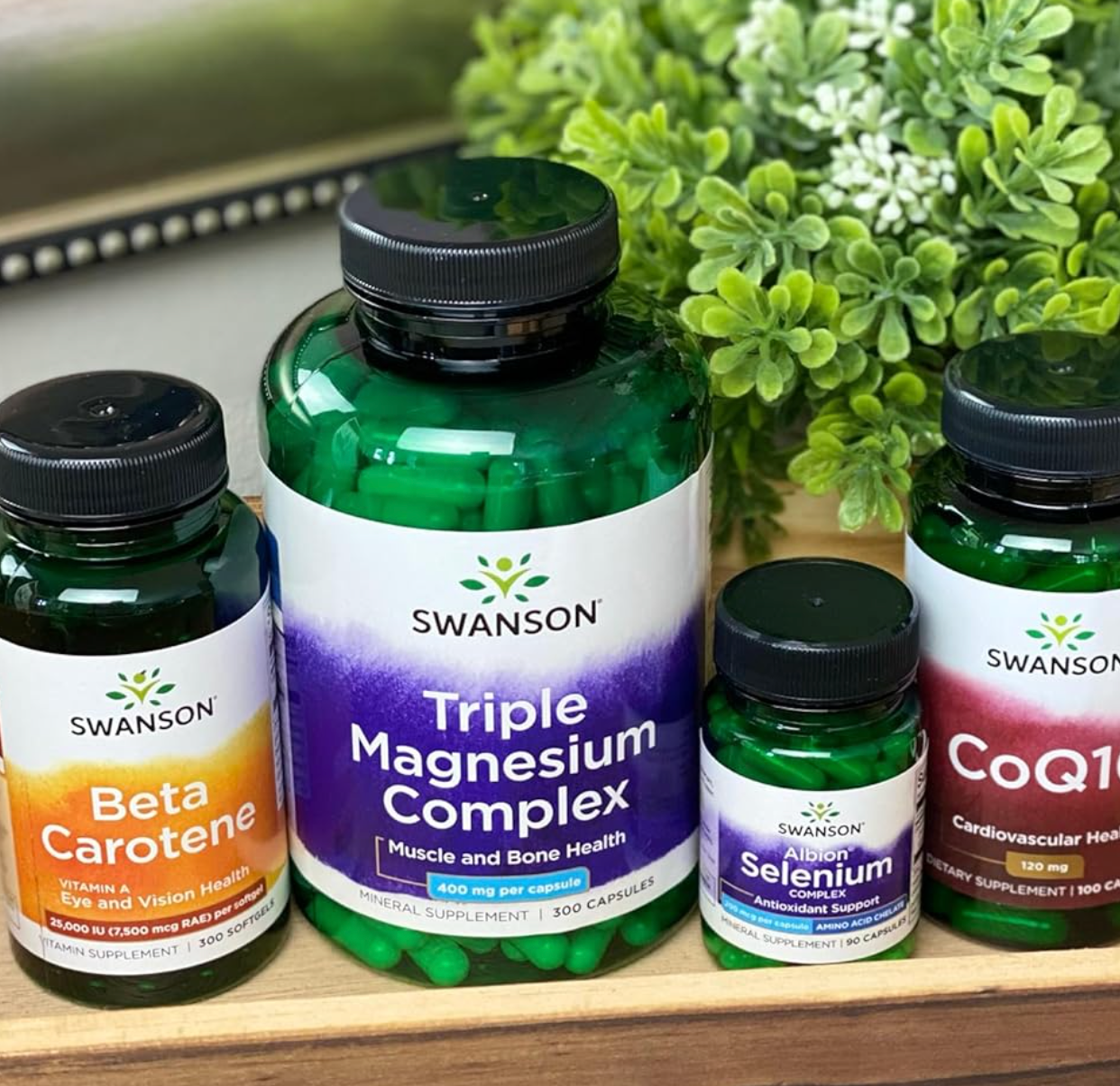
Why it has been selected: Selected for brand trust, clean formulation, and a chelated form commonly chosen for tolerability. Thorne is known for its premium supplements backed by research and quality standards.
Product description: Zinc bisglycinate is a chelated form designed to be gentle and well absorbed as part of a daily routine.
Product reviews: Users frequently mention “premium quality” and consistent experience across bottles.
Price: £17.66
Where to buy: Available from Welzo.
Pros: Premium brand; chelated form; strong everyday choice for many adults.
Cons: Higher cost; 30 mg may be more than some people need daily long-term.
How to use: Often taken with a meal to reduce nausea risk (follow label).
Editor’s comments: Great pick if you care about brand reputation and prefer chelated minerals — just be mindful of total daily zinc from all sources.

Why it has been selected: Chosen for value-per-serving, a sensible mid-range dose, and a widely recognised UK supplement brand. Lamberts is a trusted name in UK-made vitamins and supplements, known for transparency and clinical relevance.
Product description: Straightforward zinc tablet suited to long-term routine use, especially for people who want a simple, no-fuss option.
Product reviews: Reviews often highlight reliability and value for money.
Price: £8.36
Where to buy: Available from Welzo.
Pros: Excellent value; practical daily dose; trusted UK brand.
Cons: Tablet format may not suit everyone.
How to use: Typically 1 tablet daily with food (follow label).
Editor’s comments: One of the most practical picks if you want a dependable, affordable zinc for everyday wellness.

Why it has been selected: Selected for affordability while still using a well-known zinc form.
Product description: Zinc picolinate is widely used in supplements and is often chosen as a cost-effective way to maintain intake.
Product reviews: Reviews typically mention value and ease of adding to a routine.
Price: £3.49
Where to buy: Available from Welzo.
Pros: Very low cost; convenient capsule format.
Cons: Not “balanced” with copper; may not be the best option for long-term high-frequency use in higher-dose stacks.
How to use: Usually taken once daily with food (follow label).
Editor’s comments: The best “cheap and solid” option — ideal if you’re budget-conscious and keeping your overall stack simple.

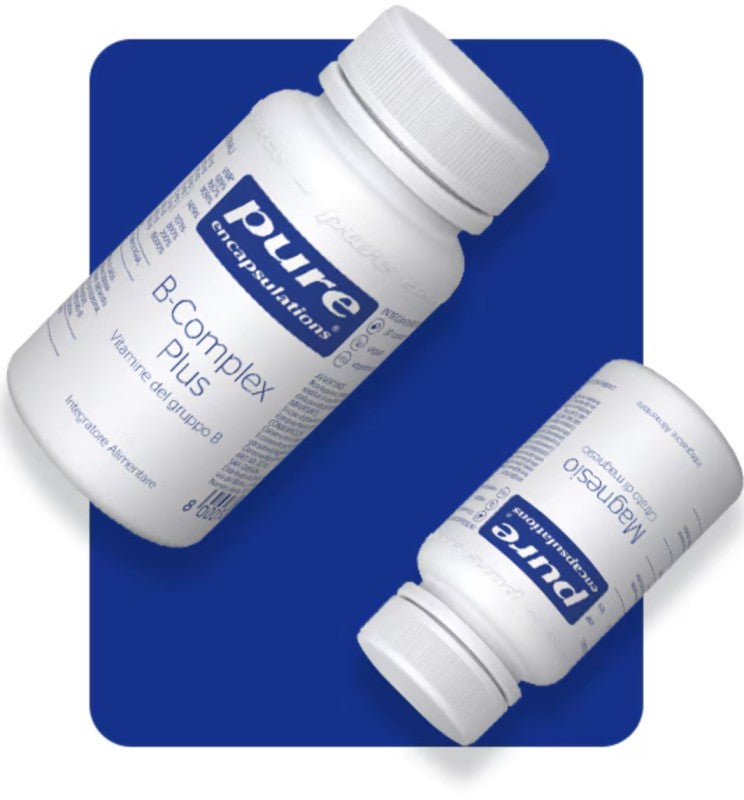
Why it has been selected: Selected for those who want a more conservative daily dose — useful if you already get zinc from diet, a multivitamin, or fortified foods.
Product description: A minimalist approach to zinc supplementation, focused on routine support without pushing dose too high.
Product reviews: Reviews commonly highlight label simplicity and suitability for sensitive users.
Price: £22.74
Where to buy: Available from Welzo.
Pros: Conservative dose; clean formulation; good for long-term planning.
Cons: Premium price for a lower-dose product.
How to use: Often 1 capsule daily with meals (follow label).
Editor’s comments: Ideal if your goal is “don’t let zinc run low” rather than “high-dose zinc.”

Why it has been selected: Chosen for those who prefer softgels and want a chelated form often associated with better tolerability.
Product description: Zinc glycinate is a chelated zinc form; softgels can be easier for some people than tablets.
Product reviews: Reviews often mention convenience and consistent use.
Price: £8.27
Where to buy: Available from Welzo.
Pros: Great value; softgel format; chelated form.
Cons: 30 mg may be more than needed for some people daily, long-term.
How to use: Commonly taken with food (follow label).
Editor’s comments: A strong option if you want value + chelated zinc, and you’re comfortable with a 30 mg dose.

Why it has been selected: Selected as the specialist option when people want zinc in a carnosine complex, commonly used in gut-focused routines.
Product description: Zinc carnosine is used differently than standard zinc (often as part of a targeted gut approach rather than general daily zinc intake alone).
Product reviews: Reviews frequently discuss it in the context of stomach comfort and gut routines.
Price: £35.10
Where to buy: Available from Welzo.
Pros: Specialist use-case; popular in gut-focused protocols.
Cons: Higher price; not necessary for general wellness unless gut support is a clear goal.
How to use: Follow label or clinician guidance.
Editor’s comments: Best reserved for people who specifically want zinc carnosine — not the default “daily zinc” for everyone.
| Top Pick Category | Product | Zinc Form | Elemental Zinc (per serving) | Includes Copper? | Format | Best For | Key Notes |
|---|---|---|---|---|---|---|---|
| Best Overall Everyday Balance | Osavi Zinc + Copper (60 Capsules) | Varies by label (commonly citrate/picolinate/bisglycinate) | Check label | Yes | Capsules | Daily zinc use where copper balance matters | Good “set-and-forget” option if you’re taking zinc most days for general wellness |
| Best Premium Chelate | Thorne Zinc Bisglycinate 30 mg (60 Caps) | Bisglycinate (chelated) | 30 mg | No (typically) | Capsules | Premium, well-tolerated chelated zinc | Strong choice if you want a high-quality chelate and already manage copper elsewhere |
| Best Value Tablet | Lamberts Zinc 25 mg (120 Tablets) | Varies by label (commonly citrate/gluconate) | 25 mg | No (typically) | Tablets | Long-term value and straightforward dosing | Best when you want a known UK brand and prefer tablets for cost per dose |
| Best Budget-Friendly | Swanson Zinc Picolinate 22 mg (60 Caps) | Picolinate | 22 mg | No (typically) | Capsules | Affordable zinc with a well-known form | Great entry option if you want a single-ingredient zinc at a lower price point |
| Best Lower-Dose Everyday Option | Pure Encapsulations Zinc 15 (60 Capsules) | Varies by label (often picolinate/citrate) | 15 mg | No (typically) | Capsules | Gentler daily use, sensitive users | Ideal if you want zinc support without pushing higher doses daily |
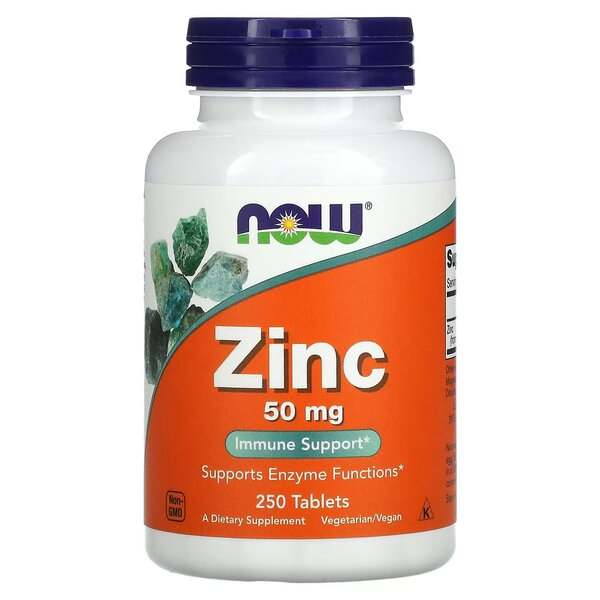
| Best Softgel Format | NOW Zinc Glycinate 30 mg (120 Softgels) | Glycinate (chelated) | 30 mg | No (typically) | Softgels | People who prefer softgels over tablets/capsules | Convenient format for consistency; good if standard tablets are hard to take |
| Best Gut-Focused Add-On | Seeking Health Zinc Carnosine (120 Capsules) | Zinc carnosine complex | Varies by label (often 15–16 mg zinc equivalent per serving) | No | Capsules | Gut lining / stomach comfort-focused protocols | More “targeted” than standard zinc—best as a specific add-on rather than a generic daily zinc |
For UK dietary guidance, adult Reference Nutrient Intakes (RNI) for zinc are commonly listed as 9.5 mg/day for men and 7 mg/day for women. If you supplement, your goal is usually to cover gaps — not to megadose indefinitely.
Low zinc intake can be difficult to spot because symptoms overlap with many other issues. People commonly associate low zinc status with:
If symptoms are persistent, it’s best to consider medical evaluation rather than self-diagnosis — especially if hair loss is sudden, patchy, or accompanied by fatigue or weight change.
Zinc is generally safe at nutritional doses. Side effects are most often linked to dose and timing.
Zinc works best as part of an overall mineral strategy. For example, magnesium supports energy metabolism and muscle function, while iron status can influence fatigue and hair shedding. Zinc is often the “everyday immune + skin” mineral, but it shouldn’t be taken in isolation from total micronutrient intake — which is why it’s worth checking your overall Minerals routine.
“Calcium is involved in many body processes, including the development and maintenance of bone and teeth, muscle contraction, nerve transmission, and hormonal secretion.”
— National Institutes of Health (NIH) Office of Dietary Supplements — Calcium Fact Sheet
This foundational reference explains why calcium isn’t just about “bones,” but supports many everyday functions in the body.
https://ods.od.nih.gov/factsheets/Calcium-Consumer/
“Most adults need about 700 mg of calcium each day.”
— NHS (UK)
This is the common UK reference intake used by public health professionals to determine how much calcium people typically need from food and supplements.
https://www.nhs.uk/conditions/vitamins-and-minerals/calcium/
“Vitamin D contributes to the normal absorption/utilisation of calcium and the maintenance of normal blood calcium levels.”
— European Food Safety Authority (EFSA) (authorised health claim for vitamin D + calcium)
This regulatory claim underpins why many calcium supplements include vitamin D — because it supports how calcium is absorbed and used in the body.
https://www.efsa.europa.eu/en/efsajournal/pub/3418
“Magnesium contributes to the maintenance of normal bones and normal muscle function.”
— European Food Safety Authority (EFSA) authorised health claim
Because magnesium and calcium interact in the body, this supports the rationale for combined calcium/magnesium supplements.
https://www.efsa.europa.eu/en/efsajournal/pub/3416
“Calcium is best obtained from diet where possible, including milk, yoghurt, cheese, sardines (with bones), fortified foods, tofu, and leafy greens.”
— NIH Office of Dietary Supplements (Calcium Fact Sheet)
This overview helps users understand when food alone can meet needs and when supplements are useful.
https://ods.od.nih.gov/factsheets/Calcium-Consumer/
“Regular physical activity, a balanced diet that includes adequate calcium and vitamin D, and avoidance of smoking and excessive alcohol help reduce the rate of bone loss with age.”
— World Health Organization (WHO) Healthy Diet Fact Sheet
This WHO summary provides lifestyle context — showing supplements are one part of a broader approach to bone wellness.
https://www.who.int/news-room/fact-sheets/detail/healthy-diet
“High supplemental calcium intakes may interfere with the absorption of other minerals such as iron and zinc, and can contribute to gastrointestinal symptoms like constipation.”
— Harvard T.H. Chan School of Public Health — Calcium overview
This evidence helps users understand why the calcium dose and context (diet + other minerals) matters for safety.
https://www.hsph.harvard.edu/nutritionsource/vitamins/calcium/
For most people, a balanced daily option like zinc + copper is a strong choice for long-term use. If you want a premium chelated zinc, bisglycinate/glycinate formulas are popular.
UK adult RNI values are commonly listed as 9.5 mg/day for men and 7 mg/day for women. Supplement doses are often higher than dietary needs, so consider your total zinc intake from all sources.
You can, but daily use is best kept to sensible doses — especially if you plan to use zinc long term. If you’re using higher-dose zinc daily, consider mineral balance (including copper) and overall diet quality.
All are used widely. Chelated forms like bisglycinate/glycinate are often chosen for tolerability, while picolinate and citrate are common, practical options.
Zinc contributes to normal immune function, which is why it’s commonly used as part of general wellness routines—especially when dietary intake may be inconsistent.
Zinc supports normal skin health and wound healing, but results depend on whether zinc intake was a limiting factor in the first place.
Zinc supports normal hair and skin maintenance indirectly, but supplements won’t override genetics or medical hair-loss conditions. If hair shedding is sudden or persistent, consider clinical evaluation.
Yes — especially if taken on an empty stomach. Taking zinc with food often improves tolerability.
If you plan to take zinc regularly for months, a zinc + copper product can be a sensible way to support mineral balance. If you take copper elsewhere, avoid doubling up.
Yes, but some people prefer separating minerals across the day for tolerability and routine simplicity.
Zinc can affect the absorption of some antibiotics and other medicines. If you’re on prescription meds, check with a pharmacist about spacing and suitability.
30 mg is a common supplement dose, but it may be more than some people need daily, long-term—especially if you also get zinc from a multivitamin or fortified foods.
It depends on the goal. If you were low in zinc, you may notice changes over weeks (not days). For general wellness, it’s usually a “consistency” nutrient rather than an immediate-effect supplement.
Many zinc supplements are vegan-friendly, but check the capsule type (gelatin vs vegetarian). Vegan diets can be higher-risk for low zinc intake depending on food choices.
Not always necessary for general use, but if you have persistent symptoms, complex health issues, or you’re planning higher-dose long-term supplementation, testing and professional guidance can help.
 Valutazione eccellente da 28,951+ recensioni
 Garanzia di rimborso al 100%
La nostra garanzia di rimborso ti assicura di ricevere i tuoi articoli o di ottenere un rimborso completo.