Related products






Stomach Ulcers: What Helps and What to Avoid
Posted on:
Aug 05, 2026
Authored by


Written and medically reviewed by Dr Zeeshan Afzal (MBBS) — Medical Doctor & Medical Content Lead, Welzo
Evidence-based · Aligned with NHS and international gastroenterology guidance
Last updated: January 2026 · Reading time: ~15 minutes
A stomach ulcer is an open sore in the lining of the stomach — one form of what doctors call peptic ulcer disease, and one of the more serious problems in digestive health. Unlike simple inflammation, an ulcer is an actual break in the protective lining, which is why it can cause persistent pain and, if ignored, serious complications — and why no gut health supplement can treat one on its own. The reassuring news is that most stomach ulcers heal completely once the cause is treated, and understanding what helps them heal — and what to avoid — puts you firmly on the front foot.
This doctor-reviewed guide explains what stomach ulcers are, what actually causes them (spoiler: not spicy food or stress alone), how they're diagnosed, and — as the title promises — a clear, practical breakdown of what helps recovery and what to steer clear of. Throughout, the emphasis is on proper medical treatment, with diet and supplements playing a genuine but supporting role.
The short version: Stomach ulcers are usually caused by H. pylori infection or anti-inflammatory painkillers (NSAIDs) — not by spicy food or stress. What helps: treating the cause, acid-suppressing medication to heal the lining, a gentle diet and supportive supplements. What to avoid: NSAIDs, smoking, excess alcohol and self-treating. Explore Welzo's gut health range, and always see a doctor for a suspected ulcer.

Table of contents
A stomach (gastric) ulcer is a defect in the stomach lining that penetrates through its protective surface layers, exposing the deeper tissue to acid and digestive enzymes. When a similar sore forms in the first part of the small intestine it's called a duodenal ulcer; together these are known as peptic ulcers. An ulcer is deeper and more defined than the surface inflammation of gastritis, which is why it can cause more focused pain and carries a risk of bleeding.
Ulcers develop when the balance tips between aggressive factors — chiefly stomach acid — and the lining's natural defences of mucus, bicarbonate and healthy blood flow. Anything that weakens those defences, such as infection or certain medicines, allows acid to injure the wall and form an ulcer. Crucially, this means ulcers have identifiable causes that can be treated, rather than being an inevitable consequence of a "bad stomach".
For decades ulcers were wrongly blamed on stress, spicy food and too much acid. The science is now clear: the two dominant causes are infection and painkillers.
The myths worth retiring: everyday stress and spicy food do not cause stomach ulcers. They may aggravate the symptoms of an existing ulcer in some people, but they are not the underlying problem — which is why chasing symptoms with dietary tweaks while ignoring H. pylori or NSAID use misses the point.

The classic symptom is a burning or gnawing pain in the upper abdomen, often felt between the breastbone and the navel. The timing can offer clues: gastric ulcer pain is sometimes worse shortly after eating, while duodenal ulcer pain may ease with food and flare when the stomach is empty, including at night. Other common symptoms include:
Importantly, some ulcers cause few or no symptoms until a complication develops, which is why the warning signs in the red-flag section below matter so much. Any suspected ulcer — particularly one that isn't settling — should be assessed by a doctor rather than managed indefinitely with over-the-counter remedies.
Because ulcer symptoms overlap with reflux and other conditions, diagnosis usually involves looking directly and finding the cause. The main steps are:
Endoscopy is the key test because it does several jobs at once: it confirms the ulcer, distinguishes a gastric ulcer from a duodenal one, allows biopsies, and — for gastric ulcers in particular — helps exclude the small possibility of a more serious cause. This is why doctors are careful not to simply treat "indigestion" indefinitely without ever looking, especially in older adults or anyone with warning symptoms. If your GP suspects an ulcer, being referred for endoscopy is a normal and reassuring step rather than a cause for alarm, and it ensures the right treatment is matched to the right diagnosis.
The prognosis for stomach ulcers is excellent once the cause is addressed. Treatment has two arms: removing the cause, and giving the lining the conditions it needs to heal.
If H. pylori is present, a course of antibiotics combined with acid suppression (eradication therapy) clears the infection and allows healing. If NSAIDs are responsible, stopping them — or switching to a safer alternative with stomach protection — is central. Alongside this, a proton pump inhibitor (PPI) powerfully lowers stomach acid and is the mainstay for healing the ulcer, usually taken for several weeks; gastric ulcers may need a longer course and a repeat endoscopy. Understanding long-term acid-suppression is useful here — see our note on omeprazole and long-term use.
No specific diet heals an ulcer, but gentle eating supports comfort and recovery: smaller, regular meals, plenty of vegetables and fibre, and avoiding your personal triggers. A few supplements have a supporting role, used sensibly and ideally with professional advice:
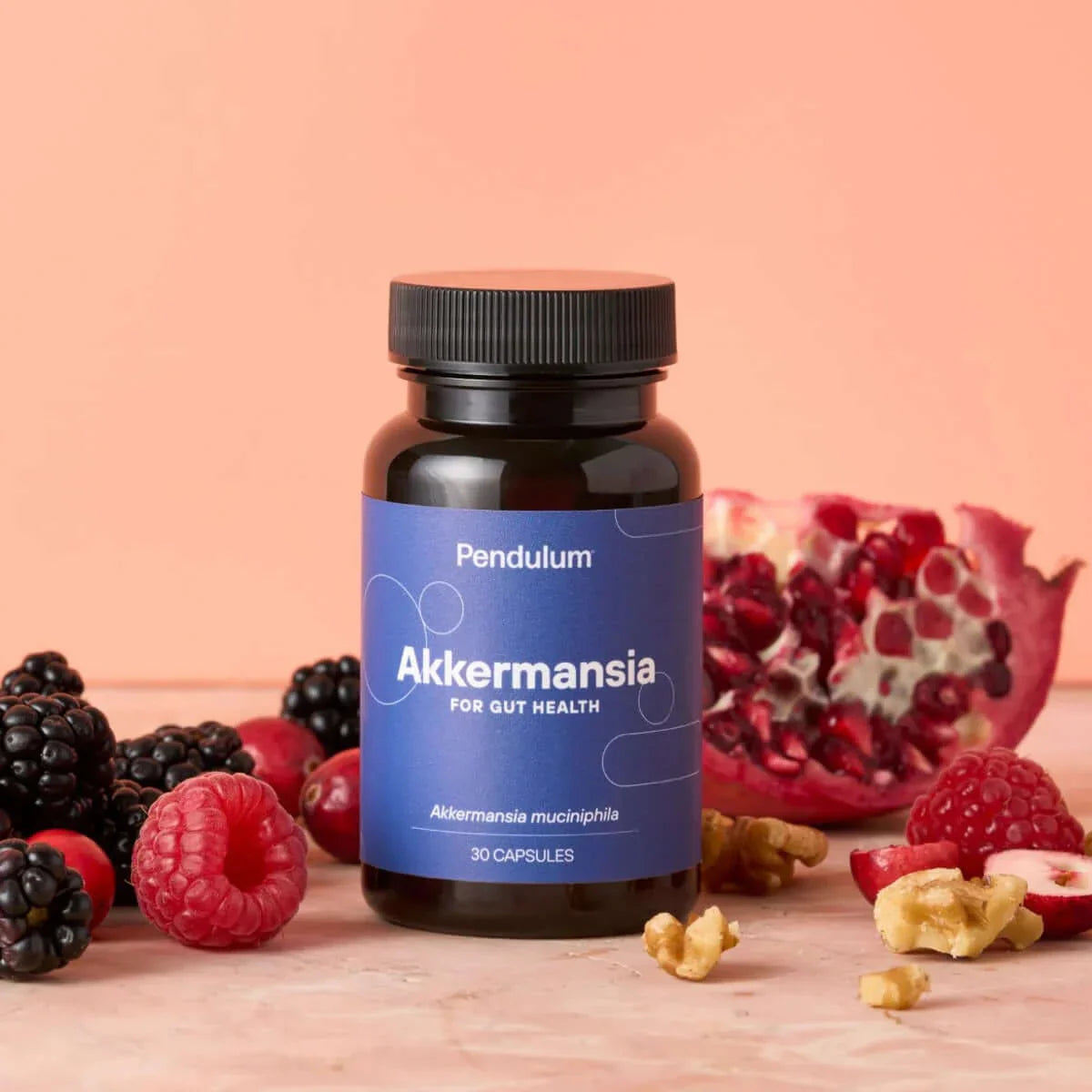
For broader microbiome support during recovery, prebiotic fibres like citrus pectin and species such as Akkermansia address general gut health rather than the ulcer itself.
Just as important as what helps is what to steer clear of, because several everyday things actively work against a healing ulcer.
It's also worth noting that some popular gut supplements are simply not ulcer treatments. Berberine is studied for blood sugar and gut microbes rather than as an ulcer therapy, and bile-focused TUDCA targets bile flow — useful for their own purposes, but not a substitute for proper ulcer treatment.
Because ulcers have clear causes, they're also largely preventable — and preventing recurrence follows the same logic as treating them. If you've had an ulcer, the priorities are to remove and avoid the factors that caused it.
The biggest lever is painkiller use. If you take NSAIDs such as ibuprofen or aspirin regularly, discuss whether you truly need them, whether a lower dose or paracetamol would do, and — if long-term anti-inflammatory or anticoagulant treatment is genuinely necessary — whether your doctor should co-prescribe a protective acid-suppressing medicine. Many recurrent ulcers are simply repeat NSAID injuries that could be avoided with this conversation.
The second key step is dealing thoroughly with H. pylori. Successfully eradicating the bacterium dramatically lowers the risk of an ulcer returning, but only if the course is completed and a test of cure confirms it has actually gone. A positive follow-up test means the infection is still present and needs a different antibiotic combination, not a repeat of the same one.
Finally, the lifestyle basics genuinely matter here. Stopping smoking removes one of the strongest factors that slow healing and drive recurrence; moderating alcohol removes a direct irritant; and eating well supports the lining's natural defences. None of these is dramatic on its own, but together they meaningfully reduce the chance of going through another ulcer. In short, an ulcer that has healed tends to stay healed when its original cause is kept firmly in check.
A suspected stomach ulcer always warrants medical assessment rather than self-management. Certain symptoms, however, signal a complication such as bleeding or perforation and need urgent or emergency care — do not wait these out.
Call 999 or go to A&E immediately if you have:
See a GP promptly if you have:
Read more on when to see a GP about stomach symptoms, and see NHS — Stomach ulcer.
The two dominant causes are Helicobacter pylori infection and regular use of NSAID painkillers such as ibuprofen and aspirin. Together these account for the large majority of stomach ulcers. Smoking, heavy alcohol use and severe physical stress can contribute. Contrary to popular belief, everyday stress and spicy food don't cause ulcers.
The classic symptom is a burning or gnawing pain in the upper abdomen, along with indigestion, bloating, nausea and feeling full quickly. Gastric ulcer pain may worsen after eating, while duodenal ulcer pain can ease with food. Some ulcers cause few symptoms until a complication, such as bleeding, develops.
Healing depends on treating the cause — eradicating H. pylori if present and stopping NSAIDs — combined with an acid-suppressing PPI to lower stomach acid. A gentle diet, not smoking and limiting alcohol all help. Supportive supplements such as probiotics and zinc carnosine may assist recovery, but they don't replace medical treatment.
There's no single "ulcer diet", but it's sensible to limit alcohol, which irritates the lining, and to moderate any personal triggers such as very spicy, fatty or acidic foods that worsen your symptoms. Smaller, regular meals with plenty of vegetables and fibre are generally easier on a healing stomach.
No — ibuprofen and other NSAIDs, including aspirin, are a leading cause of ulcers and can worsen an existing one or trigger bleeding. Avoid them unless a doctor specifically advises otherwise. For pain relief, ask about paracetamol, or about protecting your stomach with acid-suppressing medication if NSAIDs are unavoidable.
With appropriate treatment, many ulcers heal over several weeks of acid-suppressing medication, though gastric ulcers may need a longer course and a follow-up endoscopy to confirm healing. Healing time depends on the cause being addressed and on avoiding factors like NSAIDs, smoking and alcohol that slow recovery.
Everyday psychological stress and spicy food do not cause stomach ulcers — the real causes are H. pylori infection and NSAID painkillers. However, stress and certain foods can aggravate the symptoms of an existing ulcer in some people, so moderating personal triggers may make you more comfortable while the ulcer heals.
Most heal well with treatment, but untreated ulcers can lead to serious complications, most commonly bleeding, and less often perforation (a hole in the stomach wall) or obstruction. Bleeding may show as vomiting blood or black stools, while sudden severe pain can signal perforation — both need urgent medical care.
Probiotics don't heal ulcers directly, but there's good evidence they help as an adjunct during H. pylori eradication, improving success rates and reducing side effects such as antibiotic-associated diarrhoea. Continuing a probiotic afterwards may support gut recovery. They complement, rather than replace, the medical treatment that heals the ulcer.
Ulcers can recur, particularly if the cause isn't fully addressed. Successfully eradicating H. pylori greatly reduces the chance of recurrence, and confirming it's gone with a test of cure matters. Avoiding NSAIDs, not smoking and limiting alcohol all help keep ulcers from returning after they've healed.
Medical disclaimer: This article is for general information and education only and does not constitute medical advice, diagnosis or treatment. It should not replace consultation with a qualified healthcare professional. A suspected stomach ulcer requires proper medical assessment and treatment; supplements are not intended to diagnose, treat, cure or prevent any disease. Seek urgent care for any warning signs described above. Always seek advice before starting new supplements or stopping any prescribed medication, particularly if you are pregnant, breastfeeding or have an existing condition.
About the author
Dr Zeeshan Afzal (MBBS) is a practising medical doctor and Welzo's Medical Content Lead. He writes and reviews Welzo's health content to ensure it is accurate, evidence-based and aligned with current UK clinical guidance, translating complex research into practical advice patients can trust.
 Valutazione eccellente da 28,951+ recensioni
 Garanzia di rimborso al 100%
La nostra garanzia di rimborso ti assicura di ricevere i tuoi articoli o di ottenere un rimborso completo.