




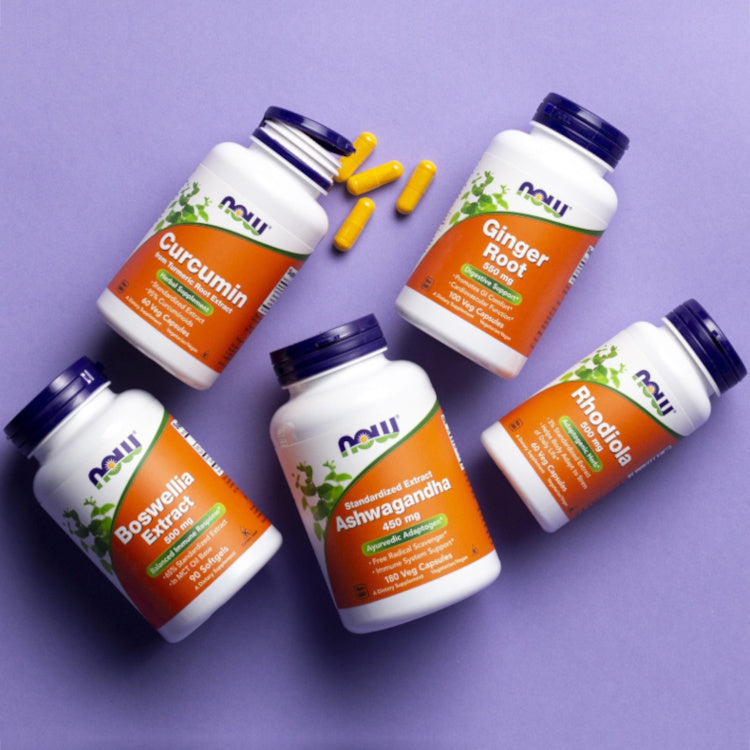
Best Silica Supplements for Hair, Skin & Nails


Related products


Silica supplements have become increasingly popular among individuals looking to support hair strength, skin elasticity, and nail resilience. In the UK, interest in silica has grown alongside wider demand for evidence-led beauty supplements that focus on long-term structural support rather than short-term cosmetic effects.
Dr Zeeshan has reviewed products available within the silica supplement collection, assessing them for bioavailable forms of silicon, formulation quality, safety, and realistic outcomes. This guide is written for readers searching for the best silica supplements for hair, skin and nails and where to buy them in the UK.
Silica is often grouped with topical and device-based approaches found in broader beauty product and electrical beauty categories, but supplements operate differently by supporting the body’s internal structural processes rather than external appearance alone.
What Are Silica Supplements?
Silica supplements are designed to provide dietary silicon, a trace mineral naturally present in plant foods and drinking water. In nutritional terms, silica refers to absorbable forms of silicon rather than inert silicon dioxide commonly used as an anti-caking agent.
Silicon is concentrated in connective tissues such as skin, hair, nails, cartilage, and bone. Because modern diets contain fewer whole grains and unrefined plant foods, dietary silicon intake has declined, which helps explain the rise in targeted supplementation alongside products like hair, skin and nails vitamins.
Silica supplements are available in liquid and capsule formats, often derived from plant sources such as bamboo or horsetail, or supplied as stabilised orthosilicic acid. The effectiveness of a silica supplement depends largely on how bioavailable the silicon form is, not simply the headline dosage.
What Are Silica Supplements Used For?
Silica supplements are primarily used to support the structure of hair, skin, and nails. Silicon plays a role in collagen synthesis and connective tissue formation, which underpins skin firmness and elasticity.
For this reason, silica is often used alongside other beauty-focused nutrients such as biotin supplements or natural lipid sources like pumpkin seed oil, particularly by individuals experiencing brittle nails or hair breakage.
Beyond aesthetics, silica contributes to connective tissue health more broadly, including joints and bone matrix formation. This places silica within a wider wellness context that overlaps with women’s health supplements and longevity-focused approaches found in anti-ageing and longevity ranges.
Silica supplements are not intended to treat medical conditions. Their role is supportive, helping maintain normal tissue structure over time rather than delivering immediate visible change.
Our Top Picks: Best Silica Supplements for Hair, Skin & Nails
Best Overall: Ancient Purity Organic Silicium (1 Litre)
Best Liquid Silica: Ancient Purity Organic Silicium
Best High-Strength Tablet: Lamberts Silica 200mg (90 Tablets)
Best Plant-Based Silica: Solgar Oceanic Silica 25mg Vegetable Capsules
Best With Horsetail Extract: NOW Foods Silica Complex with Horsetail Extract
Best Powder-Based Option: Perma-Guard Silica Connection Diatomaceous Earth (16oz)
Silica Organic Silicium – 1 Litre – Ancient Purity

| Product title (why it has been selected) | Silica Organic Silicium – 1 Litre – Ancient Purity (Best overall liquid silica for long-term daily use) |
| Product description | A large-format liquid silica supplement designed for ongoing support of hair, skin, nails, and connective tissue. Favoured by users who prefer drinkable supplements over tablets or capsules. |
| Product reviews | Buyers frequently highlight the convenience of the liquid format and the long supply per bottle. Reviews tend to focus on value and ease of integration into daily routines. |
| Product price | £47.01 |
| Where to buy | Silica Organic Silicium – 1 Litre – Ancient Purity |
| Pros and Cons |
Pros: liquid format, large bottle size, suitable for long-term routines. Cons: higher upfront cost, not ideal for those who prefer tablets. |
| How to use | Use daily according to label directions. Can be mixed with water or juice. |
| Editor’s comments | Best suited to users who want a consistent, long-term silica option without needing to repurchase frequently. |
Silica Connection Diatomaceous Earth, 16oz – Perma Guard – SOI*
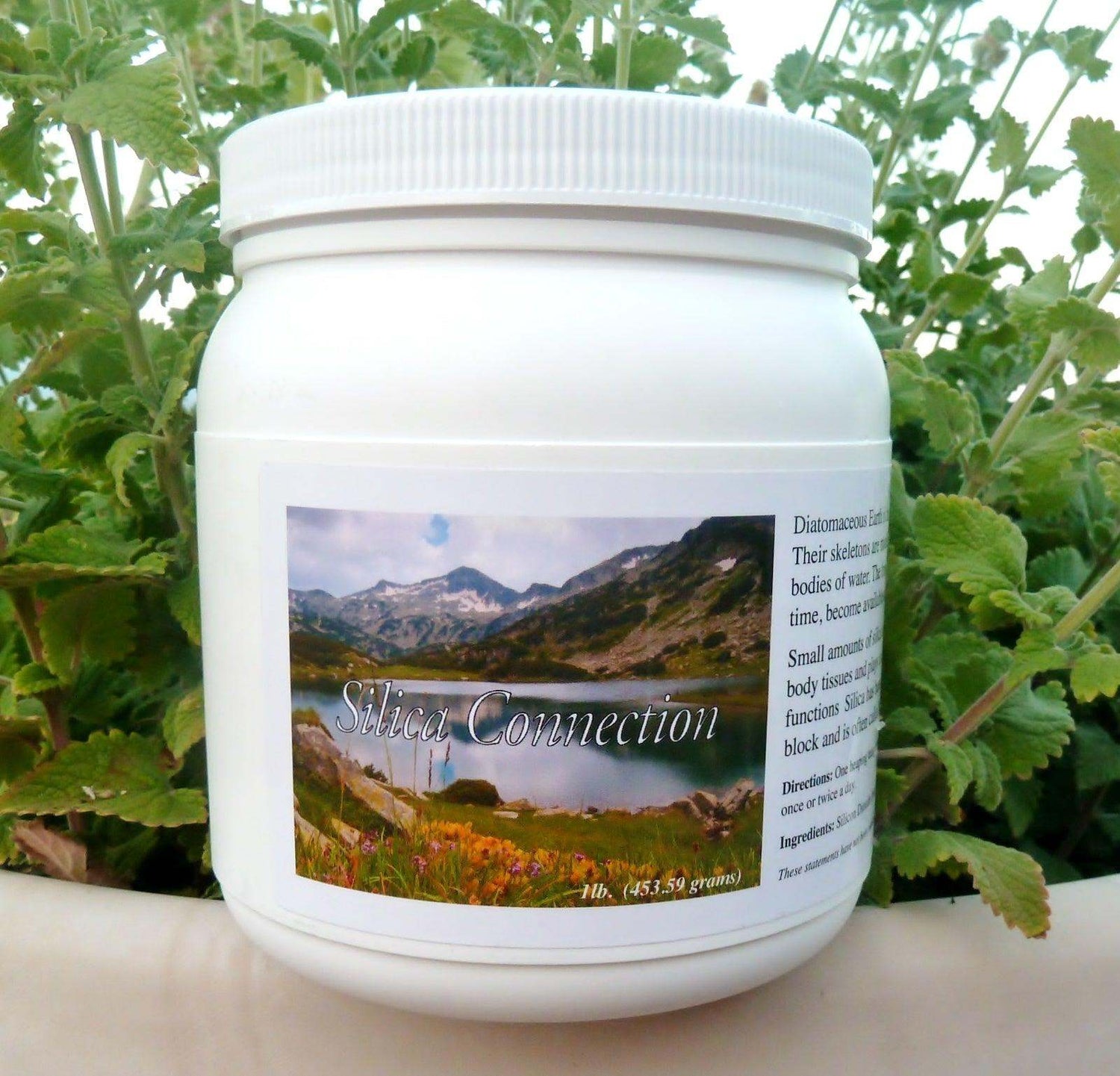
| Product title (why it has been selected) | Silica Connection Diatomaceous Earth, 16oz – Perma Guard – SOI* (Best powder-based silica option) |
| Product description | A food-grade diatomaceous earth powder supplying silica in a single-ingredient format, aimed at users seeking a minimalist supplement. |
| Product reviews | Reviews commonly mention flexibility in dosing and suitability for those comfortable using powdered supplements. |
| Product price | £30.59 |
| Where to buy | Silica Connection Diatomaceous Earth, 16oz – Perma Guard – SOI* |
| Pros and Cons |
Pros: single ingredient, flexible dosing, powder format. Cons: taste and texture may not suit everyone. |
| How to use | Mix with water or smoothies according to label instructions. |
| Editor’s comments | Best for experienced supplement users who specifically want powdered silica. |
Silica 200mg – 90 Tablets – Lamberts

| Product title (why it has been selected) | Silica 200mg – 90 Tablets – Lamberts (Best high-strength tablet) |
| Product description | A straightforward tablet-based silica supplement delivering a high dose per serving for daily structural support. |
| Product reviews | Highly rated for practicality and value. Reviews often mention improved nail strength with consistent use. |
| Product price | £14.56 |
| Where to buy | Silica 200mg – 90 Tablets – Lamberts |
| Pros and Cons |
Pros: high dose, good value, easy tablet format. Cons: tablets may not suit those preferring liquids. |
| How to use | Take daily with water, preferably with meals. |
| Editor’s comments | An excellent no-frills option for consistent daily silica intake. |
Solgar Oceanic Silica 25mg – 50 Vegetable Capsules
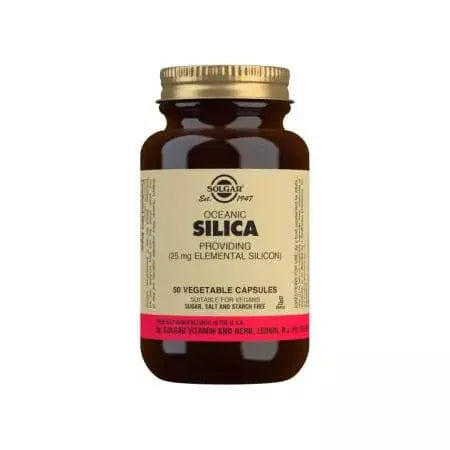
| Product title (why it has been selected) | Solgar Oceanic Silica 25mg – 50 Vegetable Capsules (Best gentle capsule option) |
| Product description | A lower-dose silica supplement in vegetarian capsules, suitable for beginners or those wanting a milder daily option. |
| Product reviews | Frequently praised for brand reliability and ease of use, particularly by first-time silica users. |
| Product price | £12.96 |
| Where to buy | Solgar Oceanic Silica 25mg Vegetable Capsules |
| Pros and Cons |
Pros: gentle dose, vegetarian capsules, affordable. Cons: lower strength may require longer use. |
| How to use | Take one capsule daily with food. |
| Editor’s comments | Well-suited to those easing into silica supplementation. |
NOW Foods Silica Complex with Horsetail Extract – 180 Tablets
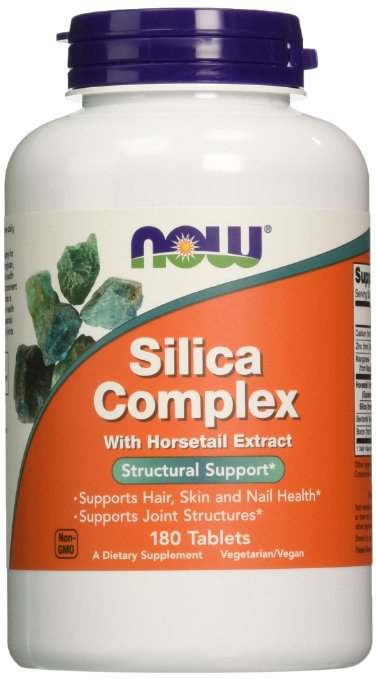
| Product title (why it has been selected) | NOW Foods Silica Complex with Horsetail Extract – 180 Tablets (Best combined silica formula) |
| Product description | A blended formula combining silica with horsetail extract, designed for users who prefer a multi-ingredient approach. |
| Product reviews | Popular for its value and large tablet count, with reviews often highlighting convenience. |
| Product price | £24.69 |
| Where to buy | NOW Foods Silica Complex with Horsetail Extract |
| Pros and Cons |
Pros: combination formula, long supply, good overall value. Cons: not ideal for those wanting silica alone. |
| How to use | Take as directed with meals. |
| Editor’s comments | A practical choice for users who prefer a broader beauty-support formula. |
Features and Benefits of Silica Supplements
The benefits of silica supplementation are gradual and depend on consistent use, overall nutrition, and product quality. When appropriately formulated, silica supplements may offer several supportive features:
-
Hair strength and reduced breakage: By supporting keratin structure, silica may help improve hair resilience over time.
-
Nail hardness: Adequate silicon intake has been associated with reduced nail splitting and improved durability in those with brittle nails.
-
Skin firmness and elasticity: Silica supports collagen synthesis, which is central to maintaining skin structure as part of broader anti-ageing strategies.
-
Connective tissue integrity: Silicon contributes to the maintenance of tendons, ligaments, and cartilage, which may benefit physically active individuals.
High-quality silica supplements often work best alongside collagen-focused products such as those found in collagen protein or collagen supplement ranges. Research-led discussions around collagen outcomes are explored further in this guide on collagen supplement results.
Dr Zeeshan emphasises that silica supplements are not a standalone solution. They are most effective when integrated into a broader nutritional framework that includes adequate protein intake, vitamin C, and overall dietary quality.
What Does Silica Do in the Body?
“Silica” in supplements usually refers to dietary silicon provided in a form the body can absorb and use. Silicon is concentrated in connective tissues such as skin, hair, nails, cartilage, and bone, which is why it is commonly discussed in “beauty from within” routines.
From a physiology perspective, silicon appears to support the structural framework of tissues by contributing to the normal formation and maintenance of collagen-rich connective tissue. Review research in nutrition has also noted that silicon is “readily available from foods” and that a substantial portion of ingested silicon is excreted in urine, suggesting active absorption and turnover in the body (Dietary silicon intake and absorption (American Journal of Clinical Nutrition)).
Silicon is not treated as an essential nutrient in the same way as vitamin C or iodine, and there is no established recommended daily intake. However, its biological presence in connective tissues helps explain why silica supplements are typically positioned for hair strength, nail resilience, skin elasticity, and, in some contexts, bone support.
Silica for Hair, Skin & Nails: Why It Matters
Hair, skin, and nails are largely structural tissues. Hair and nails are keratin-dominant, while skin relies heavily on collagen and elastin to maintain firmness, elasticity, and a smooth surface. Because silicon is associated with connective tissue integrity, it is often explored for outward appearance concerns such as brittle nails, weakened hair strands, or skin that feels less firm over time.
Clinical research has investigated specific forms of supplemental silicon (not all “silica” forms are equal). In a well-cited randomised, double-blind trial in women with photodamaged skin, researchers reported improvements in skin surface and mechanical properties and reduced brittleness scores for hair and nails after 20 weeks of choline-stabilised orthosilicic acid (Barel et al., 2005 (PubMed)).
That said, these findings apply to particular bioavailable forms (e.g., orthosilicic acid complexes) and do not automatically translate to every silica-containing ingredient or plant extract. Realistic expectations are essential: silica is more accurately framed as structural nutritional support rather than a fast cosmetic “fix.”
Signs of Low Silica Intake
There is no widely used clinical “silica deficiency” diagnosis in routine practice. Instead, low silica intake is best understood as a dietary pattern issue—often linked to lower consumption of unrefined plant foods. People who eat fewer whole grains, legumes, vegetables, and silicon-rich beverages may consume less dietary silicon overall.
From a practical standpoint, people commonly seek silica supplements when they notice brittle nails (splitting/peeling), hair that breaks easily, or skin that feels less resilient. These signs are not specific to silica and can also be influenced by protein intake, iron status, thyroid function, stress, and overall nutritional adequacy.
Population-based research suggests typical European and North American dietary silicon intake is often in the range of 20–50 mg/day, while higher intakes have been reported in dietary patterns richer in unrefined plant foods (Price et al., 2013 review (PubMed Central)). This helps explain why “low intake” can occur without being a disease state.
Silica Supplements vs Silica From Food
Food-first approaches remain the safest baseline for most people. Dietary silicon is found in whole grains (oats, barley), certain vegetables, legumes, and fruits, as well as in beverages that can contribute meaningful amounts depending on dietary habits. The advantage of food sources is that silicon is delivered alongside fibre, polyphenols, and other micronutrients that support overall health.
Supplements may be considered when dietary intake is consistently low, when someone prefers targeted support, or when a clinician recommends a structured “beauty nutrient” protocol. The trade-off is that supplements vary widely in silicon form, dose, and absorbability. Two labels may both say “silica,” yet deliver very different biological availability.
Research on dietary silicon notes that absorption depends on the chemical form, and that silicon from certain foods is bioavailable (Jugdaohsingh et al., 2002). For supplements, the best evidence tends to centre on orthosilicic acid forms rather than “silica” as a generic ingredient category.
Liquid vs Capsule Silica Supplements
Liquid silica products are often chosen for ease of dosing adjustment and because some bioavailable silicon forms are provided as stabilised liquids. In practice, people who struggle with tablets may prefer liquids, and some formulations (e.g., orthosilicic acid complexes) are commonly delivered in a liquid format.
Capsules and tablets are typically more convenient for travel and offer consistent daily dosing. They may also combine silica with supportive ingredients (for example, horsetail extract or other “beauty blend” components). However, combination formulas are not always better—especially for people who want a single-ingredient approach or who are sensitive to herbal extracts.
The most important factor is not the format alone, but whether the product provides silicon in a form the body can absorb. From an evidence-led viewpoint, “bioavailability first, format second” is a sensible purchasing hierarchy.
How Much Silica Do You Really Need Per Day?
There is no established recommended daily allowance (RDA) for silicon. Nutrition researchers have noted that a formal minimum requirement has not been defined, though estimates have been discussed in the scientific literature (Jugdaohsingh et al., 2002).
In clinical trials focused on hair/skin/nails outcomes, studied doses vary by the silicon form used. For example, the photodamaged skin trial used 10 mg silicon/day as choline-stabilised orthosilicic acid over 20 weeks (Barel et al., 2005). This is one reason many evidence-aware practitioners look at “mg of elemental silicon” rather than “mg of silica ingredient,” because labels can be confusing.
In consumer practice, it is often more reasonable to aim for consistent, moderate dosing rather than very high intakes, particularly because the long-term safety dataset for high-dose, long-duration supplementation is limited.
Is Silica Safe to Take Daily?
For most healthy adults, silica supplements are generally well-tolerated when used as directed. However, safety depends on the specific form (orthosilicic acid vs plant extracts vs diatomaceous earth), the dose, and the user’s health context.
Notably, regulatory bodies have highlighted limitations in the evidence base for setting a formal tolerable upper intake level for silicon in the diet. For example, EFSA’s earlier evaluation noted that an upper level could not be derived due to lack of adequate data (EFSA Scientific Opinion on silicon, 2004). This does not mean silicon is “unsafe,” but it does support a conservative, label-directed approach rather than megadosing.
Daily use is most appropriate when the product is well-formulated, dosing is moderate, and the individual has no contraindications such as kidney disease or specific medication interactions.
Silica Side Effects & Interactions
Most reported side effects from silica supplements are mild and non-specific, such as digestive discomfort. These effects may be more likely with certain powder formats, higher doses, or products that include additional ingredients.
Herbal silica sources (especially horsetail) can introduce additional considerations beyond silicon alone. Horsetail has been discussed in safety resources for its potential risks and interactions, including concerns around thiamine depletion in certain contexts and drug-herb interaction potential (Horsetail monograph (Drugs.com)). People who are pregnant or breastfeeding, or who take long-term medications, should be cautious with multi-ingredient “silica + herb” blends.
For medication timing, a conservative approach is to separate mineral-style supplements from certain prescriptions by a few hours unless a clinician advises otherwise. Anyone with kidney disease should consult a healthcare professional before using mineral supplements regularly.
Silica Supplements for Hair Growth: What the Evidence Says
Hair growth claims are where marketing often exceeds the evidence. The most credible human data for “beauty outcomes” tends to focus on hair strength, reduced brittleness, and structural quality, rather than dramatic new growth. In the 20-week randomised trial of choline-stabilised orthosilicic acid, hair brittleness scores improved compared with baseline—an outcome more aligned with “hair quality” than “hair regrowth” (Barel et al., 2005).
It is also important to recognise that hair outcomes are strongly influenced by non-silica factors: protein intake, iron status, thyroid function, hormonal changes, stress, and scalp health. Silica may be a useful supporting nutrient in a broader plan, but it should not be positioned as a standalone answer for clinically significant hair loss.
Evidence-led guidance should therefore frame silica as potentially helpful for strand strength and brittleness in some populations, rather than a guaranteed “hair growth supplement.”
Silica for Skin & Anti-Ageing
In skin, silica is mostly discussed in relation to collagen structure and connective tissue integrity. The best-known clinical data again comes from studies using bioavailable orthosilicic acid complexes, where measured skin surface and mechanical properties improved over time (Barel et al., 2005).
In practical terms, this is consistent with how anti-ageing supplementation typically works: gradual changes through structural support, rather than immediate visible transformation. For many people, silica fits best as part of a broader skin routine that includes adequate protein intake, vitamin C (collagen synthesis support), sun protection, and overall dietary quality.
“Anti-ageing” claims should be interpreted conservatively. Skin ageing is multi-factorial, and supplements can only support physiology—not replace fundamentals like UV protection and sleep.
How We Evaluated the Best Silica Supplements
The evaluation framework used in this guide prioritises evidence, quality, and user safety. Products were assessed using the following criteria:
-
Silicon form and bioavailability: preference for forms with human evidence (e.g., orthosilicic acid complexes) over generic “silica” claims.
-
Label transparency: clear disclosure of elemental silicon where possible, not just raw ingredient weight.
-
Formulation suitability: single-ingredient vs complex blends, and whether added botanicals are justified.
-
Tolerance and safety profile: conservative dosing, appropriate warnings, and avoidance of exaggerated claims.
-
Value: dose-per-serving, supply length, and practicality for daily use.
This approach aligns with how “best of” supplement guides should be built: reducing marketing noise and focusing on what is most likely to matter in real-world use.
Silica vs Collagen, Biotin & Zinc
Silica overlaps with collagen, biotin, and zinc in consumer “beauty stacks,” but their roles are not identical. Collagen supplements aim to provide amino acids and peptides that may support skin and connective tissues. Biotin is more relevant for people with low biotin status, and zinc plays roles in skin integrity, wound healing, and protein synthesis.
Silica is best understood as a structural-support mineral, potentially complementing collagen by supporting connective tissue architecture. Biotin and zinc may be more appropriate when brittle nails or hair quality is linked to broader micronutrient insufficiency. In practice, it is often more effective to choose one “anchor” product based on the primary goal (e.g., collagen for skin elasticity, silica for brittleness/structure) rather than taking multiple overlapping products without a clear plan.
For many users, the simplest approach is: strong nutrition baseline first, then targeted supplementation based on the most plausible gap.
Who Should Take Silica Supplements?
Silica supplementation is most commonly considered by adults who want structural support for hair, skin, and nails—especially when nails split easily, hair breaks more than usual, or skin feels less resilient. People who consume limited unrefined plant foods may also consider silica as part of a broader micronutrient plan.
Silica may also appeal to those seeking general connective tissue support (active individuals, older adults focused on “structural ageing,” or people building a simple “beauty minerals” routine). However, it is most suitable when expectations are realistic: structural support is gradual, and results vary depending on diet, health status, and product quality.
Who Should Avoid Silica Supplements?
Silica supplements should be approached cautiously (and often avoided unless clinically advised) by people with kidney disease, those taking complex long-term medications, and anyone who is pregnant or breastfeeding. People who are sensitive to herbal extracts should also avoid blended formulas that include horsetail or multiple botanicals without clear necessity.
Anyone with unexplained hair loss, severe nail changes, or significant fatigue should not self-treat with silica alone—those symptoms can signal issues such as iron deficiency, thyroid disorders, or other medical conditions that require appropriate assessment.
Silica for Bone Health
Beyond its role in hair, skin, and nails, silica is increasingly discussed in relation to bone health. Silicon is present in bone tissue and appears to support the early stages of bone mineralisation by contributing to the formation of the collagen matrix upon which calcium and other minerals are deposited.
Observational research has shown associations between higher dietary silicon intake and greater bone mineral density, particularly in premenopausal women and men. A large population-based study published in the American Journal of Clinical Nutrition reported that individuals with higher silicon intake had improved bone density measurements compared to those with lower intake.
Silica should not be viewed as a replacement for calcium or vitamin D, but rather as a structural support nutrient that may complement a comprehensive bone health strategy, especially when combined with adequate protein and micronutrient intake.
Natural Sources of Silica
Silica is naturally present in a variety of plant-based foods, particularly those that are minimally processed. Whole grains such as oats, barley, and brown rice are among the richest dietary contributors of silicon. Certain vegetables, including green beans and leafy greens, also provide modest amounts.
Fruits such as bananas and dried fruits can contribute to overall intake, while beverages—including some mineral waters—may supply bioavailable silicon depending on their source. Diets higher in whole, unrefined foods tend to deliver more dietary silicon than modern highly processed eating patterns.
Because food processing often removes the outer layers of grains where silicon is concentrated, individuals who consume refined grains as dietary staples may unintentionally reduce their silica intake over time.
Clinical Results
Clinical research on silica has primarily focused on specific, bioavailable forms of silicon rather than generic “silica” ingredients. One of the most frequently cited randomised controlled trials examined choline-stabilised orthosilicic acid in women with photo damaged skin over a 20-week period. The study reported statistically significant improvements in skin surface characteristics, mechanical properties, and reductions in hair and nail brittleness.
Importantly, these outcomes were measured using objective tools rather than self-reported cosmetic satisfaction alone. This distinction matters, as it highlights that not all silica supplements are supported by equivalent levels of evidence.
Clinical data for bone health remains largely observational, with limited intervention trials. As such, silica’s role is best described as supportive rather than therapeutic, and benefits appear to depend on form, dose, and duration of use.
How to Increase Your Silica Uptake
Improving silica intake begins with dietary choices. Prioritising whole grains over refined alternatives, increasing vegetable variety, and including fruits known to contain silicon can gradually raise baseline intake without supplementation.
For those using supplements, choosing products that clearly state the form of silicon and provide transparent dosing is essential. Consistency matters more than high dosing; moderate, regular intake is more aligned with available research than short-term high-dose use.
Silica absorption may be enhanced when taken as part of a balanced diet that includes adequate protein and vitamin C, both of which support connective tissue formation. Staying hydrated and avoiding excessive reliance on ultra-processed foods can also support overall mineral utilisation.
Why You Should Trust This Guide
This guide is designed to be conservative, evidence-led, and transparent. It prioritises human research where available, highlights where data is limited, and avoids promising outcomes that supplements cannot reliably deliver. It also recognises regulatory realities: silica is widely used, but data limitations mean that sensible dosing and careful product selection matter.
Where clinical research exists (such as trials using choline-stabilised orthosilicic acid), it is referenced directly using external sources. Where research is limited or mixed, that uncertainty is stated clearly—because responsible supplement guidance should help readers make informed decisions, not sell a miracle outcome.
Frequently Asked Questions About Silica Supplements
What is silica?
Silica is a common term for dietary silicon, a trace mineral found naturally in plant foods and involved in connective tissue structure.
Is silica the same as silicon?
Silica refers to forms of silicon provided in supplements or food. Silicon is the element, while silica usually describes how it is delivered.
What does silica do for hair?
Silica may support hair strength and reduce brittleness by contributing to keratin structure, but it does not guarantee new hair growth.
Can silica improve nail strength?
Some studies suggest bioavailable silica may help reduce nail splitting and improve nail hardness over time.
Is silica good for skin?
Silica supports connective tissue and collagen structure, which may help maintain skin firmness and elasticity with consistent use.
How long does silica take to work?
Most people who notice benefits report gradual changes over several weeks to months rather than immediate results.
Is liquid silica better than capsules?
Liquid and capsule silica can both be effective. The key factor is bioavailability, not the format itself.
How much silica should I take daily?
There is no official recommended daily intake. Doses used in studies are typically modest and depend on the silica form.
Can I take silica every day?
Daily use is generally well tolerated in healthy adults when taken at moderate doses and according to label directions.
Are there side effects from silica supplements?
Side effects are usually mild, such as digestive discomfort, and are more likely at higher doses or with certain herbal blends.
Is silica safe long term?
Long-term safety data is limited, so conservative dosing and periodic breaks are often recommended.
Can silica interact with medications?
Silica is unlikely to cause major interactions, but people on long-term medication should consult a healthcare professional.
Is bamboo silica safe?
Bamboo-derived silica is widely used, but absorption varies by product quality and formulation.
Is horsetail extract the same as silica?
No. Horsetail contains silica but also other plant compounds, which may not be suitable for everyone.
Can men take silica supplements?
Yes. Silica is not gender-specific and may be used by men and women for structural tissue support.
Can silica help with hair loss?
Silica may support hair quality and strength but should not be relied on to treat medical or hormonal hair loss.
Should silica be taken with collagen?
Silica and collagen are often used together, as silica supports connective tissue while collagen provides structural amino acids.
Who should avoid silica supplements?
People with kidney disease, pregnant or breastfeeding individuals, and those sensitive to herbal extracts should seek medical advice before use.




 Beoordeeld uitstekend door 28,951+ beoordelingen
 100% geld -terug -garantie