

IBS Supplements UK 2026: 6 Evidence-Backed Picks (Doctor-Reviewed)
Posted on:
Aug 05, 2026
Authored by


Written and medically reviewed by Dr Zeeshan Afzal (MBBS) — Medical Doctor & Medical Content Lead, Welzo
Evidence-based · Independent editorial selection · Aligned with peer-reviewed research and NHS guidance
Last updated: January 2026 · Reading time: ~14 minutes
Irritable bowel syndrome (IBS) is one of the most common conditions in digestive health, and one of the most frustrating to manage — which is why the gut health supplements market is so crowded with products aimed at it. Symptoms — abdominal pain, bloating, and a bowel habit that swings between constipation, diarrhoea or both — tend to come and go, and what helps one person can do nothing for another. If you've searched for the best supplements for IBS in the UK, you've probably found bold claims with thin evidence behind them.
This doctor-reviewed guide cuts through that. I've picked six supplements that have genuine clinical evidence for IBS, explained what the research actually shows (including where it's weak), and matched each one to the type of IBS it's most likely to help. Supplements are adjuncts, not cures — but used thoughtfully, and alongside the dietary changes that do most of the work, several can meaningfully reduce symptoms.
The short version: Enteric-coated peppermint oil has the strongest evidence and is the sensible first supplement to try for pain and spasm. Soluble fibre (ispaghula/psyllium) helps regularity, specific probiotic strains help some people, and for diarrhoea-predominant IBS there is trial evidence for L-glutamine and berberine. Digestive enzymes help food-specific symptoms. Match the supplement to your IBS subtype, and treat diet as the foundation. Explore Welzo's gut health range for options.

Table of contents
IBS is a disorder of gut–brain interaction: the gut is structurally normal, but the way it moves and senses is disturbed, producing pain, bloating and altered bowel habits. It's usually classified by the dominant bowel pattern — IBS-C (constipation), IBS-D (diarrhoea) or IBS-M (mixed) — and that subtype matters enormously when choosing a supplement. You can read more in our overview of the different types of IBS.
Because the condition is driven partly by the gut–brain axis, no single supplement fixes it. What supplements can do is target specific mechanisms — muscle spasm, stool consistency, gas production, or gut-barrier function — so the honest question isn't "which is best?" but "which mechanism is driving your symptoms?"
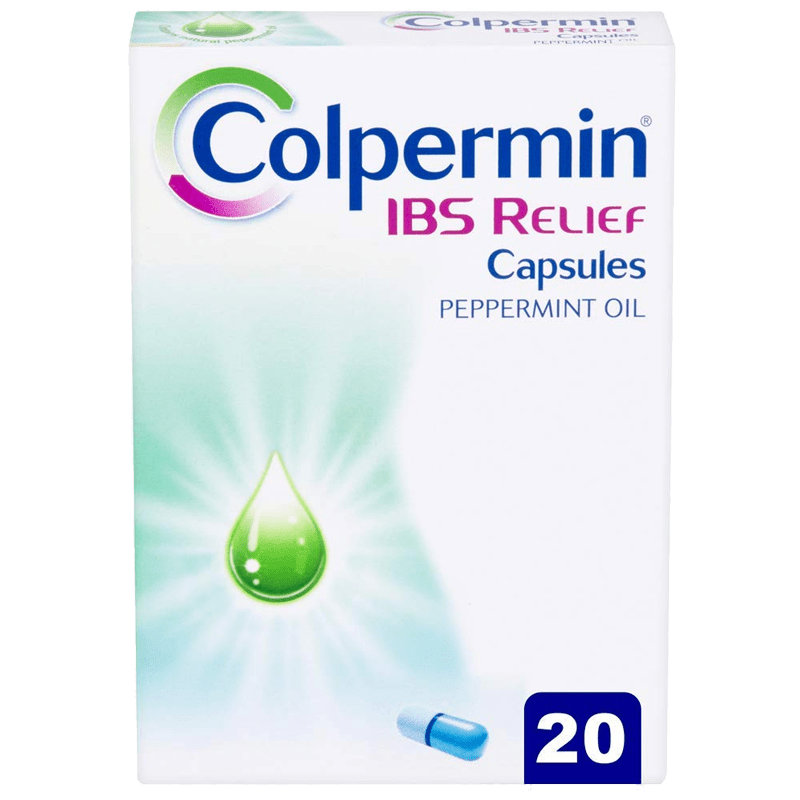
Peppermint oil has the strongest evidence of any supplement for IBS. Its active compound, menthol, relaxes intestinal smooth muscle by blocking calcium channels, easing the spasms behind cramping and gas. It's the one botanical consistently recognised across international IBS guidelines, and randomised trials show meaningful reductions in global symptoms and abdominal pain versus placebo (plant-derived IBS treatments review, 2025). Choose enteric-coated capsules so the oil is released lower in the gut rather than in the stomach, where it can trigger reflux. See our detailed guide to peppermint oil capsules for IBS.
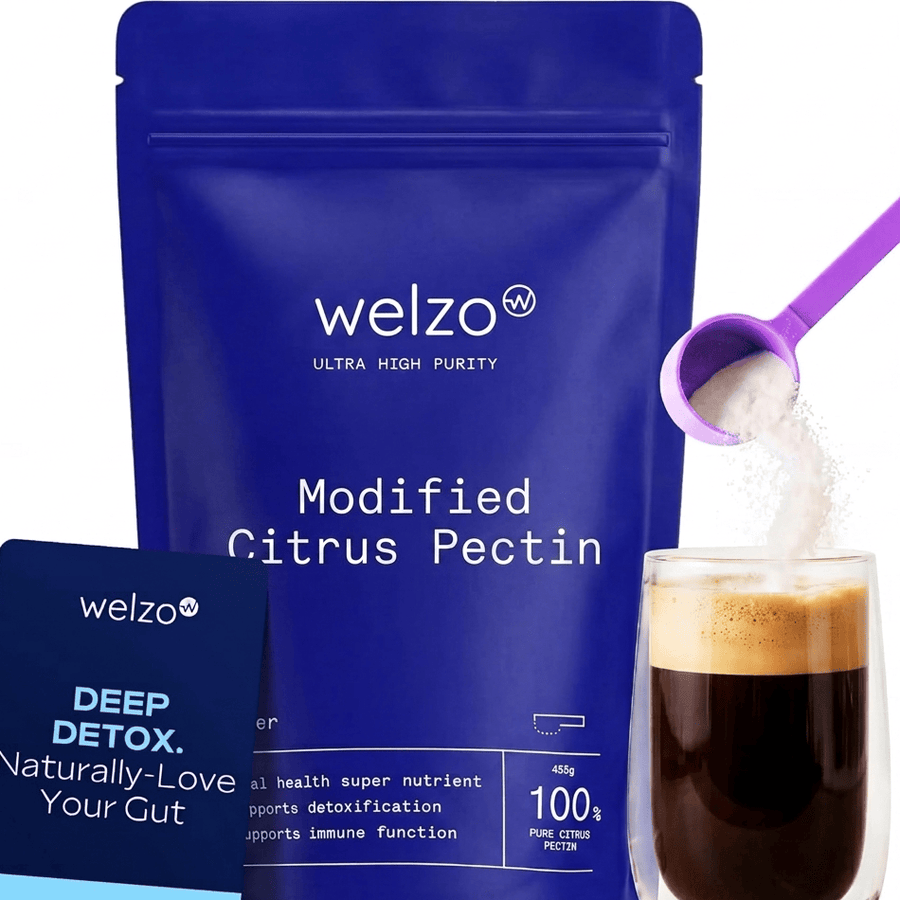
When it comes to fibre in IBS, type matters. Soluble fibre such as ispaghula husk (psyllium) has good evidence for improving symptoms and regularity, whereas insoluble fibre (like wheat bran) can make bloating and pain worse. UK and international guidance therefore favours soluble over insoluble fibre. The key is to increase it gradually with plenty of water, since too much too soon can temporarily worsen gas. Prebiotic soluble fibres such as modified citrus pectin feed the microbiome over time and should be introduced slowly if you're sensitive.
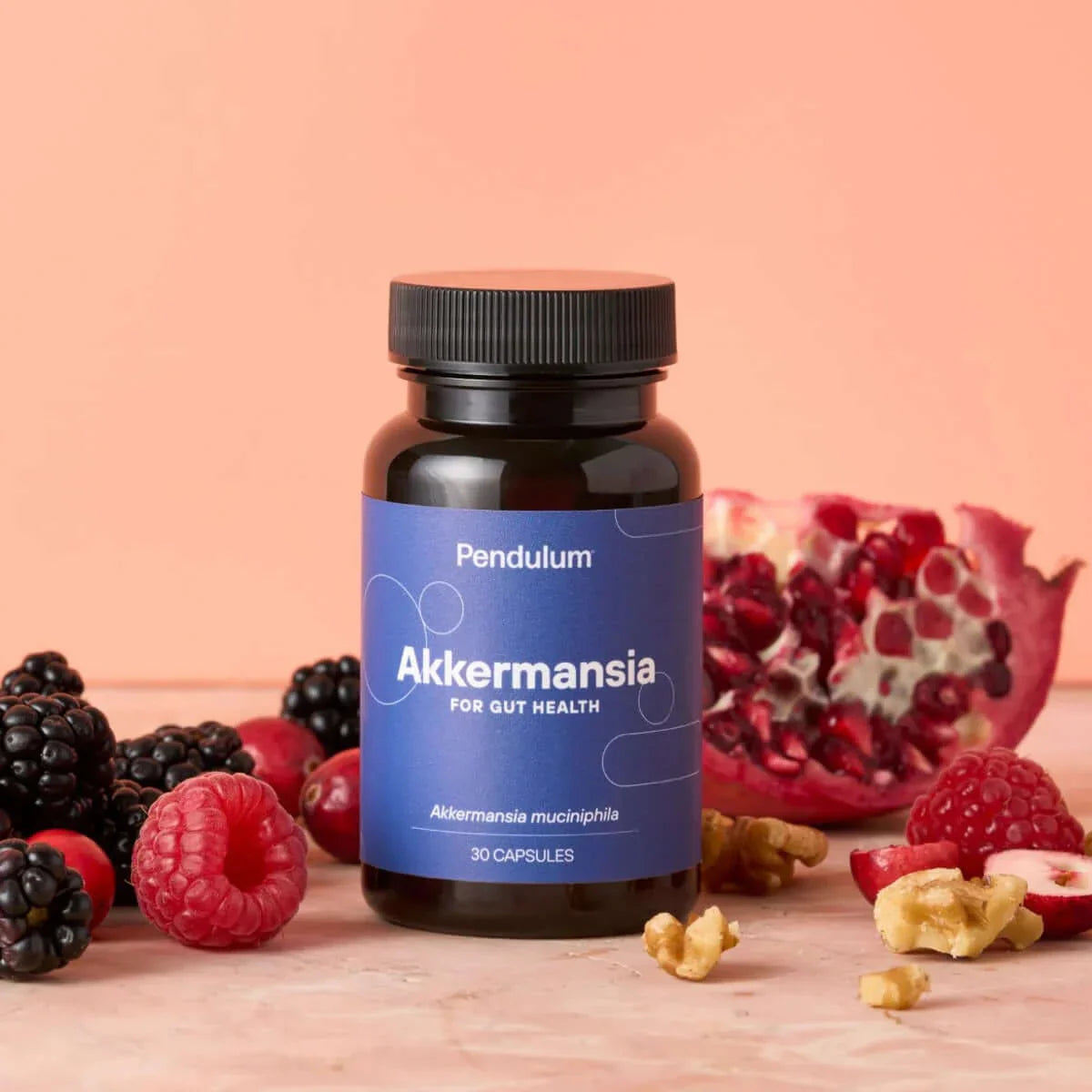
Probiotics are among the most-studied IBS supplements, and a meta-analysis of randomised trials found they can significantly reduce overall symptoms, abdominal pain and bloating in IBS (systematic review and meta-analysis, 2024). The honest caveat: benefits are strain-specific, results across trials are inconsistent, and the American College of Gastroenterology's 2021 guideline actually recommends against probiotics for global IBS symptoms because of that inconsistency. The practical approach is to trial a specific, well-studied strain for four weeks and judge the response. Browse the Welzo probiotics collection to find a specific, well-studied strain to trial.
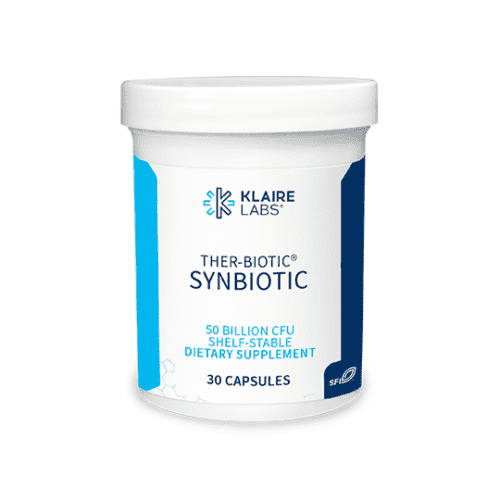
Glutamine is an amino acid that fuels the cells lining the gut and supports barrier integrity. Its standout evidence is in a specific group: people who develop diarrhoea-predominant IBS after a gut infection (post-infectious IBS-D) with increased intestinal permeability. In an 8-week randomised, double-blind, placebo-controlled trial, oral glutamine (5 g three times daily) reduced IBS severity scores in around 80% of the glutamine group versus under 6% on placebo, while also normalising gut permeability (Zhou et al., Gut, 2019). It's a striking result in a well-defined subgroup, though larger trials are still needed. Explore Welzo's Ultra Purity L-Glutamine.
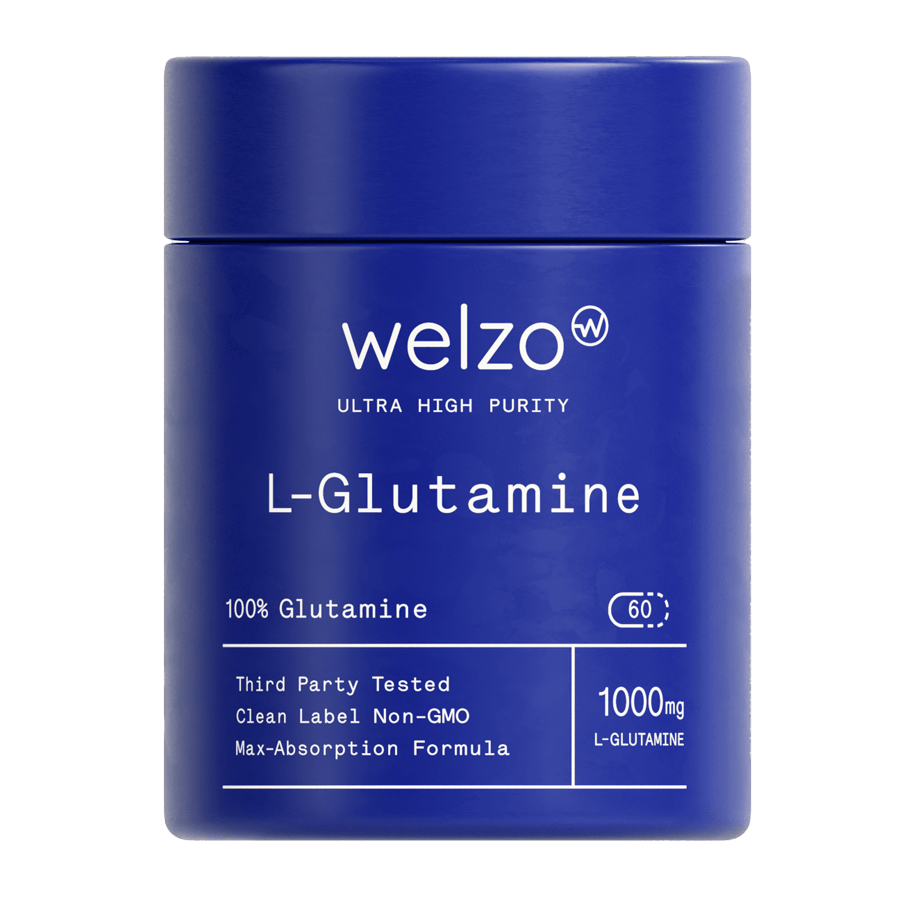
Berberine is a plant alkaloid with effects on gut motility and the microbiome. A randomised, double-blind, placebo-controlled trial in 196 people with diarrhoea-predominant IBS found that berberine hydrochloride (400 mg twice daily for 8 weeks) significantly reduced diarrhoea frequency, abdominal pain and urgency compared with placebo, and was well tolerated (Chen et al., Phytotherapy Research, 2015). It's a promising option for IBS-D, but berberine can interact with several medications and isn't suitable in pregnancy — check our note on berberine interactions first. See Welzo's Ultra Purity Berberine.
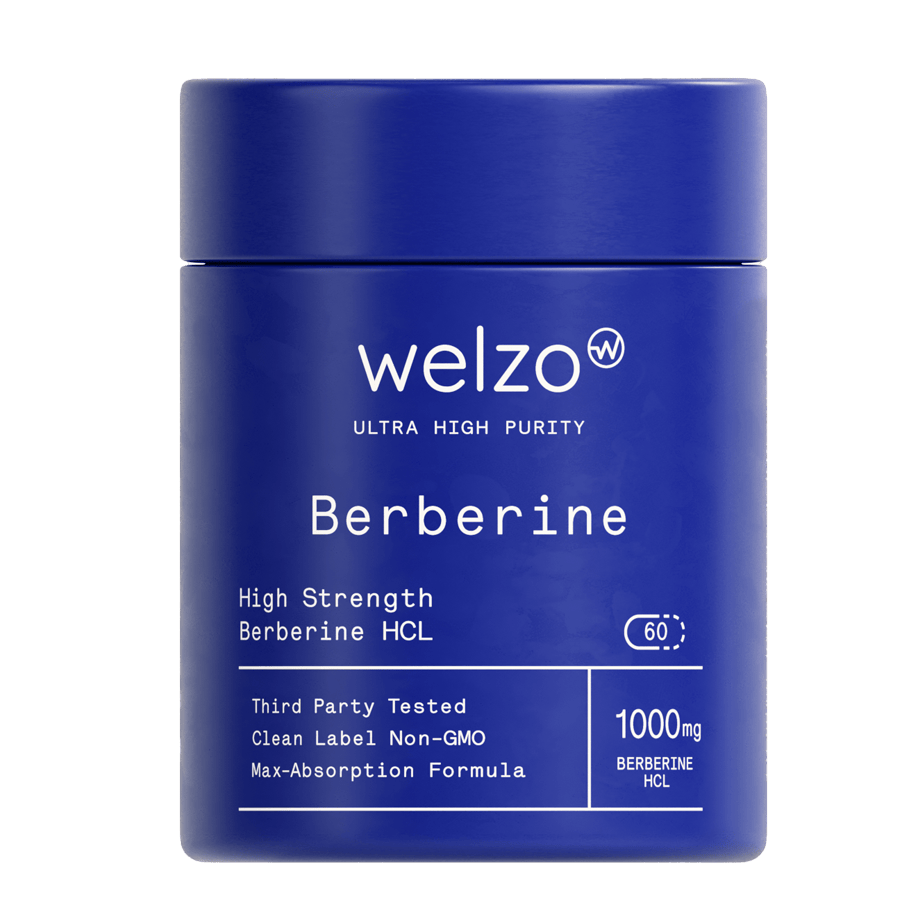
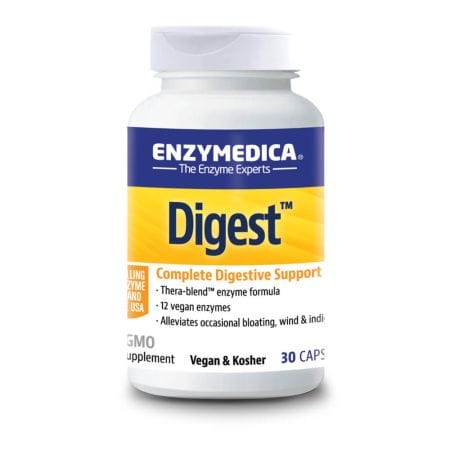
Where IBS symptoms cluster around particular foods, targeted digestive enzymes can help by breaking down carbohydrates that would otherwise ferment and produce gas. The two most relevant are lactase (for lactose in dairy) and alpha-galactosidase (which digests the carbohydrates in beans, pulses and cruciferous vegetables). Enzymes are best used situationally — taken with the trigger meal rather than daily. They won't fix IBS, but for people whose flares are clearly food-linked they're a practical, situational adjunct — taken with the meal rather than every day.
Use this to match a supplement to your IBS subtype and main symptom. "Evidence" reflects the current strength of human research for IBS or closely related outcomes.
| Supplement | Best for | Evidence |
|---|---|---|
| Peppermint oil (enteric-coated) | Pain, cramping, spasm (all subtypes) | Strong |
| Soluble fibre (psyllium) | IBS-C, regularity, stool form | Moderate–strong |
| Probiotics | Global symptoms in some (strain-specific) | Moderate (mixed) |
| L-glutamine | Post-infectious IBS-D | Moderate (subgroup) |
| Berberine | IBS-D (diarrhoea, urgency) | Emerging (one RCT) |
| Digestive enzymes | Food-specific gas (lactose, beans) | Moderate (targeted) |
Evidence gradings summarised from randomised trials, systematic reviews and guidelines. Individual responses vary; match to your subtype.
Here's a practical way to narrow things down based on your dominant pattern:
Some conditions masquerade as IBS-D and need different treatment — small intestinal bacterial overgrowth (SIBO) and bile acid diarrhoea are common examples, and neither responds well to generic IBS supplements. If diarrhoea is persistent, these deserve proper assessment; bile-related issues, for instance, involve different pathways, and options like TUDCA target bile flow rather than IBS itself and shouldn't be used to chase undiagnosed symptoms.
Supplements work best on a solid foundation. For most people with IBS, these habits do more than anything in a bottle:
A quick word on using supplements safely: introduce one at a time so you can judge whether it helps, start low, and give it a fair trial of a few weeks. Check suitability if you're pregnant or breastfeeding, take regular medication, or have another diagnosed condition — peppermint oil can worsen reflux, berberine interacts with several drugs, and herbal products aren't automatically "safe" because they're natural. Your pharmacist can check interactions in minutes.
Crucially, IBS is a diagnosis made after ruling out other conditions. Certain "red flag" symptoms are never part of uncomplicated IBS and need prompt medical assessment rather than self-treatment with supplements.
See your GP before self-treating if you have:
These can point to conditions that need investigation. Learn more about when to see a GP about stomach symptoms, and see NHS — Irritable bowel syndrome (IBS).
There's no single best supplement, because IBS has different subtypes and triggers. Enteric-coated peppermint oil has the strongest overall evidence and is a sensible first choice for pain and cramping. Beyond that, soluble fibre suits IBS-C, specific probiotics help some people, and L-glutamine or berberine have trial evidence for IBS-D. Matching the supplement to your subtype matters more than picking the "strongest" one.
Some specific strains can reduce overall symptoms, pain and bloating in IBS, and a 2024 meta-analysis found a significant benefit. However, effects are strain-specific and inconsistent, and the American College of Gastroenterology's 2021 guideline recommends against probiotics for global IBS symptoms. A four-week trial of a well-studied strain is reasonable, but they're not guaranteed to work.
Yes, for many people. Peppermint oil relaxes intestinal smooth muscle, easing the spasms behind cramping and gas, and it's the one botanical consistently recommended across international IBS guidelines. Enteric-coated capsules are preferred so the oil releases lower in the gut rather than causing reflux.
It depends on the type. Soluble fibre such as psyllium (ispaghula) tends to help, especially in IBS-C, while insoluble fibre like wheat bran can worsen bloating and pain. Increase soluble fibre gradually with plenty of water. If a fibre supplement makes you worse, the type or the speed of increase is usually the reason.
There's promising evidence in one specific group: people with diarrhoea-predominant IBS that began after a gut infection and who have increased intestinal permeability. In a randomised trial, glutamine substantially reduced symptom severity in this subgroup. Evidence outside that group is limited, so it's most rational for post-infectious IBS-D.
A randomised controlled trial found berberine hydrochloride reduced diarrhoea frequency, abdominal pain and urgency in people with IBS-D compared with placebo. It's a promising option, but the evidence is from a single trial, and berberine interacts with several medications and isn't suitable in pregnancy, so use it under guidance.
Soluble fibre such as psyllium is the best-supported supplement for IBS-C, improving stool form and regularity when built up gradually. Adequate fluids, movement and, where needed, magnesium-based approaches can also help. Insoluble fibre should generally be avoided as it can worsen bloating.
It varies. Peppermint oil and digestive enzymes can act quite quickly for symptomatic relief, whereas probiotics, fibre and glutamine usually need several weeks of consistent use. If a well-matched supplement hasn't helped after a fair trial of around four weeks, reassess the likely cause rather than simply adding more.
For most people, dietary changes — particularly a structured low-FODMAP approach with a dietitian — have the strongest evidence and should come first or alongside supplements. Supplements target specific mechanisms and work best on that dietary foundation, not as a replacement for it.
See your GP if you have red-flag symptoms such as blood in your stool, unexplained weight loss, a new and persistent change in bowel habit (especially over 50), a tummy lump, symptoms that wake you at night, or a family history of bowel or ovarian cancer. IBS is diagnosed after these are excluded, so don't self-treat persistent or alarming symptoms with supplements.
Medical disclaimer: This article is for general information and education only and does not constitute medical advice, diagnosis or treatment. It should not replace consultation with a qualified healthcare professional. Supplements are not intended to diagnose, treat, cure or prevent any disease. Always seek the advice of your GP or a suitably qualified clinician before starting new supplements, particularly if you are pregnant, breastfeeding, immunocompromised or taking medication. IBS should be diagnosed by a clinician, and persistent or red-flag symptoms should always be assessed by a doctor.
About the author
Dr Zeeshan Afzal (MBBS) is a practising medical doctor and Welzo's Medical Content Lead. He writes and reviews Welzo's health content to ensure it is accurate, evidence-based and aligned with current UK clinical guidance, translating complex research into practical advice patients can trust.
 Оценено отлично от 28,951+ отзива
 100% гаранция за връщане на парите
Нашата гаранция за връщане на парите гарантира, че получавате артикулите си или ще получите пълно възстановяване.