


Ulcerative Colitis: Diet, Butyrate and Remission Support
Posted on:
Aug 05, 2026
Authored by


Written and medically reviewed by Dr Zeeshan Afzal (MBBS) — Medical Doctor & Medical Content Lead, Welzo
Evidence-based · Aligned with NHS, NICE and ESPEN guidance
Last updated: January 2026 · Reading time: ~15 minutes
Ulcerative colitis (UC) is a chronic inflammatory bowel disease affecting the colon and rectum, and one of the most serious conditions in digestive health — causing inflammation of the gut lining and symptoms such as bloody diarrhoea, urgency and abdominal pain. Like Crohn's disease, it follows a relapsing–remitting course and is managed rather than cured, with medication (and, in some cases, surgery) as the mainstay of treatment, overseen by a gastroenterology team.
Diet, specific nutrients — butyrate in particular — and certain gut health supplements have a genuinely interesting supporting role in UC, which is why they're worth understanding well. This doctor-reviewed guide explains how to eat during flares and remission, why butyrate matters so much to the colon, and what the evidence says about probiotics and other remission support. Throughout, the message is honest and consistent: these approaches work alongside your prescribed treatment, never instead of it.
The short version: UC is treated with medication (aminosalicylates such as mesalazine are the mainstay) and specialist care — nutrition supports this, it doesn't replace it. Butyrate is the main fuel for the colon lining and is being studied as an adjunct; the most reliable way to raise it is fermentable fibre. In UC, some probiotics have real evidence for maintaining remission. Explore Welzo's gut health range, and always work with your IBD team.

Table of contents
Ulcerative colitis is one of the two main forms of inflammatory bowel disease, the other being Crohn's disease. Unlike Crohn's, which can affect any part of the gut, UC is confined to the colon and rectum, and its inflammation is continuous and limited to the surface lining of the bowel. It typically starts in the rectum and can extend further up the colon, which is why symptoms centre on bloody diarrhoea, urgency and a frequent need to pass stool.
Treatment aims to induce and then maintain remission, and to prevent complications. Aminosalicylates such as mesalazine (5-ASA) are the mainstay for mild-to-moderate UC — used both to calm flares and to keep the disease quiet — with corticosteroids for flares, and immunomodulators, biologics or newer drugs for more resistant disease. Because UC is limited to the colon, surgery to remove it can, in some cases, be curative. Nutrition sits alongside all of this as valuable support, not as a substitute for the medicines that control inflammation.
There is no single "ulcerative colitis diet", and guidelines don't support routinely prescribing one. What helps changes with your disease activity, so it's useful to think in two modes.
During a flare, when the colon is inflamed and symptoms are active, many people find a temporary lower-fibre or "low-residue" approach easier, with smaller, more frequent meals and a focus on staying hydrated and maintaining energy and protein to avoid weight loss. Some benefit from oral nutritional supplement drinks. This is a short-term strategy, guided by your team, not a permanent way of eating.
In remission, the aim reverses: a varied, balanced diet with fibre reintroduced as tolerated supports the colon and its microbiome. A Mediterranean-style pattern — plenty of vegetables, fruit, wholegrains, pulses and healthy fats, and fewer ultra-processed foods — is increasingly favoured and well tolerated by many. Fibre matters here for a specific reason we'll come to next: it feeds the bacteria that make butyrate, the colon's preferred fuel. Building meals around gut-friendly whole foods is a sensible base, personalised with a dietitian and around your own trigger foods.
A short food-and-symptom diary is the most practical way to identify what affects you, since triggers are genuinely individual — what upsets one person with UC may be perfectly fine for another. Rather than pre-emptively cutting out whole food groups, which risks new deficiencies, the aim is to eat as varied and nutritious a diet as your symptoms comfortably allow, tightening things only during flares and loosening them again in remission. A dietitian with IBD experience can help you strike that balance without over-restricting.
Butyrate is a short-chain fatty acid produced when gut bacteria ferment dietary fibre, and it's central to colon health for one striking reason: it's the main energy source for colonocytes, the cells lining the colon, supplying the majority of their fuel. It also has anti-inflammatory effects and helps maintain the gut barrier. In ulcerative colitis, the ability of the colon lining to use butyrate appears impaired, and levels of butyrate-producing bacteria are often reduced — which is why butyrate has become a focus of research. You can read more in our guide to short-chain fatty acids.
What the evidence shows. Butyrate delivered directly to the lower bowel as an enema has improved symptoms and inflammation in distal UC in small studies — one classic trial found reduced stool frequency and bleeding in patients with distal colitis (Scheppach et al., 1992). More recently, an oral sodium-butyrate supplement, taken alongside standard treatment, reduced disease-activity and inflammation scores compared with placebo in a randomised trial in active UC (Firoozi et al., 2025). The picture is promising but still preliminary and adjunctive — butyrate is best seen as potential support, not a standalone treatment.
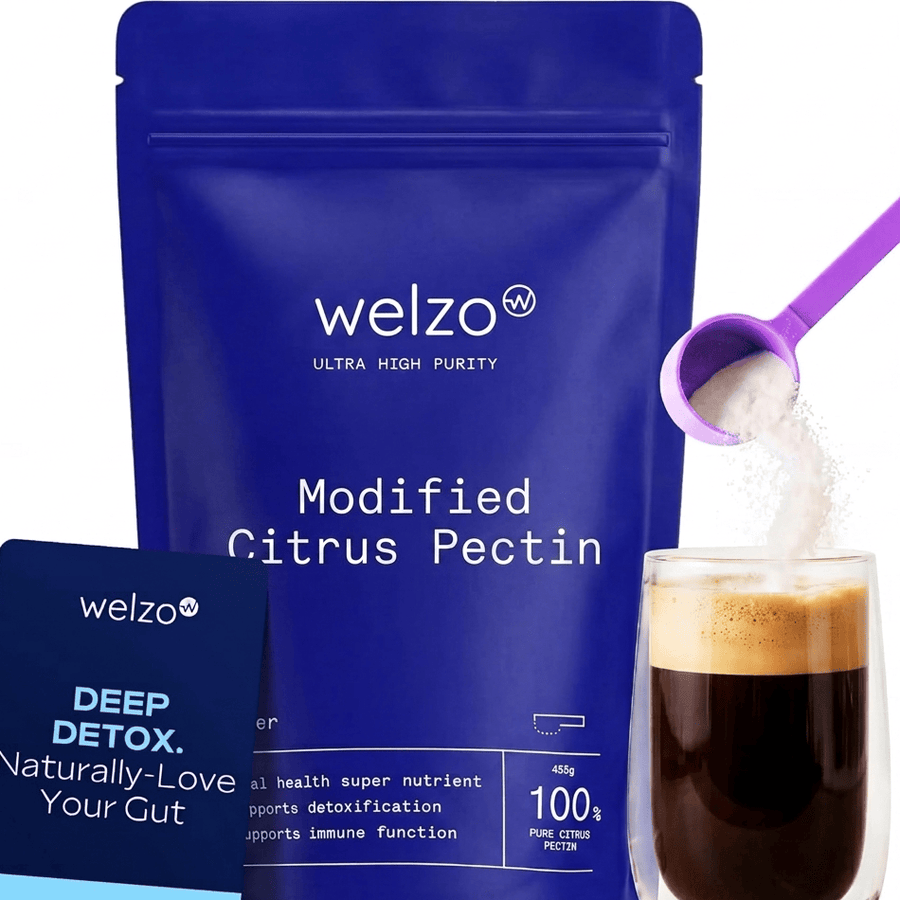
How to raise butyrate naturally. For most people, the most reliable way to increase colonic butyrate is to feed the bacteria that make it, rather than to swallow it. Fermentable fibres — resistant starch (cooled cooked potatoes, rice and oats, slightly green bananas), pulses, and soluble fibres such as citrus pectin — are fermented into butyrate in the colon. In remission, gradually building these in (as tolerated) supports your own butyrate production; a direct butyrate supplement is a secondary option worth discussing with your team. Introduce fibre slowly, and remember this is a remission strategy — during an active flare, high-fibre foods are often reduced temporarily.
Here UC differs meaningfully from Crohn's: some probiotics have real evidence in ulcerative colitis. The best-studied is Escherichia coli Nissle 1917, which in a large double-blind trial was as effective as standard mesalazine at maintaining remission over 12 months (Kruis et al., 2004). A high-potency multi-strain formulation (VSL#3) has shown benefit for inducing remission in mild-to-moderate UC and is well established for pouchitis. This is a genuine, guideline-recognised role — quite unlike the limited evidence for probiotics in Crohn's.
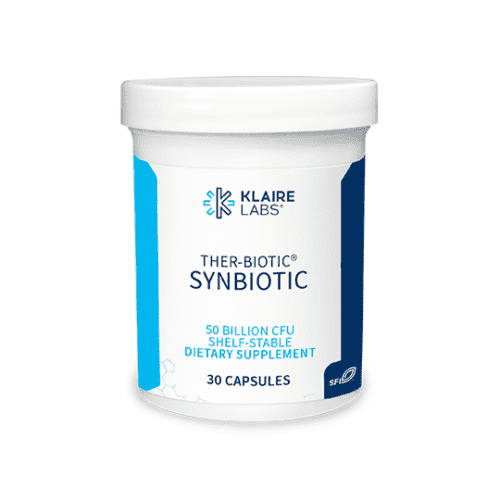
Two important caveats keep this honest. First, effects are strain-specific: these findings apply to particular, studied preparations, not to probiotics in general, so if you're considering one it's worth choosing a researched product and discussing it with your IBD team. Second, probiotics support rather than replace standard maintenance treatment — mesalazine remains the mainstay, and any change should be a clinical decision. You can compare options in the Welzo probiotics collection, but the choice of strain and its place in your regimen belongs with your specialist.
This is where supplements have their clearest role in UC: replacing what the disease depletes, based on blood tests and guided by your team. Guidelines recommend checking for micronutrient deficiencies regularly, in both active disease and remission.
The principle is to test and target: correcting a documented deficiency is evidence-based, whereas taking high-dose supplements speculatively is not, and some can interact with medication.
Beyond butyrate, specific probiotics and correcting deficiencies, it's honest to say that most other "gut supplements" have limited or unproven benefit for changing the course of UC, and none replaces prescribed treatment. Tools like faecal calprotectin testing help your team track inflammation far more reliably than judging by symptoms or by whichever supplement you happen to be taking.
For context on a few commonly asked-about options: mucin-associated Akkermansia is often reduced in IBD and is under active research, but supplementing it is not an established UC treatment. Berberine is studied for blood sugar and the microbiome and has preliminary anti-inflammatory interest, but it is not a proven UC therapy. And bile-focused TUDCA targets bile flow, which is not central to UC (a colonic, rather than bile-related, condition). Treat all of these as general wellbeing options at most, always discussed with your IBD team, and never as a reason to delay or stop the treatment that controls your inflammation.
Ulcerative colitis is a long-term condition, and a big part of living well with it is consistent monitoring — even when you feel completely fine. Because relapse is common and often silent in its early stages, staying engaged with your team pays off.
There's also an important longer-term consideration: people with extensive ulcerative colitis of many years' standing have a modestly increased risk of colorectal cancer. This is why surveillance colonoscopy is offered at intervals, tailored to how much of the colon is involved and how long you've had the condition. Reassuringly, keeping inflammation well controlled appears to lower this risk — which is one more reason that maintaining remission, through both treatment and supportive nutrition, is the central goal. Your gastroenterology team will set the right surveillance schedule for you.
Ulcerative colitis should always be managed with your specialist team. A severe flare can become a medical emergency, and some symptoms need urgent care rather than a change of diet or a supplement. Never stop prescribed medication, even in remission, without medical advice — stopping maintenance treatment is a common trigger for relapse.
Seek urgent or emergency care if you have:
Contact your IBD team promptly for:
A severe UC flare needs same-day assessment. See when to see a GP about tummy symptoms, and NHS — Ulcerative colitis.
There's no single best diet. In remission, a varied, balanced, Mediterranean-style diet with fibre as tolerated supports the colon and its butyrate-producing bacteria, while you avoid your personal triggers. During a flare, a temporary lower-fibre approach is often easier. The right plan is individual and best built with an IBD dietitian around your disease activity.
Butyrate is the main fuel for the colon lining, and there's promising evidence it may help as support: butyrate enemas have improved distal UC in small studies, and an oral sodium-butyrate supplement reduced disease-activity scores as an adjunct in a randomised trial. However, the evidence is still preliminary, so butyrate is best seen as support alongside standard treatment, not a replacement.
The most reliable way is to feed the bacteria that make it, by eating fermentable fibre — resistant starch (such as cooled cooked potatoes, rice, oats and slightly green bananas), pulses, and soluble fibres like pectin. Build these in gradually and, in remission, as tolerated. A direct butyrate supplement is a secondary option worth discussing with your IBD team.
No — UC cannot be cured by diet, and no food or supplement replaces medical treatment. Diet and nutrients such as butyrate can genuinely support the colon and overall health, and correcting deficiencies matters, but medication (mainly aminosalicylates such as mesalazine) remains essential to control inflammation and maintain remission. Nutrition works alongside that treatment.
Some do — this is an area where UC differs from Crohn's. The probiotic E. coli Nissle 1917 has been shown to be as effective as mesalazine for maintaining remission, and a high-potency multi-strain formulation (VSL#3) has evidence for inducing remission and for pouchitis. Effects are strain-specific, so choose a researched product and discuss it with your IBD team.
During a flare, many people find a temporary lower-fibre, low-residue approach easier, with smaller, more frequent meals and a focus on fluids, energy and protein to prevent weight loss. Some benefit from oral nutritional supplement drinks. This is a short-term strategy guided by your team, and fibre is reintroduced as the flare settles and you return to remission.
It depends on disease activity. In remission, fermentable fibre is beneficial because it feeds the bacteria that produce butyrate, the colon's main fuel — so a varied, higher-fibre diet is generally encouraged. During an active flare, high-fibre foods are often reduced temporarily to ease symptoms. Increase fibre gradually and personalise it around your own tolerance.
The clearest role is correcting documented deficiencies — commonly iron (from blood loss), vitamin D, folate, and sometimes calcium or magnesium — based on blood tests and guided by your team. Beyond this, specific probiotics and butyrate have supportive evidence, while most other gut supplements have limited proof. Always check supplements with your IBD team, as some interact with medication.
Triggers are individual, so there's no universal avoid-list. During flares, many people reduce high-fibre, very fatty or spicy foods temporarily, and some find certain ingredients aggravate symptoms. Diets high in ultra-processed foods are generally best limited. A food-and-symptom diary, guided by a dietitian, is the best way to identify your own triggers without over-restricting.
Seek urgent care for a severe flare: frequent bloody diarrhoea (for example six or more times a day) with feeling systemically unwell, severe abdominal pain, a swollen abdomen, high fever, or signs of significant dehydration. A severe UC flare needs same-day medical assessment, as it can lead to serious complications. Never stop prescribed medication without medical advice.
Medical disclaimer: This article is for general information and education only and does not constitute medical advice, diagnosis or treatment. It should not replace consultation with a qualified healthcare professional. Ulcerative colitis requires specialist medical management; nutrition, butyrate and supplements support this care and are not a substitute for it, and supplements are not intended to diagnose, treat, cure or prevent any disease. Never stop or change prescribed medication without medical advice, and seek urgent care for the warning symptoms described above.
About the author
Dr Zeeshan Afzal (MBBS) is a practising medical doctor and Welzo's Medical Content Lead. He writes and reviews Welzo's health content to ensure it is accurate, evidence-based and aligned with current UK clinical guidance, translating complex research into practical advice patients can trust.
 Оценено отлично от 28,951+ отзива
 100% гаранция за връщане на парите
Нашата гаранция за връщане на парите гарантира, че получавате артикулите си или ще получите пълно възстановяване.