






Kefir vs Probiotic Supplements: Which Is Better?
Posted on:
Aug 05, 2026
Authored by


Written and medically reviewed by Dr Zeeshan Afzal (MBBS) — Medical Doctor & Medical Content Lead, Welzo
Evidence-based · Honest about what's proven and what isn't · UK-focused
Last updated: July 2026 · Reading time: ~9 minutes
Kefir contains far more microbial diversity than any capsule. A capsule tells you exactly which organism you're taking and how much. Both statements are true, and they explain why this isn't really a contest.
There's also a practical problem most kefir drinkers don't know about: a good proportion of supermarket kefir contains no live cultures at all. More on that below.
Table of contents
Kefir is the better food habit. It supplies a genuinely diverse mix of bacteria and yeasts, plus protein, calcium, B vitamins and vitamin K2 — none of which a probiotic capsule provides.
A supplement is the better targeted intervention. If you want a specific strain at the dose used in a trial — for antibiotic cover, or a particular IBS pattern — kefir cannot give you that, because you have no idea what's in it.
They aren't substitutes. Drinking kefir daily and taking a targeted strain for a specific goal is entirely coherent. So is drinking kefir and taking nothing.
Kefir is made by fermenting milk with kefir grains — not grains in the cereal sense, but a rubbery symbiotic culture of bacteria and yeasts held together in a polysaccharide matrix.
That yeast component is what sets kefir apart. Yoghurt is typically made with two bacterial species. Kefir grains can host dozens of bacterial species alongside several yeasts — a far more complex community, and one that produces a different set of fermentation products.
The result is also a genuinely useful food in its own right: a good source of protein and calcium, with B vitamins and vitamin K2 produced during fermentation. Fermentation consumes much of the lactose, which is why many people who react to milk tolerate kefir comfortably — see lactose intolerance.
Water kefir is a separate product made with a different culture and a sugar-water base. It's dairy-free and suits vegans, but it's nutritionally much thinner — no protein, no calcium — and has a different microbial profile. See kefir benefits.
This is the single most useful thing in this article.
Many commercial kefir drinks are heat-treated after fermentation to extend shelf life and stabilise flavour. That process kills the cultures. The product still tastes like kefir, still says kefir on the front, and contains no living organisms whatsoever.
Kefir's diversity is real, but it comes with a limitation that matters if you're trying to achieve something specific.
None of this makes kefir bad. It makes it a food rather than a dose. Nobody asks how many milligrams of polyphenol are in their apple, and the apple is still worth eating.
A well-chosen probiotic supplement offers precisely what kefir can't: a named strain, a stated dose, and a link to published research.
If you're taking antibiotics and want cover, there are strains trialled specifically for that, at known doses — see probiotics after antibiotics. If you have a particular IBS pattern, there are strains studied for it. Kefir gives you none of that specificity.
Supplements also survive better in a practical sense: shelf-stable options travel, don't need a fridge, and don't spoil — see shelf-stable probiotics.
What they don't give you is nutrition, diversity, or the pleasure of a food you'd have anyway.
One point in kefir's favour deserves more attention than it usually gets.
Organisms in kefir arrive surrounded by protein and fat. That matrix appears to buffer stomach acid, plausibly helping more bacteria survive the journey — an advantage a bare capsule has to engineer with delayed-release coatings. See do probiotics survive stomach acid.
Kefir also contains fermentation by-products — peptides and organic acids formed during fermentation — which capsules don't. Whether these matter clinically isn't established, but they're a real difference rather than a marketing one.
| Feature | Kefir | Probiotic supplement |
|---|---|---|
| Microbial diversity | High — bacteria and yeasts | Low — one to a few strains |
| Named strains | No | Usually yes |
| Known dose | No | Yes |
| Matches trial evidence | No | Can do |
| Nutritional value | Protein, calcium, B vitamins, K2 | None |
| Consistency | Varies by batch and brand | Standardised |
| Suits dairy avoidance | Only water kefir | Many options |
| Cost per day | Low, and it's also food | From about 20p |

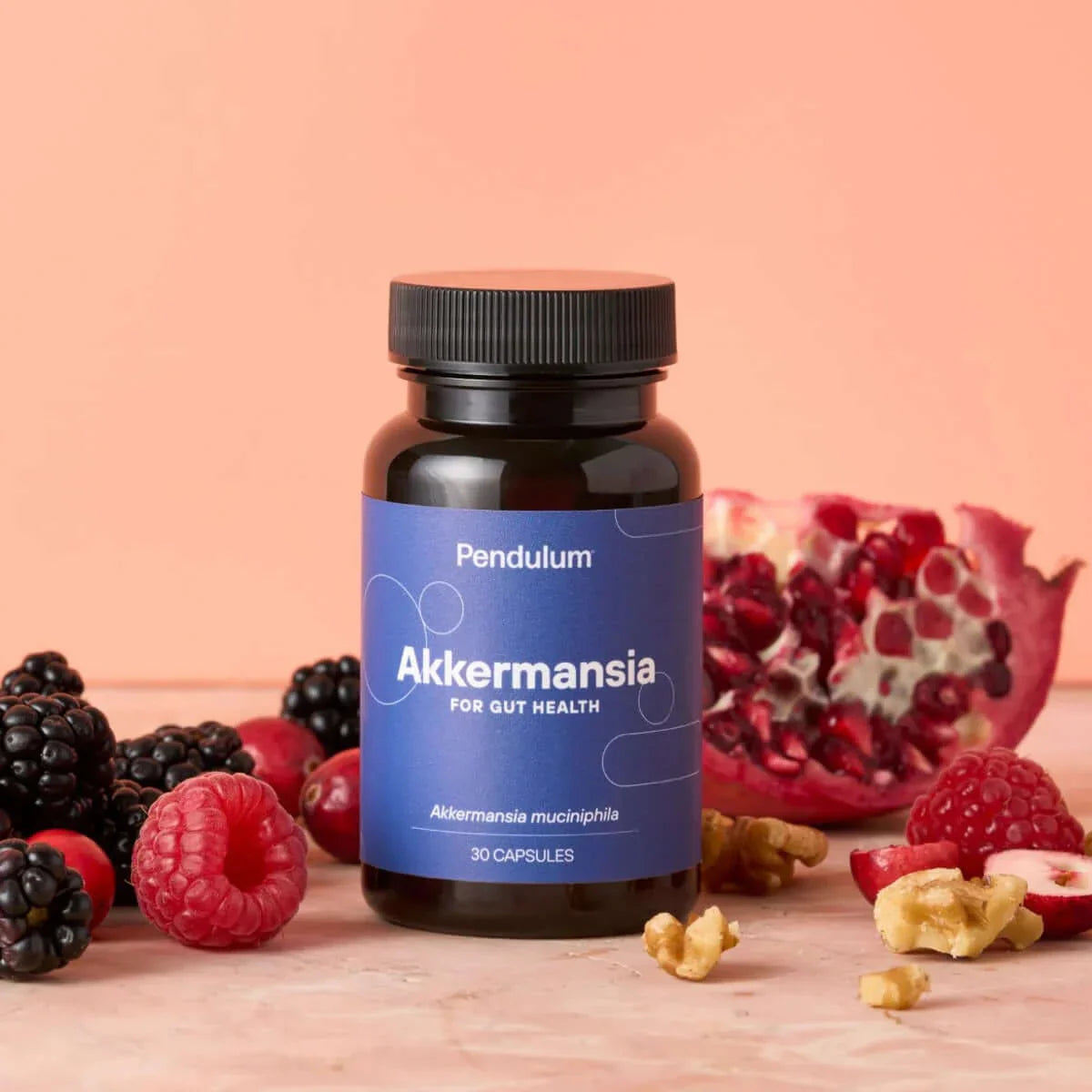
Culturelle Lactobacillus GG — £47.09 · 86 reviews · Available from Welzo. The most heavily researched probiotic strain there is, at 10 billion CFU guaranteed to expiry rather than manufacture. This is precisely what kefir cannot offer: a named organism you can look up. It's also dairy-free, despite being a lactic acid bacterium. Stock is intermittent.

Swanson L. plantarum — £5.93 · 132 reviews · Available from Welzo. Around 20p a day, in a delayed-release capsule, suitable for vegans. L. plantarum is a species found naturally in plant ferments such as sauerkraut and kimchi, so it sits comfortably alongside a fermented-food habit. It names the species rather than the strain, so no specific trial evidence attaches — but as a low-cost way to trial one organism, it does the job.
Both are well tolerated by most people. Bloating and wind in the first week or two are common with either and usually settle — see probiotic side effects.
Take medical advice before either if you
If you make kefir at home, hygiene matters — contaminated grains can grow unwanted organisms. Discard any batch that smells wrong, looks discoloured or develops mould. More in probiotics safety.
On labelling: probiotics carry no authorised health claim in GB or the EU, so supplements are sold as foods or food supplements and cannot legally be marketed as treating any condition.
See your GP — or seek urgent care — if you have:
Neither kefir nor a supplement is a substitute for assessment. See when to see a GP and bowel cancer screening.
Better as a food habit, because it supplies far more microbial diversity plus protein, calcium and vitamins. Worse as a targeted intervention, because you don't know which strains you're getting or how many. They answer different questions.
Look for "live cultures" on the label and check it isn't heat-treated after fermentation. Live kefir is refrigerated, has a short shelf life and may fizz. Long-life kefir on an ambient shelf almost certainly isn't live.
There's no established therapeutic dose, because composition isn't standardised. Most people who drink it regularly have a glass a day. Start smaller if you're new to fermented foods.
Yes, and there's no conflict. Kefir as a daily food habit, a targeted strain when you have a specific goal, is a perfectly sensible combination.
Often yes — fermentation consumes much of the lactose, and many lactose-intolerant people tolerate it well. A cow's milk protein allergy is a different matter and means avoiding dairy kefir entirely.
It's dairy-free, which matters if you need that, but it's nutritionally much thinner — no protein or calcium — and has a different microbial profile. Useful, but not equivalent.
Small amounts, produced by the yeasts during fermentation. Usually low, but worth knowing if you avoid alcohol entirely or are pregnant — check with your midwife.
Not reliably. Antibiotic-associated diarrhoea evidence attaches to specific strains at specific doses, and kefir gives you neither. Use a supplement with a strain trialled for that purpose.
It's usually more live and more diverse, and cheaper. It's also less consistent and carries a contamination risk if hygiene slips. Both are fine; just don't assume homemade is automatically superior.
It helps some people and worsens it for others — dairy, histamine and fermentable content can all be triggers. Introduce it slowly and stop if symptoms worsen rather than persevering.
Medical disclaimer: This article is for general information and education only and does not constitute medical advice, diagnosis or treatment. Food supplements are not a substitute for a varied and balanced diet, and are not intended to diagnose, treat, cure or prevent any disease. Probiotic effects are strain-specific; because kefir does not declare named strains or CFU counts, published trial results do not transfer to it. Live cultures — in food or supplement form — should be discussed with a doctor if you are immunocompromised, critically unwell, have an indwelling venous line or have inflammatory bowel disease. Dairy kefir is unsuitable for people with cow's milk protein allergy and is often poorly tolerated in histamine intolerance. Kefir contains small amounts of alcohol from fermentation; pregnant women should check with their midwife. A change in bowel habit lasting three weeks or more requires medical assessment. Prices, review counts and availability are correct at the time of writing.
About the author
Dr Zeeshan Afzal (MBBS) is a practising medical doctor and Welzo's Medical Content Lead. He writes and reviews Welzo's health content to ensure it is accurate, evidence-based and aligned with current UK clinical guidance.
 Оценено отлично от 28,951+ отзива
 100% гаранция за връщане на парите
Нашата гаранция за връщане на парите гарантира, че получавате артикулите си или ще получите пълно възстановяване.


