




Dave Asprey Supplements & Bulletproof Coffee: The Evidence
Posted on:
Aug 05, 2026
Authored by


Written by Dr Zeeshan Afzal (MBBS) — Medical Doctor & Medical Content Lead, Welzo
Medically reviewed · Evidence-based · Aligned with UK clinical guidance
Last updated: July 2026 · Reading time: ~14 minutes
Everything attributed to Dave Asprey comes from his own books, podcast, blog and company product pages. Where a claim is widely repeated but not supported by published evidence, we say so.
Dave Asprey did more than anyone to bring self-quantified health into the mainstream. He is also, unlike everyone else in this series, a supplement company founder whose personal routine and product catalogue are largely the same thing. That makes his stack worth examining carefully — starting with the claim the whole business was built on.
Dave Asprey, born in 1973, is an American entrepreneur and author who founded Bulletproof, the company behind Bulletproof Coffee and Brain Octane MCT oil. He describes himself as the father of biohacking, hosts The Human Upgrade podcast, and has founded several other health ventures including Upgrade Labs, Danger Coffee and TrueDark.
He has said publicly that he intends to live to 180, and has described spending well over a million dollars on interventions aimed at extending his own healthspan.
It is worth being fair before being critical. Asprey popularised several things that have held up: treating sleep as a measurable, improvable variable; the value of tracking your own biomarkers rather than accepting population averages; intermittent fasting as a mainstream practice; and the general idea that an individual can take an active, experimental role in their own health. Those were fringe positions fifteen years ago and are now unremarkable. That is substantially his doing.
Because the specific claims are checkable, and several of them do not check out. We have applied the same standard here as to everyone else — we simply found more that needed correcting.
Djokovic takes supplements and later founded a company. Ferriss recommends supplements and has commercial deals. Asprey is a different category: the routine and the product line are the same object.
Bulletproof Coffee is a recipe that requires Bulletproof-branded coffee beans and Bulletproof-branded MCT oil. The nootropic he takes is one he formulated and sells. The recovery technology is available at gyms he founded. When he describes his morning routine, he is describing a purchase order.
Again, this does not make any individual claim false. It does mean that "Dave Asprey takes X" carries roughly the evidential weight of any other advertisement, and each element has to stand on its own evidence.
Our own disclosure, on the same principle. Welzo sells supplements and blood tests, including several categories discussed below. We have applied the same standard to ourselves: where evidence is weak, we say so, including for things we stock. If we only ever applied that test to competitors it would be worth nothing.
A great many. Reported figures vary and he cycles items, but accounts consistently describe dozens of products daily — some sources put it well above eighty. He has not published a single definitive current list, and the figure changes with whatever he is testing.
Beyond cost, there are three practical issues. You cannot attribute an effect to any single item, which defeats the stated purpose of self-experimentation. Interaction risk rises with every addition, particularly with prescription medicines. And several fat-soluble vitamins — A, D, E, K — accumulate, so stacking multiple products containing them can push intake into ranges where harm becomes plausible.
Note on racetams and modafinil. Racetams are not authorised as food supplements or licensed medicines in the UK. Modafinil is a prescription-only medicine licensed for narcolepsy; using it as a productivity aid is off-label, and obtaining it without a prescription is unsafe and unlawful. We are not going to provide dosing information for either.
Coffee blended with roughly one to two tablespoons of unsalted grass-fed butter and one to two tablespoons of MCT oil, intended to replace breakfast.
The commercial premise of Bulletproof was that ordinary coffee is contaminated with mycotoxins — mould-derived toxins such as ochratoxin A — causing fatigue and brain fog, and that specially processed beans avoid this.
This claim does not hold up, and the relevant research substantially predates Bulletproof.
A 1980 review of mould and toxin presence in green coffee beans concluded that findings were extremely infrequent, toxin levels were low, and experimental roasting destroyed 70–80% of toxin deliberately added to beans. The authors reported that further study of the topic had been discontinued, because it was not a meaningful problem.
Subsequent work has been consistent. Ochratoxin A can occur in green coffee, roasting substantially reduces it, and the levels present in coffee as consumed are not considered harmful. Coffee is among the most heavily studied dietary items in existence, with a broadly favourable health profile in observational data.
In short: the fatigue that Bulletproof Coffee was designed to solve is not, on the available evidence, caused by mycotoxins in ordinary coffee.
This is the part with genuine clinical relevance for a British reader, and it is usually discussed vaguely. Let us be specific.
UK guidance advises that men consume no more than about 30 g of saturated fat daily, and women no more than about 20 g.
Two tablespoons of butter is roughly 28 g of butter, containing approximately 18 g of saturated fat. That single ingredient is around 60% of a man's daily limit and 90% of a woman's — before anything else is eaten that day.
MCT oil is also chemically saturated fat, and adding it pushes the per-cup figure higher still. But medium-chain triglycerides are metabolised differently from the long-chain saturated fat in butter, and do not appear to raise LDL cholesterol in the same way. It would be misleading to lump them together. The butter is the cardiovascular question; the MCT oil is mainly a calorie and digestive-tolerance question.
Butter is particularly effective at raising LDL. A controlled trial in 94 British adults found that 50 g of butter daily for four weeks raised LDL cholesterol substantially more than olive oil or coconut oil. Clinicians report cases of markedly elevated LDL in patients drinking butter coffee daily, resolving when they stop.
If you drink this daily, the reasonable step is not to argue about it — it is to measure. A cholesterol blood test tells you what it is doing to you, which is the only version of the question that matters.
Marketed as a breakfast substitute, it contains essentially no fibre, no micronutrients and — unless collagen is added — little protein. Collagen is also an incomplete protein, low in tryptophan, so it is a poor sole protein source. Displacing a balanced breakfast with several hundred calories of fat is a nutritional downgrade for most people.
| Claim | Status |
|---|---|
| He drinks and sells butter-and-MCT coffee | Confirmed — his own product |
| He takes a very large number of daily supplements, cycled | Confirmed — though no definitive current list exists |
| He uses red light, PEMF, cryotherapy, neurofeedback and stem cell therapy | Confirmed — described by him |
| He intends to live to 180 | His stated goal — no scientific basis for the figure |
| Ordinary coffee contains harmful mycotoxin levels | Not supported — contradicted by the evidence |
| Butter coffee improves cognition | Not established — caffeine accounts for the alertness |
| Bulletproof Coffee is a suitable daily breakfast replacement | Not supported — no fibre, negligible micronutrients |
| Specific doses across his full stack | Largely undisclosed — figures online are often inferred |
Asprey's protocol extends well past supplements into red light therapy, pulsed electromagnetic field devices, cryotherapy, infrared sauna, neurofeedback and stem cell injections.
The evidence across these is very uneven. Sauna has reasonably encouraging observational cardiovascular data. Red light therapy has real evidence for specific dermatological uses and much thinner evidence for the systemic claims made about it. PEMF devices have limited evidence outside narrow orthopaedic applications. Commercial stem cell injections for healthy people are not an established therapy, are unregulated in many jurisdictions, and carry genuine risk — UK regulators have repeatedly warned about unlicensed stem cell treatments.
The longest verified human lifespan is 122 years. There is no intervention available, purchasable or in trials that provides a basis for expecting 180. Treating it as an aspiration is one thing; presenting it as a plan is not supported by anything in the literature.
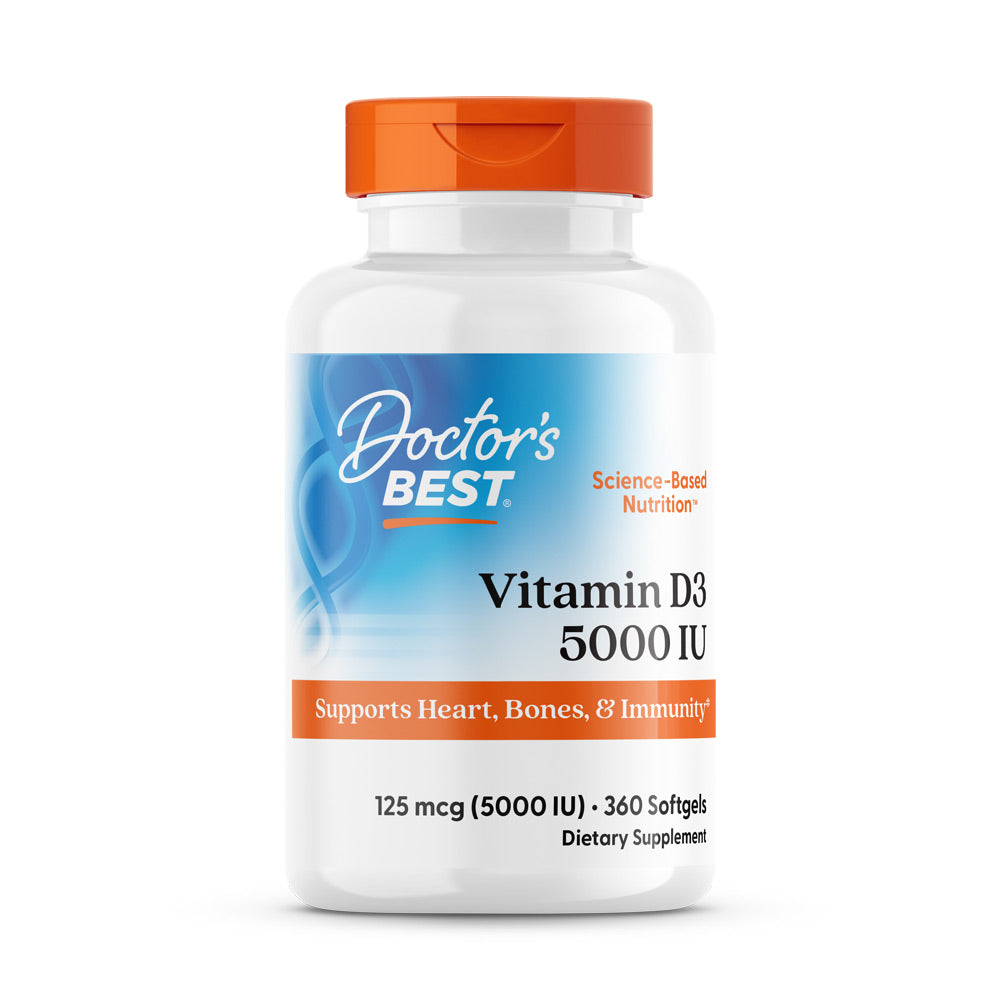
Vitamin D supplementation. UK guidance recommends it for the general population through autumn and winter. Asprey's 5,000 IU is above typical UK advice of 400 IU (10 µg) daily, and higher doses are best guided by a blood test rather than assumed.
Sleep prioritisation and biomarker tracking. Both are sound, and both are things he pushed early.
Omega-3 and magnesium. Reasonable, with modest effect sizes.
Collagen has some evidence for skin elasticity and joint comfort, weaker than the marketing suggests. Intermittent fasting is well tolerated and helps some people control intake; evidence that it independently extends human lifespan is not established. Cold exposure has short-term mood and alertness evidence, and may blunt strength adaptations if done straight after lifting.
The mycotoxin premise. Butter coffee as a cognitive enhancer beyond its caffeine. Butter coffee as a breakfast replacement. Nootropic blends sold on mechanistic rationale rather than trial data. And the 180-year target.
Daily butter coffee can meaningfully raise LDL cholesterol in some people, and LDL is a causal risk factor for cardiovascular disease. That is the substantive health risk in this routine. The secondary risk is spending very large sums on interventions with little evidence.
Vitamins A, D, E and K accumulate in the body. Taking a multivitamin plus a separate vitamin A plus a high-dose D3 plus a cod liver oil is a realistic way to reach intakes that cause harm. Excess vitamin A is a particular concern in pregnancy and for liver health. Count your total intake across every product, not per bottle.
Analytical studies summarised in a 2023 review of supplement adulteration found that between 14% and 50% of sampled sports supplement products contained undeclared prohibited substances. Third-party batch testing is the minimum standard.
What to look for on a label
A single named ingredient rather than a proprietary blend — blends are exactly how under-dosing is hidden. The dose stated in the form that matters: elemental magnesium, EPA and DHA rather than total oil, named forms such as cholecalciferol. And third-party batch testing for identity and purity.
The Welzo Ultra Purity range is built on that basis: single-ingredient formulations, disclosed dosages, no proprietary blends, and batch testing with published certificates of analysis.

Single-ingredient formulations with disclosed dosages and published certificates of analysis. Shown: Magnesium L-Threonate.
Browse the range →The underlying instinct — measure yourself, intervene deliberately, don't accept feeling below par — is a good one. Here is how to act on it without the catalogue.
A nutrition and vitamin blood test tells you which gaps you actually have. If you drink butter coffee daily, add a cholesterol test. This is the genuinely biohacking-shaped move, and it costs less than a month of a large stack.
An eighty-item stack cannot tell you what works. A three-item stack can. This is Asprey's own stated method applied more rigorously than he applies it.
Vitamin D through the UK winter, omega-3 if you don't eat oily fish, creatine if you train, magnesium if sleep or muscle function is the issue, and anything a blood test flagged. That covers most people.
Occasional is fine for most healthy people. Daily, as a breakfast replacement, is a large standing saturated fat load with no fibre. If you like it, have it sometimes, keep an eye on your lipids, and eat an actual breakfast.
Any product whose selling point is a problem you did not know you had until the same company told you about it.
Dozens daily, cycled according to what he is testing, with some accounts putting the number above eighty. Consistently discussed items include MCT oil, collagen, vitamin D3 at around 5,000 IU, vitamin K2, his own formulated nootropic, and historically racetams and modafinil. He has never published a definitive current list with doses.
Not at levels considered harmful. Research going back to 1980 found mycotoxin presence in green coffee beans to be infrequent and at low levels, with roasting destroying most of it — the topic was set aside as a non-issue. Ochratoxin A levels in coffee as consumed are not regarded as a health risk.
Occasionally, for a healthy person, it is unlikely to cause harm. Daily, as a breakfast replacement, it delivers a large saturated fat load with no fibre and negligible micronutrients. Two tablespoons of butter alone is roughly 18 g of saturated fat — around 60% of the UK daily maximum for men and 90% for women.
It can. Butter is particularly effective at raising LDL cholesterol; a controlled trial in 94 British adults found 50 g of butter daily raised LDL substantially more than olive oil or coconut oil. If you drink it regularly, a cholesterol blood test is the sensible way to find out what it is doing to you.
No, and it would be misleading to treat them the same. MCT oil is chemically saturated fat, but medium-chain triglycerides are metabolised differently from butter's long-chain saturated fat and do not appear to raise LDL in the same way. The butter is the cardiovascular concern; MCT oil is mainly a calorie and digestive-tolerance issue.
There is no evidence base for that figure. The longest verified human lifespan is 122 years, and no available or trialled intervention provides grounds for expecting 180.
We would not advise it. Beyond cost, it makes it impossible to attribute any effect to any single item, multiplies interaction risk with prescription medicines, and risks accumulating fat-soluble vitamins A, D, E and K to harmful levels when several products contain them.
UK guidance suggests 10 µg (400 IU) daily for the general population through autumn and winter. Higher doses such as 5,000 IU are best guided by a blood test rather than assumed, since vitamin D accumulates.
Racetams are not authorised as food supplements or licensed medicines in the UK. Modafinil is a prescription-only medicine licensed for narcolepsy; taking it for productivity is off-label, and obtaining it without a prescription is unsafe and unlawful.
The instinct rather than the catalogue: measure your own biomarkers, treat sleep as improvable, change one variable at a time, and don't accept feeling below par as inevitable. Applied with a small evidenced stack and a blood test, that is a genuinely good approach.
Medical disclaimer. This article is for general information and is not medical advice. It is not a substitute for consultation with a qualified healthcare professional. Dave Asprey has no connection to Welzo and does not endorse Welzo or any product mentioned. Nothing here should be taken as a claim that any supplement prevents, treats or cures any disease, and nothing here is a recommendation to obtain any prescription-only or unauthorised substance.
Speak to your GP or pharmacist before starting a supplement or making significant dietary changes if you take prescription medication, are pregnant or breastfeeding, have raised cholesterol or cardiovascular disease, or have liver or kidney disease. If you have concerns about your cholesterol, ask your GP for a lipid profile.
 Hodnoceno výborně o 28,951+ recenzí
 100% záruka vrácení peněz
Naše záruka vrácení peněz zajišťuje, že obdržíte své položky nebo získáte plnou náhradu.


