


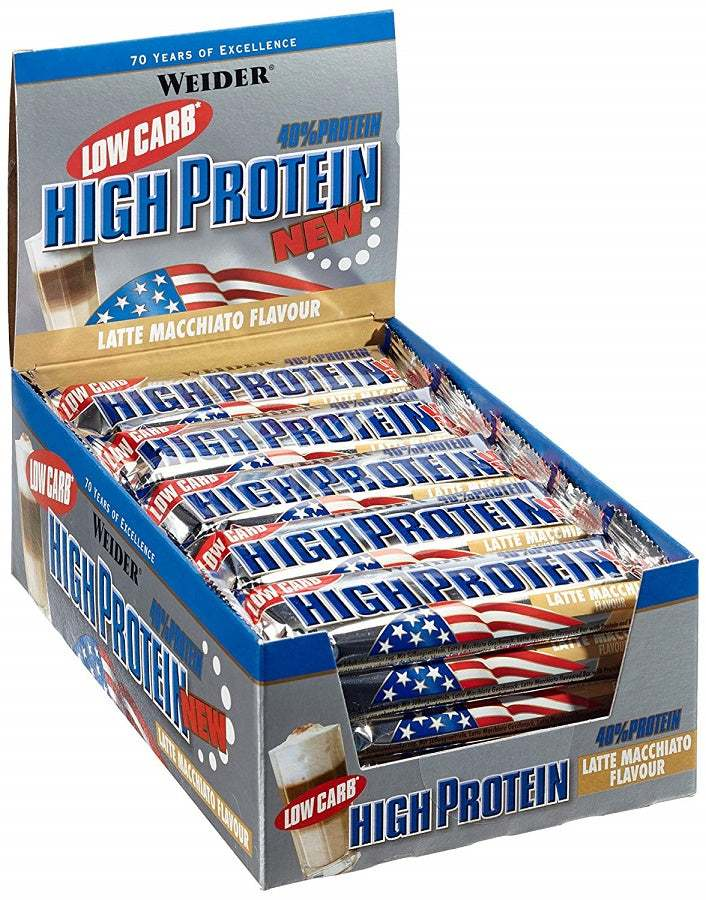

Zac Efron's Supplements: What He Actually Takes vs What's Just Reported


Související produkty


Medically reviewed by Dr Zeeshan Afzal (MBBS, General Practitioner) — Medical Content Reviewer, Welzo.
Evidence standard: Every claim about Zac Efron below is traced to a named interview or publication, and every clinical claim is referenced to a randomised trial, systematic review, position stand or UK public health body. Sources are listed in full at the end. You can read how we research and fact-check our content in the Welzo editorial policy.
Quick answer: Zac Efron has never publicly published a supplement stack. What he has confirmed, in a 2022 Men's Health cover interview, is that his Baywatch physique required Lasix (furosemide), a prescription-only diuretic — and that the regime left him with insomnia and a prolonged depressive episode. Widely repeated claims that he takes whey protein, a multivitamin or BCAAs trace back to fitness blogs, not to Efron. The evidence-backed version of an "Efron-style" routine is far simpler than the internet suggests: adequate protein, creatine monohydrate, vitamin D in a UK winter, and sleep.
Table of contents
- Who is Zac Efron?
- What supplements does Zac Efron take?
- The complete stack table: confirmed, reported and fabricated
- Why each supplement is used — and what the evidence says
- Zac Efron's diet and nutrition habits
- Exercise, recovery and lifestyle routine
- The Baywatch warning: diuretics, dehydration and real harm
- Scientific evidence behind the stack, graded
- Risks, limitations and what is confirmed vs reported
- How to build a similar routine safely
- Test before you supplement
- Related Welzo supplements and tests
- Frequently asked questions
- References
Who is Zac Efron?
Zachary David Alexander Efron (born 18 October 1987, San Luis Obispo, California) is an American actor who became globally recognisable through Disney's High School Musical franchise, then transitioned into adult roles including Hairspray, Neighbors, The Greatest Showman, Baywatch (2017) and The Iron Claw (2023).
He matters to the supplement conversation for a specific reason: he has undergone at least three publicly documented, radically different body transformations, and — unusually for a Hollywood actor — he has spoken candidly about the medical cost of one of them. He also won a Daytime Emmy for the Netflix documentary series Down to Earth with Zac Efron, made with wellness author Darin Olien, which is where his two-year period of veganism began.
Why people search for his supplement stack
Search interest clusters around three physiques: the extremely lean Baywatch look (2017), the leaner, more sustainable post-pandemic look (2022), and the heavier, wrestler-built frame for The Iron Claw (2023). Each required a different nutritional approach — and only one of them was medically sensible. That distinction is the entire point of this article.
What supplements does Zac Efron take?
The honest answer, and the one almost no competing article gives: Zac Efron has not publicly disclosed a supplement stack.
We searched his major long-form interviews — the Men's Health US October 2022 cover story, Men's Health coverage of the Iron Claw bulk, Men's Journal's interview with his Baywatch trainer Patrick Murphy, and his trainer's comments to British GQ — and found detailed information on his food, fasting protocol, training and sleep, and one confirmed prescription medication. We found no first-person statement from Efron naming a single supplement brand, dose or timing.
Where the "Zac Efron supplement stack" articles come from
The lists you will find elsewhere — whey protein, multivitamin, BCAAs, casein, pre-workout — are, in almost every case, one of the following:
- A trainer's general recommendation repackaged as Efron's personal routine. His Baywatch preparation reportedly included an unflavoured whey protein with no additives, which is a plausible detail from trainer-sourced reporting but is not something Efron has stated himself.
- The article author's own suggestions. At least one large fitness site states openly that little is publicly known about what Efron took, then lists what they would recommend. That list then gets copied elsewhere without the caveat.
- Outright fabrication. Fake "Zac Efron endorses this muscle pill" articles — complete with invented quotes about receiving products from his Baywatch co-star — have circulated for years and have been publicly debunked by supplement watchdog sites. Spam pages promoting products such as "Titan Boost" continue to attach his name to formulas he has no connection with.
Clinical note — Dr Zeeshan Afzal: When a celebrity stack cannot be sourced to the celebrity, the safest assumption is that it does not exist as described. In clinical practice I see patients who have bought a six-product regime on the basis of a physique they admired, with no idea that the physique was produced by a prescription diuretic, professional supervision, and a body of work that pays for full-time training. Copying an unverified stack is not a shortcut. It is spending money on someone else's guess.
The complete stack table: confirmed, reported and fabricated
The table below separates evidence tiers rather than presenting speculation as fact. Confirmation status tells you how solid the link to Efron is. Evidence level tells you how solid the science is for that ingredient in general — the two are entirely independent.
| Item | Typical dose | Timing | Purpose | Confirmation status (link to Efron) | Evidence level (the science) |
|---|---|---|---|---|---|
| Lasix (furosemide) — prescription diuretic | Not disclosed | Baywatch prep, 2016–17 | Removing subcutaneous water for on-camera definition | Confirmed by Efron (Men's Health, 2022) | Not a supplement. Prescription-only medicine. No legitimate cosmetic use |
| Bone broth | One serving | Breaking his fast, ~11am | Satiety, digestive comfort (his stated reasoning) | Confirmed by Efron (Men's Health, 2022) | Low — food, not a therapeutic supplement |
| Apple cider vinegar | Not specified | Before each of two daily meals | Digestion (his stated reasoning) | Confirmed by Efron (Men's Health, 2022) | Very low — small, short trials only |
| Unflavoured whey protein (no additives) | Not specified | Around training | Meeting a high daily protein target | Reported via trainer-sourced coverage of Baywatch prep | High — meta-analysis and ISSN position stand |
| Creatine monohydrate | 3–5 g | Any time, daily | Strength, power, training volume, lean mass | Not confirmed — assumed by fitness media for the Iron Claw bulk | High — ISSN position stand |
| Multivitamin | One daily | With food | Insurance against dietary gaps | Not confirmed — blog-sourced only | Low–moderate — useful in deficiency, little benefit otherwise |
| BCAAs | 5–10 g | Around training | Claimed recovery benefit | Not confirmed — blog-sourced only | Low — largely redundant if protein intake is adequate |
| Vitamin D3 | 10–25 µg (400–1,000 IU) | With a meal containing fat | Bone, muscle and immune function | Not confirmed for Efron | High for UK adults — NHS advises supplementation in autumn and winter |
| Named commercial "Efron" muscle products | — | — | — | Fabricated. Publicly debunked fake endorsements | None |
What this table tells you
Read the two right-hand columns together and a pattern appears. The only things confirmed to be in Efron's routine are a prescription drug and two foods. The items with genuinely strong scientific support — protein, creatine, vitamin D — are the ones with the weakest link to him personally. That is not a failure of research. It is the actual state of the public record, and it is more useful to you than a confident list of nine capsules.
Why each supplement is used — and what the evidence says
Whey protein
Protein supplementation is the single best-supported product category in sports nutrition. A systematic review and meta-analysis published in the British Journal of Sports Medicine pooled 49 randomised controlled trials and found that protein supplementation significantly increased one-repetition-maximum strength and fat-free mass gains during resistance training, with benefits plateauing at a total intake of roughly 1.6 g per kg of bodyweight per day [1].
The International Society of Sports Nutrition position stand recommends 1.4–2.0 g/kg/day for physically active individuals seeking to build or maintain muscle [2]. For an 80 kg adult that is roughly 112–160 g daily.
The practical point most articles miss
Whey is a convenience format, not a magic ingredient. If you already reach your protein target from food, a shake adds nothing beyond calories. Efron's reported Baywatch whey — unflavoured, no additives — is notable mainly for how unglamorous it is. Browse options in the Welzo whey protein range or the wider protein supplements collection.
Creatine monohydrate
Creatine is the most extensively researched ergogenic aid available. The ISSN position stand concludes that creatine monohydrate is, in its words, the most effective ergogenic nutritional supplement currently available
for increasing high-intensity exercise capacity and lean body mass during training, and that long-term use at recommended doses is not associated with harm in healthy individuals [3].
Dosing
Either 3–5 g daily with saturation over roughly three to four weeks, or an optional loading phase of approximately 20 g per day split into four doses for five to seven days, followed by 3–5 g maintenance [3]. Timing is unimportant; daily consistency is what matters. See the Welzo creatine collection and MyProtein Creatine Monohydrate.
What creatine does not do
It does not reduce body fat, and it slightly increases intracellular water — which is the opposite of the effect Efron's team were chasing for Baywatch. Anyone assuming creatine was part of that specific preparation has misunderstood the goal.
Vitamin D3
The NHS advises that everyone in the UK aged four and over should consider a daily supplement containing 10 µg (400 IU) of vitamin D during autumn and winter, because between October and March UK sunlight is not strong enough for the skin to synthesise it; those with limited sun exposure are advised to consider taking it year-round [4].
This is the clearest gap for a UK reader — far clearer than anything specific to Efron, who lives in California and Australia. Browse the Welzo vitamin D collection.
Safety limit
Vitamin D is fat-soluble and accumulates. Do not exceed 100 µg (4,000 IU) daily without medical supervision and a blood test.
Omega-3 (EPA and DHA)
The European Food Safety Authority considers 250 mg of combined EPA and DHA daily adequate for cardiovascular maintenance in healthy adults, and has concluded that supplemental intakes up to 5 g daily do not raise safety concerns for adults [5]. Read the EPA and DHA figures on the label rather than total fish oil weight. See the Welzo omega-3 collection.
Magnesium
Magnesium is a cofactor in hundreds of enzymatic reactions, including those governing normal muscle and psychological function, and the UK reference nutrient intake is 300 mg daily for men and 270 mg for women [6]. Trials of magnesium for sleep exist but are generally small, short and heterogeneous, and effect sizes reported are modest. Given that Efron's most serious reported problem was insomnia, this is worth stating precisely: magnesium is a reasonable, low-risk addition — particularly if your diet is low in wholegrains, nuts, seeds and leafy greens — but it is not a treatment for the kind of insomnia he described, which had an identifiable pharmacological cause. See the Welzo magnesium collection.
BCAAs — the one to be sceptical about
Branched-chain amino acids appear on almost every celebrity stack list, including Efron's. The evidence does not support them as a standalone. A widely cited review argues that BCAAs alone cannot maximally stimulate muscle protein synthesis, because building muscle protein requires the full complement of essential amino acids — which a normal protein intake already supplies [7]. If you consume enough total protein, BCAAs are, for most people, a redundant purchase. Welzo stocks them in the BCAA range for those who want them, but we would not put them ahead of protein or creatine.
Bone broth and apple cider vinegar
These are the two items Efron actually confirmed, and both sit at the weak end of the evidence spectrum. Bone broth is a food: its protein is collagen-dominant and incomplete, so it should not be counted towards a protein target the way whey or meat can be. Apple cider vinegar has been studied only in small, short trials; frequent undiluted consumption also carries a genuine risk of dental enamel erosion. Neither is harmful in normal amounts. Neither is doing much either.
Zac Efron's diet and nutrition habits
Phase 1: the Baywatch protocol (2016–17)
Prepared under trainer Patrick Murphy, this phase was built on an all-organic whole-food diet with nothing processed or refined, with calorie intake and macronutrient ratios adjusted roughly every two weeks to prevent adaptation, and a minimum of around 100 ounces of water daily. Efron has since described it in blunt terms, telling Men's Health the look was effectively fake; it looks CGI'd
[8].
Phase 2: two years vegan (2018–2020)
Influenced by his Down to Earth co-host Darin Olien, Efron ate a fully plant-based diet for roughly two years and initially reported significant benefits to energy and sleep. He later stopped, telling Men's Health that his body wasn't processing the vegetables in the right way
, while adding that he still preferred veganism on moral grounds [9].
A note on the "vegetables" explanation
Efron reported undergoing food-sensitivity testing around this period. It is worth being clear for readers: commercially marketed food-intolerance tests vary considerably in what they measure and how they should be interpreted, and a symptom pattern like his has many possible explanations. If plant-based eating leaves you depleted, the more informative first steps are checking iron, B12 and vitamin D status — a vegan blood test or nutrition and vitamin blood test covers those directly. Our guide to vegan longevity supplements covers the specific gaps.
Phase 3: intermittent fasting and a protein-heavy diet (2022 onward)
After stopping veganism, Efron moved to two meals a day within a compressed eating window. As described to Men's Health: morning cardio in a fasted state, breaking the fast around 11am with bone broth, vegetables and a lean protein such as chicken or elk; then a larger evening meal combining meat with a carbohydrate such as sweet potato or quinoa, with apple cider vinegar before each meal. He has also said he particularly likes organ meats, specifically liver.
An important caution on liver
Liver is exceptionally rich in preformed vitamin A (retinol), which is fat-soluble and accumulates. UK guidance advises against eating liver or liver products more than once a week, and against taking supplements containing retinol alongside frequent liver consumption; people who are pregnant or may become pregnant are advised to avoid liver altogether because of the risk to the developing baby [10]. This detail is routinely copied from Efron's interviews into "eat like Zac" articles with no warning attached.
Phase 4: The Iron Claw bulk (2023)
For his role as wrestler Kevin Von Erich, Efron reversed direction entirely, moving into a calorie surplus and reportedly adding around 15 lb of muscle. His trainer for that preparation, Farren Morgan, told British GQ that a controlled surplus of no more than roughly 20% above maintenance, alongside a macronutrient split in the region of 45–60% carbohydrate, 30–35% protein and 15–30% fat, is the safe way to gain, and stressed that at least seven hours of sleep was essential to the process.
Exercise, recovery and lifestyle routine
Training structure
Across roles, the consistent elements are compound lifts (squats, deadlifts, presses, rows) as the base, high-volume accessory and circuit work, and conditioning. For Baywatch, sessions used supersets with minimal rest between paired exercises. For The Iron Claw, training shifted towards heavier volume for hypertrophy, alongside genuine wrestling practice — reportedly multiple 15-minute matches on consecutive days.
What changed after 2022
Efron has said he now prefers carrying an extra two to three percent body fat, and has moved towards stretching, yoga and recovery rather than permanent extreme leanness. He also described trying the opposite extreme — deliberately letting his fitness go — and finding it equally unpleasant.
The most transferable habit
It is not a supplement. It is sleep. His own account attributes the collapse of his Baywatch preparation partly to 4am training sessions after late shoots, and his Iron Claw trainer named seven hours as a non-negotiable input to muscle growth. No product on this page produces a comparable return.
The Baywatch warning: diuretics, dehydration and real harm
This is the most important section on the page, and the one absent from almost every competing article.
In his 2022 Men's Health cover story, Efron stated that the Baywatch physique required Lasix and powerful diuretics to achieve, and described the aftermath: insomnia, and what he called a prolonged period of depression, telling the magazine I had a really hard time recentering
[11]. He has said it took roughly six months after filming before he felt normal again, and that the episode was attributed to taking too many diuretics for too long.
What Lasix actually is
Lasix is a brand name for furosemide, a loop diuretic. In the UK it is a prescription-only medicine, licensed for conditions involving fluid overload such as heart failure, and it works by causing the kidneys to excrete large volumes of water and electrolytes. It is not a cosmetic product and it is not a supplement.
Recognised risks
Furosemide can cause dehydration, low blood pressure, and disturbances of sodium, potassium and magnesium. Significant potassium disturbance can affect cardiac rhythm. These effects are precisely why the drug requires prescription, monitoring and blood tests — none of which apply when a diuretic is used to look leaner on camera. Furosemide is also on the World Anti-Doping Agency's prohibited list as a diuretic and masking agent, in and out of competition.
Clinical note — Dr Zeeshan Afzal: The extreme vascular definition seen in film and fitness photography is frequently a dehydration artefact rather than a training outcome. It is not a state the body can safely hold, and attempting to reproduce it with diuretics — prescription or "natural" — risks electrolyte disturbance and cardiac arrhythmia. Efron's own account, including the insomnia and low mood that followed, is a more honest description of the cost than anything in the marketing around these physiques. If you are ever offered a diuretic for appearance, please decline it.
"Natural diuretic" supplements deserve the same caution
Dandelion extract, uva ursi and similar products are marketed for "water weight" and are not equivalent in potency to furosemide — but the goal is identical and the direction of travel is the same. Welzo does not recommend using any diuretic product for cosmetic leanness.
Scientific evidence behind the stack, graded
| Ingredient | Strength of evidence | Best-supported claim | Type of evidence |
|---|---|---|---|
| Creatine monohydrate | Strong | Increases strength, power and lean mass with resistance training | ISSN position stand; extensive RCT base [3] |
| Protein / whey | Strong | Augments strength and fat-free mass gains up to ~1.6 g/kg/day | Meta-analysis of 49 RCTs [1]; ISSN position stand [2] |
| Vitamin D3 | Strong (UK population) | Corrects a documented seasonal deficit | NHS public health guidance [4] |
| Omega-3 EPA/DHA | Moderate | Adequate intake supports cardiovascular maintenance | EFSA scientific opinion [5] |
| Magnesium | Moderate, small effect | Modest improvement in insomnia severity scores | Randomised placebo-controlled trial [6] |
| BCAAs | Weak | No clear benefit above adequate total protein | Mechanistic review [7] |
| Collagen / bone broth | Weak | Incomplete protein; not a substitute for whole protein | Amino acid composition |
| Apple cider vinegar | Very weak | Small short-term trials only; enamel erosion risk | Limited human data |
| Diuretics for appearance | Contraindicated | No legitimate cosmetic use | Prescription medicine; WADA-prohibited |
Risks, limitations and what is confirmed vs reported
What is confirmed, in Efron's own words
- Use of Lasix and diuretics for Baywatch, followed by insomnia and a prolonged depressive episode.
- Approximately two years of veganism, then stopping it.
- A two-meal-a-day intermittent fasting pattern, bone broth, apple cider vinegar, lean and organ meats.
- A stated preference for carrying more body fat than he did in 2017.
What is reported but not confirmed by him
- Unflavoured whey protein during Baywatch prep (trainer-sourced coverage).
- Specific macronutrient percentages for The Iron Claw (attributed to his trainer, describing general principles).
- Multivitamin use.
What appears to be fabricated
- Any named commercial muscle-building supplement claiming his endorsement. These have been debunked publicly, and invented quotes have been attached to them.
Why celebrity stacks transfer poorly in general
- Occupational context. Efron is paid to train. A transformation is his job, with professional supervision attached.
- Short duration. Film preparation runs 12 weeks and then stops. It is not a lifestyle, and Efron's own experience shows what happens when it is treated as one.
- Individual variation. Genetics, age, training history, sleep and baseline nutrition status all alter the result.
- Survivorship bias. You see the physique that worked. You do not see the six months of recovery unless the person volunteers it, as Efron did.
How to build a similar routine safely
The version below keeps what is defensible and discards what is not.
Step 1: set the foundation before buying anything
- Protein target: 1.4–2.0 g/kg/day, mostly from food [2].
- Resistance training: three to five sessions weekly, built on compound lifts with progressive overload.
- Sleep: seven or more hours. This is the input Efron's own trainer named, and the one his Baywatch preparation destroyed.
Step 2: add supplements in this order, one per week
| Week | Add | Dose | When |
|---|---|---|---|
| 1 | Vitamin D3 | 10–25 µg (400–1,000 IU) | With breakfast |
| 2 | Creatine monohydrate | 3–5 g | Any time, daily |
| 3 | Whey or plant protein | As needed to hit target | Around training or between meals |
| 4 | Omega-3 (if oily fish <2×/week) | 500–1,000 mg EPA+DHA | With a main meal |
| Optional | Magnesium | 200–300 mg elemental | Evening |
Adding one product per week means that if something disagrees with you, you know which one it was. Adding five at once teaches you nothing.
Step 3: what to leave out
- Any diuretic, prescription or herbal, used for appearance.
- Proprietary blends that hide per-ingredient doses.
- BCAAs, if your total protein intake is already adequate [7].
- Fat burners promising the Baywatch look. That look required a prescription drug and cost its owner six months.
Clinical note — Dr Zeeshan Afzal: Speak to your GP or pharmacist before starting supplements if you take prescription medication, have kidney or liver disease, are pregnant or breastfeeding, or have a history of disordered eating. Creatine is well tolerated in healthy adults but should be discussed first if you have existing kidney disease. Omega-3 has mild antiplatelet effects and warrants a conversation if you take anticoagulants.
Test before you supplement
The most efficient way to keep a routine short is to know which gaps you actually have. Welzo runs at-home blood tests through accredited partner laboratories:
- Vitamin D blood test — whether 10 µg is sufficient for you.
- Omega-3 and 6 essential fatty acids test — whether your fish intake is genuinely covering EPA and DHA.
- Advanced sports and fitness performance test — a training-focused baseline.
- Tiredness and fatigue blood test — if low energy is the actual problem, iron, thyroid and B12 explain it far more often than any supplement will fix.
- Full Body MOT Health Check — a complete baseline in one draw.

Related Welzo supplements and tests
- Creatine supplements — the highest-evidence item on this page.
- Whey protein and all protein supplements.
- Vegan and plant-based supplements — relevant to Efron's two-year plant-based period.
- Vitamin D, omega-3 and magnesium.
- Sports supplements and bodybuilding supplements.
- Electrolytes — for rehydration around training, not for cutting water.
Further reading: a minimal supplement stack for busy professionals and longevity supplements that don't work.
Frequently asked questions
What supplements does Zac Efron actually take?
He has never publicly named a supplement stack. The only items he has confirmed are bone broth, apple cider vinegar and, during Baywatch preparation, the prescription diuretic Lasix. Claims about whey protein, multivitamins and BCAAs come from fitness blogs and trainer-sourced reporting, not from Efron.
Did Zac Efron take steroids for Baywatch?
There is no public evidence that he did, and he has not been accused of it credibly. What he has confirmed is diuretic use — a different class of drug, used to remove water rather than build muscle, though it is prohibited in sport as a masking agent.
What is Lasix and why did Zac Efron take it?
Lasix is a brand name for furosemide, a prescription-only loop diuretic used medically for fluid overload. Efron said it was used to reduce water under the skin for extreme on-camera definition. He described the result as looking artificial and said prolonged use was blamed for the insomnia and depression that followed.
Does Zac Efron take creatine?
Not confirmed. Fitness media assume he did during the Iron Claw bulk, but he has not said so. Creatine is nonetheless one of the best-evidenced supplements available, at 3–5 g daily [3].
Is Zac Efron still vegan?
No. He was vegan for roughly two years, influenced by his Down to Earth co-host Darin Olien, and stopped around 2022, telling Men's Health that his body was not processing vegetables well. He said he still preferred veganism on moral grounds.
What does Zac Efron eat in a day?
As described in 2022: fasted morning cardio, then a first meal around 11am of bone broth, vegetables and a lean protein such as chicken or elk; then a larger evening meal of meat with sweet potato or quinoa. He takes apple cider vinegar before meals and eats organ meats, including liver.
How much protein should I take to build muscle like Zac Efron?
Evidence supports 1.4–2.0 g per kg of bodyweight daily for active adults [2], with benefits from supplementation plateauing around 1.6 g/kg/day [1]. For an 80 kg adult that is roughly 112–160 g per day, mostly from food.
Can I get the Baywatch body safely?
Not that exact appearance. Efron himself said the look was not really attainable and required diuretics. A very lean, muscular physique is achievable through training, protein and a sustained calorie deficit — but the specific "no water under the skin" appearance is a temporary, drug-assisted state, not a health outcome.
Are the supplements advertised with Zac Efron's face real endorsements?
Almost certainly not. Fake Efron endorsements, including invented quotes, have circulated for years and have been publicly debunked. Treat any product claiming his backing as fraudulent unless it appears on his own verified channels.
Should I take a supplement or get a blood test first?
Test first where you can. Testing tells you which gaps are real and keeps your routine short and cheaper. A nutrition and vitamin blood test or Full Body MOT Health Check covers the common shortfalls in one draw.
Medical disclaimer
This article is for general information and is not a substitute for personalised medical advice. Do not start, stop or change any supplement or medication on the basis of this page alone. Speak to your GP or pharmacist if you take prescription medicines, have a chronic condition, are pregnant or breastfeeding, or have a history of disordered eating. If you are struggling with body image, low mood or disordered eating, support is available through your GP and through UK charities including Beat.
References
- Morton RW, Murphy KT, McKellar SR, et al. A systematic review, meta-analysis and meta-regression of the effect of protein supplementation on resistance training-induced gains in muscle mass and strength in healthy adults. British Journal of Sports Medicine. 2018;52(6):376–384. bjsm.bmj.com
- Jäger R, Kerksick CM, Campbell BI, et al. International Society of Sports Nutrition Position Stand: protein and exercise. Journal of the International Society of Sports Nutrition. 2017;14:20. jissn.biomedcentral.com
- Kreider RB, Kalman DS, Antonio J, et al. International Society of Sports Nutrition position stand: safety and efficacy of creatine supplementation in exercise, sport, and medicine. Journal of the International Society of Sports Nutrition. 2017;14:18. jissn.biomedcentral.com
- NHS. Vitamin D — Vitamins and minerals. nhs.uk
- EFSA Panel on Dietetic Products, Nutrition and Allergies. Scientific Opinion on the Tolerable Upper Intake Level of eicosapentaenoic acid (EPA), docosahexaenoic acid (DHA) and docosapentaenoic acid (DPA). EFSA Journal. 2012;10(7):2815. efsa.europa.eu
- National Institutes of Health, Office of Dietary Supplements. Magnesium — Fact Sheet for Health Professionals. ods.od.nih.gov (UK reference nutrient intakes: British Nutrition Foundation)
- Wolfe RR. Branched-chain amino acids and muscle protein synthesis in humans: myth or reality? Journal of the International Society of Sports Nutrition. 2017;14:30. jissn.biomedcentral.com
- Variety. Zac Efron says Baywatch training led to depression. September 2022. variety.com
- Men's Health Australia. Zac Efron shares why he ditched a vegan diet. September 2022. menshealth.com.au
- NHS. Vitamin A — Vitamins and minerals. nhs.uk
- Men's Health (US). Zac Efron cover story, October 2022 issue. menshealth.com
- Men's Journal. Patrick Murphy details the diet and training regimen behind Zac Efron's Baywatch physique. mensjournal.com
- World Anti-Doping Agency. Prohibited List — S5 Diuretics and Masking Agents. wada-ama.org





 Hodnoceno výborně o 28,951+ recenzí
 100% záruka vrácení peněz