

 Instagram




Best Probiotics for Travelling UK


Související produkty


Written and medically reviewed by Dr Zeeshan Afzal (MBBS) — Medical Doctor and Health Content Reviewer, Welzo. Last updated: July 2026.
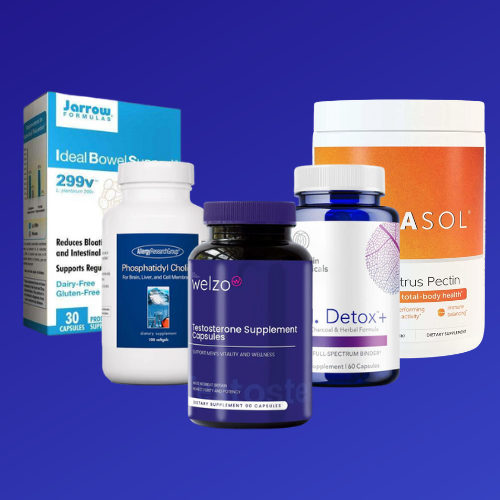
If you are searching for travel probiotics UK, you almost certainly have one of two goals: you want to avoid spending three days of your holiday within sprinting distance of a bathroom, or you want to stop the bloating, constipation and general digestive chaos that seems to follow you onto every long-haul flight. Both are reasonable goals, and both are things the right probiotic — taken at the right time, at the right dose — can genuinely help with. But the travel probiotic market is noisy. Products marketed as "travel formulas" often contain strains that have never been tested in travellers, at doses that bear no relationship to the clinical trials. This guide separates what the evidence actually supports from what is marketing. It draws on the CDC Yellow Book, the UK's National Travel Health Network and Centre (NaTHNaC), and published meta-analyses of randomised controlled trials. Before we get into strains and dosing, it is worth understanding the foundations. Travel affects your gut precisely because it disrupts an ecosystem you have spent years building — so it helps to understand gut health in the UK context, how microbiome diversity protects you, and why gut barrier function matters when you are exposed to unfamiliar organisms. You can browse Welzo's full probiotics collection and wider gut health range for the products discussed throughout this article, including Akkermansia muciniphila, modified citrus pectin powder, Welzo Ultra Purity Berberine and Welzo Ultra Purity TUDCA.

Table of contents
- Travel probiotics UK: the quick answer
- Why travel disrupts your gut microbiome
- How common is travellers' diarrhoea?
- Do probiotics actually work for travellers' diarrhoea?
- The best probiotic strains for travel
- What to look for in a travel probiotic
- Beyond probiotics: what else UK travellers pack
- How and when to take travel probiotics
- Packing and storage: keeping live cultures alive
- Food and water safety still does the heavy lifting
- Special groups: children, pregnancy, older adults and more
- Safety, side effects and interactions
- Red flags: when to see a doctor instead
- Common mistakes UK travellers make
- Frequently asked questions
- References
Travel probiotics UK: the quick answer
If you want the short version before the detail:
- The best-evidenced strain for travel is Saccharomyces boulardii CNCM I-745, a probiotic yeast. A 2019 systematic review and meta-analysis found it significantly reduced the incidence of travellers' diarrhoea (relative risk 0.79, 95% CI 0.72–0.87).
- Lacticaseibacillus rhamnosus GG (LGG) showed a trend towards benefit in the same analysis but did not reach statistical significance, and Lactobacillus acidophilus alone did not help.
- Start 5–14 days before departure, continue daily throughout the trip, and carry on for at least a week after you return.
- Choose shelf-stable formats. Anything that needs a fridge is impractical for a two-week trip to Goa or Marrakech.
- Probiotics are an add-on, not a substitute for food and water hygiene, oral rehydration salts, and sensible medical advice. NaTHNaC is clear that there is no vaccine that prevents travellers' diarrhoea and that hygiene remains the foundation.
If you are choosing between products, our guides to how to choose a probiotic and the best probiotics in the UK cover the selection criteria in more depth.
Why travel disrupts your gut microbiome
Your gut microbiome is remarkably stable at home and remarkably unstable the moment you leave. Four things change at once, and they compound.
New food, new water, new microbes
The single biggest change is exposure. You are eating food prepared in kitchens with different hygiene infrastructure, drinking water treated to different standards, and swallowing organisms your immune system has never encountered. Bacteria are the predominant cause of travellers' diarrhoea, accounting for the large majority of cases, with enterotoxigenic E. coli, Campylobacter jejuni, Salmonella and Shigella species most frequently implicated.
Even without infection, a sudden change in dietary fibre, fat and fermentable carbohydrate reshapes which bacteria dominate. If you normally eat 30 grams of fibre a day and switch to hotel buffets and airport sandwiches, the bacteria that produce short-chain fatty acids lose their fuel supply within days.
Jet lag and circadian disruption
Gut bacteria keep time. Crossing several time zones shifts your eating and sleeping schedule abruptly, and the microbial community takes days to re-synchronise. This is one reason constipation and bloating are so common in the first 48 hours of a long-haul trip, even when nothing is "wrong". Our article on gut health and sleep explores this relationship, and shift work and digestion covers the same mechanism in a domestic context.
Travel stress and the gut–brain axis
Airports, tight connections, unfamiliar languages and disrupted routines all activate the sympathetic nervous system, which alters gut motility and secretion through the vagus nerve. For anyone with existing irritable bowel syndrome, this is often the dominant driver of symptoms abroad rather than any infection. The gut–brain connection is not an abstraction when you are stuck in a delayed transfer with cramping.
Dehydration, alcohol and reduced fibre
Cabin air is extremely dry, holiday alcohol intake is typically higher, and fresh fibre-rich food is often the first thing to disappear from a travel diet. Together these three produce the classic "holiday constipation" pattern — and then, once you do eat something that disagrees with you, the swing to the opposite extreme. Tracking stool form against the Bristol Stool Chart is a simple way to notice the shift early.
How common is travellers' diarrhoea?
Travellers' diarrhoea is described by the CDC as the most predictable travel-related illness. Attack rates range from roughly 30% to 70% of travellers over a two-week period, depending on destination and season. European cohort data are somewhat lower — a prospective study of 2,800 European travellers to resource-limited destinations found a first-two-week incidence of 26.2% — but the pattern is consistent: this is common, not rare.
| Measure | Figure | Source |
|---|---|---|
| Attack rate over a 2-week trip | 30–70% depending on destination and season | CDC Yellow Book 2026 |
| First 2-week incidence, European travellers | 26.2% (95% CI 24.5–27.8) | Prospective European cohort, n=2,800 |
| Proportion of cases caused by bacteria | Approximately 75–90% | CDC Yellow Book 2026 |
| Estimated travellers affected annually | 10–40 million | Alharbi & Alateek, Travel Med Infect Dis, 2024 |
| Post-infectious IBS after travellers' diarrhoea | 5.4% vs 1.4% in unaffected travellers (pooled RR 3.35) | Schwille-Kiuntke et al., Aliment Pharmacol Ther, 2015 |
Which destinations carry the highest risk
UK primary care guidance classifies most of Africa, the Middle East, Latin America and much of Asia as high-risk regions. Risk within a region varies enormously with accommodation, season and how adventurously you eat. Backpackers and younger travellers are affected most frequently, according to NaTHNaC, though the consequences tend to be more serious in the very young, the elderly and the frail.
Why it matters beyond the holiday
Two consequences make travellers' diarrhoea worth preventing rather than simply treating.
Post-infectious IBS
A meta-analysis of six studies found that travellers' diarrhoea was strongly associated with subsequent post-infectious irritable bowel syndrome, with a pooled relative risk of 3.35. A later prospective cohort published in the Journal of Travel Medicine reported that roughly 10% of patients diagnosed with travellers' diarrhoea went on to develop persistent symptoms consistent with post-infectious IBS, with parasitic infection an independent risk factor. If you have ever wondered why your digestion "never went back to normal" after a trip, this is the likely explanation. Our guides to IBS types and the best supplements for IBS in the UK are worth reading if that describes you.
Antibiotic resistance and ESBL colonisation
This is the reason UK guidance has moved away from routine standby antibiotics. Travellers who take antibiotics abroad are substantially more likely to return colonised with extended-spectrum beta-lactamase-producing Enterobacteriaceae. A Swiss cohort study of travellers to South Asia found an acquired colonisation rate of 69.4% overall, rising to 86.8% in those returning from India. A Dutch study of 370 travellers found 30.5% acquired ESBL-producing organisms during travel, with some still colonised six months later.
NHS antimicrobial prescribing guidance is therefore explicit that antibiotics should not routinely be prescribed for the prevention or empirical treatment of travellers' diarrhoea. This makes non-antibiotic approaches — hygiene, rehydration, and where appropriate probiotics — more relevant, not less. If you have recently taken antibiotics, see our guide to probiotics after antibiotics.
Do probiotics actually work for travellers' diarrhoea?
The honest answer is: some do, modestly, and the effect is strain-specific. Anyone telling you probiotics reliably prevent travellers' diarrhoea is overselling; anyone telling you they do nothing is ignoring the meta-analyses.

What the meta-analyses show
Three pooled analyses are worth knowing about.
| Analysis | Scope | Key finding |
|---|---|---|
| McFarland, Travel Med Infect Dis, 2007 | 12 trials from 940 screened studies | Pooled RR 0.85 (95% CI 0.79–0.91) favouring probiotics; no serious adverse reactions reported |
| McFarland & Goh, Travel Med Infect Dis, 2019 | 12 RCTs reviewed, 6 RCTs (9 arms) meta-analysed by strain | S. boulardii CNCM I-745: RR 0.79 (0.72–0.87), p<0.001. LGG: trend only (p=0.08). L. acidophilus: not significant (p=0.16) |
| Alharbi & Alateek, Travel Med Infect Dis, 2024 | 10 RCTs from 166 screened papers | Lactobacilli other than L. acidophilus showed protection rates of up to 39%; S. cerevisiae and S. boulardii effective; L. acidophilus alone ineffective |
A 2024 network meta-analysis in Frontiers in Pharmacology compared bismuth subsalicylate, rifaximin, probiotics and vaccines for prevention. Bismuth subsalicylate ranked most effective, with probiotics and rifaximin also significantly reducing incidence versus placebo — but confidence in most of the comparisons was rated low to moderate, which tells you how much uncertainty remains.
Where the evidence is weaker
Several caveats matter if you want an honest picture:
- Trial numbers are small. Only a handful of randomised trials exist per strain, and attrition rates in the included studies ranged from 14% to 56%.
- Destinations and definitions vary. A trial in Egypt and a trial in Turkey are not measuring the same exposure.
- Effect sizes are modest. A relative risk of 0.79 means roughly a one-fifth reduction in risk, not immunity.
- Most trials studied prevention, not treatment. Evidence for taking a probiotic once diarrhoea has already started is thinner.
Why strain specificity matters
Probiotic effects do not generalise across a species. Lactobacillus acidophilus is a species; L. acidophilus NCFM is a strain, and only the strain has been tested. This is why a product listing "Lactobacillus blend, 50 billion CFU" tells you almost nothing useful. Our comparison of single-strain versus multi-strain probiotics and the explainer on CFU versus AFU go deeper on how to read a label.
The best probiotic strains for travel
Saccharomyces boulardii CNCM I-745
This is the strain with the strongest evidence base for travel. It is a yeast rather than a bacterium, which gives it two practical advantages: it is naturally resistant to antibacterial antibiotics, so it can be taken alongside them if a doctor prescribes them, and it is inherently more heat-tolerant than many refrigerated bacterial products.
S. boulardii reaches high concentrations in the intestine within three to four days, does not permanently colonise, and clears within about four to six days of stopping. That pharmacology explains the dosing advice: start before departure, take it every day, and do not expect residual protection once you stop. Read more in our dedicated guide to Saccharomyces boulardii in the UK.
Lacticaseibacillus rhamnosus GG
LGG is one of the most extensively studied probiotic strains in the world, with good evidence in antibiotic-associated diarrhoea and paediatric gastroenteritis. For travellers' diarrhoea specifically, the 2019 meta-analysis found a trend towards benefit that did not reach significance. It remains a reasonable component of a travel formula — particularly for general digestive resilience rather than infection prevention. See our guide to Lactobacillus rhamnosus GG in the UK.
Bacillus (spore-forming) probiotics
Spore-forming Bacillus species — including Bacillus coagulans — have a genuine practical advantage for travel: the spore form is extremely robust, surviving heat, humidity and stomach acid without enteric coating. The trial evidence specifically in travellers' diarrhoea is limited compared with S. boulardii, but for someone travelling to a hot climate with no refrigeration, the survivability argument is real. Our guides to spore-based probiotics, Bacillus coagulans and the comparison of spore versus Lactobacillus probiotics explain the trade-offs.
Bifidobacterium longum and multi-strain formulas
Multi-strain products combining L. acidophilus with Bifidobacterium bifidum showed efficacy in the 2007 meta-analysis, and the 2024 review found L. acidophilus was effective only when combined with other strains. Bifidobacterium longum is commonly included for general microbiome support rather than infection prevention specifically.
Akkermansia muciniphila: where it fits
Akkermansia muciniphila is a mucin-degrading species associated with gut barrier integrity and metabolic health. It has not been studied as a travellers' diarrhoea preventive, and it should not be sold as one. Its relevance to travel is different: if your goal is longer-term barrier resilience and microbiome quality rather than acute infection prevention, Akkermansia is a barrier-focused option to consider alongside — not instead of — a travel-specific strain. See our comparisons of Akkermansia versus conventional probiotics and pasteurised Akkermansia.
What to look for in a travel probiotic

Shelf stability and heat tolerance
This is the first filter. A probiotic that requires refrigeration is unusable on a two-week trip to a hot country. Look for products explicitly stated to be shelf-stable at room temperature, and check whether the CFU count is guaranteed at end of shelf life rather than at time of manufacture. Our articles on shelf-stable probiotics and whether probiotics need refrigeration cover this in detail.
Named strain, not just species
The label should give you genus, species and strain designation — for example Saccharomyces boulardii CNCM I-745, not "Saccharomyces boulardii". Without the strain code you cannot map the product to any trial.
A dose that matches the trials
More is not automatically better. What matters is whether the dose in your product matches the dose that produced an effect in research. Very high CFU counts are sometimes a marketing signal rather than a clinical one — see high-strength probiotics and whether you can take too many probiotics.
Format: capsules, sachets or drinks
| Format | Travel pros | Travel cons |
|---|---|---|
| Capsules | Compact, no liquid restrictions, easy dosing, usually shelf-stable | Some people struggle to swallow them; can be affected by extreme heat |
| Sachets / powder | Flexible dosing, easy for children, light to pack | Needs safe water or a drink to mix into; sachets can burst in luggage |
| Drinks / shots | Palatable, often includes prebiotic content | Liquid restrictions at security; bulky; frequently needs refrigeration |
| Fermented foods | No packing required if available locally | Unreliable strain content; not appropriate where food safety is a concern |
For format-specific guidance see probiotic powder, probiotic drinks, vegan probiotics and dairy-free probiotics.
Third-party testing and UK regulation
In the UK, probiotics are regulated as food supplements, not medicines. That means manufacturers cannot make disease claims, but it also means there is no pre-market efficacy review. Look for batch testing, a clear expiry date, and a manufacturer willing to state strain identity and CFU guarantees. Our piece on whether probiotics work covers how to read the evidence critically.
Beyond probiotics: what else UK travellers pack
Prebiotics and fibre
Prebiotic fibre feeds the bacteria you already have, and travel diets are usually fibre-poor. A portable psyllium or partially hydrolysed guar gum supplement can help maintain regularity when your diet collapses. Start it before you travel, not on day one abroad — introducing new fermentable fibre in an unfamiliar setting is a reliable way to create bloating you will blame on the food. See best prebiotic supplements, prebiotic versus probiotic and psyllium versus inulin.
Modified citrus pectin
Modified citrus pectin is a soluble fibre derived from citrus peel, used by some travellers as a gentle, low-fermentation fibre source that is easier to tolerate than inulin. Our comparison of modified citrus pectin versus standard pectin explains the difference.
Berberine
Berberine is a plant alkaloid with a long history of traditional use in digestive complaints and a growing evidence base in metabolic health. It is not a substitute for medical treatment of an infection, and it has meaningful drug interactions — check berberine interactions before packing it, particularly if you take medication metabolised by CYP3A4.
TUDCA
TUDCA (tauroursodeoxycholic acid) is a bile acid used to support bile flow and liver function. Travellers who struggle with very rich, high-fat holiday food sometimes use it for that reason. Review TUDCA side effects first, and see TUDCA versus milk thistle for context.
Oral rehydration salts, enzymes and peppermint oil
Oral rehydration salts are the single most important item in a travel medical kit and are available over the counter in UK pharmacies. UK guidance recommends considering buying sachets before you travel, because preventing dehydration is the priority in any diarrhoeal illness. Enteric-coated peppermint oil capsules have reasonable evidence in IBS-type cramping, and digestive enzymes may help those who struggle with unfamiliar, heavy meals.
How and when to take travel probiotics

| Phase | Timing | What to do |
|---|---|---|
| Loading | 5–14 days before departure | Start the daily dose at home so you can identify any side effects before you travel. Increase fibre and fermented foods in parallel. |
| Travel day | Day of flight | Take your dose with breakfast. Keep the product in hand luggage, not the hold. |
| During the trip | Every day abroad | Same time daily. Set a phone alarm — consistency matters more than perfect timing relative to meals. |
| Illness | If diarrhoea develops | Prioritise oral rehydration salts. Continue the probiotic if tolerated. Seek medical advice for red-flag symptoms. |
| Recovery | 1–4 weeks after returning | Continue daily, restore fibre intake and plant diversity. This is the phase most people skip. |
Before you fly
Starting 5–14 days ahead does two things: it allows the strain to establish transient colonisation, and it means any bloating or wind from starting a new probiotic happens in your own bathroom rather than in a hostel in Hanoi. See when to take probiotics and how long probiotics take to work.
While you are away
Take the dose at the same time each day with a safe drink. If you are somewhere with unreliable tap water, take capsules with bottled or boiled water — swallowing a capsule with contaminated water defeats the purpose. If you have concerns about acid survival, see do probiotics survive stomach acid.
After you get home
The recovery window is where most of the long-term benefit sits, particularly if you did have an episode of diarrhoea. Continuing for two to four weeks, alongside deliberate reintroduction of fibre and plant diversity, supports microbiome recovery. Our stomach bug recovery guide, gut reset protocol and 30 plants a week approach are practical starting points, and increasing gut bacteria diversity covers the evidence.
Packing and storage: keeping live cultures alive

- Hand luggage, always. Hold temperatures fluctuate and bags get lost. Capsules and sachets are not restricted by liquid rules.
- Keep out of direct sunlight. A car dashboard or a beach bag in 35°C sun will degrade live cultures faster than anything else on this list.
- Keep them in the original container. Decanting into a pill organiser exposes cultures to moisture and removes the desiccant.
- Pack a few days extra. Delays happen, and running out mid-trip removes any protective effect.
- Check import rules. A small number of countries restrict supplement imports; keep products sealed and labelled.
Food and water safety still does the heavy lifting
It is worth being clear-eyed here. The CDC notes that travellers who follow classic dietary rules can still become ill, because restaurant hygiene practices and local sanitation infrastructure are the largest contributors to risk and are outside your control. That does not mean hygiene measures are pointless — it means they are necessary but not sufficient, which is exactly the space in which a probiotic can add a modest incremental benefit.
Standard UK travel health advice remains:
- Drink only sealed bottled, boiled, or properly treated water — including for ice and brushing teeth.
- Eat food that has been thoroughly cooked and served hot; avoid raw or undercooked meat and seafood.
- Wash hands with soap and safe water before eating and after using the toilet; use alcohol hand gel when soap is unavailable.
- Be cautious with buffets and food that has been standing.
- Avoid swallowing water when swimming, and do not swim if you have diarrhoea.
Special groups: who needs different advice
Children and babies
Children dehydrate faster than adults and the threshold for seeking medical help is lower. Oral rehydration salts matter more than probiotics here. Age-appropriate products only — see children's probiotics and baby probiotics. Babies under six months with diarrhoea should always be assessed by a clinician.
Pregnancy
Pregnant travellers are specifically identified by NaTHNaC as needing extra care with food and water hygiene. Discuss any supplement with your midwife or GP before travelling, and see our review of probiotics in pregnancy.
Older adults
Older travellers are more vulnerable to the consequences of dehydration and more likely to be taking medications that interact. See gut health in older adults.
Immunocompromised travellers
This is the most important caution in this article. People with significantly weakened immunity, central venous catheters, or critical illness should not take live probiotics — including S. boulardii — without specialist medical advice, because of a rare but recognised risk of systemic infection. Discuss it with your specialist before you travel.
People taking acid-suppressing medication
Reduced stomach acidity increases susceptibility to acid-sensitive organisms such as Salmonella and Campylobacter, as NaTHNaC notes. If you take a proton pump inhibitor long term, your baseline risk of travellers' diarrhoea is higher and food and water precautions matter more. See long-term effects of omeprazole and low stomach acid symptoms.
People with IBS, IBD or coeliac disease
Travellers with inflammatory bowel disease are flagged by NaTHNaC as needing particular care. Those with IBS may find a low-FODMAP approach harder to maintain abroad. Coeliac travellers should read coeliac versus gluten intolerance for guidance on cross-contamination risk.
Athletes and endurance travel
Athletes travelling to compete face a double hit: travel disruption plus exercise-induced gut stress. See gut health for athletes and runner's trots.
Safety, side effects and interactions
Across the 12 trials pooled in the 2007 meta-analysis, no serious adverse reactions were reported. For most healthy adults, probiotics are well tolerated. The common side effects are transient:
- Bloating and wind in the first week
- Mild changes in stool frequency or form
- Occasional nausea when taken on an empty stomach
These usually settle within 7–14 days, which is another argument for starting before you travel. Read probiotic side effects and probiotic safety for a fuller picture.
On interactions: probiotics do not interfere with routine travel vaccinations or antimalarials. S. boulardii is a yeast and should not be taken with systemic antifungal medication. If you are prescribed antibiotics abroad, separate bacterial probiotics from the antibiotic dose by two to three hours.
Red flags: when to see a doctor instead
A probiotic is not the right response to any of the following. Seek medical assessment promptly if you have:
- Blood or mucus in your stool
- A high fever alongside diarrhoea
- Severe or persistent abdominal pain
- Signs of dehydration — dizziness, very dark urine, passing little or no urine
- Diarrhoea lasting longer than five to seven days, or persisting after you return home
- Diarrhoea in a baby under six months, in pregnancy, or with a weakened immune system
- Unexplained weight loss or symptoms that never resolve after travel
Persistent post-travel diarrhoea warrants investigation rather than self-treatment, because parasitic causes such as Giardia are common in returning travellers and require specific treatment. See when to see a GP about stomach symptoms, and if symptoms persist, stool testing or a gut microbiome test may be discussed with your clinician.
Common mistakes UK travellers make
- Starting the day they fly. The evidence-based protocols load for days to weeks beforehand.
- Buying on CFU count alone. Strain identity matters far more than the number on the front of the box.
- Choosing a refrigerated product. It will not survive a fortnight in a hot climate.
- Stopping the moment they land back home. Recovery is when the microbiome rebuilds.
- Treating probiotics as a licence to ignore food and water hygiene. A one-fifth risk reduction does not make street ice safe.
- Taking standby antibiotics unnecessarily. UK guidance advises against routine use, and the ESBL colonisation data explain why.
- Ignoring symptoms that persist after returning. Post-infectious IBS and parasitic infection both need proper assessment.

If you would rather build resilience through diet before you travel, our guides to fermented foods in the UK, prebiotic foods and the best foods for gut health are the place to start.
Frequently asked questions
What are the best travel probiotics in the UK?
The strain with the strongest published evidence for travel is Saccharomyces boulardii CNCM I-745, which reduced travellers' diarrhoea incidence with a relative risk of 0.79 in a 2019 meta-analysis. Shelf-stable formulations that name the specific strain, guarantee CFU count to end of shelf life, and do not require refrigeration are the practical choice for UK travellers.
When should I start taking probiotics before travelling?
Start 5 to 14 days before departure. This gives the strain time to establish transient colonisation and lets any initial bloating settle before you fly. Continue daily throughout the trip and for at least one to two weeks after you return.
Do probiotics actually prevent travellers' diarrhoea?
They reduce risk modestly rather than preventing it outright. Pooled analyses show a relative risk of around 0.79–0.85 depending on the strain, meaning roughly a 15–20% reduction. Only some strains show a statistically significant effect, and food and water hygiene remain the foundation of prevention.
Do travel probiotics need to be refrigerated?
The ones worth taking on a trip do not. Look explicitly for shelf-stable products. Yeast-based S. boulardii and spore-forming Bacillus strains are naturally more robust at room temperature than many refrigerated Lactobacillus products.
Can I take probiotics with antimalarials and travel vaccines?
Probiotics do not interfere with routine travel vaccinations or antimalarial medication. If you are prescribed an antibacterial antibiotic, take bacterial probiotics two to three hours apart from the antibiotic dose. S. boulardii is a yeast, so it is unaffected by antibacterial antibiotics but should not be combined with systemic antifungals.
Should I pack standby antibiotics for travellers' diarrhoea instead?
UK antimicrobial prescribing guidance advises that antibiotics should not routinely be prescribed for the prevention or empirical treatment of travellers' diarrhoea. Standby antibiotics are usually reserved for people at high risk of severe illness or travelling to remote areas with limited medical access. Travellers who take antibiotics abroad have substantially higher rates of returning colonised with multidrug-resistant bacteria. Discuss this with a travel clinic before you go.
How long do travel probiotics take to work?
S. boulardii reaches high intestinal concentrations within three to four days. For general digestive symptoms such as bloating or irregularity, most people notice changes within two to four weeks — which is why pre-travel loading matters.
Can children take travel probiotics?
Some products are formulated for children, but the priority for a child with diarrhoea abroad is oral rehydration, not supplementation. Use only age-appropriate products, and seek medical advice for any child under six months, or for any child with fever, blood in the stool or signs of dehydration.
Will probiotics help with holiday constipation as well as diarrhoea?
Possibly, though the evidence differs. Constipation while travelling is usually driven by dehydration, reduced fibre and disrupted routine rather than microbiome composition, so hydration, fibre and movement are the first-line fixes. Certain strains have evidence in constipation, and magnesium is a common adjunct.
My digestion has not been right since a trip abroad. Is that normal?
It is common, and it has a name. A meta-analysis found post-infectious IBS occurred in 5.4% of people after travellers' diarrhoea compared with 1.4% of unaffected travellers, and one prospective cohort reported that roughly 10% of those diagnosed with travellers' diarrhoea developed persistent symptoms. Parasitic infection is an independent risk factor and is treatable, so persistent post-travel symptoms should be assessed by a GP rather than managed with supplements alone.
References
- Centers for Disease Control and Prevention. Travelers' Diarrhea — CDC Yellow Book 2026. https://www.ncbi.nlm.nih.gov/books/NBK620898/
- National Travel Health Network and Centre (NaTHNaC). Travellers' diarrhoea. TravelHealthPro. https://travelhealthpro.org.uk/factsheet/53/travellers-diarrhoea
- McFarland LV, Goh S. Are probiotics and prebiotics effective in the prevention of travellers' diarrhea: A systematic review and meta-analysis. Travel Med Infect Dis. 2019;27:11–19. https://pubmed.ncbi.nlm.nih.gov/30278238/
- McFarland LV. Meta-analysis of probiotics for the prevention of traveler's diarrhea. Travel Med Infect Dis. 2007;5(2):97–105. https://pubmed.ncbi.nlm.nih.gov/17298915/
- Alharbi BF, Alateek AA. Investigating the influence of probiotics in preventing Traveler's diarrhea: Meta-analysis based systematic review. Travel Med Infect Dis. 2024;59:102703. https://pubmed.ncbi.nlm.nih.gov/38458507/
- Fan H, Liu IC, Gao L, Wu L. Bismuth subsalicylate, probiotics, rifaximin and vaccines for the prevention of travelers' diarrhea: a systematic review and network meta-analysis. Front Pharmacol. 2024. https://www.frontiersin.org/journals/pharmacology/articles/10.3389/fphar.2024.1361501/full
- Schwille-Kiuntke J, Mazurak N, Enck P. Systematic review with meta-analysis: post-infectious irritable bowel syndrome after travellers' diarrhoea. Aliment Pharmacol Ther. 2015;41(11):1029–1037. https://pubmed.ncbi.nlm.nih.gov/25871571/
- Post-infectious irritable bowel syndrome following a diagnosis of traveller's diarrhoea. Journal of Travel Medicine. 2023;30(6):taad030. https://academic.oup.com/jtm/article/30/6/taad030/7070569
- Kuenzli E, et al. High colonization rates of extended-spectrum β-lactamase (ESBL)-producing Escherichia coli in Swiss travellers to South Asia. BMC Infect Dis. 2014;14:528. https://www.ncbi.nlm.nih.gov/pmc/articles/PMC4262238/
- Paltansing S, et al. Extended-spectrum β-lactamase-producing Enterobacteriaceae among travelers from the Netherlands. Emerg Infect Dis. https://www.ncbi.nlm.nih.gov/pmc/articles/PMC3739527/
- Travel-acquired ESBL-producing Enterobacteriaceae: impact of colonization at individual and community level. Journal of Travel Medicine. https://pmc.ncbi.nlm.nih.gov/articles/PMC5441303/
- Diarrhoea in a large prospective cohort of European travellers to resource-limited destinations. BMC Infect Dis. https://www.ncbi.nlm.nih.gov/pmc/articles/PMC2924857/
- Klem F, et al. Prevalence, risk factors, and outcomes of irritable bowel syndrome after infectious enteritis: a systematic review and meta-analysis. Gastroenterology. 2017. https://www.gastrojournal.org/article/s0016-5085(17)30008-2/fulltext
- Toriro R, et al. Antibiotic treatment to reduce the duration and severity of travellers' diarrhoea. Cochrane Database of Systematic Reviews. 2023. https://pmc.ncbi.nlm.nih.gov/articles/PMC10623639/
- NHS Forth Valley / Right Decisions. Traveller's Diarrhoea — antimicrobial prescribing guidance. https://www.rightdecisions.scot.nhs.uk/antimicrobial-prescribing-nhs-forth-valley/primary-care-guidance/gastro-intestinal-tract-infections/traveller-s-diarrhoea/
- Nottinghamshire Area Prescribing Committee. Travellers' Diarrhoea (Antimicrobial Prescribing Guidelines for Primary Care). 2025. https://www.nottsapc.nhs.uk/media/h4uc35so/travellers-diarrhoea.pdf
- Etiology and Epidemiology of Travelers' Diarrhea among US Military and Adult Travelers, 2018–2023. Emerging Infectious Diseases, CDC. https://wwwnc.cdc.gov/eid/article/30/14/24-0308_article
- MSD Manual Professional Edition. Traveler's Diarrhea. https://www.msdmanuals.com/professional/gastrointestinal-disorders/gastroenteritis/traveler-s-diarrhea
- Patient.info. Traveller's Diarrhoea — symptoms, treatments and prevention. https://patient.info/travel-and-vaccinations/travellers-diarrhoea-leaflet
About the author and medical review
This article was written and medically reviewed by Dr Zeeshan Afzal (MBBS), Medical Doctor and Health Content Reviewer at Welzo. Dr Afzal reviews Welzo's digestive health content for clinical accuracy and alignment with current UK and international guidance, including NaTHNaC, NHS and CDC sources.
Medical disclaimer: This article is for general information only and is not a substitute for individual medical advice. Probiotics are food supplements, not medicines, and are not intended to diagnose, treat, cure or prevent any disease. If you have a pre-existing medical condition, are pregnant or breastfeeding, are immunocompromised, or are taking prescription medication, speak to your GP, pharmacist or a travel health clinic before starting any supplement. Seek urgent medical attention for blood in the stool, high fever, severe abdominal pain, signs of dehydration, or diarrhoea lasting more than five to seven days.
Image credits: All photographs are used under the Unsplash License (free for commercial use, no attribution required). Photographers: JESHOOTS.COM, Nastya Dulhiier, Daily Nouri, American Green Travel, Rohtopia.com.



 Hodnoceno výborně o 28,951+ recenzí
 100% záruka vrácení peněz