

Το καλάθι σας είναι άδειο
Αυτή η ποσότητα του αντικειμένου δεν μπορεί να προστεθεί στο καλάθι
Συνεχίζω ψώνια
Είδη διατροφής
4.8on Trustindex
browsing now
Order before 2pm for same-day dispatch
2766+ orders this week
-
 Quick view
The Skinny Food Co
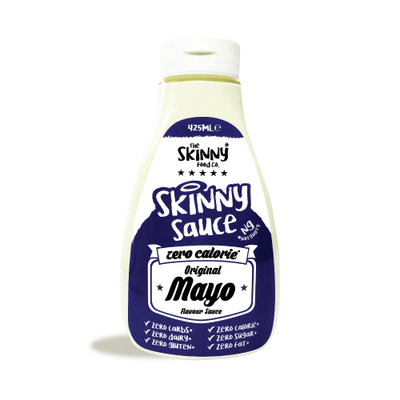
Το Skinny Food Co Skinny Sauce 425ml
Βιταμίνες και μέταλλαΠνευματικό ξύδι 10%€ 3,95UK delivery soon
Order within 2h 14m
In Stock
Authentic 30-day returns 12 viewing -
 Quick view
The Skinny Food Co
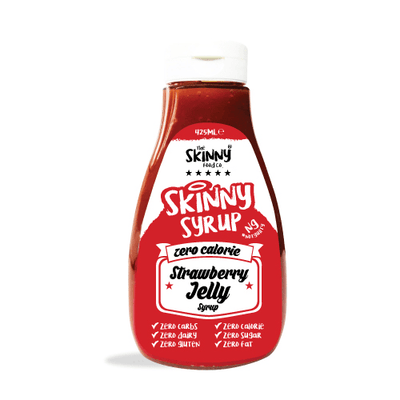
Το Skinny Food Co Skinny Syrup 425ml
Βιταμίνες και μέταλλαΤο νερό€ 3,95UK delivery soon
Order within 2h 14m
In Stock
Authentic 30-day returns 12 viewing -
 Quick view
The Skinny Food Co
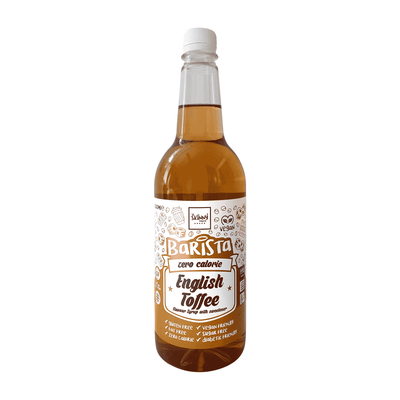
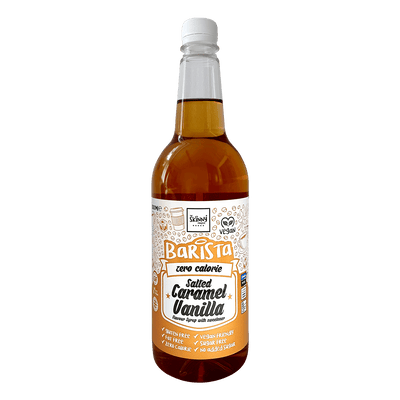
Το κοκαλιάρικο σιρόπι καφέ Co Food Co 1000ml
Βιταμίνες και μέταλλαΝερό€ 8,95UK delivery soon
Order within 2h 14m
In Stock
Authentic 30-day returns 12 viewing -
 Quick view
The Skinny Food Co
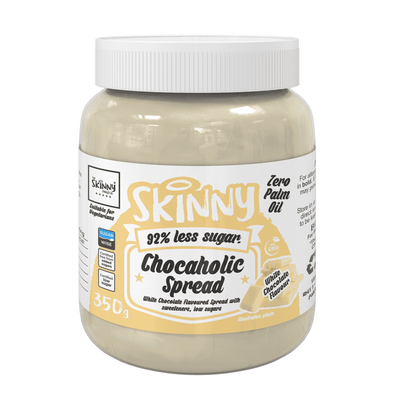
Το Skinny Food Co Chocaholic Spread 350g
Βιταμίνες και μέταλλαΓλυκαντικά: Μαλτίλη...€ 4,95UK delivery soon
Order within 2h 14m
In Stock
Authentic 30-day returns 12 viewing -
 Quick view
The Skinny Food Co
Το κοκαλιάρικο σιρόπι καφέ χωρίς ζάχαρη
Βιταμίνες και μέταλλα€ 8,95UK delivery soon
Order within 2h 14m
Only 3 left
Authentic 30-day returns 12 viewing -
 Quick view
BioTechUSA
Biotechusa μηδενική σάλτσα 350ml
Υγιεινά τρόφιμαΕνέργεια€ 5,95UK delivery soon
Order within 2h 14m
In Stock
Authentic 30-day returns 12 viewing -
 Quick view
Quicksilver
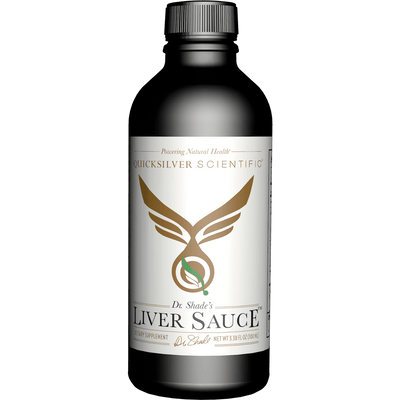
Η σάλτσα ήπατος του Dr. Shade 3,38 Fl Oz (100ml) - Quicksilver
ΣυμπληρώματαΝάτριο 15 mg R-alph...€ 112,95UK delivery soon
Order within 2h 14m
In Stock
Authentic 30-day returns 12 viewing -
 Quick view
SURREAL
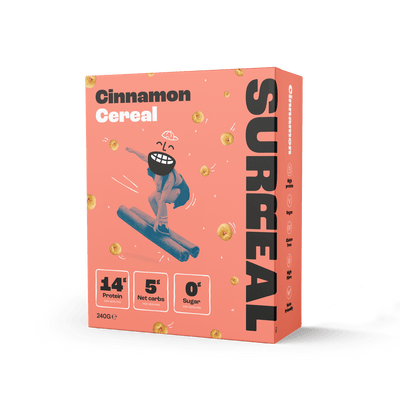
Σουρεαλιστικό δημητριακό πρωτεΐνης 240 γραμμάρια
Βιταμίνες και μέταλλαΠρωτεΐνη πρωτεΐνης ...€ 7,95UK delivery soon
Order within 2h 14m
In Stock
Authentic 30-day returns 12 viewing -
 Quick view
Healthy Origins
Υγιή προέλευση μεμβράνη αυγών 500mg
ΣυμπληρώματαΆλλα συστατικά - κά...€ 24,95UK delivery soon
Order within 2h 14m
In Stock
Authentic 30-day returns 12 viewing -
 Quick view
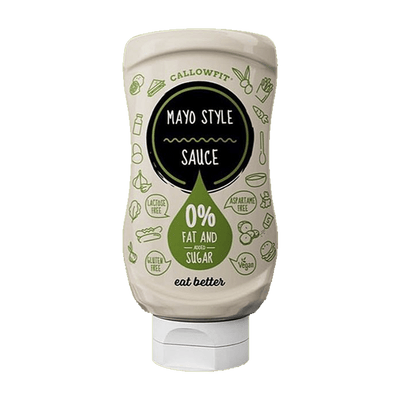
Callowfit
Σάλτσα callowfit 300ml mayo
Βιταμίνες και μέταλλαWater€ 5,95UK delivery soon
Order within 2h 14m
In Stock
Authentic 30-day returns 12 viewing -
 Quick view
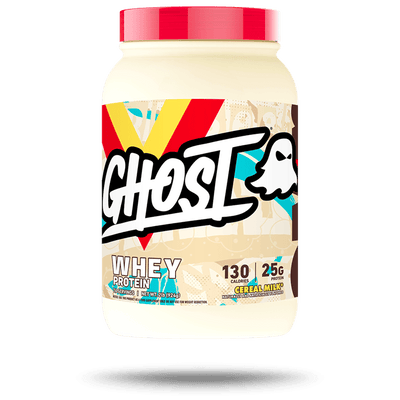
Ghost
Πρωτεΐνη Ghost Whey 924G φρουτώδη γάλα δημητριακών
Βιταμίνες και μέταλλαWhey protein Isolat...€ 55,95UK delivery soon
Order within 2h 14m
Only 4 left
Authentic 30-day returns 12 viewing -
 Quick view
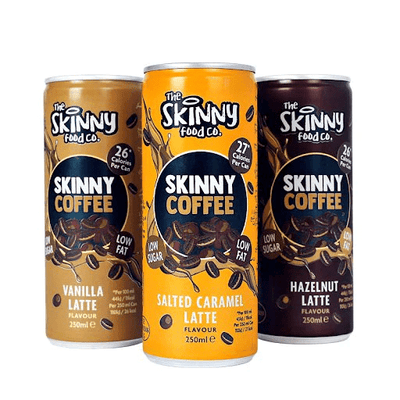
The Skinny Food Co
Το Skinny Food Co Skinny RTD χαμηλής θερμίδων καφέ 12x250ml φουντούκι Latte
Βιταμίνες και μέταλλαWater€ 24,95UK delivery soon
Order within 2h 14m
In Stock
Authentic 30-day returns 12 viewing -
 Quick view
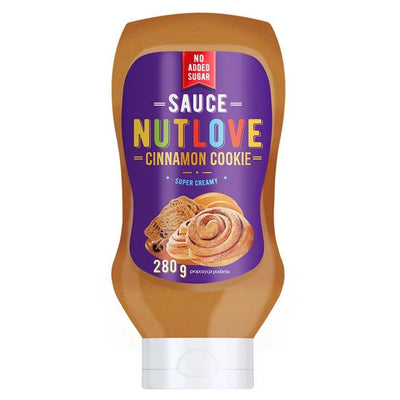
Allnutrition
Allnutrition nutlove σάλτσα - 280 ml
Υγιεινά τρόφιμαΕνέργεια€ 4,95UK delivery soon
Order within 2h 14m
Out of stock
Authentic 30-day returns 12 viewing -
 Quick view
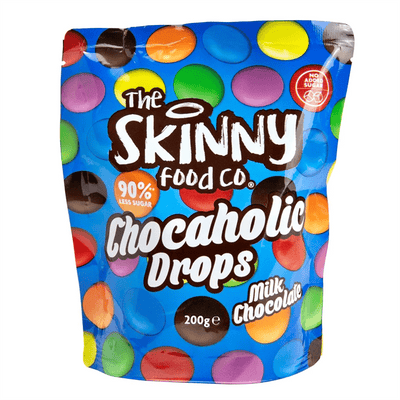
The Skinny Food Co
Το skinny food co chocaholic drop drop share τσάντα 300g σοκολάτα
Βιταμίνες και μέταλλα€ 4,95UK delivery soon
Order within 2h 14m
Out of stock
Authentic 30-day returns 12 viewing -
 Quick view
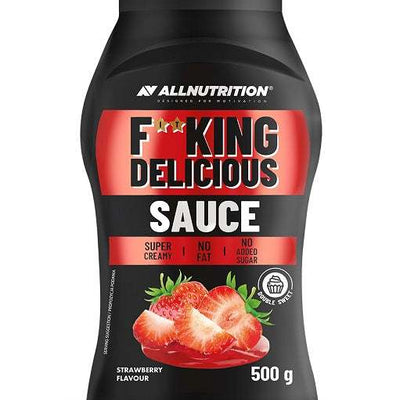
Allnutrition
Allnutrition Fitking Νόστιμη σάλτσα - 500 γραμμάρια
Υγιεινά τρόφιμαΕνέργεια€ 4,95UK delivery soon
Order within 2h 14m
Out of stock
Authentic 30-day returns 12 viewing -
 Quick view
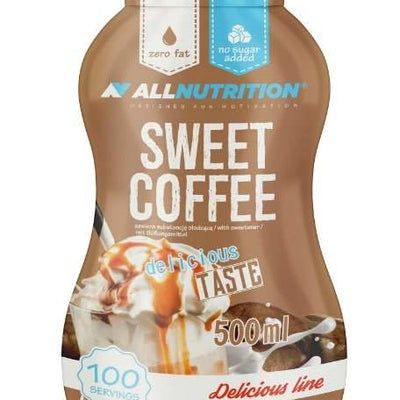
Allnutrition
Allnutrition γλυκιά σάλτσα - 500 ml
Υγιεινά τρόφιμαΕνέργεια€ 5,95UK delivery soon
Order within 2h 14m
Out of stock
Authentic 30-day returns 12 viewing -
 Quick view
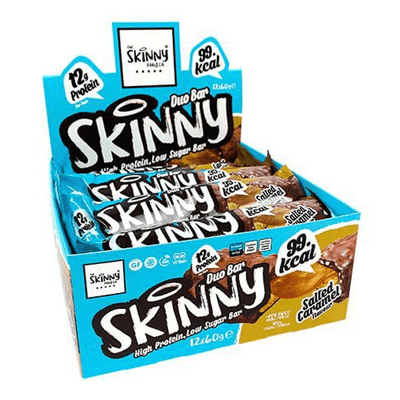
The Skinny Food Co
Το Skinny Food Co Skinny Bar 12x60g αλατισμένη καραμέλα
Βιταμίνες και μέταλλαDark Chocolate Coat...€ 28,95UK delivery soon
Order within 2h 14m
Out of stock
Authentic 30-day returns 12 viewing -
 Quick view
The Skinny Food Co
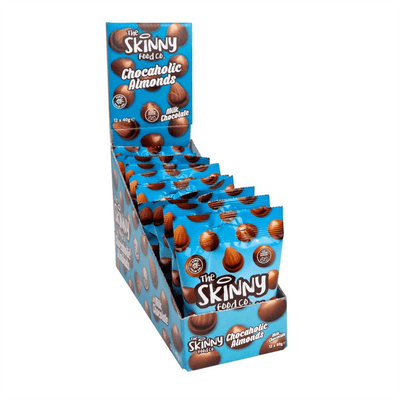
Το Skinny Food Co Chocaholic 12x40g
Βιταμίνες και μέταλλα€ 19,95UK delivery soon
Order within 2h 14m
Out of stock
Authentic 30-day returns 12 viewing
Είδη διατροφής
Food items are everyday essentials that support energy, nourishment, and routine—whether you’re topping up pantry staples, building a convenient on-the-go snack option, or choosing functional foods that align with your diet and lifestyle. From wholesome ingredients and ready-to-use formats to better-for-you alternatives, this category brings together edible products designed for real-life schedules and practical nutrition.
Many shoppers choose food items for simple reasons: taste, convenience, quality, and consistency. Whether you’re looking for a satisfying bite between meetings, a training-friendly option, or a lifestyle-led choice such as clean-label or ingredient-conscious products, you can purchase and buy food items online on Welzo and add them into a broader wellbeing plan over time.
What are Food Items?
Food items refer to edible products intended for daily consumption, ranging from snacks and functional foods to ingredient-led pantry additions. In an ecommerce setting, this often includes curated products that are easy to store, straightforward to use, and selected for specific preferences—such as higher protein options, convenient formats, or products aligned with particular dietary goals.
Benefits and Features of the Welzo Food Items Collection
The Welzo Food Items collection is designed to make shopping for edible essentials simpler, with products chosen for practicality and routine-friendly use. Many items in this category prioritise convenience (ready-to-eat or easy-prep formats), clear ingredient profiles, and suitability for different lifestyles—from active schedules to family routines.
For example, shoppers who want snackable options that fit a training week often pair food items with Protein Bars, while those who want hydration support alongside diet choices may also browse Electrolytes.
Why is Food Items Important?
Food choices influence daily energy, appetite management, and the consistency of your routine. Having reliable, easy-to-use food items on hand can reduce decision fatigue and help you stay on track—especially when time is limited. For many people, the biggest “nutrition wins” come from repeatable habits: keeping supportive options available and selecting items that match your personal goals.
If your focus is broader wellness planning, you may also find it helpful to align food choices with digestive comfort by exploring Gut Health categories that support routine-based wellbeing.
Best Products in Food Items
The “best” food items depend on how you plan to use them. Some shoppers prioritise convenience and portion control, others choose ingredient-led products, and many prefer functional foods that fit training, travel, or busy working weeks.
- Snack-led choices: options designed to be easy to carry, store, and use between meals.
- Performance-friendly picks: items that complement active lifestyles and structured routines.
- Ingredient-focused staples: products selected for simplicity and compatibility with different preferences.
If you’re building a more “whole routine” approach that includes nutrient coverage beyond food alone, you can also explore Vitamins to support daily consistency.
How to Use Food Items?
Most food items are designed to be used as part of a normal routine—snacks between meals, additions to breakfast, or practical options when you’re short on time. The key is to choose products that match your schedule and preferences, then use them consistently:
- Plan around your day: keep shelf-stable items at work or in your bag for convenience.
- Match to your goals: choose snack formats that support appetite control, training, or steady energy.
- Store correctly: follow label guidance for freshness, especially for heat-sensitive products.
Are there any side effects or interactions of Food Items?
Food items are generally safe when consumed as directed, but there can be considerations depending on ingredients and individual needs:
- Allergens and intolerances: check labels for common allergens (e.g., dairy, nuts, gluten where relevant).
- Sensitivity to ingredients: some people may react to sweeteners, caffeine, or specific additives.
- Medical diets: if you follow a medical diet (e.g., diabetes management), confirm suitability with a clinician.
If you’re building a more natural-leaning routine, you may prefer selecting from Organic & Natural Products, where ingredient simplicity is often a key consideration.
What Are the Different Types of Food Items Available?
Food items can be grouped by use-case and format. Common types include:
- Snack formats: convenient, portioned options for daily use.
- Functional foods: items chosen to complement lifestyle goals (e.g., training weeks, busy schedules).
- Ingredient-led staples: pantry-friendly products that integrate into meals or routines.
- Routine-supporting add-ons: items often paired with broader wellbeing habits.
Some shoppers also combine food choices with routine-friendly wellness categories such as Superfoods for a more targeted daily approach.
What Are the Most Popular Food Items Products Available?
Popular food items tend to be the ones that are easiest to use consistently—snacks that travel well, products that fit into simple meal moments, and choices that align with personal preferences (taste, ingredients, or functional intent). Customers often gravitate toward products that feel “repeatable” week-to-week and support a realistic routine.
Statistics, Research, Expert Information, and Quotes on Food Items
In general nutrition research, consistent dietary patterns—rather than one-off “perfect” choices—are repeatedly linked with better long-term outcomes. Practically, this is why routine-friendly food items can matter: they help people maintain consistency during busy weeks, travel periods, and high-demand schedules.
From an everyday wellbeing perspective, many nutrition professionals emphasise building meals and snacks around predictable habits: having reliable options available, choosing formats you’ll actually use, and paying attention to personal tolerance and appetite signals.
How We Select Our Food Items Collection on Welzo
We curate food items with an emphasis on practical use, clear product information, and relevance to real customer routines. Selection typically considers:
- Use-case fit: products that suit busy schedules and repeat purchase behaviour.
- Clarity: straightforward descriptions and ingredient transparency where available.
- Routine compatibility: items that pair well with broader wellbeing goals and complementary categories.
- Quality control: preference for products with consistent manufacturing and clear sourcing signals.
Trusted by Experts and Verified Food Items Quality on Welzo
Quality matters most when products are used repeatedly. We prioritise dependable, clearly presented items and aim to maintain a range that supports different needs—whether you’re looking for practical daily options or a more lifestyle-led approach to food selection.
Customer Reviews
To read verified feedback from real customers across our store, visit our reviews page: Welzo Reviews.
Internal Links to Trust Pages
Learn more about our standards and the people behind our platform:
- Welzo Staff
- Ingredient Quality & Purity Certifications
- Supplement Quality Standards & Certifications
Internal Linking to Other Relevant Welzo Categories
If you’re organising a more complete routine, you may also want to explore Meal Replacement Shake options for convenience-led structure, or pair snack choices with Post-Workout Snacks as part of training weeks. For customers who prefer scent and self-care categories alongside everyday essentials, Everyday Essentials can help round out day-to-day shopping in a single place.
FAQs (Frequently Asked Questions)
What types of food items can I buy online for everyday use?
Everyday food items typically include snacks, functional foods, and pantry-friendly products designed to be easy to store and convenient to use throughout the week.
Are food items suitable for weight management routines?
They can be, depending on portion size, ingredients, and how they fit into your overall diet. Many people find routine-friendly, predictable options help with consistency.
What should I look for when choosing healthier snack food items?
Check portion size, ingredient list, and whether the product aligns with your preferences (e.g., higher protein, lower added sugar, or simpler formulations).
Can food items be used as part of a gym or training plan?
Yes. Many people use convenient food items to support training schedules, especially when planning meals is difficult during busy weeks.
How do I store food items to keep them fresh?
Follow the label guidance. In general, keep products sealed, cool, and dry, and avoid direct sunlight or high heat where possible.
Are there food items suitable for sensitive stomachs?
Some people prefer simpler ingredient profiles and avoid specific triggers (such as certain sweeteners). Personal tolerance varies, so start with small amounts when trying something new.
Do food items contain allergens?
Some may contain common allergens such as nuts, dairy, soy, or gluten. Always review the label if you have allergies or intolerances.
How can I choose food items that support steady energy during the day?
Many people find snacks with a balance of protein, fibre, and healthy fats feel more sustaining than very sugary options, but the best choice depends on your routine and goals.
Are meal replacement products considered food items?
In many collections, they are treated as a food category because they’re consumed as part of daily intake, but they’re designed for structured convenience rather than traditional meals.
What’s the best way to build a weekly routine using food items?
Choose a small set of reliable options you’ll actually use, keep them accessible (home/work/bag), and rotate occasionally to avoid boredom while keeping the routine simple.
 Βαθμολογημένη εξαιρετική από 26,523+ κριτικές
 100% εγγύηση επιστροφής χρημάτων