Red Light Therapy (RLT) has grown in popularity as a non-invasive wellness practice that uses specific wavelengths of light to support skin health, recovery, and overall well-being. By exposing targeted areas of the body to red and near-infrared light, people use RLT to help stimulate cellular processes, support circulation, and complement fitness or skincare goals.
Red Light Therapy devices range from smaller handheld units to larger panels suitable for whole-body sessions, and customers can purchase and buy red light therapy products online on Welzo to support a variety of personal health and lifestyle goals.
What is Red Light Therapy?
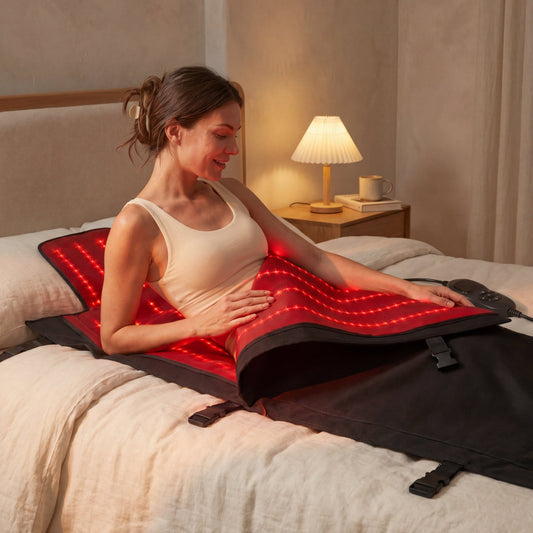
Red Light Therapy involves the use of controlled wavelengths of red and near-infrared light—often delivered by LEDs—to penetrate the skin and interact with cells. Unlike ultraviolet (UV) light, RLT does not damage skin DNA and is generally considered safe when used according to guidelines. Research suggests that these wavelengths may influence cellular metabolism and support natural repair processes.
RLT is often used at home or in clinical settings as part of routine wellness, recovery, or skincare practices.
Benefits and Features of the Welzo Red Light Therapy Collection
Cellular support: Red and near-infrared wavelengths are chosen for their potential effects on cellular energy production.
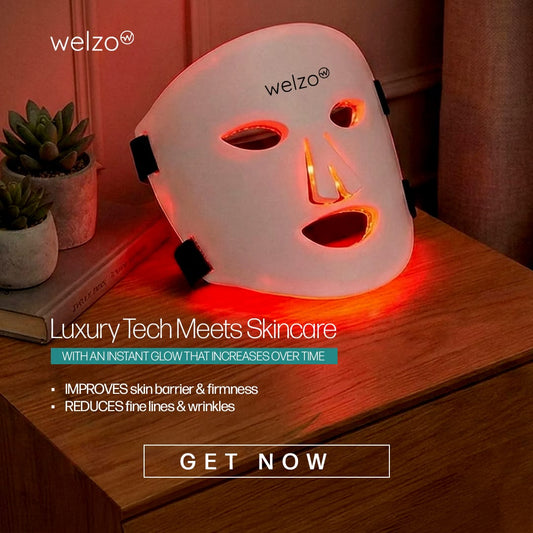
Skin wellness: RLT is popular for targeted skin sessions to help support texture, tone, and overall appearance.
Recovery support: Many active users pair RLT with traditional post-exercise recovery routines.
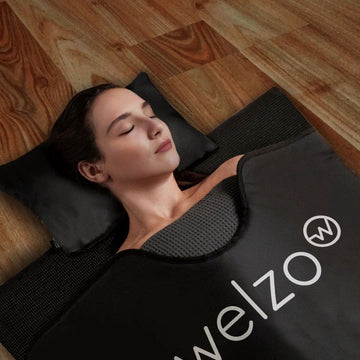
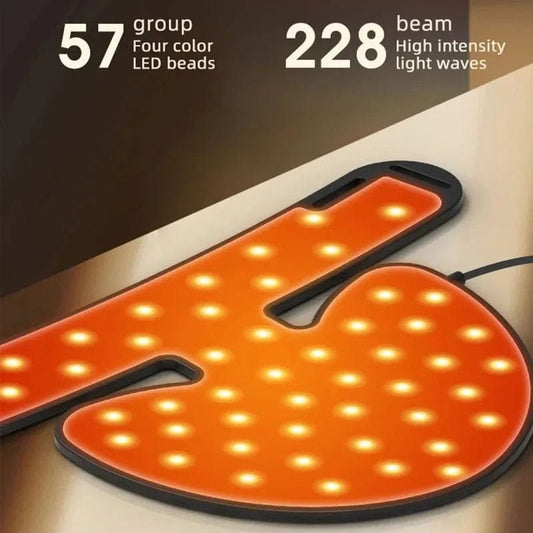
Convenient home use: Devices range from compact panels to portable handheld options.
Gentle, non-invasive: RLT does not involve heat or chemicals and is typically comfortable during use.
For comprehensive recovery planning—especially after intensive workouts—some customers also explore recovery supplements as part of a broader routine.
Why is Red Light Therapy Important?
Red Light Therapy has become an important tool for people seeking supportive non-invasive wellness practices. Whether used for skin appearance goals, muscle recovery after exercise, or routine maintenance of wellbeing, RLT fits into daily schedules with minimal disruption. Its convenience and relative ease of use have made it appealing as a complement to broader health goals.
Many people who integrate RLT into their routines also pay attention to foundational practices such as consistent movement and hydration, including practical options like electrolytes for fluid balance during active periods.
Best Products in Red Light Therapy
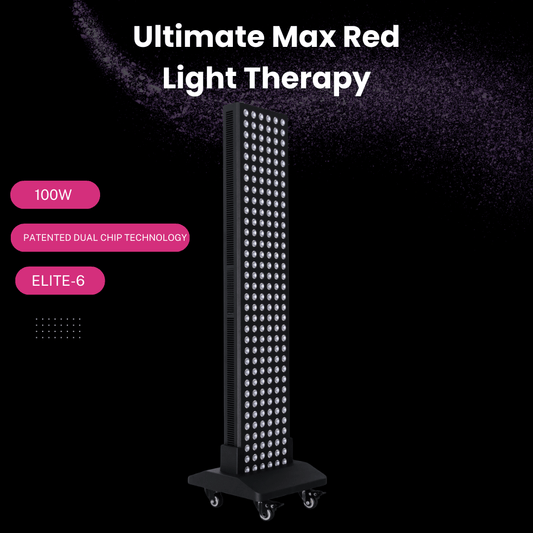
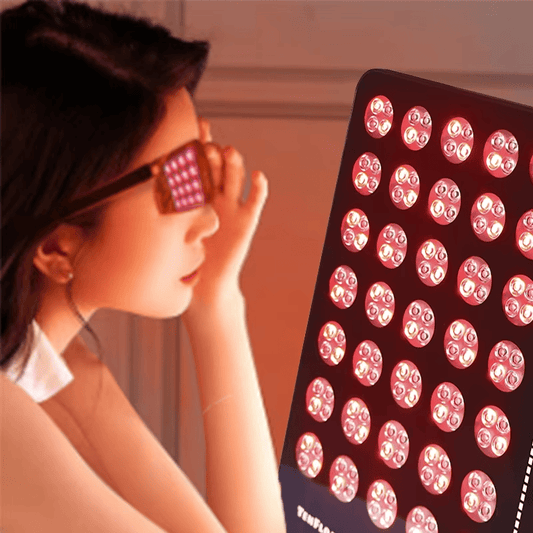
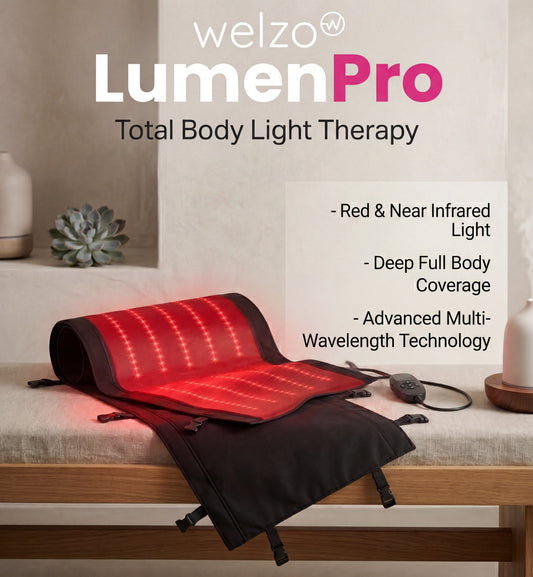
The best red light therapy device varies depending on your goals and space. Compact handheld units are convenient for targeted use on smaller areas, while larger panels are ideal for full-body sessions. Panels that combine red and near-infrared wavelengths are often chosen for broader tissue reach and versatility.
Some users prefer portable devices for travel or on-the-go support, while others opt for larger panels to create a routine focused on multiple areas at once.
How to Use Red Light Therapy?
Follow manufacturer guidelines: Always start with the recommended distance and session length from the product instructions.
Consistency: Regular sessions—often several times per week—are typically suggested for best results.
Targeted focus: Position the device so that light reaches the intended area without obstruction.
Combine with broader wellness routines: Consider pairing RLT with supportive practices such as balanced nutrition and active recovery.
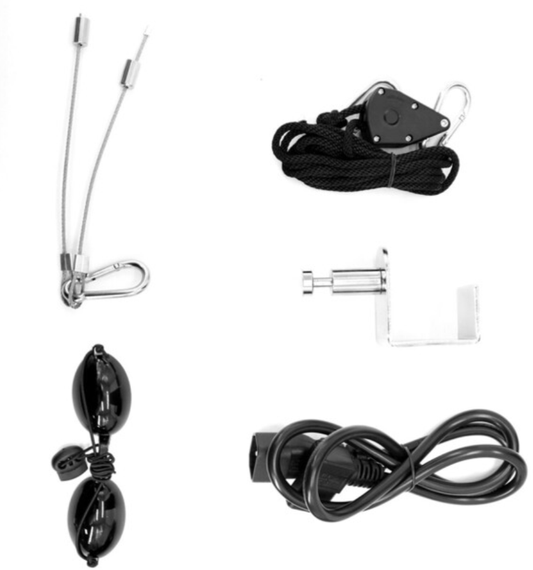
Protect your eyes: Use appropriate protective eyewear if recommended by the device manufacturer during sessions near the face or head.
Are there any side effects or interactions of Red Light Therapy?
Red Light Therapy is generally well-tolerated, but individuals can respond differently. Some people report temporary warmth, mild tingling, or a slight sensation at the treatment site. Because RLT does not use UV light, it is not typically associated with burns or DNA damage when used as directed.
If you have specific medical conditions, skin sensitivities, or are pregnant, it’s wise to consult with a healthcare professional before starting regular RLT sessions.
What Are the Different Types of Red Light Therapy Available?
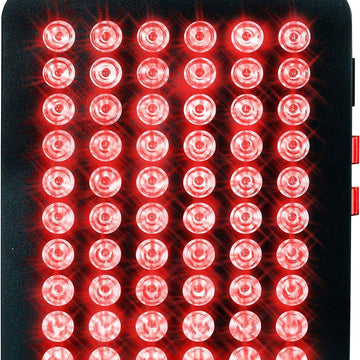
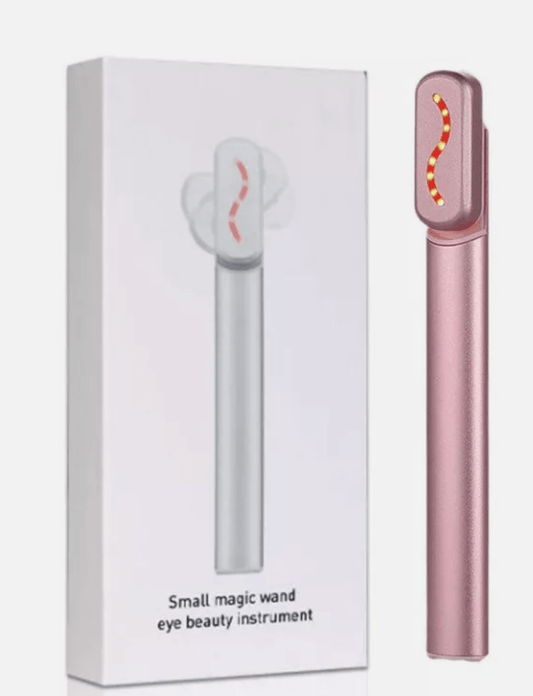
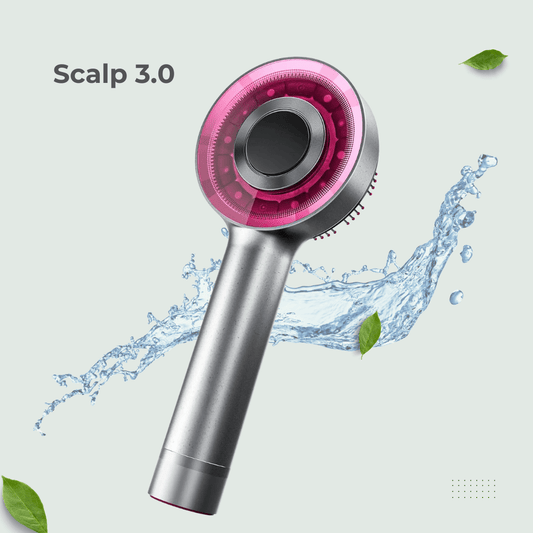
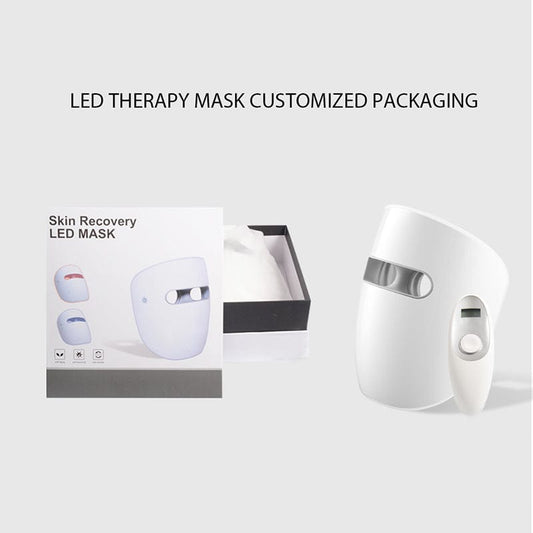
Handheld devices: Compact and portable for targeted areas such as face, joints, or small muscle groups.
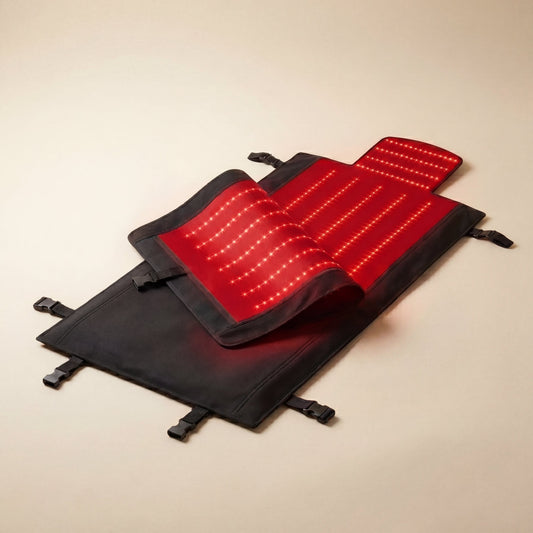
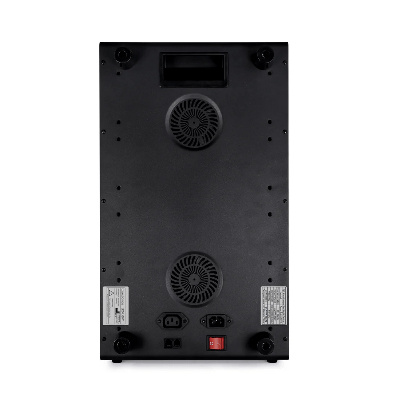
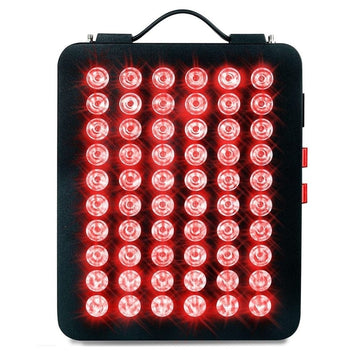
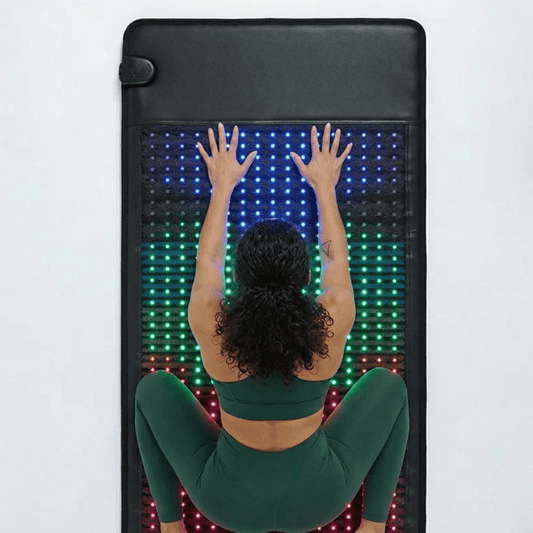
Panel systems: Larger units designed for broader coverage, ideal for full-body or multi-area sessions.
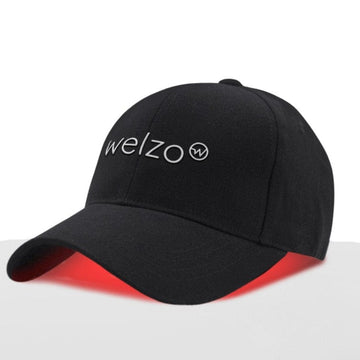
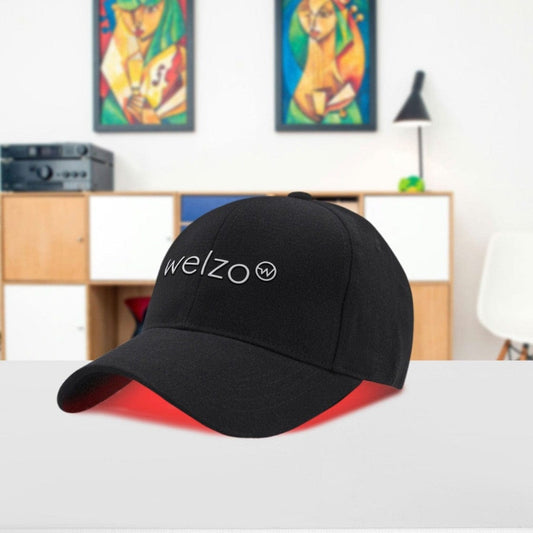
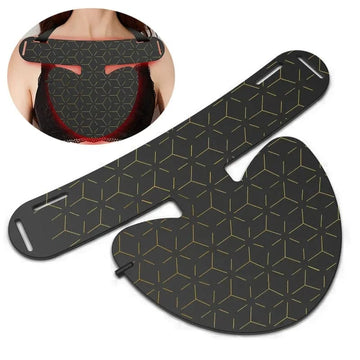
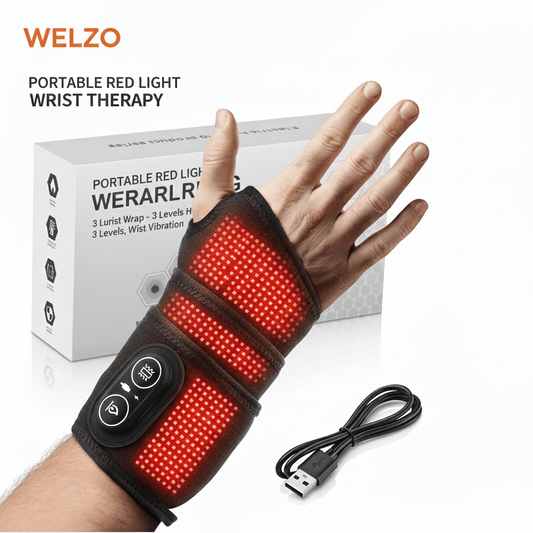
Wearable sockets: Flexible or smaller mounts intended to target specific joints or regions.
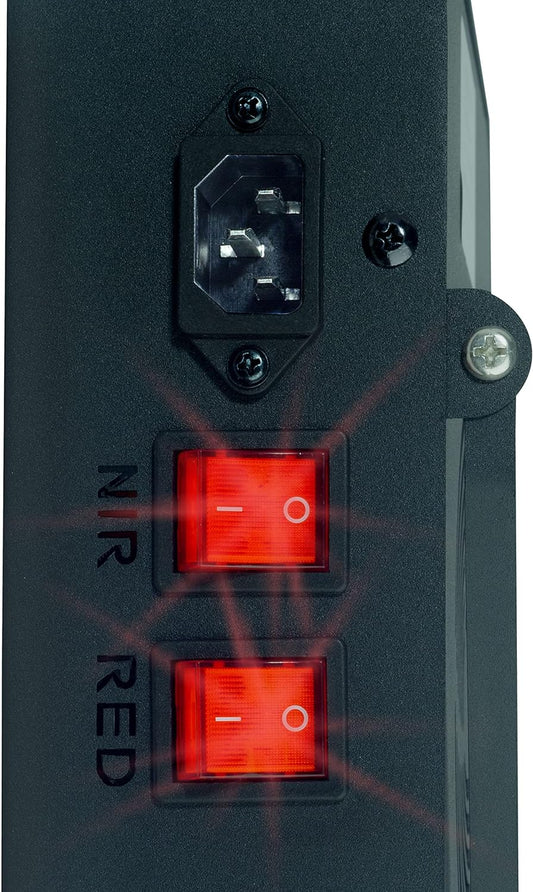
Multi-wavelength systems: Panels combining red and near-infrared LEDs for varied tissue depth reach.
What Are the Most Popular Red Light Therapy Products Available?
The most popular RLT devices typically balance wavelength range (red and near-infrared), power output, and ergonomic design. Users often choose panels with multiple LEDs for comprehensive coverage, or compact handheld units for ease of use and portability.
Popularity also tends to align with user goals—smaller devices with specific face or joint focus versus larger panels for whole-body sessions.
Statistics, Research, Expert Information and Quotes on Red Light Therapy
Research on red and near-infrared light emphasises its ability to interact with cellular processes and energy pathways, which may support skin wellness and muscle recovery. While evidence continues to grow, many people adopt RLT as part of broader wellness regimens alongside consistent movement and balanced nutrition.
Experts often point out that RLT is not a cure-all, but can be a valuable non-invasive tool when paired with other health-supportive practices.
How We Select Our Red Light Therapy Collection on Welzo
We choose red light therapy products based on wavelength quality, device durability, user safety features, and overall performance. Devices that offer clear instructions, trustworthy power output, and ergonomic design tend to be most helpful for users creating routine wellness practices at home.
When exploring devices, customers often also consider complementary wellness categories such as health tech solutions for a balanced approach to daily support.
Trusted by Experts and Verified Red Light Therapy Quality on Welzo
Choosing a reliable RLT device matters because light intensity, wavelength specificity, and build quality influence user experience and consistency. We prioritise products that offer clear safety guidance, dependable performance, and user satisfaction.
If skin wellness is a focus, exploring supportive products in skin care can help create a rounded routine alongside red light therapy.
Customer Reviews
To read verified customer feedback about products and service, visit the Welzo Reviews page.
Internal Links to Trust Pages
Welzo Staff | Ingredient Quality & Purity Certifications | Supplement Quality Standards
Internal Linking to Other Relevant Welzo Categories
For people combining red light therapy with broader performance routines, supportive categories such as Energy & Performance help support active lifestyles.
Post-session recovery can also benefit from options like Electrolytes to support hydration balance in active users.
If your focus includes muscle recovery alongside RLT, exploring Recovery Supplements may also help round out your plan.
Related read: Learn more about wearable and home wellness tech in our guide to Home Health Tech Essentials.
FAQs (Frequently Asked Questions)
What is red light therapy?
Red light therapy uses specific wavelengths of red and near-infrared light to support cellular processes and wellbeing when applied to the body.
Is red light therapy safe?
RLT is generally considered safe when used as directed; it does not use UV light and is non-invasive.
How often should I use red light therapy?
Many people use red light therapy several times a week for consistent support; exact frequency depends on the device and personal goals.
Can RLT help skin appearance?
Some users report improved skin texture and tone when using RLT regularly, though results may vary.
Does red light therapy aid recovery?
Many active users incorporate RLT as a supportive tool for recovery alongside rest and proper nutrition.
Do I need protective eyewear?
Protective eyewear may be recommended depending on how close the device is used to the face; always follow manufacturer guidance.
Is red light therapy painful?
No—most users find RLT comfortable, often only feeling a gentle warmth.
Can I use RLT with other wellness practices?
Yes—RLT is frequently integrated alongside other supportive wellness routines.
How long before I see results?
Results vary by user and goal, but many people assess progress over weeks of consistent use.
Can anyone use red light therapy?
Most people can, but if you have medical conditions or are pregnant, consult a clinician first.














 Βαθμολογημένη εξαιρετική από 26,523+ κριτικές
 100% εγγύηση επιστροφής χρημάτων