



Berberine Interactions: Metformin, Statins and More


Related products


Berberine interactions matter more than almost any other supplement interaction question we get asked at Welzo. Berberine is a plant alkaloid with genuine pharmacological activity — it lowers blood glucose, lowers LDL cholesterol, and alters the way your liver and gut handle other drugs. That last point is the one people miss. If you take a prescription medicine and you are considering berberine, the interaction profile is not a footnote; it is the main safety consideration. This guide explains, in plain English, exactly how berberine interacts with metformin, statins, blood thinners, immunosuppressants, blood pressure medicines and other supplements — and what the human evidence actually shows rather than what social media claims. It sits within our wider gut health resource library, alongside our guides to probiotics, Akkermansia muciniphila, modified citrus pectin and TUDCA. If you want the broader context first, start with our overview of gut health in the UK and our comparison of berberine vs metformin.

Berberine's quaternary ammonium structure. Image: Wikimedia Commons (public domain).
Key takeaways
- Berberine inhibits the drug-metabolising enzymes CYP3A4, CYP2D6 and CYP2C9 in humans — this has been demonstrated in a controlled human crossover study, not just in test tubes.
- It also interferes with drug transporters, including P-glycoprotein and the organic cation transporters (OCT1, OCT2, MATE1) that handle metformin.
- The highest-risk combinations are immunosuppressants (ciclosporin, tacrolimus), narrow-therapeutic-index drugs (digoxin, warfarin), and glucose-lowering drugs where hypoglycaemia is possible (insulin, sulfonylureas).
- With metformin, the main issues are additive glucose lowering and stacked gastrointestinal side effects — not a dangerous pharmacokinetic clash.
- With statins, the evidence is genuinely mixed: berberine adds LDL-lowering benefit, but its CYP3A4 inhibition is a theoretical myopathy concern with simvastatin and atorvastatin specifically.
- Berberine should be avoided entirely in pregnancy, breastfeeding and infants.
- In the UK, berberine is sold as a food supplement, not a licensed medicine — so there is no patient information leaflet listing interactions for you. That work falls to you and your pharmacist.
Table of contents
- Why berberine interacts with so many medicines
- Berberine and metformin
- Berberine and statins
- Berberine and other diabetes medicines
- Berberine and blood thinners
- Berberine and immunosuppressants
- Berberine and heart medicines
- Berberine and blood pressure medicines
- Berberine, antidepressants and sedatives
- Berberine, antibiotics and antifungals
- Berberine and other supplements
- Full berberine interactions reference table
- Who should avoid berberine entirely
- How to take berberine more safely
- When to speak to a GP or pharmacist
- Frequently asked questions
- References
Why berberine interacts with so many medicines
Most supplement interactions are theoretical. Berberine's are not, and the reason is mechanistic breadth: it acts on at least four separate systems that determine how much of a drug reaches your bloodstream and how long it stays there.
1. Cytochrome P450 enzyme inhibition
The cytochrome P450 (CYP) family is the liver's main drug-processing machinery. CYP3A4 alone is involved in metabolising roughly half of all prescription drugs. When an enzyme is inhibited, the drug it handles is cleared more slowly, so blood levels rise.
The pivotal human evidence comes from a randomised crossover study in healthy male volunteers, published in the European Journal of Clinical Pharmacology in 2012. Participants took berberine 300 mg three times daily for two weeks, then received probe drugs to measure enzyme activity. The results were striking:
- CYP2D6 activity fell sharply — the urinary dextromethorphan/dextrorphan ratio increased ninefold.
- CYP2C9 activity fell — the losartan metabolite ratio doubled.
- CYP3A4 activity fell — midazolam peak concentration rose 38% and total exposure (AUC) rose 40%, with oral clearance down 27%.
- CYP1A2 (caffeine) and CYP2C19 (omeprazole) were not significantly affected.
That is a real, measurable, moderate enzyme inhibition at a dose ordinary people take. It is the single most important fact underpinning every berberine interaction discussed below.
2. P-glycoprotein and efflux transporters
P-glycoprotein (P-gp) is a pump in the gut wall, liver, kidney and blood–brain barrier that ejects drugs back out of cells. Berberine both acts as a substrate for P-gp and inhibits it. Inhibiting P-gp means more of a co-administered drug is absorbed and less is excreted. Digoxin is the textbook example, and animal work confirms berberine raises digoxin bioavailability through this route.
3. Organic cation transporters (the metformin route)
Metformin is not metabolised by CYP enzymes at all. It is moved around the body by organic cation transporters — OCT1, OCT2 and MATE1. Berberine inhibits all three in laboratory models, which is why the berberine–metformin interaction behaves differently from the others.
4. Additive pharmacology (pharmacodynamic interactions)
Some interactions have nothing to do with enzymes. Berberine independently lowers blood glucose, modestly lowers blood pressure and lowers LDL cholesterol. Stack it on top of a drug doing the same job and the combined effect can overshoot. This is how hypoglycaemia happens with insulin or a sulfonylurea — no enzyme involvement required.
5. The gut microbiome route
Berberine has poor oral bioavailability and much of it stays in the gut, where it is antimicrobial and where bacteria convert it into more absorbable metabolites. This means berberine changes the bacterial population that also metabolises other oral drugs. Long-term trials have reported mild diarrhoea associated with berberine-induced shifts in the microbiota. If you are already managing gut dysbiosis or working on microbiome diversity, this is worth factoring in.

Berberis vulgaris (European barberry), one of the botanical sources of berberine. Image: Wikimedia Commons, Creative Commons licence.
Berberine and metformin
This is the most-searched berberine interaction, largely because berberine is marketed as a "natural metformin". Both activate AMPK, both lower fasting glucose and HbA1c, and both cause gastrointestinal upset.
What the clinical evidence shows
A frequently cited pilot study published in Metabolism in 2008 randomised 36 adults with newly diagnosed type 2 diabetes to berberine 500 mg three times daily or metformin 500 mg three times daily for three months. The glucose-lowering effect of berberine was comparable to metformin, with HbA1c falling from 9.5% to 7.5%. In a second arm, 48 adults with poorly controlled diabetes who added berberine to existing treatment saw HbA1c drop from 8.1% to 7.3%.
Importantly, in that second arm — the one that most resembles real-world "berberine plus my existing medication" use — 34.5% of participants experienced transient gastrointestinal adverse effects. That is the practical interaction most people actually run into.
The pharmacokinetic picture
Berberine inhibits OCT1, OCT2 and MATE1, the transporters that carry metformin into the liver and out through the kidney. In rats, intravenous co-administration raised metformin exposure and reduced its clearance. Oral studies are messier: berberine appears to reduce metformin absorption when the two are swallowed together, but to increase metformin exposure when they are separated by about two hours — an effect linked to changes in gut bacterial metabolism of metformin.
There is no equivalent human pharmacokinetic trial. The honest position is that the direction and size of the effect in people is unclear, which is itself a reason for caution rather than reassurance.
The real risks in practice
- Additive glucose lowering. Metformin alone rarely causes hypoglycaemia. Berberine plus metformin still rarely does — but the risk rises considerably if you also take a sulfonylurea (gliclazide) or insulin.
- Stacked GI side effects. Diarrhoea, nausea, cramping and metallic taste from metformin plus diarrhoea and cramping from berberine is a genuinely unpleasant combination. Our guide to metformin stomach side effects covers management.
- Masking a dose problem. If berberine improves your readings, your prescriber may be reading a picture that changes the moment you stop the supplement.
Practical guidance
Do not add berberine to metformin without telling your GP or diabetes nurse. If it is agreed, separate the doses by at least two hours, monitor fasting glucose more frequently for the first four to six weeks, and report any pattern of readings drifting low. Never reduce or stop prescribed metformin on your own because a supplement seems to be working.

Metformin 500 mg tablets. Image: Wikimedia Commons, Creative Commons licence.
Berberine and statins
The berberine–statin relationship is the most interesting in this article because the evidence points in two directions at once.
The benefit: complementary mechanisms
Statins block HMG-CoA reductase to reduce cholesterol synthesis. Berberine works through an entirely different route — it stabilises LDL receptor mRNA, so the liver clears more LDL from the blood. Because the mechanisms differ, the effects add up.
A study published in Metabolism in 2008 tested the combination in 63 patients with high cholesterol. Berberine plus simvastatin reduced LDL cholesterol by 31.8% — significantly better than either treatment alone. Similar additive reductions were seen for total cholesterol and triglycerides.
The concern: CYP3A4 and myopathy
Simvastatin and atorvastatin are both cleared substantially by CYP3A4. If berberine inhibits CYP3A4 — and the human probe study says it does, by around 40% for midazolam exposure — statin blood levels could rise. Higher statin exposure is the established driver of muscle side effects, from mild myalgia to, very rarely, rhabdomyolysis.
What the human pharmacokinetic data actually found
This is where nuance matters. An open-label randomised study in 60 healthy Chinese volunteers, published in Drug Design, Development and Therapy in 2019, gave berberine chloride 300 mg alone, with simvastatin 40 mg, or with fenofibrate 200 mg. The investigators found no clinically obvious pharmacokinetic interaction between berberine and simvastatin, and concluded the two could be co-administered without dose adjustment. Interestingly, the influence ran the other way: with repeated dosing, simvastatin and fenofibrate delayed berberine's time to peak concentration roughly 2.5-fold.
So the theoretical risk did not materialise in a short healthy-volunteer study at a single berberine dose. That is reassuring but not conclusive — healthy young volunteers over a short period are not the same as an older patient on 80 mg simvastatin with reduced kidney function and several other CYP3A4 substrates on board.
Statin-by-statin risk
| Statin | Main clearance route | Theoretical interaction risk with berberine |
|---|---|---|
| Simvastatin | CYP3A4 (major) | Highest — greatest CYP3A4 dependence |
| Atorvastatin | CYP3A4 (major) | High |
| Fluvastatin | CYP2C9 (major) | Moderate — berberine also inhibits CYP2C9 |
| Rosuvastatin | Minimal CYP metabolism; transporter-dependent | Lower |
| Pravastatin | Not significantly CYP-metabolised | Lower |
| Pitavastatin | Minimal CYP metabolism | Lower |
Muscle symptoms to report immediately
- New, unexplained muscle pain, tenderness or weakness — especially symmetrical, in the thighs, shoulders or calves
- Dark, cola-coloured urine
- Unusual fatigue with muscle aching
- Muscle cramps that are new since starting the supplement
Stop the berberine and contact your GP or pharmacist. These symptoms should never be self-managed.
.jpg?width=900)
Rosuvastatin tablets — a statin with minimal CYP-mediated metabolism. Image: Wikimedia Commons, Creative Commons licence.
Berberine and other diabetes medicines
Sulfonylureas (gliclazide, glimepiride, glipizide)
This is the highest hypoglycaemia risk combination. Sulfonylureas force insulin release regardless of your glucose level; berberine lowers glucose independently. Two hits in the same direction. Additionally, glimepiride and glipizide are CYP2C9 substrates — the enzyme berberine inhibits — so drug levels may also rise. Combine only under supervision, with more frequent glucose monitoring and a clear hypoglycaemia plan.
Insulin
Same principle, sharper edge. Any insulin regimen combined with berberine warrants specialist input and, often, a proactive dose review before starting rather than after a hypo.
GLP-1 receptor agonists (semaglutide, liraglutide, tirzepatide)
Berberine is not a GLP-1 receptor agonist, despite the "nature's Ozempic" framing. There is no meaningful pharmacokinetic clash, but there is an important practical one: both slow gastric emptying and both cause nausea, so tolerability can become very poor. Nobody should substitute berberine for a prescribed GLP-1 medicine.
SGLT2 inhibitors (dapagliflozin, empagliflozin)
No well-characterised pharmacokinetic interaction, but additive glucose lowering applies. Dehydration risk is a shared consideration if berberine causes diarrhoea.
For the broader relationship between digestion and glucose control, see our article on gut health and blood sugar.
Berberine and blood thinners
Warfarin
Warfarin's more potent enantiomer, S-warfarin, is metabolised by CYP2C9 — an enzyme berberine measurably inhibits in humans. The mechanistic case for increased warfarin exposure and a rising INR is therefore strong, even though dedicated human interaction trials are lacking. Berberine has also been described as displacing drugs from plasma protein binding sites, which would compound the effect.
Practical position: this combination should not be started without your anticoagulation clinic knowing. If it is agreed, expect more frequent INR checks for at least four to six weeks after starting and after stopping.
DOACs (apixaban, rivaroxaban, edoxaban, dabigatran)
Apixaban and rivaroxaban are substrates of both CYP3A4 and P-glycoprotein — the two systems berberine affects most. Dabigatran and edoxaban are P-gp substrates. Because there is no routine blood test to monitor DOAC levels, an interaction here is effectively invisible until a bleeding event occurs. That lack of monitoring is precisely why caution should be higher here, not lower.
Antiplatelets (clopidogrel, aspirin)
Clopidogrel is a prodrug requiring CYP activation, so enzyme inhibition can theoretically reduce its effectiveness — a loss of protection rather than a bleeding risk. Discuss with your prescriber.
Berberine and immunosuppressants
This is the best-documented and most clinically serious berberine interaction.
In a randomised controlled study of 104 renal transplant recipients published in the European Journal of Clinical Pharmacology in 2005, patients received ciclosporin with or without berberine 200 mg three times daily for three months. In the berberine group, ciclosporin trough blood concentrations rose 88.9% from baseline, and the concentration-to-dose ratio rose 98.4%. The comparison group also rose (64.5% and 69.4% respectively), so the berberine effect is not the whole 89% — but the difference was statistically significant and clinically meaningful in a drug where too much causes kidney toxicity and too little causes graft rejection.
Tacrolimus carries the same concern: it is a CYP3A4 and P-gp substrate, and reviews of herb–tacrolimus interactions list berberine among the agents of concern.
The practical rule is straightforward. If you are a transplant recipient, or take ciclosporin, tacrolimus, sirolimus or everolimus for any reason, do not take berberine unless your transplant team specifically directs it and monitors levels. Neither should you stop it abruptly without telling them, since falling berberine levels would drop your immunosuppressant concentration.
Berberine and heart medicines
Digoxin
Digoxin has one of the narrowest therapeutic windows in medicine, and it is a classic P-glycoprotein substrate. Animal work shows berberine inhibits P-gp and raises digoxin bioavailability. Signs of digoxin toxicity include nausea, visual disturbance (halos or yellow-green tinting), confusion and slow or irregular pulse. This combination should be avoided unless levels are being monitored.
Antiarrhythmics (amiodarone, flecainide, propafenone)
These drugs are heavily CYP-dependent, several are P-gp substrates, and all have narrow safety margins. Propafenone and flecainide are CYP2D6 substrates — the enzyme berberine inhibited ninefold in the human probe study. Laboratory work also suggests berberine can influence cardiac potassium channel activity. Combining berberine with antiarrhythmic therapy is not appropriate outside cardiology supervision.
Calcium channel blockers
Amlodipine, diltiazem, verapamil and felodipine are CYP3A4 substrates, and additive blood pressure lowering applies. Interestingly, the US National Center for Complementary and Integrative Health notes berberine may have additional beneficial blood pressure effects when combined with amlodipine — a reminder that not every interaction is harmful, but that all of them warrant monitoring.
Berberine and blood pressure medicines
Berberine produces a modest independent reduction in blood pressure. Layered onto ACE inhibitors (ramipril, lisinopril), ARBs (losartan, candesartan), beta blockers, calcium channel blockers or diuretics, that can tip into symptomatic hypotension: light-headedness on standing, fatigue, blurred vision, or fainting.
One specific note: losartan is a CYP2C9 substrate, and it was the exact probe drug used to demonstrate berberine's CYP2C9 inhibition in the 2012 human study, where the metabolite ratio doubled. Losartan is a prodrug requiring CYP2C9 conversion to its active form, so inhibition could theoretically reduce rather than increase its effect.
If you take antihypertensives, monitor your blood pressure at home for the first month and report readings that drop substantially below your usual baseline.
Berberine, antidepressants and sedatives
SSRIs and other antidepressants
Many antidepressants are CYP2D6 substrates, including fluoxetine, paroxetine, venlafaxine, amitriptyline and nortriptyline. Given the ninefold reduction in CYP2D6 activity observed with berberine, raised antidepressant levels are plausible — meaning more side effects, and for tricyclics in particular, a meaningful safety concern. Berberine has also shown monoamine-modulating activity in animal models, which is an additional reason to be cautious rather than a reason to combine.
Constipation is another overlap worth planning for, covered in our guide to antidepressants and constipation.
Benzodiazepines and Z-drugs
Midazolam — the drug used to prove berberine's CYP3A4 inhibition — is a benzodiazepine. Its exposure rose 40% and its half-life lengthened. Extrapolating to diazepam, alprazolam and zolpidem, expect potentially increased and prolonged sedation. This matters most for driving, working at height and for older adults at risk of falls.
Opioids
Codeine and tramadol require CYP2D6 to convert into their active forms. Inhibiting CYP2D6 can reduce pain relief. Oxycodone and fentanyl are CYP3A4 substrates, where inhibition works the opposite way and can increase sedation and respiratory depression risk.
Berberine, antibiotics and antifungals
Antibiotics
Berberine has direct antimicrobial activity and is used in China as an over-the-counter treatment for infectious diarrhoea. Two consequences follow. First, it may compound antibiotic-driven disruption of your gut flora — see our guides on probiotics after antibiotics and choosing a probiotic. Second, there is a direct absorption interaction: in a rat study, co-administration of berberine significantly reduced the peak concentration and oral bioavailability of ciprofloxacin.
Practical approach: pause berberine during a course of antibiotics unless your prescriber advises otherwise, and separate doses by several hours if you continue.
Azole antifungals
Ketoconazole, itraconazole, fluconazole and voriconazole are themselves potent CYP3A4 inhibitors. Stacking two inhibitors amplifies the effect on every other CYP3A4 substrate you take. This is a combination to raise with a pharmacist.
Macrolides
Clarithromycin and erythromycin are strong CYP3A4 inhibitors with the same stacking issue. Azithromycin is a reasonable alternative in many cases — a decision for your prescriber, not for you.
Berberine and other supplements
| Supplement | Interaction with berberine | Guidance |
|---|---|---|
| Milk thistle / silymarin | Both influence CYP enzymes; overlapping hepatic effects | Generally tolerated; see our TUDCA vs milk thistle comparison |
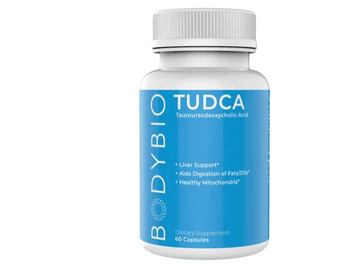
| TUDCA | Complementary bile acid and metabolic pathways; berberine–bile acid conjugates are under formal drug investigation | Commonly stacked; review TUDCA side effects first |
| Cinnamon, chromium, alpha-lipoic acid, bitter melon | Additive glucose lowering | Avoid stacking multiple glucose-lowering supplements at once |
| Fish oil, high-dose vitamin E, ginkgo, garlic extract | Additive bleeding risk if also anticoagulated | Review with a pharmacist if on warfarin or a DOAC |
| Probiotics and Akkermansia | Berberine is antimicrobial in the gut lumen and may reduce probiotic viability if taken simultaneously | Separate by 3–4 hours; see probiotic safety |
| Modified citrus pectin and soluble fibres | Fibre can bind and delay absorption of co-taken compounds | Separate by 2 hours; see fibre and cholesterol |
| St John's wort | Potent CYP3A4 inducer — works in the opposite direction | Unpredictable combined effect; avoid |
Full berberine interactions reference table
| Drug or class | Mechanism | Risk level | Action |
|---|---|---|---|
| Ciclosporin, tacrolimus, sirolimus | CYP3A4 + P-gp inhibition | High | Avoid unless transplant team supervises and monitors levels |
| Digoxin | P-gp inhibition | High | Avoid; narrow therapeutic index |
| Warfarin | CYP2C9 inhibition; protein binding | High | Only with anticoagulation clinic agreement and INR monitoring |
| Insulin, sulfonylureas | Additive glucose lowering; CYP2C9 | High | Specialist supervision; increase glucose monitoring |
| Antiarrhythmics | CYP2D6/3A4, P-gp, cardiac channel effects | High | Avoid outside cardiology supervision |
| Simvastatin, atorvastatin | CYP3A4 inhibition | Moderate | Discuss first; watch for muscle symptoms |
| DOACs | CYP3A4 + P-gp | Moderate–high | Discuss first; no routine level monitoring available |
| Metformin | OCT/MATE transporters; additive effect | Moderate | Separate doses; monitor glucose; expect GI overlap |
| Benzodiazepines, Z-drugs | CYP3A4 inhibition | Moderate | Watch for excess sedation, especially in older adults |
| Tricyclics, SSRIs, SNRIs | CYP2D6 inhibition | Moderate | Discuss with prescriber before combining |
| Antihypertensives | Additive BP lowering; CYP2C9 for losartan | Moderate | Home BP monitoring for first month |
| Ciprofloxacin and other antibiotics | Reduced absorption; microbiome effects | Moderate | Pause or separate doses during the course |
| Azole antifungals, macrolides | Stacked CYP3A4 inhibition | Moderate | Raise with a pharmacist |
| Codeine, tramadol | CYP2D6 — reduced activation | Moderate | Watch for reduced pain relief |
| PPIs (omeprazole) | CYP2C19 not significantly affected in human study | Low | See omeprazole long-term effects |
| Caffeine | CYP1A2 not significantly affected | Low | No specific action |
This table summarises mechanistic and clinical evidence for information purposes. It is not a substitute for a personalised medicines review by your GP or pharmacist.
Who should avoid berberine entirely
- Anyone who is pregnant or trying to conceive. Berberine crosses the placenta and can displace bilirubin from albumin.
- Anyone breastfeeding. The same bilirubin concern applies to a newborn with immature liver function.
- Infants and young children. The US National Center for Complementary and Integrative Health advises berberine should not be given to infants because it may worsen neonatal jaundice and increase the risk of kernicterus, a serious form of bilirubin-related brain injury.
- Transplant recipients and others on immunosuppressants, unless directed and monitored.
- People with G6PD deficiency or a history of haemolytic anaemia — the Chinese berberine product information contraindicates its use in these groups because of the risk of haemolysis and jaundice.
- People with significant liver or kidney impairment, where drug clearance is already compromised.
- Anyone about to undergo surgery. Stop at least two weeks beforehand because of glucose, blood pressure and anaesthetic metabolism effects.
How to take berberine more safely
Before you start
- Write out every prescription medicine, over-the-counter medicine and supplement you take.
- Book a free pharmacy medicines review — UK community pharmacists are well placed for exactly this question.
- Record a baseline: recent HbA1c, lipid panel, liver function, kidney function, blood pressure. A gut health blood test can add useful context.
- Choose one variable at a time. Do not start berberine in the same fortnight as a new medication or a major diet change.
Dose timing and separation
- Clinical trials typically use 500 mg two or three times daily, taken with meals.
- Split dosing suits berberine's short half-life better than a single large dose.
- Separate berberine from prescription medicines by at least two hours where practical, and from probiotics by three to four hours.
- Take with food to reduce gastrointestinal upset.
What to monitor, and when
| If you take | Monitor | How often initially |
|---|---|---|
| Any glucose-lowering drug | Fingerprick glucose, hypo symptoms | Daily for 2 weeks, then as advised |
| Warfarin | INR | Weekly for 4–6 weeks after starting and after stopping |
| A statin | Muscle symptoms; CK if symptomatic | Symptom watch; review at 6–8 weeks |
| Antihypertensives | Home blood pressure | Several times weekly for 4 weeks |
| Immunosuppressants | Drug trough levels, renal function | As directed by your transplant team |
Product quality matters for interactions too
Interaction risk scales with dose, and dose depends on the product actually containing what the label says. A 2018 analysis in the Journal of Dietary Supplements tested 15 commercial berberine products and found only six contained at least 90% of the stated berberine content. Between 2020 and 2022 the US FDA also issued warning letters to eight berberine supplement manufacturers over misbranding and false claims. Third-party tested products with a clear certificate of analysis, such as Welzo Ultra Purity Berberine, remove one significant variable.

Home glucose monitoring becomes more important when berberine is added to diabetes medication. Image: Wikimedia Commons, Creative Commons licence.
When to speak to a GP or pharmacist
Seek advice promptly if, after starting berberine, you experience:
- Symptoms of low blood sugar: shakiness, sweating, confusion, palpitations, unusual hunger
- New muscle pain, weakness or dark urine
- Unusual bruising, nosebleeds, bleeding gums or blood in stool
- Yellowing of the skin or eyes, or persistent right-sided abdominal pain
- Dizziness or fainting on standing
- Diarrhoea lasting more than a week, or any blood in the stool — our guide on when to see a GP about stomach symptoms covers the red flags
Suspected side effects from supplements can be reported to the MHRA through the Yellow Card Scheme. In an emergency — severe bleeding, chest pain, collapse, or inability to keep fluids down — call 999 or go to A&E.
Frequently asked questions about berberine interactions
Can you take berberine and metformin together?
It is possible under medical supervision, but it should not be done unilaterally. Both lower blood glucose and both commonly cause gastrointestinal side effects, so the combination can amplify both. Berberine also inhibits the OCT and MATE transporters that move metformin around the body, and the direction of that effect in humans is not well characterised. Separate doses by at least two hours, monitor glucose more frequently for four to six weeks, and never reduce prescribed metformin on your own.
Does berberine interact with statins?
Yes, in two ways. Beneficially, berberine and statins lower LDL cholesterol through different mechanisms, and a 2008 study in 63 patients found the combination with simvastatin reduced LDL by 31.8% — more than either alone. Cautiously, berberine inhibits CYP3A4, which clears simvastatin and atorvastatin, so blood levels could theoretically rise and increase muscle side effects. A 2019 human pharmacokinetic study found no clinically obvious interaction with simvastatin over the short term, but the combination should still be discussed with your prescriber.
What medications should not be taken with berberine?
The highest-risk combinations are immunosuppressants (ciclosporin, tacrolimus), digoxin, warfarin, insulin and sulfonylureas, and antiarrhythmic drugs. All of these have narrow safety margins, meaning a modest change in blood level can cause harm. Berberine should also be avoided alongside other CYP3A4 inhibitors such as azole antifungals and clarithromycin.
Does berberine affect the liver enzymes that process drugs?
Yes. A randomised crossover study in healthy volunteers taking berberine 300 mg three times daily for two weeks found reduced activity of CYP2D6, CYP2C9 and CYP3A4. Midazolam exposure rose 40% and the CYP2D6 probe ratio rose ninefold. CYP1A2 and CYP2C19 activity were not significantly changed.
How long before surgery should I stop berberine?
At least two weeks. Berberine lowers blood glucose and blood pressure and affects the enzymes that metabolise anaesthetic and analgesic drugs. Tell your pre-operative assessment team about every supplement you take, not only prescription medicines.
Can I take berberine with blood pressure tablets?
Only with monitoring. Berberine produces a modest independent reduction in blood pressure, so combining it with ACE inhibitors, ARBs, calcium channel blockers or diuretics can cause light-headedness or fainting. Losartan specifically depends on CYP2C9 activation, and berberine inhibits that enzyme. Check your blood pressure at home for the first month.
Does berberine interact with probiotics?
Berberine has antimicrobial activity in the gut, so taking it at the same time as a live probiotic may reduce the number of surviving organisms. Separating them by three to four hours is a sensible precaution. Berberine also alters the composition of the gut microbiota in its own right, which has been linked to the mild diarrhoea some users experience.
Is berberine safe with warfarin?
Not without supervision. Warfarin's active enantiomer is cleared by CYP2C9, which berberine inhibits, so INR could rise and bleeding risk with it. There are no dedicated human interaction trials, which means the size of the effect is unpredictable. If your anticoagulation clinic agrees to it, expect weekly INR checks after starting and again after stopping.
Does berberine interact with alcohol?
There is no direct pharmacological clash, but both can irritate the gastrointestinal tract and both affect glucose regulation. Alcohol also independently increases hypoglycaemia risk in people on glucose-lowering medication, so the combination is worth moderating rather than treating as neutral.
How long do berberine interactions last after I stop taking it?
Berberine has a short plasma half-life, but enzyme inhibition takes time to reverse as the body regenerates enzyme activity, and gut microbiome effects may persist longer still. Allow at least one to two weeks for drug levels to re-equilibrate, and be aware that stopping berberine can cause the level of an interacting medicine to fall — which is why stopping also warrants monitoring, not just starting.
Related reading from Welzo
- Berberine vs metformin: how they compare
- Gut health and blood sugar
- TUDCA side effects explained
- Gut health and weight loss
- Gut health and hormones
- Gut microbiome testing in the UK
- Ibuprofen and stomach damage
- Do probiotics actually work?
References
- Guo Y, Chen Y, Tan ZR, Klaassen CD, Zhou HH. Repeated administration of berberine inhibits cytochromes P450 in humans. European Journal of Clinical Pharmacology. 2012;68(2):213–217. PubMed | Full text
- Wu X, Li Q, Xin H, Yu A, Zhong M. Effects of berberine on the blood concentration of cyclosporin A in renal transplanted recipients: clinical and pharmacokinetic study. European Journal of Clinical Pharmacology. 2005;61(8):567–572. PubMed
- Li G, Zhao M, Qiu F, Sun Y, Zhao L. Pharmacokinetic interactions and tolerability of berberine chloride with simvastatin and fenofibrate: an open-label, randomized, parallel study in healthy Chinese subjects. Drug Design, Development and Therapy. 2019;13:129–139. PubMed | Full text
- Kong WJ, Wei J, Zuo ZY, et al. Combination of simvastatin with berberine improves the lipid-lowering efficacy. Metabolism. 2008;57(8):1029–1037. PubMed
- Yin J, Xing H, Ye J. Efficacy of berberine in patients with type 2 diabetes. Metabolism. 2008;57(5):712–717. Full text
- National Center for Complementary and Integrative Health. In the News: Berberine. nccih.nih.gov
- Memorial Sloan Kettering Cancer Center. Berberine — Integrative Medicine herb monograph. mskcc.org
- Kwon M, Choi YA, Choi MK, Song IS. Organic cation transporter-mediated drug–drug interaction potential between berberine and metformin. Archives of Pharmacal Research. 2015;38:849–856. Springer
- Sun R, Kong B, Yang N, et al. Pharmacokinetic interactions between metformin and berberine in rats: role of oral administration sequences and microbiota. Life Sciences. 2019;235:116815. PubMed
- Hermann R, von Richter O. Clinical evidence of herbal drugs as perpetrators of pharmacokinetic drug interactions. Planta Medica. 2012;78(13):1458–1477. PubMed
- Abushammala I. Tacrolimus and herbs interactions: a review. Die Pharmazie. 2021;76(10):468–472. PubMed
- Yue SJ, Liu J, Wang WX, et al. Berberine treatment-emergent mild diarrhea associated with gut microbiota dysbiosis. Biomedicine & Pharmacotherapy. 2019;116:109002. PubMed
- Chen Y, Zhao Z, Li Y, et al. Inhibitory effect of berberine on P-glycoprotein expression and function. International Journal of Molecular Sciences. 2019. Full text
- Han YL, Yu HL, Li D, et al. Effects of berberine and Hwangryunhaedok-tang on oral bioavailability and pharmacokinetics of ciprofloxacin in rats. Full text
- Funk RS, Singh RK, Winefield RD, et al. Variability in potency among commercial preparations of berberine. Journal of Dietary Supplements. 2018;15(3):343–351. Full text
- Hernandez AV, Hwang J, Nasreen I, et al. Impact of berberine or berberine combination products on lipoprotein, triglyceride and biological safety marker concentrations in patients with hyperlipidemia: a systematic review and meta-analysis. Journal of Dietary Supplements. 2024;21(2):242–259. PubMed
- US Food and Drug Administration. Warning letters — compliance actions and activities. fda.gov
- Endotext (NCBI Bookshelf). Non-pharmaceutical intervention options for type 2 diabetes: complementary and integrative health approaches. NCBI Bookshelf
- Medicines and Healthcare products Regulatory Agency. Yellow Card Scheme. yellowcard.mhra.gov.uk
About the author
Dr Zeeshan Afzal is a qualified medical doctor and Medical Officer at Welzo. He writes and clinically reviews Welzo's digestive health, metabolic health and supplement content, with a focus on translating peer-reviewed pharmacology into practical guidance for UK patients.
Medically reviewed by: Dr Zeeshan Afzal, MBBS
Last reviewed: [INSERT PUBLICATION DATE]
Next review due: [INSERT DATE + 12 MONTHS]
Medical disclaimer
This article is for general information and education. It is not medical advice and does not replace an individual assessment by a qualified healthcare professional. Berberine is sold in the UK as a food supplement and is not licensed as a medicine by the MHRA for any condition. Do not start, stop or change any prescribed medicine on the basis of this article. If you take prescription medication, are pregnant or breastfeeding, or have a diagnosed medical condition, speak to your GP or pharmacist before taking berberine. If you experience severe bleeding, chest pain, collapse or symptoms of severe hypoglycaemia, seek emergency medical care.



 Ocijenjeno izvrsno s 26,523+ recenzija
 100% jamstvo povratka novca