


Best Selenium Supplements Ranked


Related products


Selenium supplements are increasingly used to support immune resilience, thyroid hormone regulation, and antioxidant defence. As an essential trace mineral, selenium is required in small but consistent amounts to maintain normal physiological function, particularly within the immune and endocrine systems. A broad range of clinically formulated options are available within the selenium supplements category, reflecting growing awareness of selenium’s role in long-term health.
In clinical practice, selenium status is frequently overlooked despite its central importance to immune competence and thyroid hormone metabolism. Selenium is a structural component of multiple selenoproteins that regulate oxidative stress, support immune cell signalling, and enable the conversion of inactive thyroid hormone (T4) into its active form (T3). Sub-optimal selenium intake may therefore influence immune responsiveness, energy regulation, metabolic rate, and overall endocrine balance.
Through the evaluation of nutritional supplements used in real-world clinical and wellness settings, Dr Zeeshan Afzal has reviewed a broad range of selenium formulations, assessing differences in selenium form, bioavailability, dosage accuracy, ingredient quality, and tolerability. One consistent observation is that selenium intake from diet alone can be highly variable, largely due to differences in soil selenium content and modern dietary patterns.
As a result, selenium supplementation is often considered alongside structured nutritional strategies that include evidence-based immunity supplements. This guide addresses a clear search intent: identifying the best selenium supplements for immune and thyroid support, understanding how selenium works in the body, and recognising when supplementation may be appropriate.
For readers seeking a comparative overview, Welzo also provides an expert summary of top selenium supplements, which complements the in-depth clinical guidance below.
What Are Selenium Supplements?
Selenium supplements are dietary products designed to provide selenium in a controlled and measurable dose when dietary intake is insufficient or inconsistent. Selenium is classified as an essential trace mineral, meaning it cannot be synthesised by the body and must be obtained through food or supplementation.
Within the body, selenium is incorporated into specialised proteins known as selenoproteins. These proteins are involved in antioxidant defence, immune regulation, and thyroid hormone metabolism. For this reason, selenium is often discussed within broader micronutrient frameworks that also include foundational trace minerals required for optimal cellular function.
Selenium supplements are available in multiple forms, including selenomethionine, selenium yeast, sodium selenite, and liquid mineral preparations. Their effectiveness depends on the chemical form used, its absorption and retention in the body, and whether the dose remains within established safety thresholds.
What Are Selenium Supplements Used For?
Selenium supplements are primarily used to support immune function, thyroid health, and antioxidant protection, though their influence extends into several interconnected biological systems.
Immune System Support
Selenium plays an important role in immune cell signalling and in regulating oxidative stress during immune responses. Adequate selenium status supports the activity of T cells and natural killer cells, helping the immune system respond effectively without excessive inflammation. For this reason, selenium is often evaluated alongside advanced immune-support compounds such as AHCC and medicinal mushroom extracts from Agaricus.
Thyroid Hormone Regulation
The thyroid gland contains one of the highest selenium concentrations in the body. Selenium-dependent enzymes are required to convert inactive thyroxine (T4) into active triiodothyronine (T3). Without adequate selenium, this conversion may become less efficient, potentially affecting metabolism, energy levels, and temperature regulation. Selenium supplementation is therefore frequently reviewed as part of targeted thyroid supplements strategies, particularly when iodine intake from the iodine category is also being considered.
Antioxidant and Cellular Protection
Selenium is a key component of glutathione peroxidase and other antioxidant enzymes that protect cells from oxidative damage. This places selenium alongside nutrients found in the antioxidants category, including advanced formulations such as liposomal glutathione, which are commonly used to support cellular redox balance.
Hormonal and Reproductive Health
By supporting thyroid balance and controlling oxidative stress, selenium contributes indirectly to broader hormonal regulation. It is therefore sometimes included in nutritional strategies supporting endocrine health, including hormone imbalance support and targeted PCOS supplements.
Our Top Picks: Best Selenium Supplements
Best Overall: Osavi Selenium 200mcg
Also Great: Pure Encapsulations Selenium 200mcg 60 Vcaps
Best Long-Term Use: Natural Factors SelenoExcell Selenium Yeast 200mcg 90 Capsules
Best Liquid Selenium: Nutricology Selenium High-Dose Drops 0.50 fl oz
Best Selenium Blend: Life Extension Super Selenium Complex with Vitamin E 200mcg
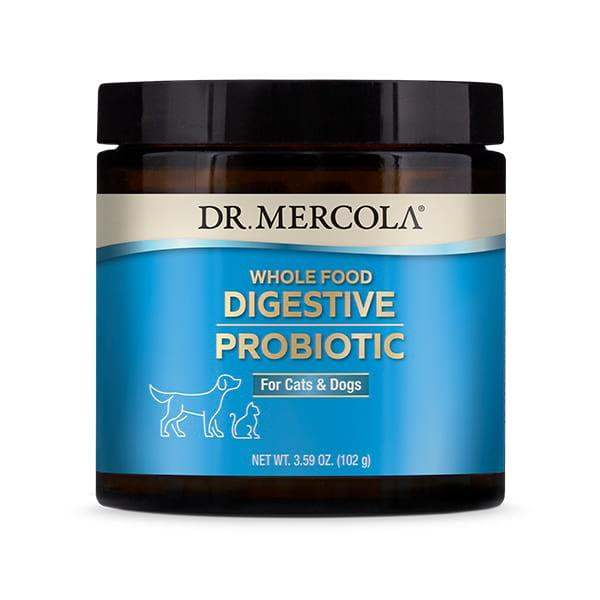
Best with Zinc: Dr Mercola Zinc Plus Selenium 30 Capsules
Best Budget-Friendly: NOW Foods Selenium 200mcg
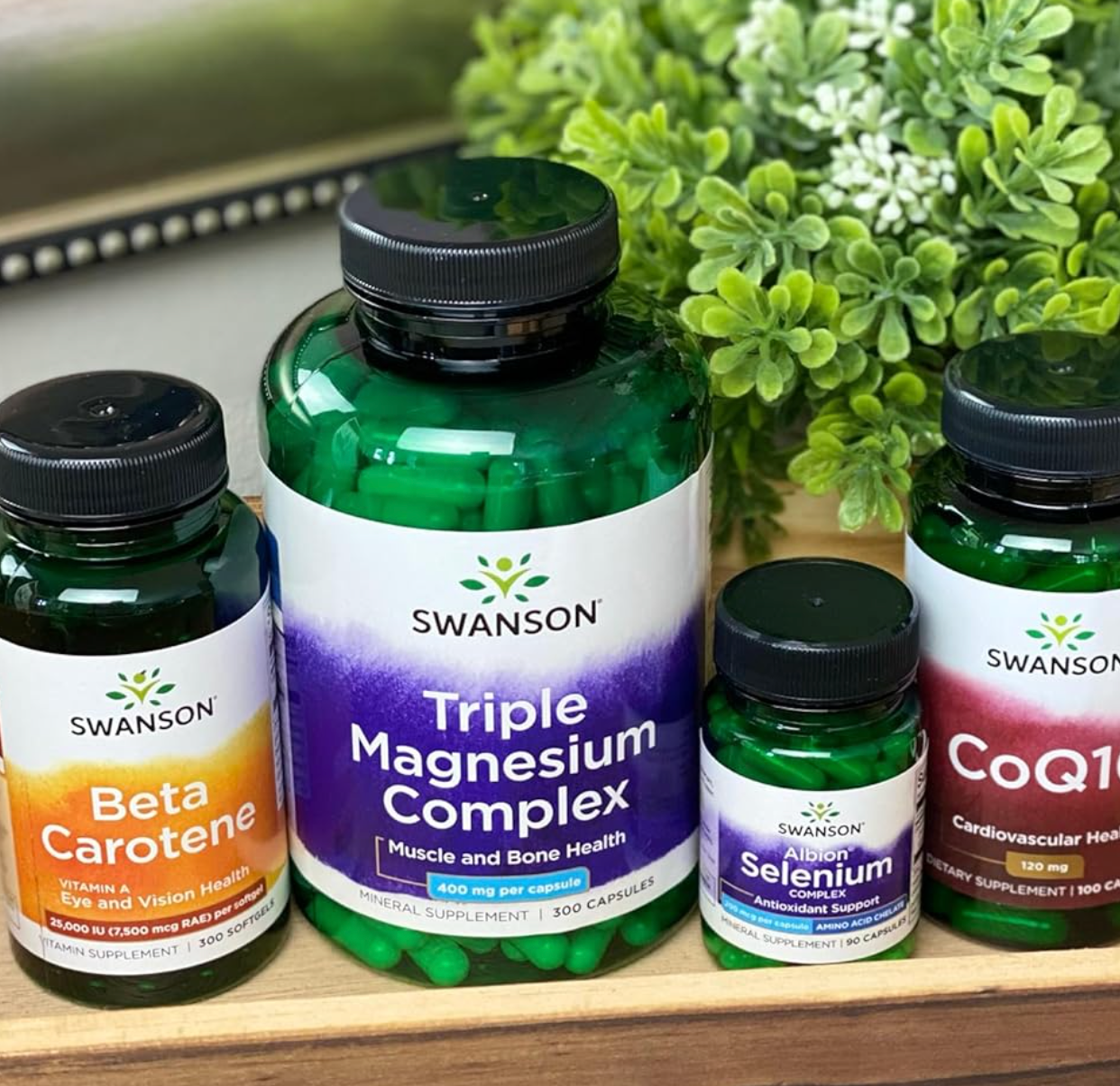
Best Albion Chelate Formula: Swanson Albion Selenium Complex 200mcg 90 Capsules
Best Simple Selenium: Swanson Selenium
Best Antioxidant Combo: NOW Foods NAC with Selenium 600mg
Best Overall: Osavi Selenium 200mcg

| Section | Details |
|---|---|
| Product (Where to buy) | Osavi Selenium 200mcg |
| Why it was selected | Best Overall selenium option for daily use — a clean, vegan, independently lab-verified selenomethionine supplement with strong quality credentials and broad dietary suitability. |
| Product description | A daily selenium supplement using L-selenomethionine, the highly bioavailable organic form, to support normal thyroid function, immune health, and antioxidant cell protection. Vegan Society certified, gluten-free, and non-GMO with a minimal, allergen-free formulation. |
| Product reviews | Users highlight the clean, plant-based formulation and consistent quality. The vegan capsule and allergen-free profile are frequently cited as key reasons for choosing it, with positive feedback on tolerability and everyday immune and thyroid support. |
| Product price | Mid-range — available on Welzo. |
| Pros | Uses highly bioavailable L-selenomethionine; vegan Society and gluten-free certified; independently lab verified for purity and potency; non-GMO; clean minimal ingredient list with no unnecessary additives; suitable for a wide range of dietary needs |
| Cons | Contains inulin as a bulking agent — may not suit those with sensitivity to chicory-derived prebiotic fibres; fixed 200mcg dose — less flexible than liquid formats for those needing adjusted dosing |
| How to use | Take one capsule daily with a meal or as directed by a healthcare professional. Do not exceed 200mcg selenium daily from all sources combined. |
| Editor's comments | A reliable quality-first everyday selenium pick for those who want a clean, certified, independently verified supplement in a simple once-daily capsule. The L-selenomethionine form and independent lab verification make it a strong choice for ingredient-conscious buyers seeking consistent daily thyroid, immune, and antioxidant support. |
Nutricology Selenium High Dose Drops 0.50 fl oz — Product Review

| Product (Where to buy) | |
|---|---|
| Why it was selected |
Best liquid selenium option for flexible dosing and individuals who prefer non-capsule formats. |
| Product description |
A concentrated liquid selenium formula allowing precise dose adjustment. Particularly useful in personalised supplementation protocols. |
| Product reviews |
Users highlight dosing flexibility and ease of use. Often chosen by those managing selenium intake carefully. |
| Product price |
£22.01 |
| Pros |
Liquid format for tailored dosing Useful for those who struggle with capsules Highly concentrated |
| Cons |
Requires careful measurement Less convenient for travel |
| How to use |
Use according to label instructions. Measure carefully and avoid combining with other selenium products without guidance. |
| Editor’s comments |
Best suited for users who need dosing flexibility rather than a fixed daily capsule. |
Dr Mercola Zinc Plus Selenium 30 Capsules — Product Review

| Product (Where to buy) | |
|---|---|
| Why it was selected |
Best combined zinc and selenium formula for immune and antioxidant support. |
| Product description |
Combines zinc and selenium — two minerals commonly used together to support immune defences and oxidative stress management. |
| Product reviews |
Popular among users looking for a streamlined immune-support supplement without multiple separate products. |
| Product price |
£13.72 |
| Pros |
Dual-mineral immune support Convenient all-in-one formula Suitable for short-term immune routines |
| Cons |
Less flexible dosing than single-nutrient products Zinc may cause stomach upset if taken without food |
| How to use |
Take one capsule daily with food unless otherwise advised. |
| Editor’s comments |
A solid option for combined immune support, though not ideal if precise selenium-only dosing is required. |
Life Extension Super Selenium Complex with Vitamin E 200mcg — Product Review

| Product (Where to buy) | |
|---|---|
| Why it was selected |
Best selenium blend with added antioxidant support. |
| Product description |
Combines multiple selenium forms with vitamin E to support antioxidant defences, immune health, and cellular protection. |
| Product reviews |
Highly rated for its comprehensive formulation and value for long-term antioxidant support. |
| Product price |
£13.11 |
| Pros |
Multiple selenium forms Added vitamin E Large capsule count |
| Cons |
Not suitable if supplementing vitamin E separately More complex than single-ingredient formulas |
| How to use |
Take one capsule daily with food. |
| Editor’s comments |
Ideal for those seeking antioxidant synergy rather than selenium alone. |
NOW Foods NAC with Selenium 600mg — Product Review

| Product (Where to buy) | |
|---|---|
| Why it was selected |
Best antioxidant-focused combination for cellular and glutathione support. |
| Product description |
Combines selenium with NAC, supporting antioxidant pathways and cellular defence mechanisms. |
| Product reviews |
Users often choose this for broader antioxidant and detoxification-focused routines. |
| Product price |
£13.32 |
| Pros |
Supports glutathione pathways Comprehensive antioxidant approach Good value combination product |
| Cons |
Not suitable if only selenium is required NAC may not suit everyone |
| How to use |
Follow label directions. Usually taken once or twice daily with food. |
| Editor’s comments |
Best reserved for antioxidant-heavy protocols rather than simple selenium supplementation. |
Swanson Albion Selenium Complex 200mcg 90 Capsules — Product Review

| Product (Where to buy) | |
|---|---|
| Why it was selected |
Best value-size option for long-term daily selenium supplementation with a clear, consistent 200mcg dose. |
| Product description |
This supplement delivers selenium in a chelated form designed for stability and absorption. With a 90-capsule supply, it is positioned as a practical choice for individuals looking for consistent immune and thyroid support over an extended period. |
| Product reviews |
Users often highlight its reliability and affordability, noting that it fits well into everyday supplement routines without unnecessary complexity. |
| Product price |
£3.86 |
| Pros |
Large supply suitable for long-term use Clear daily selenium dosage Good value compared with premium brands |
| Cons |
No additional antioxidant cofactors Not ideal for those wanting a blended formula |
| How to use |
Take one capsule daily with food unless otherwise advised by a healthcare professional. |
| Editor’s comments |
A dependable, no-nonsense selenium supplement best suited to routine daily use rather than specialist protocols. |
Pure Encapsulations Selenium 200mcg 60 Vcaps — Product Review

| Product (Where to buy) | |
|---|---|
| Why it was selected |
Best option for sensitive users seeking a clean-label selenium supplement with minimal excipients. |
| Product description |
This product provides selenium in a highly bioavailable form with a formulation designed to minimise unnecessary additives. It is often chosen by individuals following practitioner-led or elimination-based supplement protocols. |
| Product reviews |
Consumers frequently report good tolerability and consistency, particularly among those who have reacted poorly to more complex or heavily blended supplements. |
| Product price |
£14.99 |
| Pros |
Minimal ingredient profile Well suited for sensitive individuals Clear daily dosing |
| Cons |
Higher cost compared with mainstream brands No additional antioxidant support |
| How to use |
Take one capsule daily with a meal, unless otherwise directed. |
| Editor’s comments |
Ideal for those prioritising ingredient purity and tolerability over multi-nutrient blends. |
Natural Factors SelenoExcell Selenium Yeast 200mcg 90 Capsules — Product Review

| Product (Where to buy) |
Natural Factors SelenoExcell Selenium Yeast 200mcg 90 Capsules |
|---|---|
| Why it was selected |
Best long-term option for those who prefer yeast-derived, food-form selenium. |
| Product description |
SelenoExcell provides selenium bound within a yeast matrix, a format often chosen for its resemblance to dietary selenium sources. It supports immune function, antioxidant enzymes, and normal thyroid hormone metabolism. |
| Product reviews |
Users commonly report steady results and good tolerance, particularly when taken consistently over several months. |
| Product price |
£17.88 |
| Pros |
Yeast-based selenium source 90-capsule supply Suitable for long-term maintenance |
| Cons |
Not suitable for those avoiding yeast Not a blended antioxidant formula |
| How to use |
Take one capsule daily with food. |
| Editor’s comments |
A solid choice for consistent selenium intake where a food-form approach is preferred. |
NOW Foods Selenium 200mcg — Product Review

| Product (Where to buy) | |
|---|---|
| Why it was selected |
Best budget-friendly mainstream selenium supplement for everyday immune and thyroid support. |
| Product description |
A straightforward selenium supplement delivering 200mcg per serving. It is designed for daily use and is commonly included in general wellness and micronutrient routines. |
| Product reviews |
Users often describe this product as reliable and cost-effective, particularly for those wanting a simple selenium supplement without additional ingredients. |
| Product price |
£12.18 |
| Pros |
Affordable price point Simple, no-frills formulation Easy to incorporate into daily routines |
| Cons |
No additional antioxidants or cofactors Not suitable for those seeking liquid or blended formulas |
| How to use |
Take one tablet daily with a meal. |
| Editor’s comments |
A practical choice for budget-conscious users who still want dependable selenium support. |
Swanson Selenium — Product Review

| Product (Where to buy) | |
|---|---|
| Why it was selected |
Best entry-level selenium supplement for simple, everyday immune and thyroid support at a highly accessible price point. |
| Product description |
This is a straightforward selenium supplement designed for routine daily use. It delivers selenium in a simple capsule format without additional blends or cofactors, making it suitable for people who want a no-frills approach to maintaining selenium intake. |
| Product reviews |
Users commonly describe this product as reliable and easy to incorporate into daily routines. It is often chosen by those who want basic selenium coverage without paying for complex formulations or additional ingredients. |
| Product price |
£6.47 |
| Pros |
Simple, single-ingredient selenium supplement Very affordable compared with premium brands Suitable for long-term maintenance use |
| Cons |
No added antioxidants or synergistic nutrients Not ideal for users seeking advanced formulations |
| How to use |
Take one capsule daily with a meal, following the product label. Avoid combining multiple selenium supplements unless advised by a healthcare professional. |
| Editor’s comments |
This is best suited to users who want dependable selenium support at the lowest possible complexity and cost. For targeted antioxidant or thyroid-focused protocols, a more specialised formula may be preferable. |
Features and Benefits of Selenium Supplements
When used appropriately and within recommended intake ranges, high-quality selenium supplements offer several clinically relevant benefits.
Supports immune resilience: Selenium helps regulate immune responses by supporting antioxidant enzymes that protect immune cells during periods of increased oxidative stress.
Essential for thyroid efficiency: Selenium supports enzymes responsible for thyroid hormone activation, making it a foundational nutrient for metabolic health and energy regulation.
Antioxidant protection at a cellular level: Selenium contributes to endogenous antioxidant systems that protect tissues from oxidative stress associated with ageing and inflammation, aligning it with longevity-focused approaches found in the anti-aging and longevity category.
Consistent and predictable intake: Unlike dietary selenium, which can vary significantly depending on food sourcing and soil quality, supplements provide a reliable intake that supports stable selenium status.
Compatibility with mineral protocols: Selenium supplements are often combined with liquid mineral formulations from Eidon Mineral Supplements or whole-food mineral blends such as Seagreens, particularly in protocols designed for long-term micronutrient support.
Selenium and the Immune System: How It Works
Selenium plays a critical role in immune defence by supporting antioxidant enzymes known as selenoproteins. These enzymes help regulate oxidative stress during immune responses, ensuring immune cells can function effectively without causing excessive tissue damage. According to research published in the National Library of Medicine, selenium is essential for initiating immune responses while also helping prevent chronic inflammation.
Immune cells naturally generate reactive oxygen species (ROS) when fighting infections. Selenium-dependent enzymes such as glutathione peroxidase help neutralise excess ROS, preventing immune exhaustion and cellular damage. The NIH Office of Dietary Supplements confirms selenium’s role in protecting cells from oxidative damage and supporting normal immune signalling.
This regulatory function is why selenium is often discussed in immune resilience rather than immune “boosting.” Adequate selenium supports balance — helping the immune system respond when needed, without becoming overactive or chronically inflamed.
Selenium and Thyroid Health: Why It Matters
The thyroid gland contains one of the highest concentrations of selenium in the human body. Selenium is required for enzymes that convert inactive thyroxine (T4) into the active thyroid hormone triiodothyronine (T3). Without adequate selenium, this conversion process may become less efficient, potentially affecting metabolism, energy levels, and temperature regulation.
The NIH Office of Dietary Supplements explains that selenium also protects the thyroid from oxidative stress generated during hormone production. This is particularly relevant because the thyroid naturally produces hydrogen peroxide as part of hormone synthesis.
Clinical research has explored selenium supplementation in autoimmune thyroid conditions. A meta-analysis published in the Journal of Clinical Endocrinology & Metabolism found that selenium supplementation was associated with reductions in thyroid peroxidase (TPO) antibodies in some individuals over 6–12 months. However, results vary, and supplementation is best viewed as supportive rather than curative.
Signs of Selenium Deficiency
Selenium deficiency is uncommon in many developed countries but can occur when dietary intake is limited, absorption is impaired, or selenium levels in soil are low. Symptoms are often non-specific and may overlap with other nutrient deficiencies.
According to the NIH Consumer Fact Sheet, potential signs of low selenium status may include increased susceptibility to infections, fatigue, reduced thyroid efficiency, hair thinning, brittle nails, and reduced fertility markers in some populations.
Because these symptoms are broad and non-specific, selenium deficiency should not be self-diagnosed. Dietary assessment and clinical evaluation provide the most reliable insight into selenium status.
Selenium Supplements vs Selenium From Food
Whole foods are the preferred source of selenium when possible. Selenium-rich foods include seafood, eggs, meat, and Brazil nuts. However, selenium content in food varies widely depending on soil conditions, agricultural practices, and geographic location.
Harvard’s Nutrition Source notes that one Brazil nut can contain anywhere from 50 to over 90 micrograms of selenium, making intake difficult to standardise through food alone.
Selenium supplements offer consistency. Each dose provides a predictable amount, which can be beneficial when dietary intake is unreliable. The trade-off is that supplements make it easier to exceed recommended intake if multiple products overlap.
Types of Selenium Supplements Explained (Which Is Best?)
Selenium supplements are available in several forms, each with different characteristics:
-
Selenomethionine: A widely used organic form with good bioavailability, commonly chosen for long-term supplementation.
-
Selenium yeast: Selenium bound to yeast proteins, often described as a food-form option.
-
Sodium selenite or selenate: Inorganic forms sometimes used in liquid drops or clinical settings.
-
Blended formulas: Combine selenium with antioxidants such as vitamin E or NAC.
No single form is universally “best.” The optimal choice depends on individual needs, existing supplement use, and whether selenium is taken alone or as part of a broader protocol.
How Much Selenium Do You Really Need Per Day?
The recommended dietary allowance (RDA) for selenium in adults is 55 micrograms per day, according to the NIH. Pregnant and breastfeeding individuals require slightly higher intakes.
Upper limits are important. The NIH sets the tolerable upper intake level at 400 micrograms per day, while the European Food Safety Authority (EFSA) recommends a more conservative upper limit of 300 micrograms per day from all sources combined.
Most selenium supplements provide 100–200 micrograms per serving, which can be appropriate when dietary intake is low. Exceeding this range without clinical oversight is not recommended.
How We Evaluated the Best Selenium Supplements
The best selenium supplements were evaluated using evidence-based and practical criteria:
-
Clear identification of selenium form and dosage
-
Doses aligned with nutritional guidelines
-
Ingredient transparency and minimal unnecessary additives
-
Compatibility with multivitamins and immune formulas
-
Suitability for long-term use without excessive intake
Scientific reviews published in the National Library of Medicine consistently emphasise that selenium benefits are most relevant when correcting insufficiency rather than pushing intake beyond normal physiological needs.
Are Selenium Supplements Safe?
Selenium supplements are generally safe when used within recommended limits. The most common safety concern is excessive cumulative intake from multiple supplements.
The NIH notes that selenium toxicity, known as selenosis, may cause symptoms such as hair loss, brittle nails, gastrointestinal upset, fatigue, irritability, and a metallic taste when intake is chronically excessive.
Individuals with kidney disease, those taking multiple micronutrient products, or those following thyroid protocols should monitor total selenium intake carefully.
Selenium Side Effects and Considerations
At standard doses, selenium is well tolerated by most people. Mild side effects such as nausea may occur, particularly if supplements are taken on an empty stomach.
Chronic over-supplementation is the primary risk. Because selenium requirements are relatively low, overlapping supplements can quickly push intake beyond safe levels. Monitoring total intake is essential.
Selenium Supplements vs Multivitamins
Many multivitamins already contain selenium, typically between 50 and 100 micrograms. For individuals with a balanced diet, this may be sufficient.
Standalone selenium supplements are most appropriate when dietary intake is low, multivitamins are not used, or a clinician recommends targeted supplementation. In contrast, multivitamins may be preferable for general nutritional coverage without focusing on a single nutrient.
As highlighted by the NIH Consumer Fact Sheet, meeting selenium needs is about adequacy, not excess — and supplementation should reflect that principle.
Why Is Selenium Necessary for Your Body?
Selenium is required for the synthesis of selenoproteins, a group of enzymes that regulate antioxidant defence, immune signalling, thyroid hormone metabolism, and cellular protection. Without adequate selenium, these enzymes cannot function optimally, which may impair metabolic regulation and stress response at the cellular level.
Selenium is considered essential because the body cannot produce it internally and relies entirely on dietary intake. Even mild insufficiency may reduce the efficiency of antioxidant enzymes and thyroid hormone activation.
Is Selenium an Antioxidant?
Selenium itself is not a direct antioxidant like vitamin C, but it is a critical component of antioxidant enzymes such as glutathione peroxidase. These enzymes neutralise harmful free radicals and protect cells from oxidative damage.
This indirect antioxidant role is one reason selenium is often discussed alongside oxidative stress, immune resilience, and long-term cellular health.
What Foods Are Rich in Selenium?
Dietary selenium comes primarily from protein-rich foods. However, selenium content varies widely depending on soil conditions where food is produced.
-
Brazil nuts (very high, but highly variable)
-
Seafood such as tuna, sardines, and shrimp
-
Eggs
-
Red meat and poultry
-
Whole grains and cereals
Because food selenium levels fluctuate, some individuals may struggle to achieve consistent intake through diet alone.
Is Selenium Water-Soluble or Fat-Soluble?
Selenium is a water-soluble mineral. Excess amounts are not stored in fat tissue but are either incorporated into selenoproteins or excreted, primarily via urine.
This water-soluble nature explains why regular intake is necessary, but also why excessive intake from supplements can accumulate if dosing is consistently too high.
How Does the Body Digest and Absorb Selenium?
Selenium is absorbed in the small intestine. Organic forms such as selenomethionine are absorbed efficiently through amino acid transport pathways, while inorganic forms are absorbed through passive diffusion.
Absorption efficiency is generally high and is not strongly affected by dietary fat, making selenium absorption relatively reliable compared to some other micronutrients.
How Long Does Selenium Stay in Your Body After You Take It?
Selenium does not have a single fixed “half-life” because it becomes incorporated into proteins throughout the body. Some selenium is used rapidly, while excess is gradually excreted.
With regular intake, selenium levels stabilise over time rather than accumulating indefinitely, provided intake stays within recommended limits.
When Should Selenium Supplements Be Used?
Selenium supplements may be appropriate when dietary intake is inconsistent, when selenium-rich foods are avoided, or when supplementation is recommended as part of a clinician-guided protocol.
They are also commonly used when individuals are already supplementing for thyroid, immune, fertility, or antioxidant support and require a predictable selenium intake.
How Long Do You Need to Take Selenium to Experience Its Benefits?
Selenium does not produce immediate, noticeable effects. Benefits related to enzyme function and antioxidant activity typically develop over weeks to months of consistent intake.
For targeted protocols, selenium is often taken for defined periods before reassessment, rather than indefinitely at high doses.
Can You Take Selenium During a Diet?
Yes. Selenium intake remains important during calorie-restricted diets because micronutrient intake often decreases alongside calories.
Diets that reduce seafood, meat, or whole foods may inadvertently lower selenium intake, making supplementation more relevant during prolonged dieting phases.
Why You Should Trust Us
This guide was developed using peer-reviewed research, international dietary guidelines, and evidence-based evaluation criteria. The information reflects current scientific understanding of selenium’s role in immune, thyroid, and antioxidant health.
Product selection and educational content are designed to prioritise accuracy, safety, and transparency — focusing on appropriate intake rather than exaggerated claims. This approach ensures recommendations align with both clinical evidence and real-world use.
Frequently Asked Questions About Selenium Supplements
What does selenium do in the body?
Selenium is an essential trace mineral that supports immune function, thyroid hormone metabolism, antioxidant defence, and protection against oxidative stress through selenium-dependent enzymes.
Is selenium good for the immune system?
Yes. Selenium supports normal immune responses by helping immune cells manage oxidative stress and inflammation, which is essential for balanced immune function.
How does selenium support thyroid health?
Selenium is required to convert inactive thyroid hormone (T4) into its active form (T3) and helps protect the thyroid gland from oxidative damage during hormone production.
What are the signs of low selenium levels?
Possible signs include frequent infections, fatigue, hair thinning, brittle nails, reduced thyroid efficiency, and low antioxidant capacity, though symptoms are non-specific.
Can you get enough selenium from food alone?
Some people can, but selenium content in food varies widely due to soil differences. Diets low in seafood, eggs, or meat may not consistently provide adequate selenium.
What foods are high in selenium?
Brazil nuts, seafood, eggs, meat, and whole grains are common dietary sources, although selenium content varies by geographic origin.
Are selenium supplements better than food sources?
Selenium supplements provide consistent dosing, while food sources offer variable amounts. Supplements are useful when dietary intake is inconsistent or monitored intake is required.
What type of selenium supplement is best?
Selenomethionine and selenium yeast are commonly preferred for supplementation due to good bioavailability and suitability for long-term use.
How much selenium should I take per day?
The recommended daily intake for adults is 55 micrograms. Many supplements provide 100–200 micrograms, which may be appropriate when dietary intake is low.
Can you take too much selenium?
Yes. Excess selenium intake over time can lead to toxicity, known as selenosis. Upper intake limits range from 300–400 micrograms per day from all sources.
What are the side effects of too much selenium?
Symptoms may include hair loss, brittle nails, gastrointestinal upset, metallic taste, fatigue, and nerve-related symptoms in severe cases.
Is selenium safe to take every day?
Yes, when taken within recommended limits and without overlapping multiple selenium-containing supplements.
Should I take selenium if I have thyroid disease?
Selenium may be used as part of a thyroid-support strategy, particularly in autoimmune thyroid conditions, but it should not replace medical treatment.
Is selenium helpful for Hashimoto’s thyroiditis?
Some studies show selenium may reduce thyroid antibody levels in certain individuals, but results vary and benefits are not guaranteed.
Does selenium help with fertility?
Selenium plays a role in reproductive health by supporting antioxidant protection and hormone regulation, particularly in sperm and egg quality.
Is selenium good for hair and nails?
Adequate selenium supports normal hair and nail structure, but excessive intake can worsen hair and nail health.
Should selenium be taken with other supplements?
Selenium is often taken alongside iodine, zinc, or antioxidants, but total intake should be monitored to avoid excess.
Is selenium included in multivitamins?
Many multivitamins contain selenium, usually between 50–100 micrograms, which may be sufficient for people with balanced diets.






 Beoordeeld uitstekend door 28,951+ beoordelingen
 100% geld -terug -garantie