Related collections



Best Postbiotic and Butyrate Supplements UK
Posted on:
Aug 05, 2026
Authored by


Medically reviewed by Dr Zeeshan Afzal (MBBS, General Practitioner) — Medical Content Reviewer, Welzo.
Written by: The Welzo Longevity Editorial Team | Part of our digestive health guides | Last updated: July 2026
Declared interest: Welzo sells gut health supplements. This buying guide explains that butyrate is not technically a postbiotic, that most oral butyrate never reaches the colon it is meant to feed, and that dietary fibre remains the better delivery system for most people. Those points are inconvenient for the category and are included because they are what a buyer needs to know. See our editorial policy.
Postbiotics are the fastest-growing corner of the UK gut health supplement market, and butyrate is its flagship ingredient. The pitch is straightforward: your gut bacteria make short-chain fatty acids from fibre, butyrate is the most important of them, modern diets produce too little, so take it directly.
Every step of that argument is reasonable until the last one. This guide covers what postbiotics actually are under the scientific definition, why most oral butyrate never gets where it is supposed to go, how the four supplement forms differ, and what to look for on a UK label.
For the broader context on evidence quality in supplements, see our complete longevity supplements guide, and for the wider subject area our digestive health hub.
The short answer
Butyrate is not a postbiotic. Under the 2021 ISAPP consensus definition, a postbiotic is "a preparation of inanimate microorganisms and/or their components that confers a health benefit on the host" — and purified metabolites like butyrate explicitly do not qualify; they should be called by their chemical names [1,2]. Most products labelled "postbiotic" in the UK are butyrate salts. The delivery problem is real: when butyrate is taken orally, most is absorbed in the small intestine and relatively little reaches the colon, which is the tissue it is meant to feed [3]. Tributyrin resists stomach acid and is cleaved by pancreatic lipases further down, and enteric coating serves the same purpose — but direct human head-to-head comparisons are sparse. Fibre remains the better route for most people: UK adults are advised to eat 30 g daily and most manage around 20 g [4]. Fix that first.

Table of contents
In 2019 the International Scientific Association for Probiotics and Prebiotics convened an expert panel spanning gastroenterology, paediatrics, microbiology, metabolomics and regulatory affairs to settle the term, because it was being used inconsistently in both literature and marketing. Their definition, published in Nature Reviews Gastroenterology & Hepatology in 2021, is: "a preparation of inanimate microorganisms and/or their components that confers a health benefit on the host" [1].
Two consequences follow directly, and both matter when you are reading a UK product label:
What this means at the shelf. A capsule of sodium butyrate is a purified metabolite, not a postbiotic. A preparation of heat-treated bacterial cells is. Both may be useful — but a product using "postbiotic" as a synonym for butyrate is using the word loosely. It is a labelling shortcut rather than a scientific claim, and it tells you something about how carefully the rest of the label was written.
The definition is not universally accepted — a group of researchers published a formal critique arguing it conflates well-defined molecules with complex undefined matrices [5] — but ISAPP's version is the reference point most of the field now uses.
Butyrate is a short-chain fatty acid produced when gut bacteria ferment fibre in the colon. Its two main roles are well characterised:
Butyrate is the preferred energy source for colonocytes, the cells lining the colon. Those cells are unusual in preferring a bacterial metabolite to glucose, which is why butyrate is tied so closely to gut barrier integrity — the lining is literally fuelled by the fermentation happening next to it.
Butyrate inhibits histone deacetylases, which is the mechanism behind most of its proposed anti-inflammatory and systemic effects. This is real, well-documented biology — and it is also where marketing tends to overreach, because a mechanism demonstrated in cells is not an outcome demonstrated in people.
Reduced butyrate production is associated with low-fibre diets, antibiotic exposure and several gut conditions. That association is the entire commercial rationale for the category. The question is whether a capsule fixes it.

Here is the fact that reframes the whole purchase. When butyrate is supplemented orally, the majority is absorbed in the small intestine, and relatively little reaches the colon [3]. The colon is the tissue the entire rationale depends on.
This is why the market has moved toward two workarounds:
Direct human pharmacokinetic comparisons of tributyrin against microencapsulated sodium butyrate are sparse. The bioavailability argument for tributyrin is mechanistically sound and supported in animal models and laboratory simulations, but it is not settled by human head-to-head data. Be sceptical of any brand presenting it as though it were. Our detailed comparison is in sodium butyrate vs tributyrin.
| Form | How it works | Strengths | Drawbacks |
|---|---|---|---|
| Tributyrin | Butyrate bound to glycerol; resists stomach acid, released by pancreatic lipases [3] | Best-argued delivery; no odour; softgel format survived transit best in simulation [3] | Usually the most expensive; human head-to-head data thin |
| Microencapsulated / enteric sodium butyrate | Coating delays release until past the stomach | Most-used form in published gut trials; well priced | Coating quality varies widely; sodium content worth noting if you monitor intake |
| Calcium or magnesium butyrate | Mineral salt of butyric acid | Avoids added sodium; used in published paediatric and liver trials [6,7] | Contributes to your mineral total — check if you already supplement magnesium |
| Uncoated butyric acid | No delivery technology | Cheapest | Strong rancid-butter odour; largely absorbed before the colon. Generally avoid |
A fifth category is worth separating: true postbiotic preparations of inactivated bacterial cells, covered below. These are a different product class despite sharing shelf space.
Modest, gut-focused and mostly small. That is the honest summary.
Butyrate is frequently marketed for immunity, metabolic health, brain health, inflammation and longevity. Those claims draw largely on animal and mechanistic work. Butyrate's roles in obesity, diabetes and neurodegeneration are characterised mechanistically rather than clinically, and blood-brain-barrier effects of short-chain fatty acids sit firmly in preclinical territory. Biological plausibility is not the same as demonstrated benefit — the same standard we apply in longevity supplements that probably don't work.
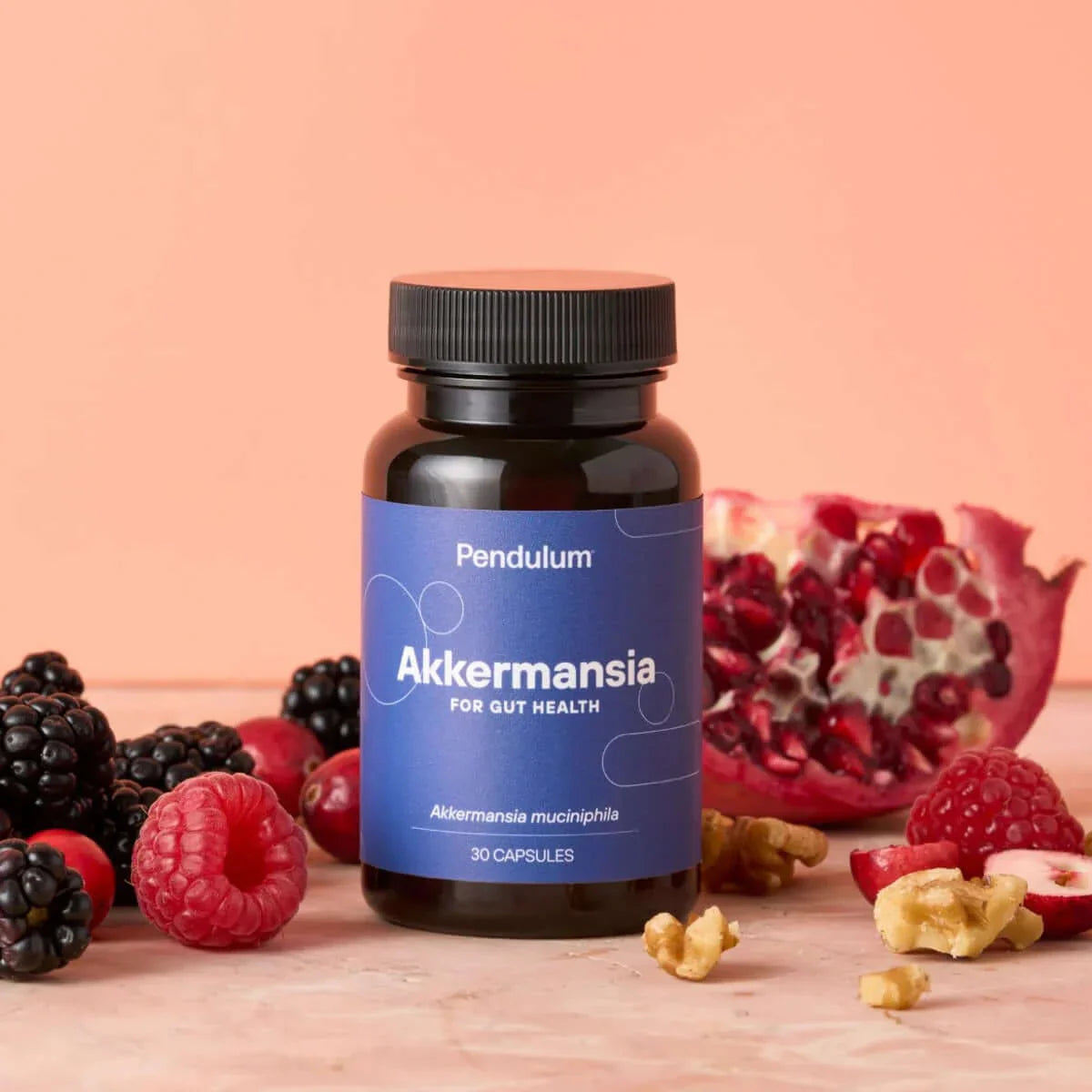
If you specifically want a postbiotic under the ISAPP definition, the best-evidenced example is pasteurised Akkermansia muciniphila — an inactivated bacterial preparation, which qualifies where purified butyrate does not.
In a randomised, double-blind, placebo-controlled pilot in overweight or obese insulin-resistant volunteers, three months of daily supplementation was safe and well tolerated. Compared with placebo, pasteurised A. muciniphila improved insulin sensitivity by roughly 29%, reduced insulinaemia by around 34% and lowered total cholesterol by about 9% [8]. Notably, the pasteurised form performed better than the live bacteria — which is the core postbiotic argument in a single result.
A larger randomised trial published in 2026 followed 90 adults with overweight or obesity through an eight-week low-energy diet and then 24 weeks of maintenance. Those taking pasteurised A. muciniphila MucT regained less weight than placebo (1.2 kg versus 3.2 kg, P = 0.012) [9].
This is a small evidence base in specific populations, not a general longevity claim — but it is stronger than most of what is sold as "postbiotic". More detail in our guide to Akkermansia in the UK.
| Check | What good looks like |
|---|---|
| Form stated clearly | "Tributyrin", "microencapsulated sodium butyrate", "calcium butyrate" — not just "butyrate complex" |
| Elemental butyrate declared | The butyrate content, not just the weight of the salt or triglyceride. These are different numbers |
| Delivery technology named | Enteric coating, microencapsulation or the tributyrin backbone — with an explanation of why |
| Dose in the studied range | Published gut trials commonly use 500–1,000 mg daily [6,7] |
| Batch-specific third-party testing | A certificate of analysis matching your tub's batch number — see how to read a COA |
| Short excipient list | See supplement fillers |
| Compliant claims | UK food law does not permit supplements to claim they treat, prevent or cure disease [10]. Bold medical claims are a warning sign |
On sourcing and testing generally, see third-party tested supplements and why supplements are expensive.
We have kept this section to a framework rather than a fixed ranking, because butyrate products change formulation, dose and price frequently, and a stale "best of" list is worse than none. Use the seven checks in the table above against any product you are considering — form, elemental butyrate, delivery, dose, testing, excipients and claim compliance. Those criteria will outlast any specific recommendation.
If you are building a broader routine, see the minimal supplement stack and can you take supplements together. Butyrate is generally taken with food, in divided doses, and is not known to interact meaningfully with the other compounds covered in our longevity stack guide.

Your colon manufactures butyrate continuously, in quantities no capsule matches, provided it is given the raw material. NHS guidance is 30 g of fibre daily; most UK adults fall well short at around 20 g [4].
Practical fermentable sources: beans, lentils and chickpeas; oats and barley; cooled cooked potato and rice (resistant starch); onions, leeks and garlic; slightly green bananas; and a wide range of plants rather than a large quantity of one. Increase gradually — a sudden jump causes bloating and is the main reason people abandon it.
When a supplement makes more sense than fibre: after antibiotics, during a flare when fibre is poorly tolerated, in IBS where fermentable fibre worsens symptoms, or where a clinician has advised a low-fibre diet. In those situations butyrate offers a route that bypasses fermentation entirely — which is a genuine and specific use case, and a more honest one than "everyone should take this".
Related reading: glutamine vs collagen for gut health and what the Blue Zones evidence supports, where legume intake does much of the work usually attributed to something more exotic.
See your GP rather than starting a supplement if you have blood in your stool, black or tarry stools, unintended weight loss, a persistent change in bowel habit lasting more than three weeks, abdominal pain that wakes you at night, difficulty swallowing, or a family history of bowel cancer or inflammatory bowel disease. These require assessment, and delay matters.
Speak to your GP or pharmacist before starting butyrate or a postbiotic if you have inflammatory bowel disease, are immunocompromised, are pregnant or breastfeeding, are under 18, or take prescription medication. Sodium butyrate contributes sodium, which is relevant if you have been advised to restrict it for blood pressure or kidney reasons. Calcium and magnesium butyrate contribute to your intake of those minerals.
Do not use these products to self-treat a diagnosed condition or to replace prescribed treatment. If gut symptoms change or worsen after starting, stop and seek advice.
Not under the scientific definition. The 2021 ISAPP consensus defines a postbiotic as a preparation of inanimate microorganisms and/or their components that confers a health benefit, and states explicitly that purified metabolites do not qualify and should be called by their chemical names [1,2]. Butyrate is a short-chain fatty acid. Most UK products labelled "postbiotic" are butyrate salts.
Tributyrin has the strongest delivery argument — it resists stomach acid and is released by pancreatic lipases further down, with roughly 41–49% of a dose surviving upper gut transit in laboratory simulation [3]. Microencapsulated sodium butyrate is the form used most often in published gut trials and costs less. Direct human comparisons between the two are sparse, so treat confident claims of superiority with caution.
Published gut trials commonly use 500–1,000 mg daily [6,7], usually with food and often in divided doses. Check whether a label states elemental butyrate or the weight of the whole salt, as those are different numbers and the second flatters the product.
Much of it does not. When supplemented orally, the majority of butyrate is absorbed in the small intestine and relatively little reaches the colon [3] — which is the tissue it is meant to fuel. This is precisely why tributyrin and enteric-coated formulations exist, and why uncoated butyric acid is a poor choice.
For most people, fibre. Your colon produces butyrate continuously from fermentable fibre, in quantities supplements do not match. UK guidance is 30 g daily and most adults manage around 20 g [4]. Supplements make more sense when fermentation is compromised or fibre is poorly tolerated — after antibiotics, during a flare, or in IBS.
Uncoated butyric acid does — it is the compound responsible for the smell of rancid butter. Microencapsulated salts and tributyrin softgels are formulated specifically to avoid this, which is one practical reason to avoid the cheapest uncoated products.
If you want a genuine postbiotic rather than a metabolite, pasteurised Akkermansia muciniphila has the best human trial data. A randomised placebo-controlled pilot found improved insulin sensitivity of around 29% and reduced total cholesterol of about 9% in overweight insulin-resistant volunteers [8], and a 2026 trial in 90 adults found less weight regain after a low-energy diet [9]. Both are small and population-specific.
Generally yes, and the two are often combined in trial formulations alongside prebiotic fibre. There is no established interaction. Whether the combination outperforms either alone has not been well established in humans.
Butyrate is generally well tolerated. Mild bloating, wind or loose stools can occur, particularly at higher doses or when starting. Sodium butyrate adds sodium; calcium and magnesium forms add those minerals. Stop and seek advice if symptoms worsen after starting.
Published gut trials typically run 8–12 weeks before assessing symptom outcomes [6], so judge over a couple of months rather than a fortnight. Track something specific — stool consistency, bloating frequency, a symptom score — rather than a general impression. See how long supplements take to work.
Medical disclaimer
This article is for general information and does not constitute medical advice, diagnosis or treatment. Food supplements are not a substitute for a varied, balanced diet and a healthy lifestyle, and should not be used to treat, prevent or cure disease. Doses referenced are those used in published human research and are not a personal recommendation. See your GP rather than starting a supplement if you have blood in your stool, black or tarry stools, unintended weight loss, a persistent change in bowel habit lasting more than three weeks, abdominal pain that wakes you at night, difficulty swallowing, or a family history of bowel cancer or inflammatory bowel disease — these symptoms require assessment and delay matters. Consult your GP or pharmacist before use if you have inflammatory bowel disease, are immunocompromised, take prescription medication, or are pregnant, breastfeeding or under 18. Sodium butyrate contributes dietary sodium, relevant if you have been advised to restrict intake; calcium and magnesium forms contribute to those mineral totals. Increase dietary fibre gradually and seek advice first if you have a diagnosed bowel condition. Never stop or reduce prescribed treatment in favour of a supplement. Reviewed for medical accuracy by Dr Zeeshan Afzal. See the full Welzo medical disclaimer.
All photography in this article is owned by Welzo and served from the Welzo media library. Research positions correct at the time of publication.
 Hodnoceno výborně o 28,951+ recenzí
 100% záruka vrácení peněz
Naše záruka vrácení peněz zajišťuje, že obdržíte své položky nebo získáte plnou náhradu.