



Fermented Foods UK: A Beginner's Guide


Související produkty
Medically reviewed and written by Dr Zeeshan Afzal, MBBS — Medical Content Lead, Welzo
Last updated: 29 July 2026 | Reading time: approximately 13 minutes
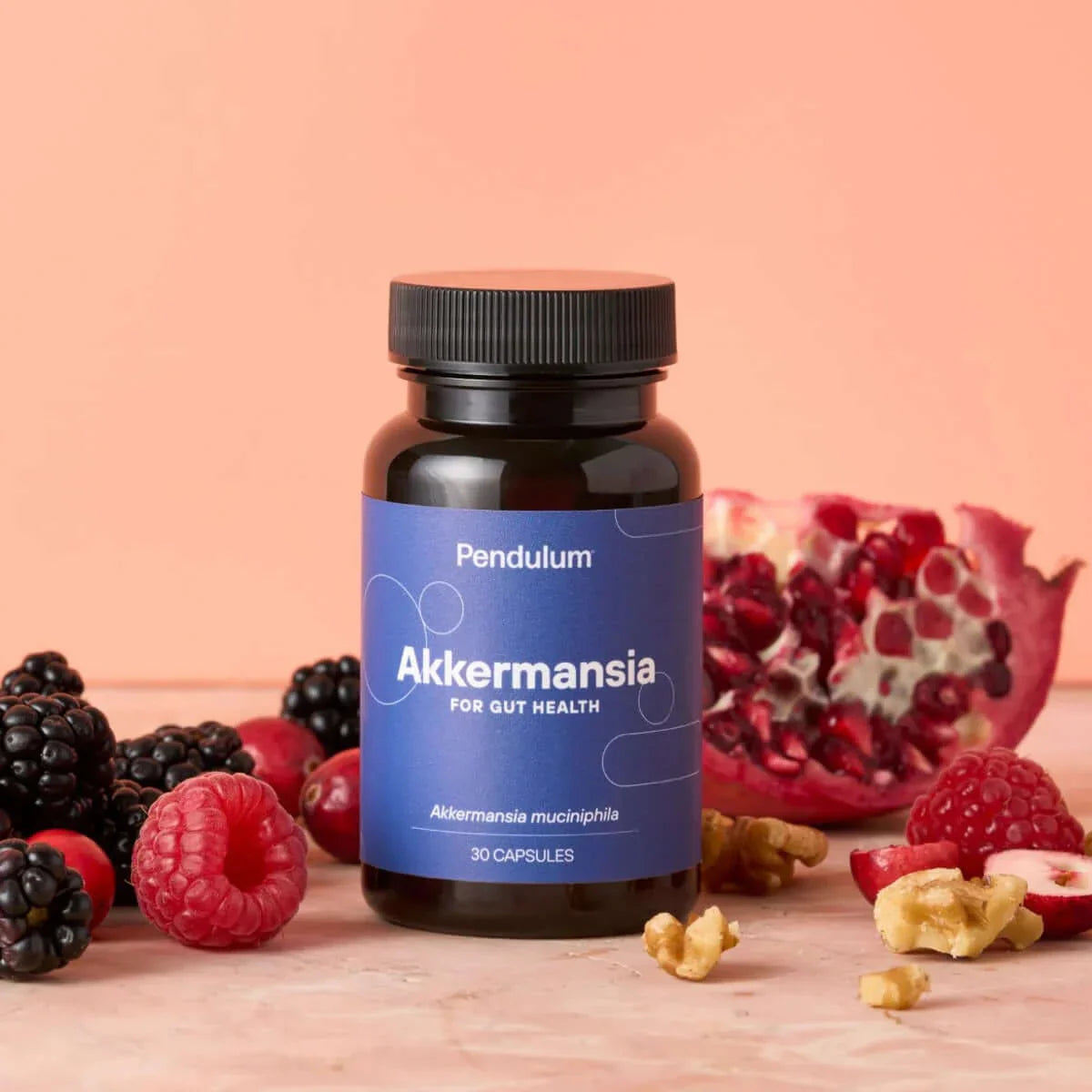
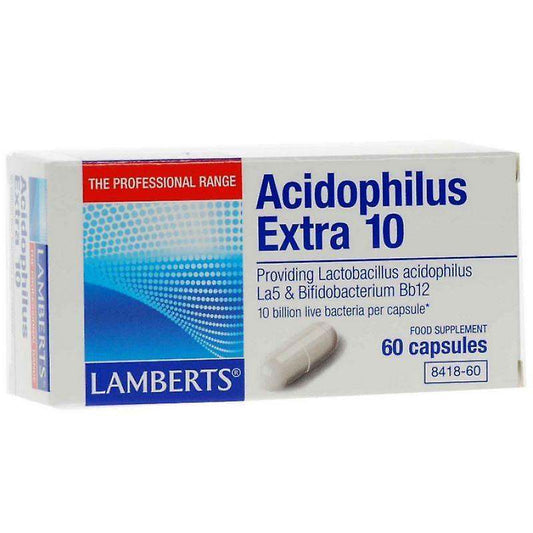
Fermented foods have moved from the health-food shelf to the middle aisle of every major British supermarket. Kefir sits beside the milk, kimchi beside the hummus, and kombucha in the chiller next to the cold-pressed juice. If you are searching for fermented foods UK shoppers can actually buy, tolerate and afford, this guide explains what fermentation genuinely does, what the evidence supports, and how to start without upsetting your digestion. It sits alongside our wider gut health range and our probiotics collection, and complements targeted supplements such as Akkermansia, citrus pectin powder, Welzo Ultra Purity Berberine and Welzo Ultra Purity TUDCA.
For the bigger picture on how diet shapes your microbes, start with our pillar guide to gut health in the UK, then read about microbiome diversity and the best foods for gut health. If you are weighing food against capsules, our comparison of fermented food vs probiotics is the natural next step.
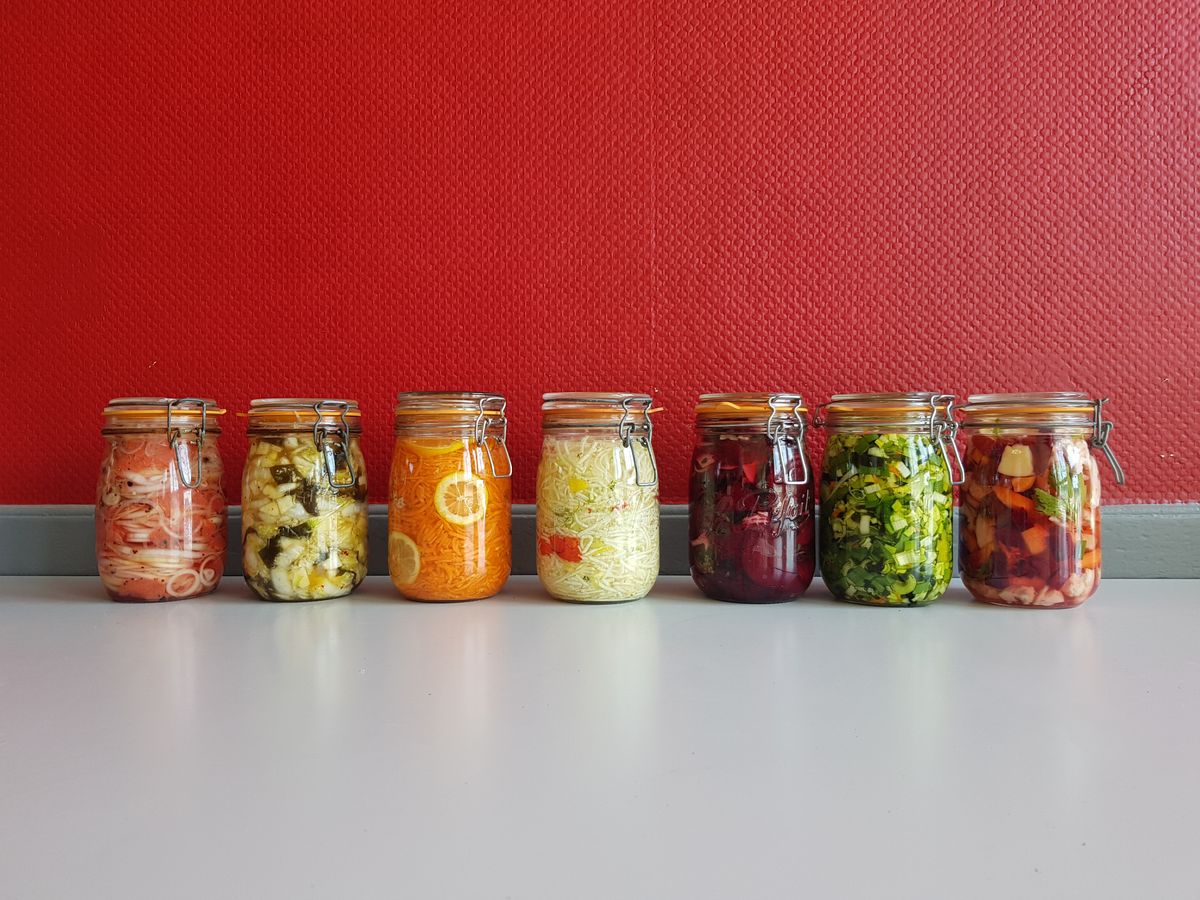
Table of Contents
- What Are Fermented Foods?
- Fermented vs Pickled vs Probiotic: The Differences That Matter
- What the Evidence Actually Shows
- The Best Fermented Foods to Buy in the UK
- How to Read a UK Label and Spot a Live Product
- A Four-Week Beginner's Plan
- Side Effects and Who Should Be Cautious
- Making Fermented Foods at Home Safely
- Fermented Foods or Supplements?
- When to See a GP
- Frequently Asked Questions
- References
What Are Fermented Foods?
Fermented foods are made by deliberately encouraging microbes — bacteria, yeasts or moulds — to transform raw ingredients. An international expert panel convened by the International Scientific Association for Probiotics and Prebiotics (ISAPP) settled on a working definition in 2021: foods and beverages produced through desired microbial growth and the enzymatic conversion of food components. That definition is deliberately broad, and it captures everything from Cheddar cheese and sourdough to soy sauce, salami, coffee and cocoa.
The chemistry is simple enough. Microbes consume sugars and starches and produce acids, gases and alcohol. Lactic acid bacteria dominate vegetable and dairy ferments, dropping the pH to a level where spoilage organisms and pathogens struggle to survive. That acidity is why fermentation was a preservation technique long before refrigeration, and it is also why a properly made ferment tastes sour rather than rotten.
What Fermentation Does to Food
Three things change during fermentation, and each matters for digestion:
- Microbes are added. A live, unpasteurised ferment delivers a dose of living bacteria to your gut. Most are transient — they pass through rather than colonise — but they still interact with your resident microbes and immune tissue en route.
- Compounds are broken down. Bacteria pre-digest lactose in yoghurt and kefir, reduce some FODMAPs in long-fermented sourdough, and lower phytate in soy and grain ferments, which can improve mineral availability.
- New compounds are created. Fermentation generates B vitamins, vitamin K2, bioactive peptides and organic acids that were not present in the raw ingredient.
This is why fermented foods are not simply "probiotics in food form". The bacteria are only one of several mechanisms. Our article on short-chain fatty acids explains what happens further downstream, when your own bacteria ferment the fibre you eat.
Fermented vs Pickled vs Probiotic: The Differences That Matter
This is where most UK shoppers go wrong, and it is the single most useful thing to understand before you spend money.
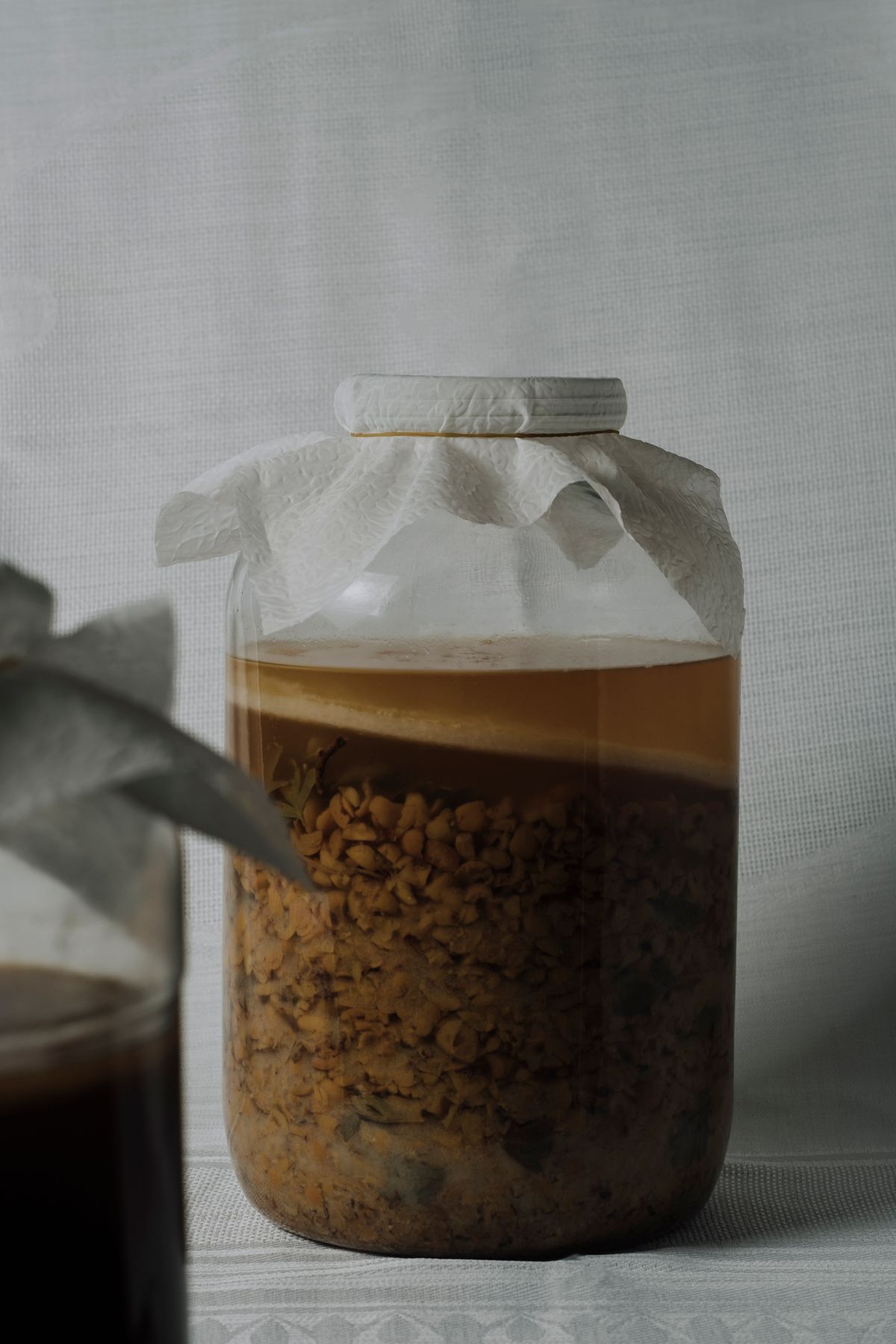
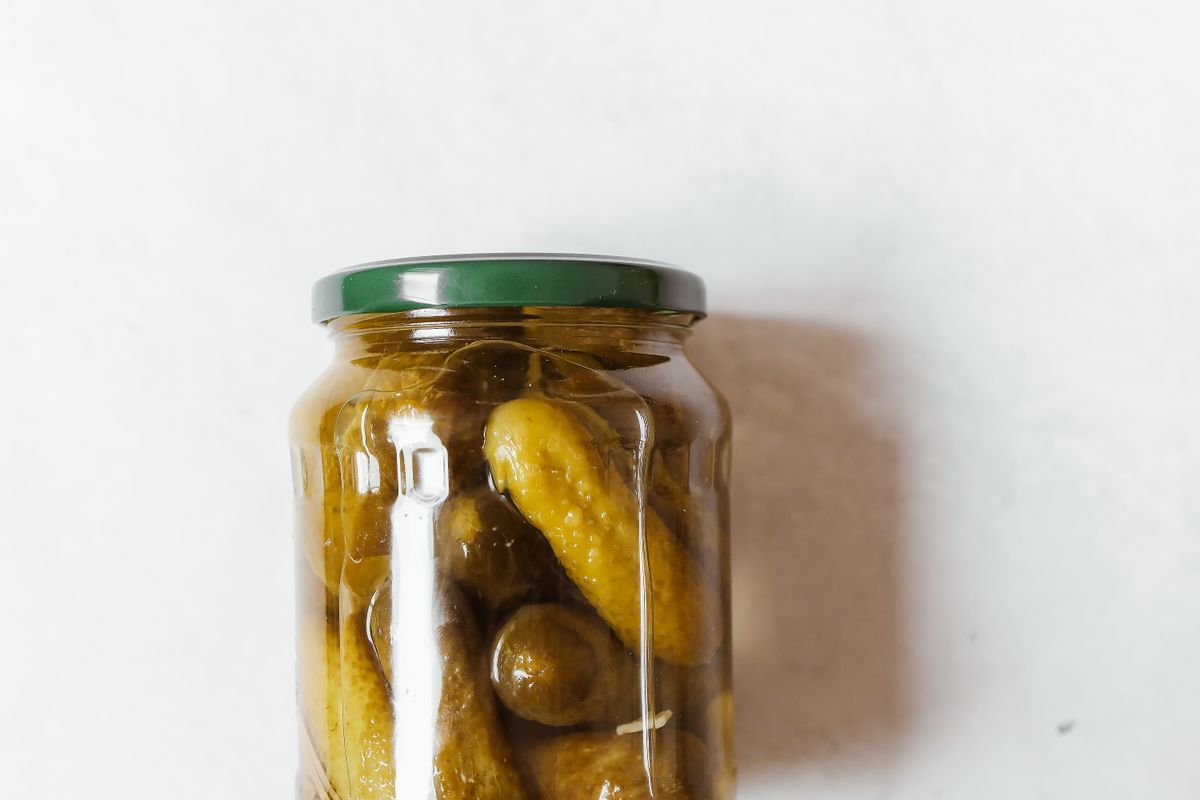
A jar of supermarket gherkins in vinegar is pickled, not fermented. Vinegar is itself a fermented product, but the cucumbers inside were never fermented — they were submerged in acid and usually heat-treated. There are no live cultures. Similarly, a jar of sauerkraut sitting on an ambient shelf has almost certainly been pasteurised, because live kraut continues to ferment and would bulge or burst the jar.
| Category | How it is made | Live bacteria? | UK examples |
|---|---|---|---|
| Fermented, live | Salt or starter culture, no heat treatment after fermenting | Yes | Chilled kefir, live yoghurt, chilled kimchi, raw sauerkraut, raw kombucha |
| Fermented, pasteurised | Fermented, then heat-treated for shelf stability | No (but other compounds remain) | Ambient sauerkraut, most miso soup sachets, soy sauce, bread |
| Pickled | Preserved in vinegar or brine, often heated | No | Jarred gherkins, pickled onions, pickled beetroot |
| Probiotic supplement | Defined strains, measured dose, tested for a health effect | Yes, quantified | Capsules, sachets, drinks from the Welzo probiotics range |
The ISAPP panel was explicit that fermented foods and probiotics are not interchangeable terms. A probiotic must be a defined strain, delivered at an adequate dose, with evidence of a health benefit. Most fermented foods contain undefined mixtures of microbes at unmeasured doses. Neither is superior — they are different tools. We unpack this properly in prebiotic vs probiotic and kefir vs probiotics.
What the Evidence Actually Shows
The Stanford Fermented Foods Trial
The most influential human trial to date was published in Cell in 2021 by Wastyk and colleagues at Stanford School of Medicine. Thirty-six healthy adults were randomised to ten weeks of either a high-fermented-food diet or a high-fibre diet. The fermented-food group ate items including yoghurt, kefir, fermented cottage cheese, kimchi and other fermented vegetables, vegetable brine drinks and kombucha.
The fermented-food arm showed a steady increase in gut microbiota diversity and a decrease in nineteen inflammatory proteins, including interleukin-6. Larger servings produced stronger effects. The high-fibre arm, by contrast, did not increase diversity over the same ten weeks, and participants who started with low baseline diversity showed increases in some inflammatory markers.
Two caveats deserve equal weight. The sample was small — 36 people — and everyone was healthy at baseline. This is a proof-of-concept study, not a licence to make disease claims. But it is one of the cleanest demonstrations that a simple, reproducible dietary change can reshape the microbiome across a whole cohort. If diversity is a new concept, read our explainer on increasing gut bacteria diversity.
Kimchi and Metabolic Health
A cross-sectional analysis of 115,726 Korean adults from the Health Examinees study, published in BMJ Open in 2024, found that men eating one to three servings of kimchi daily had a lower prevalence of obesity than those eating less than one serving. Men with the highest cabbage kimchi intake had roughly 10% lower odds of obesity and abdominal obesity.
Read this one carefully. It is cross-sectional, so it cannot establish cause. Two of the four authors were employed by the World Institute of Kimchi, which funded the work. And the relationship was J-shaped: above three servings a day the association reversed, which the authors attributed partly to sodium. That nuance is more useful than the headline.
What Fermented Foods Do Not Do
Fermented foods are not a treatment for any diagnosed condition. They will not cure irritable bowel syndrome, reverse inflammatory bowel disease, or "detox" anything. They are also not a substitute for fibre. The British Dietetic Association notes that UK adults average around 18g of fibre a day against a 30g recommendation, and no amount of kimchi closes that gap. Fibre and fermented foods do different jobs — see how to increase fibre and 30 plants a week.
The Best Fermented Foods to Buy in the UK
Live Yoghurt
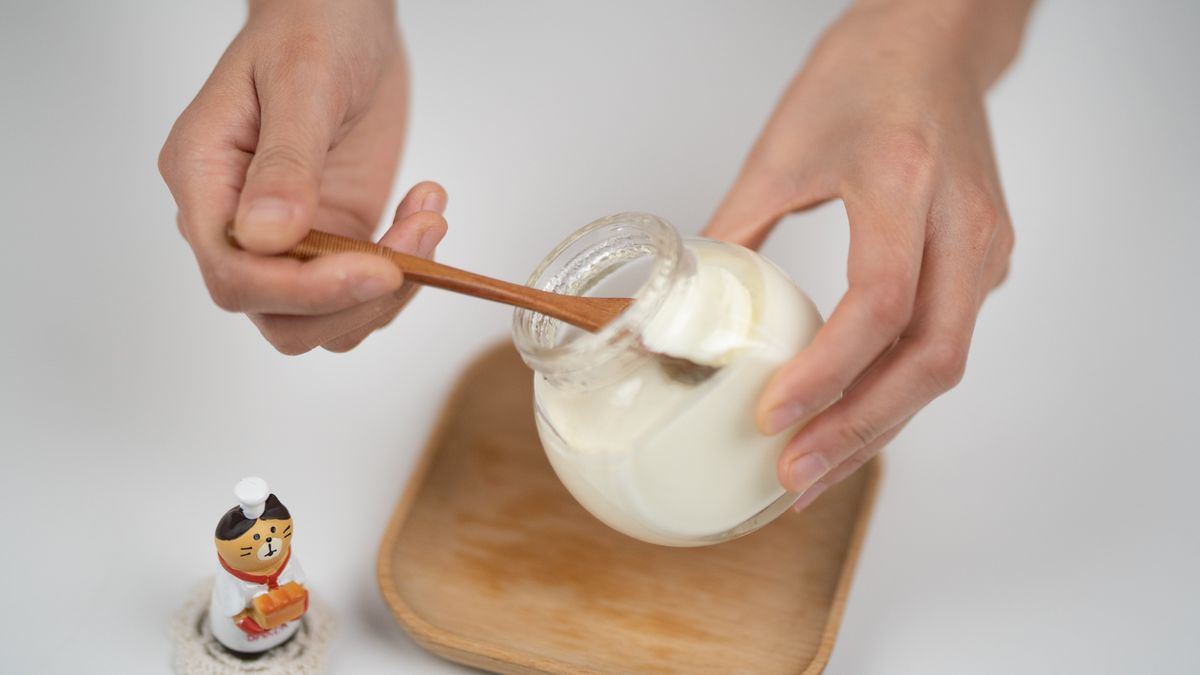
The easiest entry point, available in every UK supermarket. Look for "live cultures" or "live and active cultures" on the pot. Plain natural or Greek-style yoghurt gives you the bacteria without the added sugar found in flavoured varieties. Yoghurt cultures partially break down lactose, which is why many people with lactose intolerance tolerate live yoghurt better than milk.
Kefir
Kefir is fermented milk made with a symbiotic culture of bacteria and yeasts. It typically contains a broader range of microbial species than yoghurt and has a thinner, tangier, slightly fizzy character. UK supermarkets now stock both dairy and coconut or oat versions. Start with 50ml, not a full glass. Our guide to kefir benefits covers the detail, and the best probiotic drinks in the UK compares the branded options.
Sauerkraut
Cabbage and salt, nothing else needed. Buy it from the chiller cabinet, check for the words "raw", "unpasteurised" or "live", and expect the jar to fizz slightly when opened. One to two tablespoons is a serving — it is salty, and the whole jar is not the goal.
Kimchi
Korean fermented vegetables, usually napa cabbage and radish with chilli, garlic, ginger and often fish sauce or shrimp paste. Vegan versions are widely stocked in the UK. Kimchi is one of the more concentrated sources of lactic acid bacteria, and also one of the saltiest.
Kombucha
Fermented sweetened tea. The sugar content varies enormously between brands, so check the label: some UK kombuchas contain under 2g of sugar per 100ml, others over 8g. Kombucha also contains trace alcohol from fermentation, usually below 0.5% ABV in commercial products.

Miso, Tempeh and Natto
Fermented soy products. Miso paste is a fermented seasoning — add it to soup off the boil if you want to preserve any live cultures, though miso's value is largely in its flavour compounds and peptides rather than surviving bacteria. Tempeh is a firm, nutty cake of fermented whole soybeans and a genuinely useful protein source for anyone following a plant-based diet. Natto is an acquired taste but exceptionally rich in vitamin K2.
Sourdough
True sourdough is leavened by a wild culture of lactic acid bacteria and yeast, not commercial baker's yeast. The bacteria are killed during baking, so sourdough is not a live food, but long fermentation reduces some fermentable carbohydrates, which is why some people with sensitive digestion find it easier than standard bread. Be aware that "sourfaux" — bread made with commercial yeast plus flavouring — is common in UK supermarkets. Check the ingredients list for flour, water, salt and starter alone.
Everyday Ferments You Already Eat
Cheddar, Parmesan, Gouda, brined olives, apple cider vinegar with the mother, soy sauce, salami and cocoa are all fermented. Most are pasteurised or dry-cured and contain few if any live organisms, but they still count towards a diverse diet. Our roundup of fermented foods available in the UK and prebiotic foods covers where these fit.
| Food | Typical starter serving | Usually live in UK shops? | Watch out for |
|---|---|---|---|
| Live yoghurt | 100–150g | Yes (chilled) | Added sugar in flavoured pots |
| Kefir | 50–100ml | Yes (chilled) | Strong effect on bowel habit initially |
| Sauerkraut | 1–2 tbsp | Only if chilled and raw | Salt content |
| Kimchi | 1–2 tbsp | Only if chilled and raw | Salt, chilli, fish sauce if vegan |
| Kombucha | 100–150ml | Usually | Sugar, trace alcohol, acidity on teeth |
| Miso | 1 tsp | Sometimes | Very high salt |
| Tempeh | 80–100g | Cooked before eating | Soy allergy |
| Sourdough | 1–2 slices | No (baked) | "Sourfaux" imitations |
How to Read a UK Label and Spot a Live Product
Four checks will tell you almost everything:
- Where was it stored? Chilled cabinet suggests live. Ambient shelf almost always means pasteurised.
- Does it say "live", "raw" or "unpasteurised"? These words are the manufacturer telling you cultures survived. "Contains live cultures" is meaningful; "made with cultures" is not.
- Is vinegar in the ingredients? If vinegar appears near the top of a vegetable product, it is pickled rather than fermented.
- What is the salt per 100g? NHS guidance is a maximum of 6g of salt per day for adults, and fermented vegetables are a meaningful contributor.
A Four-Week Beginner's Plan
The commonest mistake is enthusiasm. People buy six products, eat all of them on day one, feel bloated, and conclude fermented foods do not agree with them. Go slowly.
Week 1: One Food, One Small Serving
Choose the gentlest option — plain live yoghurt, 100g daily, or 50ml of kefir. Keep everything else in your diet the same so you can attribute any change. Mild changes in wind or bowel frequency are common and usually settle.
Week 2: Increase the Dose
If week one was comfortable, double the serving. Yoghurt to 150g, or kefir to 100ml. Still one product only.
Week 3: Add a Vegetable Ferment
Introduce one teaspoon of raw sauerkraut or kimchi alongside a meal, building to a tablespoon by the end of the week. Eating it with food rather than on an empty stomach is usually better tolerated.
Week 4: Build Variety
Aim for two or three different fermented foods across the day — for example, yoghurt at breakfast, a tablespoon of kraut with lunch, and a small kombucha in the afternoon. Variety appears to matter more than volume of any single item.
The Practical Rules
- Add one new food at a time and wait three days before adding another.
- Start with a teaspoon of anything strongly flavoured or salty.
- Eat ferments with meals, not on an empty stomach.
- Keep a simple symptom note — the Bristol stool chart is a useful objective reference.
- Do not heat live products if you want the bacteria to survive.
Side Effects and Who Should Be Cautious
Bloating and Wind
Transient bloating, wind and looser stools are the most frequently reported effects in the first one to two weeks. This usually settles. If it does not, reduce the dose rather than abandoning the food. Persistent bloating that is severe, painful or accompanied by weight loss needs medical assessment, not dietary experimentation — see our guides to foods that cause bloating and trapped wind relief.
IBS and the Low FODMAP Diet
Fermented foods are not automatically suitable if you have IBS. Some are high in FODMAPs, and fermentation can increase certain fermentable carbohydrates as well as reduce others. If you are following a structured low FODMAP diet under a dietitian, introduce ferments during the reintroduction phase rather than the elimination phase. Our articles on IBS types and supplements for IBS give more structure.
Histamine
Fermentation generates biogenic amines, including histamine. People with suspected histamine intolerance often report headaches, flushing, itching or nasal symptoms after aged cheese, sauerkraut, kimchi or kombucha. If that pattern sounds familiar, fermented foods may not be the right starting point for you. Anyone taking a monoamine oxidase inhibitor should discuss aged and fermented foods with their prescriber, because tyramine interactions are clinically significant.
Salt
Fermented vegetables are preserved with salt, and it stays in the finished product. NHS guidance sets a maximum of 6g of salt daily for adults, and a generous portion of kimchi or a tablespoon of miso can account for a substantial share of that. This matters particularly if you have high blood pressure or heart failure.
Alcohol and Sugar in Kombucha
Kombucha contains residual sugar and trace alcohol. Commercial UK products are generally below 0.5% ABV, but home-brewed kombucha can exceed this. It is not recommended for children, in pregnancy, or for anyone avoiding alcohol. The acidity can also erode dental enamel — drink it with a meal rather than sipping across the day.
Who Should Take Medical Advice First
- Anyone who is immunocompromised, on immunosuppressant medication, or undergoing chemotherapy — live cultures and unpasteurised products carry a small but real infection risk.
- People with an indwelling central venous catheter.
- Anyone with a history of serious gastrointestinal disease, recent bowel surgery, or SIBO.
- Pregnant women, who should avoid unpasteurised dairy and soft cheeses in line with NHS advice — see our guidance on probiotics in pregnancy.
- Anyone taking an MAOI, warfarin (fermented soy is high in vitamin K), or medication for hypertension.
Making Fermented Foods at Home Safely
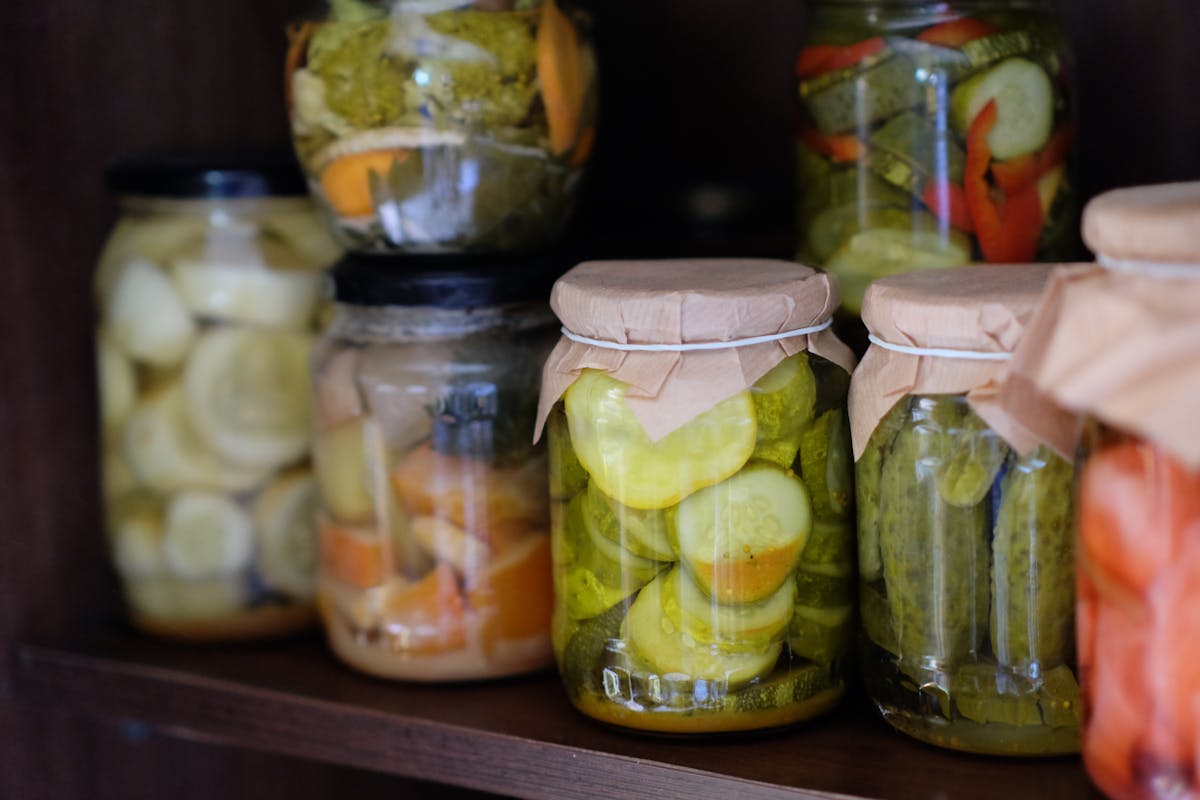
Home fermenting is cheap and straightforward, but the Food Standards Agency is clear that home preserving carries more risk than buying commercially produced food. Follow tested recipes from reputable sources rather than improvising.
Basic Sauerkraut Method
- Shred one white cabbage, discarding the outer leaves. Weigh it.
- Add 2% of that weight in non-iodised salt — for 1,000g of cabbage, that is 20g of salt.
- Massage for five to ten minutes until the cabbage releases enough liquid to submerge itself.
- Pack tightly into a sterilised jar, ensuring all the cabbage sits below the brine. Anything exposed to air will spoil.
- Leave at cool room temperature for one to three weeks, releasing gas daily. Taste as you go. Refrigerate when you like the flavour.
Safety Rules That Are Not Optional
- Never reduce the salt. Salt is what allows lactic acid bacteria to outcompete pathogens. A weak brine is the classic cause of a failed ferment.
- Keep everything submerged. Use a weight or a small water-filled bag.
- Sterilise equipment with very hot soapy water and rinse thoroughly.
- Never seal a fermenting jar airtight without a release valve — carbon dioxide builds up and jars can burst.
- Discard anything with fuzzy mould, an off smell, sliminess or unusual colour. Sour and vinegary is correct; putrid is not.
- Do not add honey to ferments intended for infants, and do not give honey to children under one year at all.

Fermented Foods or Supplements?
This is not an either/or question, but the two have different strengths.
Fermented foods deliver a broad, undefined mixture of microbes plus fibre, polyphenols and bioactive peptides, at a cost of a few pounds a week. What you cannot know is which strains you are getting or at what dose. That is fine for general dietary variety and is exactly what the Stanford trial tested.
Probiotic supplements deliver named strains at a stated CFU count, which is what clinical trials study. If you are trying to address something specific — recovery after antibiotics, traveller's diarrhoea, or a particular IBS subtype — a defined strain with trial evidence is the more logical choice. Our guides to choosing a probiotic, probiotics after antibiotics and the best probiotics in the UK go into strain-level detail, and the Welzo probiotics collection lists strains and doses on every product page.
Most people do best with food as the foundation and a targeted supplement layered on when there is a specific reason. If you are curious about your own starting point, our comparison of gut microbiome tests in the UK explains what these tests can and cannot tell you.
When to See a GP
Fermented foods are a dietary choice, not a diagnostic tool. Arrange a GP appointment — and do not delay it while experimenting with diet — if you have:
- Blood in your stool, or black tarry stools
- Unexplained weight loss
- A persistent change in bowel habit lasting more than three weeks
- Difficulty swallowing, or persistent vomiting
- A lump or swelling in the abdomen
- Iron deficiency anaemia without an obvious cause
- Severe or worsening abdominal pain
- Symptoms that began after the age of 50 for the first time
Our guide on when to see a GP about stomach symptoms covers this in more detail, along with information on NHS bowel cancer screening.
Frequently Asked Questions
What are the best fermented foods in the UK for beginners?
Plain live yoghurt and kefir are the gentlest starting points because they are mild, widely available and lower in salt than vegetable ferments. Once those are comfortable, add a teaspoon of raw sauerkraut or kimchi. Kombucha and miso are useful additions but are higher in sugar and salt respectively.
How much fermented food should I eat a day?
There is no official UK recommendation. The Stanford trial used up to six servings a day and saw dose-related effects, but that was a supervised research setting. For most people, one to three modest servings daily — around 100–150g of yoghurt, 100ml of kefir, or a tablespoon of a vegetable ferment — is a realistic target built up over several weeks.
Are supermarket sauerkraut and kimchi actually live?
Often not. Ambient shelf-stable jars are almost always pasteurised, which kills the bacteria. Look in the chilled cabinet for products labelled "raw", "live" or "unpasteurised". A jar that fizzes when opened is a good sign.
Can fermented foods help with bloating?
They may help some people over time and worsen symptoms in others, particularly in the first two weeks or in people with IBS. If bloating worsens consistently, reduce the amount rather than persisting. Persistent or painful bloating should be assessed by a clinician.
Do I still need probiotics if I eat fermented foods?
Not necessarily. Fermented foods and probiotic supplements do different jobs. Foods provide broad, undefined microbial variety; supplements provide specific strains at measured doses with trial evidence behind them. If you have a defined goal — post-antibiotic recovery or a particular IBS subtype — a targeted supplement is the more precise tool.
Is kombucha safe to drink every day?
For most healthy adults, a small daily glass is fine. Check the sugar content, be aware of the trace alcohol, and avoid it in pregnancy, in children, and if you are avoiding alcohol. The acidity can affect dental enamel, so drink it with a meal rather than sipping it over hours.
Does sourdough bread contain probiotics?
No. The bacteria in a sourdough starter are destroyed by the heat of baking. The benefit of a genuinely long-fermented sourdough lies in reduced fermentable carbohydrates and improved mineral availability, not live cultures.
Can I eat fermented foods if I am lactose intolerant?
Often, yes. Yoghurt and kefir cultures break down a proportion of the lactose, and many people who react to milk tolerate them well. Non-dairy ferments such as sauerkraut, kimchi, kombucha and tempeh contain no lactose at all. Coconut and oat kefirs are widely stocked in UK supermarkets.
How long does it take to notice a difference?
Digestive changes such as altered wind or bowel frequency often appear within days. Measurable shifts in microbiome composition took several weeks in the Stanford trial, with effects building across the full ten weeks. Treat it as a habit rather than a short course, and see our article on how long probiotics take to work.
Are fermented foods safe in pregnancy?
Pasteurised fermented foods such as cooked tempeh, miso and standard supermarket yoghurt are generally considered fine. NHS advice is to avoid unpasteurised dairy and certain soft and mould-ripened cheeses in pregnancy, and kombucha is not recommended because of its alcohol content. Discuss any changes with your midwife or GP.
References
- Marco ML, Sanders ME, Gänzle M, et al. The International Scientific Association for Probiotics and Prebiotics (ISAPP) consensus statement on fermented foods. Nature Reviews Gastroenterology & Hepatology. 2021;18(3):196–208. https://www.nature.com/articles/s41575-020-00390-5
- Marco ML, et al. ISAPP consensus statement on fermented foods — PubMed record. https://pubmed.ncbi.nlm.nih.gov/33398112/
- Wastyk HC, Fragiadakis GK, Perelman D, et al. Gut-microbiota-targeted diets modulate human immune status. Cell. 2021;184(16):4137–4153.e14. https://www.cell.com/cell/fulltext/S0092-8674(21)00754-6
- Stanford Medicine. Fermented-food diet increases microbiome diversity, decreases inflammatory proteins, study finds. 2021. https://med.stanford.edu/news/all-news/2021/07/fermented-food-diet-increases-microbiome-diversity-lowers-inflammation.html
- Jung H, Yun Y-R, Hong SW, Shin S. Association between kimchi consumption and obesity based on BMI and abdominal obesity in Korean adults: a cross-sectional analysis of the Health Examinees study. BMJ Open. 2024;14(2):e076650. https://pubmed.ncbi.nlm.nih.gov/38290970/
- Food Standards Agency. Botulism (Clostridium botulinum). https://www.food.gov.uk/safety-hygiene/botulism-clostridium-botulinum
- NHS. Salt in your diet. https://www.nhs.uk/live-well/eat-well/food-types/salt-in-your-diet/
- NHS. Salt: the facts. https://www.nhs.uk/Live-well/eat-well/food-types/salt-nutrition/
- British Dietetic Association. Fibre — Food Fact Sheet. https://www.bda.uk.com/resource/fibre.html
- British Nutrition Foundation. Fibre. https://www.nutrition.org.uk/nutritional-information/fibre/
- International Scientific Association for Probiotics and Prebiotics. Consensus statement on fermented foods — resource page. https://isappscience.org/resource/expert-consensus-document-the-international-scientific-association-for-probiotics-and-prebiotics-isapp-consensus-statement-on-fermented-foods/
- ISAPP. Consensus statement on the definition and scope of gut health. Nature Reviews Gastroenterology & Hepatology. 2026. https://www.nature.com/articles/s41575-026-01176-x
- Gut Microbiota for Health. Fermented foods show potential in increasing gut microbial diversity and modulating immune responses. https://www.gutmicrobiotaforhealth.com/fermented-foods-show-potential-in-increasing-gut-microbial-diversity-and-modulating-immune-responses/
- British Heart Foundation. High fibre foods: how much fibre should you eat per day? https://www.bhf.org.uk/informationsupport/heart-matters-magazine/nutrition/fibre
- Hooper B, Spiro A, Stanner S. 30 g of fibre a day: an achievable recommendation? Nutrition Bulletin. 2015;40(2):118–129. https://onlinelibrary.wiley.com/doi/full/10.1111/nbu.12141
About the Author
Dr Zeeshan Afzal, MBBS is a UK-registered medical doctor and Medical Content Lead at Welzo. He reviews Welzo's digestive health and nutrition content against current UK clinical guidance and peer-reviewed evidence, with a focus on translating gastroenterology and microbiome research into practical advice for patients.
Medical Disclaimer
This article is for general information only and is not a substitute for individual medical advice, diagnosis or treatment. Fermented foods are not a treatment for any medical condition. Always speak to your GP, pharmacist or a registered dietitian before making significant dietary changes, particularly if you are pregnant or breastfeeding, immunocompromised, taking prescription medication, or living with a diagnosed digestive condition. If you have any of the warning symptoms listed above, seek medical attention promptly. In an emergency, call 999 or attend your nearest A&E department.
Image credits: All photographs sourced from Pexels under the Pexels Licence, which permits free commercial use without attribution. No copyrighted or licensed stock imagery has been used.


 Hodnoceno výborně o 28,951+ recenzí
 100% záruka vrácení peněz