





Low Stomach Acid (Hypochlorhydria): Signs and Support
Posted on:
Aug 05, 2026
Authored by


Written and medically reviewed by Dr Zeeshan Afzal (MBBS) — Medical Doctor & Medical Content Lead, Welzo
Evidence-based · Honest about the science · Aligned with clinical sources
Last updated: January 2026 · Reading time: ~15 minutes
Low stomach acid — known medically as hypochlorhydria (and achlorhydria when there's essentially none) — is a genuine condition in which the stomach doesn't produce enough hydrochloric acid to digest food and absorb nutrients properly. It's real, it matters, and it's often missed. But it's also one of the most over-hyped topics in digestive health, where vague symptoms are frequently blamed on "low acid" and gut health supplements are recommended on the basis of unreliable home tests.
This guide aims to give you the honest, medically accurate picture: what low stomach acid actually is, the signs that may suggest it, its real causes and consequences, how it's properly diagnosed, and where diet and supplements genuinely help — as well as where popular advice gets it wrong. Crucially, because the symptoms of low stomach acid can overlap with those of excess acid and reflux, self-diagnosis is risky, and proper assessment matters.
Table of contents
Your stomach produces hydrochloric acid to create a highly acidic environment (normally a pH below about 3). This acid does several essential jobs: it activates pepsin to break down protein, helps release vitamin B12 from food, converts minerals like iron and calcium into absorbable forms, sterilises much of the bacteria you swallow, and signals the pancreas and gallbladder to release their own digestive juices.
In hypochlorhydria, acid production is insufficient and gastric pH rises, so these functions falter. Food is less completely digested, certain nutrients are absorbed less well, and the stomach's natural defence against swallowed microbes weakens. When acid is essentially absent, the term used is achlorhydria. Because acid underpins so much of digestion — and the health of the gut barrier downstream — a genuine, sustained shortfall can have wide effects.
The tricky thing about low stomach acid is that its symptoms are non-specific and overlap heavily with other digestive problems — including acid reflux, which is usually caused by acid in the wrong place rather than too little of it. Reported symptoms include:
The important caveat is that symptoms alone cannot diagnose low stomach acid. Bloating and indigestion have many causes, from SIBO to reflux to functional dyspepsia, and treating for low acid when the real problem is something else can make things worse. This is exactly why proper testing, rather than guesswork, matters — a point we return to below.
Low stomach acid is usually the result of an identifiable underlying process rather than appearing out of nowhere. The main causes include:
| Cause | How it lowers acid |
|---|---|
| Atrophic gastritis | Chronic inflammation damages the acid-producing cells; the most common cause |
| Autoimmune gastritis | The immune system attacks parietal cells; linked to pernicious anaemia |
| H. pylori infection | This bacterium neutralises acid and, over time, damages the stomach lining |
| Long-term PPI use | Acid-suppressing medicines deliberately reduce acid production |
| Ageing | Acid output tends to decline with age, especially over 60 |
| Stomach surgery | Procedures such as gastric bypass can reduce acid-producing tissue |
Autoimmune atrophic gastritis, one of the more serious causes, has an estimated prevalence of around 0.5–4.5%, with higher figures in studies using blood-test screening, and it irreversibly impairs acid secretion (autoimmune gastritis review, 2024). H. pylori is a particularly important cause because it's common and treatable — see our guides to H. pylori and gastritis. Chronic stress, an underactive thyroid and zinc deficiency are sometimes cited as contributors too, though these are less clear-cut.
Low stomach acid isn't just about uncomfortable digestion — it can have knock-on effects that make proper diagnosis worthwhile. The main concerns are:
These consequences are exactly why low stomach acid is a medical issue to investigate properly, not simply a target for over-the-counter supplements.
Here's where honesty matters. A popular online method — the "baking soda (bicarbonate) test," where you drink baking soda in water and time how long it takes to burp — is not a validated or reliable way to diagnose low stomach acid. Burping time depends on many factors, and the test has never been shown to correlate with actual gastric acid levels. Treating yourself based on it can lead you down the wrong path.
Proper assessment is medical. Options a doctor may use include blood tests that point to autoimmune atrophic gastritis (such as pepsinogen I/II, gastrin, and parietal cell or intrinsic factor antibodies), testing for H. pylori, checking B12, iron and ferritin levels, and — most definitively — an upper endoscopy with biopsy to examine the stomach lining directly. A specialised gastric pH study can measure acid directly but is rarely needed in routine practice. If you suspect low stomach acid, the right first step is a conversation with your GP, not a home test.
The single most important principle is to treat the cause. If H. pylori is present, it needs eradication; if a medication is responsible, that's a conversation with your doctor; if autoimmune gastritis is found, it needs monitoring and management of any deficiencies. On top of that, several measures may support digestion — some evidence-based, some more traditional.
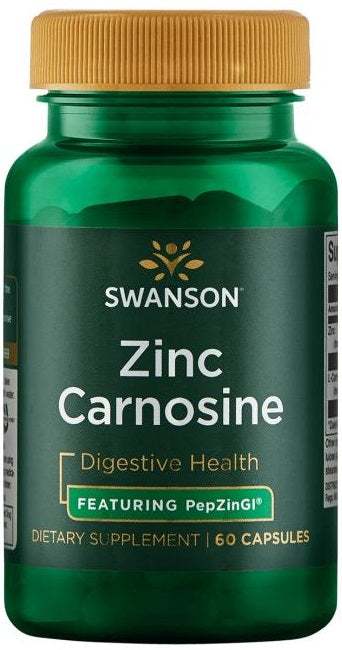
Support the stomach lining. Where inflammation or gastritis is part of the picture, zinc-carnosine is studied for supporting the gastric lining and its protective mucus — options like Swanson Zinc Carnosine are popular for this. It doesn't restore acid, but it supports the tissue that produces it.
Eat to aid digestion. Simple habits help: eating slowly and chewing thoroughly, not drinking large volumes of fluid with meals, and reducing ultra-processed foods. Some people find digestive bitters taken before meals help stimulate their own digestive secretions, a traditional approach with a plausible mechanism if limited formal evidence.
Digestive enzymes. If digestion feels incomplete, a broad digestive enzyme supplement can help break down food, easing the post-meal heaviness that low acid can cause — see our guide on how to take digestive enzymes.
Correct deficiencies. If tests show low B12, iron, calcium or magnesium, replacing them (guided by your doctor) addresses one of the most important consequences of low acid. This is where the real health benefit often lies.
Support the wider gut. Because low acid can encourage bacterial overgrowth, supporting a balanced microbiome makes sense. A keystone-strain formula such as Akkermansia and the broader Welzo probiotics collection support overall gut health, though they don't raise stomach acid directly. Prebiotic fibres like citrus pectin feed beneficial bacteria as part of that picture. Where H. pylori or SIBO is involved, some clinicians use berberine for its antimicrobial properties, though this should be guided by a professional. Bile-focused TUDCA is part of Welzo's wider range but is not a treatment for low stomach acid.
Betaine hydrochloride (betaine HCl) is the supplement most associated with low stomach acid, because it delivers hydrochloric acid to the stomach. There is genuine, if narrow, evidence for its mechanism: a small pilot study in healthy volunteers found that 1,500 mg of betaine HCl temporarily lowered gastric pH — from around 5.2 to 0.6 within about six minutes, lasting roughly an hour — in people whose acid had been suppressed by a PPI (Yago et al., 2013).
But it's important to keep this in perspective. That study measured pH and drug absorption, not symptom improvement in real patients, and there are no large trials showing betaine HCl helps people with symptomatic hypochlorhydria feel better. More importantly, it carries real risks: betaine HCl is not suitable if you have a peptic ulcer, active gastritis or reflux, or if you take anti-inflammatory painkillers (NSAIDs), because adding acid can worsen these conditions. Products such as betaine HCl formulas exist, but they should only be used after low stomach acid has been confirmed and under the guidance of a healthcare professional — never as a self-prescribed experiment based on symptoms or a home test.
Because low stomach acid can stem from conditions that need proper diagnosis — and because its symptoms overlap with more serious problems — it's important to seek medical advice rather than self-treat, especially given the reflux overlap and the risks of self-medicating with acid.
See a GP if you have:
Never stop a prescribed PPI abruptly, as this can cause rebound symptoms. See our guide on when to see a GP about stomach symptoms and on omeprazole and long-term effects.
Hypochlorhydria means your stomach doesn't make enough acid to digest food and absorb nutrients properly. Stomach acid activates protein-digesting enzymes, helps release and absorb B12, iron and calcium, and kills swallowed bacteria. When acid is too low, these functions falter, which can cause digestive symptoms and, over time, nutrient deficiencies and bacterial overgrowth.
Reported signs include bloating, fullness or belching after meals, indigestion, undigested food in stools, nausea after protein, and over time symptoms of B12 or iron deficiency. However, these are non-specific and overlap with other conditions, including reflux. Symptoms alone cannot confirm low stomach acid, which is why proper medical testing is needed.
No. The baking soda test — drinking bicarbonate in water and timing how long it takes to burp — is not a validated or reliable way to measure stomach acid. Burping time depends on many factors and doesn't correlate with actual acid levels. Relying on it can lead to incorrect self-treatment, so proper medical assessment is the right approach.
The most common cause is atrophic gastritis, where chronic inflammation damages acid-producing cells. Other causes include autoimmune gastritis, H. pylori infection, long-term use of acid-suppressing medicines (PPIs), ageing, and stomach surgery. Because several causes are treatable or need monitoring, identifying the underlying reason is more useful than simply trying to add acid.
The relationship is complex and debated. Reflux is usually about acid entering the oesophagus rather than the total amount produced, and symptoms of low and high acid can feel similar. This overlap is precisely why self-diagnosis is risky: taking acid supplements for assumed low acid could worsen genuine reflux. A doctor can help work out what's really going on.
Only under professional guidance and after low acid has been confirmed. Betaine HCl can temporarily lower gastric pH, but evidence for symptom benefit in patients is lacking, and it's unsafe for people with ulcers, active gastritis, reflux, or those taking anti-inflammatory painkillers. Self-prescribing it based on symptoms or a home test is not advisable and can cause harm.
Yes. Stomach acid helps absorb vitamin B12, iron, calcium and magnesium, so sustained low acid can contribute to deficiencies. Atrophic gastritis is a recognised cause of B12 deficiency and iron-deficiency anaemia. This is one of the most important reasons to diagnose and address low stomach acid, since correcting deficiencies protects long-term health.
Through medical assessment, not home tests. A doctor may use blood tests suggesting autoimmune atrophic gastritis (pepsinogen, gastrin, parietal cell antibodies), test for H. pylori, check B12 and iron, and arrange an upper endoscopy with biopsy to examine the stomach lining. A direct gastric pH study exists but is rarely needed. Start with a GP consultation.
The most effective step is treating the cause — for example clearing H. pylori or managing gastritis. Supportive habits like eating slowly, not over-drinking with meals, and considering digestive bitters or enzymes may help digestion. But "natural" self-treatment can't replace diagnosis, and correcting any nutrient deficiencies under medical guidance is often where the real benefit lies.
See a GP for persistent indigestion or bloating, signs of anaemia or known low B12 or iron, and always for red-flag symptoms such as unexplained weight loss, difficulty swallowing, persistent vomiting, or blood in the stool. If you take long-term acid-suppressing medication and want it reviewed, ask your doctor rather than stopping it yourself.
Medical disclaimer: This article is for general information and education only and does not constitute medical advice, diagnosis or treatment. It should not replace consultation with a qualified healthcare professional. Low stomach acid should be confirmed by medical testing before treatment; supplements such as betaine HCl can cause harm and should only be used under professional guidance. Do not stop prescribed medication without advice. Persistent or concerning symptoms should be assessed by a doctor. Always seek advice before starting new supplements, particularly if you are pregnant, breastfeeding, taking medication, or have an existing condition.
About the author
Dr Zeeshan Afzal (MBBS) is a practising medical doctor and Welzo's Medical Content Lead. He writes and reviews Welzo's health content to ensure it is accurate, evidence-based and aligned with current UK clinical guidance, translating complex research into practical advice patients can trust.
 Hodnoceno výborně o 28,951+ recenzí
 100% záruka vrácení peněz
Naše záruka vrácení peněz zajišťuje, že obdržíte své položky nebo získáte plnou náhradu.