





Zoe vs a Gut Supplement Routine: Cost and Value Compared


Related products

Written and medically reviewed by Dr Zeeshan Afzal (MBBS) — Medical Doctor & Medical Content Lead, Welzo
Evidence-based · Honest about what's proven and what isn't · UK-focused
Last updated: August 2026 · Pricing verified: August 2026 · Reading time: ~14 minutes
Gut health is now one of the largest spending categories in UK wellness, and one of the most confusing to navigate — which is why it is the biggest section in our digestive health guides. Two very different ways of spending money dominate it. On one side sits the personalised nutrition programme: a microbiome test, an app and a monthly subscription. On the other sits the approach most people actually start with — a daily gut health supplement, reordered month after month, often for years.
These two things get compared constantly, and the comparison is slightly odd once you look at it: ZOE sells you information about yourself. Supplements sell you an intervention. One tells you what to eat; the other is a thing you swallow. They solve different problems, they fail in different ways, and the money behaves differently over time.
What follows is a straight comparison of the two on cost structure, published evidence and practical fit — including the parts that are unflattering to both. If you already know which route you want, you can jump to what ZOE costs in the UK or browse the full gut health supplement range directly.
The short answer
- These aren't the same kind of purchase. ZOE sells information and structure. A supplement sells a daily intervention. Comparing them on price alone misses what each is for.
- ZOE is front-loaded; supplements are perpetual. ZOE's expensive part happens once. A supplement routine bills you every month, forever, with no natural endpoint.
- In year one they cost about the same — roughly £250 for ZOE's bundle or for a single well-chosen supplement taken daily. Most people assume ZOE is far more expensive. It isn't; it's differently shaped.
- ZOE has run its own randomised controlled trial, which almost nothing else in this market has. It met one primary endpoint and missed the other.
- Microbiome testing is not clinically validated. A 2025 international consensus of 69 experts concluded the evidence does not support routine use.
- Neither is a treatment. Persistent gut symptoms need a GP, not a subscription.
Related: probiotics · Akkermansia · modified citrus pectin · berberine · TUDCA
Table of contents
- What ZOE actually is
- The science behind it
- What you're actually paying for
- What ZOE costs in the UK
- What a supplement routine gives you
- Cost structures compared
- What three budgets actually buy
- What the evidence says about microbiome testing
- Which is right for you?
- The staged approach that costs least
- Cheaper alternatives if it's testing you want
- Side effects and who should take care
- When to see a doctor
- Frequently asked questions
- References
What ZOE actually is
ZOE is a personalised nutrition programme, not a supplement and not a medical test. It involves an at-home kit followed by an app subscription that scores foods based on your individual results.
The proposition is that people respond differently to the same foods, so generic advice is inefficient. Measure your own responses, and you can eat in a way better suited to your biology.
What changed in September 2025
This matters, because most articles about ZOE — including plenty published recently — describe a product that no longer exists.
ZOE used to send a continuous glucose monitor to wear on your arm, a blood fat response test, and standardised test meals (the "blue muffins") to eat under controlled conditions. All three were removed in the September 2025 relaunch.
What remains is an at-home stool sample for gut microbiome analysis, plus a substantially rebuilt app. ZOE states that its algorithm now predicts blood fat and blood glucose responses from its database of over 300,000 microbiome profiles, rather than measuring them directly in each customer.
What you get today
- A stool-based Gut Health Test, returning a microbiome score out of 1,000 plus lists of "good" and "bad" bugs
- AI food logging — photograph or describe a meal and it estimates the contents
- Meal and daily diet quality scores
- A plant counter tracking progress toward 30 plants a week
- A processed food risk scanner for barcodes and labels
- An in-app AI nutrition assistant
In practical terms, ZOE in 2026 is a habit-formation app with a microbiome score attached. That is not a criticism — habit formation is where most dietary benefit actually comes from — but it is a meaningfully different product from the one people remember.
The science behind it
This is where ZOE differs from most consumer wellness products, and it deserves credit.
ZOE grew out of the PREDICT studies, a substantial research programme run with King's College London and collaborators, published in peer-reviewed journals. That work produced a genuinely important finding: individuals vary widely in their blood sugar and blood fat responses to identical meals — including identical twins, which tells you genetics alone doesn't explain it.
That's real science, from real academic institutions, and it's more than almost any supplement brand can point to.
The METHOD trial: ZOE tested its own programme
PREDICT showed that people differ. A separate trial asked the harder question: does acting on those differences beat standard dietary advice?
The ZOE METHOD study, published in Nature Medicine in 2024, randomised 347 US adults aged 41–70 to either ZOE's personalised dietary programme or standard US government dietary guidance, for 18 weeks. Running a randomised controlled trial on your own commercial product is rare in this industry and ZOE should get credit for it. The results were mixed, and both halves matter.
What reached significance
- Triglycerides fell more in the personalised group — a between-group difference of −0.13 mmol/L
- Body weight fell 2.46 kg more than control, and waist circumference 2.35 cm more
- Diet quality improved substantially (Healthy Eating Index difference of 7.08 points)
- Gut microbiome composition shifted more, with more previously identified favourable species increasing
- Self-reported wellbeing improved far more: energy 43% vs 11%, sleep quality 35% vs 9%, mood 33% vs 15%
What didn't
- LDL cholesterol — one of the two primary endpoints — showed no significant difference. This is the single most important caveat, because it is one of the two things the trial was specifically designed to detect
- Blood pressure, insulin, fasting glucose, C-peptide and apolipoproteins A1 and B did not differ
- Average weight loss fell below the 5% threshold usually treated as clinically meaningful, though the most adherent participants reached 4.7%
The limitation that matters most for value
The trial's own authors state that the control group was not matched for contact time or intensity. The ZOE group got an app, structured lessons, coach access and a results consultation. The control group got a leaflet, a video and email check-ins.
So some of the benefit is attributable to attention, structure and accountability rather than to personalisation itself. That isn't a reason to dismiss ZOE — structure is exactly what most people are missing. But if structure is the active ingredient, it's worth asking whether you need the test to get it.
What you're actually paying for
Here's the part worth being clear-eyed about before committing.
ZOE's headline dietary advice is broadly this: eat more plants and a wider variety of them, eat more fibre, eat more fermented foods, cut down on ultra-processed foods. That advice is excellent — and it's freely available. Tim Spector has written about it extensively, it's in countless articles including 30 plants a week, and it costs nothing to read.
So you aren't paying for secret knowledge. You're paying for three things:
- Personalisation — food scores tuned to your measured responses rather than population averages.
- Adherence support — an app, a structure, feedback and a community. This is genuinely valuable and routinely underrated. Most dietary advice fails at the doing, not the knowing.
- Measurement — seeing a number attached to your own gut is a powerful motivator in a way that reading about it isn't.
If structure and feedback are what you've been missing, that's a real product solving a real problem. If you already eat well and just want a gut supplement, you're paying a lot for information you may not act on differently.
What ZOE costs in the UK
ZOE repriced after the 2025 relaunch and the entry cost dropped substantially — the original programme ran to around £599 for tests plus a year's membership. The figures below were verified against ZOE's own UK membership page and independently against the Which? review, but ZOE has changed its pricing more than once, so check current figures before you buy.
| Plan | What's included | Monthly | Year 1 total |
|---|---|---|---|
| Bundle | Gut Health Test (£149) + 12 months app | £9.99 | £268.88 |
| App only, 12 months | App and scoring. No test. | £9.99 | £119.88 |
| App only, 3 months | Same app, shorter commitment | £24.99 | £74.97 |
| 7-day trial | Trial access — auto-renews to a 12-month plan | ~33p/day | £2.30 |
The Gut Health Test is only sold alongside a membership — you cannot buy the test on its own.
The costs people forget to budget for
- Auto-renewal. Memberships bill in advance and renew automatically unless cancelled. The 7-day trial rolls onto a 12-month plan.
- Retesting. A microbiome score is a snapshot. Seeing whether anything changed means paying again.
- The shopping bill. More plants, more variety, more fermented foods and fewer ultra-processed products usually costs more per week. This is frequently the largest real cost of the programme and nobody advertises it.
- ZOE's own products. Its Daily30+ supplement and gut health food range sit outside membership pricing entirely.
What a supplement routine gives you
A supplement is the opposite trade: it asks nothing of your behaviour beyond swallowing something daily, and tells you nothing about yourself.
What it can do is deliver a specific intervention — a named strain at a studied dose for a defined purpose, such as cover during antibiotics. That's targeted in a way dietary advice isn't. See how to choose a probiotic and probiotics after antibiotics.
What it can't do is tell you that your body handles pasta badly, or that you're eating twelve plants a week rather than thirty.
The hidden cost nobody prices in
The real waste in supplement spending isn't the products you keep. It's the ones you buy, take inconsistently for three weeks, decide "didn't work", and abandon.
Most gut supplements need eight to twelve weeks of consistent daily use before a fair judgement is possible — see how long probiotics take to work. A bottle abandoned at week three didn't cost you £22; it cost you £22 to learn nothing. Changing one thing at a time and giving it a proper run is the single biggest saving available in this category.
Cost structures compared
What matters as much as the numbers is the shape of the cost.
| Feature | ZOE | Supplement routine |
|---|---|---|
| Cost shape | Large upfront kit, then subscription | Small recurring, cancel anytime |
| What you get | Information and guidance | A daily intervention |
| Requires behaviour change | Yes — that's the point | No |
| Personalised to you | Yes | No |
| Underlying research | Substantial (PREDICT + one RCT) | Strain-dependent, varies hugely |
| Ongoing commitment | Substantial | Minimal |
| Natural endpoint | Yes — you can stop and keep the habits | No — stops working when you stop paying |
What it looks like over three years
This is where the shape starts to matter more than the sticker price. ZOE's expensive component is a one-off; supplements are a standing order.
| Option | Year 1 | Year 2 | 3-year total |
|---|---|---|---|
| ZOE bundle (test + app) | £268.88 | £119.88 | £508.64 |
| ZOE app only | £119.88 | £119.88 | £359.64 |
| Budget supplement (~£6/mo) | £71 | £71 | £213 |
| Mid-tier supplement (~£22/mo) | £264 | £264 | £792 |
| Premium / stacked (~£62/mo) | £744 | £744 | £2,232 |
Two things fall out of this. First, a budget supplement is comfortably the cheapest option on the table and stays that way. Second, once you're at mid-tier or above, ZOE stops being the expensive choice — a £22-a-month habit overtakes ZOE's three-year cost, and a stacked routine costs more than four times as much.
If you're going to spend £60 a month on capsules indefinitely, the honest question is whether another capsule or better information is the thing you're actually short of.
What three budgets actually buy
Under £10 a month

Swanson L. plantarum at £5.93 works out around 20p a day. Plus a bag of mixed frozen vegetables and some live kefir, and you've made a meaningful change for less than a takeaway coffee a week. This tier is badly underrated. More on the strain in Lactobacillus plantarum.
Around £20–25 a month

Welzo Ultra Purity Akkermansia from £21.99 adds a next-generation organism plus L. acidophilus and inulin. Note it contains 700mg of berberine, which needs checking against any prescription — see berberine interactions. For how this strain differs from conventional probiotics, see Akkermansia vs probiotics and gut barrier function.
£50+ a month
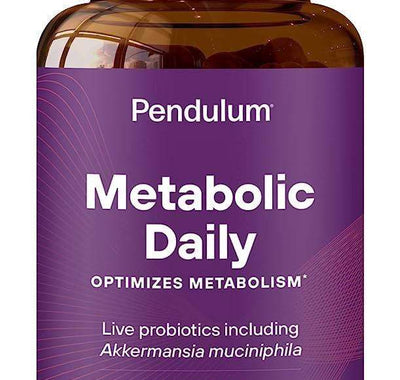
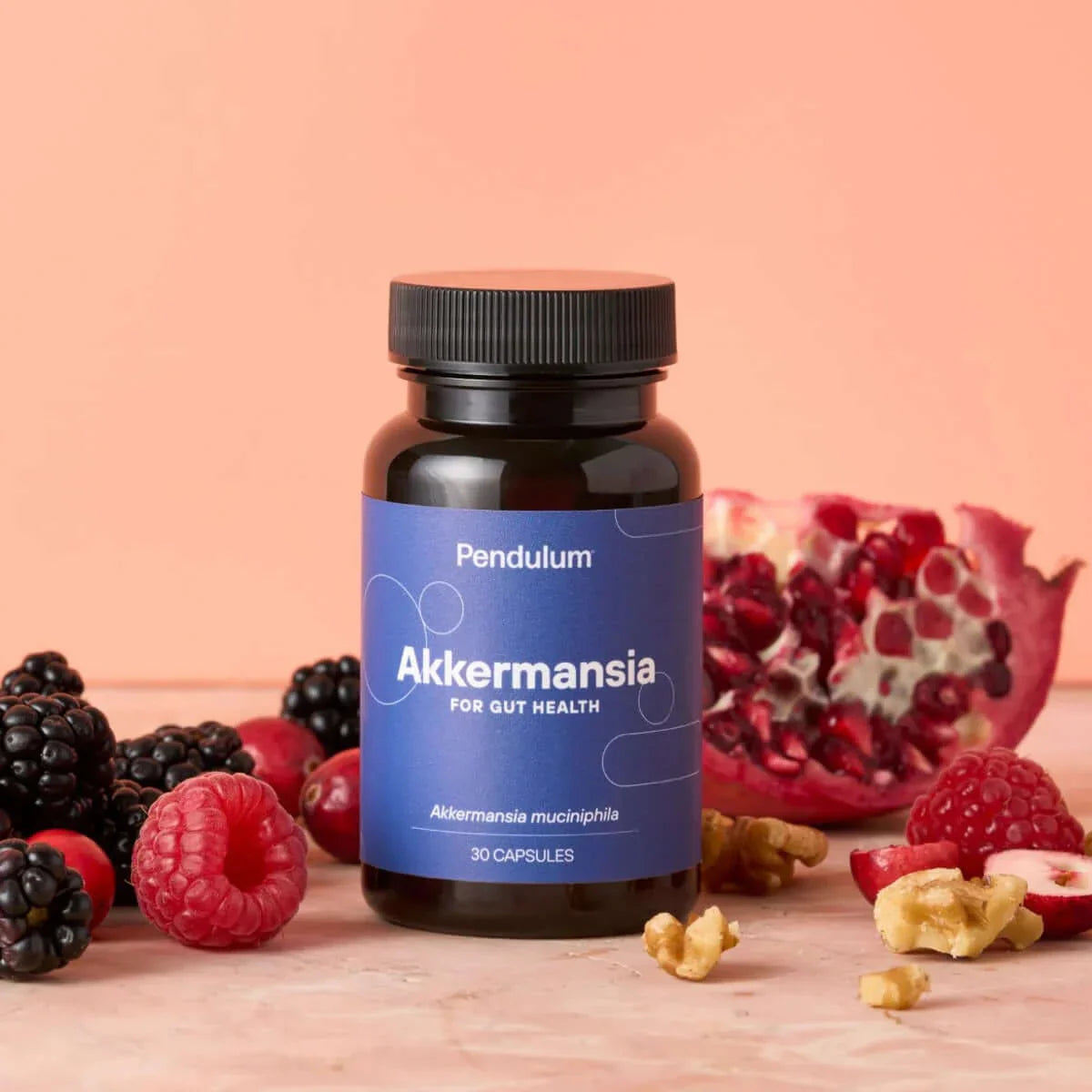
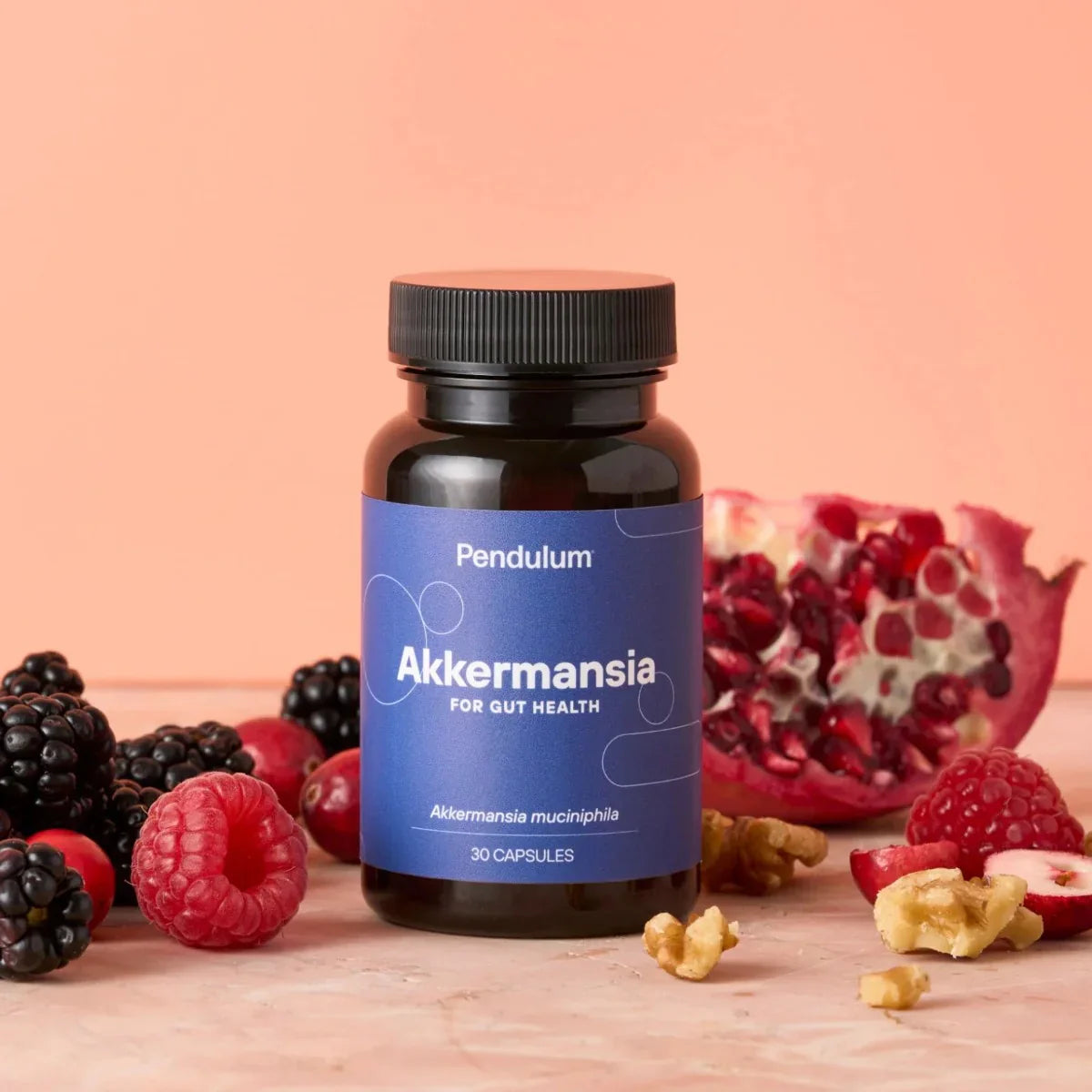
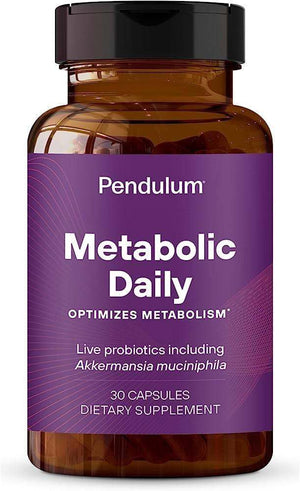
Pendulum Metabolic Daily at £62.38 (from £79.00, 78 reviews) sits closest to what ZOE is actually about — it targets metabolic and glucose-related outcomes rather than digestion alone. At this tier you're approaching ZOE subscription territory — and it's worth asking honestly whether another capsule or better information is the thing you're short of. See our Pendulum review.
What the evidence says about microbiome testing
If the microbiome test is the main reason you're considering ZOE, this section is the one to read.
In 2025, an international expert panel of 69 clinicians, microbiologists and computational biologists from 18 countries published a consensus statement in The Lancet Gastroenterology & Hepatology. Its conclusions were blunt: evidence supporting the clinical usefulness of gut microbiome diagnostics is scarce, and there is insufficient evidence to recommend routine microbiome testing in clinical practice.
The panel also recommended that microbiome tests should be prescribed and interpreted by licensed healthcare professionals rather than self-prescribed, and that customers should be made aware of the limited evidence base at every stage.
Separately, published analyses of direct-to-consumer testing services have found significant methodological variability between providers — including reports of a single faecal sample sent to multiple companies generating materially different results and recommendations. Professional-looking reports are not the same as clinical validation.
None of this means the underlying science is fake; it means the translation from research to a consumer report you can act on is not yet established. Our UK microbiome test comparison and gut microbiome testing guide go through this in more detail, and microbiome diversity covers what the scores are actually measuring.
Which is right for you?
- You know what to eat but don't do it → ZOE's structure and feedback may genuinely help. That's its strongest use case.
- You want a specific intervention — antibiotic cover, a trialled strain → a supplement. ZOE won't give you that.
- You're curious about your own glucose responses → note that ZOE no longer includes a CGM. A standalone monitor is now the route, and it's cheaper.
- Money is tight → neither. More plants, more fibre, more fermented food. That's ZOE's core advice anyway, free.
- You have digestive symptoms → see a GP first. Neither a subscription nor a supplement is a diagnosis, and IBS, coeliac disease and IBD all need proper assessment.
- You want both → fine, but do the diet work first. A supplement layered onto an unchanged diet is the smaller lever.
- You want accountability but not a test → the app-only plan gives you most of the mechanism at a fraction of the bundle price.
If it's specifically microbiome testing you're weighing up, see gut microbiome testing and our fuller ZOE review.
The staged approach that costs least
Very few people need to pick a camp. In clinic, a staged sequence almost always costs less than either option and produces better information.
Weeks 0–4: spend nothing
Widen plant variety, raise fibre gradually, add a daily fermented food, and keep a simple symptom diary alongside the Bristol Stool Chart. A meaningful minority of people resolve their complaint here and spend nothing further. See how to increase fibre, prebiotic foods and fermented foods.
Weeks 4–16: one product, properly trialled
If symptoms persist, add a single supplement matched to the symptom and give it eight to twelve weeks. One at a time isn't pedantry — it's the only way to know what did anything. Timing guidance is in when to take probiotics.
Only then: consider testing
Test when there's a specific question a test can answer, ideally with clinical input. A SIBO breath test answers a defined question. A coeliac test answers a defined question. A general microbiome score answers a much vaguer one.
Cheaper alternatives if it's testing you want
If the appeal is genuinely the testing rather than the app, there are more targeted and often cheaper routes — and unlike a microbiome score, these answer questions with established clinical meaning:
- Faecal calprotectin — helps distinguish inflammatory bowel disease from IBS. See calprotectin testing.
- Coeliac serology — must be done before removing gluten, not after. See coeliac testing and coeliac vs gluten intolerance.
- H. pylori testing — a defined, treatable finding. See H. pylori testing.
- NHS bowel cancer screening — free if you're eligible, and vastly more consequential than any microbiome score. See bowel cancer screening.
For a broader comparison, see our UK stool testing guide.
Side effects and who should take care
Supplements carry the usual cautions. A personalised nutrition programme carries a different one: any programme that scores foods can become uncomfortable if you have a difficult relationship with eating.
ZOE itself states that its programme is not suitable for people with an eating disorder, those who have had an ileostomy or colostomy, or those undergoing chemotherapy, and notes that people with gut disease should be aware its advice to increase fibre may trigger adverse reactions. Its full list of exclusions is on its own FAQ pages and is worth reading before purchase.
Take medical advice first if you
- Have, or have had, a disordered relationship with food — food scoring, tracking and restriction can be harmful; speak to your GP before starting any such programme
- Have diabetes — do not change your diet or interpret glucose readings without your diabetes team
- Are significantly immunocompromised, or have a central venous catheter — relevant to live probiotics
- Have inflammatory bowel disease or coeliac disease
- Have had an ileostomy or colostomy, or are undergoing chemotherapy
- Are pregnant or breastfeeding — see probiotics in pregnancy
- Take prescription medication — check interactions, particularly with berberine-containing products
A microbiome result is not a diagnosis. There is no agreed "correct" microbiome, and no evidence that treating a number on a report improves health. More in probiotics safety.
Mild wind or looser stools in the first week of a new probiotic can be normal and usually settle; escalating pain is not, and is a reason to stop. See probiotic side effects. Increasing fibre too fast is one of the most common causes of worse bloating — go gradually and increase fluids alongside it.
On labelling: probiotics carry no authorised health claim in GB or the EU, and are sold as food supplements that cannot legally be marketed as treating any condition.
When to see a doctor
See your GP — or seek urgent care — if you have:
- Blood in your stool, or black tarry stools
- Unexplained weight loss
- A change in bowel habit lasting three weeks or more
- Severe abdominal pain, or pain that wakes you at night
- Difficulty swallowing, or persistent vomiting
- Persistent bloating rather than occasional bloating
- Unexplained iron-deficiency anaemia
- A family history of bowel cancer, coeliac disease or inflammatory bowel disease
Neither a subscription nor a supplement substitutes for assessment. See when to see a GP and bowel cancer screening.
Frequently asked questions
Is ZOE worth the money?
It depends what you're short of. If you know what to eat but struggle to do it consistently, the structure and feedback may be worth it. If you already eat well and just want a gut supplement, you're paying a lot for information you may not act on differently.
Is ZOE better than taking probiotics?
They aren't comparable — one is information and guidance, the other is a daily intervention. Dietary change has better evidence for improving microbial diversity; supplements are better for delivering a specific strain at a specific dose.
What does ZOE cost?
On current UK pricing, the app-and-test bundle is £268.88 in year one (a £149 test plus 12 months at £9.99). App-only access is £119.88 a year, or £24.99 a month on a three-month plan. Pricing changes, so check current figures directly before buying.
Does ZOE still use the glucose monitor and blue muffins?
No. ZOE removed the continuous glucose monitor, the blood fat test and the standardised test meals in its September 2025 relaunch. Only the stool-based gut microbiome test remains, with blood fat and glucose responses now estimated algorithmically from its database rather than measured in each customer.
Is the science behind ZOE real?
Yes. It grew out of the PREDICT research programme with King's College London, published in peer-reviewed journals, which showed people vary widely in their responses to identical meals. ZOE has also run its own randomised controlled trial, published in Nature Medicine in 2024. Whether acting on that personalisation beats good general advice long term is a separate and less settled question.
Did ZOE's clinical trial prove the programme works?
Partly. The METHOD trial found greater reductions in triglycerides, weight, waist circumference and better diet quality than standard advice over 18 weeks. However, LDL cholesterol — one of two primary endpoints — showed no significant difference, and the control group was not matched for contact time, meaning some benefit may come from structure and attention rather than personalisation itself.
Are at-home microbiome tests accurate?
They are analytically variable and not clinically validated for most purposes. A 2025 international consensus in The Lancet Gastroenterology & Hepatology concluded that evidence for the clinical usefulness of microbiome diagnostics is scarce and does not support routine use. Independent analyses have found the same sample can generate different reports from different providers.
Can I get the same advice for free?
The headline advice — more plants, more variety, more fibre, more fermented foods, fewer ultra-processed foods — is freely available. What you can't get free is the personalisation and the adherence support.
Do I need a microbiome test before buying probiotics?
No. There's no agreed "correct" microbiome, and no evidence that choosing a probiotic based on a test result works better than choosing a well-researched strain for your goal.
Which gives faster results?
Neither is fast. Allow four weeks minimum for a supplement — and realistically eight to twelve for a fair judgement — and longer for dietary change to shift measurable markers. Anything promising a quick fix is overselling.
Can I do both?
Yes, but sequence it. Do the dietary work first — it's the bigger lever — and add a supplement for a specific purpose if you still want one. Starting both at once means you won't know which did anything.
Which works out cheaper over several years?
A single budget supplement stays cheapest throughout. But ZOE's cost is front-loaded and flattens after year one, while supplements bill indefinitely — so a mid-tier or stacked routine overtakes ZOE's three-year total. If you're spending £50+ a month on capsules permanently, ZOE is not the expensive option.
Is a CGM useful on its own?
Some people find seeing their own glucose responses genuinely motivating, and standalone monitors cost less than a full programme. Since ZOE no longer includes one, this is now a separate purchase either way. If you have diabetes, this belongs with your diabetes team rather than a consumer app.
What's the single best thing I can do for my gut?
Eat a wider variety of plants. It's free, it has the best evidence behind it, and it's what both a nutrition programme and a supplement routine are ultimately trying to support.
Medical disclaimer: This article is for general information and education only and does not constitute medical advice, diagnosis or treatment. Welzo sells supplements and does not sell ZOE; this conflict of interest is disclosed above and no winner is declared. ZOE pricing is quoted from ZOE's own published UK pricing and independent reporting at the time of writing; it varies by plan and changes over time, so check current figures directly. Food supplements are not a substitute for a varied and balanced diet, and are not intended to diagnose, treat, cure or prevent any disease. A microbiome test result is not a diagnosis, and there is no agreed "correct" microbiome composition. Anyone with a current or previous eating disorder should speak to their GP before starting a programme involving food scoring, tracking or restriction. People with diabetes should not change their diet or interpret glucose readings without their diabetes team. Products containing berberine interact with numerous medicines. Persistent digestive symptoms, unexplained weight loss or a change in bowel habit lasting three weeks or more require medical assessment. Prices and availability are correct at the time of writing.
About the author
Dr Zeeshan Afzal (MBBS) is a practising medical doctor and Welzo's Medical Content Lead. He writes and reviews Welzo's health content to ensure it is accurate, evidence-based and aligned with current UK clinical guidance. Read our editorial policy.
References
- Berry SE, Valdes AM, Drew DA, et al. Human postprandial responses to food and potential for precision nutrition. Nat Med. 2020;26(6):964–973. Link
- Bermingham KM, Linenberg I, Polidori L, et al. Effects of a personalized nutrition program on cardiometabolic health: a randomized controlled trial (ZOE METHOD). Nat Med. 2024;30:1888–1897. Link
- Porcari S, et al. International consensus statement on microbiome testing in clinical practice. Lancet Gastroenterol Hepatol. 2025;10(2):154–167. Link
- Asnicar F, Berry SE, Valdes AM, et al. Microbiome connections with host metabolism and habitual diet from 1,098 deeply phenotyped individuals. Nat Med. 2021;27:321–332. Link
- Wastyk HC, Fragiadakis GK, Perelman D, et al. Gut-microbiota-targeted diets modulate human immune status. Cell. 2021;184(16):4137–4153. Link
- Evaluating the analytical performance of direct-to-consumer gut microbiome testing services. Commun Biol. 2026. Link
- ZOE. App and Gut Health Test membership pricing (UK). Link
- Which? Zoe app review: is it worth it? April 2026. Link
- NICE. Irritable bowel syndrome in adults: diagnosis and management (CG61). Link
- NHS. Eat well — the Eatwell Guide. Link
- NHS. Bowel cancer. Link
- Beat. Eating disorder support and helplines. Link
Related reading
- Full ZOE gut health review
- UK microbiome test comparison
- Best probiotics in the UK
- Do probiotics actually work?
- Gut health in the UK: the complete guide
- Prebiotic vs probiotic
- The gut reset protocol



 Bewertet mit 26,523+ Bewertungen ausgezeichnet
 100% Geld zurück