

Best Probiotic Drinks UK 2026
Posted on:
Aug 05, 2026
Συντηρημένος


Written by Dr Zeeshan Afzal (MBBS) — Medical Doctor & Medical Content Lead, Welzo
Medically reviewed & evidence-based · Last updated: 30 July 2026 · Reading time: approx. 12 minutes
This guide covers the whole UK category, including products Welzo does not sell. Where the evidence favours a capsule over a drink, we say so.
Probiotic drinks are the fastest-growing corner of the UK gut health market and, for most people, the worst value in it. A daily shot can cost three to ten times what an equivalent capsule costs, and many of the dairy-based options carry more added sugar than people realise. There is one genuine exception worth knowing about: live yoghurt and fermented milk cultures hold the only authorised health claim in Great Britain relevant to this category — for improving lactose digestion — while no probiotic species holds an authorised claim at all. This guide explains which drinks are worth the money in 2026, which are marketing, and when a capsule simply does the job better. It sits within our digestive health hub and gut health range.
| Start here: All probiotics · Gut health supplements · Welzo Akkermansia 60 Billion AFU · Welzo Ultra Purity Modified Citrus Pectin · Welzo Ultra Purity Berberine · Welzo Ultra Purity TUDCA |
The internationally accepted definition of a probiotic is strict: live microorganisms which, when administered in adequate amounts, confer a health benefit on the host (Hill and colleagues, Nature Reviews Gastroenterology & Hepatology, 2014). Two words carry the weight. Live — pasteurised or heat-treated drinks do not qualify. Adequate amounts — the dose has to match what was actually studied.
A great many drinks marketed as "probiotic" fail one or both tests. Some are pasteurised after fermentation, killing the cultures. Others contain live organisms but at doses far below anything trialled, or with no strain designation at all — which matters, because probiotic effects are strain-specific rather than species-specific. Our guides to choosing a probiotic and CFU vs AFU cover this in more depth.
| Type | Examples | Typical sugar | Evidence |
|---|---|---|---|
| Water-based multi-strain | Symprove | Minimal | Two UK RCTs |
| Dairy shots | Yakult, Actimel | Often several grams per small bottle | Strain-specific, mostly transit & regularity |
| Kefir | Biotiful, Chuckling Goat | Low if unflavoured | Authorised lactose-digestion claim |
| Fermented liquid concentrates | Naked Biotics | Minimal | Limited published human data |
| Kombucha | Various | Variable, often high | Very weak |
This is the single most useful fact for a UK buyer, and almost no competing article mentions it.
No probiotic species holds an authorised health claim in Great Britain. Not Lactobacillus, not Bifidobacterium, not any of them. The word "probiotic" is itself treated as an unauthorised health claim on GB and EU labelling, which is why you see so much circumlocution — "live cultures", "friendly bacteria", "gut support".
There is one exception. Live yoghurt and fermented milk cultures carry an authorised claim for improving lactose digestion in people who have difficulty digesting lactose, following a favourable EFSA opinion in 2010. That authorisation is retained in GB law. It applies to the live cultures in yoghurt and fermented milk products — which includes traditional kefir — and it is the only claim in this space that has cleared a regulatory evidence assessment.
The practical implication: if you are lactose intolerant, an unflavoured live kefir has a stronger regulatory footing than any other drink here. See lactose intolerance supplements and kefir benefits.
Symprove is a water-based liquid containing four strains: L. rhamnosus NCIMB 30174, Enterococcus faecium NCIMB 30176, L. plantarum NCIMB 30173 and L. acidophilus NCIMB 30175, delivering around 10 billion CFU per 70ml daily dose. Being water-based rather than dairy-based means it is not buffered by milk proteins, which the manufacturer argues aids survival.
The evidence is better than most of this category. A randomised, double-blind, placebo-controlled trial at King's College London enrolled 186 patients with IBS over 12 weeks and found significant improvement in IBS symptom severity scores versus placebo (Sisson and colleagues, Alimentary Pharmacology & Therapeutics, 2014). That is a decent size and an unusually long duration for this field.
The honest caveat, and it is an important one. A follow-up trial in inflammatory bowel disease (Bjarnason and colleagues, Inflammopharmacology, 2019) found reduced faecal calprotectin in ulcerative colitis but no effect in Crohn's disease. Both studies were funded by the manufacturer. And the published trials used the original formulation, not the flavoured variants now widely sold — a distinction worth keeping in mind. See our full Symprove review and Symprove vs OptiBac.
Yakult contains Lacticaseibacillus paracasei Shirota, renamed from Lactobacillus casei Shirota in the 2020 genus reclassification that also renamed several other familiar species. It is one of the most studied strains in the world, with research spanning bowel regularity, transit time and immune markers.
The caveat is sugar. Standard dairy shots are sweetened, and a small bottle can carry a meaningful amount of added sugar — check the label, and prefer the reduced-sugar versions if you are taking one daily. For someone managing blood glucose, a daily sweetened shot is a poor trade. See gut health and blood sugar and Yakult vs probiotic supplements.
Traditional kefir is fermented with a symbiotic community of bacteria and yeasts, giving it far greater microbial diversity than a typical shot. It is the only drink here covered by an authorised GB claim, and unflavoured versions are low in sugar because the fermentation consumes most of the lactose.
Buy plain rather than flavoured, and check it has not been pasteurised after fermentation. See kefir vs probiotic supplements and fermented foods.
Kombucha is fermented sweetened tea. It is routinely marketed as a probiotic, but human outcome data are very limited, the live organism content varies enormously between products and batches, and many commercial versions retain significant residual sugar. Its acidity is also worth noting if you drink it daily, and it contains trace alcohol. We would not spend money on kombucha for gut health specifically. It is a pleasant drink, not a therapy.
We are being straightforward here: Welzo's range in this category is narrow. We stock the two below, and we do not sell Yakult, Actimel, supermarket kefir or kombucha. If you want those, a supermarket is the right place.

Four strains, water-based, roughly 10 billion CFU per 70ml daily dose, giving about four weeks from a four-bottle pack. It is the best-evidenced drink in the UK and also among the most expensive, at roughly £2.85 per day. Availability fluctuates — check the collection page before planning a course.
A fermented liquid concentrate taken in small daily doses, available in Restore and Maintain formulations from the Naked Biotics range. Published human trial data on this specific product are limited compared with Symprove, so we would frame it as a reasonable option rather than an evidence-led one.
This is the section most likely to save you money. All figures are from current Welzo listings.
| Product | Format | Price | Per day | 12-week course |
|---|---|---|---|---|
| Symprove | Drink | £80.01 | ~£2.85 | ~£240 |
| Jarrow Ideal Bowel Support 299v | Capsule | £42.99 | £1.43 | ~£120 |
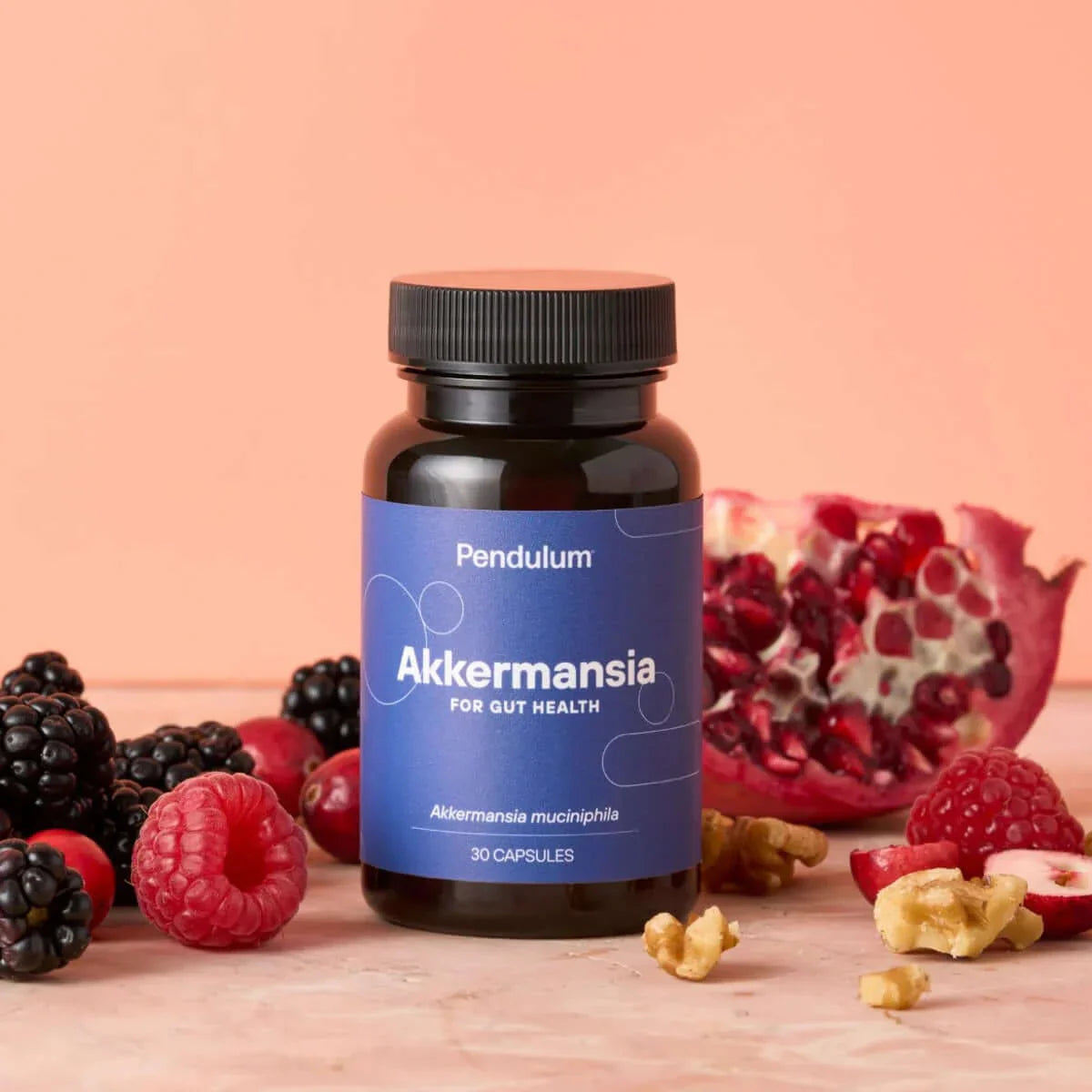
| Welzo Akkermansia 60 Billion AFU | Capsule | £21.99 | £0.73 | ~£62 |
| Doctor's Best LactoSpore | Capsule | £18.79 | £0.31 | ~£26 |
A twelve-week course of Symprove costs roughly nine times a twelve-week course of a clinically trialled spore-based capsule. That does not make Symprove a bad product — its trial evidence is genuinely better than most — but it does mean the format carries a substantial premium that has nothing to do with efficacy.
When a drink is worth it: you dislike swallowing capsules, you have tried capsules without benefit, or you specifically want the product that was trialled. When a capsule is the better buy: almost every other situation, particularly if you travel, need shelf stability, or are running a long trial. Browse all probiotics, or read best probiotics UK, high-strength probiotics, probiotic powders and vegan probiotics.
For IBS specifically, see best supplements for IBS, IBS subtypes, the low FODMAP diet and supplements for bloating. The British Society of Gastroenterology's 2021 IBS guideline lists probiotics as an option but declines to specify a strain, because the evidence is spread thinly across many small trials.
|
⚠ Seek medical advice before taking live probiotic drinks if you:
Food supplements are regulated as foods, not medicines, and are not assessed for efficacy by the MHRA before sale. See probiotic safety and probiotic side effects. |
|
⚠ See your GP rather than self-treating if you have:
See NHS guidance on IBS and bowel cancer, plus our guide on when to see a GP. Before assuming IBS, it is worth excluding coeliac disease, SIBO and bile acid malabsorption. |
Symprove has the strongest published evidence of any UK probiotic drink, with a 186-patient, 12-week randomised trial at King's College London showing improvement in IBS symptom scores. It is also the most expensive at roughly £2.85 per day. For everyday use, plain live kefir is better value and is covered by an authorised lactose-digestion claim.
Generally no. Capsules cost far less per day, are shelf-stable, travel easily and often contain higher, better-specified doses. Drinks make sense if you dislike swallowing capsules or specifically want a product that was trialled in liquid form.
Some do, for some people, for some outcomes. Symprove has genuine trial evidence in IBS. Kefir has an authorised claim for lactose digestion. Kombucha has very little human evidence. Products with no named strain and no published trial should be treated as unproven.
It varies enormously. Water-based drinks like Symprove contain minimal sugar; unflavoured kefir is low because fermentation consumes the lactose; dairy shots and kombucha are often sweetened. Always check the nutrition panel rather than the front of the pack.
For most everyday purposes, yes. Kefir has far greater microbial diversity than a single-strain shot, is inexpensive, and live cultures in fermented milk carry the only authorised GB health claim in this category — for improving lactose digestion. Choose plain and unpasteurised-after-fermentation.
Allow at least four weeks, which is what NICE guideline CG61 advises for probiotics in IBS. Many people need eight to twelve weeks. If nothing has changed by twelve weeks, stopping is reasonable.
Most live drinks require refrigeration — check the label. This is a genuine practical drawback for travel and a common reason people miss doses. Shelf-stable capsules avoid the problem entirely.
For most healthy adults, yes, and daily use is how they were studied. Watch the cumulative sugar if you are choosing a sweetened dairy shot.
The evidence is weak. Live organism content varies widely between products and batches, human outcome data are very limited, and many commercial versions retain significant sugar. Enjoy it as a drink, not as a gut treatment.
No. Anyone immunocompromised, critically ill, or with a central venous catheter or prosthetic heart valve should get medical advice first. People with histamine intolerance often react badly to fermented drinks.
This article is for general information and education. It is not medical advice and is not a substitute for assessment, diagnosis or treatment by a qualified healthcare professional. Food supplements should not replace a varied, balanced diet or prescribed medical treatment, and should not delay seeking a diagnosis. If you are pregnant, breastfeeding, taking prescribed medication or living with a diagnosed condition, speak to your GP or pharmacist before starting any supplement.
Dr Zeeshan Afzal, MBBS is a Medical Doctor and Welzo's Medical Content Lead. He writes and reviews Welzo's clinical content against NHS, NICE and MHRA guidance, with a focus on separating what the evidence supports from what supplement marketing asserts.
Welzo sells Symprove and Naked Biotics and earns revenue when you buy them. We do not sell most of the products discussed in this article, including Yakult, Actimel, supermarket kefir and kombucha, and we have recommended kefir and capsule alternatives over our own stocked drinks where the evidence and the economics support it. Prices, review counts and stock status were taken from welzo.com on the date of publication and change frequently.
 Βαθμολογημένη εξαιρετική από 26,523+ κριτικές
 100% εγγύηση επιστροφής χρημάτων
Η εγγύηση επιστροφής χρημάτων σας εξασφαλίζει ότι θα λάβετε τα στοιχεία σας ή θα λάβετε πλήρη επιστροφή χρημάτων.