

H. pylori: Testing, Treatment and Gut Recovery
Posted on:
Aug 05, 2026
Authored by


Written and medically reviewed by Dr Zeeshan Afzal (MBBS) — Medical Doctor & Medical Content Lead, Welzo
Evidence-based · Aligned with NICE and international gastroenterology guidance
Last updated: January 2026 · Reading time: ~15 minutes
Helicobacter pylori — usually shortened to H. pylori — is one of the most common chronic infections in the world and a major concern in digestive health, quietly colonising the stomach lining of around half the global population. It's also one condition where no gut health supplement will do the job: most people who carry it never know, but in others it drives indigestion, stomach inflammation, ulcers and, over many years, a raised risk of stomach cancer. The good news is that it's straightforward to test for and, in most cases, curable with a proper course of treatment.
This doctor-reviewed guide walks through the three things people most want to understand: how H. pylori is tested for, how it's treated, and how to help your gut recover afterwards. Throughout, the message is the same — H. pylori needs proper medical eradication, and supplements have a supporting role in recovery rather than being a treatment in their own right.
The short version: H. pylori is a stomach bacterium tested by breath or stool test (stop acid-reducing medicines beforehand for an accurate result). Treatment is a 1–2 week course combining acid suppression with two or more antibiotics, followed by a test to confirm it's gone. Afterwards, probiotics, a plant-rich diet and time help the gut recover. Explore Welzo's gut health range, and never self-treat H. pylori — see a GP.

Table of contents
Helicobacter pylori is a spiral-shaped bacterium uniquely adapted to survive in the harsh, acidic environment of the stomach. It burrows into the protective mucus layer of the stomach lining, where it can persist for decades. Most infections are acquired in childhood and spread person to person, and once established the bacterium is not cleared by the immune system on its own.
Why does it matter? Because although most carriers have no symptoms, H. pylori is the leading cause of chronic gastritis and of most peptic ulcers, including stomach ulcers. It's also classified as a group 1 carcinogen, meaning long-standing infection modestly raises the lifetime risk of stomach cancer and a rare lymphoma of the stomach lining (MALT lymphoma). Eradicating it heals ulcers, resolves the inflammation, and reduces these long-term risks — which is why finding and treating it is worthwhile.
H. pylori itself is often silent. When it does cause symptoms, they're usually those of the conditions it triggers — indigestion (dyspepsia), a burning or gnawing upper-abdominal pain, nausea, bloating, feeling full quickly, or the pain of an ulcer. None of these is specific to H. pylori, which is exactly why testing matters rather than guessing.
Current UK guidance recommends a "test and treat" approach for adults with persistent indigestion who don't have alarm features: test for H. pylori and, if positive, treat it. Testing is also sensible for people with a history of ulcers, and for some who take long-term anti-inflammatory painkillers. However, anyone with warning symptoms — or new indigestion over the age of 55 — should be assessed by a doctor first, as covered in the red-flag section below, because these may need an endoscopy rather than a simple test.
There are several ways to test for H. pylori, and choosing well — and preparing properly — makes the difference between a reliable result and a misleading one.
Preparation is critical. Acid-reducing medicines and antibiotics suppress the bacteria and can produce a false-negative result. UK guidance advises stopping proton pump inhibitors (PPIs) for at least two weeks, and avoiding antibiotics and bismuth for four weeks, before a breath or stool test (NICE quality standard). If you're on long-term acid suppression, don't stop it without advice — see our guide to omeprazole and long-term use, and speak to your GP or pharmacist about the safest way to prepare for testing.
Treating H. pylori means eradicating it, which takes a carefully chosen combination of medicines rather than a single antibiotic. Standard regimens pair an acid-suppressing PPI with two or more antibiotics, taken together for a defined course:
Two points make or break treatment. First, antibiotic resistance — particularly to clarithromycin — is the main reason eradication fails, so your doctor will consider your previous antibiotic use when choosing a regimen, and salvage courses deliberately avoid antibiotics you've already had. Second, completing the full course exactly as prescribed matters enormously; stopping early because you feel better, or because of side effects, is a common cause of failure and resistance.
Confirming cure. Because you can't feel whether the bacteria are gone, a test of cure — usually a breath or stool test performed at least four weeks after finishing antibiotics (and off PPIs for two weeks) — is recommended, especially after an ulcer or persistent symptoms. Reassuringly, once H. pylori is successfully eradicated, it comes back only rarely.
Eradication therapy works, but the antibiotics involved can temporarily disturb the wider gut microbiome and commonly cause side effects such as nausea, an altered taste and antibiotic-associated diarrhoea. Supporting your gut before, during and after the course helps you tolerate treatment and recover well.
A few practical habits make the course more bearable. Taking the medication with food where advised, staying well hydrated, and spacing probiotics a couple of hours apart from the antibiotics can all help. Mild nausea and a metallic taste usually settle once the course finishes. What you should not do is stop early because of side effects — if they're troubling you, contact your GP or pharmacist, who can offer strategies to help you complete the full course rather than abandoning it, since an unfinished course is a leading cause of treatment failure.
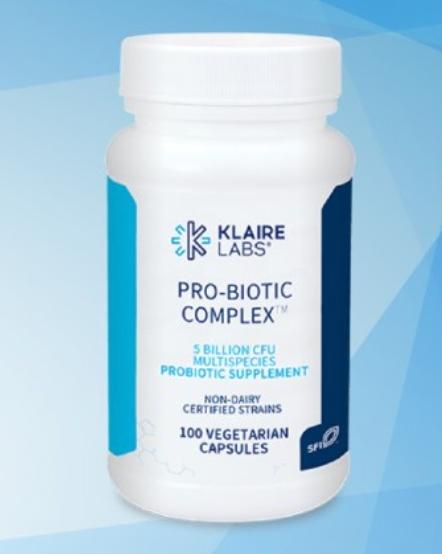
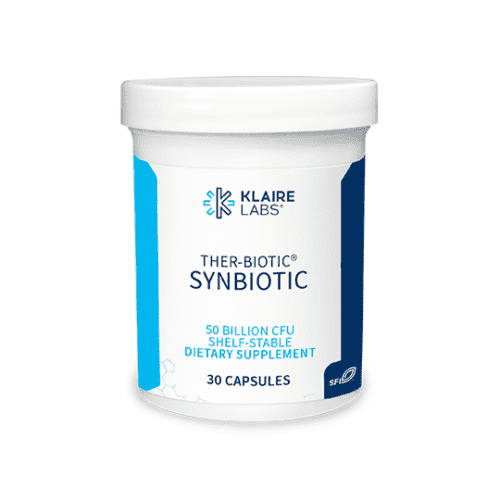
This is where the evidence for probiotics is strongest. A meta-analysis of 21 randomised trials found that adding probiotics to eradication therapy improved eradication rates and reduced treatment-related side effects (Zhang et al., 2015). Continuing a probiotic afterwards can also help re-establish balance — our guide to probiotics after antibiotics explains the timing, and you can compare options in the Welzo probiotics collection.
Antibiotics reduce microbial diversity, so the recovery goal is to feed a broad range of beneficial bacteria. A plant-rich, high-fibre diet with plenty of vegetables, wholegrains, legumes and fermented foods does most of the work; see our list of the best foods for gut health. Prebiotic fibres such as citrus pectin can help feed those bacteria, and rebuilding takes weeks rather than days, so consistency beats intensity.
With the infection cleared, the inflamed lining needs time to settle. Alongside a gentle diet, some people use mucosal-support supplements like zinc carnosine, which is traditionally used to support the gastric lining. Sulforaphane-rich broccoli sprouts are also worth a mention: in a randomised study, they reduced markers of H. pylori colonisation and gastric inflammation (Yanaka et al., 2009), a nice example of food-as-support — though not a stand-alone treatment.
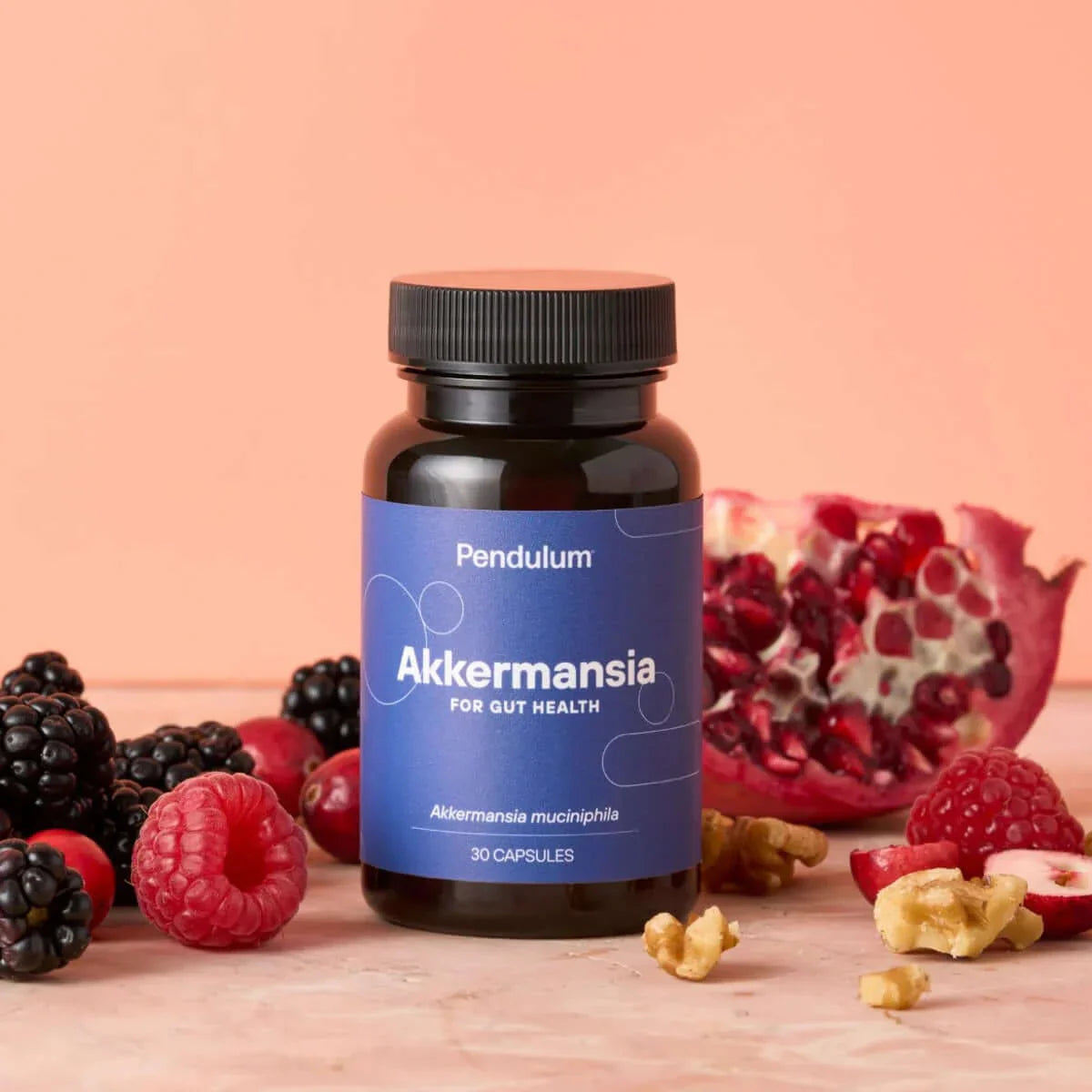
It's worth being clear about what supplements can and can't do here. Probiotics, zinc carnosine and a good diet genuinely support tolerance and recovery. But other popular gut products target different goals and are not H. pylori treatments. Berberine is studied mainly for blood sugar and gut microbes and appears in some adjunct research, but it is not a substitute for guideline eradication therapy. Bile-focused TUDCA targets bile flow, and mucin-associated species like Akkermansia support the broader microbiome — useful for general gut health, but not a way to clear an infection. The bottom line: treat H. pylori properly with your doctor, then use supplements to help your gut bounce back.
H. pylori spreads from person to person, most likely through saliva, contaminated food or water, and close household contact — which is why infections often cluster within families and are commonly picked up in childhood. There's no vaccine, and because transmission usually happens early in life within the home, there's little you can realistically do to "prevent" an infection you may have carried for decades. Sensible general hygiene — washing hands, and food and water safety when travelling — is reasonable but not a guaranteed shield.
A question that comes up often is whether partners or children should be tested. Routine testing of every household member isn't standard practice, but it can be worth discussing with your GP in certain situations — for example, if a close family member also has troublesome dyspepsia or a history of ulcers. Testing and, if needed, treating an infected partner may also reduce the small chance of passing it back and forth, though re-infection after successful eradication is uncommon in the UK. As with everything about this bacterium, the decision is best made with a clinician rather than acted on alone.
It's also worth knowing that a small number of people are re-treated because the first course didn't fully clear the infection — this is usually down to antibiotic resistance rather than "catching it again", and it's exactly why the test of cure matters. If your follow-up test is still positive, your doctor will choose a different combination of antibiotics rather than simply repeating the same one.
H. pylori should always be managed with a clinician, not self-diagnosed or self-treated. Some symptoms in particular need prompt, in-person assessment rather than a home test or supplement, because they can point to an ulcer complication or something more serious.
See a doctor urgently if you have:
Read more on when to see a GP about stomach symptoms, and see NHS — Stomach ulcer (including H. pylori).
Helicobacter pylori is a spiral-shaped bacterium that infects the stomach lining, affecting around half the world's population. It's usually acquired in childhood and can persist for decades. Many people have no symptoms, but it's the leading cause of chronic gastritis and most peptic ulcers, and long-standing infection modestly raises the risk of stomach cancer.
H. pylori is often symptomless. When symptoms occur, they're usually those of the conditions it causes: indigestion, a burning or gnawing upper-abdominal pain, nausea, bloating and feeling full quickly. Because these overlap with other conditions, testing is the only reliable way to know whether H. pylori is present.
The most accurate non-invasive tests for active infection are the urea breath test and the stool antigen test. A blood antibody test can't distinguish current from past infection, so it's less useful. If you're having an endoscopy, tissue samples can be tested directly. Prepare properly, as acid-reducing medicines can cause false negatives.
Yes. Proton pump inhibitors such as omeprazole suppress the bacteria and can produce a false-negative result, so UK guidance advises stopping them for at least two weeks before a breath or stool test, and avoiding antibiotics and bismuth for four weeks. Don't stop long-term acid medication without first checking with your GP or pharmacist.
Treatment combines an acid-suppressing PPI with two or more antibiotics — either triple therapy (a PPI plus two antibiotics) or bismuth quadruple therapy (a PPI plus bismuth and two antibiotics). Because of antibiotic resistance, your doctor chooses the regimen based on your history. Completing the full course exactly as prescribed is essential for success.
Courses typically last from seven to fourteen days, depending on the regimen chosen. Bismuth quadruple therapy is usually given for 14 days. It's important to finish the entire course even if you feel better, because stopping early is a common reason treatment fails and can encourage antibiotic resistance.
No. Once established, H. pylori is not cleared by the immune system and won't resolve without treatment. It also can't be reliably eradicated with supplements or home remedies. Proper eradication therapy from a doctor is the only dependable way to clear the infection, followed by a test to confirm success.
There's good evidence that adding probiotics to eradication therapy can improve success rates and reduce side effects such as antibiotic-associated diarrhoea. Continuing a probiotic afterwards may also help the gut microbiome recover. Discuss timing with your pharmacist, as probiotics are usually taken a few hours apart from antibiotics.
You can't tell from symptoms alone, so a test of cure is recommended — usually a breath or stool test performed at least four weeks after finishing antibiotics, and after being off PPIs for two weeks. This confirms whether the infection has cleared and, if not, guides the choice of a different salvage regimen.
Once H. pylori is successfully eradicated, it returns only rarely in most regions — recurrence rates are low. A positive test soon after treatment usually reflects incomplete eradication rather than a new infection. Confirming cure with a properly timed test, and completing the full course, are the best ways to keep it gone.
Medical disclaimer: This article is for general information and education only and does not constitute medical advice, diagnosis or treatment. It should not replace consultation with a qualified healthcare professional. H. pylori requires proper medical testing and eradication therapy; supplements are not intended to diagnose, treat, cure or prevent infection or any disease. Always complete prescribed courses as directed, and seek medical advice before starting new supplements or stopping any prescribed medication, particularly if you are pregnant, breastfeeding or have an existing condition.
About the author
Dr Zeeshan Afzal (MBBS) is a practising medical doctor and Welzo's Medical Content Lead. He writes and reviews Welzo's health content to ensure it is accurate, evidence-based and aligned with current UK clinical guidance, translating complex research into practical advice patients can trust.
 Βαθμολογημένη εξαιρετική από 28,951+ κριτικές
 100% εγγύηση επιστροφής χρημάτων
Η εγγύηση επιστροφής χρημάτων σας εξασφαλίζει ότι θα λάβετε τα στοιχεία σας ή θα λάβετε πλήρη επιστροφή χρημάτων.