


IBS-C vs IBS-D vs IBS-M: Which Type Do You Have?
Posted on:
Aug 05, 2026
Authored by


Written and medically reviewed by Dr Zeeshan Afzal (MBBS) — Medical Doctor & Medical Content Lead, Welzo
Evidence-based · Aligned with Rome IV criteria and NHS guidance · UK-focused
Last updated: January 2026 · Reading time: ~13 minutes
Irritable bowel syndrome isn't one condition — it's a spectrum, and one of the most misunderstood areas of digestive health. Two people can both have "IBS" and experience almost opposite problems: one battling constipation, the other rushing to the toilet. That's why doctors divide IBS into subtypes, and why knowing yours matters: the right diet and gut health supplements differ significantly depending on whether you have IBS-C, IBS-D or IBS-M.
This doctor-reviewed guide explains how the three main subtypes are defined, how to work out which one fits your pattern, and how management differs for each. Getting the subtype right is often the difference between a treatment that helps and one that makes things worse — a fibre or supplement that soothes constipation can aggravate diarrhoea, and vice versa.
The short version: IBS subtypes are classified by your stool form on days with abnormal bowel movements. IBS-C is constipation-predominant (mostly hard/lumpy stools), IBS-D is diarrhoea-predominant (mostly loose/watery), and IBS-M is mixed (both). Peppermint oil helps pain across all types, while fibre and magnesium suit IBS-C, and different strategies suit IBS-D. Explore Welzo's gut health range, and get a proper diagnosis first.

Table of contents
IBS is a disorder of gut–brain interaction: the bowel is structurally normal, but the way it moves and senses is disturbed. Under the international Rome IV criteria, a diagnosis requires recurrent abdominal pain, on average at least one day a week over the past three months, linked to defecation or to a change in stool frequency or form.
Crucially, the subtype is then decided by your stool form on the days you have abnormal bowel movements, using the Bristol Stool Chart (types 1–2 are hard and lumpy; types 6–7 are loose and watery). According to the Rome IV framework, the subtypes are defined as follows (StatPearls, 2025):
A fourth category, IBS-U (unclassified), applies when the pattern doesn't clearly fit any of these. Subtypes can also change over time, which is part of what makes IBS so individual.
In IBS-C, the dominant problem is hard, infrequent stools alongside the abdominal pain that defines IBS. Typical features include straining, a sense of incomplete emptying, and bloating that often builds through the day and doesn't fully settle after a bowel movement.
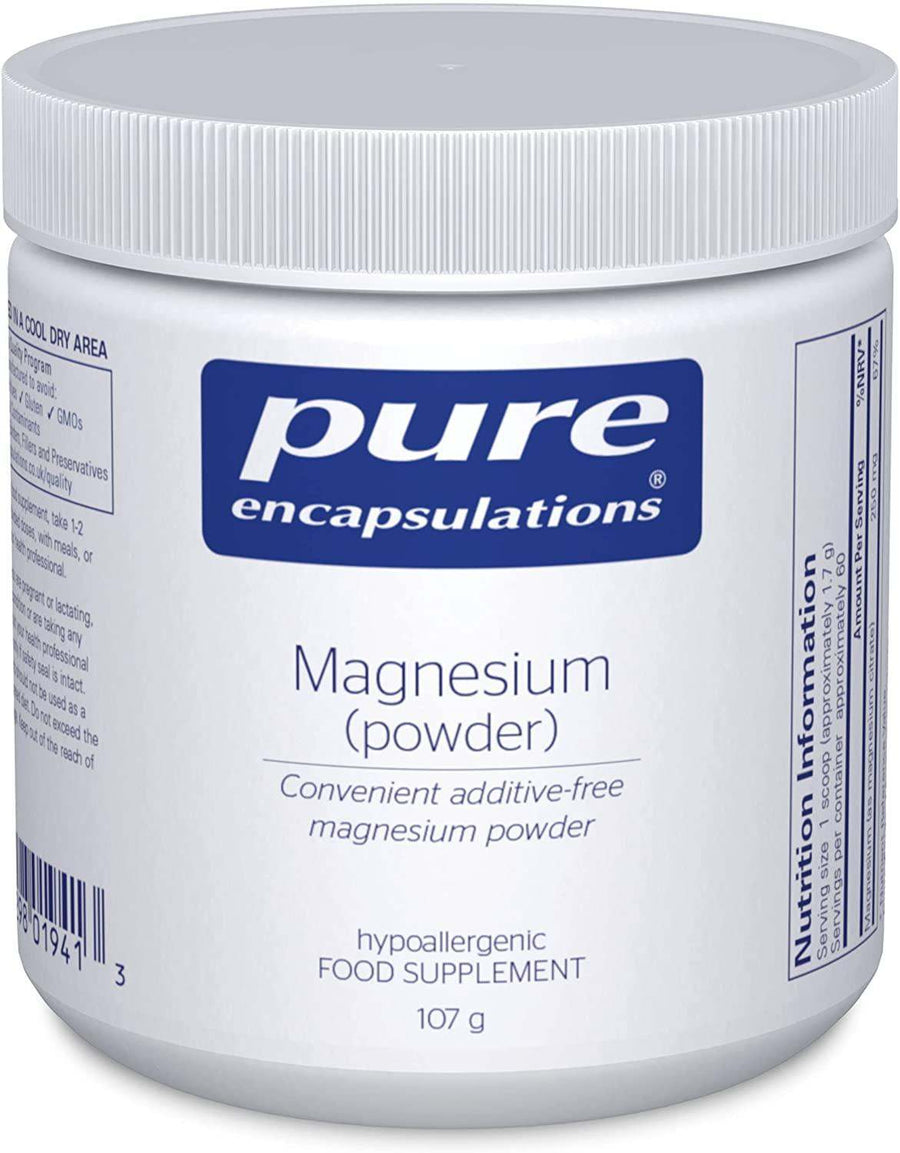
Management focuses on softening and moving the stool while easing pain. Gradually increasing soluble fibre — such as ispaghula/psyllium or prebiotic fibres like modified citrus pectin — helps many people, as does adequate fluid. Magnesium, an osmotic that draws water into the bowel, is a well-supported option for the constipation element — start low, take it with water, and reduce the dose if stools become loose. Insoluble fibre like wheat bran, by contrast, can worsen IBS symptoms and is best avoided.
In IBS-D, loose or watery stools dominate, often with urgency, more frequent bowel movements (particularly in the morning or after meals), and cramping that eases temporarily after going. The unpredictability can be genuinely limiting, with anxiety about toilet access shaping daily life.
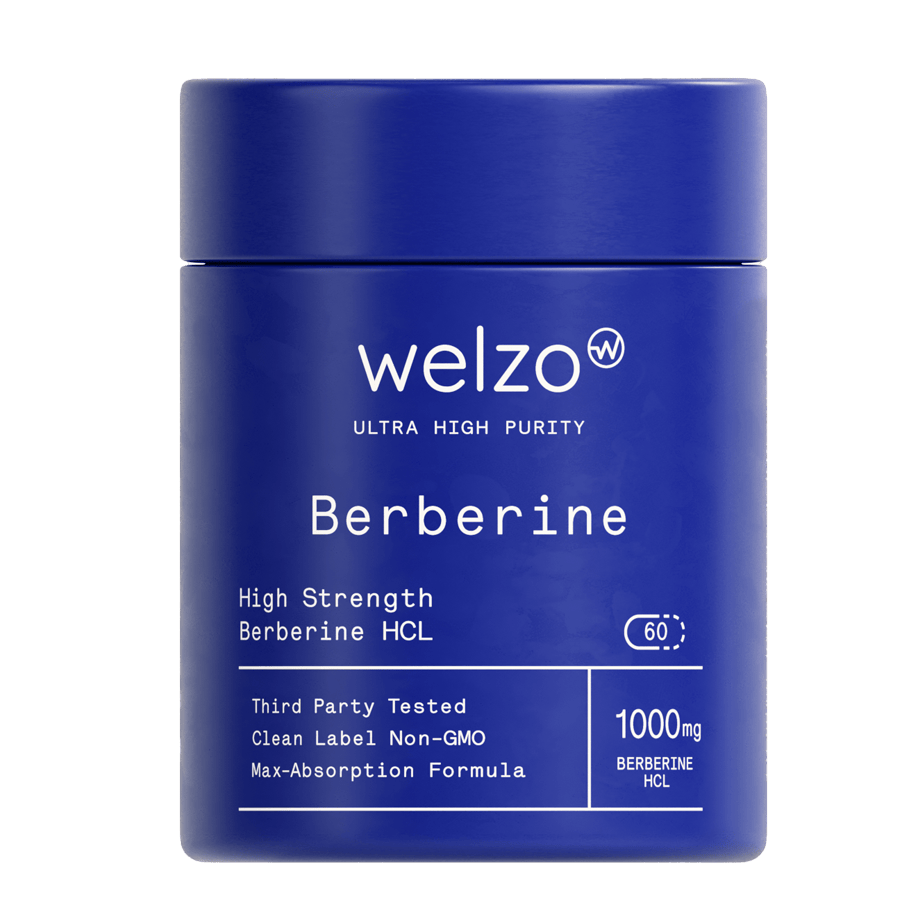
Management aims to slow and firm things up. There is randomised-trial evidence for berberine, which reduced diarrhoea, pain and urgency in IBS-D (Chen et al., 2015), and for L-glutamine specifically in post-infectious IBS-D with a leaky gut barrier (Zhou et al., 2019). Importantly, some conditions masquerade as IBS-D and need different treatment: SIBO and bile acid malabsorption are common examples — the latter involves bile handling rather than IBS itself, and products like TUDCA target bile flow. Persistent diarrhoea always deserves proper assessment.
IBS-M is the most changeable — and often the most frustrating — subtype, with bowel habit swinging between constipation and diarrhoea, sometimes within the same week. It tends to be the hardest to treat, because a strategy that helps one extreme can trigger the other.
The practical approach is to treat the predominant symptom at any given time while keeping the foundations steady: a consistent, structured diet, good hydration, stress management, and gentle, well-tolerated options rather than strong laxatives or anti-diarrhoeals that can tip you the other way. Peppermint oil is particularly useful here because it targets the pain and spasm common to every subtype, without pushing bowel habit in either direction.
| IBS-C | IBS-D | IBS-M | |
|---|---|---|---|
| Main stool pattern | Hard/lumpy (Bristol 1–2) | Loose/watery (Bristol 6–7) | Both, alternating |
| Key symptoms | Straining, incomplete emptying, bloating | Urgency, frequency, cramping | Unpredictable swings |
| Often helps | Soluble fibre, magnesium, fluids | Berberine, glutamine (post-infectious) | Treat predominant symptom |
| Best avoided | Insoluble fibre (wheat bran) | Excess caffeine, sugar alcohols | Strong laxatives/anti-diarrhoeals |
| Helps all types | Enteric-coated peppermint oil (pain/spasm) · low-FODMAP diet · stress management · specific probiotics | ||
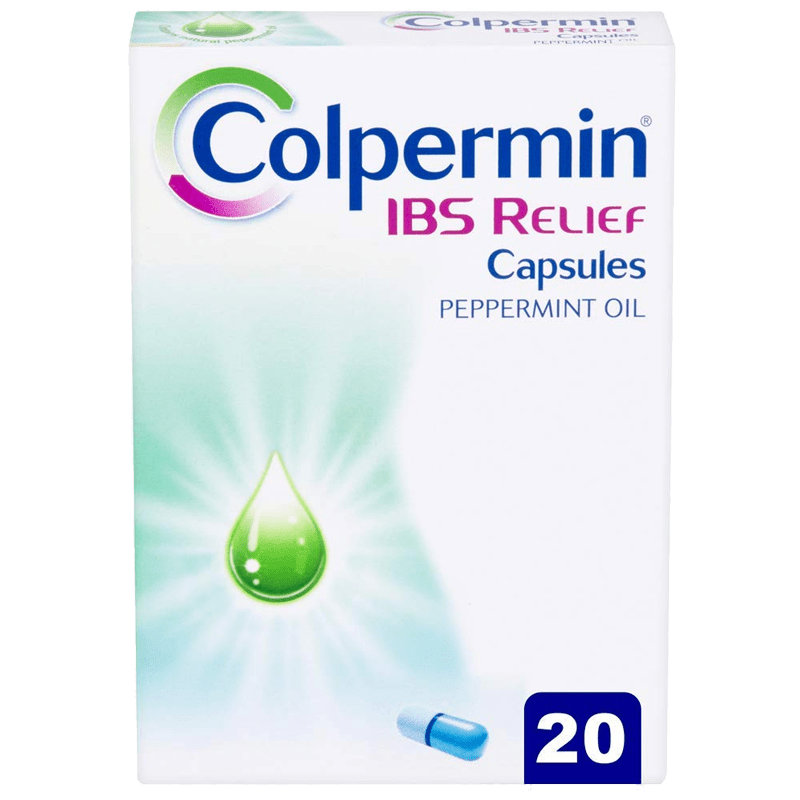
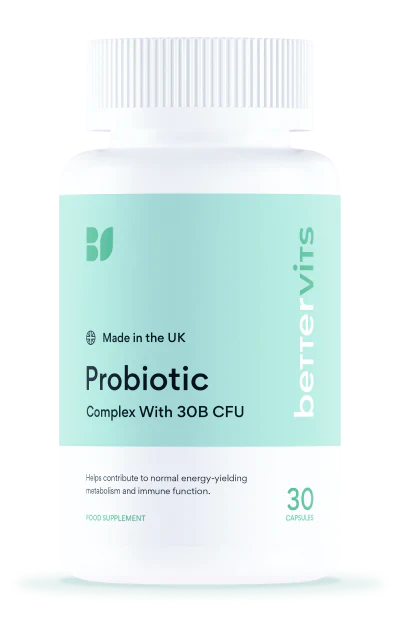
Some approaches help regardless of subtype. Enteric-coated peppermint oil is the best-evidenced botanical for IBS and eases the pain and spasm common to all three types (plant-derived IBS treatments review, 2025). A structured low-FODMAP diet has the strongest dietary evidence, and specific probiotic strains help some people (meta-analysis, 2024) — browse the Welzo probiotics collection. For a fuller run-through, see our guide to the best supplements for IBS.
Whatever your subtype, some fundamentals do a lot of the heavy lifting and are worth getting right before fine-tuning supplements:
Only once these foundations are steady does it make sense to layer in subtype-specific supplements, so you can see clearly what each is doing.
The most reliable way to identify your subtype is to track your symptoms rather than guess. For two weeks, note each bowel movement against the Bristol Stool Chart, along with pain, bloating and any triggers. Then look at your abnormal days: if hard, lumpy stools dominate, you're likely IBS-C; if loose or watery stools dominate, IBS-D; if you regularly swing between the two, IBS-M.
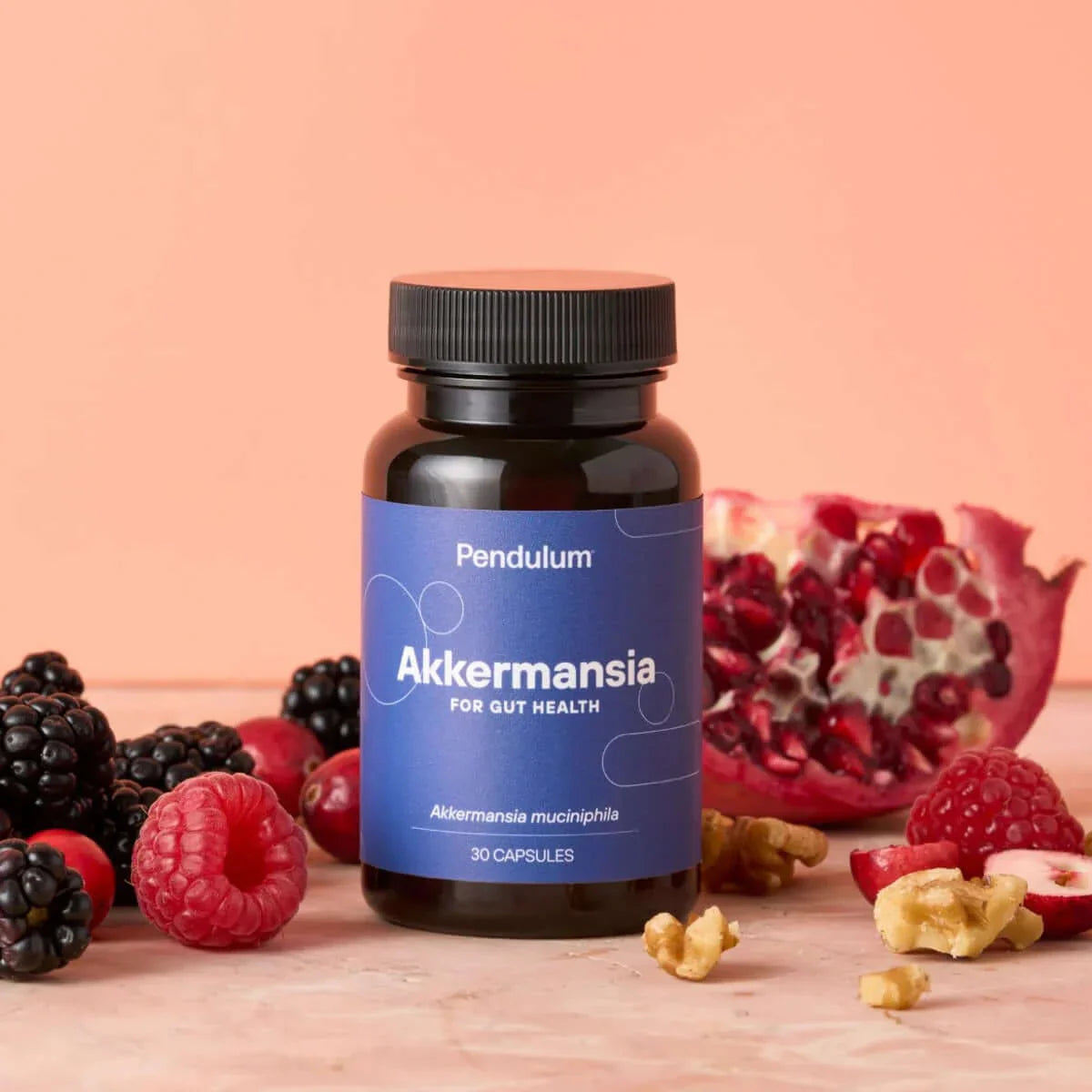
That said, self-identification isn't a diagnosis. IBS is diagnosed by a clinician, who will also make sure nothing else is being missed — and if you notice any alarm features, those take priority over subtyping. Species such as Akkermansia and general gut-supportive habits can help the microbiome over time, but they don't replace proper assessment.
IBS is real and common, but its symptoms overlap with conditions that need excluding — such as coeliac disease and inflammatory bowel disease — so a proper diagnosis matters before you commit to a management plan. Certain "red flag" symptoms are never assumed to be simple IBS and need prompt assessment.
See your GP before self-treating if you have:
These need proper assessment. Learn more about when to see a GP about stomach symptoms, and see NHS — Irritable bowel syndrome (IBS).
There are three main subtypes plus one catch-all. IBS-C is constipation-predominant (mostly hard, lumpy stools), IBS-D is diarrhoea-predominant (mostly loose, watery stools), and IBS-M is mixed, swinging between the two. IBS-U (unclassified) is used when the pattern doesn't clearly fit any category. All share the abdominal pain that defines IBS.
Track your bowel movements against the Bristol Stool Chart for about two weeks, then look at your abnormal days. If hard, lumpy stools dominate, it's likely IBS-C; if loose or watery, IBS-D; if you swing between both, IBS-M. A symptom diary is the most reliable guide, but a clinician makes the actual diagnosis.
IBS-C is dominated by constipation — hard, lumpy stools, straining and a sense of incomplete emptying — while IBS-D is dominated by diarrhoea, with loose or watery stools, urgency and frequency. They often respond to opposite strategies, which is why identifying your subtype matters before choosing fibre or supplements.
Yes. IBS subtypes are not fixed, and many people shift between them over months or years — for example moving from IBS-C to IBS-M. Because of this, it's worth periodically reviewing your pattern and adjusting your approach, especially if a previously helpful strategy stops working.
IBS-M (mixed) is generally the most challenging, because bowel habit alternates and a treatment that helps constipation can trigger diarrhoea and vice versa. Management usually means treating whichever symptom is predominant at the time while keeping diet, hydration and stress management consistent.
Triggers vary, but a structured low-FODMAP approach — ideally with a dietitian — has the strongest evidence for identifying yours. Common aggravators include excess caffeine, alcohol, fatty or spicy foods, and, for IBS-C specifically, insoluble fibre like wheat bran. It's about finding your personal triggers, not blanket restriction.
Enteric-coated peppermint oil targets the abdominal pain and spasm common to every IBS subtype, and it's the best-evidenced botanical for IBS. Because it doesn't push bowel habit toward constipation or diarrhoea, it's a reasonable option across IBS-C, IBS-D and IBS-M.
Not quite. IBS-D is a specific pattern within a diagnosed disorder of gut–brain interaction, involving recurrent pain and predominantly loose stools. Some conditions mimic it — such as SIBO, bile acid malabsorption or coeliac disease — so persistent diarrhoea should be assessed rather than assumed to be a simply sensitive stomach.
Peppermint oil suits all subtypes for pain. For IBS-C, soluble fibre and magnesium help the constipation element; for IBS-D, berberine and, in post-infectious cases, L-glutamine have trial support. Specific probiotics help some people across subtypes. Match the supplement to your dominant symptom, and introduce one at a time.
The subtype itself is determined from your stool pattern rather than a specific test. However, a clinician may run limited tests — such as coeliac screening, inflammatory markers, or bile acid testing in IBS-D — to exclude other conditions before confirming IBS. That's about ruling things out, not diagnosing the subtype.
Medical disclaimer: This article is for general information and education only and does not constitute medical advice, diagnosis or treatment. It should not replace consultation with a qualified healthcare professional. Supplements are not intended to diagnose, treat, cure or prevent any disease. IBS should be diagnosed by a clinician, and persistent or red-flag symptoms should always be assessed by a doctor. Always seek advice before starting new supplements, particularly if you are pregnant, breastfeeding or taking medication.
About the author
Dr Zeeshan Afzal (MBBS) is a practising medical doctor and Welzo's Medical Content Lead. He writes and reviews Welzo's health content to ensure it is accurate, evidence-based and aligned with current UK clinical guidance, translating complex research into practical advice patients can trust.

 Évalué Excellent par 28,951+ avis
 Garantie de remboursement à 100%
Notre garantie de rétroaction garantit que vous recevez vos articles ou obtenez un remboursement complet.